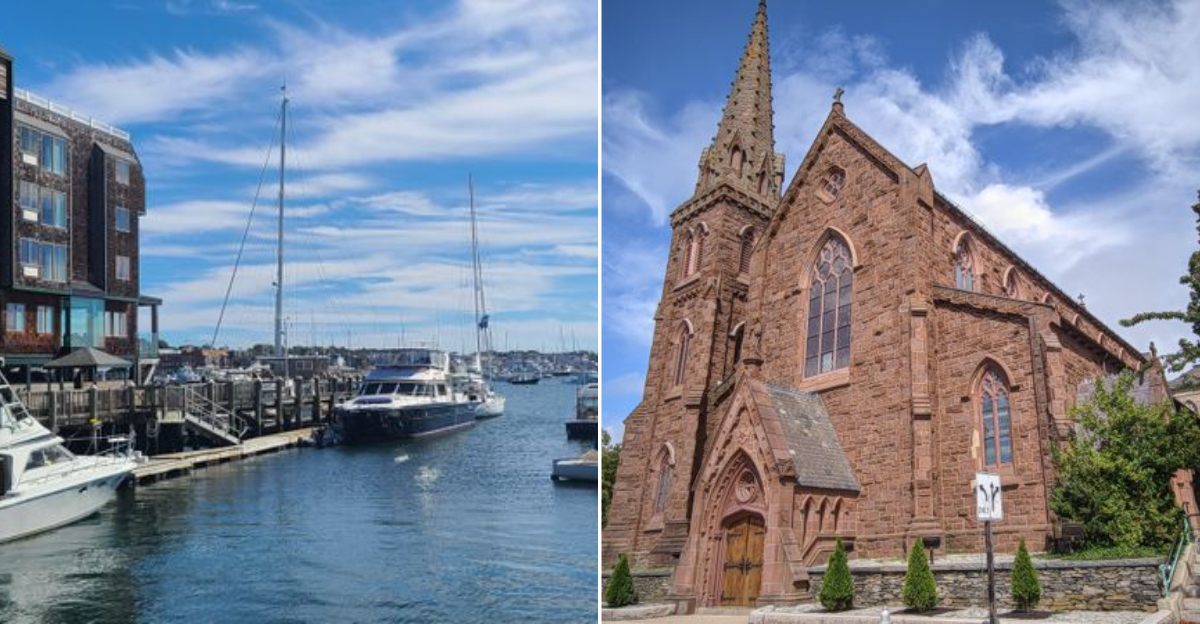
I first learned how Newport keeps its secrets when a fisherman chuckled kindly at my paper map.
Instead of pointing to a street, he told me to follow the smell of stew drifting through the air.
You know that moment when a place feels instantly yours, like it lines up with your own patchwork of memories?
That’s Newport for me: bright sails, stone streets, and the gentle pull of the water showing you where to go.
Here, locals trade directions for smiles with a gentle shrug that says Newport’s beauty knows how to guide you.
1. The Street Layout Is Confusing
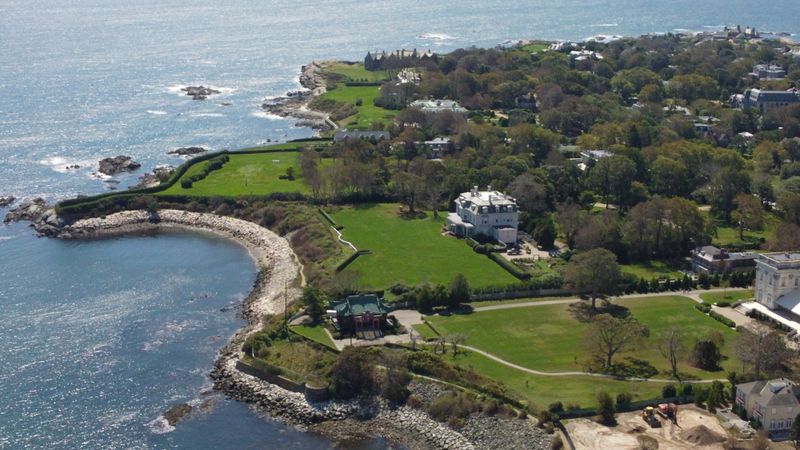
Your first step onto these streets feels like wandering into a maze that grew out of its own charm.
Newport’s oldest lanes curl toward the harbor as if the wind itself drew them.
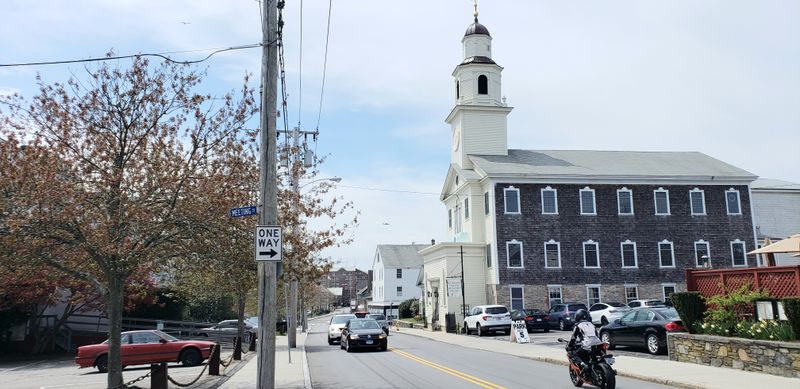
They stay narrow where wagons once rattled, and one?way signs appear like playful reminders.
Curves slip around shingled corners with a magician’s grin.
Ask for a straight shot from the wharf to the cliffs and a local smiles, knowing straight lines rarely last here.
What looks short on a map becomes a zigzag of brick alleys.
I learned to stop chasing perfect lines and to listen for seabirds tugging me toward open water.
For me, that became a compass.
Locals know a left can spin into three quick rights when cars stack up near Thames Street and the roundabout hums.
They also know tidy directions can vanish behind a delivery truck idling at a tavern door.
So they lean on grace instead of precision, nudging you toward landmarks that shine brighter than numbers on signs.
That choice feels less like avoiding frustration and more like sharing the joy of discovery.
In Newport, the path that finds you is often the one worth keeping.
2. They Assume Visitors Will Use GPS
I watched a barista slide a cappuccino across the counter and smile toward a phone screen instead of the door.
In Newport, people trust that the town itself will direct you: its marina light, its sails, its winding lanes.
Even if you ask for a route, locals know you’ll glance down at your map anyway, but they don’t mind.
It isn’t impatience.
It’s simply that Newport’s charm makes directions feel unnecessary.
The gulls, the smell of chowder, the curve of cobblestones, they all point the way.
A dockhand once grinned at me on Bowen’s Wharf and said the satellites know these streets better than he does.
He was both right and wrong.
Satellites can’t smell seaweed or hear the bell buoy in the fog.
They can’t show you how the afternoon light turns shingles silver or how laughter spills from a tavern door.
So let the GPS sketch the outline, but let Newport fill it in with soul.
That’s the quiet gift here: locals don’t need to map your steps, because the town itself does the guiding.
Every turn feels less like instruction and more like discovery, and the journey becomes part of the welcome.
3. Parking And Traffic Complicate Everything
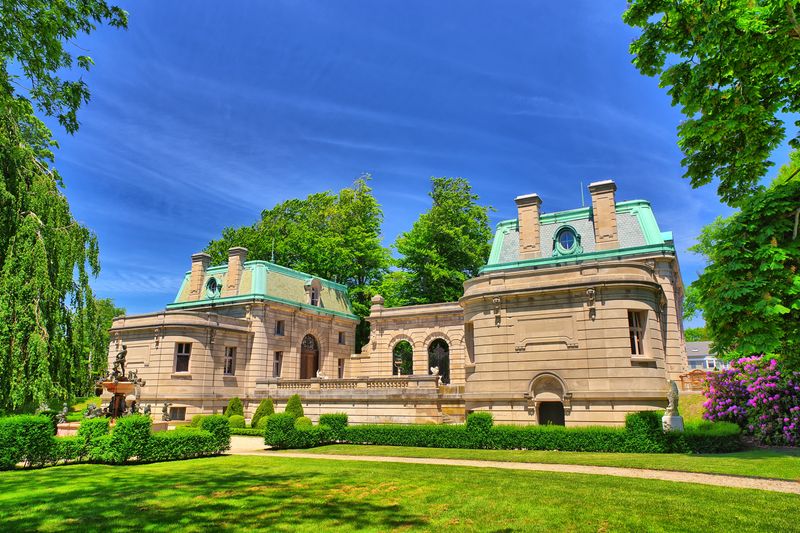
As the sun rises higher, the town gathers softly around its harbor.
Cars drift past storefronts where salt air mingles with espresso, and curbside spaces fill almost playfully.
At nine in the morning a left turn feels simple, but by afternoon it becomes part of Newport’s dance.
Locals know this rhythm well.
The best route changes with trolleys and delivery vans, so they smile instead of promising a path.
They’ll suggest patience, maybe a loop or two, while the tides of traffic and luck align.
I circled like a hawk above a fishing boat, waiting for a spot near the water.
When none appeared, I wandered inland and found a lot behind shops.
The lesson was gentle: in Newport, timing matters more than lines on a page.
Ask for directions and you’ll be met with a smile, the kind shaped by summers spent watching cars drift toward the bay.
Here, flexibility feels more like freedom, and arriving becomes part of the joy.
Movement is more about rhythm; it’s a gentle dance that changes with each tide, each horn, each passing grin.
4. They Navigate By Landmarks, Not Street Names
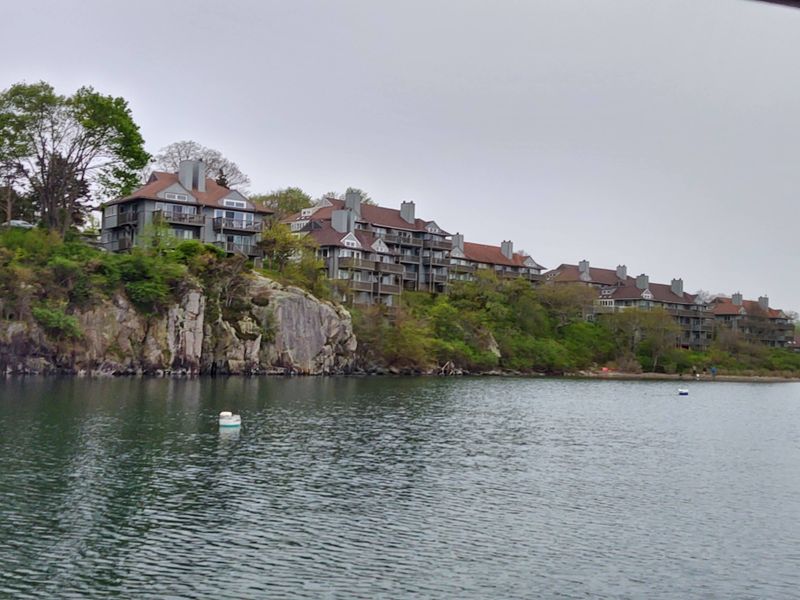
The first time someone told me to head past the church, I looked up and saw three steeples rising into the sky, each one pointing like a gentle compass.
In Newport, directions sound more like stories than instructions, shared with a smile and a wave.
Sentences are stitched with wharf posts, cupolas, and weathered shingles, and street names fade behind the curve of a pier or the tilt of a tavern sign.
It feels less like being guided and more like being invited.
Take it as an encouragement to notice the harbor light and the laughter spilling from doorways as part of the journey itself.
A local might say, “walk until you catch the scent of tar, then turn where the bricks glow redder near the harbor.”
It works beautifully for those who carry the town in their bones, and for visitors like me it becomes a playful puzzle.
I learned to match words with shapes and sounds, to let salt air and bell buoys steer the turns.
Bowen’s Wharf shifts with the hours: at noon it’s bright and bustling, at dusk the masts are stitched with gold light.
Locals carry a thousand images that change with the weather, so numbers and angles feel less certain than spires and docks.
Eventually, I fell in love with the poetry of it.
Directions became a kind of treasure hunt, rewarding attention instead of speed, and the town opened like a book.
Here, if you listen for texture and light, you’ll never feel lost.
That’s because Newport itself keeps whispering that you’re close.
5. Experience With Misunderstandings
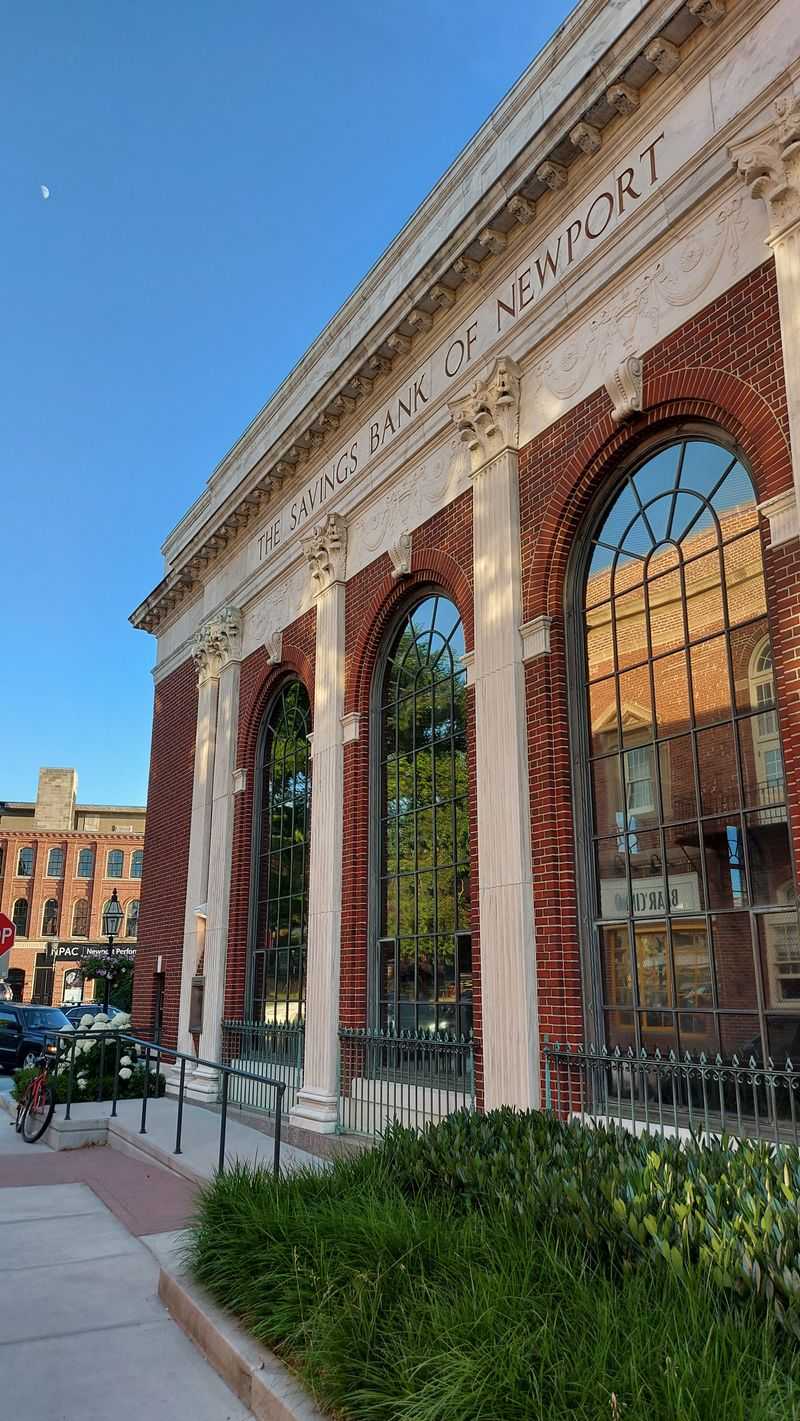
A woman once thanked me for pointing her toward the lighthouse, then returned a little windswept, having wandered inland instead.
It wasn’t frustration so much as the town’s playful way of reminding us that words can bend in the wind.
Locals know this well.
They smile when asked for exact steps, because Newport’s charm is its own compass.
The sails, the gulls, the cobblestones: they usher you more surely than any street name.
So instead of scripts and angles, people offer gentle hints, trusting the town to do the rest.
I learned to let the harbor light, the aroma of chowder, and the bell buoy in the fog carry me forward.
And soon I noticed how shop windows glowed like lanterns at dusk, how laughter spilled from tavern doors, how even the tilt of a weathered shingle seemed to point the way.
Here, directions feel like invitations to notice.
Every detour becomes a discovery, every wrong turn a chance to see something new.
I once followed music drifting from a side street and found a fiddler playing beneath a string of lights.
Another time, a gull’s flight led me toward a bakery where the scent of cinnamon was my orientation.
In Newport, the path that finds you is often lovelier than the one you planned, and that is the town’s quiet gift.
6. Seasonal Changes Affect Routes
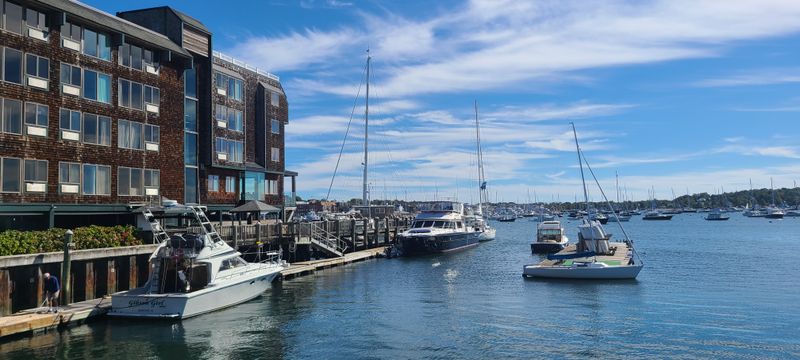
By June the waterfront wakes gently, as if the town has dressed itself overnight for a festival.
Cones and arrows appear like decorations, shifting paths as easily as sails catch the wind.
Locals know this rhythm well: a route that felt clear last week may wander today.
They don’t rush to draw maps that fade too quickly.
Instead, they smile and point you toward the harbor’s tides and the town’s unfolding energy.
I once met a closure near the water and was waved toward a side street that bloomed with buskers and the scent of butter on a hot skillet.
Here, seasons pivot with sudden joy, and the streets pivot with them, like boats turning their keels to the wind.
Winter opens space, summer gathers crowds, and time itself stretches and compresses with the town’s pulse.
Ask a resident for certainty in August and you’ll receive kindness wrapped in a gentle shrug, because Newport redraws itself with every calendar page.
And that’s the gift: locals don’t need to give directions, because the beauty of the town alone shows you where to go.
7. They Want To Protect Quieter Areas
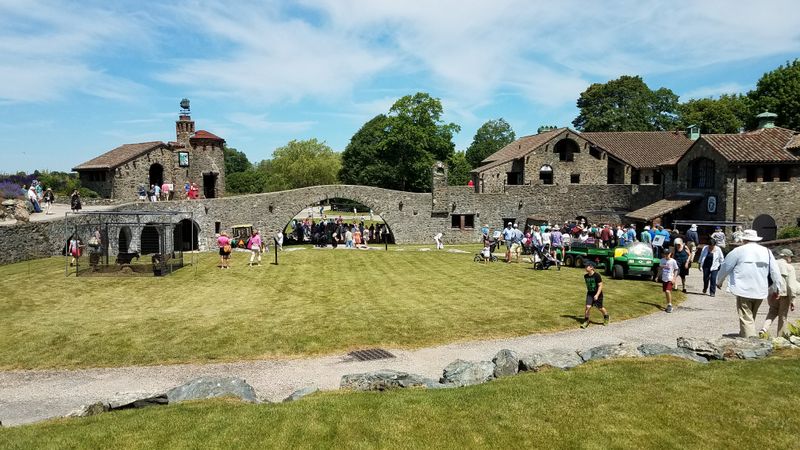
Walk a block or two from the wharf and Newport lowers its voice.
Porches creak gently, and neighbors trade waves that feel like invitations to linger.
Locals don’t need to hand out strict directions, because the town’s charm already shows you where to go.
A shopkeeper once suggested the scenic way, and I realized it wasn’t about saving minutes.
It was about savoring them.
The harbor light, the curve of cobblestones, the scent of chowder: these are the signs that matter.
Newport thrives on visitors, yet its quiet corners still feel like home by dusk.
Direction here is more about care than precision, a gentle nudge toward places that open like gifts.
Think of it as a custom that treats neighborhoods like living rooms, where every turn is an invitation.
Follow that spirit and you’ll discover views that feel earned, not rushed, and a welcome that stays warm for the next traveler.
I found myself pausing at gardens tucked behind fences, listening to birds stitch the sky with sound, and noticing how lanterns glow like small beacons along the waterfront.
Every detail feels like a guidepost, reminding you that Newport’s story is written in textures and light.
Here, kindness is knowing you’ll never feel lost when the town itself is your compass.
8. Walking Vs. Driving Makes A Difference
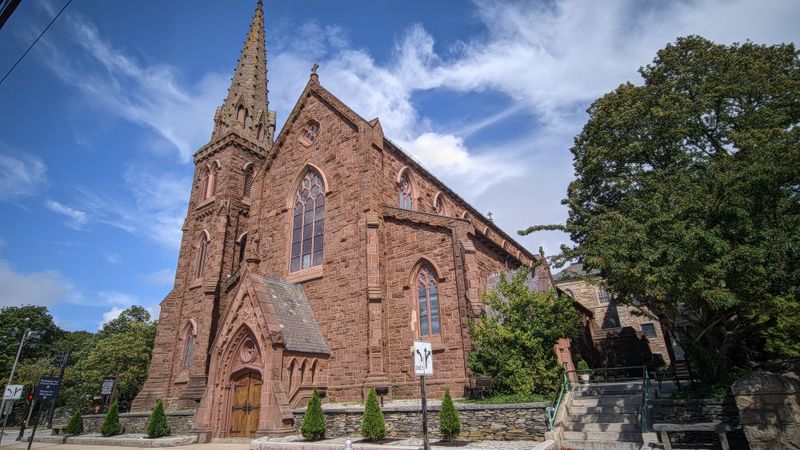
The same harbor wind that lifts a sail can slow a car to a gentle crawl along a narrow lane.
Newport feels perfectly sized for wandering feet, though cars fuss over mirrors and stone walls.
Ask for the best route and locals smile, knowing the town’s spirit will guide you more than any map.
Walking opens hidden alleys and stairways that feel like graceful bridges between blocks.
Driving stretches distance into loops and turnarounds until patience finds you a place to pause.
I learned to park once and let my legs carry me past shops scented with citrus and rope.
On foot, the town reveals murals of shadow and light, while the car only hears its brakes.
That’s why directions here are gentle: locals simply ask if you plan to walk.
Say yes, and paths unfold toward the waterfront with ease.
Say you’ll drive, and the journey becomes its own rhythm of circles and pauses.
Either way, the bay keeps waving you closer, and the pace you choose becomes part of Newport’s story.
And as you wander, you notice how laughter spills from tavern doors, how birds trace arcs above rooftops, how even the tilt of a weathered shingle seems to point you onward.
Every step feels less like following instructions and more like joining a dance, where the town itself directs with grace.
In Newport, the journey is never just about arrival.
It’s about the gentle discoveries that guide you along the way.
9. Time Constraints In Busy Seasons
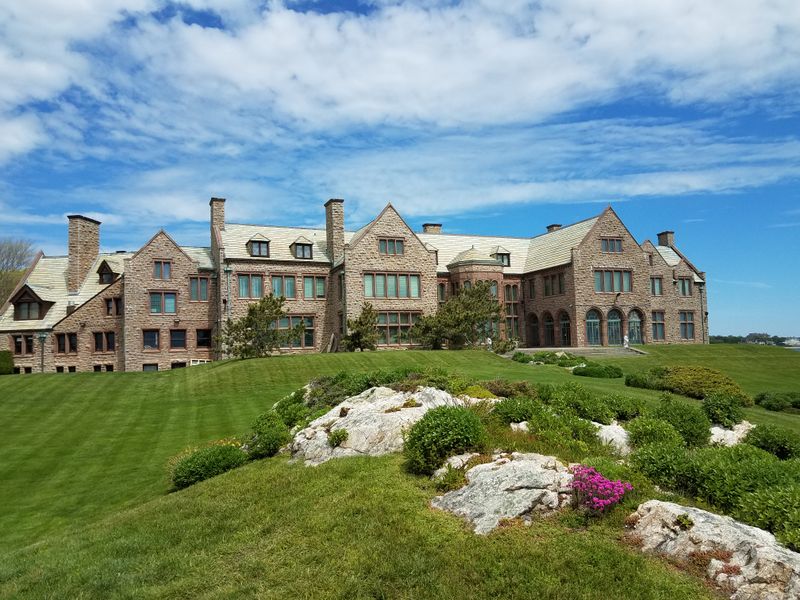
By midday, the town hums with quick nods and easy steps as trays and packages move like clockwork.
Workers balance orders while visitors balance cameras and questions.
There’s kindness in every smile, even as the rhythm of the day keeps moving.
Locals don’t need to give long explanations, because Newport itself points the way.
So they offer gentle hints, trusting the town’s charm to carry you further.
I learned to ask small questions, the kind answered before a kitchen bell rings, and to let the streets themselves do the rest.
Respecting the tempo of the season opens doors to warmer help and brighter paths.
Here, hospitality flows with the tide, and the town’s spirit makes sure you never feel lost.
The sails overhead and the stones catching light: all of it becomes a compass.
Even detours feel like discoveries, leading you past murals and beautiful shop windows.
That is how everyone finds their way: with spirits intact, guided by the harbor’s embrace and the town’s gentle rhythm.
Dear Reader: This page may contain affiliate links which may earn a commission if you click through and make a purchase. Our independent journalism is not influenced by any advertiser or commercial initiative unless it is clearly marked as sponsored content. As travel products change, please be sure to reconfirm all details and stay up to date with current events to ensure a safe and successful trip.
