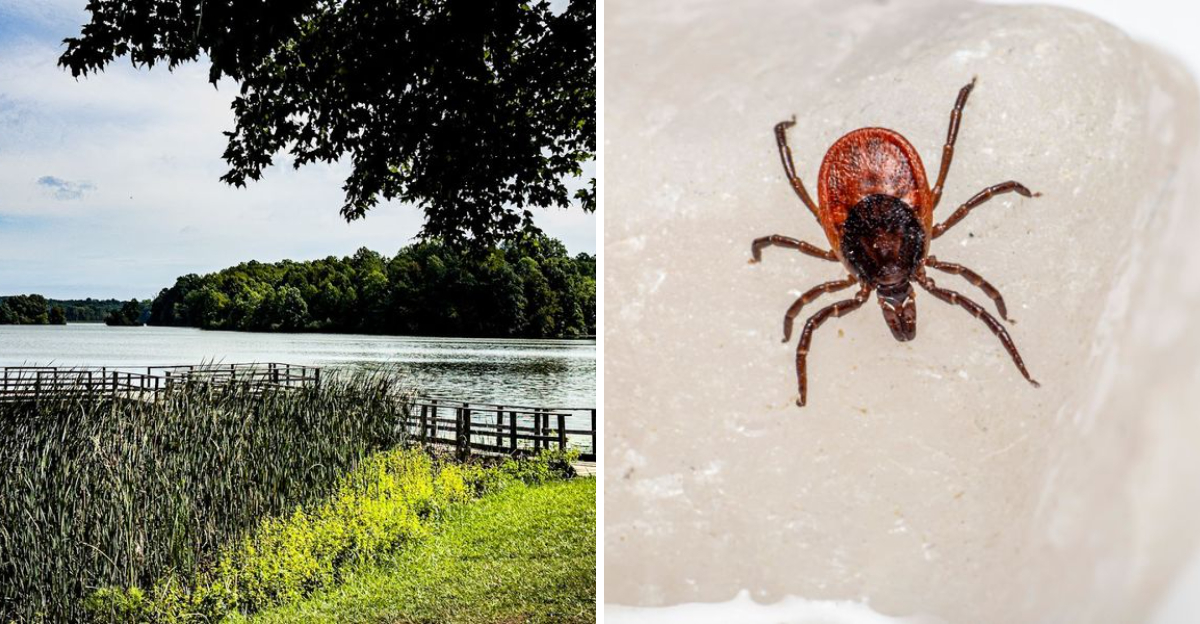
Before you lace up your hiking boots and hit the trails this summer, there is one small outdoor hazard worth keeping on your radar.
Some recreational areas are more likely to see reported tick activity because of their wooded paths, tall grasses, and natural surroundings.
That does not mean you need to skip your favorite outdoor plans, but knowing where encounters are more common can help you prepare before heading out.
Whether you are planning a weekend hike, a camping trip, or a relaxing day surrounded by nature, a little awareness can make your adventure more enjoyable.
These spots continue to attract visitors looking for fresh air and scenic views, but they also serve as a reminder to take simple precautions outdoors. If you love exploring Indiana’s landscapes, understanding where ticks are being reported can help you make smarter choices this season.
A few extra minutes of preparation can go a long way when you are spending time outside.
1. Hoosier National Forest, A Southern Indiana Tapestry
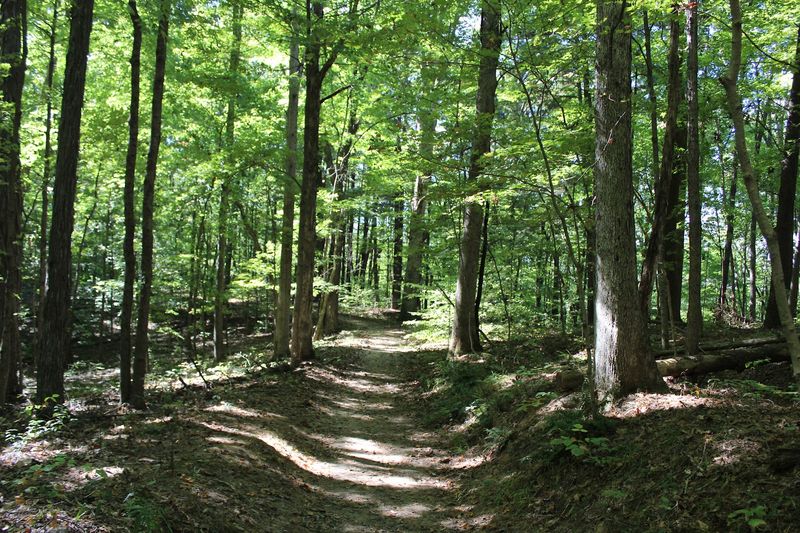
The moment you cross into the Hoosier National Forest, something shifts. The air feels heavier with green, the road narrows, and the trees close in around you in the most welcoming way imaginable.
This is southern Indiana at its most untamed, and it is genuinely breathtaking.
Covering over 200,000 acres, this forest offers roughly 260 miles of trails for hikers, horseback riders, and mountain bikers. The rolling hardwood hills and dense undergrowth create layered ecosystems that are rich in wildlife, from white-tailed deer to wild turkey.
Those same animals are also primary hosts for ticks, which is why surveillance reports consistently flag this area as one of the most active tick zones in the state.
Blacklegged ticks have been steadily expanding their range here from the Kentucky border, while Lone Star ticks are well established throughout the southern sections. Nymph activity peaks during early summer, making June and July particularly watchful months for anyone on the trails.
Wearing long sleeves, using repellent, and tucking pants into socks might feel excessive on a warm day, but it genuinely makes a difference out here. The forest is magnificent and worth every careful step.
Just treat tick checks as part of the adventure rather than an afterthought.
2. Brown County State Park, Indiana’s Little Smokies
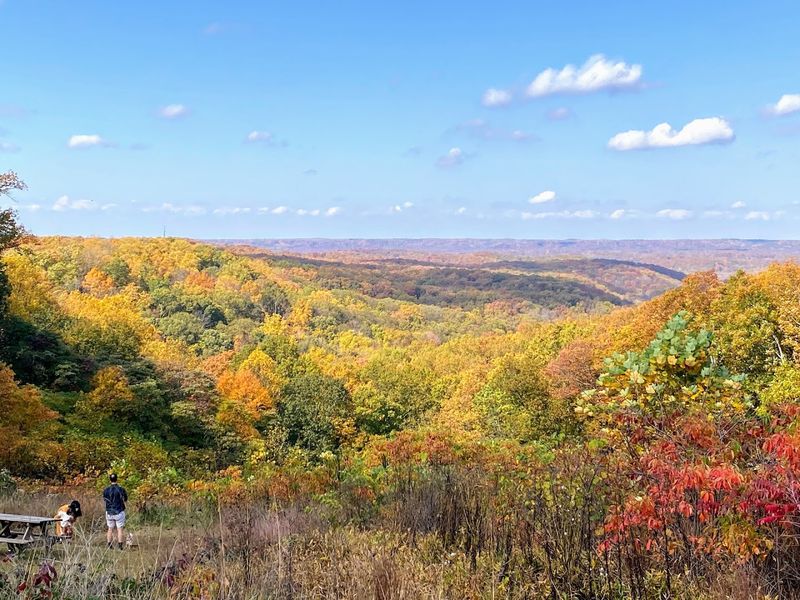
Brown County State Park carries a certain legendary status among Indiana outdoor lovers, and honestly, it earns every bit of that reputation.
The park sprawls across more than 16,000 acres of forested hills, earning its nickname as Indiana’s Little Smokies for the hazy, layered ridgelines that resemble something out of Tennessee.
The dense hardwood forest and high deer population make this the kind of habitat ticks absolutely thrive in.
The Brown County health department has confirmed multiple Lyme disease cases linked to the area, and the park itself has hosted educational programs called Tick Mania to keep visitors informed.
That kind of transparency says a lot about how seriously the local community takes this issue.
Trails here range from gentle loops to challenging climbs, and popular viewpoints like Hesitation Point reward the effort with sweeping vistas across the treetops.
Mountain bikers flock to the park’s well-maintained single-track routes, which cut through exactly the kind of brushy, leaf-littered terrain where ticks wait at their most patient.
A full-body tick check after exploring here is not optional, it is simply part of the experience. Shower within two hours of returning from the trail, toss your clothes in a hot dryer, and check behind the knees and ears carefully.
Brown County is extraordinary, and a little preparation keeps it that way.
Address: 1801 S.R. 46 E., Nashville, Indiana
3. Indiana Dunes National Park, Where Sand Meets Wild Forest
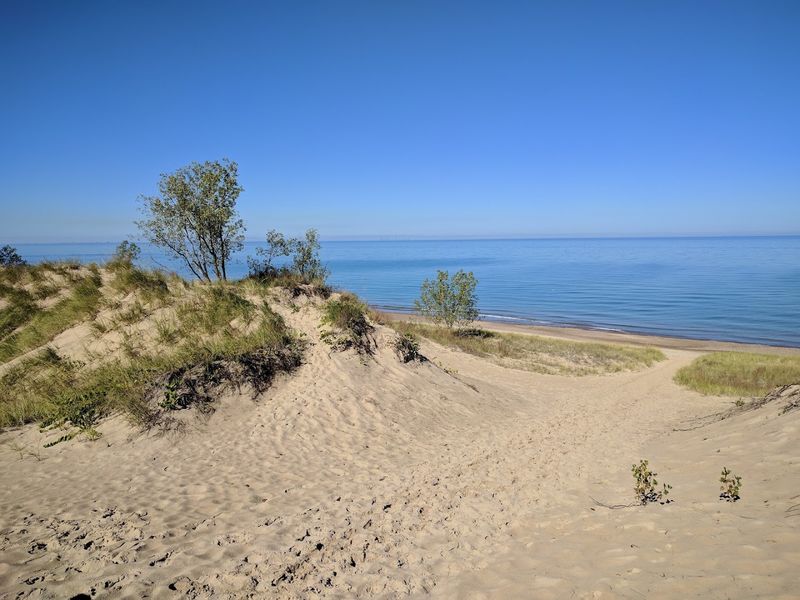
Most people picture Indiana Dunes as a beach destination, all golden sand and cool lake breezes off Lake Michigan. That image is accurate, but it only tells half the story.
Behind those famous dunes lies a surprisingly complex wilderness of bogs, marshes, oak savannas, and dense woodland corridors that rank among the most ecologically diverse landscapes in the entire Midwest.
That diversity is exactly what makes this national park a hotspot for tick activity. The shaded, humid environments along trails like Cowles Bog create the kind of moist microclimate that blacklegged ticks find irresistible.
Porter County, which encompasses a large portion of the park, consistently reports significant numbers of Lyme disease cases each year.
What catches many visitors off guard is that ticks here are active year-round, not just in summer. Even a mild winter walk along the wooded interior trails carries some level of risk.
Dogs are a common sight in the park, and owners frequently report finding ticks on their pets after trail visits, sometimes spotting them on paved paths near vegetated edges.
The national park is genuinely one of Indiana’s crown jewels, offering a rare combination of beach recreation and true wilderness exploration within the same visit. Come for the dunes and the lake views, absolutely.
Just stay vigilant once the sand gives way to trees and tall grass.
Address: 1215 N. State Road 49, Porter, Indiana
4. Tippecanoe River State Park, A Quiet Northern Escape
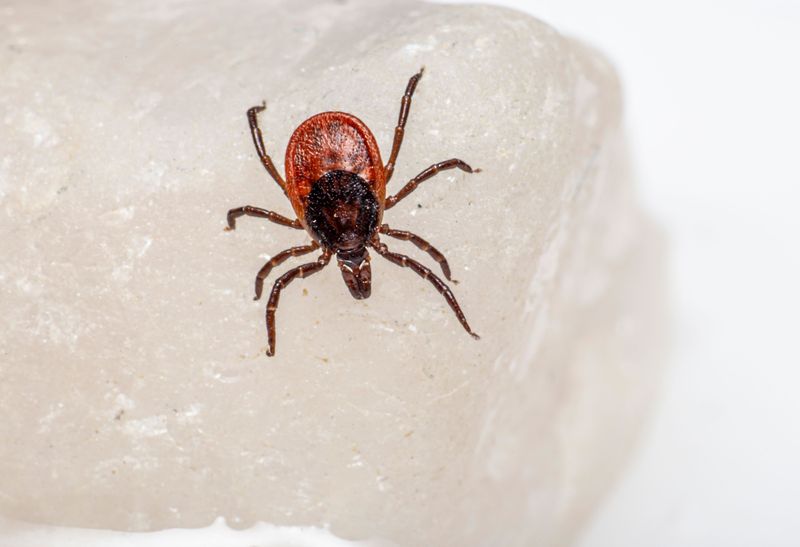
There is something deeply calming about Tippecanoe River State Park that is hard to put into words until you have actually stood beside the river and listened to it move.
The water flows with an unhurried ease, and the surrounding landscape of pine plantations, river corridors, and open meadows creates a patchwork of habitats that feels genuinely removed from everyday noise.
That same habitat variety, however, is precisely what makes this northern Indiana park a known high-risk area for ticks. The 23 miles of multi-use trails wind through exactly the kind of mixed terrain that American dog ticks and deer ticks favor most.
Grassy riverbanks and shaded woodland edges are particularly active zones during the summer months.
Canoeing and kayaking the Tippecanoe River is a highlight here, drawing paddlers who appreciate the gentle current and the scenery that unfolds around each bend.
The park also features a historic fire tower that offers expansive views over the treetops, a climb worth making for the perspective it provides.
Tick awareness is genuinely important at Tippecanoe, especially for families with young children who tend to run through brush without a second thought.
Keeping to the center of trails, avoiding tall grass wherever possible, and doing a careful check at the trailhead before getting back into the car are all habits worth building here.
Address: 4200 Base Rd N, Winamac, Indiana
5. Potato Creek State Park, Wetlands Worth Watching
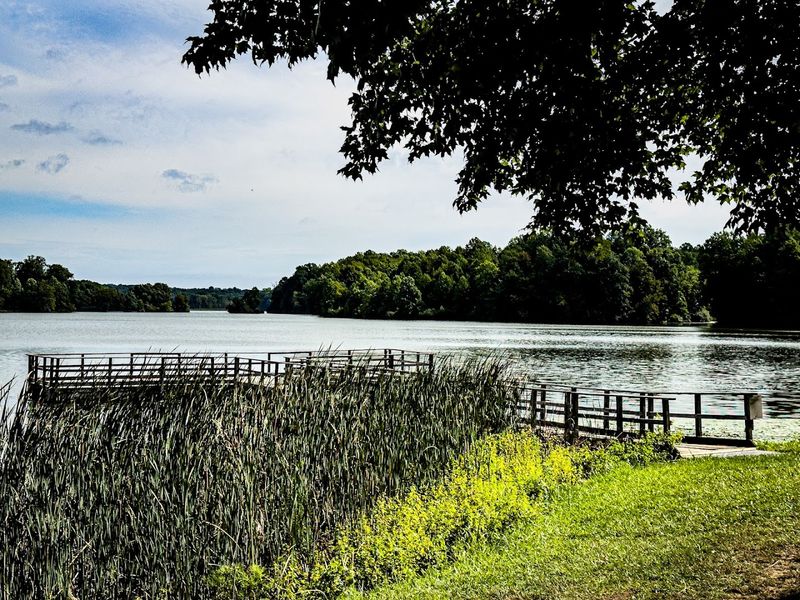
Potato Creek State Park tends to fly under the radar compared to some of Indiana’s more famous destinations, which is honestly part of its charm.
Tucked into north-central Indiana, this park wraps around the expansive Worster Lake and encompasses nearly 3,840 acres of restored prairies, wetlands, and mature woodland that feel genuinely off the beaten path.
The wetland edges are stunning in summer, alive with herons, turtles, and dragonflies. But those same moist, vegetated margins are also prime tick territory.
The humid conditions along the lakeshore and within the park’s narrower hiking trails create an environment where ticks can remain active and mobile for extended periods throughout the warmer months.
Trails like Potato Creek routes 1, 2, and 4 pass through areas where the undergrowth is thick and the canopy closes overhead, creating exactly the shaded, damp conditions that favor tick survival. Bird watchers who venture off the main paths into denser vegetation should take particular care.
Fishing, paddling, and cycling are all popular here, and the park genuinely rewards visitors who take the time to slow down and observe.
A few simple precautions, such as applying repellent to shoes and lower legs before heading out, go a long way toward making a full day at Potato Creek entirely worry-free.
Address: 25601 S.R. 4, North Liberty, Indiana
6. Monroe Lake Country
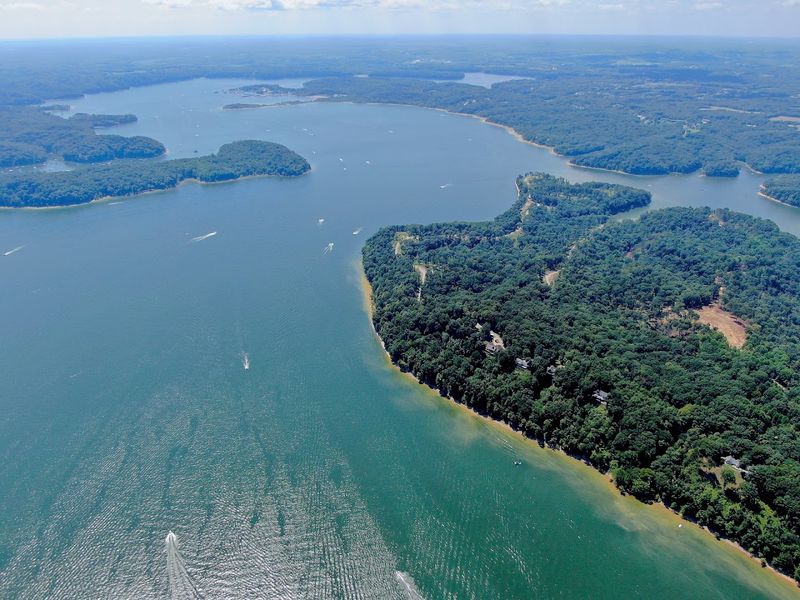
Monroe Lake sits near Bloomington like a secret that most people outside of southern Indiana have not fully discovered yet.
As the largest inland lake in the state, it stretches across an impressive footprint of water and forested land, drawing boaters, anglers, hikers, and campers who return season after season.
The surrounding Monroe County region has been identified as a high-risk zone for tick activity, and recent surveillance reports have noted the presence of Gulf Coast Ticks in the area, adding a new species to an already active list that includes deer ticks and Lone Star ticks.
That combination makes the wooded shorelines and recreation areas around the lake worth approaching with genuine awareness.
The Hardin Ridge Recreation Area, which sits within the Hoosier National Forest along the lake’s edge, is a particularly beautiful spot for hiking, with trails that move through mixed woodland and open areas overlooking the water.
The scenery is exceptional at dusk when the light catches the lake surface through the trees.
Camping here means waking up to birdsong and water sounds, which is a genuinely lovely experience. Just make it a habit to shake out gear, check tent seams, and inspect clothing carefully before packing up.
Monroe Lake has a lot to offer, and a little tick awareness keeps every visit in the memorable-for-the-right-reasons column.
Address: 4850 S. State Road 446, Bloomington, Indiana
7. Turkey Run State Park, Canyon Trails and Ancient Woods
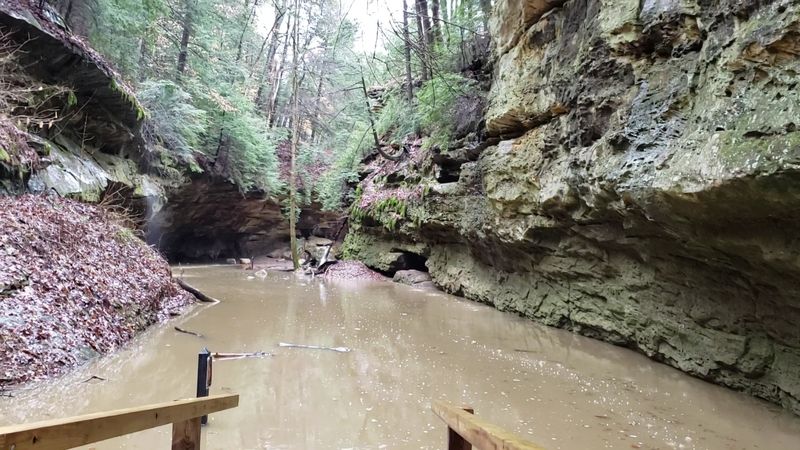
Turkey Run State Park is the kind of place that makes you feel genuinely small in the best possible way. The sandstone ravines carved by Sugar Creek plunge deep into the earth, and the old-growth trees that line those canyon walls have been standing for centuries.
It is dramatic, moody, and completely unlike anything else in central Indiana.
Those cool, shaded canyon floors and the thick accumulation of leaf litter along the trail edges create ideal conditions for tick survival.
The Indiana State Parks system itself acknowledges tick presence here and provides guidance for visitors, which reflects just how consistently active the population is throughout the season.
The park’s trail system is famous for its challenge, featuring ladders, bridges, and rocky scrambles that draw experienced hikers from across the region.
Trail 3, which descends into the deepest sections of the canyon, is particularly spectacular and particularly tick-prone given the dense vegetation and limited sunlight that keeps the ground moist.
What I appreciate about Turkey Run is that it never tries to be anything other than exactly what it is: raw, rugged, and genuinely wild. That authenticity is rare.
The deer population here is healthy and visible, which also means tick hosts are plentiful throughout the summer. Come with long pants, tuck in your socks, and treat the experience as the proper wilderness adventure it truly is.
Address: 8121 E. Park Rd., Marshall, Indiana
8. Shades State Park, Shadows, Silence, and Surprising Wildness
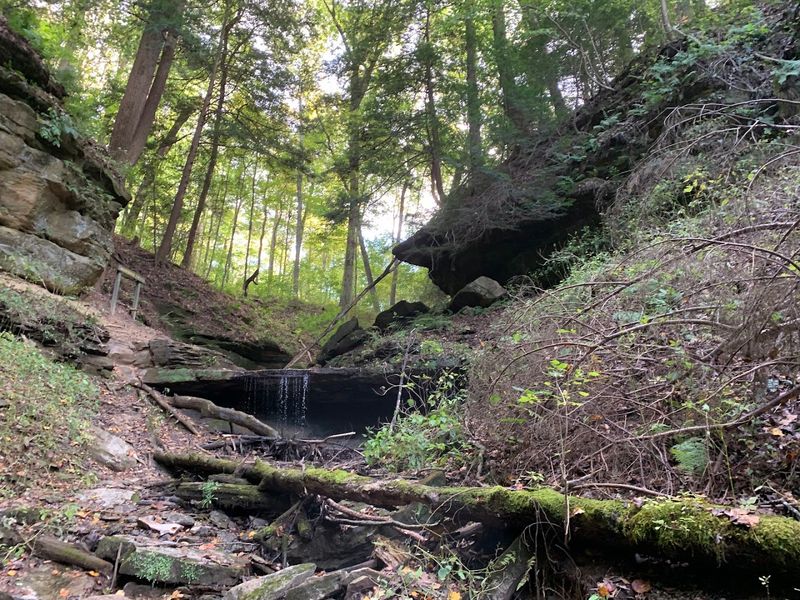
Shades State Park earns its name completely. The forest canopy here is so thick in summer that even midday feels like early evening along the ravine floors, and the silence is the kind that actually makes you stop walking just to listen to it.
Located southwest of Crawfordsville, this park shares its geological character with nearby Turkey Run, featuring sandstone cliffs, shaded hollows, and Sugar Creek threading through the landscape.
That perpetual shade and the moisture that collects in the ravines create an environment where ticks remain active and abundant throughout the warmer months.
The deep leaf litter and rich undergrowth along the hiking trails provide ideal cover for various species, including the blacklegged tick that carries Lyme disease.
The Pine Hills Nature Preserve, accessible from within the park, adds another layer of wild terrain with its dramatic ridgelines and ancient forest.
Canoeists who paddle Sugar Creek also pass through stretches where overhanging vegetation brushes close to the water, creating opportunities for tick contact even on the water.
Shades draws a quieter crowd than some of the more famous parks, which gives it a contemplative, almost meditative quality that is genuinely appealing.
It rewards visitors who pay attention to their surroundings, and that attentiveness extends to checking clothing and skin carefully after exploring its beautiful, shadowy interior.
Address: 7751 S. 890 W., Waveland, Indiana
9. Patoka Lake
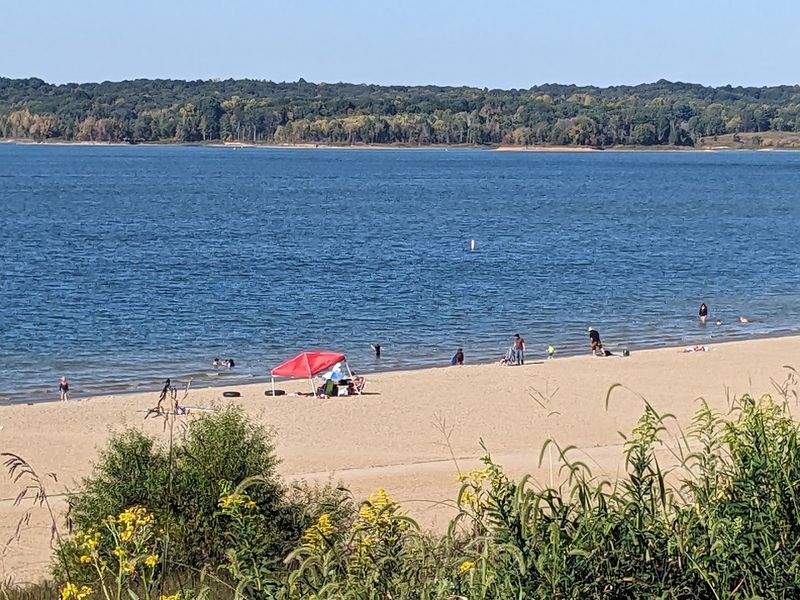
Patoka Lake is one of those places that surprises you with its scale the first time you see it. The reservoir covers 8,800 acres of water alone, and the surrounding land protection zone pushes the total managed area to around 26,000 acres of forest, brushland, and open habitat.
It is enormous, and it is stunning in a way that feels almost underappreciated given how few people outside Indiana seem to know it exists.
That surrounding 63 percent forest cover creates prime conditions for tick activity throughout the summer season. Deer tick nymphs reach their peak activity during the warmer months, and American dog tick adults are also commonly encountered in the open and brushy areas near the water’s edge.
The park’s nature center addresses this directly, providing educational resources about tick species, their preferred habitats, and prevention strategies.
Wildlife here is exceptional. Bald eagles nest in the area, river otters have been successfully reintroduced, and the lake itself supports outstanding fishing for bass, crappie, and catfish.
The combination of water recreation and forest exploration makes Patoka one of the most versatile outdoor destinations in the state.
Hiking the trails that wind through the forested sections, particularly in the midsummer heat, means moving through exactly the kind of habitat where ticks are most concentrated. Stay on marked paths, check frequently, and you will find this lake absolutely worth the effort.
Address: 3084 N. Dillard Road, Birdseye, Indiana
10. Chain O’Lakes State Park, Nine Lakes and Countless Trails
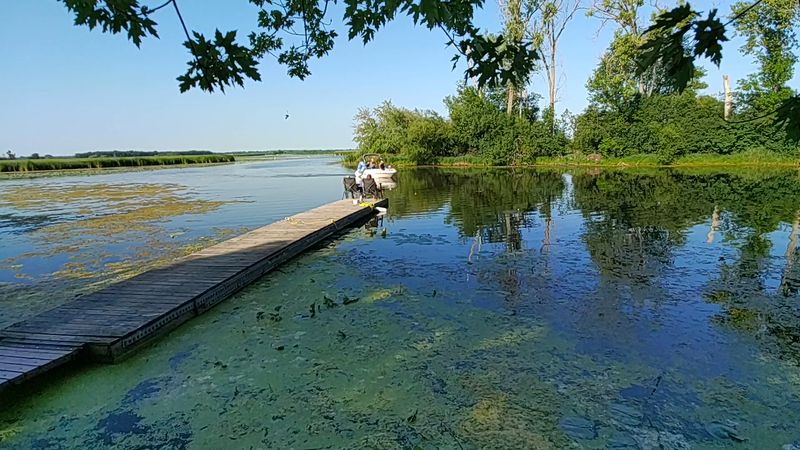
Chain O’Lakes State Park sits in the quiet northeastern corner of Indiana like a reward for anyone willing to make the drive. Nine interconnected kettle lakes, formed by glacial activity thousands of years ago, create a landscape that feels genuinely unique within the state.
Paddling between them by canoe or kayak is one of those experiences that sticks with you long after the trip ends.
Beyond the water, 29 miles of forested trails wind through woodlands and open fields that provide diverse terrain for hikers of all experience levels. That combination of water edges, thick undergrowth, and shaded forest corridors creates exactly the conditions where ticks thrive most consistently.
The park has acknowledged this directly, hosting educational events called Stick it to the Tick to ensure visitors understand the risks and how to manage them.
The trails here are generally rated easy to moderate, making them accessible for families and casual hikers. Children tend to wander into the brush along trail edges out of natural curiosity, which is one of the reasons tick checks at the end of every outing are particularly important in this park.
Chain O’Lakes has a relaxed, unhurried energy that sets it apart from busier destinations. The mornings here are especially peaceful, with mist rising off the lake surfaces and birds calling across the water.
It is a genuinely lovely place, and a bit of tick-smart preparation ensures every visit stays that way.
Address: 2355 E. 75 S., Albion, Indiana
