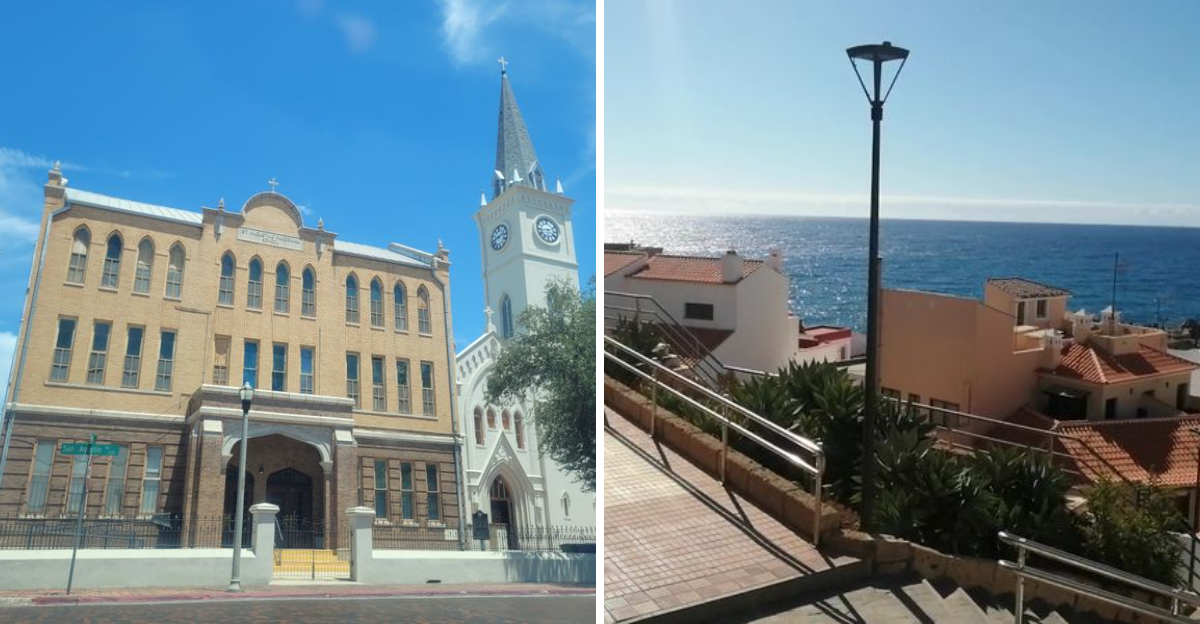
Texas stretches across hundreds of miles along the Mexican border, creating a landscape where cultures blend in fascinating ways.
Beyond the busy highways and tourist spots, you’ll find small communities that hold onto traditions passed down through generations.
These remote border towns offer something you won’t discover in guidebooks or travel magazines.
They represent living history where Texan, Mexican, and Indigenous cultures merge into something entirely their own.
From desert outposts where artists gather to river communities built on centuries of trade, each location tells a different story.
Visitors who venture to these places experience authentic connections rarely found in modern travel.
The people who call these towns home have adapted to isolation, harsh climates, and limited resources while maintaining vibrant cultural identities.
Whether you’re drawn to historic architecture, artistic communities, or cross-border traditions, these hidden corners of Texas reward curious travelers willing to explore off the beaten path.
1. Terlingua
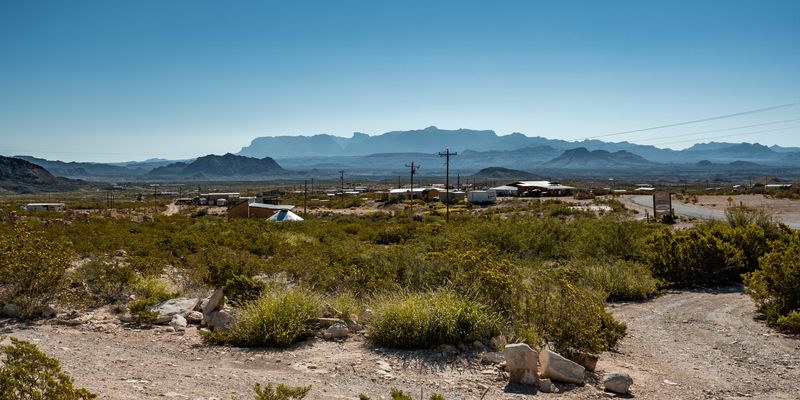
Far out in the rugged expanses of West Texas, Terlingua stands as a testament to creative freedom and desert resilience.
This census-designated place attracts musicians, painters, and writers who seek inspiration in the stark beauty of the Chihuahuan Desert.
The community thrives on independence and artistic expression, welcoming those who appreciate solitude and wide-open spaces.
Abandoned mercury mining structures dot the landscape, reminding visitors of the town’s industrial past.
Today, these ruins blend with newer galleries and performance spaces that host spontaneous jam sessions and art shows.
Self-sufficiency defines daily life here, as residents adapt to limited services and extreme temperatures.
The isolation encourages neighbors to support one another, creating tight bonds uncommon in more populated areas.
Creativity flourishes in this environment where conventional rules feel distant and irrelevant.
Visitors often describe Terlingua as transformative, a place that challenges assumptions about what community means.
The night sky here reveals countless stars undimmed by city lights, offering perspective that’s increasingly rare.
Local gatherings celebrate this unique way of life, bringing together longtime residents and curious newcomers.
Terlingua represents a choice to embrace simplicity while pursuing artistic passion in one of Texas’s most remote corners.
2. Presidio
Human habitation in Presidio stretches back over a millennium, making it one of the oldest continuously occupied sites in the United States.
This remarkable continuity has created layers of cultural influence that visitors can still observe today.
Texan and Mexican traditions blend seamlessly here, reflected in architecture, language, and daily customs.
As sister city to Ojinaga across the Rio Grande, Presidio maintains close ties that transcend political boundaries.
Families on both sides share histories that predate modern border enforcement, creating a truly binational community.
The town sits in a desert valley where summer temperatures regularly soar, testing the endurance of residents and visitors alike.
Despite the harsh climate, agriculture thrives along the river, supporting local economies and traditional farming practices.
Adobe structures remind passersby of Spanish colonial influence that shaped the region centuries ago.
Markets offer goods from both countries, making shopping a cross-cultural experience without leaving town.
Local festivals honor patron saints with processions and celebrations that draw participants from both nations.
This deep cultural fusion makes Presidio feel less like a border town and more like the heart of a shared region.
Authenticity defines the experience here, where tourism remains secondary to the rhythms of daily life that have continued for generations.
3. Marfa
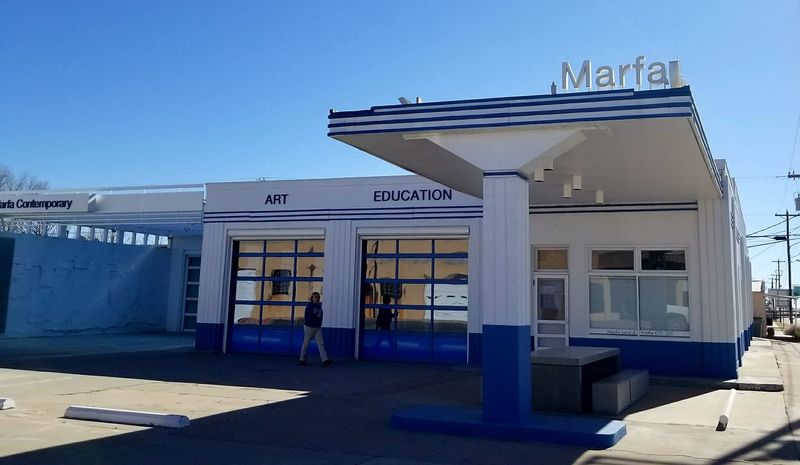
Minimalist art transformed Marfa from a quiet ranching community into an unlikely cultural destination.
The contrast between sophisticated galleries and surrounding desert creates an atmosphere found nowhere else in Texas.
Though not directly on the border, Marfa’s remote location shapes its character as profoundly as any boundary line.
Artists and collectors began arriving decades ago, drawn by affordable space and inspiring landscapes.
Their presence gradually reshaped the local economy without entirely displacing traditional ranching culture.
Today, cowboys and contemporary art enthusiasts share coffee shops and street corners in surprising harmony.
Permanent installations by renowned artists attract visitors from around the globe to this tiny West Texas town.
The tourism industry has grown steadily, bringing new businesses while challenging longtime residents with rising costs.
Despite these changes, Marfa retains an authentic small-town feel that larger art centers lack.
Evening gatherings often mix locals with travelers, creating conversations that bridge very different worlds.
The mysterious lights visible outside town add an element of unexplained phenomena to the cultural mix.
Whether drawn by art, mystery, or simply curiosity, visitors leave with impressions of a place that defies easy categorization.
Marfa proves that culture can flourish in the most unexpected locations when creative vision meets opportunity.
4. Del Rio
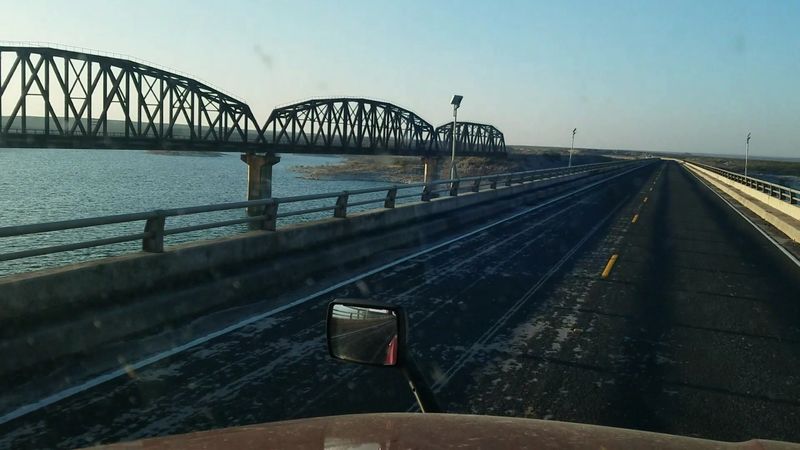
Positioned directly across from Ciudad Acuña, Del Rio embodies the vibrant cultural exchange that defines border living.
The connection between these sister cities runs deeper than geography, shaping everything from cuisine to music.
Local restaurants serve dishes that reflect generations of culinary fusion, blending techniques and ingredients from both traditions.
You’ll hear Spanish and English used interchangeably in conversations, sometimes within the same sentence.
This linguistic fluidity reflects how naturally residents move between cultural identities.
Arts venues showcase performers from both countries, creating entertainment that transcends national boundaries.
The annual celebrations here honor traditions from Mexican and Texan heritage with equal enthusiasm.
Markets overflow with handcrafted goods, fresh produce, and specialty items you won’t find elsewhere.
Families often have relatives on both sides of the Rio Grande, maintaining bonds that politics cannot sever.
Del Rio’s location near Amistad Reservoir adds recreational opportunities to its cultural attractions.
Visitors quickly notice how the border functions more as a meeting point than a division in daily life.
The community takes pride in its bicultural identity, viewing it as strength rather than complication.
This authentic fusion makes Del Rio essential for understanding how border communities actually function beyond headlines and stereotypes.
5. Ysleta
Nearly four centuries of continuous habitation make Ysleta arguably the oldest settlement within Texas’s current borders.
This El Paso area community preserves traditions that connect directly to Spanish colonial times and Indigenous roots.
The Tigua people maintain their cultural center here, keeping ancient customs alive through ceremony and education.
European, Indigenous, and Tejano influences blend in ways that create something uniquely Ysleta.
Historic mission architecture stands as physical evidence of the community’s Spanish colonial foundation.
Markets in the area offer authentic crafts and goods produced by local artisans using traditional methods.
Visitors can witness cultural preservation efforts that go far beyond museum displays or tourist performances.
The Tigua community welcomes respectful guests to learn about their ongoing traditions and history.
This living connection to the past makes Ysleta invaluable for understanding Texas’s complex cultural origins.
Festivals throughout the year celebrate the multiple heritages that converge in this historic location.
The community faces ongoing challenges in preserving traditions while adapting to modern pressures.
Despite these difficulties, residents remain committed to honoring their ancestors and educating future generations.
Ysleta offers perspective on how cultures can maintain distinct identities while coexisting for centuries in shared space.
6. Laredo
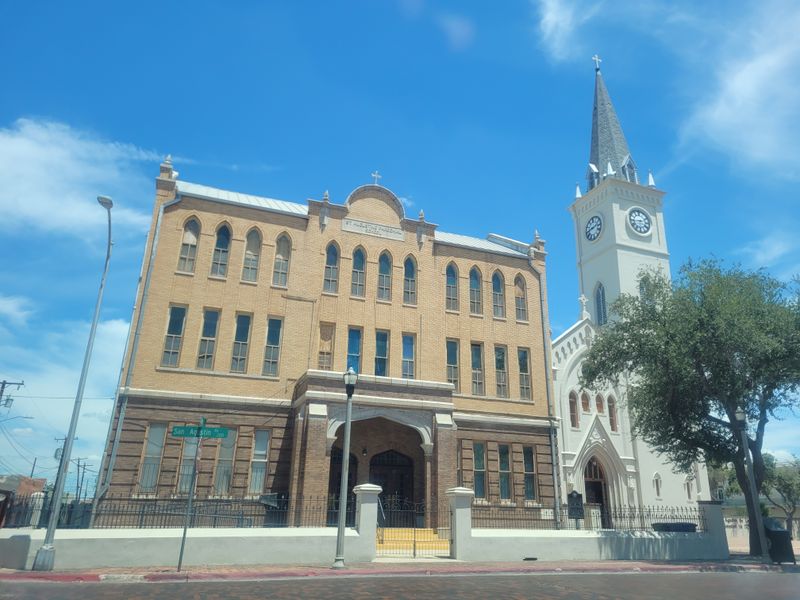
Laredo pulses with energy that comes from being a major trade hub between two nations.
Mexican cultural influence permeates every aspect of life here, from business practices to family traditions.
Import shops line commercial districts, offering goods that connect the community to markets across the border.
This constant flow of people and products creates economic vitality uncommon in remote Texas locations.
Year-round festivals celebrate everything from patriotic holidays to religious observances with elaborate public events.
The community takes immense pride in its bicultural identity, viewing diversity as fundamental to local character.
Traditional goods fill specialty stores where shopkeepers often speak both languages fluently.
Families maintain connections across the Rio Grande, making border crossings routine parts of life.
Historic districts preserve architecture that tells stories of the city’s evolution over generations.
Laredo’s size sets it apart from smaller border communities while maintaining authentic cultural connections.
The bustling atmosphere contrasts sharply with the quiet isolation of more remote Texas border towns.
Yet the same cultural fusion defines daily life here as it does in smaller communities along the border.
Visitors find Laredo offers accessibility to border culture without requiring travel to truly remote locations.
The city demonstrates how Mexican and Texan traditions can create thriving communities when embraced equally.
7. Eagle Pass
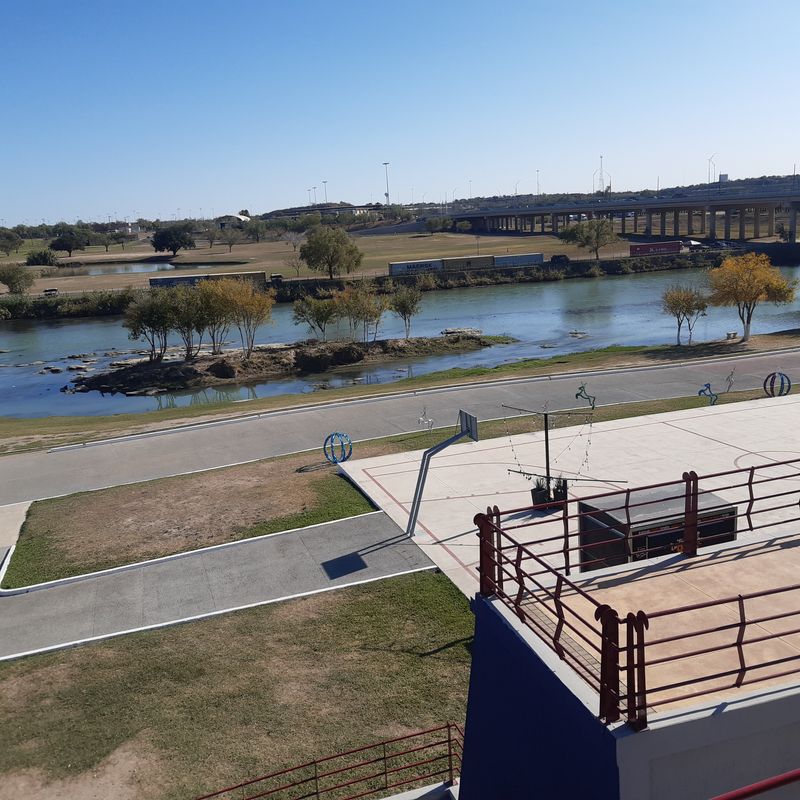
Deep historical and cultural ties bind Eagle Pass to Piedras Negras across the Rio Grande.
These sister cities function almost as a single community divided only by the river that flows between them.
Residents frequently cross for work, shopping, family visits, and entertainment without giving it much thought.
This constant interaction creates a genuinely bicultural environment where both identities feel equally valid.
Local businesses cater to customers from both sides, adapting services to meet binational needs.
The community celebrates holidays and festivals from Mexican and American calendars with equal enthusiasm.
Schools in Eagle Pass often include students with family connections spanning the international boundary.
This cross-border reality shapes how young people understand identity and belonging.
Historic sites in the area document centuries of interaction between communities on both riverbanks.
Trade has always defined the relationship between these sister cities, continuing to drive economic activity today.
Eagle Pass offers visitors a chance to experience border life as residents actually live it.
The community faces challenges common to border regions but maintains strong social cohesion.
Understanding Eagle Pass requires recognizing that the border here connects more than it divides.
This perspective challenges common assumptions about what border communities represent in the modern era.
8. Boquillas
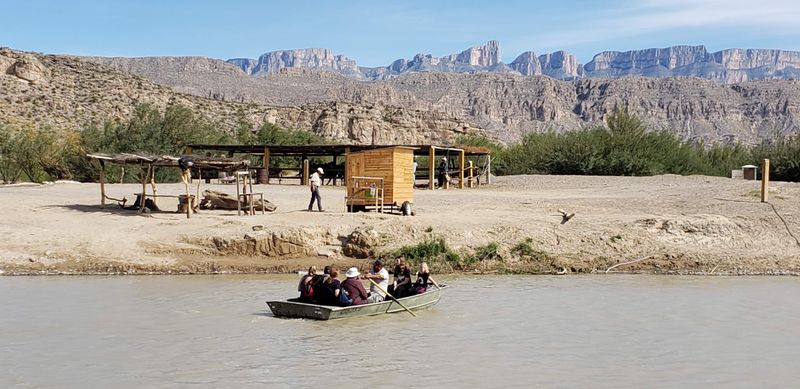
Reaching Boquillas requires crossing the Rio Grande in a small rowboat, creating an adventure before you even arrive.
This tiny Mexican village sits at the edge of Big Bend National Park, accessible through a legal but informal crossing.
The remote location has preserved a way of life largely unchanged by modern development.
Only a few families call Boquillas home, maintaining traditions in near-complete isolation.
Visitors experience cultural exchange on the most personal level, often sharing meals with residents.
The low-key atmosphere makes this one of the most unique border crossing experiences available.
No commercial tourism infrastructure exists here, just genuine hospitality from people accustomed to few visitors.
The journey across the river feels like stepping back in time to a slower, simpler era.
Boquillas challenges modern assumptions about what border crossings must involve.
Instead of checkpoints and long lines, you find a rowboat operator and a friendly wave.
This informal arrangement works because of the village’s extreme remoteness and tiny population.
The experience offers perspective on how borders functioned before modern security concerns.
Visitors leave with stories of authentic connection rarely possible in more developed tourist destinations.
Boquillas represents a vanishing type of border community, making visits feel precious and increasingly rare.
9. Roma
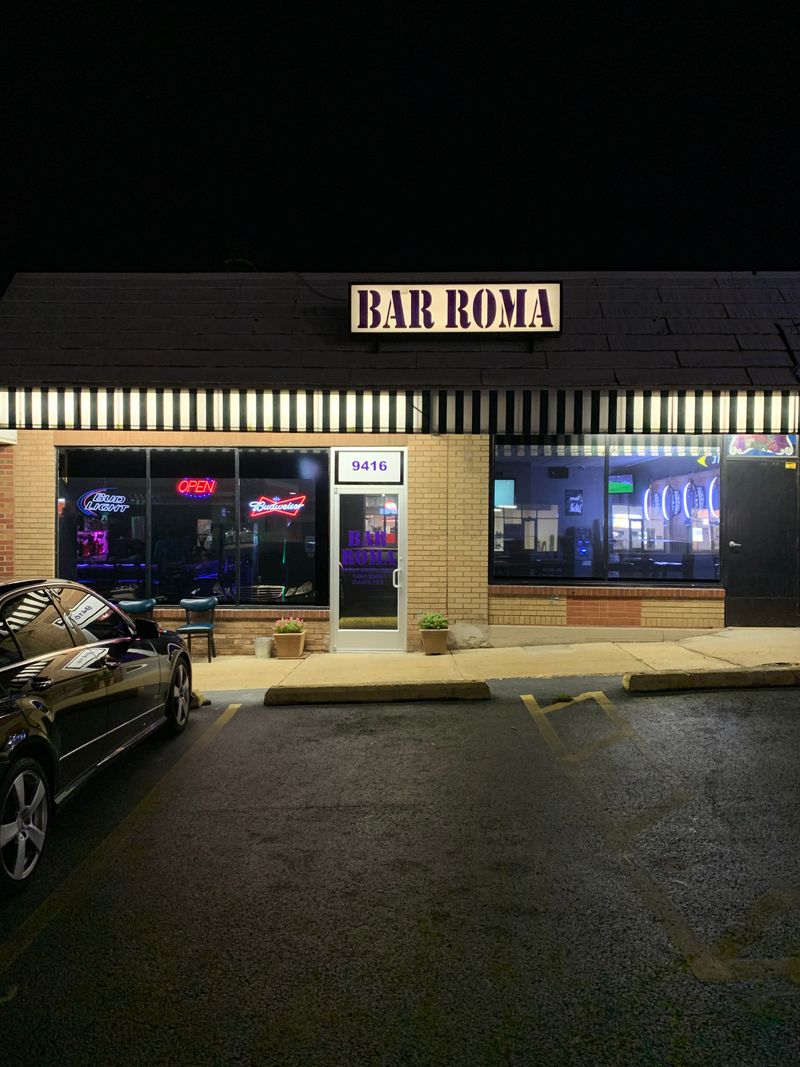
Roma preserves significant historic architecture that transports visitors to an era when river trade defined prosperity.
This small South Texas town showcases Tejano heritage through buildings, traditions, and community values.
Walking the historic district feels like exploring a living museum where residents still occupy centuries-old structures.
The Rio Grande once served as the commercial highway connecting Roma to markets throughout the region.
That history shaped the town’s character in ways still visible today.
Architectural details reflect the wealth that river trade brought to merchants and landowners.
Strong Tejano heritage influences everything from local governance to family celebrations.
The community takes pride in maintaining traditions that connect current residents to their ancestors.
Roma’s location in South Texas places it within a region with distinct cultural characteristics.
The landscape here differs from West Texas border towns, with more vegetation and different climate patterns.
These environmental differences contributed to unique economic and cultural development.
Preservation efforts aim to protect historic structures while allowing the community to evolve.
Visitors interested in Texas history find Roma essential for understanding border region development.
The town offers glimpses into how commerce, culture, and geography intersected to create distinctive communities along the Rio Grande.
10. Candelaria
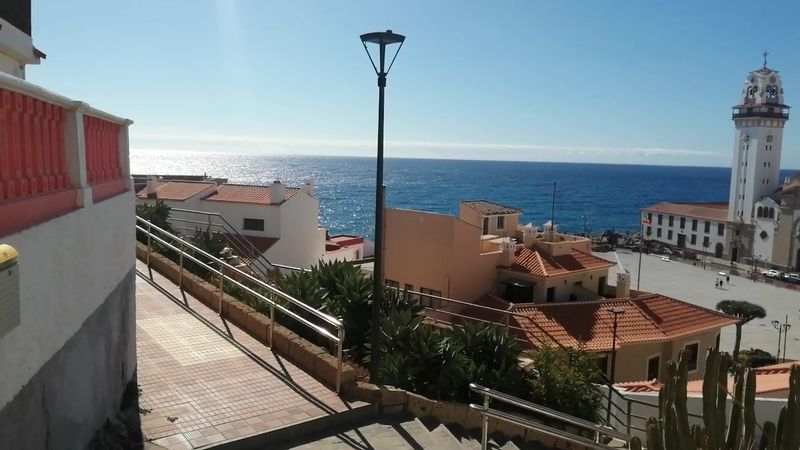
Candelaria represents survival and quiet beauty born from profound isolation along River Road.
This tiny West Texas settlement consists of little more than a handful of families and historic sites.
The location tests human endurance with extreme heat, limited services, and vast distances to anywhere else.
Yet families have chosen to remain here, finding value in the solitude and connection to the land.
River Road itself offers stunning scenery as it winds through remote desert terrain.
Candelaria sits along this route, providing one of the few signs of human presence for miles.
Historic structures hint at times when more people called this area home.
Today, those who remain embrace the challenges that come with such extreme remoteness.
Visitors who make the journey often describe profound experiences of silence and space.
The landscape here feels primordial, unchanged by the developments that transformed other regions.
Candelaria challenges romantic notions about remote living while also validating them.
Life here requires genuine toughness and adaptability that most modern people cannot imagine.
The community’s persistence tells stories of determination and connection to place that transcend convenience.
For those seeking to understand what truly remote means, Candelaria provides an authentic answer in the far reaches of Texas.
Dear Reader: This page may contain affiliate links which may earn a commission if you click through and make a purchase. Our independent journalism is not influenced by any advertiser or commercial initiative unless it is clearly marked as sponsored content. As travel products change, please be sure to reconfirm all details and stay up to date with current events to ensure a safe and successful trip.
