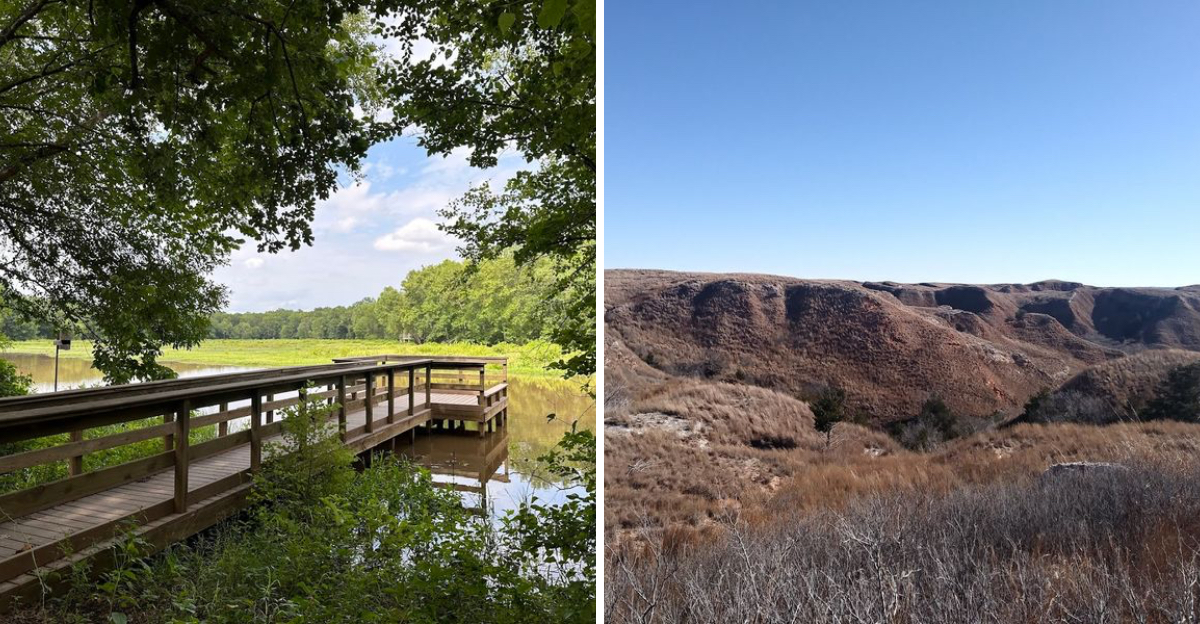
You know that feeling when you just need to get away from people? Not for an hour.
For a whole day. Oklahoma has places where the nearest human might be miles away, where the only sounds are wind in the grass and birds arguing over territory.
These nine remote wildlife areas are not exactly secret, but they might as well be. Most Oklahomans have never stepped foot in them, which is exactly why you should.
Pack some water, tell someone where you are going, and prepare for the kind of quiet that feels almost loud at first.
1. Black Mesa Nature Preserve, Kenton, Oklahoma
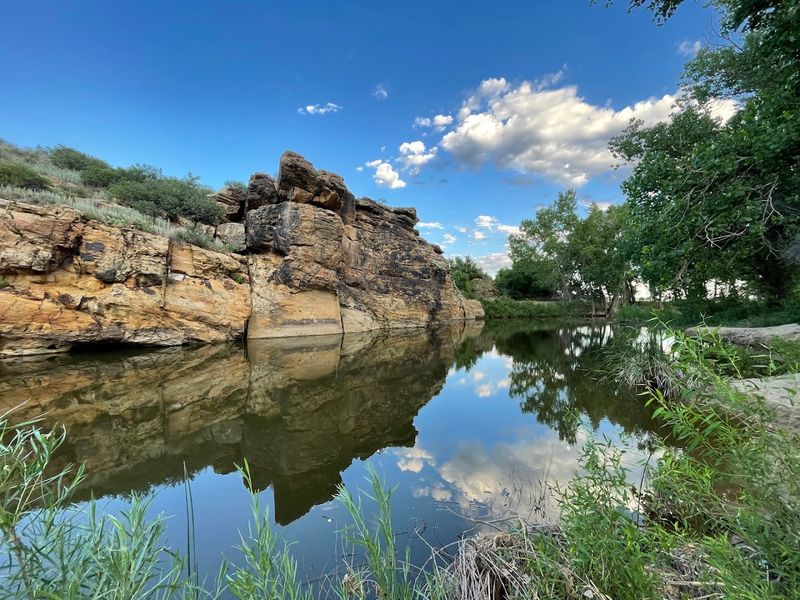
At the very tip of the Oklahoma Panhandle, tucked into Cimarron County near the small town of Kenton, Black Mesa Nature Preserve sits in a landscape that feels like it belongs to another world entirely.
The mesa itself is capped with ancient black lava rock, and the terrain shifts dramatically from flat plains to rugged volcanic ridges as you hike toward the state’s highest point at 4,973 feet.
I made the trek on a cool October morning, and the silence up there was the kind that actually rings in your ears.
No crowds just open sky and the crunch of volcanic rock underfoot.
The preserve is managed by The Nature Conservancy and covers a stretch of land where Oklahoma, Colorado, and New Mexico nearly meet.
That tri-state geography gives the area a uniquely western character that feels nothing like the rest of Oklahoma.
Pronghorn antelope roam the surrounding plains, and the dark skies here rank among the least light-polluted in the entire central United States.
Stargazing after sunset is genuinely stunning, with the Milky Way visible to the naked eye on clear nights.
The hike to the summit is about four miles round trip and gains around 700 feet in elevation, which is modest by mountain standards but feels satisfying in this flat-state context.
Getting here requires driving through long stretches of empty highway, and that remoteness is honestly a big part of the appeal.
Address: OK-325, Kenton, OK 73946
2. Wichita Mountains Wildlife Refuge, Indiahoma, Oklahoma
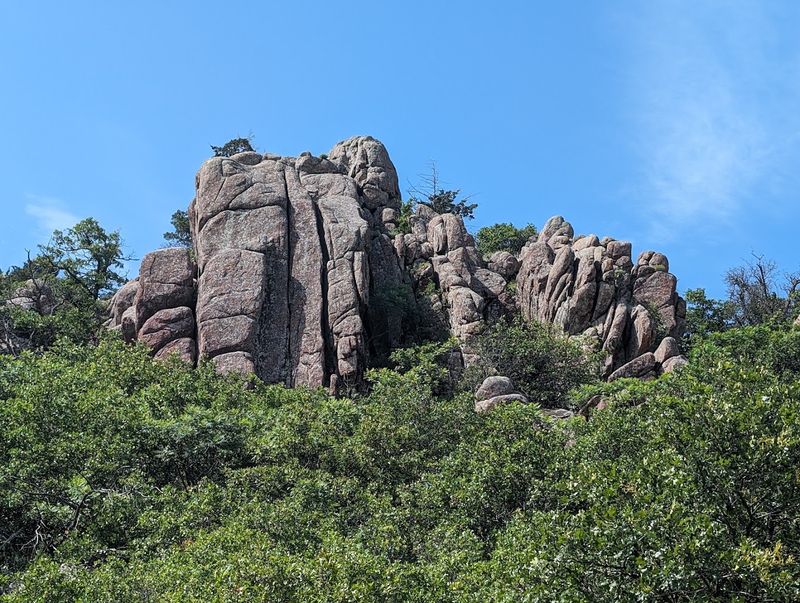
Ancient granite boulders the size of houses burst out of the mixed-grass prairie at Wichita Mountains Wildlife Refuge, located near Indiahoma in southwest Oklahoma.
The refuge covers over 59,000 acres and is one of the oldest federal wildlife refuges in the country, established back in 1901.
Most visitors stick to the paved roads and popular overlooks, which means the Charons Garden Wilderness Area inside the refuge is where the real solitude begins.
I spent a full day wandering through that wilderness section without a maintained trail, navigating by landmarks and compass, and I barely saw another soul.
The terrain is rugged and physically demanding, with scrambles over boulders and descents into narrow rocky drainages that keep you completely focused on the present moment.
Longhorn cattle and free-roaming bison share the land here, and spotting a bison up close while standing among those giant pink granite formations is one of those experiences that stays with you.
Elk also roam the refuge, and during the fall rut, their calls echo off the rock faces in a way that feels primeval.
The refuge sits in Comanche County, and the surrounding landscape of southwest Oklahoma stretches out in every direction once you climb to any elevated point.
Spring wildflowers carpet the grasslands between the boulders, turning the whole area into a mosaic of color.
For anyone who wants wilderness without driving to Colorado, this refuge delivers something genuinely wild just a few hours from Oklahoma City.
Address: 32 Refuge Headquarters Road, Indiahoma, OK 73552
3. Salt Plains National Wildlife Refuge, Jet, Oklahoma
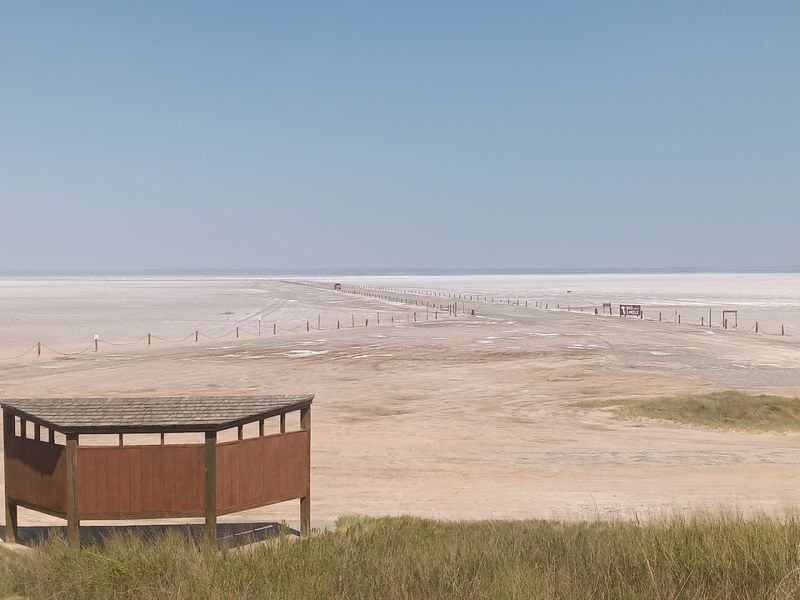
Standing on the salt flats at Salt Plains National Wildlife Refuge feels like standing on the surface of another planet, and I mean that as a sincere compliment to this remarkable place near the small town of Jet in Alfalfa County.
The refuge sits on what was once an ancient inland sea, and the white crystalline surface of the salt flats stretches for miles in every direction with almost no vertical interruption.
Outside of the designated crystal digging area, where visitors can dig for hourglass selenite crystals, the rest of the refuge is quiet marshland, open water, and salt flats that serve as a critical stopover for migrating birds.
Whooping cranes, one of the rarest birds in North America, pass through here during migration, making the refuge internationally significant for bird conservation.
I visited in early November and counted dozens of species in a single morning walk along the refuge roads.
The flat, open horizon gives you unobstructed views that stretch so far it feels like the earth curves visibly at the edges.
Sandhill cranes gather here in massive numbers during peak migration, filling the sky with their prehistoric calls at dawn and dusk.
The Great Salt Plains Lake adjoins the refuge and adds another dimension of habitat for waterfowl and wading birds.
Sunrise over the salt flats, when the low light turns the white surface shades of pink and gold, is one of the most quietly spectacular sights I have encountered anywhere in the Great Plains.
Address: 71189 Harper Rd, Jet, OK 73749
4. Tallgrass Prairie Preserve, Pawhuska, Oklahoma
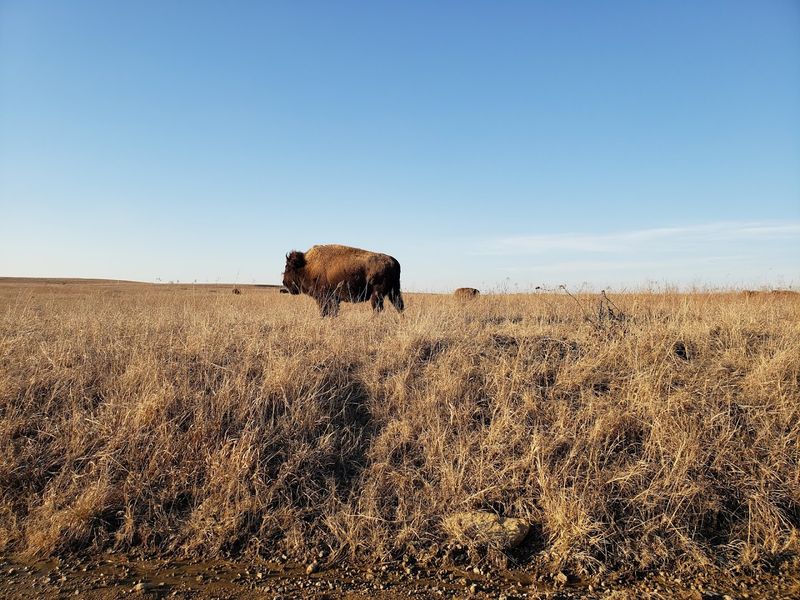
The largest protected remnant of tallgrass prairie on Earth is not in Kansas or Nebraska. It is in Osage County, Oklahoma, just north of the small city of Pawhuska, and it covers over 39,000 acres of rolling, grass-covered hills that look almost exactly as they did before European settlement.
The Nature Conservancy manages the Tallgrass Prairie Preserve, and the centerpiece of the whole experience is a free-roaming bison herd of roughly 2,500 animals.
Driving the unpaved roads through the preserve and suddenly coming upon a herd of bison blocking the path is one of those genuinely humbling moments that recalibrates your sense of scale.
The grasses here grow taller than most adults, and when the wind moves through them in late summer, the sound is a continuous, layered rustle that fills the whole landscape.
I visited during a late September afternoon when the grasses had turned amber and copper, and the light was hitting the hills at a low angle that made everything glow.
Wildflowers bloom in impressive variety from spring through fall, and the preserve is home to numerous grassland bird species that have disappeared from much of their former range.
The Osage Hills surrounding the preserve add a wooded, rolling backdrop that softens the otherwise open terrain.
There are no entrance fees and no reservations required, which makes the whole experience feel refreshingly uncomplicated.
For anyone who has never stood in the middle of a true tallgrass prairie, this place redefines what open land actually means.
Address: 15316 Co Rd 4201, Pawhuska, OK 74056
5. Deep Fork National Wildlife Refuge, Okmulgee, Oklahoma
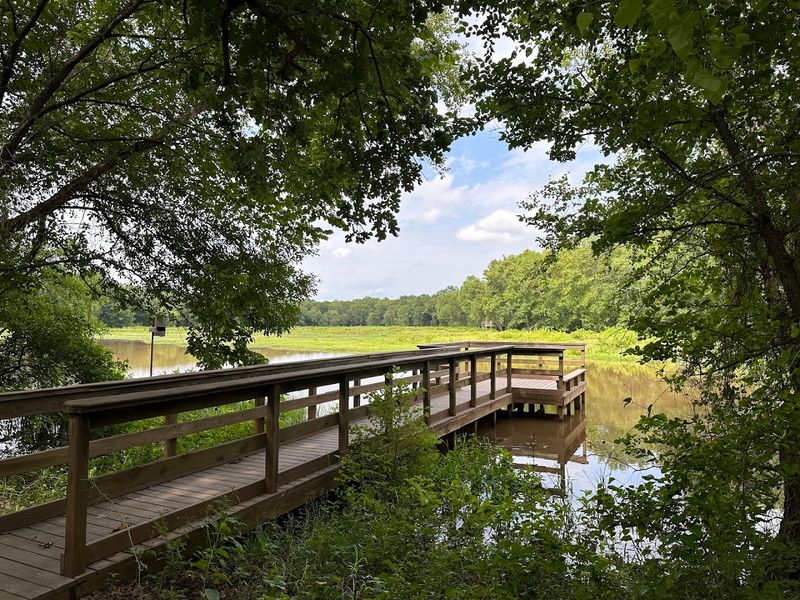
Not every kind of silence sounds the same, and the silence inside Deep Fork National Wildlife Refuge near Okmulgee in east-central Oklahoma has a wet, layered quality that is completely different from the open-plains quiet you find elsewhere in the state.
The refuge protects over 9,000 acres of bottomland hardwood forest along the Deep Fork River, a slow-moving waterway that winds through ancient stands of cottonwood, pecan, and water oak.
Boardwalks and trails lead you into flooded forest sections where the water is dark and still and the tree canopy closes overhead like a cathedral ceiling.
I walked one of the shorter trails on a foggy morning in March, and the combination of mist, moss, and bird calls made the whole experience feel genuinely prehistoric.
Wood ducks are abundant here, and their colorful flashes through the gray tree trunks are a consistent highlight during any visit.
The refuge also supports healthy populations of white-tailed deer, wild turkey, river otter, and beaver, all of which you can spot if you move quietly and arrive early.
Spring flooding turns large sections of the forest floor into shallow lakes, creating temporary habitat that migratory waterfowl rely on heavily during their northward journeys.
Okmulgee County sits in a transitional zone between the prairies to the west and the forests to the east, which gives the refuge a biodiversity that punches well above its size.
Coming here after spending time on the open plains feels like stepping into a completely different Oklahoma.
Address: 21844 S 250 Rd, Okmulgee, OK 74447
6. Four Canyon Preserve, Vici, Oklahoma
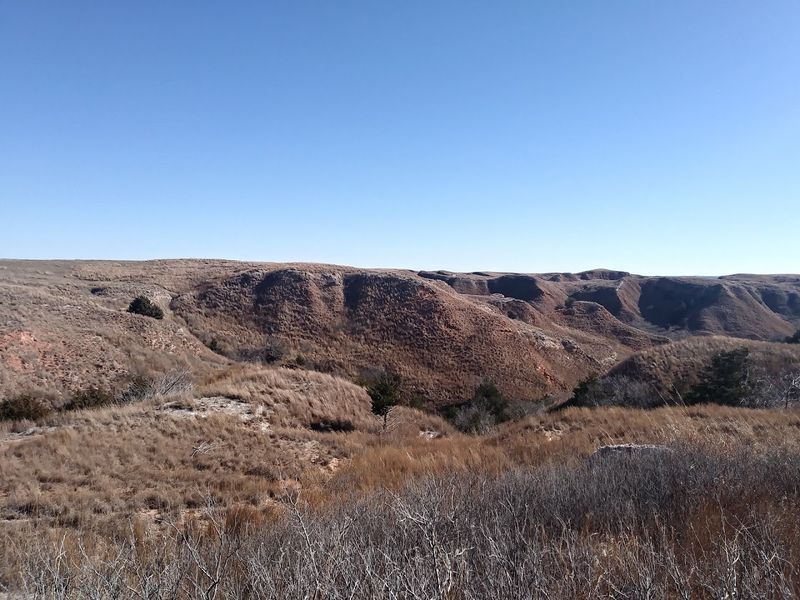
Western Oklahoma holds surprises that most people simply never drive far enough to find, and Four Canyon Preserve near Vici in Dewey County is one of the best-kept conservation areas in western Oklahoma.
Managed by The Nature Conservancy, this remote site protects a series of deep, rugged canyons carved into the red and tan sedimentary rock of the western Oklahoma plains.
The canyon walls drop sharply from the surrounding grassland, creating dramatic vertical relief in a landscape that most people assume is completely flat.
I stood at the canyon rim on a windy afternoon in April and felt completely alone in the best possible way, with nothing visible in any direction except grass, sky, and the jagged canyon edges below.
The preserve serves as critical habitat for the Lesser Prairie-Chicken, a declining grassland bird that depends on intact mixed-grass prairie for its elaborate springtime courtship displays.
Early spring visits during the lekking season, when male prairie-chickens gather at dawn to perform their booming dances, are an unforgettable wildlife experience.
The canyons also shelter mule deer, wild turkey, and a variety of raptors that use the thermal updrafts rising from the canyon walls.
Access requires navigating unpaved county roads, and there are no facilities, which filters out casual visitors and keeps the place refreshingly undisturbed.
The isolation here is real and intentional, and for anyone who values wilderness on their own terms, Four Canyon delivers that feeling without compromise.
Address: 196013 E County Road 68, Arnett, OK 73832
7. Hickory Creek Wildlife Management Area, Broken Bow, Oklahoma
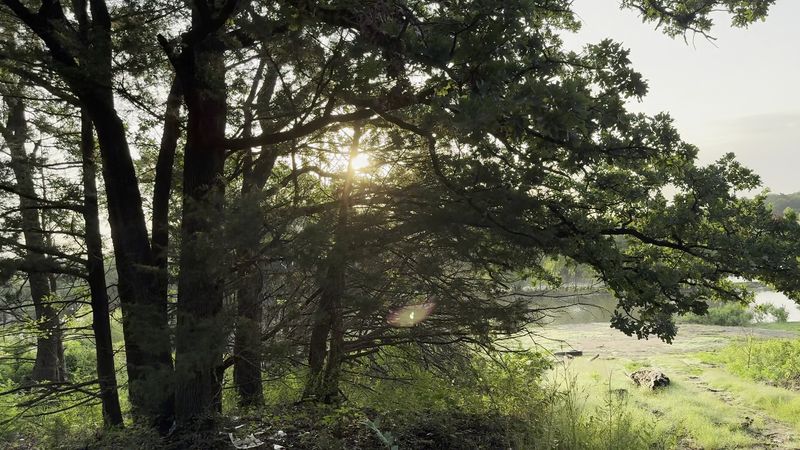
Southeast Oklahoma hides some of the most heavily forested and isolated terrain in the state, and Hickory Creek Wildlife Management Area near Broken Bow delivers the kind of deep-woods solitude that is becoming increasingly rare across the southern United States.
Tucked into the Ouachita Mountain region of McCurtain County, this rugged wildlife area is covered in dense pine and hardwood forest broken by rocky ridges, narrow creek valleys, and winding backroads that seem to disappear into the trees.
The farther you drive into the area, the quieter everything becomes.
I arrived on a cool autumn morning just after sunrise and spent hours exploring without hearing much beyond rustling leaves, distant woodpeckers, and the occasional rush of water moving through the creeks.
The forest here feels genuinely untamed in places, especially once you leave the main gravel roads behind.
White-tailed deer, wild turkey, and black bears all inhabit the surrounding mountains, and the region is also known for its excellent birdwatching opportunities during migration seasons.
Tall pines tower over sections of the landscape while hardwood trees create bursts of orange, gold, and red throughout the fall months.
The terrain is hilly enough to provide occasional overlooks where the endless canopy stretches toward the horizon in rolling layers of green. In some areas, the forest feels almost Appalachian rather than what most people imagine when they picture Oklahoma.
Address: N3380 Rd, Madill, OK 73446
8. Optima National Wildlife Refuge, Hardesty, Oklahoma
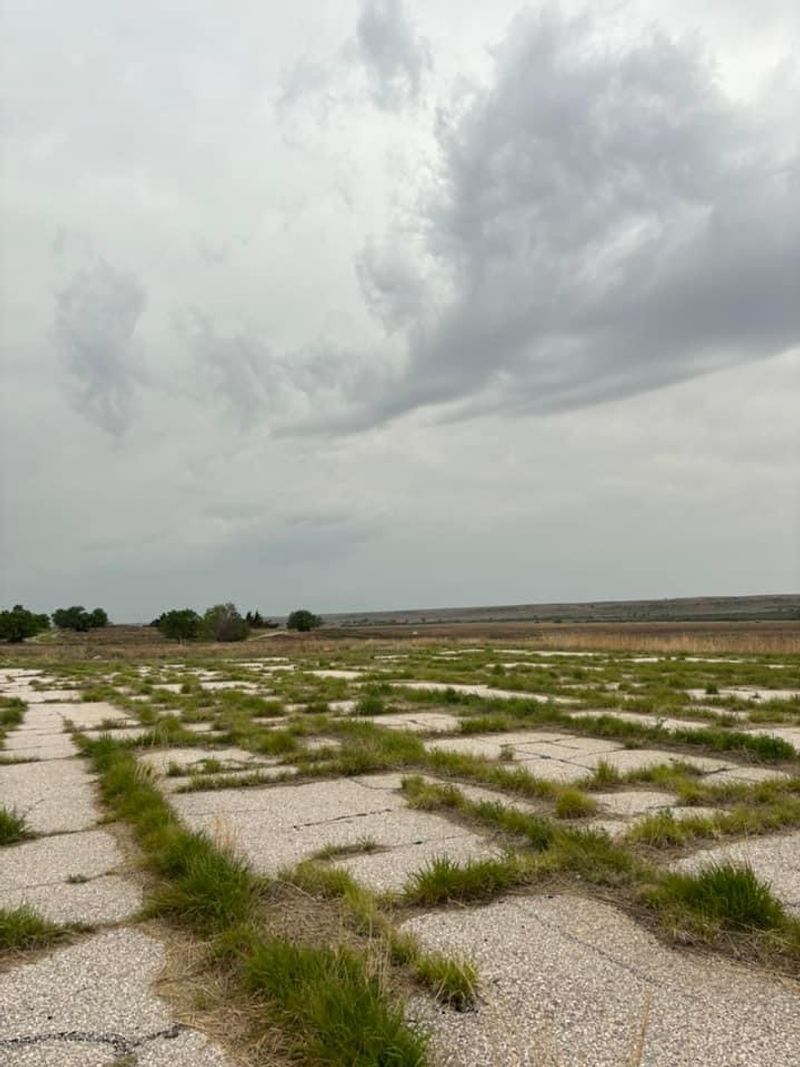
Optima National Wildlife Refuge near Hardesty in Texas County is one of the most unusual wildlife refuges in the entire federal system, and its unusual character comes from a project that never quite happened the way it was planned.
The refuge was established in connection with the Optima Dam project on the North Canadian River, but the dam was never completed, leaving behind a landscape of sandy plains, dry creek beds, and sparse cottonwood woodland that has developed its own quiet, windswept character.
I visited on a weekday in late summer and spent four hours there without seeing another vehicle or person, which made the whole experience feel like a private discovery.
The sandy soil and open terrain give the refuge a high-desert quality that feels more like the Texas Panhandle than what most people picture when they think of Oklahoma.
Pronghorn antelope move through the area, and the sandy creek margins hold tracks of deer, coyote, and wild turkey that tell the story of what passes through when no one is watching.
The Coldwater Creek arm of the Optima Reservoir site adds a riparian corridor that attracts a surprisingly diverse range of bird species given how dry the surrounding landscape is.
Shorebirds and wading birds use any standing water that remains after rainfall, and the open sandy flats are excellent for spotting raptors hunting in the low afternoon light.
For anyone who finds beauty in austere, forgotten landscapes, Optima offers a kind of honest solitude that is genuinely hard to find anywhere else.
Address: Hardesty, OK 73944
9. Hackberry Flat Wildlife Management Area, Frederick, Oklahoma
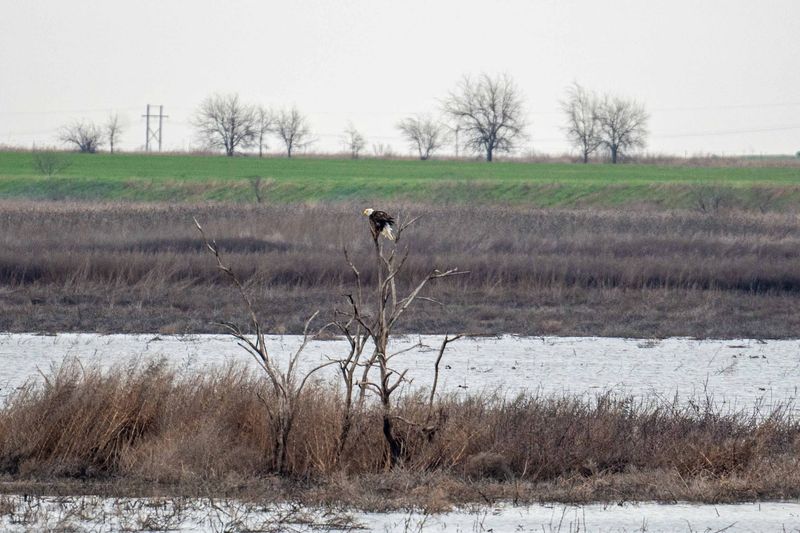
Southwest Oklahoma is not the first place most people think of when they imagine a world-class wetland, but Hackberry Flat Wildlife Management Area near Frederick in Tillman County is exactly that, and the scale of it is genuinely hard to describe until you are standing in the middle of it.
The area represents one of the largest wetland restoration projects in the southern Great Plains, with over 7,000 acres of shallow marsh, mudflat, and native grassland reclaimed from agricultural land over the past two decades.
A 37-mile auto tour route winds through the entire complex, making it accessible even when water levels are high and trails are flooded.
I drove the full loop on a November morning and lost count of the bird species before I even reached the halfway point.
Sandhill cranes gather here in staggering numbers during migration, and the sound of thousands of cranes calling at once as they lift off a flooded flat at sunrise is something that stays with you long after you drive home.
White-faced ibis, roseate spoonbills, avocets, and a rotating cast of shorebird species use the shallow flats throughout the warmer months.
The flat terrain and wide sky give the whole area a panoramic quality that makes every direction feel like a landscape painting.
Frederick is a small city in the heart of agricultural southwest Oklahoma, and the contrast between the surrounding farmland and this restored wetland makes the refuge feel even more remarkable.
Hackberry Flat proves that silence and spectacle can absolutely share the same address.
Address: Frederick, Oklahoma 73530
