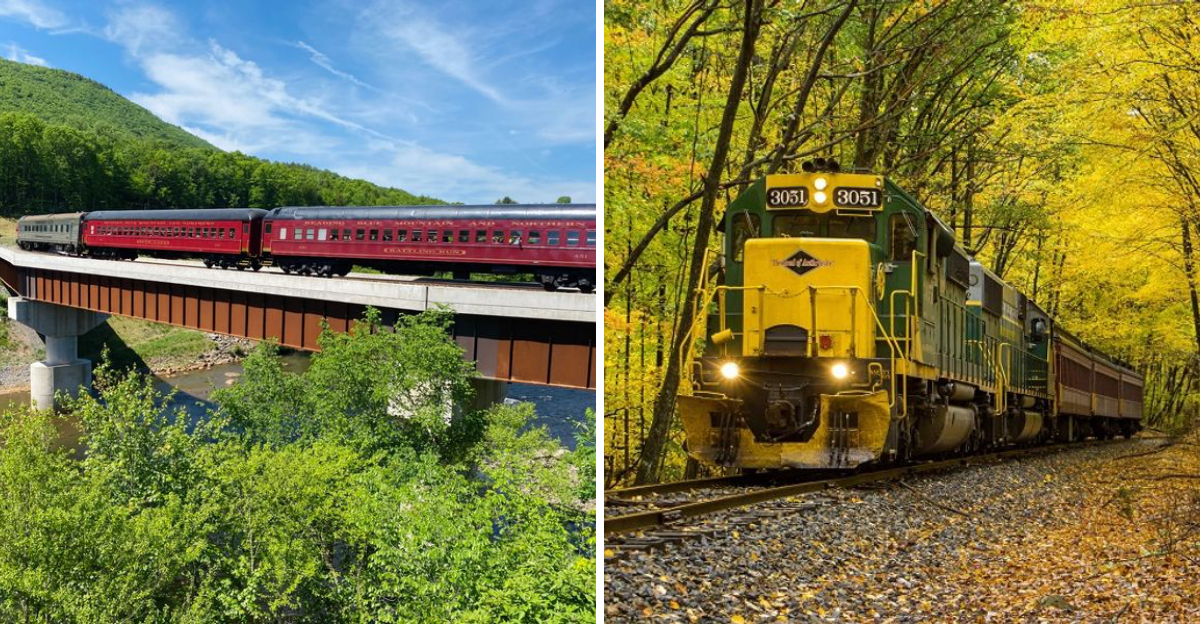
Pennsylvania’s Pocono Mountains hold a special kind of magic, especially when viewed from the window of a moving train.
Historic rail journeys offer travelers a slower, more thoughtful way to experience the region’s natural beauty and rich railroad heritage.
Whether you’re a train enthusiast, a nature lover, or simply looking for a memorable family outing, riding through these scenic landscapes brings something unexpected to your travel plans.
1. Steamtown National Historic Site
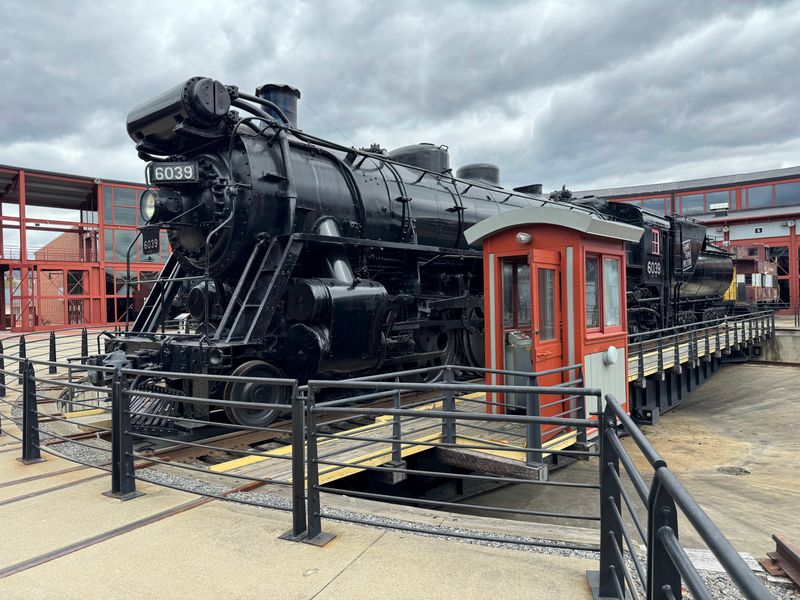
Scranton’s Steamtown National Historic Site serves as the perfect starting point for understanding the region’s railroad legacy.
This national park preserves and interprets the story of steam railroading in America, with an impressive collection of locomotives and rolling stock displayed both indoors and out.
Walking through the massive roundhouse, you’ll find beautifully restored engines that once hauled freight and passengers across Pennsylvania’s rugged terrain.
The site offers short excursions aboard vintage trains, giving visitors a taste of what rail travel felt like decades ago.
Kids especially enjoy climbing into the cab of a real locomotive and imagining life as an engineer.
Interpretive programs run throughout the year, with knowledgeable park rangers sharing stories about the men and women who built and operated these iron giants.
The museum exhibits cover everything from track construction to the daily routines of railroad workers.
Seasonal excursions take passengers through nearby valleys, offering glimpses of Pennsylvania’s industrial past alongside its natural beauty.
The history here feels tangible, not abstract, as you stand beside machines that weigh hundreds of tons yet moved with surprising grace.
Steamtown connects visitors to an era when railroads shaped communities and economies across the state.
Admission to the site includes access to all exhibits and the outdoor displays, making it an affordable family outing.
The gift shop stocks railroad memorabilia and books for enthusiasts of all ages.
Visitors can watch skilled restoration crews working on historic locomotives, which helps illustrate how much effort goes into preserving these artifacts.
The scent of warm metal and machine oil lingers throughout parts of the site, reminding you that this remains an active rail environment rather than a static display.
Outdoor walkways guide guests past sidings, boxcars, and rail lines, offering plenty of chances to stop and take photos from different vantage points.
Families often spend several hours here, moving at a comfortable pace between the exhibits, the roundhouse, and the rail yard.
The entire experience invites curiosity and makes history feel accessible to visitors of all ages.
2. Delaware Water Gap Scenic Railway
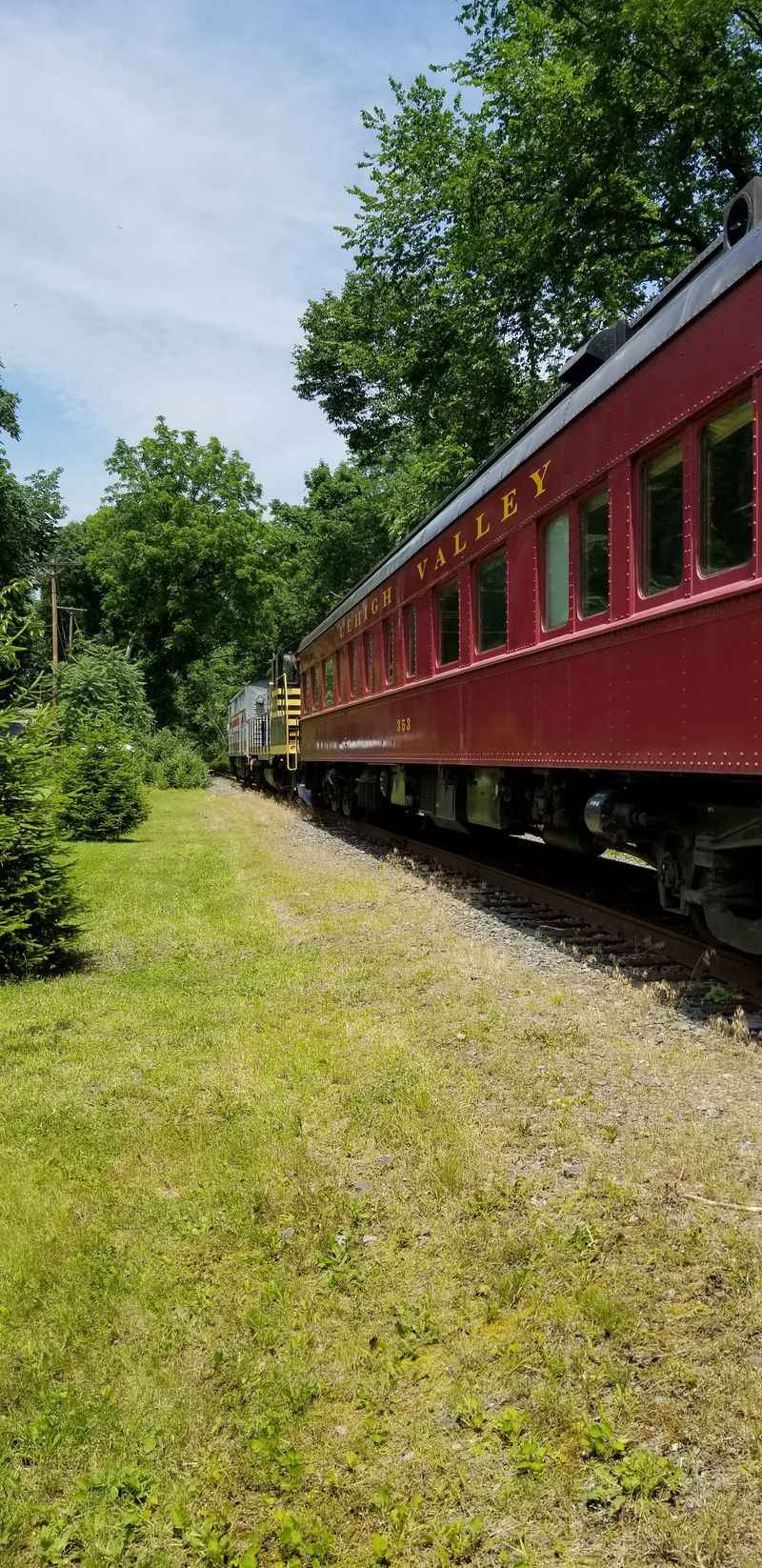
Running along the Delaware River, this railway offers one of the most picturesque train rides in the entire Pocono region.
Passengers board vintage coaches that have been lovingly maintained to reflect the golden age of rail travel.
The route follows the river’s edge, providing constant views of the water on one side and forested slopes on the other.
Spring brings blooming wildflowers along the tracks, while autumn transforms the landscape into a patchwork of reds, oranges, and golds.
The train moves at a relaxed pace, allowing everyone to soak in the scenery without feeling rushed.
Conductors share stories about the railway’s history and point out notable landmarks along the way.
You’ll pass through small towns that grew up around the railroad, their historic stations still standing as reminders of busier times.
The Delaware Water Gap itself creates a dramatic backdrop, with steep mountain walls rising on both sides of the river.
Wildlife sightings are common, especially in the early morning or late afternoon when deer and birds are most active.
Photographers find endless opportunities to capture the interplay of water, mountains, and vintage railcars.
Special themed rides run throughout the season, including family-friendly events and holiday excursions.
The railway operates from spring through fall, with the schedule varying based on demand and weather.
Tickets can be purchased online or at the station, though popular dates often sell out in advance.
This journey showcases Pennsylvania at its most serene and beautiful.
Some passengers like to open the windows slightly so they can enjoy cool river air and the fresh scent of nearby pine forests.
The gentle rocking of the train creates a calming rhythm that pairs naturally with the quiet scenery outside.
Small bridges along the route cross over creeks that flow into the Delaware River, adding subtle changes to the landscape as the trip continues.
During peak foliage season, the cars fill with travelers who want to experience the colors from a moving vantage point rather than from the highway.
Many riders step off the train feeling refreshed, as if the slow pace has helped them reset and appreciate the beauty of the valley.
3. Jim Thorpe Station and Town
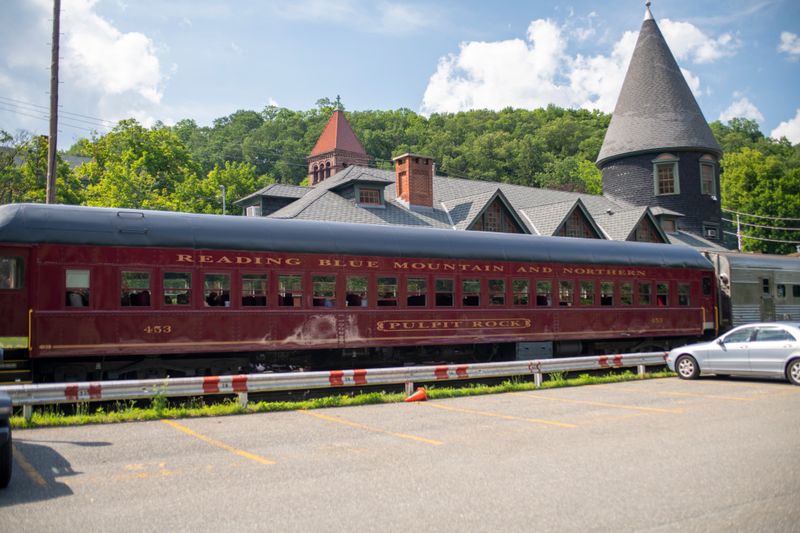
Nestled in a steep river valley, Jim Thorpe looks like a town frozen in time, with Victorian architecture climbing the hillsides.
The train station here serves as both a transportation hub and a portal to the past.
Originally called Mauch Chunk, the town renamed itself to honor the legendary athlete and attract tourism.
Arriving by train gives you the same perspective that countless travelers had during the town’s coal mining heyday.
The station building itself features classic architectural details that have been carefully preserved.
From here, you can explore the compact downtown on foot, discovering galleries, restaurants, and shops housed in historic structures.
Many visitors combine their train journey with time spent wandering the steep streets and admiring the painted ladies that line Broadway.
The surrounding mountains create a dramatic setting, especially when clouds hang low in the valleys.
Jim Thorpe serves as a gateway to outdoor recreation, with hiking and biking trails accessible from town.
The Lehigh Gorge State Park begins just outside the downtown area, offering riverside paths and stunning overlooks.
Train excursions departing from Jim Thorpe take passengers through the gorge, a journey that highlights Pennsylvania’s natural grandeur.
Local guides often share tales of the Molly Maguires and other colorful characters from the region’s past.
The town hosts festivals throughout the year, drawing crowds who arrive by both car and rail.
Spending a few hours here after your train ride adds depth to the overall experience.
Arriving by rail gives visitors time to absorb the surrounding scenery before stepping into the heart of the historic downtown.
Shops and cafés line the narrow streets, creating a lively atmosphere that encourages slow wandering and discovery.
Many buildings retain original architectural details, which adds depth to the sense of stepping back in time.
Visitors often pause on the sidewalks to admire the hillside views that rise sharply above the rooftops.
Exploring the town before or after a train ride turns the experience into a full day outing rather than a simple sightseeing trip.
4. Lehigh Gorge Scenic Railway
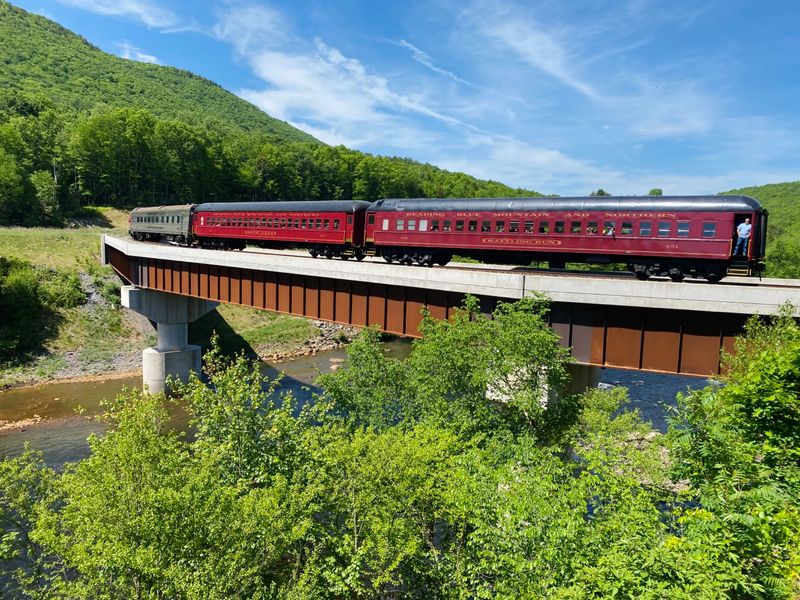
Few train journeys in Pennsylvania match the drama of riding through Lehigh Gorge.
The railway threads its way along the river, with towering rock walls rising on one side and rushing water on the other.
This route showcases the raw power of nature, where the river has carved a deep channel through ancient rock over millions of years.
The train passes through tunnels and over bridges that engineering crews built more than a century ago.
Looking out the window, you’ll see kayakers navigating rapids and fishermen casting lines in calmer pools.
The gorge’s microclimate supports unique plant communities, with ferns and mosses clinging to shaded cliff faces.
Fall foliage season brings the most visitors, but each season offers its own appeal.
Winter rides reveal ice formations along the cliffs, while spring showcases rushing water swollen with snowmelt.
The railway operates special themed excursions, including fall foliage tours and holiday rides.
Onboard narration provides context about the geology, ecology, and human history of the gorge.
You’ll learn about the coal industry that once dominated this region and the transportation networks that supported it.
The ride lasts about an hour each way, giving passengers plenty of time to absorb the scenery.
Many choose to disembark at Glen Onoko for hiking before catching a later train back.
The experience feels both adventurous and relaxing, a rare combination in modern travel.
Passengers often find themselves quietly watching the landscape as the train winds deeper into the gorge.
The contrast between the rugged cliffs and the smooth flow of the river creates a scene that feels both dramatic and peaceful.
Old telegraph poles and remnants of rail infrastructure appear along the route, hinting at how long trains have traveled this corridor.
The slow, steady pace allows riders to notice details in the rock walls and forest canopy that might otherwise go unseen.
By the end of the journey, many travelers gain a new appreciation for the relationship between engineering and nature.
5. Pocono Mountains Visitor Bureau Programs
Planning your train journey becomes easier when you tap into resources offered by the regional tourism office.
The Pocono Mountains Visitor Bureau maintains up-to-date information on all rail excursions operating in the area.
Their website and welcome centers provide schedules, pricing, and tips for making the most of your visit.
Staff members can suggest itineraries that combine train rides with other attractions, creating a well-rounded trip.
They also highlight seasonal events that pair well with rail journeys, such as fall festivals or winter markets.
Maps available at visitor centers show the relationship between different rail lines and nearby towns.
Understanding the geography helps you choose which train experience best fits your interests and schedule.
The bureau partners with local businesses to offer package deals that include lodging, meals, and train tickets.
These packages often provide better value than booking everything separately.
Visitor centers are staffed by people who know the region intimately and can answer specific questions about accessibility, dining options, or photo opportunities.
They keep track of construction or service changes that might affect your plans.
Free publications available at the centers feature articles about railroad history and profiles of engineers and conductors.
The bureau’s social media channels share real-time updates and guest photos from recent trips.
Taking a few minutes to consult these resources before your visit can enhance your overall experience.
Pennsylvania’s tourism infrastructure makes it easy for visitors to navigate the region’s many offerings.
Travelers who stop at a visitor center often discover rail excursions they might not have known about otherwise.
Staff members listen to your interests and help match you with routes that fit your schedule and travel style.
Brochures and maps make it easier to visualize how each train line connects to surrounding towns and attractions.
The bureau’s recommendations often lead people to lesser known experiences that feel more personal and memorable.
Planning with these resources helps ensure that your trip feels organized without losing its sense of adventure.
6. Seasonal Foliage and Special Event Trains

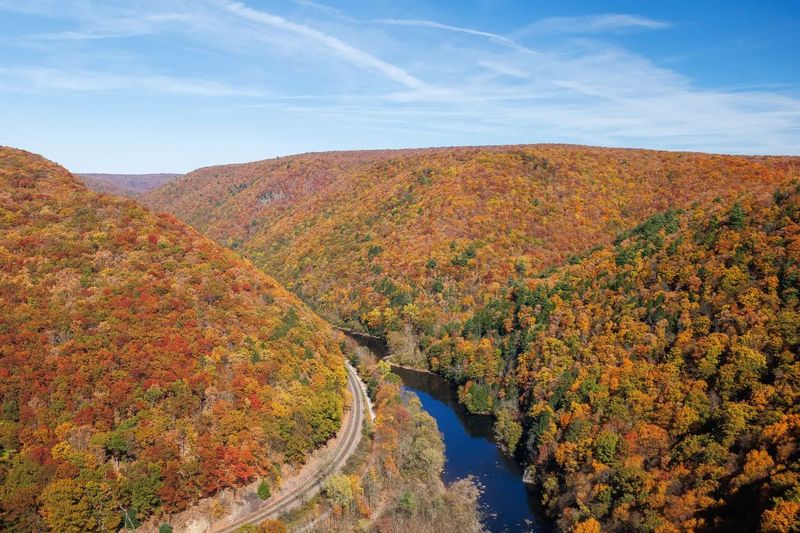
Autumn transforms the Pocono Mountains into a canvas of brilliant colors, making it peak season for train excursions.
Railways throughout the region offer special foliage tours that time departures to catch the best light and colors.
The elevated perspective from a train car provides sweeping views that ground-level travelers miss.
Maples, oaks, and birches create layers of color that shift from yellow to orange to deep crimson.
The contrast between evergreens and deciduous trees adds depth to the landscape.
Photographers pack the trains during this season, cameras ready to capture scenes that change mile by mile.
Beyond fall foliage, railways run themed excursions throughout the year.
Holiday trains feature decorated cars, seasonal music, and visits from costumed characters.
Murder mystery dinners aboard moving trains combine entertainment with dining and scenery.
Valentine’s Day and Mother’s Day excursions cater to couples and families looking for memorable celebrations.
Some railways partner with local wineries or breweries for tasting tours that include rail transportation.
These special events often sell out weeks in advance, so early booking is essential.
The combination of movement, scenery, and themed activities creates experiences that feel special rather than routine.
Even residents of Pennsylvania find these excursions offer fresh perspectives on familiar landscapes.
Checking the calendar before planning your visit ensures you don’t miss something that aligns with your interests.
The variety of offerings means there’s almost always something happening on the rails.
During autumn rides, passengers often remark on how the colors appear to shift with every curve in the track.
Special event trains create a festive mood that turns an ordinary outing into a shared celebration.
Families return year after year because these trips become traditions that connect generations.
Even outside of peak seasons, themed rides provide reasons to explore the railways at different times of the year.
The changing calendar ensures that no two visits feel exactly the same, which keeps the experience fresh.
7. Historic Rail Infrastructure and Engineering Marvels
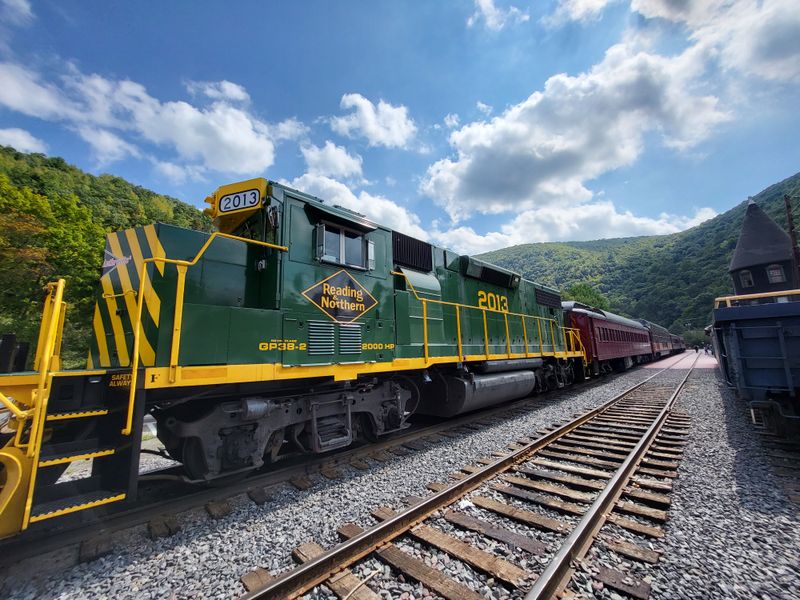
The engineering achievements that made mountain railroading possible deserve recognition alongside the scenery.
Builders in the 1800s faced enormous challenges cutting routes through Pennsylvania’s rugged terrain.
They constructed stone bridges that still carry trains more than a century later, testament to their craftsmanship.
Some viaducts span deep valleys, their arches perfectly proportioned to distribute weight and withstand floods.
Tunnels bored through solid rock required hand tools and black powder, with workers laboring in dangerous conditions.
The grades and curves were calculated to allow heavy steam locomotives to maintain traction while hauling freight.
Modern passengers benefit from these historic routes without always appreciating the effort they required.
Looking closely at stonework along the tracks reveals the marks of individual masons and the evolution of construction techniques.
Some railways offer special tours focused on engineering, with experts explaining how problems were solved using available technology.
You’ll learn about switchbacks, water towers, and other infrastructure that kept trains moving reliably.
The integration of human engineering with natural landscapes creates a unique aesthetic.
Rail lines follow river valleys and mountain passes, working with topography rather than fighting it.
This harmony between construction and environment gives train travel a different character than highway driving.
Understanding the technical side adds another layer of appreciation to your journey.
Pennsylvania’s railroad heritage represents innovation, determination, and the drive to connect communities across challenging geography.
Standing beside a stone bridge or old viaduct helps visitors grasp the scale of the work early builders accomplished.
The durability of these structures demonstrates how engineering skill and practical knowledge shaped transportation in the region.
Many passengers leave with a deeper respect for the workers whose efforts made mountain rail travel possible.
Learning about the design of grades and curves reveals how carefully each mile of track had to be planned.
Understanding these details adds another layer of meaning to the scenery visible from the train windows.
Dear Reader: This page may contain affiliate links which may earn a commission if you click through and make a purchase. Our independent journalism is not influenced by any advertiser or commercial initiative unless it is clearly marked as sponsored content. As travel products change, please be sure to reconfirm all details and stay up to date with current events to ensure a safe and successful trip.
