Follow a West Virginia river road for ten minutes and you’ll start noticing the little things that make it feel like a different pace of life.
On these low farms along the water, daily chores still follow the riverline, and old routines keep shaping what ends up on tables and on calendars.
You’ll hear neighbors trade help, spot rows of canning jars lined up like proud proof, and see how bridges, fords, and ferries still influence everyday decisions.
It doesn’t feel staged or nostalgic, it feels practical and lived in.
If you like traditions that still earn their keep and you want to step in respectfully, this guide will help you find them.
1. Subsistence Gardens On River Flats
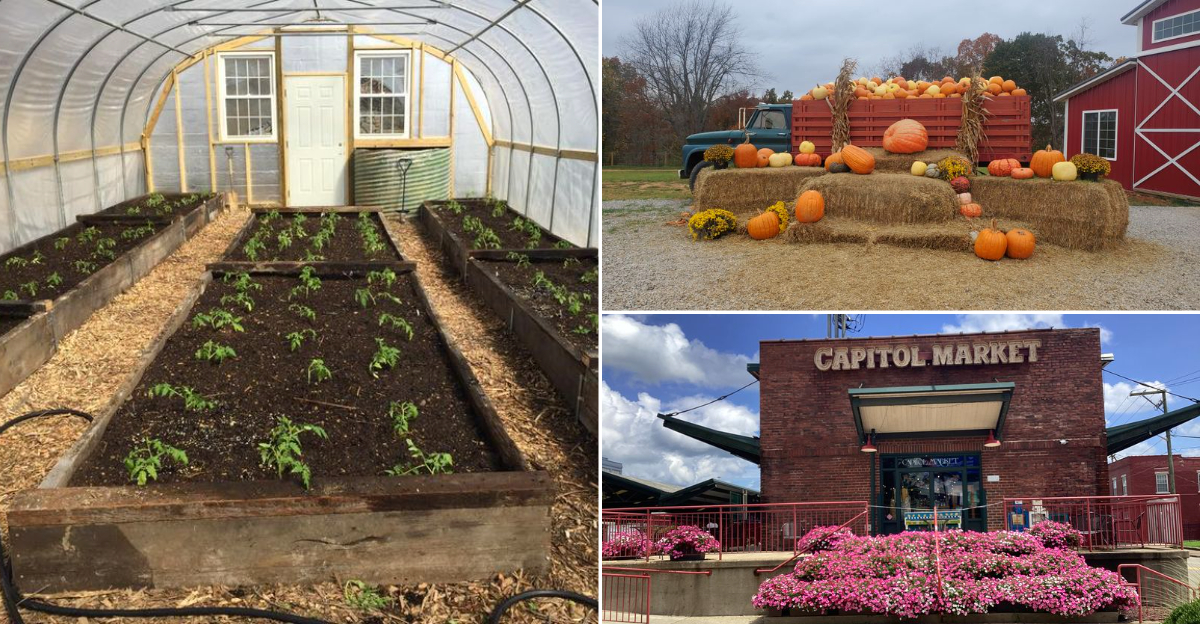
Most people picture a garden tucked behind a fence, but along the Kanawha and Greenbrier the rows sit almost level with the river.
They’re close to the kitchen door for quick harvests and easy dinners.
The soil does a lot of the heavy lifting here, deep and forgiving, which is why corn, pole beans, potatoes, and onions still anchor so many plots.
If you like spotting the little tells, look for rain barrels, old hand pumps, and twine pulled tight between stakes like someone’s system that just works.
These flats stay practical, not nostalgic, because being near the water makes hauling and watering easier when summer heat slows everything down.
A lot of families still plant by feel and neighbor advice, then mix in Cooperative Extension tips that match the valley’s microclimates.
You can see living versions of this around farms near the New River Gorge, where garden beds sit within earshot of riffles and train whistles.
Notice the wood-chip paths, cold frames patched from old windows, and a chair parked in the shade for shelling peas.
Even public demonstration plots at WVU Extension community gardens follow the same tight, water-smart layout.
The idea is simple: keep plants close, keep tools closer, and always respect the river’s moods.
2. Canning Cellars Before First Snow
Open a cellar door in West Virginia and it’s like stepping into a different season.
The air turns cool and earthy, and the shelves tell the year’s story better than any notebook.
Jars of tomatoes, beans, applesauce, and pickles line up by color and size, and that neat “inventory” feeling is weirdly calming when the weather starts to turn.
Do you know that little clink of glass when you set a jar down and it lands just right?
Families still use both water-bath and pressure canning, sticking to tested recipes so everything stays safe and reliable.
The rhythm builds in late summer, picks up speed in fall, and ends when the last lid pings and the shelves finally look full.
For scale, picture rows reaching shoulder height across a whole wall.
Root vegetables sit nearby in bins with airflow, and crocks hold kraut that smells sharp and clean.
Labels don’t need to be fancy, because a strip of tape and a date does the job.
The system works because it’s predictable, not because it’s pretty.
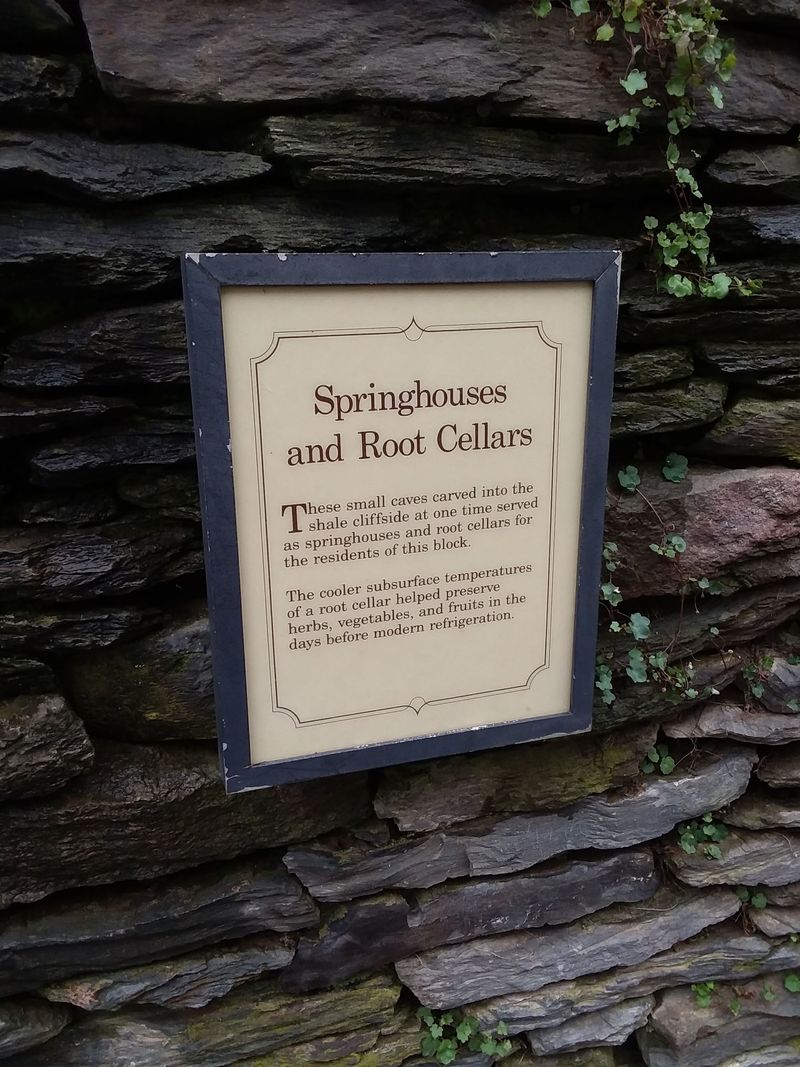
If you want to see traditional storage layouts up close, Heritage Farm Museum and Village shows reconstructed cellars and kitchen setups with practical context.
You can walk past stonework, wood shelving, and simple doors designed to keep warm air out.
3. Fishing Lines And Foraged Ramps
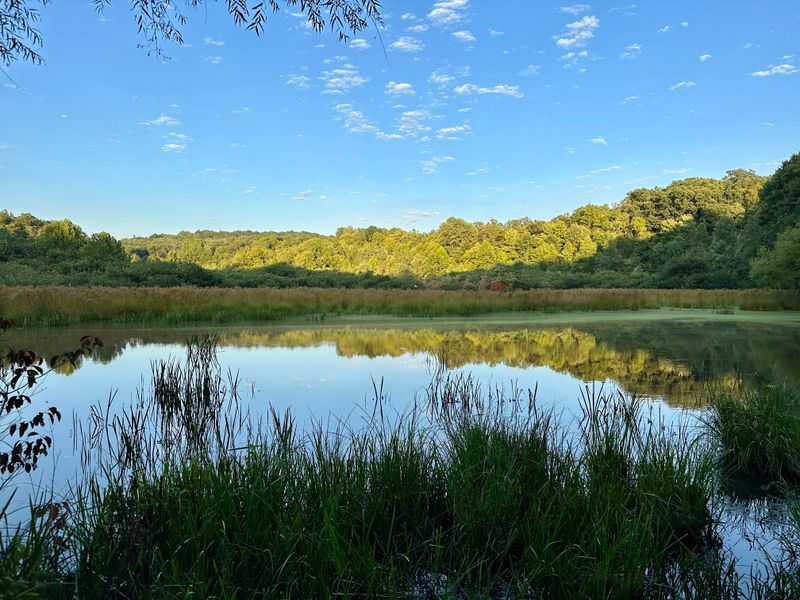
Between garden harvests on West Virginia river farms, the river quietly fills the gaps.
Families head to eddies and runs they know by heart, and a quick fishing stop becomes part of the weekly rhythm.
Kids learn which riffle holds smallmouth and which deeper pool can turn up catfish after a warm rain.
They also learn patience, how to handle a line without rushing, and how to read water instead of guessing.
Spring adds another ritual when ramps start showing up on nearby hillsides.
Those bright green leaves push through leaf litter, and you often smell them before you spot them.
Foraging here stays careful and ethical, take a little, leave plenty, and keep patches healthy for next time.
Around the house, the gear tells its own story.
Rods lean on porch rails, minnow buckets hang from nails, and a stringer clinks as someone steps inside.
The advice comes fast and simple, keep your cast out of dark shadows, watch the foam line, and trust what the river is showing you.
It’s never just about “catching something,” because the focus is the meal and the memory.
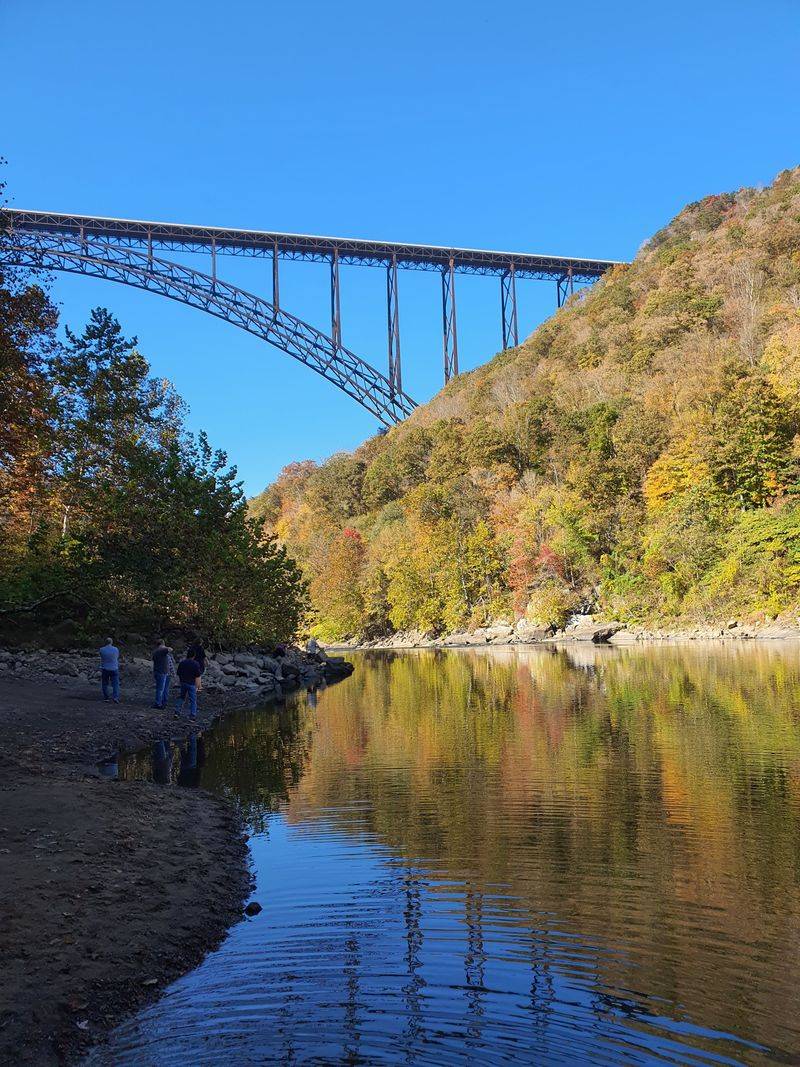
If you want a public place to learn the basics responsibly, visitor areas at New River Gorge National Park and Preserve connect trails straight to the water.
You’ll find kiosks on species, best practices, and guidance on rules that protect the place for everyone.
4. Hayfields And Corn Shocks In Bottomland
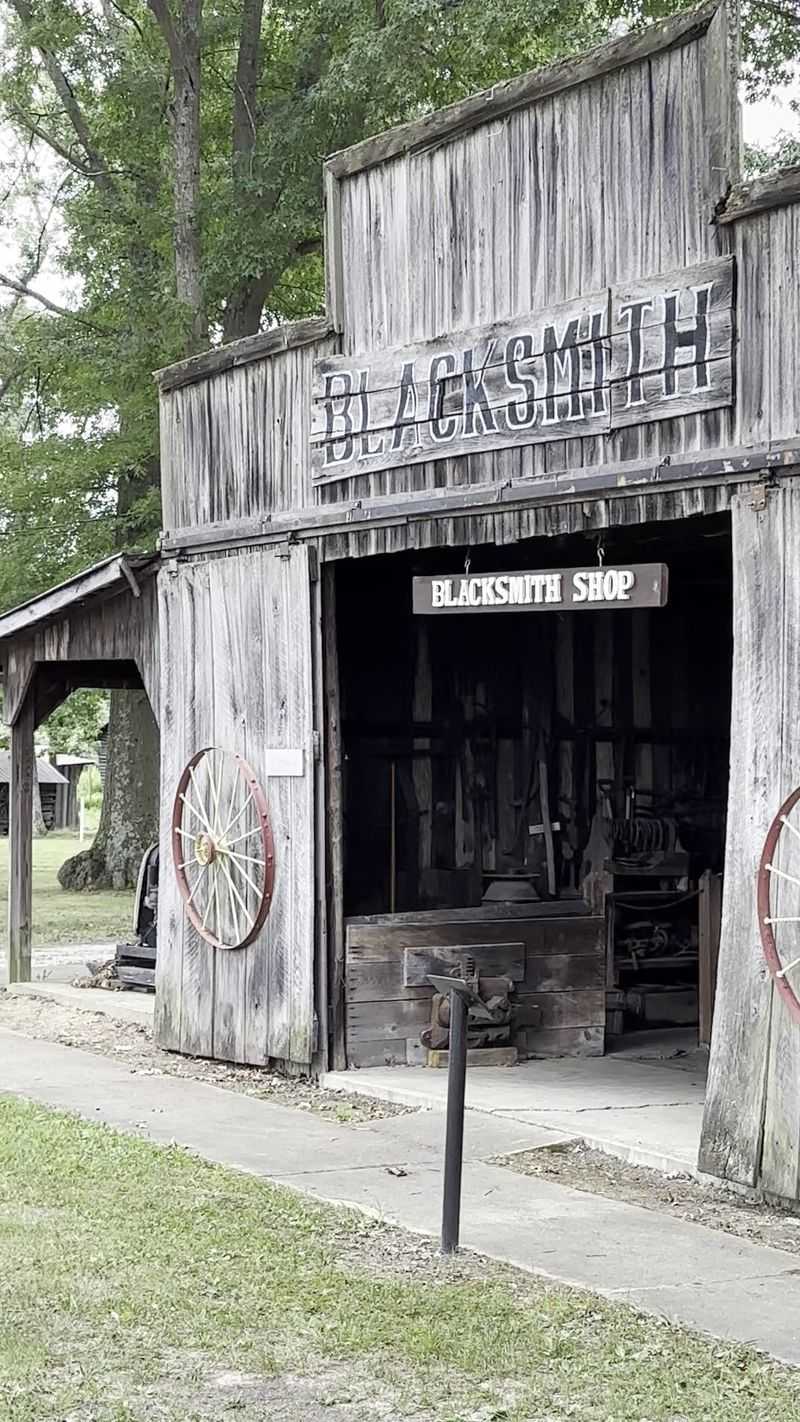
Out on West Virginia bottomlands, the fields still run the calendar like they always have.
Hay has to cure, corn has to stand, and the work starts early because river weather can flip fast and wreck a good plan.
Do you ever catch yourself timing chores by the way clouds build upriver?
You’ll spot straight windrows and careful stacks staged near sheds set safely back from flood lines.
Corn shocks stand in rows like quiet markers, saying feed is handled and the week just got easier.
It looks old-school, but it’s not for show, it’s a practical system that still works.
Tractors hum along levees, wagons creak over ruts, and barn doors stay open to pull air through the bales.
Farmers watch humidity and river stages without drama, just steady decisions that protect winter feed.
If you like quiet efficiency, this is exactly what it looks like in real life.
For an easy public look at traditional equipment and field layouts, the West Virginia State Farm Museum displays old rakes, binders, and wagons beside working barns.
You can walk the paths, read the signs, and picture these bottomlands full of shocks and stubble after harvest.
5. Egg Routes Along The River Road
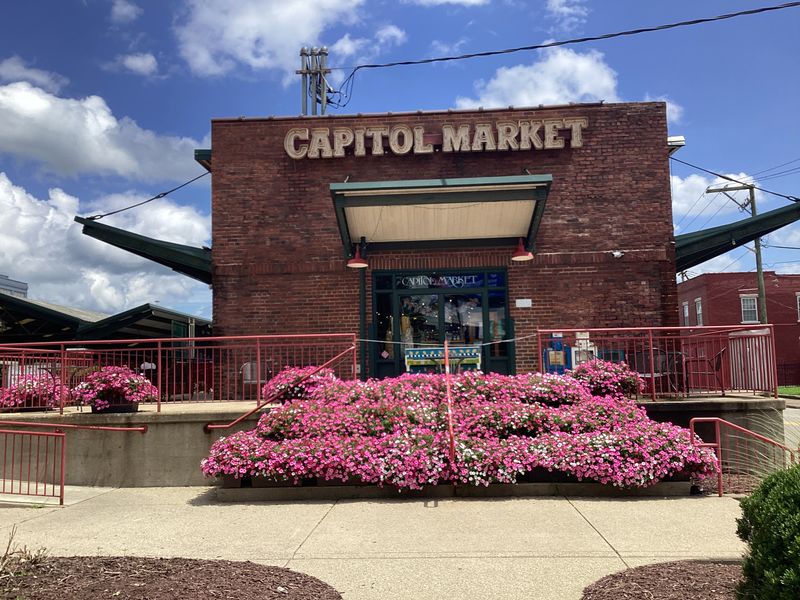
In West Virginia, a simple egg run can feel like a mini road tradition.
River roads once doubled as market corridors, and you can still see pieces of that old loop in the weekly farm-to-town routine.
Families pack cartons, grab extra squash, and head out early to meet the same circle of customers.
The route stays basic on purpose, farm to town to farm, with stops at porches, garages, and small markets that value local supply.
Trust matters more than labels, because buyers know the faces and hands behind what they’re buying.
That familiarity is what keeps the loop running without much fuss.
You can still spot the habit near Charleston and along the Monongahela, with tidy roadside stands sitting beside mailboxes.
The inventory is small and honest, eggs, greens, maybe apples when the trees had a good year.
Payments might still drop into a coffee can, because the whole setup runs on respect and routine.
If you want a more organized version of the same local circuit, Capitol Market brings regional producers together under one roof.
It’s covered, easy to navigate in any weather, and a great place to see what’s in season without chasing down every stand.
6. Sunday Crossings To Church And School
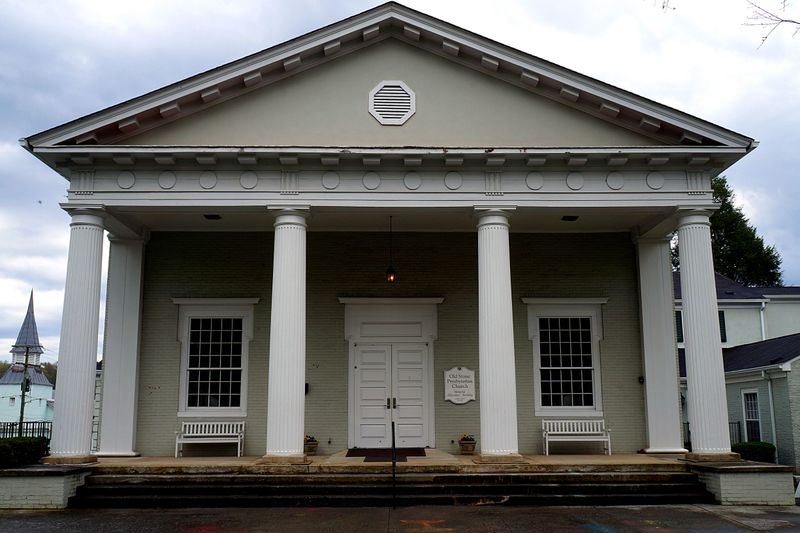
In West Virginia, the river still has a vote in where you go and how you get there.
Back then it chose routes to church, school, and a neighbor’s barn, and in places it still does, especially where crossings are limited.
People watch water levels and pick the safest option, a bridge, a ford, or a longer detour that keeps everyone dry.
Crossings collect stories that feel everyday, not dramatic.
Someone rowing across at dawn, a lantern ride when the choir needed one more voice, a quick decision made because the water said “not yet.”
The point isn’t danger, it’s routine shaped by a landscape that expects patience.
Even now, churches sit within sight of bends where fog lingers late, and schools send buses swinging wide after high water.
Signs mark low crossings, and neighbors still call or text when the back way opens up faster than the main road.
It can look informal from the outside, but it runs on shared knowledge and it holds together.
If you want to see how worship, travel, and terrain line up in one place, visit Old Stone Presbyterian Church and look at the nearby routes that braid through the valley.
The architecture sits where it does for a reason, and the road choices around it make that obvious.
7. Work Swaps At Planting And Harvest
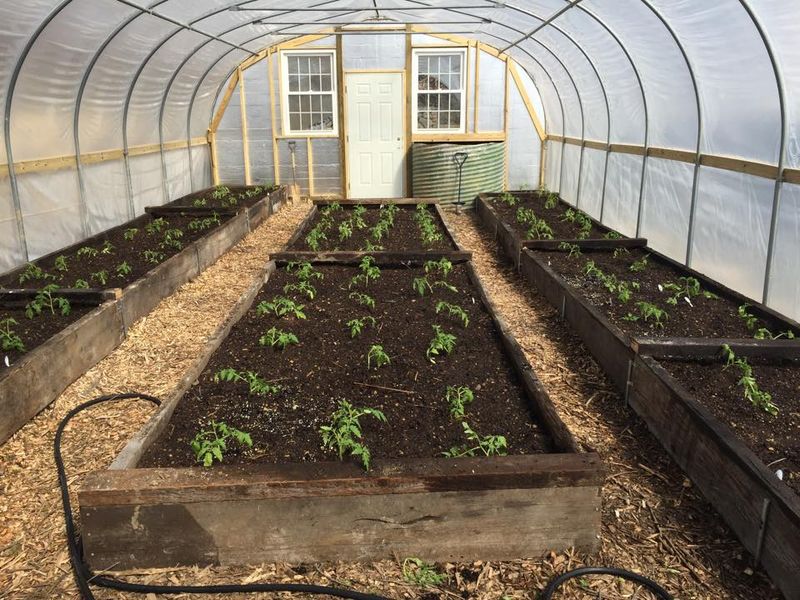
If you want to see community in action, watch a West Virginia river farm during planting or harvest.
Work swaps kick in fast, one family calls, another shows up, then another, and suddenly a big field job turns into a group effort.
The schedule runs like a relay, corn for you, hay for them, fence repair for the next place, until the big tasks get crossed off one by one.
Food shows up in waves and nobody overcomplicates it.
Casseroles, beans, slaw, and cornbread land on long boards under shade, and everyone eats like they earned it.
Conversation keeps moving too, weather notes, river levels, local news, and quick check-ins that sound casual but carry real information.
Skills travel through the group the same way.
A better knot, a quicker hitch, a smarter loading order when time is tight, and you learn it by watching and doing.
That knowledge sticks because you use it again the next day, not months later.
It’s barter, but it’s clean and practical, and it works because people follow through.
If you want a more organized version of the same spirit, community gardens and gleaning networks along the Ohio River run group workdays with sign-up boards and shared tool sheds.
Grow OV in Wheeling is one example where you can see that teamwork built into the setup.
8. Porch Story Nights After Long Farm Days
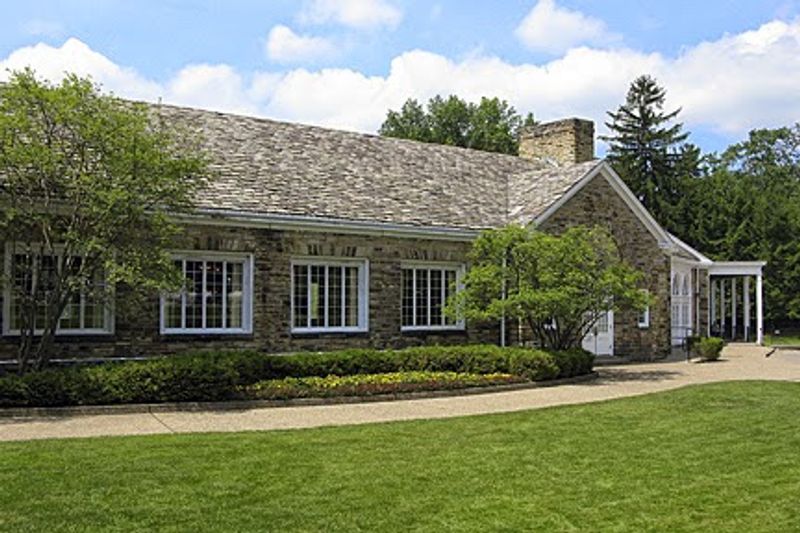
After chores, porches turn into the living room, boots come off, chairs scrape once, and the whole night settles down.
Neighbors drift by, not to be entertained, just to check in, trade weather notes, and quietly mark the day complete.
Hunting routes, fence repairs, a calf born breech, or the new shortcut around a muddy bank that actually works.
The river fills the pauses in the background, steady and low, and nobody rushes a sentence to get to the end.
That’s the charm, the conversation has room to breathe.
Phones stay in pockets because the view is enough.
Cedar at the edge, garden rows gone dark, and fireflies starting up in batches like they’re clocking in.
A dog naps by the steps and only lifts its head when gravel pops on the lane.
The porch becomes a calendar without dates, just the same rituals repeating in a good way.
If you want a public version of that porch feel, Oglebay’s historic cottages have porches where you can sit under big trees and listen.
The grounds carry that same unforced quiet that makes small conversations feel like the whole evening.
9. Modern Fall Festivals On Old Fields
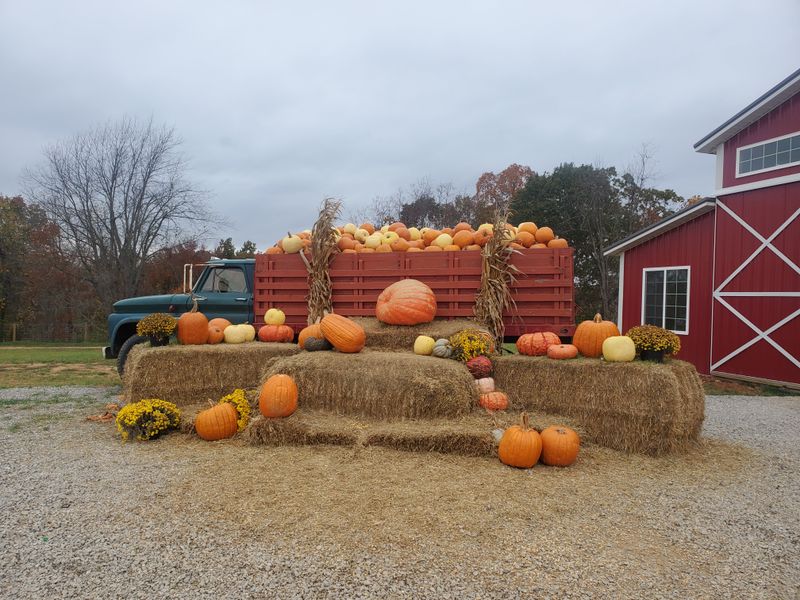
Want an easy, fun entry point into river farm culture?
Go to a fall festival on the bottomlands, where hayrides and corn mazes roll out with the river sitting right there in the background.
The signs are bright and festive, but the field layout still follows the same contours farmers have used for hay and corn forever.
Families come for the fun, but you also start noticing the “farm logic” behind everything.
Gates, lanes, and parking are set up to avoid soft ground, because that’s how you keep wheels moving and fields intact.
The best places keep animals comfortable, paths dry, and people flowing without bottlenecks on narrow farm roads.
You’ll usually see vintage equipment staged near barns, and it’s not just decoration.
It’s there to show how the place earned its keep.
Kids climb wagons, adults stare at rake teeth like it’s a museum piece, and everyone leaves understanding how winter feed actually got handled.
That mix of learning and play feels honest, not forced.
For a strong example, Gritt’s Farm runs seasonal events on real production fields with organized traffic plans that respect the valley.
It’s a great place to see how fun and farm work can share the same space.
Dear Reader: This page may contain affiliate links which may earn a commission if you click through and make a purchase. Our independent journalism is not influenced by any advertiser or commercial initiative unless it is clearly marked as sponsored content. As travel products change, please be sure to reconfirm all details and stay up to date with current events to ensure a safe and successful trip.
