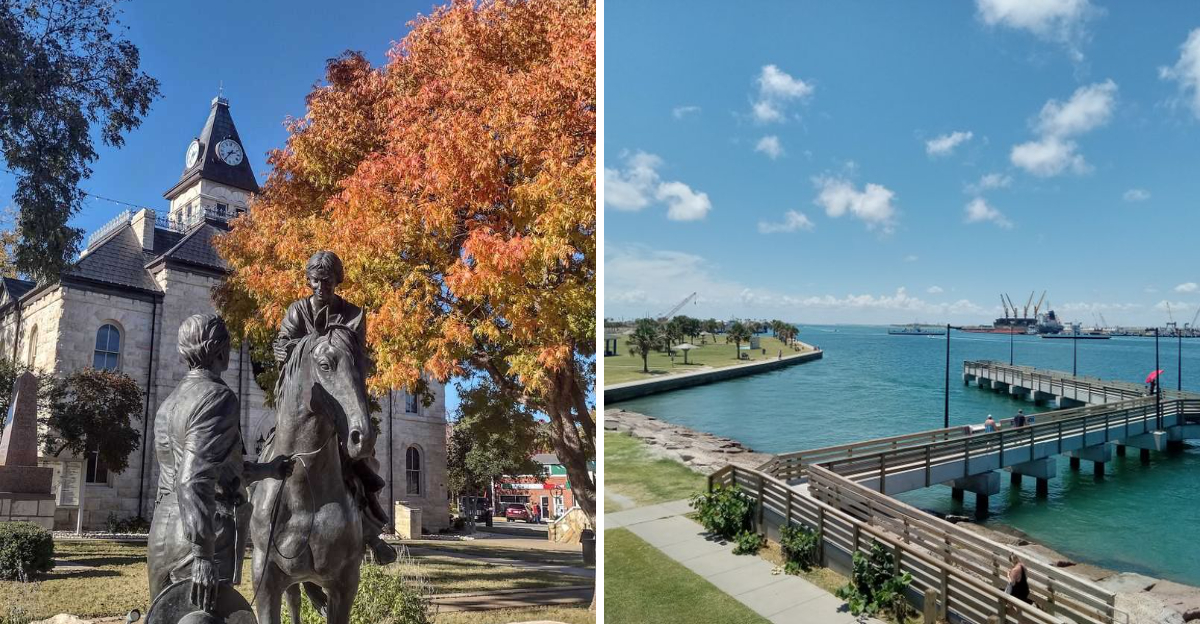
I used to think romantic escapes in Texas meant fighting through weekend crowds at popular spots, but a few years back, I stumbled onto a different side of the state entirely.
Hidden between wide-open ranch land and forgotten Hill Country roads, I found places where silence felt like a luxury and solitude came standard.
These weren’t the destinations splashed across every travel magazine or clogged with tour buses on Saturday mornings.
Instead, they were the kind of towns and hideaways where you could actually hear each other talk over dinner, where hiking trails stayed empty even on perfect weather days, and where the only thing competing for your attention was the sunset.
Texas has plenty of room to breathe if you know where to look, and these twelve spots prove that romance doesn’t require a crowd to feel special.
1. Wimberley
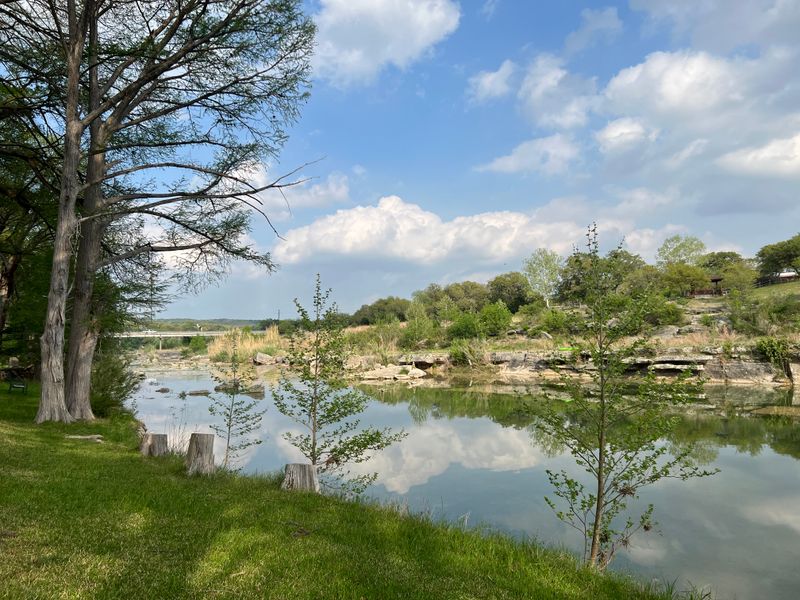
Wimberley sits in a pocket of the Hill Country where the pace slows down whether you want it to or not. The town itself barely stretches a few blocks, and most of the action happens along quiet back roads that wind past old oak trees and hand-painted signs pointing toward swimming holes.
Cypress Creek runs right through the heart of things, cool and clear even in the middle of summer, and you can spend entire afternoons wading through shallow pools without seeing another soul.
Blue Hole Regional Park offers one of the best natural swimming spots in the region, though it does require reservations during peak season to keep numbers manageable. The water stays cold year-round, fed by underground springs that bubble up through limestone bedrock.
Surrounding trails loop through shaded groves where you might spot turtles sunning themselves on fallen logs or herons fishing in the shallows.
Downtown Wimberley hosts a small collection of artisan shops and cafes, but nothing feels touristy or overdone. On weekends, the local market draws a few vendors selling handmade jewelry and pottery, but it never turns into the kind of scene that requires elbowing through crowds.
Most evenings, couples end up on cabin porches watching fireflies blink across the hillsides, which feels about as far from city noise as Texas gets.
2. Marfa
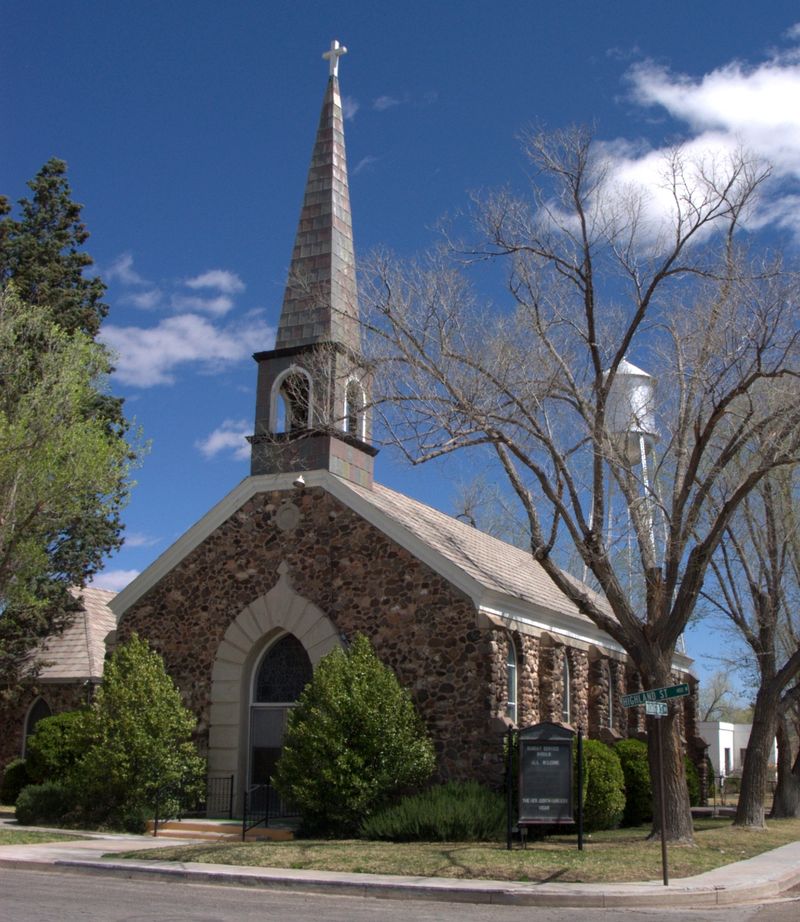
Marfa exists in a category all its own, perched in the high desert where art installations outnumber gas stations and the nearest city feels like another planet.
The drive out here takes commitment, hours of two-lane highway cutting through empty ranchland, but that isolation becomes part of the appeal once you arrive.
Gallery spaces occupy old storefronts along the main strip, showcasing contemporary work that draws collectors from New York and Los Angeles, yet the town itself maintains an unhurried, almost meditative quality.
The Chinati Foundation spreads across former military grounds just outside town, displaying large-scale sculptures and installations that interact with the surrounding desert landscape.
Walking through the exhibits feels less like visiting a museum and more like wandering through someone’s very particular vision of how art and environment should coexist.
The light out here changes constantly, shifting from harsh midday glare to soft evening gold that makes even the simplest objects look sculptural.
Evenings in Marfa often mean watching for the mysterious lights that appear on the horizon east of town, unexplained glows that locals and visitors have been debating for generations.
Whether you see them or not almost doesn’t matter because the real show happens overhead, where stars crowd the sky in numbers that seem impossible if you’re used to city living.
3. Jefferson
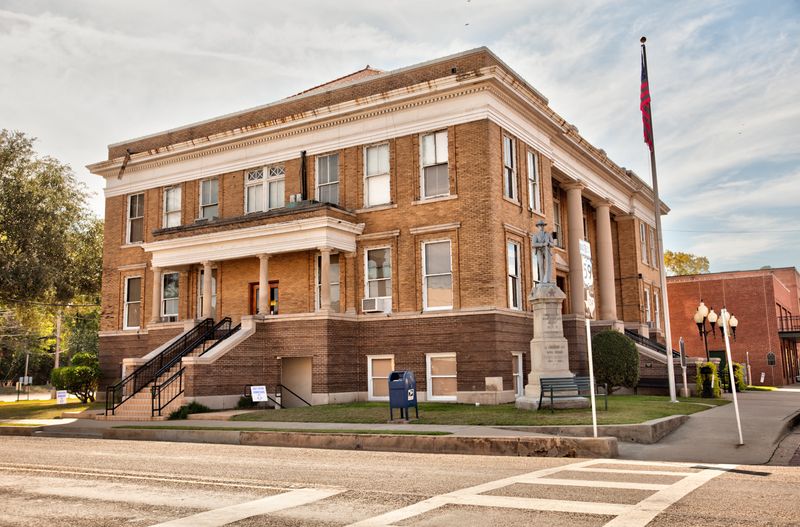
Jefferson feels frozen somewhere around 1870, a riverboat town that boomed during the steamboat era and then quietly refused to change much after the boats stopped coming.
Brick buildings with cast-iron balconies line the main streets, many converted into bed-and-breakfasts that maintain period details without feeling like museum exhibits.
The whole town sits under a canopy of old trees that turn the streets into shaded tunnels, keeping temperatures bearable even during Texas summers.
Caddo Lake lies just outside town, a massive wetland forest where cypress trees grow straight out of dark water and Spanish moss hangs from every branch.
Paddling through the bayous here requires attention since the channels twist and double back on themselves, creating a maze that can disorient even experienced boaters.
Wildlife thrives in these swamps, with alligators sunning on logs and herons stalking through shallow areas hunting for fish.
Back in town, antique shops occupy nearly every other storefront, though the inventory leans more toward genuine finds than tourist junk. You can spend hours browsing through old furniture, vintage photographs, and collections of items that somehow ended up in East Texas instead of wherever they started.
Most evenings stay quiet enough that you can hear cicadas buzzing from blocks away, a soundtrack that defines summer nights in this part of the state.
4. Terlingua
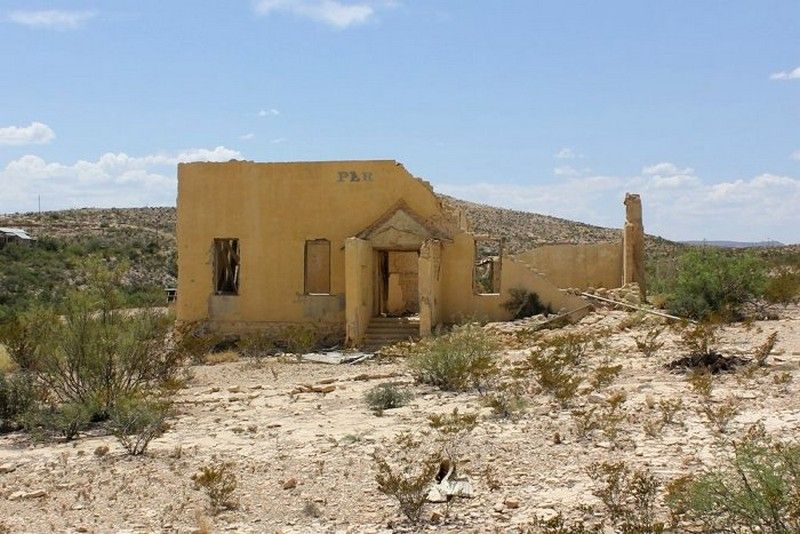
Terlingua exists more as an idea than an actual town, a collection of ruins and rebuilt structures scattered across desert hills near the entrance to Big Bend National Park.
Old mercury mining operations left behind stone walls and collapsed buildings that now house a handful of residents and the occasional adventurous couple looking for something completely off the grid.
The population hovers somewhere around fifty people, though exact numbers depend on who you ask and whether you count the folks living in RVs parked semi-permanently in the arroyos.
Big Bend National Park sprawls just down the road, offering some of the most dramatic desert landscapes in North America. The Chisos Mountains rise from the desert floor like a fortress, with hiking trails that climb through multiple ecosystems from cactus flats to pine forests at higher elevations.
Most trails see minimal traffic, especially on weekdays, and you can hike for hours without encountering another person.
Nights in Terlingua bring temperatures that drop fast once the sun disappears behind the mountains. The lack of light pollution makes stargazing almost overwhelming, with the Milky Way visible as a thick band stretching horizon to horizon.
The Rio Grande flows nearby, marking the border with Mexico, and occasional hot springs along the riverbank provide natural soaking spots where you can watch the current slide past while sitting in water that stays warm year-round.
5. Port Aransas
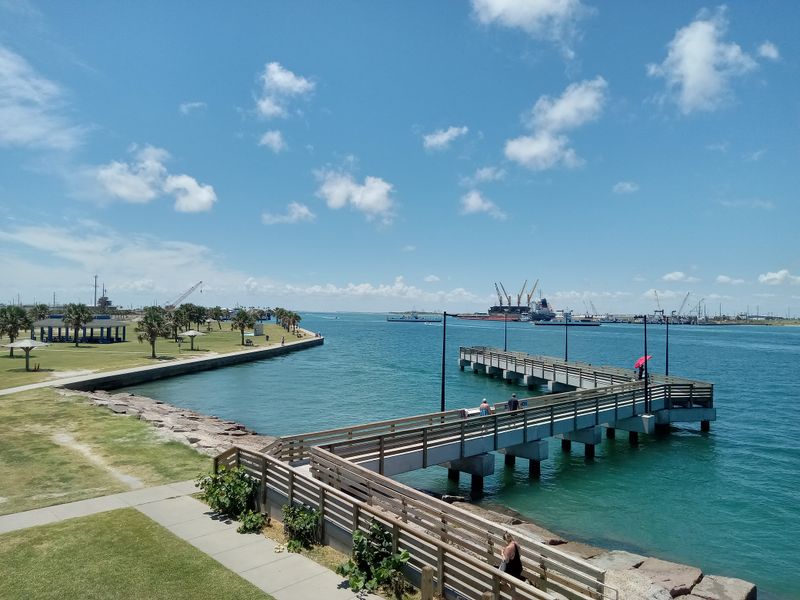
Port Aransas occupies a barrier island on the Gulf Coast, connected to the mainland by ferry and somehow managing to avoid the overdevelopment that swallowed other Texas beach towns.
The beaches here stretch for miles in both directions, wide expanses of sand where you can walk for an hour and pass maybe a handful of other people.
Waves roll in steady and gentle most days, warm enough for swimming from April through October, and the water stays relatively clear compared to other Gulf beaches.
Fishing defines much of the local culture, with charter boats heading out daily and piers extending into the surf where people drop lines hoping for redfish or speckled trout.
You don’t need to fish to enjoy watching the activity, though, and the piers make excellent spots for watching dolphins that cruise past looking for their own meals.
Sunrise over the Gulf turns the water every shade of pink and orange, best viewed with coffee from one of the small cafes near the harbor.
The town itself keeps a low profile, mostly single-story buildings and locally owned shops that cater more to regulars than tourists. During the week, especially outside summer months, the island feels almost deserted in the best possible way.
You can claim entire stretches of beach as your own, set up a blanket, and spend the day reading while pelicans dive for fish just offshore.
6. Dripping Springs
Dripping Springs earned its nickname as the wedding capital of Texas, but that reputation doesn’t translate to crowded streets or overdone tourist attractions. The town spreads across rolling hills west of Austin, connected by farm roads that pass working ranches and clusters of live oaks.
Small wineries and distilleries dot the landscape, most operating out of converted barns or purpose-built structures that blend into the countryside rather than dominating it.
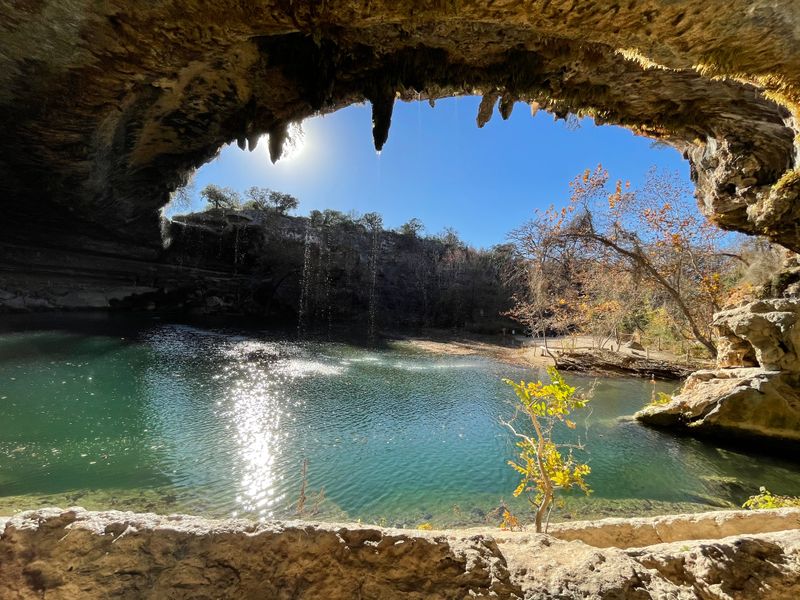
Hamilton Pool Preserve sits a short drive away, a natural grotto where a waterfall spills over a limestone overhang into a jade-green pool below. The preserve limits daily visitors to protect the delicate ecosystem, so reservations become necessary during busy periods.
When you do get in, the experience feels almost primordial, standing in cool water while ferns and moss cover every surface around you. The grotto stays shaded most of the day, keeping temperatures comfortable even when the surrounding hills bake under summer sun.
Back in town, local food trucks and small restaurants serve meals that focus on simple preparations using regional ingredients. Nothing feels pretentious or overly crafted, just good food eaten at picnic tables or on patios where you can watch the sun drop behind distant hills.
Most accommodations lean toward cabins and small guesthouses rather than hotels, giving every stay a more intimate, personal feeling that matches the overall vibe of the area.
7. Fredericksburg

Fredericksburg maintains its German heritage through architecture and local customs, though it manages to do so without tipping into theme-park territory.
Main Street runs through the center of town, lined with limestone buildings that date back to the mid-1800s when German immigrants settled this part of the Hill Country.
Boutique shops and small galleries occupy many of these historic structures, but the town never feels overrun even on busy weekends since most visitors spread out among the surrounding wineries and attractions.
Wine Road 290 connects dozens of small wineries scattered across the countryside, most operating on family-owned land that’s been farmed for generations. Tastings happen in intimate settings, often just you and the winemaker discussing the vintage while looking out over rows of vines.
The wines themselves vary in quality, but the experience of visiting these small operations beats fighting crowds at massive commercial wineries where staff rush you through predetermined pours.
Enchanted Rock State Natural Area rises from the landscape north of town, a massive pink granite dome that offers panoramic views from its summit. The hike up takes about an hour depending on your pace, and early morning visits usually mean having the trails largely to yourself.
From the top, you can see for miles across the Hill Country, watching hawks circle on thermals and picking out the patterns of roads and ranches spread across the valleys below.
8. Balmorhea
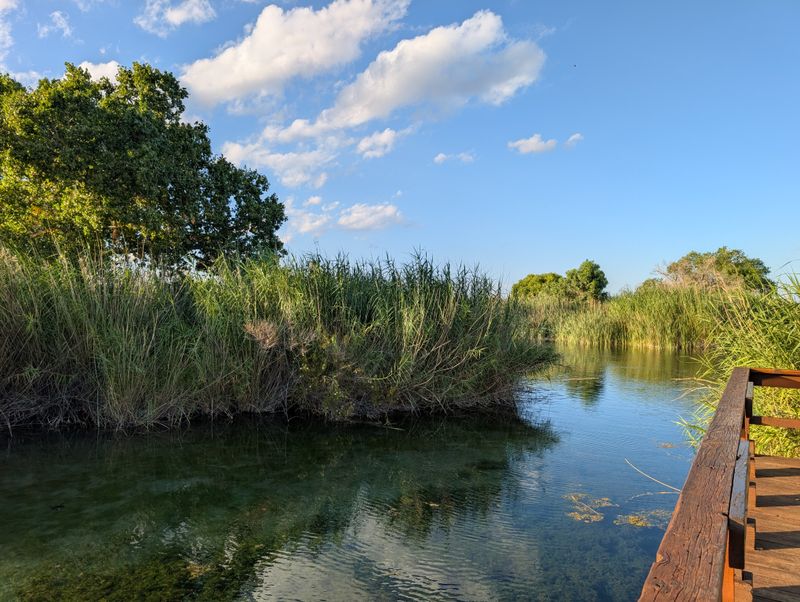
Balmorhea exists almost solely because of its spring, a natural wonder that pumps millions of gallons of crystal-clear water daily into what became one of the world’s largest spring-fed swimming pools.
The pool itself stretches nearly two acres, deep enough for scuba diving in sections and cool enough to feel refreshing even when desert temperatures push past one hundred degrees.
Built by the Civilian Conservation Corps in the 1930s, the facility maintains its original character while providing modern amenities.
Swimming here feels different from any other pool experience because you’re essentially floating in a living ecosystem. Native fish dart between underwater grasses, and if you bring a mask, you can watch them going about their business while you drift overhead.
The water stays so clear that visibility extends dozens of feet, and the constant flow from the springs means it never gets that chlorinated pool smell or cloudy appearance.
The surrounding area offers little besides desert and distant mountains, which becomes part of the appeal if you’re looking to disconnect completely.
A small campground adjoins the pool, and staying overnight means you can be first in the water at sunrise when the light hits just right and steam rises from the surface into cool morning air.
The nearest town barely registers on most maps, and cell service gets spotty, forcing you to focus on the immediate experience rather than checking screens every few minutes.
Address: 9207 TX-17, Toyahvale, TX
9. Glen Rose
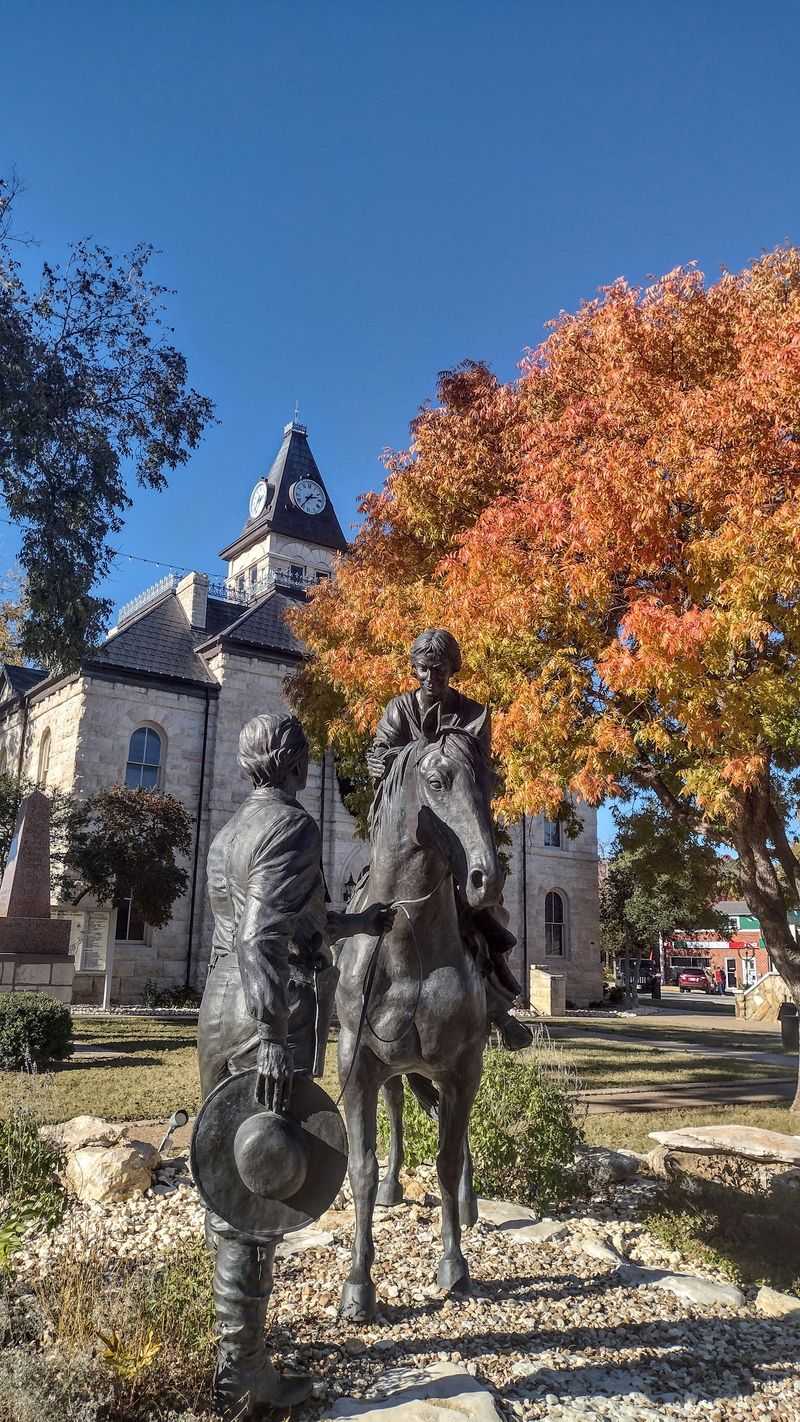
Glen Rose sits along the Paluxy River southwest of Fort Worth, known primarily for the dinosaur tracks preserved in the limestone riverbed that runs through town.
During summer when water levels drop, you can walk right out into the river and stand in footprints left by creatures that roamed here millions of years ago.
The tracks appear as distinct impressions in the rock, some large enough that both your feet fit inside a single print.
Beyond the dinosaur connection, the town maintains a sleepy character that hasn’t changed much in decades. The courthouse square anchors downtown, surrounded by local businesses and a few cafes that serve as gathering spots for residents.
Fossil Rim Wildlife Center operates just outside town, a drive-through preserve where exotic animals from around the world roam across Texas Hill Country terrain. Visiting feels less like a zoo and more like a safari, with animals approaching your vehicle looking for the feed you can purchase at the entrance.
The Brazos River flows nearby, offering opportunities for kayaking and tubing through relatively undeveloped countryside. Most outfitters stay small and locally owned, and trips rarely feel crowded even during peak season.
Limestone cliffs line portions of the river, creating scenic backdrops and occasional caves worth exploring if you’re comfortable scrambling over rocks. The whole area maintains a rural, unhurried feel that makes it easy to forget you’re only a couple hours from major cities.
10. Rockport
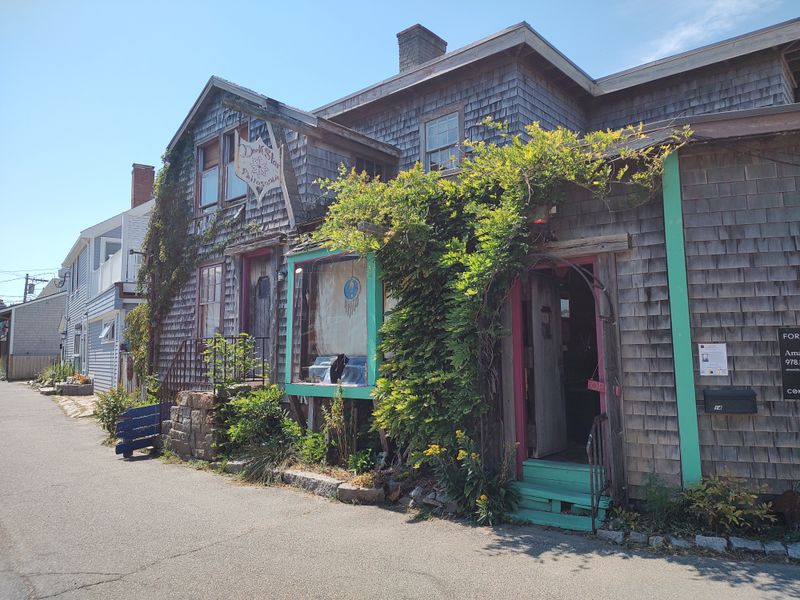
Rockport hugs the Gulf Coast north of Corpus Christi, a working fishing village that happens to attract couples looking for quiet beach time without the spring break atmosphere.
The town spreads along Aransas Bay rather than the open Gulf, which means calmer waters and better conditions for kayaking and paddleboarding.
Live oaks grow right down to the waterline in places, their branches draped with Spanish moss and twisted by constant coastal winds into sculptural shapes.
Birding draws enthusiasts from around the world, particularly during migration seasons when hundreds of species pass through the area.
You don’t need to be a serious birder to appreciate the variety, though, and even casual observation from a bayside bench reveals herons, pelicans, and roseate spoonbills going about their daily routines.
The Aransas National Wildlife Refuge lies just up the coast, winter home to endangered whooping cranes that arrive each year from Canada.
Downtown Rockport keeps things low-key, with art galleries and seafood restaurants occupying weathered buildings that look like they’ve been there forever. Most establishments close early compared to bigger tourist towns, which suits the overall pace perfectly.
Sunsets over the bay turn the water into liquid gold, best watched from one of the public piers where locals gather most evenings to fish and visit. The whole scene feels timeless, like you’ve stumbled into a Texas that existed before highways and high-rises changed everything.
11. Utopia
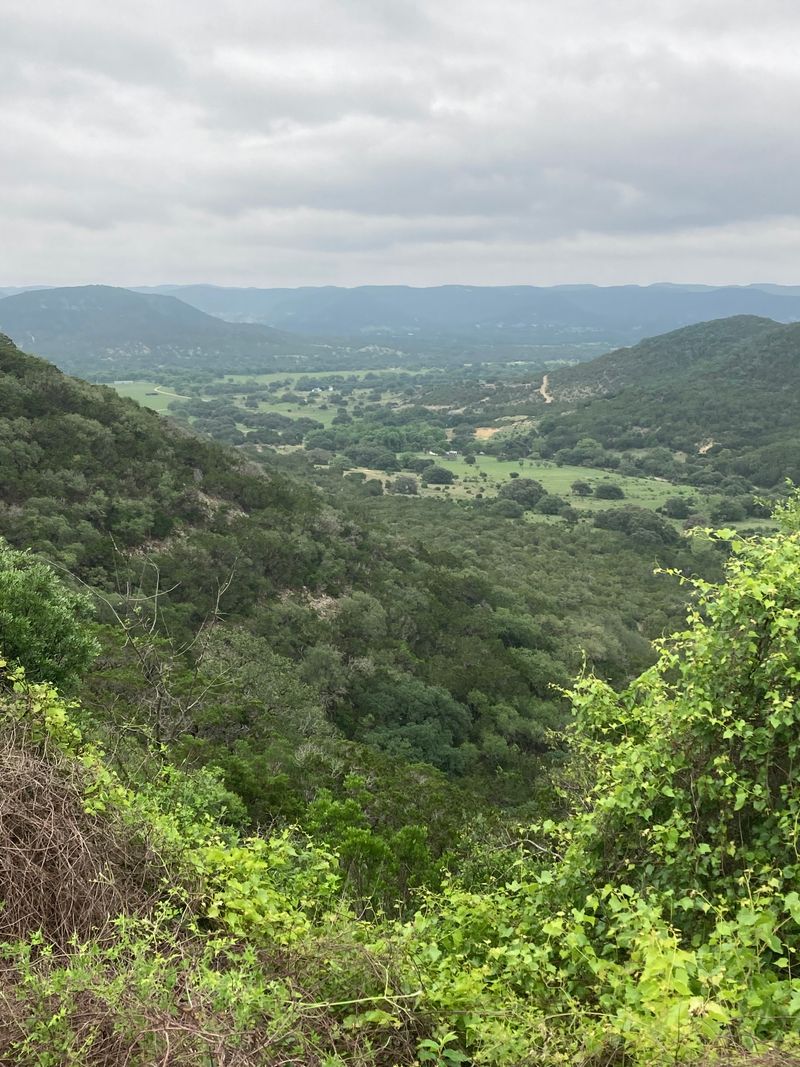
Utopia lives up to its name if your version of paradise involves rivers, caves, and hills that roll toward the horizon in every direction.
The town itself barely exists, just a post office and a few scattered buildings along the highway, but the surrounding landscape offers enough natural attractions to fill several days of exploring.
The Sabinal River flows clear and cold through the area, fed by springs that keep water levels consistent even during dry spells.
Lost Maples State Natural Area lies nearby, famous for fall color that rivals anything in the eastern United States. Bigtooth maples turn brilliant shades of red and orange in late October and November, creating scenes that seem impossible in Texas.
Hiking trails wind through canyons where these trees cluster, and during peak color season you might encounter more people than usual, though nothing compared to popular fall destinations in other states.
Several privately owned cave systems dot the surrounding hills, offering guided tours through formations that took millions of years to develop. These operations stay small and personal, with guides who grew up exploring these caverns and can point out details that larger commercial caves gloss over.
Temperatures underground stay cool year-round, providing welcome relief during summer months. Above ground, nights bring skies so dark that you can see satellites crossing overhead and meteor showers that would be invisible in light-polluted areas.
The remoteness that keeps Utopia off most tourist maps becomes its greatest asset for couples seeking genuine solitude.
12. Goliad
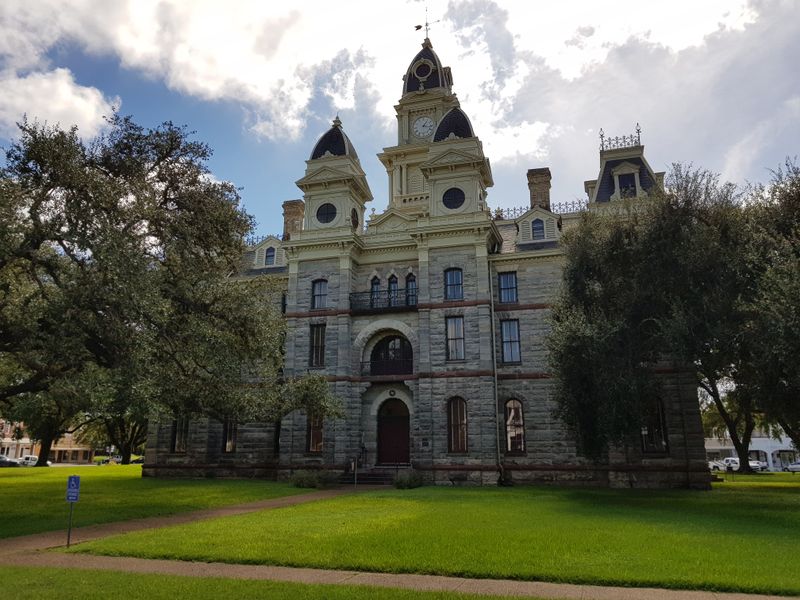
Goliad preserves Texas history better than almost anywhere else in the state, with Spanish missions and battle sites that played crucial roles in the fight for independence.
Presidio La Bahia stands just outside town, its limestone walls and chapel looking much as they did in the 1700s when Spanish soldiers garrisoned here.
Walking through the old fort feels like stepping back in time, especially early in the morning before other visitors arrive and you can hear your footsteps echoing off the stone walls.
The San Antonio River flows through town, lined with enormous live oaks that provide shade and create perfect spots for afternoon picnics. A walking trail follows the river for several miles, passing under canopies so thick that direct sunlight barely penetrates.
The trail stays relatively empty most days, used mainly by locals out for their daily exercise and the occasional history buff exploring the area.
Downtown Goliad maintains its small-town character with a courthouse square surrounded by local businesses that have operated for generations. Nothing feels designed for tourists, which means you get authentic experiences rather than sanitized versions of Texas culture.
The local museum houses artifacts and exhibits covering everything from Spanish colonial times through the Texas Revolution, providing context for all the historic sites scattered around the area.
Most evenings, the town goes quiet early, leaving streets empty and peaceful under the spreading branches of those ancient oaks that seem to define the entire place.
Dear Reader: This page may contain affiliate links which may earn a commission if you click through and make a purchase. Our independent journalism is not influenced by any advertiser or commercial initiative unless it is clearly marked as sponsored content. As travel products change, please be sure to reconfirm all details and stay up to date with current events to ensure a safe and successful trip.
