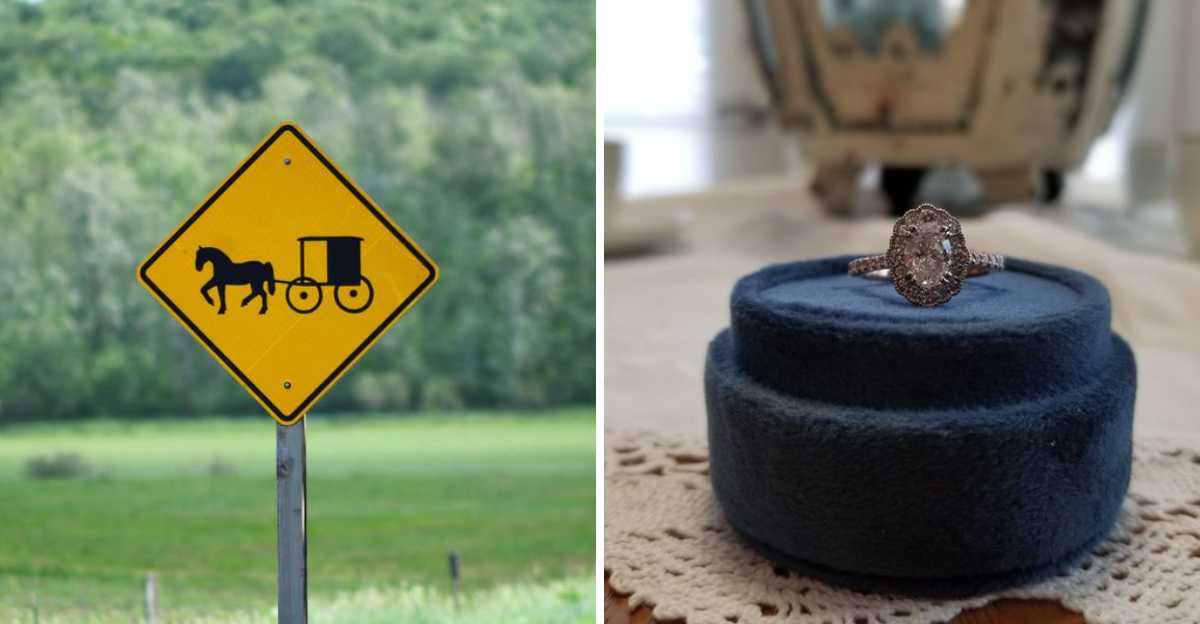
Ohio holds some of the largest Amish settlements in the United States, and their daily rhythms often surprise visitors who expect modern conveniences at every turn.
Travel the back roads of Holmes County, Geauga County, and beyond, and you will notice choices shaped by faith, tradition, and community ties.
These rules are not tourist curiosities, they are living commitments that guide work, family, and worship.
Step in with respect, and you can better understand why these practices endure in Ohio.
1. School Ends At Eighth Grade

Amish education in Ohio is designed for life at home, in church, and on the farm, not for college campuses or corporate careers.
Children study reading, writing, arithmetic, and practical knowledge in one room schoolhouses where a single teacher guides multiple grades.
Lessons emphasize responsibility, cooperation, and the skills needed to contribute to family and community.
Finishing school after eighth grade aligns with religious values that prize humility over personal ambition and keeps young people connected to daily work.
Teens move smoothly into apprenticeships on dairy farms, woodworking shops, and home businesses, learning by doing and observing.
They grow confidence through tasks that actually matter, from feeding calves to cutting dovetails and tracking ledgers.
Visitors sometimes worry about missed opportunities, yet within Amish life, opportunity looks different, slower, and more communal.
The school calendar tracks seasons of planting, harvest, and church commitments, not standardized testing cycles or sports schedules.
Libraries are modest, textbooks are plain, and technology is minimal or absent to keep focus on content instead of gadgets.
Field trips might include a neighbor’s sawmill rather than a distant museum, reinforcing practical skills close to home.
In Holmes County, many schoolhouses sit on quiet lanes near farms, with playground swings and outhouses beside the yard.
The address to look for an example school setting is near 6795 Township Rd 362, Millersburg, Ohio 44654.
2. Off Grid From Public Electricity

Amish communities in Ohio avoid direct connection to the public electric grid, a boundary that preserves separation from outside influences.
Without grid power, homes remain quieter, evenings are shaped by lamplight, and daily routines follow natural rhythms rather than constant screens.
Approved alternatives like batteries or generators may power essentials in workshops or dairies, with local church rules guiding each choice.
Solar panels sometimes appear in conservative forms, carefully limited to practical uses like refrigeration or safety lighting in barns.
The goal is not hardship for its own sake, it is intentional simplicity that prevents creeping comforts from redefining values.
In Ohio, windmills still pump water, and hand tools remain central in many shops along country roads.
Visitors often notice the absence of overhead wires near some homes, giving the countryside an uncluttered skyline.
This choice also reduces dependence on unpredictable utility bills and power surges that could complicate equipment.
Community phone shanties or business lines handle necessary calls, but outlets in living rooms are rare or absent.
Generations have grown up reading by lantern light, with chores paced to daylight and seasons.
In Geauga County, farms around 15900 Madison Rd, Middlefield, Ohio 44062 reflect these practices across multiple districts.
Respect private property, view from public roads, and remember that off grid living here is a spiritual discipline, not a trend.
3. Plain Dress And No Jewelry

Clothing among the Amish in Ohio follows clear rules that guard against pride, competition, and constant attention to fashion.
Fabrics are solid colored and durable, with muted tones chosen for practicality rather than novelty or status.
Dresses, aprons, and capes are cut to plain patterns, while men wear broadfall trousers, suspenders, and straight cut coats.
Jewelry is completely absent, including wedding rings, since outward display is seen as drawing notice to self.
Even shoes and hats are selected for utility, making repair and replacement easier within local shops.
Head coverings signal modesty and community belonging, with variations by district and occasion.
Home sewing rooms keep treadle machines humming, powered by foot and patience rather than motors.
Buttons, hooks, and pins follow rules that differ slightly between settlements, reflecting the Ordnung of each church.
In Ohio towns, you may find fabric stores serving Amish families with bolts of plain cloth and sturdy notions.
These choices reduce morning decisions and keep attention on work, worship, and family life.
Near Berlin, Cotton Corner at 4912 W Main St, Berlin, Ohio 44610 stocks simple fabrics and sewing supplies for local needs.
If you visit, focus on the interiors and respectful observation, and remember that modesty here is a shared promise.
4. Beards After Marriage, No Mustaches
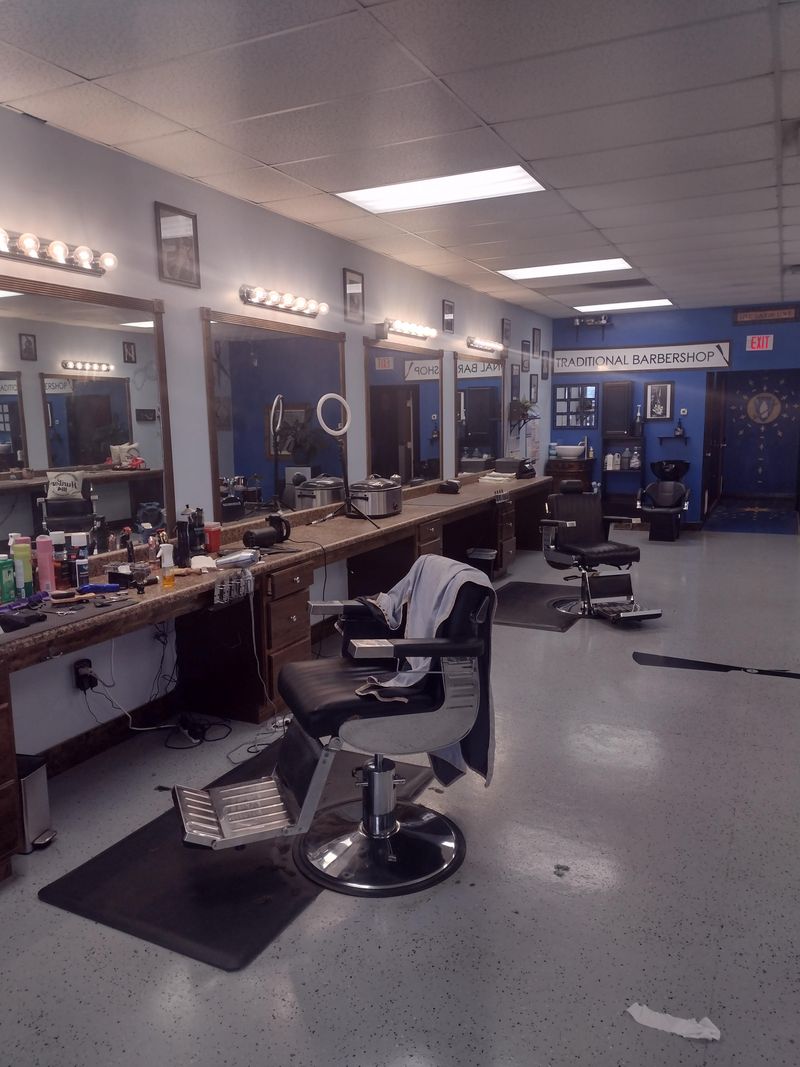
Facial hair among Amish men in Ohio carries meaning rather than fashion, signaling marital status and maturity.
A married man grows a beard, a visible sign of commitment to home and church, while keeping the cheeks and chin naturally full.
Mustaches are not worn, a custom that reflects historic ties between mustaches and military culture.
Because the Amish uphold nonresistance, avoiding mustaches reinforces a witness of peace in daily appearance.
Young single men remain clean shaven, then stop shaving the beard after marriage, often soon after the wedding.
Beards vary in length by district guidelines and personal practicality, especially for farmers and carpenters.
Hats hang on peg boards by the door, next to coats and everyday gear, keeping entrances tidy and organized.
In Ohio homes, these quiet details speak volumes about stage of life, duties, and church membership.
Barbershops are simple or home based, with tools that keep trimming neat without chasing trends.
The practice teaches that identity is rooted in community decisions rather than in personal styling.
Along County Road 168 near Charm, the everyday scene outside 4450 OH 557, Charm, Ohio 44617 reflects these norms among shopkeepers and farmers.
Observe respectfully from public spaces, and let the meaning of the beard explain itself without commentary.
5. Buggies Yes, Car Ownership No
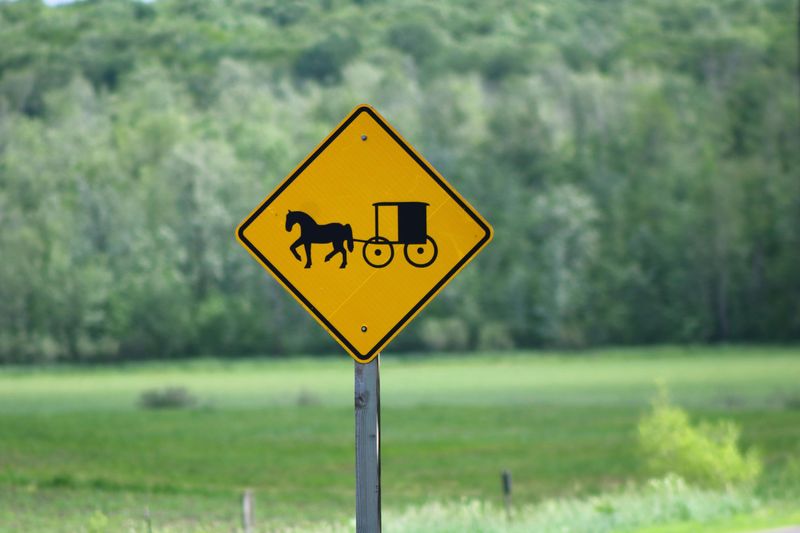
Travel in Ohio Amish country often moves at the rhythm of hooves rather than engines, a choice that shapes distance and time.
Horse drawn buggies keep families close to home, encourage neighborly contact, and limit long solo trips that strain community ties.
Owning cars is not permitted, though hiring a driver for medical visits or long errands can be allowed.
Bicycle use varies by district, with some communities favoring scooters or walking on shoulder lanes.
Road safety is a daily effort, with reflective triangles and lanterns marking buggies after dusk.
Many counties in Ohio paint buggy signs at curves and hills, reminding drivers to slow down and share space.
Parking areas at hardware stores and dry goods shops often include hitching rails for horse teams.
The slower pace trims unnecessary trips and encourages planned errands that serve multiple families at once.
Public transit rarely reaches these rural stretches, so coordination with drivers and neighbors fills gaps.
Visitors should keep cameras away from people and keep distance when passing buggies on two lane roads.
For a visible buggy route, drive near 4845 County Road 77, Millersburg, Ohio 44654 where rolling farmland meets small shops.
Patience here is courtesy and safety combined, a simple rule that keeps Ohio roads hospitable to everyone.
6. No Photographs Of People

Photography rules among the Amish in Ohio grow from a desire to avoid pride and to honor teachings about graven images.
Most do not want their faces captured, whether for souvenirs, social media, or professional work.
Visitors can still appreciate architecture, fields, workshops, and buggies without aiming lenses at individuals.
Shops in tourist towns understand this boundary and often display signs reminding guests to respect privacy.
Many families also make faceless dolls for children, keeping play focused on imagination rather than appearance.
When in doubt, ask a shopkeeper about local etiquette and what is considered acceptable from the road.
Long lenses from a car do not make it okay, consent remains the standard even across a fence.
Focusing on interiors, benches, hitching rails, and countryside light yields beautiful, respectful images.
Ohio’s rolling hills and tidy barns offer plenty of scenes that tell stories without portraits.
Berlin and Walnut Creek balance visitor interest with community boundaries that keep peace on both sides.
A good vantage point for streetscape photos without people is near 4914 W Main St, Berlin, Ohio 44610.
Keep it simple, keep it kind, and your memory card will hold images everyone can feel good about.
7. Mutual Aid, Not Insurance

Insurance in the commercial sense does not fit the Amish approach in Ohio, where mutual aid carries families through hardship.
When a barn burns or a storm breaks a roof, neighbors gather with tools, materials, and steady labor.
This trust replaces premiums with relationships, and claims adjusters with church deacons and community leaders.
Medicinal costs also receive help through church funds and careful negotiations with clinics and hospitals.
Because the group bears burdens together, incentives shift toward prevention, safety, and frugal living.
Decisions about coverage become decisions about responsibility and the health of the whole community.
Visitors sometimes witness a barn raising, though participation is by invitation and rooted in long standing ties.
Businesses carry minimal paperwork and lean into honesty, reputation, and prompt payment as everyday policies.
Mutual aid is not casual charity, it is a covenant that expects every able person to help when called.
In Ohio, counties with large Amish populations coordinate with hospitals that understand these arrangements.
Look for barns with broad doors and open lofts along 6701 County Road 77, Millersburg, Ohio 44654 where cooperation is a way of life.
Photograph the architecture, not the volunteers, and let the structure tell its own careful story.
8. Singing Yes, Instruments No
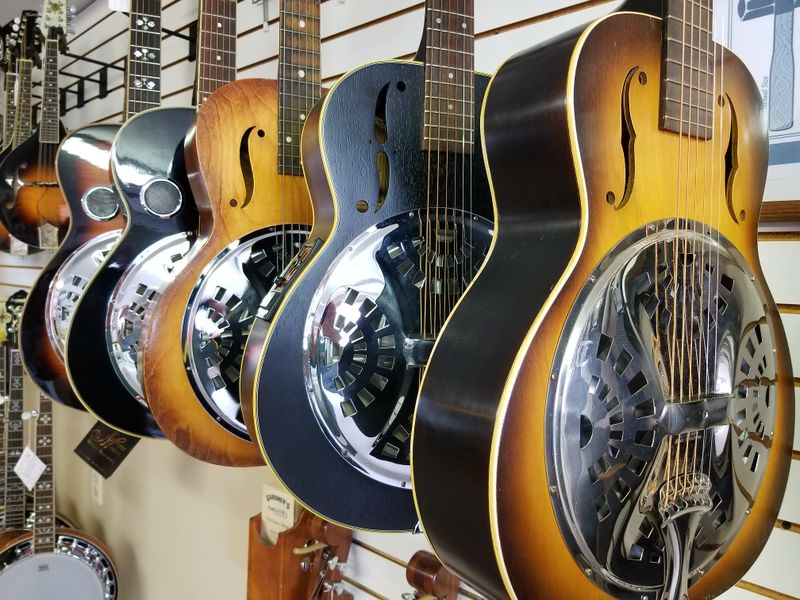
Music among the Amish in Ohio centers on unaccompanied singing, slow and steady, with voices blended in unison.
Hymns from the Ausbund guide worship, carried without instruments to avoid performance and pride.
Homes keep radios, pianos, and guitars out, maintaining quiet that suits reflection and family conversation.
Children learn tunes by hearing parents and grandparents sing during evening gatherings and Sunday services.
This approach makes music an act of devotion rather than entertainment after chores.
Workshops may echo with humming or soft singing, a steady rhythm that keeps hands and hearts aligned.
Public events sometimes include choirs from related communities, yet microphones and stages remain unusual.
Hymnbooks appear plain, with texts in German or English depending on purpose and district.
Visitors might hear singing from a distance, but church services are private and held in homes or barns.
Outlets for creativity find other paths, like quilting, joinery, and careful gardening.
In Walnut Creek, spaces near 4962 State Route 515, Walnut Creek, Ohio 44687 reflect the quiet interiors used for gatherings.
Photograph benches and windows only, and let the absence of instruments explain the sound you cannot record.
9. Scooters, Bicycles, And Local Travel
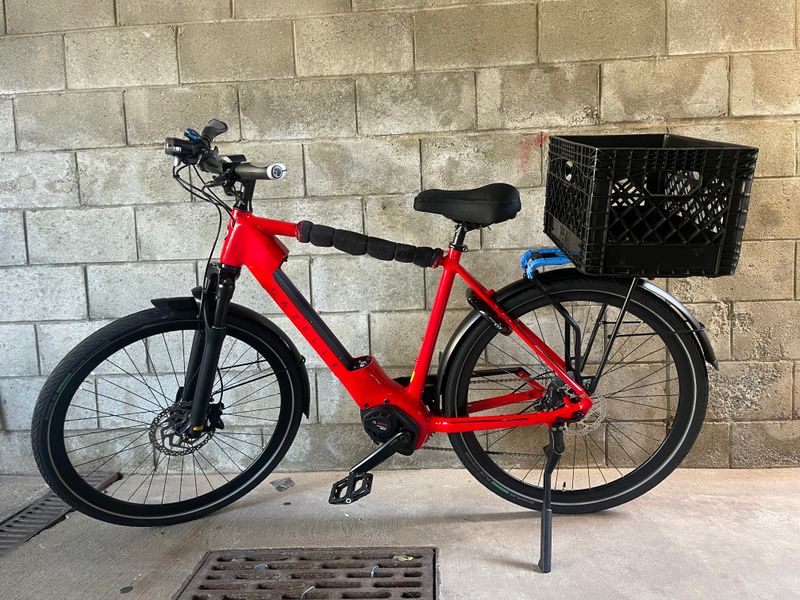
While many Ohio Amish restrict car ownership, local movement often includes kick scooters, bicycles, and plenty of walking.
Rules differ by district, so you may see scooters in one township and more bicycles in another.
Workshops, bulk stores, and schools sit close enough that slow travel remains practical and neighborly.
Scooters keep momentum without turning mobility into speed, a balance that supports safety and community ties.
Parking areas outside shops usually include simple racks or an open fence line for leaning scooters.
Hardware stores sell parts and tires suited to gravel lanes and wet spring roads across the county.
Teens master the art of hauling small packages while keeping both feet steady on the deck.
Adults set the pace for children, choosing routes with gentle grades and minimal traffic.
Ohio landscapes of rolling fields and creek bottoms make every ride a small tour of farms and woodlots.
When distances stretch, families coordinate with drivers for the rare long trip or medical need.
Look around 5060 State Route 39, Berlin, Ohio 44610 to spot scooters near shops and quiet side streets.
Stay wide when passing, and admire the quiet efficiency that turns errands into shared moments on the road.
Dear Reader: This page may contain affiliate links which may earn a commission if you click through and make a purchase. Our independent journalism is not influenced by any advertiser or commercial initiative unless it is clearly marked as sponsored content. As travel products change, please be sure to reconfirm all details and stay up to date with current events to ensure a safe and successful trip.
