
Delaware might be the second smallest state in America, but it packs plenty of surprises when it comes to quirky regulations and obscure ordinances that catch visitors off guard.
Many travelers arrive expecting simple beach fun and tax-free shopping, only to discover a collection of unusual rules still sitting on the books.
Some of these laws date back decades, while others remain actively enforced in specific towns and cities across the First State.
From beach etiquette to butter labeling, these regulations reflect Delaware’s unique legal history and local customs.
Understanding these rules before your visit can save you from awkward situations, fines, or even unintentional legal trouble.
Whether you’re planning a weekend at Rehoboth Beach or exploring the charming streets of Millsboro, knowing what’s allowed and what’s forbidden makes for a smoother, more enjoyable trip.
This guide walks you through seven of the most surprising and lesser-known laws that many visitors only learn about after they’ve already broken them.
No Changing Clothes at the Beach

Rehoboth Beach attracts thousands of sun-seekers every summer, but many visitors don’t realize that changing clothes in certain public spaces can land them in legal trouble.
According to local ordinances, it is a civil offense to change your bathing suit or clothing inside public restrooms known as “comfort stations,” under the boardwalk, or in vehicles parked along public streets.
This rule exists to maintain decency standards and prevent overcrowding in facilities not designed for changing.
The city provides designated seasonal changing rooms at specific locations, including the Delaware Avenue comfort station, to accommodate beachgoers who need a private space.
These facilities are clearly marked and available during peak summer months when beach traffic is heaviest.
Violating this ordinance can result in fines, though enforcement tends to focus on repeat offenders or those creating disturbances.
Many tourists assume that ducking into a restroom stall or draping a towel over themselves in their car is harmless, but local authorities take these rules seriously to preserve the family-friendly atmosphere Rehoboth Beach is known for.
Planning ahead is key to avoiding any awkward encounters with beach patrol officers.
Arrive already dressed in your swimsuit, or use the designated changing facilities provided by the city.
Keeping a lightweight cover-up or wrap in your beach bag also helps you stay compliant while moving between the sand and your car.
Rehoboth Beach remains one of Delaware’s most beloved coastal destinations, and respecting these local regulations ensures everyone enjoys a comfortable, respectful environment.
Understanding this rule before you arrive saves you from potential embarrassment and keeps your beach day running smoothly from start to finish.
The Butter Mandate

Walk into any diner or restaurant in Delaware, and you might not think twice about the spread served with your toast.
But Delaware law contains a peculiar regulation that strictly prohibits serving yellow oleomargarine, commonly known as margarine, in public eating places unless it is clearly labeled on the menu or displayed on a prominent placard visible to customers.
This statute dates back to the early 20th century when dairy farmers lobbied hard to protect butter sales from cheaper margarine alternatives.
The law was designed to ensure consumers knew exactly what they were eating and to prevent restaurants from secretly substituting margarine for butter to cut costs.
While the theoretical penalty for non-compliance includes up to a year in prison, this law is largely antiquated and rarely, if ever, enforced in modern times.
Most establishments today either serve real butter or clearly mark their use of margarine spreads, making violations uncommon.
Still, the regulation remains on the books as a fascinating glimpse into Delaware’s agricultural history and the political power of local farming interests.
Visitors dining out across the state are unlikely to encounter any issues, but it’s a fun fact that highlights how old laws can linger long after their original purpose has faded.
If you’re curious about what you’re being served, don’t hesitate to ask your server whether the restaurant uses butter or margarine.
Most staff members are happy to clarify, and some establishments take pride in serving only real dairy butter as a point of quality.
This quirky rule serves as a reminder that Delaware’s legal landscape includes colorful remnants of its past, blending history with the everyday dining experience visitors enjoy throughout the First State.
Restricted Sunday Alcohol Sales
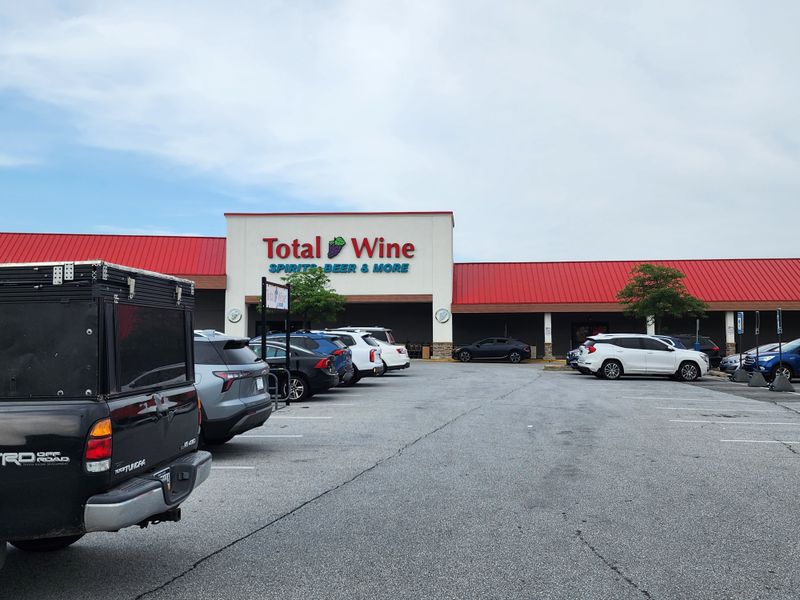
Planning a Sunday barbecue or beach party in Delaware requires a bit more foresight than visitors from other states might expect.
Off-premises alcohol sales, meaning purchases from liquor stores, not bars or restaurants, are restricted to a shorter window on Sundays compared to the rest of the week.
From Monday through Saturday, liquor stores can sell alcohol from 9:00 AM until 1:00 AM the following morning.
But on Sundays, those hours shrink dramatically to just 10:00 AM to 8:00 PM, giving shoppers a much narrower timeframe to stock up.
This regulation reflects Delaware’s historical “blue laws,” which were designed to promote rest and religious observance on Sundays.
While many of these laws have been repealed or relaxed over the decades, the restricted alcohol sales window remains in effect statewide.
Visitors who arrive on a Sunday afternoon expecting to grab a bottle of wine or a six-pack after 8:00 PM are often surprised to find liquor store doors locked.
Bars and restaurants can still serve alcohol during their normal operating hours, but taking a bottle home requires planning ahead.
If you’re traveling to Delaware for a weekend getaway, consider purchasing your alcohol on Saturday or early Sunday morning to avoid any last-minute scrambling.
Many locals know this rule by heart and adjust their shopping schedules accordingly, but out-of-state guests frequently get caught off guard.
Understanding this restriction helps you plan your social gatherings more effectively and ensures you’re not left empty-handed when you want to enjoy a drink with friends or family.
Delaware’s Sunday sales law is one of those small details that can make a big difference in how smoothly your visit unfolds.
Illegal to Disrupt Worship

Religious freedom and respect for worship are deeply embedded in Delaware’s legal framework, and Rehoboth Beach takes this principle seriously with a specific ordinance that many visitors don’t know exists.
According to Rehoboth Beach City Code Section 198-22, it is unlawful to disrupt religious worship or any “lawful assembly” by talking, whispering, or using profane language within 300 feet of the gathering.
This regulation extends beyond just churches and synagogues. It applies to any organized religious service or lawful public assembly happening within city limits.
The 300-foot radius creates a protective buffer zone designed to preserve the solemnity and focus of these gatherings without interference from passersby.
Violating this ordinance can result in fines or other penalties, depending on the severity and intent of the disruption.
While most people would naturally avoid being loud or disrespectful near a place of worship, tourists enjoying a beach weekend might not realize how close they are to a church service or outdoor gathering.
Rehoboth Beach is home to several historic churches and community centers that host regular services and events, especially during the busy summer season.
Walking along nearby streets or sidewalks while talking loudly on your phone or using colorful language could unintentionally put you in violation of this law.
Awareness and common courtesy go a long way in respecting both the law and the community’s values.
If you notice a service or assembly taking place, simply lower your voice and move along without causing a disturbance.
This ordinance reflects Rehoboth Beach’s commitment to maintaining a peaceful, respectful environment for residents and visitors alike, balancing the lively beach atmosphere with the town’s quieter, more reflective spaces.
Prohibited Pawn Items
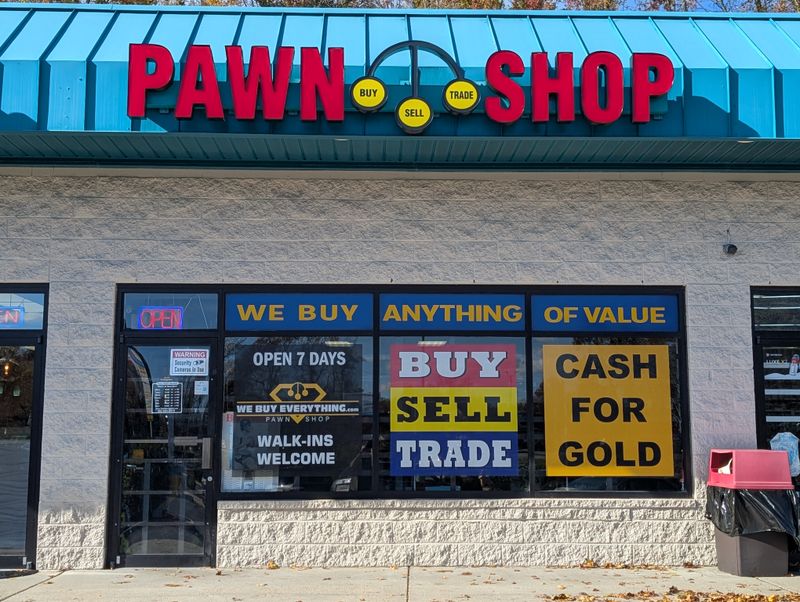
Pawnshops operate under a complex web of state and local regulations, but Delaware has one particularly unusual restriction that stands out among the rest.
State law explicitly forbids pawnbrokers from accepting wheelchairs or artificial limbs as collateral or payment, a rule designed to protect individuals with disabilities from losing essential medical equipment during financial hardship.
This “illegal transactions” statute recognizes that wheelchairs and prosthetic devices are not luxury items. They are vital tools for mobility and daily living.
Allowing these items to be pawned could leave vulnerable individuals without the means to move independently or perform basic tasks.
Violations of this law can result in substantial fines, with penalties theoretically reaching up to $10,000 depending on the circumstances and severity of the offense.
While enforcement may not be frequent, the statute sends a clear message about Delaware’s commitment to protecting the dignity and well-being of residents with disabilities.
Visitors who find themselves in financial trouble while traveling through Delaware should be aware that not all personal property can be used as collateral at pawnshops.
While most tourists won’t be carrying wheelchairs or prosthetics as pawnable items, understanding the breadth of Delaware’s consumer protection laws highlights the state’s approach to ethical commerce.
This regulation also serves as a broader reminder that certain items are considered too essential to human dignity and health to be treated as mere commodities.
Delaware’s legal framework includes numerous protections for vulnerable populations, and this particular statute reflects a thoughtful balance between free enterprise and social responsibility.
Whether you’re a resident or a visitor, knowing these rules helps you navigate Delaware’s unique legal landscape with greater awareness and respect for the values the state upholds through its legislation.
No Naked Movies at Drive-ins

Drive-in theaters once dotted the American landscape, offering families and couples a unique way to enjoy movies under the stars.
Delaware has a state law still on the books that prohibits outdoor theaters from showing films rated R or X that are “not suitable for minors,” a regulation designed to protect young audiences from inappropriate content in a public, outdoor setting.
This statute dates back to an era when drive-ins were far more common and concerns about public decency and child exposure to adult content were at the forefront of community discussions.
The law aimed to ensure that drive-in theaters remained family-friendly venues where parents could bring their children without worry.
In 2026, this regulation remains a theoretical one, as Delaware currently has no active drive-in theaters operating within its borders.
The last of the state’s drive-ins closed years ago, making enforcement of this law practically impossible and largely irrelevant.
Still, the statute’s continued existence offers a fascinating window into Delaware’s cultural history and the evolution of entertainment regulation.
It reflects a time when outdoor movie venues were social hubs and local governments took an active role in shaping what could be shown in public spaces.
For visitors interested in Delaware’s quirky legal history, this law stands as a reminder that many outdated regulations linger in state codes long after their practical application has disappeared.
If a drive-in theater were to open in Delaware today, it would need to comply with this rule or seek legislative changes.
While you won’t encounter this law in action during your visit, it’s a fun conversation starter and a testament to how legal frameworks can outlast the social realities they were designed to address.
Witchcraft and Magic Spells

Millsboro, a small town in southern Delaware, maintains one of the state’s most unusual and antiquated ordinances: it is illegal to perform or pretend to perform witchcraft, cast magic spells, or tell fortunes for money.
This regulation is a remnant of early 20th-century anti-fraud statutes designed to protect residents from con artists and scammers claiming supernatural powers.
During the early 1900s, fortune-telling and spiritual services were common targets of local legislation as communities sought to prevent vulnerable individuals from being exploited by fraudulent practitioners.
Millsboro’s ordinance reflects this broader trend, aiming to curb deceptive practices under the guise of mystical or magical abilities.
While the law technically remains in effect, enforcement is virtually nonexistent in modern times.
The rise of constitutional protections for free speech and religious expression has made such ordinances difficult to uphold, and most legal experts consider them unenforceable relics of a different era.
Still, the law’s presence on the books serves as a quirky reminder of Millsboro’s past and the evolving relationship between law, religion, and commerce.
Visitors passing through this charming town are unlikely to encounter any witch hunts or fortune-teller crackdowns, but the ordinance adds a layer of historical intrigue to the area.
If you’re exploring Millsboro and come across a tarot reader or spiritual advisor, rest assured that modern interpretations of the law allow for such services as long as they’re conducted ethically and without fraudulent intent.
The statute’s original purpose, protecting consumers from scams, remains relevant, even if the specific language feels outdated.
Understanding these historical laws enriches your appreciation for Delaware’s unique legal heritage and the colorful stories embedded in small-town ordinances across the First State.
Dear Reader: This page may contain affiliate links which may earn a commission if you click through and make a purchase. Our independent journalism is not influenced by any advertiser or commercial initiative unless it is clearly marked as sponsored content. As travel products change, please be sure to reconfirm all details and stay up to date with current events to ensure a safe and successful trip.
