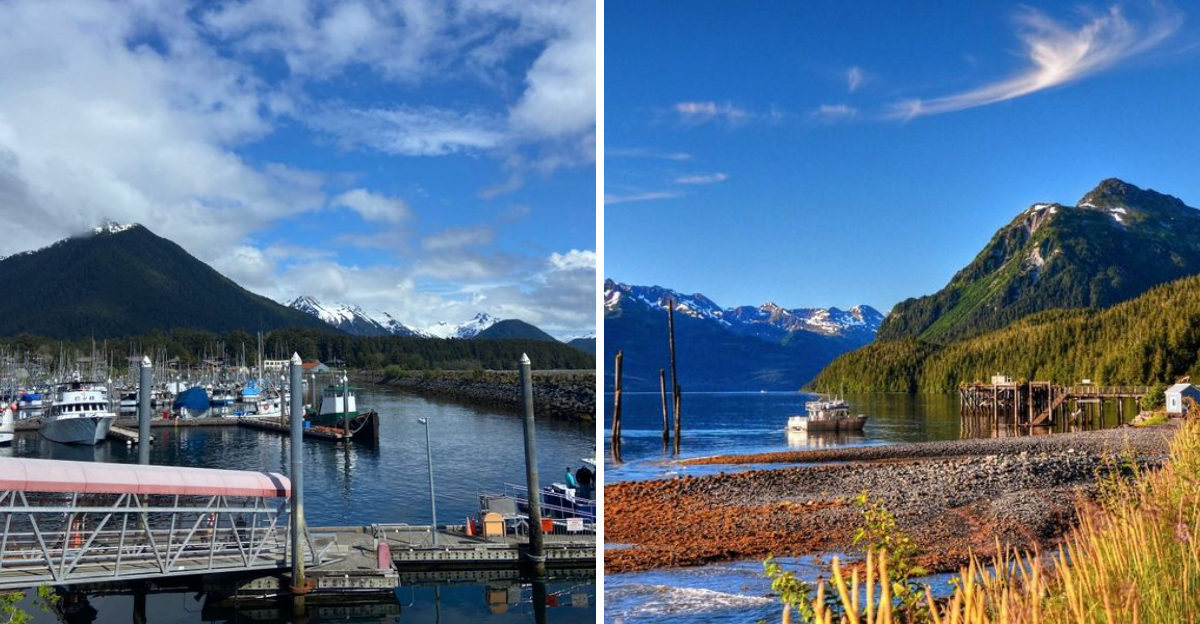
Alaska’s coastline stretches for thousands of miles, creating countless opportunities for fishing communities to thrive.
These harbors are more than just places where boats dock.
They represent the heart and soul of small towns where generations of families have made their living from the sea.
Walking along these working docks gives you a front-row seat to authentic Alaskan life.
You’ll see fishermen preparing their gear, boats returning with fresh catches, and seabirds circling overhead.
The salty air mixes with the sounds of creaking ropes and distant boat engines.
Many of these harbors welcome visitors who want to experience real commercial fishing operations up close.
From massive ports handling tons of seafood daily to tiny villages accessible only by boat or plane, each harbor has its own character.
Some sit beneath snow-capped mountains while others face the open ocean.
Whether you’re a fishing enthusiast or simply curious about coastal Alaska, these ten harbors offer unforgettable glimpses into a rugged way of life that continues today.
1. Kodiak: The Emerald Island’s Fishing Giant

Standing on the docks at St. Paul Harbor feels like stepping into the beating heart of commercial fishing.
Kodiak ranks among the largest fishing ports in the entire United States, processing incredible amounts of seafood annually.
The harbor buzzes with activity as crews prepare vessels for their next voyage into the Gulf of Alaska.
Massive crabbers sit alongside smaller salmon boats, each telling its own story through worn paint and weathered wood.
Fishermen work with practiced efficiency, mending nets that stretch across sections of the dock.
The smell of salt water mingles with diesel fuel and fresh fish.
Visitors can walk freely along many sections of the working waterfront.
You might spot crews offloading their catch into refrigerated trucks bound for processing plants.
The island setting adds dramatic beauty, with forested hills rising behind the industrial harbor.
Eagles often perch on pilings, waiting for scraps from fishing operations.
Local museums near the harbor explain the rich maritime history that shaped this community.
The address for St. Paul Harbor is 202 Marine Way, Kodiak, AK 99615.
Early morning visits offer the best chance to see boats departing or returning with their catches.
This genuine working environment shows Alaska’s fishing industry at its most impressive scale.
2. Homer: Where the Halibut Reign Supreme
The famous Homer Spit stretches like a finger pointing into Kachemak Bay.
At its tip sits one of Alaska’s busiest sport and commercial fishing harbors.
Homer earned its nickname as the halibut capital through decades of productive fishing grounds nearby.
Charter boats depart daily during fishing season, returning with impressive catches that attract photographers and curious onlookers.
Commercial fishermen share the docks with recreational anglers, creating a diverse maritime atmosphere.
The Homer Boat Harbor accommodates hundreds of vessels, from tiny skiffs to substantial fishing boats.
Wooden boardwalks connect different sections of the harbor, perfect for leisurely exploration.
Mountains rise dramatically across the bay, providing stunning backdrops for harbor photography.
Small shops and seafood vendors cluster near the docks, offering fresh catches and maritime supplies.
Seals occasionally swim between boats, hunting for fish scraps.
The working atmosphere remains authentic despite the town’s growing tourism industry.
Homer Boat Harbor is located at 4311 Homer Spit Road, Homer, AK 99603.
Summer brings the most activity, with boats coming and going throughout long daylight hours.
Watching crews clean their catches provides fascinating insights into commercial fishing practices.
The harbor truly captures the spirit of Alaska’s fishing culture.
3. Seward: Gateway to Kenai Peninsula Waters
Resurrection Bay provides natural protection for Seward’s bustling harbor operations.
This port serves as the final stop on the Kenai Peninsula’s road system, making it accessible yet remote.
Commercial fishermen target Dungeness crab, halibut, and multiple salmon species from these docks.
The harbor layout allows visitors to observe different types of fishing operations simultaneously.
Crab pots stack high on certain docks, while other areas focus on longline fishing gear.
Seward’s maritime heritage stretches back over a century, visible in older buildings near the waterfront.
The working docks remain active throughout the year, though summer brings peak activity.
Glaciers are visible in the distance, reminding visitors of Alaska’s wild landscape.
Processing facilities operate near the harbor, handling fresh catches within hours of landing.
Educational signs along the waterfront explain different fishing methods and species.
Boat maintenance happens right on the docks, with crews performing repairs between fishing trips.
The Seward Harbor is located at 1401 4th Avenue, Seward, AK 99664.
Spring marks the beginning of salmon season, when the harbor fills with anticipation.
Watching boats navigate the bay entrance showcases the skill required for commercial fishing.
Seward perfectly balances working harbor authenticity with visitor accessibility.
4. Petersburg: Little Norway’s Maritime Soul
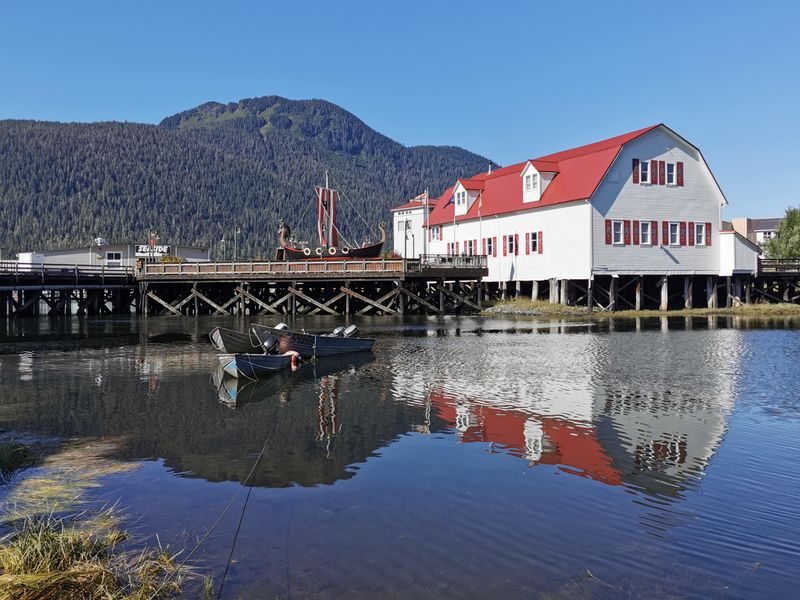
Norwegian heritage colors every aspect of Petersburg’s character, from architecture to fishing traditions.
Mitkof Island provides the setting for this charming community built around commercial fishing.
The harbor accommodates a mix of vessel types, reflecting the diverse fishing opportunities in nearby waters.
Pleasure boats bob alongside working fishing vessels, creating interesting visual contrasts.
Petersburg’s compact size means the harbor sits within easy walking distance of downtown businesses.
Fishing families have operated from these docks for generations, passing down knowledge and boat ownership.
The waterfront features distinctive wooden buildings that echo Scandinavian design.
Narrow channels and protected waters make navigation here particularly interesting to watch.
Salmon and halibut dominate the local catch, though other species contribute to the fishing economy.
The harbor area feels intimate compared to larger Alaska ports.
Crews often work on their boats while docked, maintaining engines and repairing nets.
Petersburg Harbor is located at 12 Sing Lee Alley, Petersburg, AK 99833.
Fall brings beautiful colors to surrounding forests, enhancing the already picturesque harbor setting.
Local festivals celebrate fishing heritage with boat parades and seafood celebrations.
The authentic working atmosphere remains unspoiled by excessive tourism development.
5. Sitka: Island Port Accessible Only by Sea and Sky
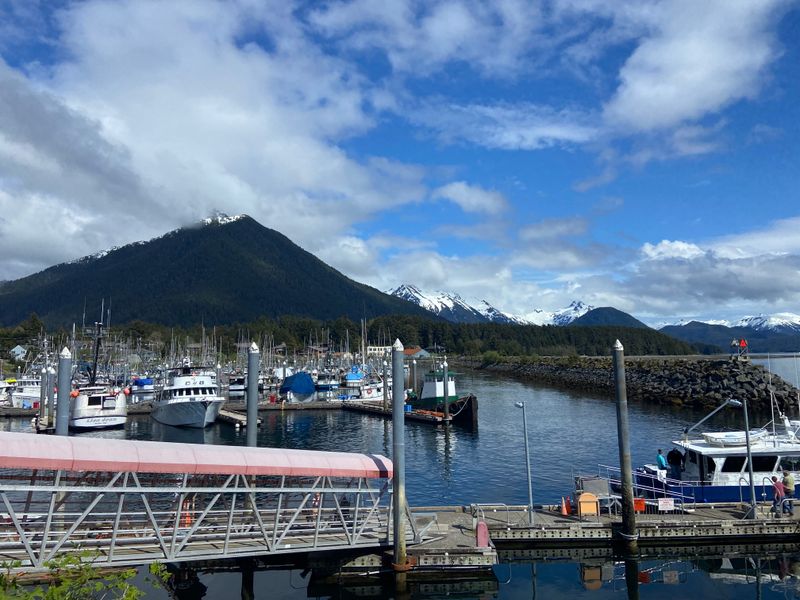
Baranof Island’s isolation adds special character to Sitka’s multiple working harbors.
No roads connect this community to the outside world, preserving its remote fishing village atmosphere.
ANB Harbor serves as one of several active fishing ports where commercial operations continue daily.
Eagles perch on virtually every available surface, from pilings to boat rigging.
The concentration of these magnificent birds creates unforgettable wildlife viewing opportunities.
Sitka’s Russian and Tlingit heritage influences the waterfront’s cultural atmosphere.
Historic buildings overlook the harbor, connecting present-day fishing to centuries of maritime tradition.
Fishing crews prepare for trips into the rich waters of the Gulf of Alaska and inside passages.
The harbor bustles with activity despite the town’s relatively small population.
Seals and sea otters frequently visit the harbor, hunting among the docked boats.
Wooden docks creak underfoot as visitors explore the accessible waterfront areas.
ANB Harbor is located at 305 Barracks Street, Sitka, AK 99835.
Weather can change rapidly, and watching fishermen respond to conditions demonstrates their expertise.
The combination of working harbor, wildlife, and stunning scenery makes Sitka exceptional.
Visitors leave with deep appreciation for Alaska’s maritime communities and their resilient way of life.
6. Cordova: Authentic Small-Basin Fishing Hub
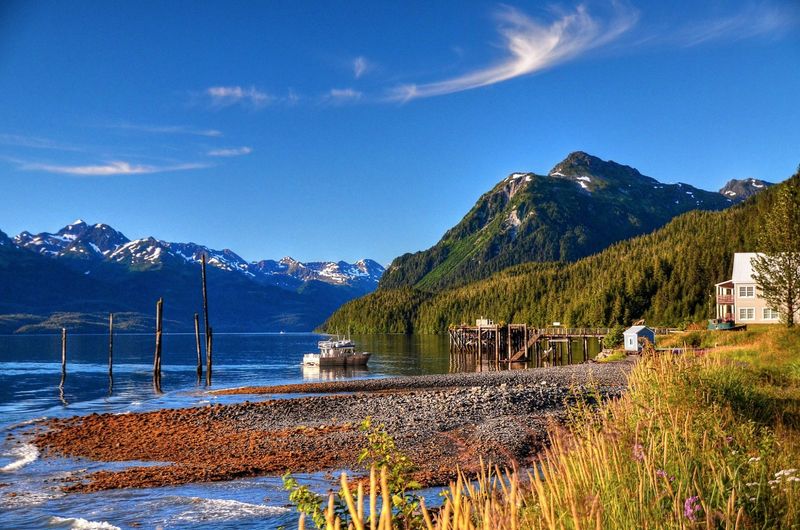
Cordova’s single-basin harbor packs remarkable activity into a relatively compact space.
The southern Alaska coast location provides access to productive fishing grounds.
Smaller fishing boats dominate this harbor, along with essential service vessels.
The authentic working atmosphere feels untouched by tourism trends.
Local fishing families form the backbone of this tight-knit community.
Copper River salmon made this region famous among seafood enthusiasts worldwide.
During salmon season, the harbor transforms into a frenzy of activity.
Boats arrive and depart on tight schedules, racing to maximize their catches.
The harbor’s layout allows excellent viewing of fishing operations from shore.
Processing facilities sit nearby, handling fish within hours of landing.
Mountains rise dramatically behind the town, creating stunning natural scenery.
Glaciers feed into nearby waters, influencing local marine ecosystems.
The Cordova Harbor is located at 602 Railroad Avenue, Cordova, AK 99574.
Winter brings quieter periods, but maintenance work continues on docked vessels.
Walking the docks reveals the hard work and dedication required for commercial fishing.
Cordova represents Alaska fishing communities at their most genuine and unpretentious.
The strong local fishing industry continues to define this community’s identity and economy.
7. Dillingham: Bristol Bay’s Sheltered Gateway
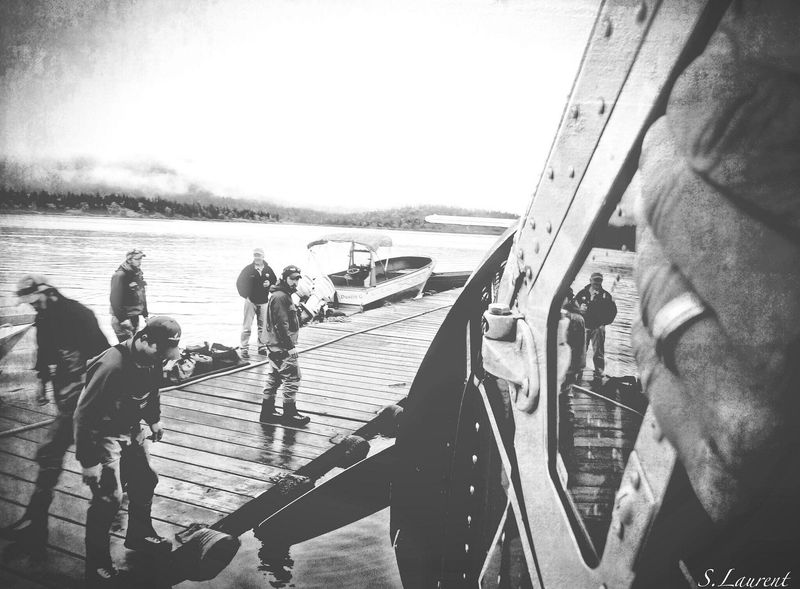
Bristol Bay’s only sheltered harbor makes Dillingham essential for Southwest Alaska fishing operations.
This regional center serves fishing fleets that target the world-famous Bristol Bay salmon runs.
During peak season, the harbor fills with boats preparing for intensive fishing periods.
The port provides crucial services that fishing vessels require, from fuel to repairs.
Dillingham’s importance extends beyond its size, serving as a hub for surrounding fishing areas.
Commercial salmon fishing drives the local economy, creating seasonal employment for many residents.
The harbor atmosphere reflects the serious business of Alaska’s fishing industry.
Boats arrive from other regions specifically to fish Bristol Bay during salmon season.
The protected waters offer safety that open-coast harbors cannot provide.
Processing facilities and cold storage operations cluster near the waterfront.
Visitors witness the organized chaos of a major fishing operation in full swing.
The Port of Dillingham is located at 170 Airport Way, Dillingham, AK 99576.
Summer brings continuous daylight, allowing round-the-clock fishing operations.
The sheer volume of fishing activity during peak season impresses even seasoned maritime observers.
Dillingham showcases the industrial scale of Alaska’s commercial fishing at its most intense.
This working harbor remains focused on its primary purpose: supporting successful fishing operations.
8. Unalaska and Dutch Harbor: Aleutian Islands Fishing Powerhouse
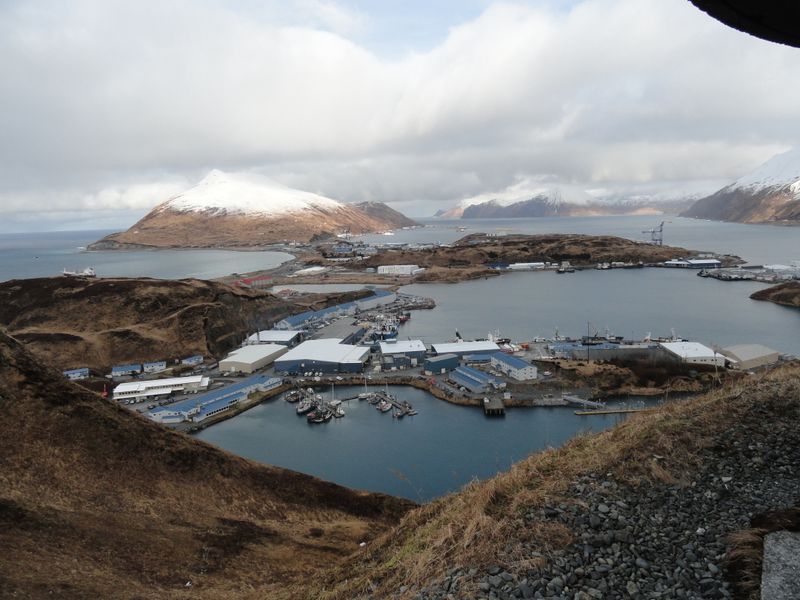
The Aleutian Islands stretch far into the Pacific, and Dutch Harbor serves as their fishing capital.
This port consistently ranks among the top fishing harbors in the United States by volume.
Cod and pollack dominate the catches, supplying seafood markets worldwide.
Despite its industrial scale, the remote location maintains a rugged, frontier atmosphere.
Massive fishing vessels dock alongside processing ships that handle catches at sea.
The harbor operates year-round, facing some of the harshest weather conditions imaginable.
Unalaska’s treeless landscape and volcanic peaks create a stark, beautiful setting.
Strong winds and rough seas make fishing here particularly challenging and dangerous.
The bustling harbor contrasts with the isolated, remote feeling of the Aleutian chain.
Fishing crews from around the world work these waters, creating a diverse community.
Harbor facilities include extensive support services for the large fishing fleet.
The port is located at 581 Salmon Way, Unalaska, AK 99685.
Winter storms can shut down operations temporarily, but fishing resumes quickly when conditions allow.
Watching the large vessels maneuver in the harbor demonstrates impressive seamanship.
The combination of major industrial operations and remote wilderness location makes this harbor unique.
Dutch Harbor represents Alaska fishing at its most productive and challenging.
9. King Cove: Deep-Water Port in Remote Alaska
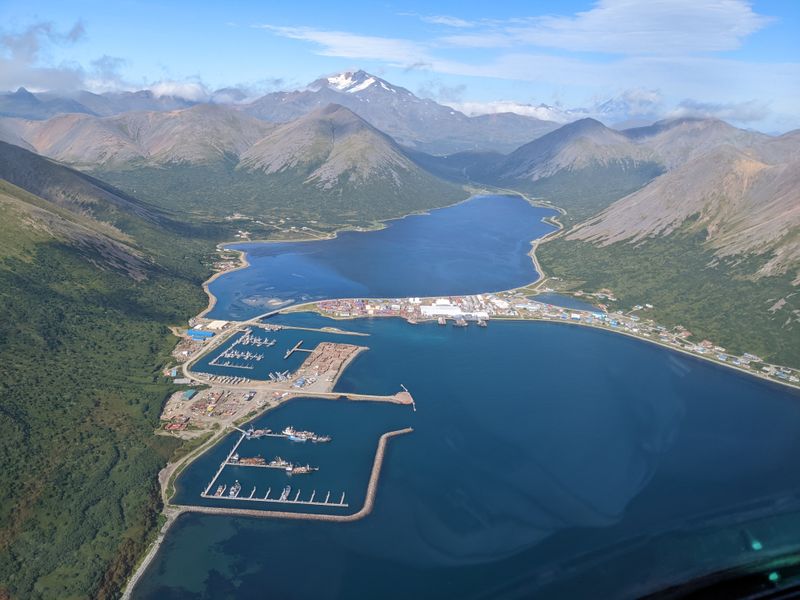
King Cove occupies a remote corner of the Alaska Peninsula, far from major population centers.
The deep-water port provides essential services that fishing vessels require in this isolated region.
Commercial fishing forms the foundation of this small community’s economy and culture.
The harbor serves as a lifeline, connecting King Cove to the broader maritime network.
State ferry service stops here, making the port crucial for transportation as well as fishing.
Fishing vessels use the harbor for shelter, repairs, and resupply between trips.
The working docks see constant activity despite the community’s small population.
Dramatic coastal scenery surrounds the harbor, with mountains rising directly from the water.
Wildlife sightings are common, including whales, seals, and numerous seabirds.
The harbor’s facilities reflect the practical needs of a working fishing community.
Local residents maintain strong connections to the fishing industry spanning generations.
King Cove Harbor is located at Main Street, King Cove, AK 99612.
Weather conditions can be extreme, testing both vessels and the people who operate them.
The authentic working atmosphere remains unchanged by outside influences.
Visiting this harbor provides insights into how remote Alaska communities survive and thrive.
King Cove demonstrates the resilience required for coastal living in Alaska.
10. Pelican: Classic Boardwalk Fishing Village
Pelican exists as a throwback to earlier eras of Alaska fishing communities.
Wooden boardwalks connect buildings and docks, with no roads penetrating the surrounding wilderness.
Boats and planes provide the only access, preserving the village’s isolated character.
Southeast Alaska’s lush forests and protected waters create a stunning natural setting.
The harbor serves a small but dedicated fishing fleet that works nearby waters.
Commercial fishing defines daily life, with most residents involved in the industry somehow.
The boardwalk village layout creates a unique atmosphere unlike any other Alaska port.
Buildings perch on pilings above the water, adapting to the steep coastal terrain.
Fishing boats tie up directly beneath homes and businesses, integrating work and life completely.
The rustic appearance reflects genuine working conditions rather than tourist-oriented design.
Visitors who make the effort to reach Pelican experience authentic fishing village life.
The harbor is located along Lisianski Inlet, Pelican, AK 99832.
Rain falls frequently in this part of Alaska, creating lush vegetation and full streams.
The small population maintains the infrastructure and services necessary for fishing operations.
Pelican represents a disappearing way of life, making visits particularly meaningful.
This classic boardwalk village captures the romantic ideal of Alaska fishing communities perfectly.
Dear Reader: This page may contain affiliate links which may earn a commission if you click through and make a purchase. Our independent journalism is not influenced by any advertiser or commercial initiative unless it is clearly marked as sponsored content. As travel products change, please be sure to reconfirm all details and stay up to date with current events to ensure a safe and successful trip.
