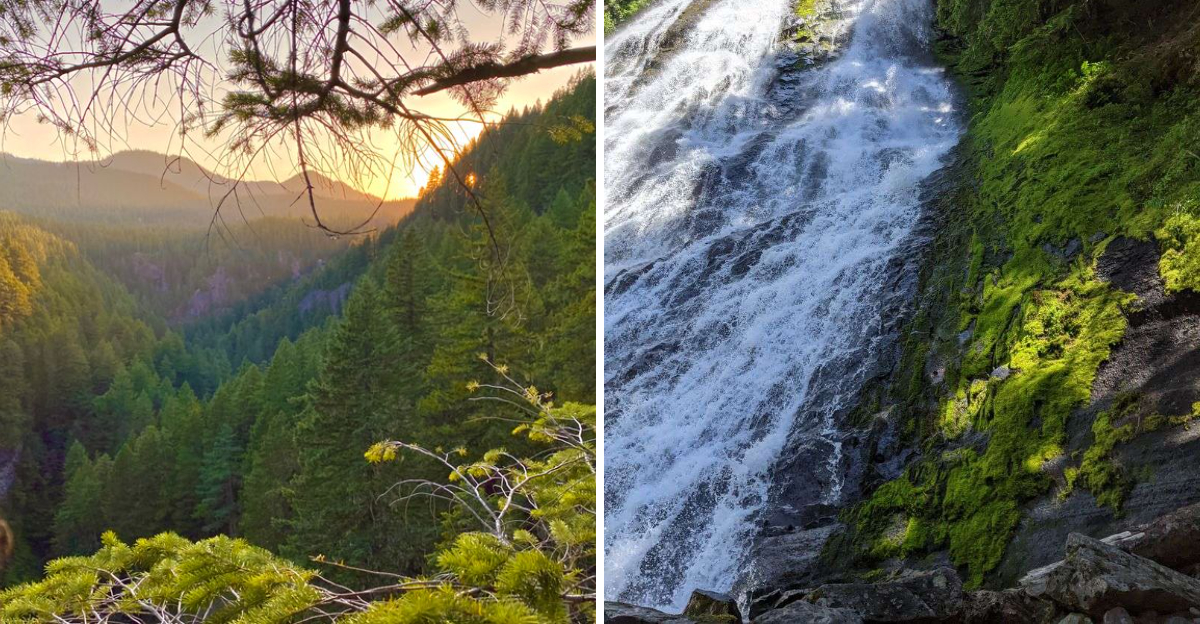
Salt Creek Falls stands as one of Oregon’s most spectacular natural wonders, dropping 286 feet into a misty canyon surrounded by ancient forests and volcanic rock formations.
Located in the Cascade Range along Highway 58, this powerful waterfall attracts visitors from around the world who seek both adventure and tranquility in the heart of the Pacific Northwest.
The falls offer more than just a stunning view; they provide an escape from the noise of everyday life, where the roar of cascading water replaces the hum of traffic and technology.
Whether you’re an experienced hiker or someone looking for a peaceful afternoon in nature, Salt Creek Falls delivers an unforgettable experience that showcases Oregon’s wild beauty.
From accessible viewing platforms to secluded trails that wind through old-growth forests, this destination combines convenience with genuine wilderness exploration.
The surrounding area features diverse ecosystems, unique geological features, and seasonal changes that transform the landscape throughout the year.
Visiting Salt Creek Falls means stepping into a world where water, stone, and forest work together to create something truly magical and restorative for the soul.
The Observation Platform Provides Stunning Panoramic Views
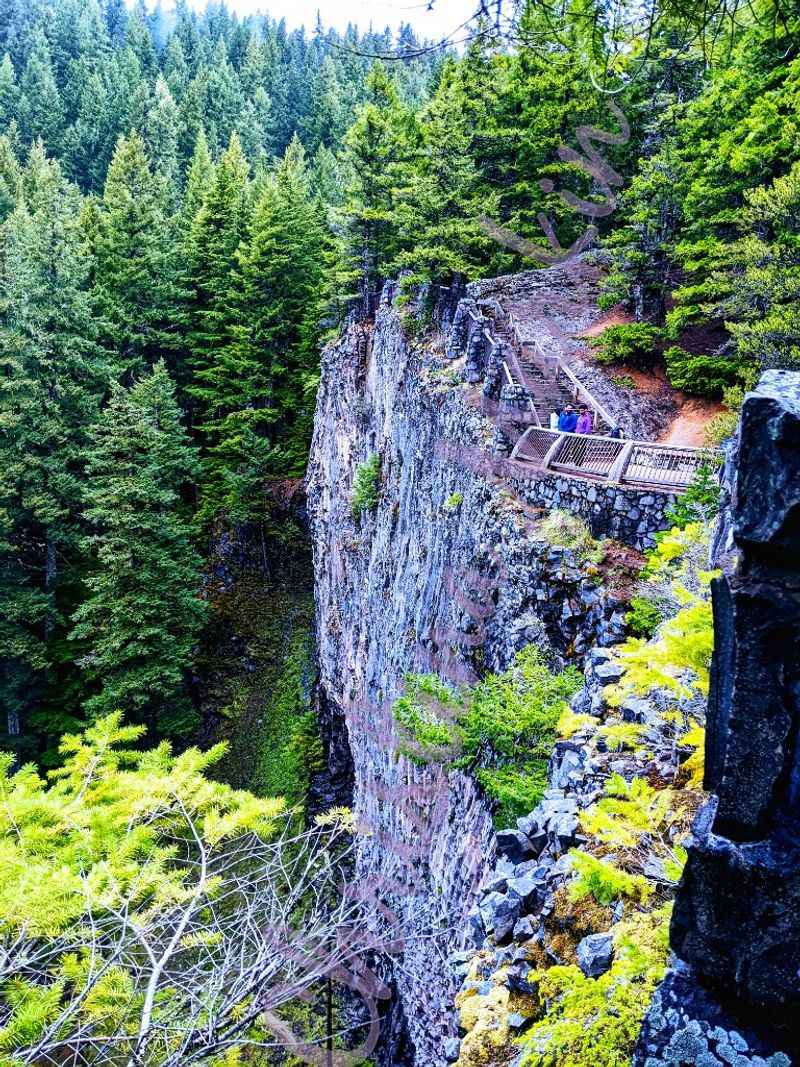
Standing on the observation platform at Salt Creek Falls feels like stepping onto a stage where nature performs its most dramatic show.
The platform sits just a short walk from the parking area, making it accessible for visitors of all ages and mobility levels.
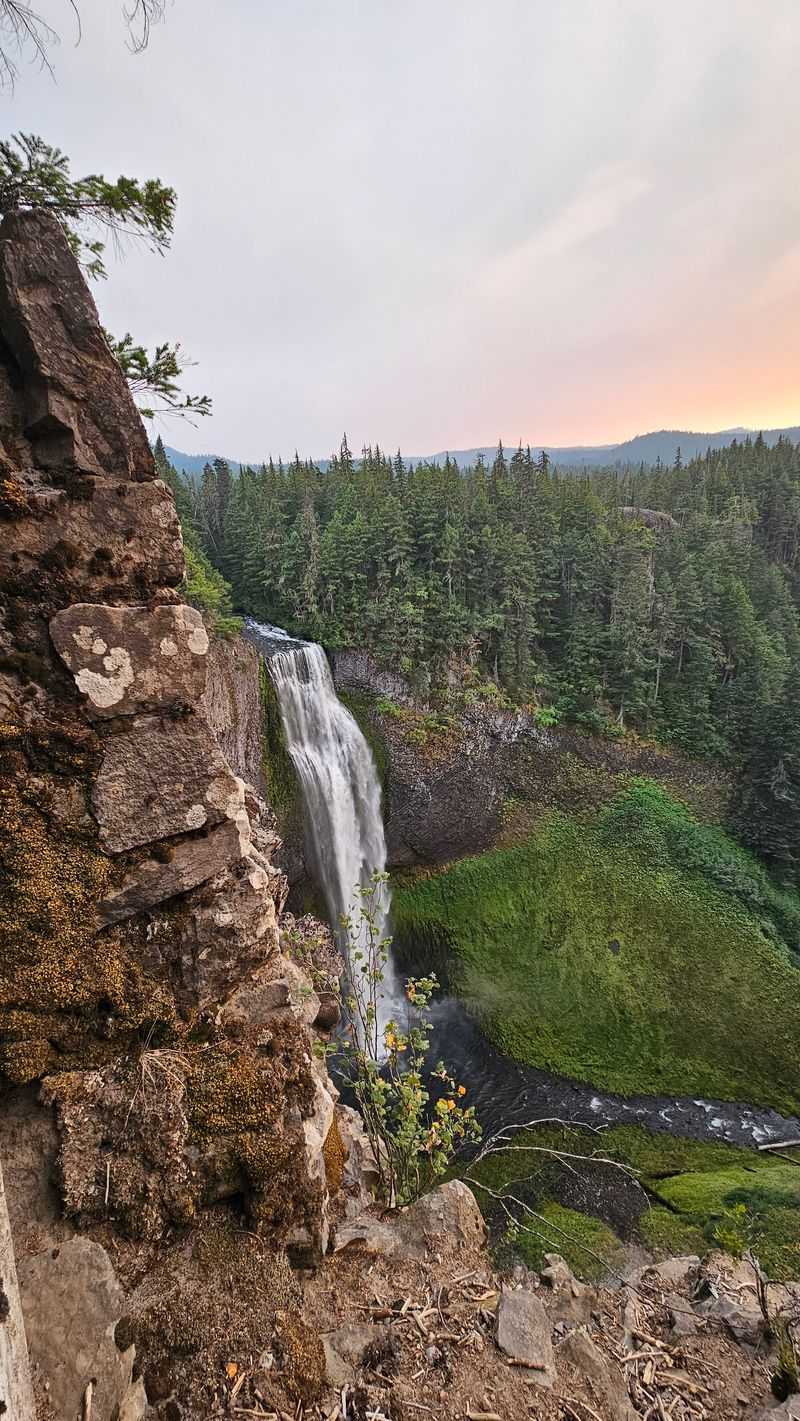
From this vantage point, you can watch 54,000 gallons of water per second during peak flow plunge 286 feet down a sheer basalt cliff into a churning pool below.
The mist rising from the impact zone catches sunlight on clear days, creating rainbows that dance across the canyon walls.
Volcanic rock formations frame the waterfall on both sides, their dark surfaces contrasting beautifully with the white foam of the cascading water.
Photographers love this spot because the platform offers unobstructed views perfect for capturing the falls’ full height and power.
Early morning visits reward you with softer light and fewer crowds, allowing for quiet contemplation of the scene.
The sound of the waterfall fills the air with a constant roar that somehow feels soothing rather than overwhelming.
Interpretive signs on the platform explain the geological history of the area, including how ancient lava flows shaped this dramatic landscape.
During winter, icicles form along the cliff edges, adding a crystalline beauty to the already impressive sight.
Spring brings the highest water volume as snowmelt feeds the creek, making the falls even more powerful and thunderous.
The platform includes safety railings that allow you to lean forward and fully experience the height and drama of the drop.
This spot alone justifies the visit, offering a perfect combination of accessibility and natural grandeur that few waterfalls can match.
Ancient Forest Trails Surround You With Towering Trees
Walking through the old-growth forest surrounding Salt Creek Falls transports you back centuries to when these massive trees first took root.
Douglas firs and western hemlocks tower overhead, some reaching heights of over 200 feet and ages exceeding 400 years.
The forest floor stays carpeted with moss, ferns, and fallen logs in various stages of decomposition, creating a complex ecosystem that supports countless species.
Sunlight filters through the dense canopy in scattered beams, illuminating patches of undergrowth and creating an almost mystical atmosphere.
The trails wind through this forest with gentle grades, allowing you to move slowly and observe the intricate details of the woodland environment.
Nurse logs, fallen trees that provide nutrients for new seedlings, demonstrate the forest’s cycle of death and renewal right before your eyes.
Bird songs echo through the trees, with species like varied thrushes and Pacific wrens adding their voices to the forest symphony.
The air smells rich with earth, bark, and the slightly sweet scent of decomposing vegetation that characterizes healthy old-growth forests.
Mushrooms of various colors and shapes emerge from the forest floor in autumn, adding unexpected splashes of red, orange, and yellow.
These ancient trees create a sense of timelessness and perspective, reminding visitors that nature operates on scales far beyond human lifespans.
The trails offer multiple difficulty levels, from easy loops near the falls to more challenging routes that explore deeper into the wilderness.
Walking quietly through this forest environment lowers stress levels and creates a meditative experience that busy modern life rarely provides.
The towering trees serve as natural sound barriers, muffling outside noise and creating pockets of profound quiet between the waterfall’s roar.
The Lower Trail Descent Offers an Adventure Into the Canyon
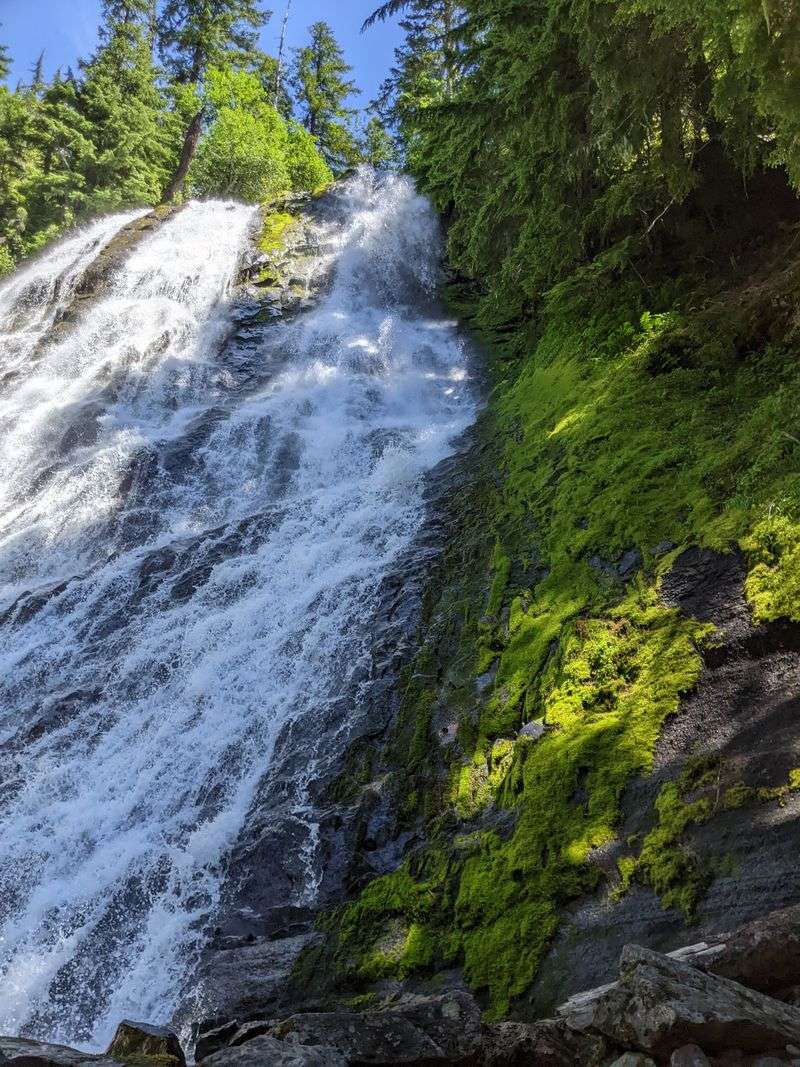
Adventurous visitors who take the lower trail from the observation platform discover an entirely different perspective on Salt Creek Falls.
This steep trail descends roughly 500 feet through switchbacks and rocky terrain, requiring moderate fitness and sturdy footwear.
As you descend, the character of the forest changes, with different plant communities adapted to the cooler, moister conditions near the creek.
The roar of the waterfall grows louder with each step downward, building anticipation for the view that awaits at the bottom.
About halfway down, a side trail branches off to a viewpoint where you can see the falls from a side angle, revealing geological layers in the cliff face.
Continuing to the canyon floor brings you to the pool where the waterfall’s energy dissipates into swirling currents and foam.
The temperature drops noticeably at the bottom, where constant spray keeps the air cool and humid even on warm summer days.
Boulders the size of cars litter the creek bed, evidence of ancient rockfalls and the erosive power of water over millennia.
From this low vantage point, the falls appear even more massive, with the full 286-foot drop towering above you in its complete vertical glory.
The mist created by the impact coats everything nearby, including your skin and clothes, with a fine layer of moisture that feels refreshing after the descent.
Photographers find unique compositions from the canyon floor, capturing the falls framed by rocks and vegetation in the foreground.
The return climb back up the trail provides excellent exercise and allows you to notice details you missed on the way down.
This descent transforms a simple waterfall viewing into a genuine wilderness adventure that engages your body and senses fully.
Seasonal Changes Transform the Landscape Throughout the Year
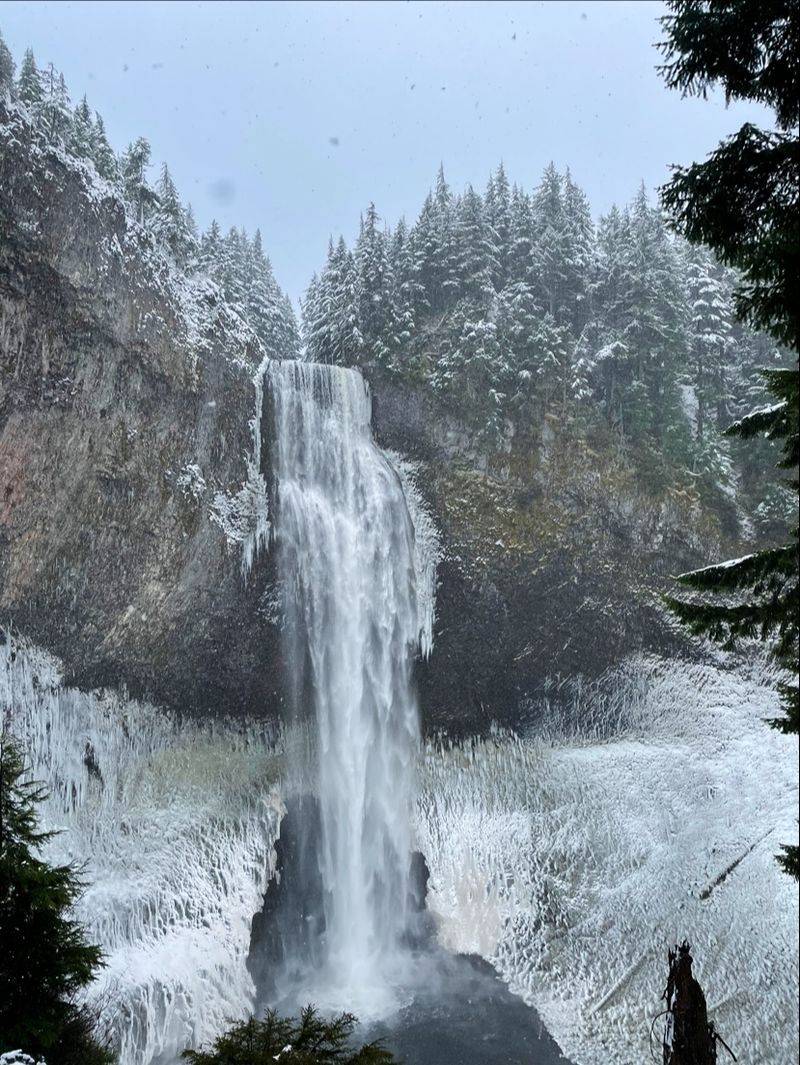
Each season brings its own magic to Salt Creek Falls, creating four distinctly different experiences at the same location.
Spring arrives with snowmelt that swells Salt Creek to its maximum flow, turning the waterfall into a thundering white torrent of incredible power.
Wildflowers begin blooming in April and May, dotting the forest floor and trail edges with colors that contrast beautifully against the dark earth.
Summer offers the most comfortable hiking conditions, with warm temperatures, dry trails, and reduced water flow that allows clearer views of the rock formations.
The forest canopy reaches full density in summer, creating deep shade that keeps the trails cool even during afternoon heat.
Autumn transforms the understory vegetation into shades of gold, orange, and red, while the evergreen trees maintain their green backdrop.
Fall also brings increased rainfall that begins to swell the creek again after the lower flows of late summer.
Winter presents the most dramatic transformation, with ice forming along the cliff faces and sometimes creating massive icicles that hang beside the flowing water.
Snow covers the forest floor and trails, requiring visitors to use caution but rewarding them with a pristine, silent landscape.
The observation platform may become icy and require careful footing, but the views of the frozen waterfall elements create unforgettable photographic opportunities.
Each season also brings different wildlife activity, from spring bird migrations to autumn salmon runs in nearby streams.
Visiting multiple times throughout the year allows you to appreciate how dynamic this seemingly permanent landscape actually is.
The seasonal changes remind us that nature never stands still, constantly cycling through death, renewal, and transformation in ways both subtle and dramatic.
Geological Features Tell Stories of Ancient Volcanic Activity
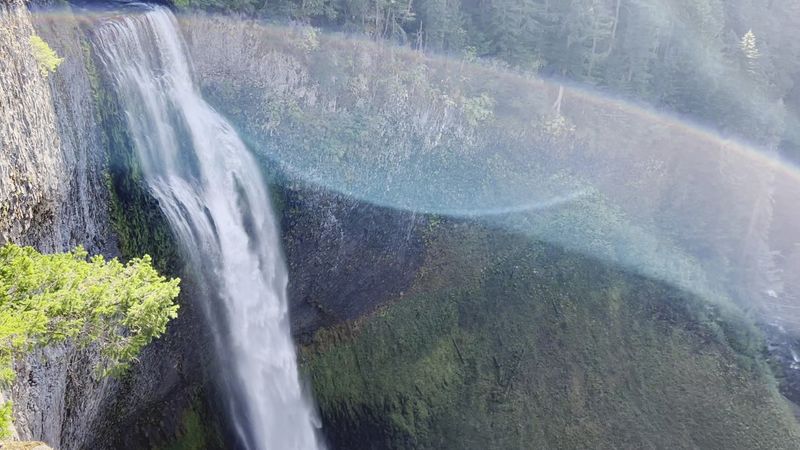
The dramatic cliffs and rock formations at Salt Creek Falls serve as an open textbook on the volcanic history of the Oregon Cascades.
The columnar basalt visible in the cliff face formed millions of years ago when lava flows cooled and contracted, creating the distinctive hexagonal patterns.
These geometric columns stand vertically, creating the perfect structure for the waterfall to plunge down in a single, unobstructed drop.
Geologists estimate that the basalt at Salt Creek Falls originated from eruptions approximately 5 to 6 million years ago during the late Miocene epoch.
The creek itself carved this canyon through thousands of years of erosion, gradually cutting through the hard volcanic rock layer by layer.
During the last ice age, glaciers covered much of this region, and their melting likely accelerated the erosion that shaped the current landscape.
Visitors with sharp eyes can spot different rock layers in the canyon walls, each representing a separate lava flow or volcanic event.
The pool at the base of the falls continues the erosion process today, slowly deepening and widening as falling water pounds the rock with relentless force.
Scattered boulders throughout the area show evidence of past rockfalls, reminding us that this landscape continues to evolve even now.
The surrounding terrain features other volcanic formations, including old lava tubes and cinder cones visible from higher elevations nearby.
Understanding these geological processes adds depth to your visit, transforming a pretty waterfall into a window onto Earth’s dynamic history.
The volcanic soil in the area also contributes to the lush forest growth, as it weathers into nutrient-rich earth that supports the massive trees.
This connection between ancient fire and current water creates a fascinating contrast that makes Salt Creek Falls more than just a scenic destination.
Wildlife Encounters Add Unexpected Moments of Connection
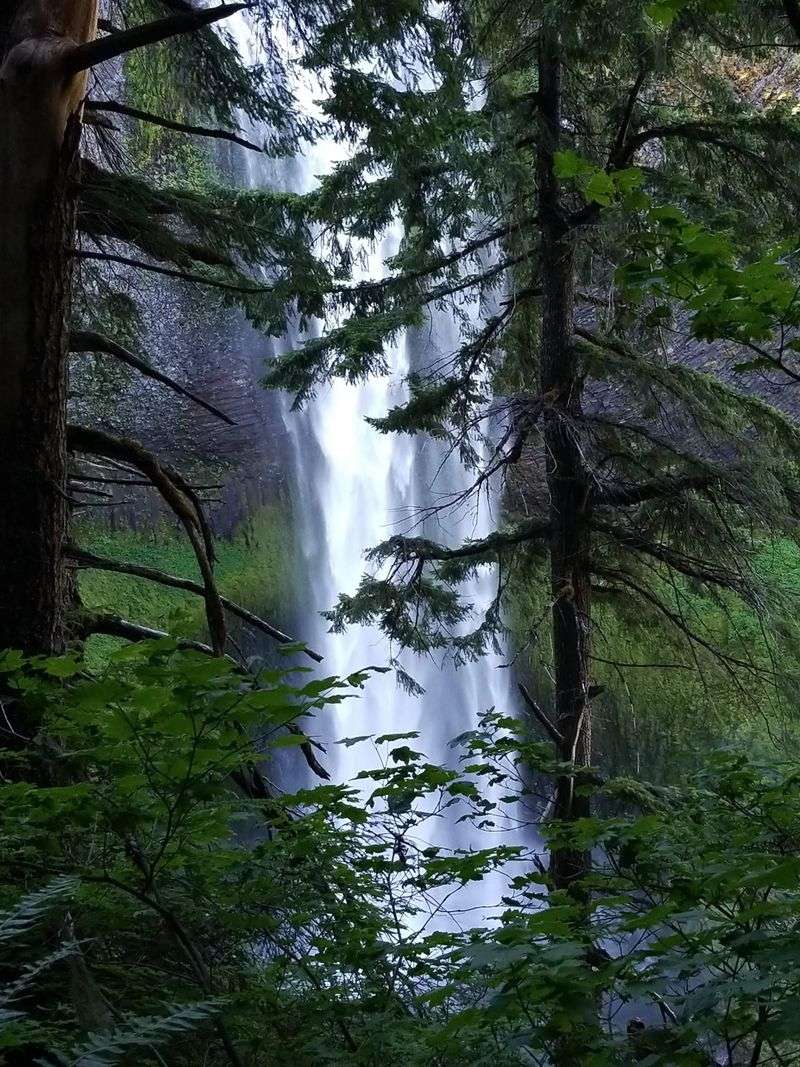
The diverse habitats around Salt Creek Falls support a surprising variety of wildlife that observant visitors may encounter during their visit.
Black-tailed deer frequently browse near the trails, especially during early morning and evening hours when they feel most secure.
Douglas squirrels chatter from tree branches, their scolding calls often the first sound you notice when entering the forest.
The creek itself supports populations of native trout that navigate the complex currents and pools below the falls.
Bird enthusiasts can spot species ranging from tiny kinglets to impressive pileated woodpeckers, whose loud drumming echoes through the forest.
During migration seasons, the area serves as a stopover point for songbirds moving between summer and winter ranges.
Black bears inhabit the surrounding forest, though they typically avoid the busier areas near the observation platform and main trails.
Smaller mammals like chipmunks and golden-mantled ground squirrels often approach visitors, hoping for food handouts that should never be provided.
Amphibians thrive in the moist environment, with Pacific tree frogs and rough-skinned newts common in areas near the creek.
Insects play crucial roles in the ecosystem, from pollinating wildflowers to serving as food for birds and other predators.
The constant moisture from the waterfall’s spray creates microhabitats that support species requiring high humidity levels.
Watching an osprey dive for fish in the pool below or spotting a Roosevelt elk in the distance transforms a scenic hike into a wildlife adventure.
These encounters remind visitors that Salt Creek Falls isn’t just a geological feature but a living ecosystem supporting interconnected communities of plants and animals.
Peaceful Solitude Away From Urban Noise and Crowds
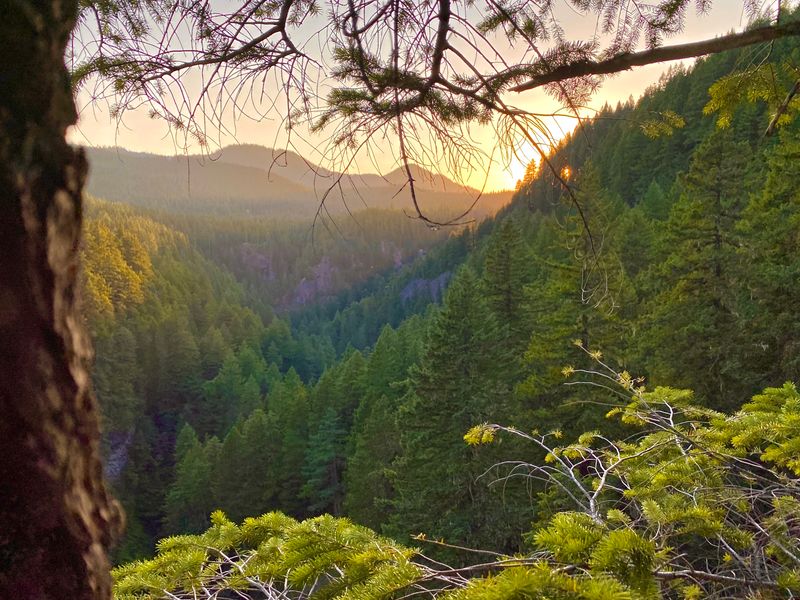
Despite its impressive stature as Oregon’s second-highest waterfall, Salt Creek Falls maintains a relatively peaceful atmosphere that larger tourist destinations lack.
The location along Highway 58, about 27 miles southeast of Oakridge, keeps it off the main Interstate 5 corridor where most tourists travel.
Weekday visits often reward you with near-solitude, where you might have the observation platform entirely to yourself for extended periods.
Even on busier weekends, the short walk from the parking area naturally spaces out visitors, preventing the crowding common at more accessible waterfalls.
The surrounding Willamette National Forest contains thousands of acres of wilderness, creating a buffer zone that absorbs sound and separates you from civilization.
No cell phone service reaches this area, forcing a digital detox that many visitors find surprisingly liberating and refreshing.
The constant white noise of the waterfall masks any remaining human sounds, creating an acoustic environment dominated entirely by natural elements.
Sitting quietly on one of the benches near the observation platform allows your mind to settle and your breathing to synchronize with the rhythm of falling water.
This peacefulness makes Salt Creek Falls an ideal destination for meditation, reflection, or simply escaping the mental noise of modern life.
The absence of commercial development, with no gift shops, restaurants, or hotels, preserves the area’s natural character and prevents the tourist-trap feeling.
Facilities remain basic but adequate, with vault toilets and a small parking area that serves visitors without overwhelming the natural setting.
The peaceful quality of this place stays with you long after you leave, providing mental restoration that lasts for days or weeks.
In a world increasingly dominated by noise, crowds, and constant connectivity, Salt Creek Falls offers something increasingly rare: genuine tranquility in a spectacular natural setting.
Dear Reader: This page may contain affiliate links which may earn a commission if you click through and make a purchase. Our independent journalism is not influenced by any advertiser or commercial initiative unless it is clearly marked as sponsored content. As travel products change, please be sure to reconfirm all details and stay up to date with current events to ensure a safe and successful trip.
