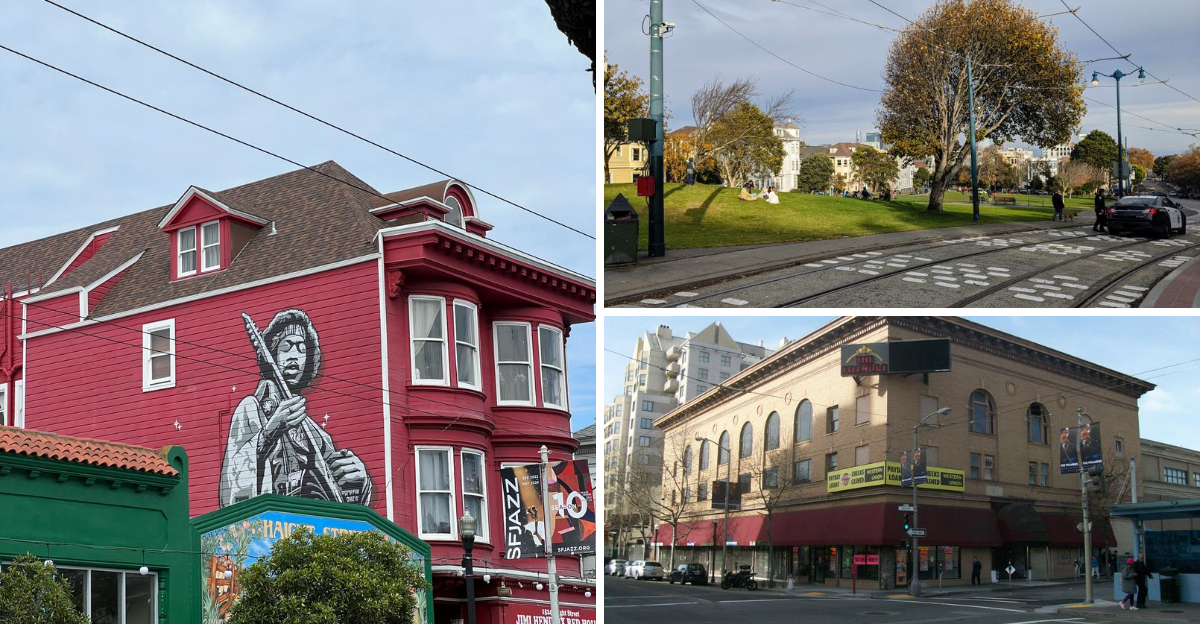
San Francisco stands as one of California’s most beloved cities, where Victorian homes climb steep hills and fog rolls through the Golden Gate like a living thing.
The city’s neighborhoods each tell their own story, from immigrant enclaves rich with cultural heritage to historic districts that witnessed social movements that changed America.
Yet when millions of visitors arrive each year, these communities transform in ways both visible and subtle, as tour buses replace local foot traffic and souvenir shops edge out family-owned businesses that served residents for generations.
Understanding how tourism reshapes these neighborhoods helps travelers appreciate the delicate balance between welcoming guests and preserving authentic community character.
This content reflects personal experiences, observations, and information available at the time of writing.
Descriptions and evaluations are inherently subjective and may vary depending on timing, season, conditions, and individual preferences.
Circumstances can change, and experiences may differ for each reader.
1. Fisherman’s Wharf
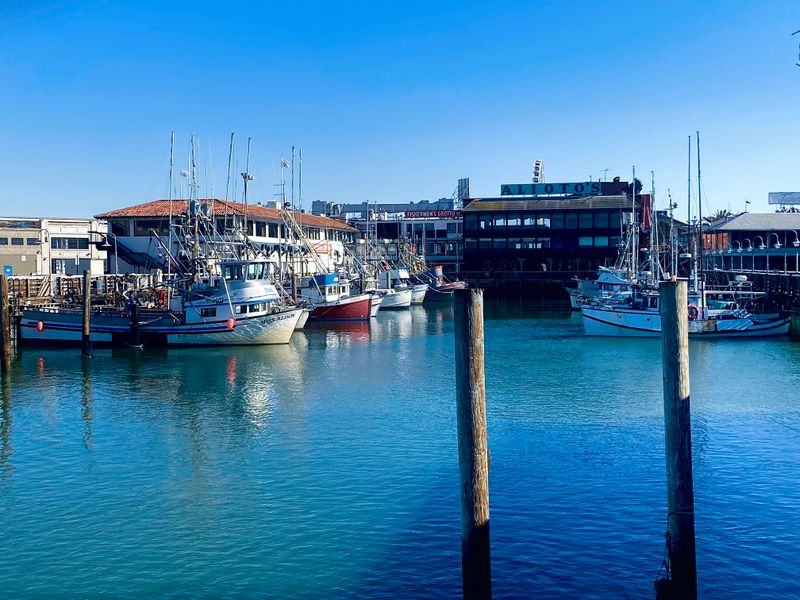
Fishing boats once dominated the waterfront here, their crews hauling in fresh catches while seagulls circled overhead and the smell of salt water mixed with diesel fuel.
Today, the transformation feels complete as chain restaurants and gift shops occupy nearly every storefront along the main thoroughfares.
Pier 39 draws massive crowds who come to photograph the famous sea lions lounging on floating docks, their barking audible above the constant chatter of visitors.
Street performers compete for attention while families navigate through dense crowds, stopping at candy stores and souvenir stands that sell miniature cable cars and Golden Gate Bridge keychains.
The authentic fishing industry that gave this area its name has largely retreated to early morning hours when tourists still sleep in their hotel rooms.
A few remaining fishing families maintain their operations, but they represent a fraction of the bustling port community that once thrived here.
Locals rarely visit except when hosting out-of-town guests, as the neighborhood has essentially become an outdoor shopping mall designed entirely for visitor consumption.
Restaurants that once served working-class dock workers now offer overpriced clam chowder in sourdough bread bowls to tourists willing to pay premium prices for the waterfront experience.
The historic character persists only in scattered plaques and old photographs displayed in museum corners.
Walking through during peak season means constant shoulder-to-shoulder contact with other pedestrians, making it nearly impossible to pause and actually absorb the bay views.
Yet the neighborhood continues drawing visitors precisely because it delivers the postcard version of San Francisco they expect, even if that version bears little resemblance to the working waterfront that existed just decades ago.
2. Haight-Ashbury
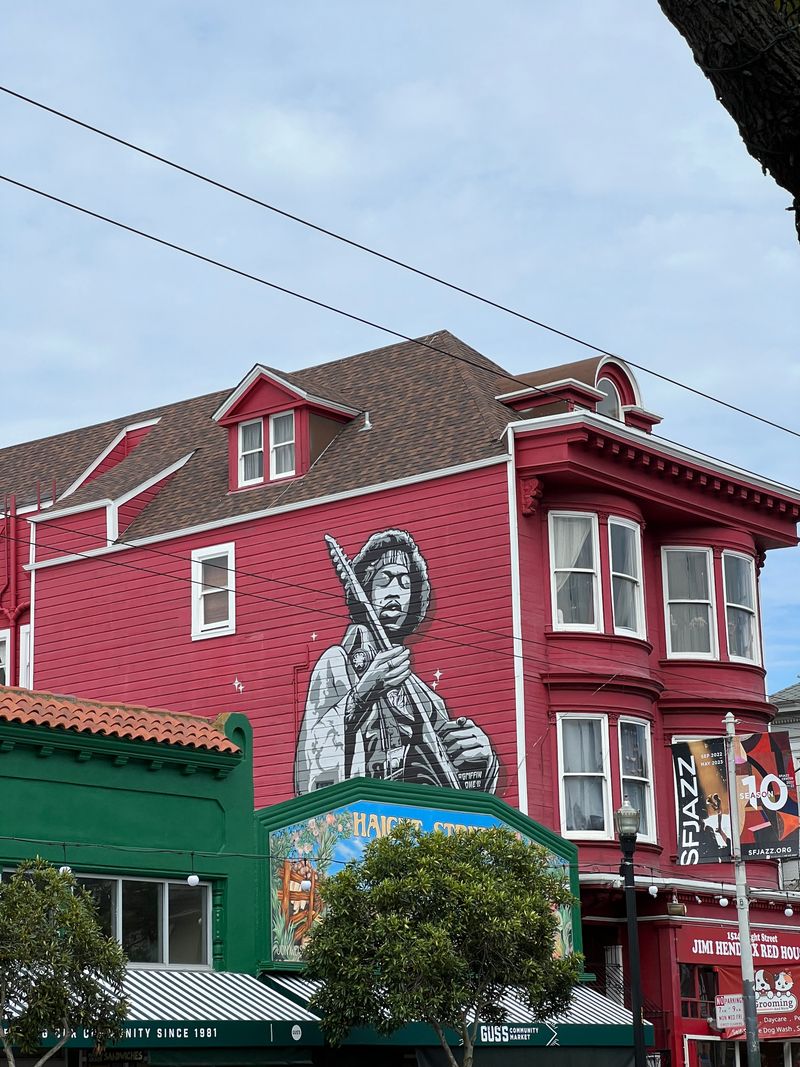
The Summer of Love happened here in 1967, when young people gathered to create a new vision of American society based on peace, music, and communal living.
Psychedelic rock bands played free concerts in Golden Gate Park while residents shared food and opened their homes to strangers seeking alternative lifestyles.
Now vintage clothing stores cater almost exclusively to tourists hunting for tie-dye shirts and peace sign jewelry, their prices reflecting prime tourist district real estate rather than counterculture values.
The Victorian homes that once housed communes and crash pads have been converted into expensive apartments, their monthly rents far beyond what working artists or musicians could afford.
Tour groups stop at the corner of Haight and Ashbury streets to photograph the famous intersection, often blocking sidewalks while guides recount stories of Jerry Garcia and Janis Joplin.
Long-term residents watch from their windows as the neighborhood they knew slowly disappears beneath layers of commercialization and gentrification.
Independent bookstores and record shops that survived for decades now struggle to pay rent as property values climb ever higher.
The spirit of rebellion and experimentation that defined this area has been packaged and sold back to visitors as nostalgia, stripped of its radical edge and political meaning.
Street musicians still perform on corners, but many are professionals working for tips from tourists rather than local artists sharing their craft with neighbors.
Coffee shops fill with laptop users and visitors rather than the poets and activists who once gathered to plan protests and read manifestos.
The irony feels heavy when you realize that the movement that challenged commercialism and conformity now exists primarily as a marketing theme for businesses selling overpriced memorabilia.
3. North Beach
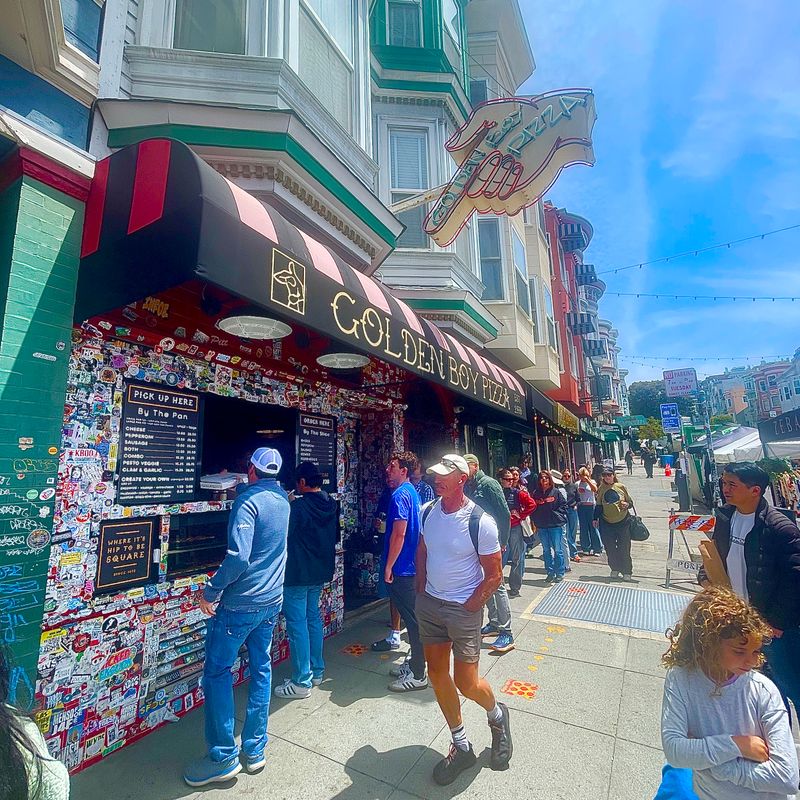
Italian immigrants built this neighborhood starting in the late 1800s, establishing bakeries, trattorias, and social clubs that became the heart of their transplanted community.
Generations of families grew up speaking Italian at home and English at school, maintaining traditions from their ancestral villages while building new lives in America.
Beat poets like Lawrence Ferlinghetti and Allen Ginsberg later made North Beach their creative home, gathering at City Lights Bookstore and various cafes to read their work and challenge literary conventions.
Today the neighborhood attracts enormous numbers of visitors who come for Italian food, historic sites, and the lingering bohemian atmosphere that survives in pockets.
Unfortunately, this popularity has made North Beach a prime target for car break-ins, with thieves knowing that tourist vehicles often contain luggage, cameras, and other valuables.
Local business owners post warnings in multiple languages, urging visitors to remove all belongings from their cars before exploring the neighborhood.
The constant flow of tourists has pushed many Italian families to move elsewhere, as rising costs and changing character make the area less recognizable to those who remember its earlier incarnation.
Restaurants that once served primarily local customers now design their menus and atmospheres to appeal to visitors seeking an authentic Italian experience.
Washington Square Park fills with tourists taking photos of Saints Peter and Paul Church rather than elderly Italian men playing bocce ball as they did for decades.
The neighborhood still offers genuine pleasures, from excellent espresso to fresh focaccia, but finding those authentic moments requires looking past the tourist-oriented facades.
Crime statistics serve as a reminder that heavy tourism creates opportunities for those who prey on distracted visitors unfamiliar with their surroundings.
4. Mission District
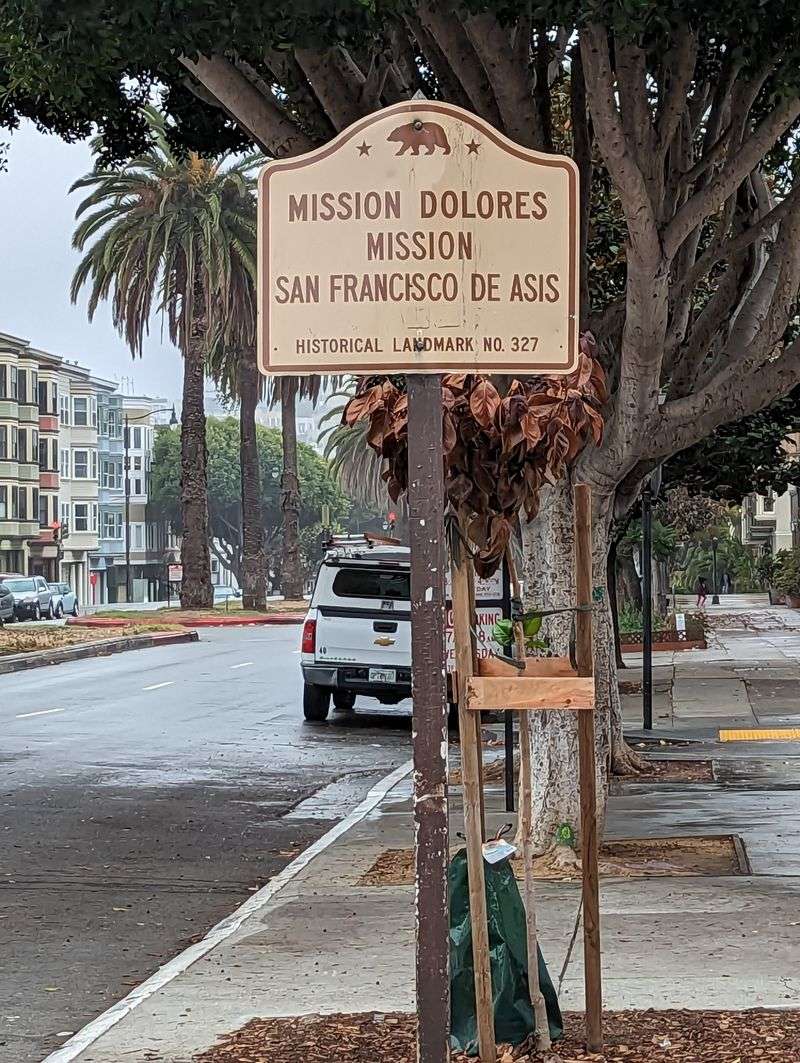
Murals explode across walls throughout the Mission, telling stories of Latin American heritage, social justice struggles, and community pride in brilliant colors that stop pedestrians in their tracks.
The neighborhood developed as a primarily Latino area, with immigrants from Mexico, Central America, and South America establishing businesses, churches, and cultural institutions.
Taquerias serve some of the city’s best Mexican food, their recipes passed down through families and perfected over generations of cooking.
Tourists arrive in increasing numbers, drawn by the famous murals in Balmy Alley and Clarion Alley, their cameras clicking constantly as they document the street art.
This attention brings economic benefits to some local businesses but also contributes to rising rents that push out long-established residents and shop owners.
The Mission experiences higher crime rates in certain pockets, including theft and occasional violent incidents that create safety concerns for both residents and visitors.
Walking through after dark requires awareness of your surroundings, as some blocks feel significantly less safe than the well-lit commercial corridors.
Tech workers have moved into the neighborhood in recent years, attracted by its artistic energy and relatively more affordable housing compared to other San Francisco districts.
This gentrification creates tension between newcomers and established residents who see their community changing in ways that exclude them economically.
Despite these pressures, the Mission maintains strong cultural identity through its murals, restaurants, and annual events like Carnaval that celebrate Latin American traditions.
Visitors who take time to eat at family-run restaurants and learn about the murals’ meanings contribute more positively than those who simply snap photos and leave.
The neighborhood’s future remains uncertain as it navigates between preserving cultural heritage and accommodating the economic forces reshaping San Francisco.
5. Castro District
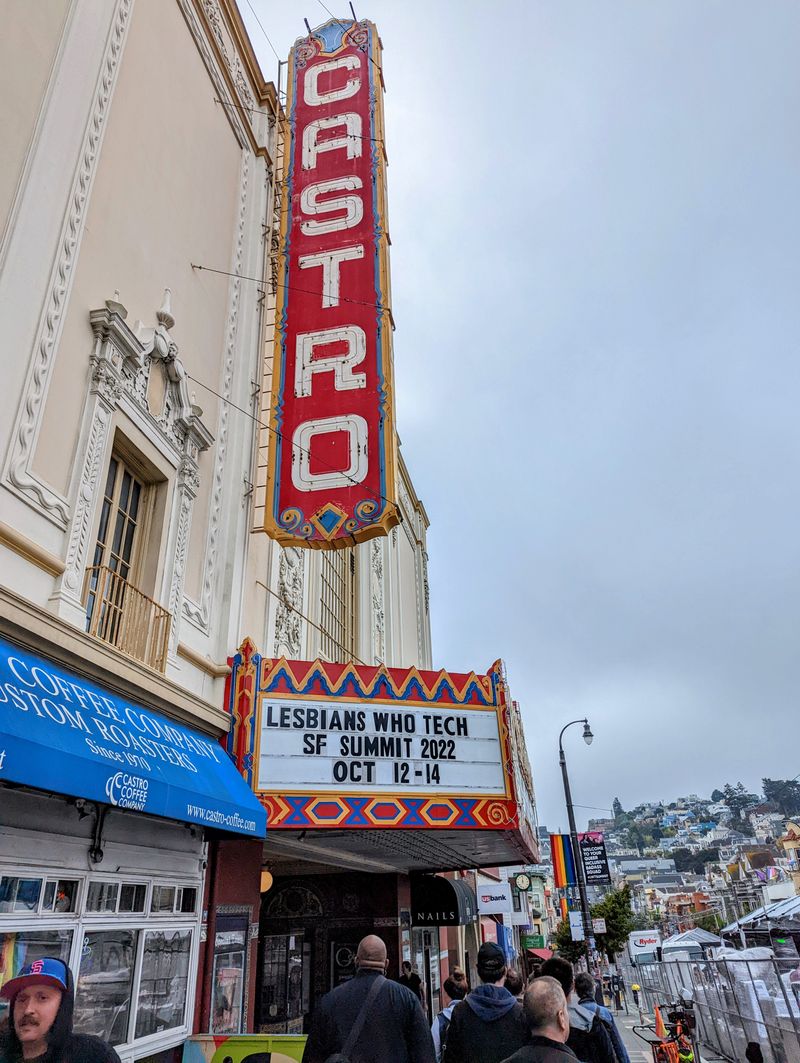
Rainbow flags fly throughout the Castro, marking this neighborhood as a historic center of LGBTQ+ community, activism, and culture that helped change American society.
Harvey Milk operated his camera shop here in the 1970s, building a political movement that culminated in his election as one of the first openly gay officials in the United States.
The AIDS crisis devastated this community during the 1980s and early 1990s, with residents caring for dying friends and lovers while fighting for medical research and social support.
Memorials and plaques throughout the neighborhood commemorate those lost and celebrate the resilience of survivors who continued building community despite unimaginable grief.
Today the Castro attracts LGBTQ+ visitors from around the world who come to experience this historic neighborhood and connect with its legacy of activism.
Unfortunately, the neighborhood’s popularity has driven property values and rents to levels that displace many long-term residents, including elderly LGBTQ+ people who lived here for decades.
The Castro Theatre, an ornate movie palace from 1922, stands as a beloved landmark, though its future has been uncertain as ownership changes and renovation plans spark community debate.
Bars and clubs that once served primarily local LGBTQ+ communities now fill with tourists and bachelorette parties, changing the atmosphere in ways that frustrate some residents.
The neighborhood struggles to maintain its character as a living LGBTQ+ community rather than becoming a museum or theme park version of its radical past.
Younger LGBTQ+ people often cannot afford to live here, moving to other neighborhoods or cities where housing costs allow them to build lives and communities.
Walking down Castro Street still feels powerful, with its history palpable in every storefront and street corner where activists once gathered.
Yet that power feels diluted when tourism and gentrification price out the very people who created and sustained this remarkable place.
6. Chinatown
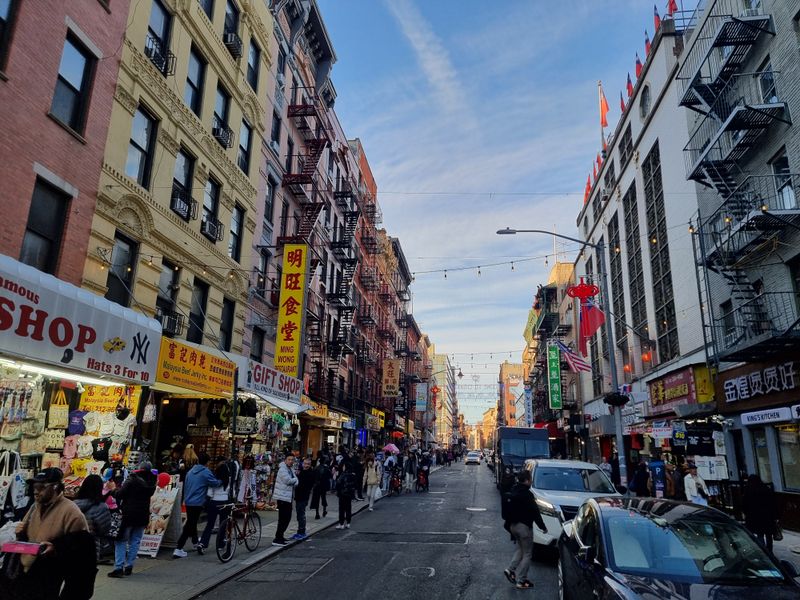
Dragon Gate welcomes visitors to the oldest Chinatown in North America, where approximately 35,000 residents live in one of the most densely populated neighborhoods outside of Asia.
Chinese immigrants began settling here in the mid-1800s, establishing businesses, temples, and social organizations that helped newcomers navigate life in a country that often treated them with hostility.
The neighborhood survived the 1906 earthquake and fire, with community leaders fighting to rebuild on the same site despite efforts to relocate Chinatown to less valuable land.
Today tourists flood the main streets, shopping for souvenirs, eating dim sum, and photographing the colorful architecture designed to appeal to Western expectations of Chinese aesthetics.
Behind this tourist facade, serious social problems affect residents, including homelessness, drug addiction, and crime rates that rank among the city’s highest.
Many elderly Chinese residents live in small single-room occupancy hotels with shared bathrooms, surviving on minimal incomes in one of America’s most expensive cities.
Language barriers and cultural factors mean that some residents underreport crimes or avoid seeking help from authorities, allowing problems to persist.
The neighborhood contains both tourist-oriented shops selling mass-produced goods and authentic businesses serving local Chinese customers with imported products and traditional services.
Knowing which is which requires familiarity that most visitors lack, leading them to miss the genuine cultural experiences available just blocks from the main tourist corridors.
Residents navigate daily life while constantly dodging tour groups that block sidewalks and photograph everything without always understanding or respecting what they see.
The tension between serving tourists and maintaining authentic community life creates ongoing challenges for business owners and residents alike.
Chinatown remains a vital cultural center despite these pressures, but its future depends on addressing social problems while preserving the community that has survived here for over 170 years.
7. Tenderloin District
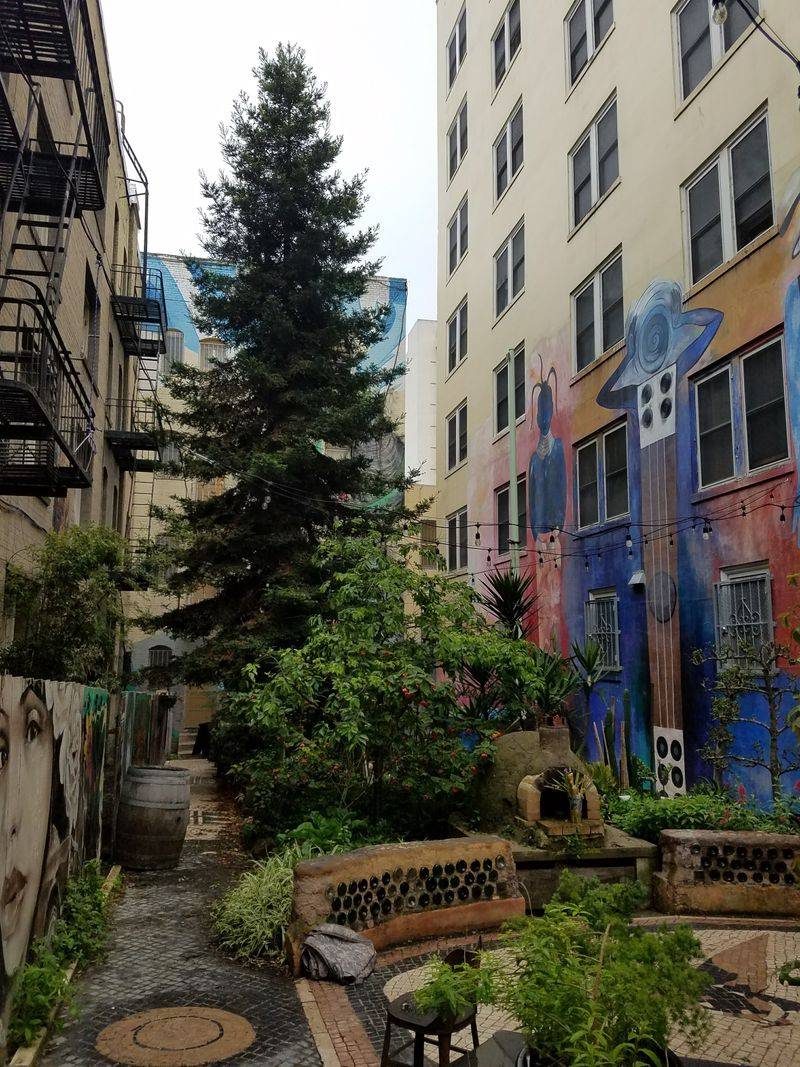
Survival defines life in the Tenderloin, where concentrated poverty, homelessness, and addiction create conditions that shock many visitors expecting postcard-perfect San Francisco.
The neighborhood sits just blocks from Union Square’s luxury hotels and shopping, creating jarring contrasts that highlight the city’s extreme inequality.
Immigrant families live here alongside people struggling with mental illness and substance abuse, creating a complex community that defies simple characterization.
Some of the city’s best Vietnamese and Thai restaurants operate in the Tenderloin, their authentic food drawing knowledgeable locals who navigate the area’s challenges to eat well at reasonable prices.
Social service organizations concentrate here, providing meals, shelter, medical care, and other support to vulnerable populations with nowhere else to turn.
Tourists who accidentally wander into the Tenderloin often feel uncomfortable or unsafe, as the visible poverty and street activity differs dramatically from sanitized tourist districts.
Open drug use occurs on many blocks, with dealers and users conducting transactions that police seem unable or unwilling to stop effectively.
Residents and advocates argue that the neighborhood suffers from decades of neglect and failed policies rather than inherent problems with the people who live here.
Walking through requires awareness and caution, particularly after dark, though thousands of people live and work here without incident every day.
The neighborhood’s grittiness actually protects it somewhat from tourist pressure, as most visitors actively avoid areas that challenge their vacation expectations.
Yet this same reputation prevents investment and improvement that could benefit residents without displacing them through gentrification.
The Tenderloin represents San Francisco’s unresolved struggles with homelessness, addiction, and inequality, issues that tourism revenue alone cannot solve despite the wealth flowing through surrounding neighborhoods.
8. Bayview-Hunters Point
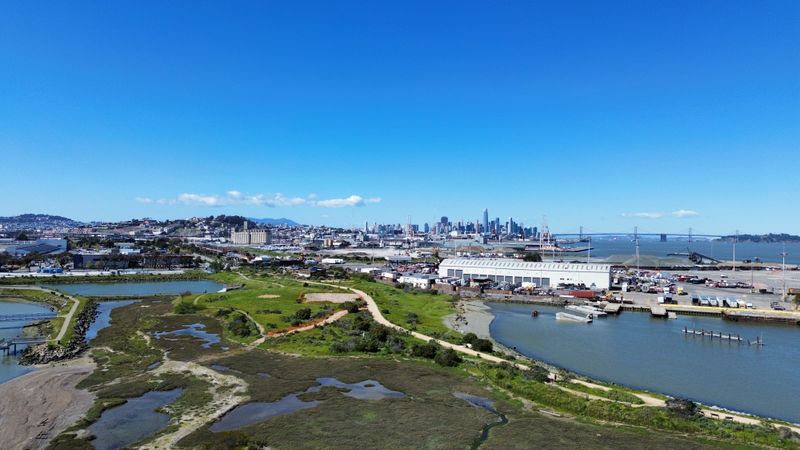
African American families built thriving communities here throughout the 1900s, establishing churches, businesses, and cultural institutions during an era when many San Francisco neighborhoods excluded Black residents entirely.
The neighborhood became a center of Black culture and political organizing, producing artists, activists, and leaders who shaped the city and nation.
Shipyards employed thousands during World War II, bringing economic prosperity that supported families and allowed homeownership for working-class residents.
Decades of disinvestment followed, as city resources flowed to other neighborhoods while Bayview-Hunters Point struggled with poverty, crime, and environmental contamination from industrial activities.
The former Hunters Point Naval Shipyard left behind toxic pollution that continues affecting residents’ health, creating one of California’s most challenging environmental cleanup projects.
Now massive development plans promise to transform the area, with over 2 million square feet of commercial space and 7,000 housing units planned for the former Candlestick Park site.
Developers and city officials promote these projects as economic revitalization that will create jobs and improve conditions for current residents.
Many community members remain skeptical, having watched similar development promises in other neighborhoods lead primarily to displacement as rising costs push out long-term residents.
The tension between welcoming investment and preventing gentrification creates difficult choices for a community that desperately needs resources but fears losing its identity and population.
Tourist pressure here differs from other neighborhoods, as visitors rarely come to Bayview-Hunters Point, leaving it relatively isolated from the city’s tourism economy.
This isolation provides some protection from displacement but also means missing out on economic benefits that tourism brings to other areas.
The neighborhood’s future depends on whether development can truly benefit existing residents or whether it will repeat patterns that have erased Black communities throughout San Francisco.
9. Duboce Triangle
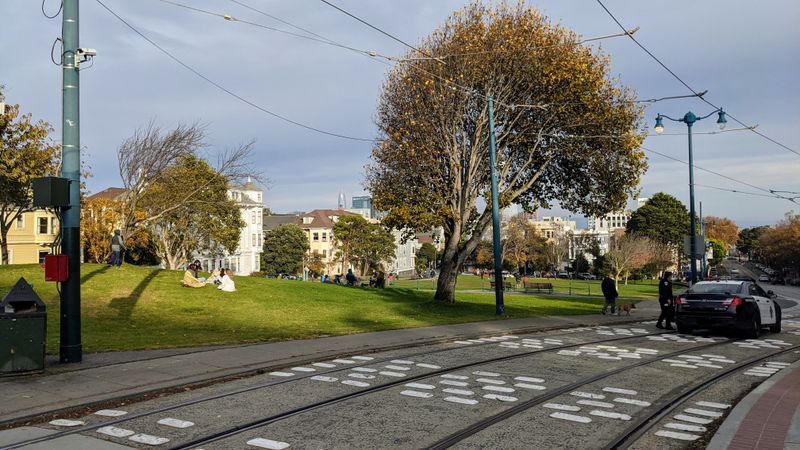
Victorian and Edwardian homes line quiet streets in Duboce Triangle, creating a residential feel that contrasts sharply with the tourist crowds just blocks away in the Castro.
The neighborhood takes its name from Victor Duboce, a lieutenant colonel who served in the Philippines during the Spanish-American War, though few residents today know this history.
Duboce Park serves as the neighborhood’s gathering place, where dog owners congregate in the popular off-leash area while children play on the playground and residents relax on the grass.
The triangle’s location between the Castro, Mission, and Lower Haight means it experiences spillover effects from tourist activity in those more famous neighborhoods.
Visitors seeking accommodations sometimes book rentals here, attracted by lower prices compared to hotels in tourist districts and easy access to multiple neighborhoods.
This influx of short-term rentals has reduced available housing for long-term residents, contributing to the affordability crisis affecting all of San Francisco.
The neighborhood’s quiet streets and local businesses once provided refuge from the city’s more hectic areas, but that character changes as more visitors discover this hidden gem.
Coffee shops and restaurants that catered primarily to neighbors now see more unfamiliar faces, changing the intimate atmosphere that regulars valued.
Property values have climbed steadily, making homeownership increasingly impossible for middle-class families and pushing renters to seek housing farther from the city center.
Long-term residents watch their neighborhood transform gradually, not through sudden dramatic change but through accumulating small shifts that collectively alter community character.
The Duboce Triangle demonstrates how even neighborhoods without major tourist attractions still feel tourism’s impact through proximity effects and the broader housing market pressures that tourism creates.
Preserving residential character requires active effort from residents and city policies that prioritize long-term housing over short-term rental profits.
10. Fillmore District
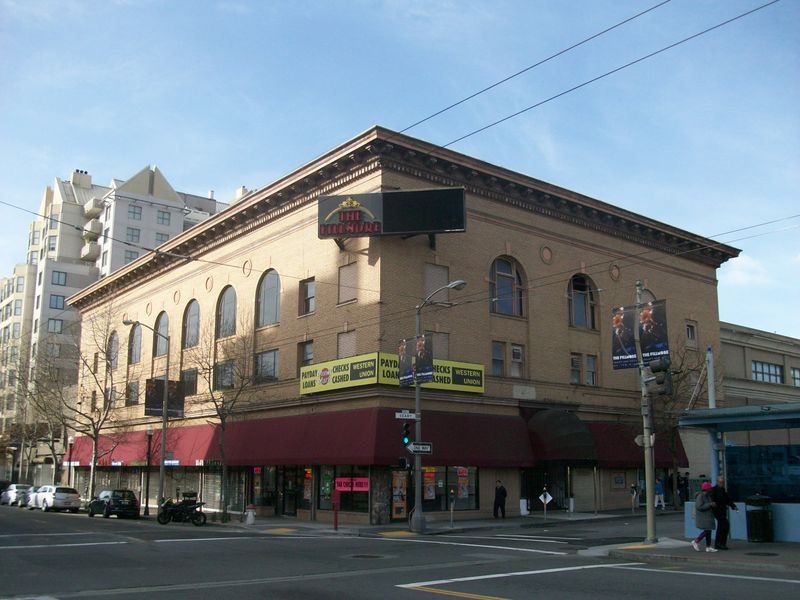
Jazz once filled the air throughout the Fillmore, with legendary clubs hosting performers like Billie Holiday, Duke Ellington, and John Coltrane during the neighborhood’s mid-century golden age.
The 1906 earthquake paradoxically created opportunity here, as the Fillmore emerged relatively undamaged and became one of the few areas where diverse ethnic populations could find housing.
African Americans, Japanese Americans, and Jewish families all established communities in the Fillmore, creating a vibrant multicultural neighborhood unique in segregation-era San Francisco.
The district became known as the Harlem of the West, with thriving Black-owned businesses, churches, and cultural institutions serving a prosperous community.
Urban renewal programs in the 1960s devastated this thriving neighborhood, with city officials declaring much of the Fillmore blighted and demolishing entire blocks of homes and businesses.
Thousands of residents, primarily African American, were displaced as bulldozers cleared the way for redevelopment that took decades to materialize and never restored what was destroyed.
The jazz clubs closed, the businesses disappeared, and a community that had survived discrimination and economic challenges was scattered by government policy presented as progress.
Today the Fillmore struggles to reclaim its cultural heritage while dealing with gentrification that continues displacing African American residents and erasing historical memory.
The famous Fillmore Auditorium still hosts concerts, carrying forward the neighborhood’s musical legacy, though its audiences now come primarily from other areas.
Tourists interested in jazz history sometimes visit the Fillmore, but many arrive unaware of the urban renewal tragedy that destroyed the very community that created the culture they admire.
Memorials and historical markers attempt to preserve memory of what existed before redevelopment, but photographs and plaques cannot restore lost communities.
The neighborhood serves as a cautionary tale about how government policies and economic pressures can erase cultural heritage as effectively as any natural disaster.
Dear Reader: This page may contain affiliate links which may earn a commission if you click through and make a purchase. Our independent journalism is not influenced by any advertiser or commercial initiative unless it is clearly marked as sponsored content. As travel products change, please be sure to reconfirm all details and stay up to date with current events to ensure a safe and successful trip.
