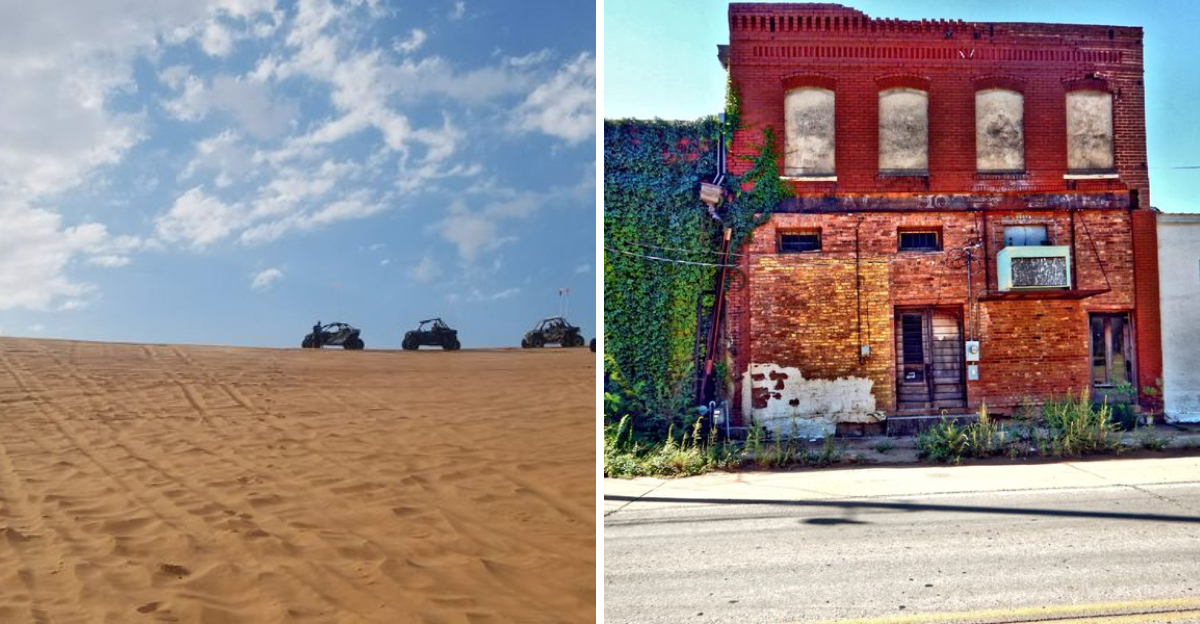
I never expected to find a desert landscape in the middle of Oklahoma, but Waynoka proved me completely wrong. This tiny Woods County town of just over 700 residents sits about seventy miles west of Enid at the junction of U.S.
Highway 281 and State Highway 14, where rolling sand dunes stretch across the prairie like something plucked from the Sahara. The population peaked at over 2,000 back in 1950, but what Waynoka lost in numbers, it gained in character and grit.
Walking down Main Street feels like stepping into a time capsule where everyone knows your name by your second visit, and the local diner serves up stories as generously as the daily specials.
I spent three days exploring this Woods County treasure and discovered that its greatest attraction is not just the otherworldly sand dunes, but the spirited community that refuses to let their town fade into obscurity.
Little Sahara State Park Dominates the Landscape
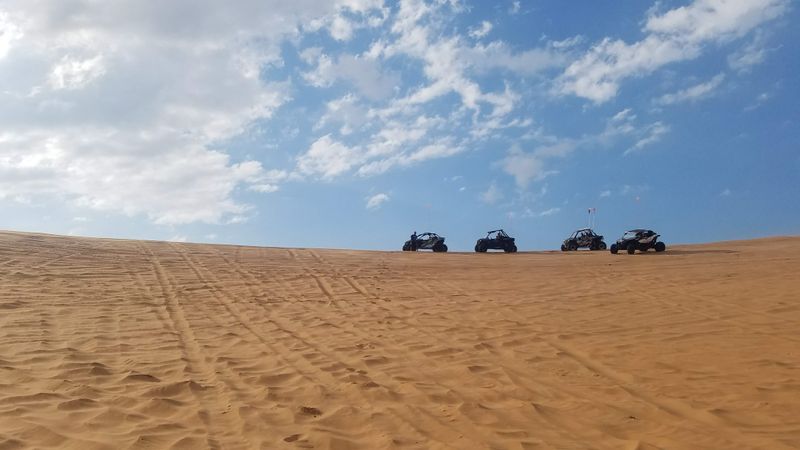
Just a few miles south of Waynoka sits one of Oklahoma’s most surreal natural wonders. Little Sahara State Park sprawls across 1,600 acres of pure sand dunes, some rising over 75 feet high.
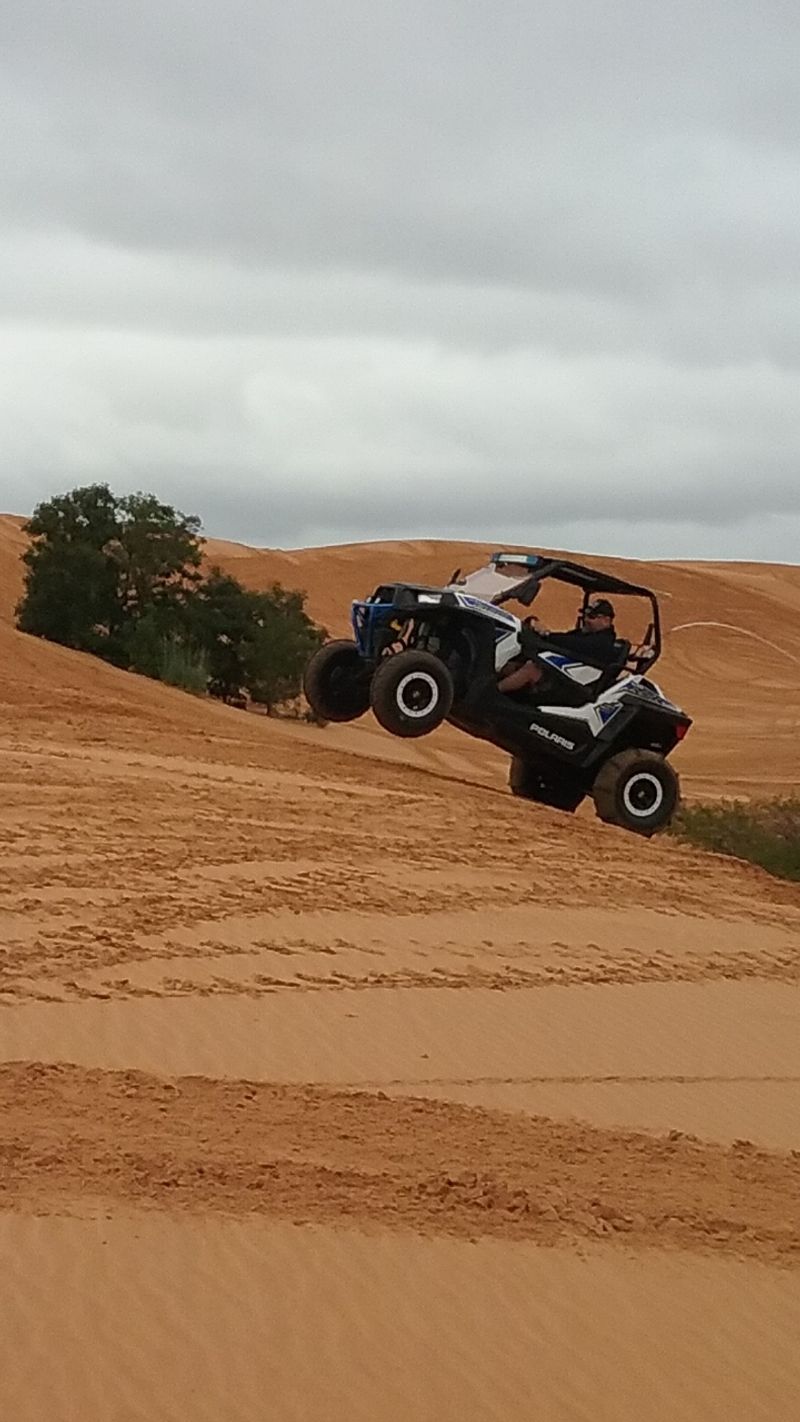
I rented an ATV and spent an entire afternoon carving through the dunes, the sand spraying behind me like ocean waves. The park attracts off-road enthusiasts from across the country who come to tackle the challenging terrain.
Families set up camp in designated areas, and I watched kids build sandcastles that would rival any beach creation. The sand here is incredibly fine, almost silky to the touch, and shifts constantly with the wind.
During sunset, the dunes transform into a photographer’s paradise as shadows stretch long and the sand glows amber. I hiked to the top of the tallest dune and felt like I was standing in the middle of the Mojave Desert rather than Oklahoma.
The park offers both motorized and non-motorized areas, so hikers and sandboarders can enjoy the landscape without engine noise. Rangers told me the dunes formed thousands of years ago from an ancient riverbed, creating this unexpected pocket of desert in the Great Plains.
Main Street Tells Stories of Railroad Glory Days
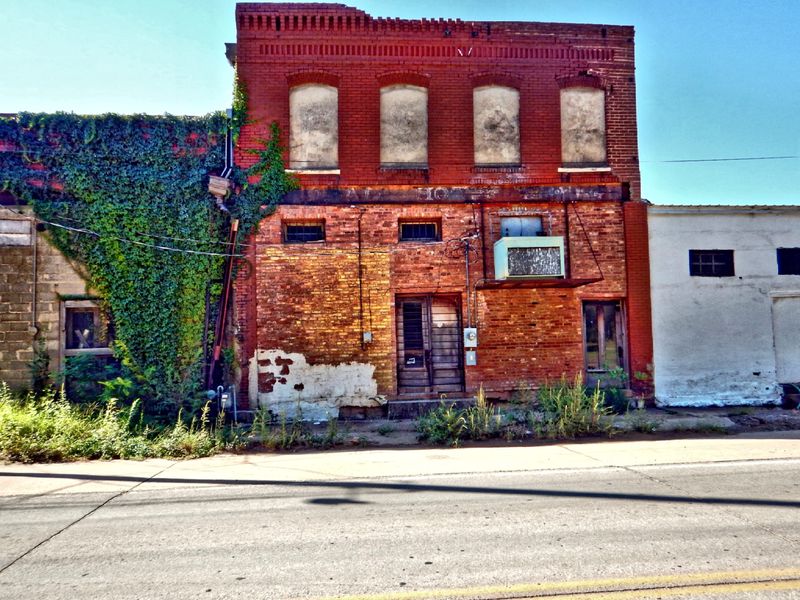
Walking down Waynoka’s Main Street feels like flipping through your grandmother’s photo album. The brick buildings date back to the town’s railroad heyday when it served as a crucial stop on the transcontinental route.
Most of the original structures still stand, though many now house different businesses than their original purposes. I peeked into windows of abandoned storefronts and imagined the bustling activity that once filled these spaces when the population was triple its current size.
The architecture reflects the optimism of the early 1900s, with decorative cornices and large display windows designed to impress. A local historian I met at the coffee shop explained that Waynoka was once a division point for the railroad, meaning trains stopped here for crew changes and maintenance.
That designation brought prosperity and growth that shaped the town’s character. Today, you can still see the railroad influence in the layout of the streets and the positioning of the buildings.
Several murals painted on building sides depict scenes from Waynoka’s past, showing steam locomotives and bustling platforms. The quiet streets now contrast sharply with those vibrant historical images, creating a bittersweet reminder of time’s passage.
The Local Diner Serves Up Community Connection
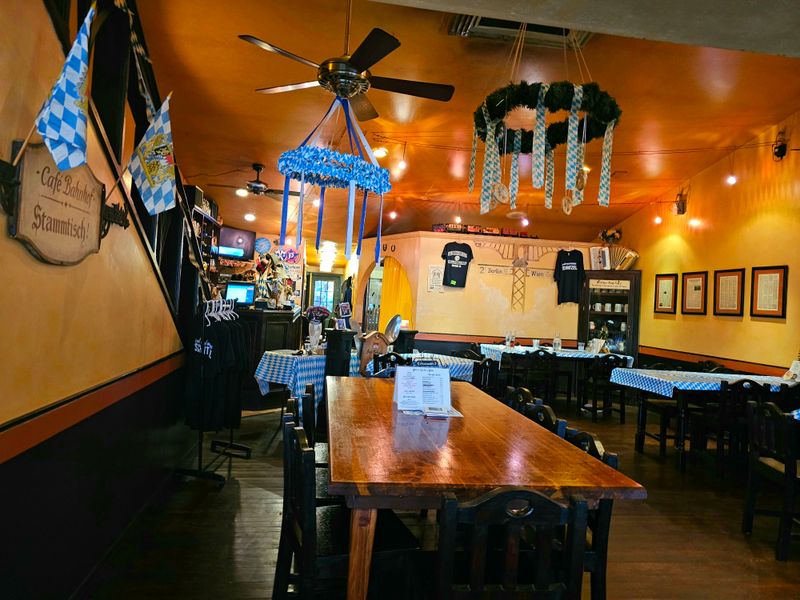
Every small town has a gathering place, and in Waynoka, it’s the local diner on Main Street. I stumbled in for breakfast on my first morning and immediately felt like I’d crashed a family reunion.
The regulars occupy the same stools every day, and the waitress knows everyone’s order before they sit down. I ordered the biscuits and gravy, which arrived in portions that could feed a small army.
What struck me most was how the diner functions as an informal town hall. People discussed everything from weather patterns to local politics while refilling their coffee cups from the pot that never seems to empty.
The owner, a third-generation Waynoka resident, shared stories about her grandparents who opened the place in 1947. Photos covering the walls show decades of community events, high school sports teams, and family celebrations.
I returned for lunch and dinner during my stay, and each time, different locals struck up conversations with me. They wanted to know what brought me to their town and seemed genuinely proud when I mentioned the sand dunes and unique character of Waynoka, Oklahoma.
Railroad Heritage Museum Preserves Transportation History
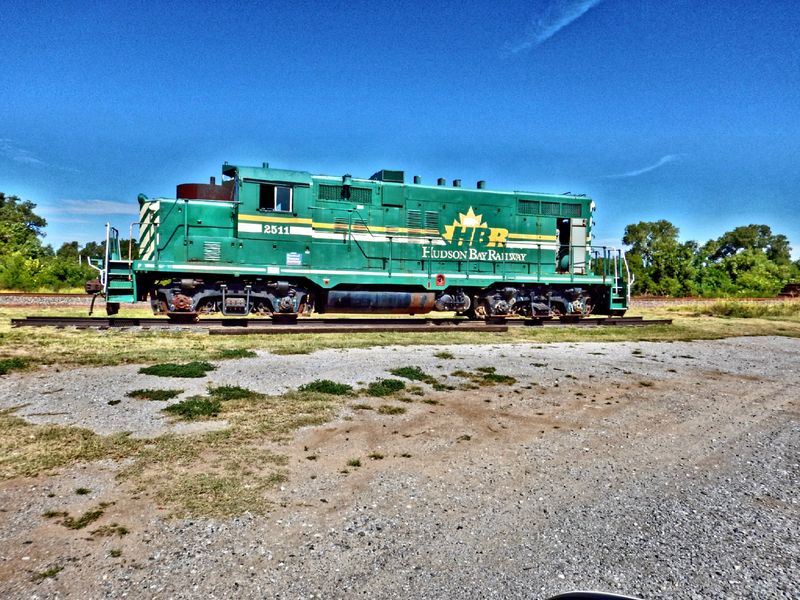
Waynoka’s Railroad Heritage Museum occupies a modest building near the old depot site. I spent two hours exploring the collection of artifacts that chronicle the town’s relationship with the rails.
The museum volunteers, all longtime residents, curate displays featuring vintage conductor uniforms, telegraph equipment, and hundreds of photographs documenting train operations.
One exhibit focuses specifically on the Harvey House, a famous restaurant and hotel chain that operated at major railroad stops.
Waynoka’s Harvey House served travelers from 1910 until the 1940s, employing the legendary Harvey Girls who brought refinement to the frontier. I examined menus from the 1920s advertising five-course meals for remarkably low prices.
The museum also houses a detailed model railroad that recreates Waynoka during its peak years, complete with tiny figures and period-appropriate buildings. A retired railroad worker volunteers there most afternoons, and he walked me through the intricacies of how the division point operated.
He explained how crews would change, locomotives would get serviced, and passengers would stretch their legs during the scheduled stops. The pride in his voice reminded me that this history represents real livelihoods and community identity, not just nostalgic decoration.
Annual Events Bring the Community Together
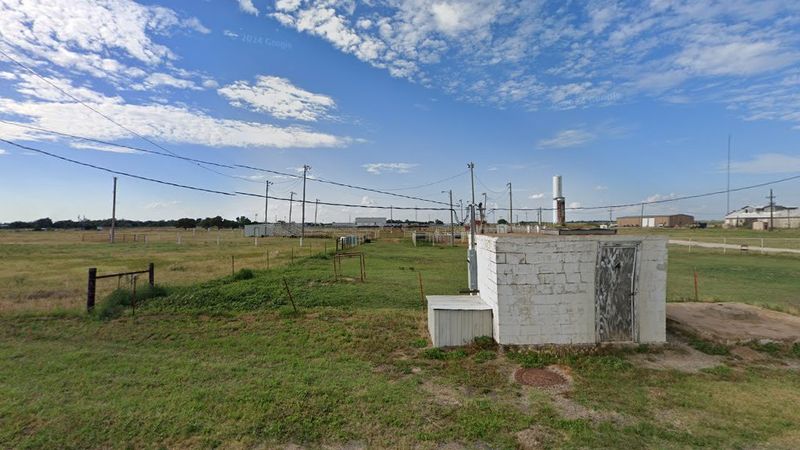
Despite its small size, Waynoka maintains several annual traditions that draw former residents back home. The Rattlesnake Hunt, held each spring, attracts participants and spectators from across Oklahoma and neighboring states.
I arrived just after this event concluded, but locals eagerly shared stories and photos from the most recent gathering. The tradition started decades ago as a practical way to control the rattlesnake population around the sand dunes.
It evolved into a full festival with food vendors, craft booths, and competitions. The Fourth of July celebration represents another major event on Waynoka’s calendar.
Residents told me that the town population temporarily doubles as people return to celebrate with family and friends. Fireworks launch from near the old water tower, visible for miles across the flat prairie landscape.
The Christmas light display transforms Main Street each December, with businesses and residents coordinating decorations to create a unified festive atmosphere.
These events serve a purpose beyond entertainment as they reinforce connections between current residents and those who moved away but still consider Waynoka home.
The community’s determination to maintain these traditions despite declining population numbers demonstrates the sass and spirit that defines this Oklahoma town.
Wide Open Skies Offer Stargazing Paradise
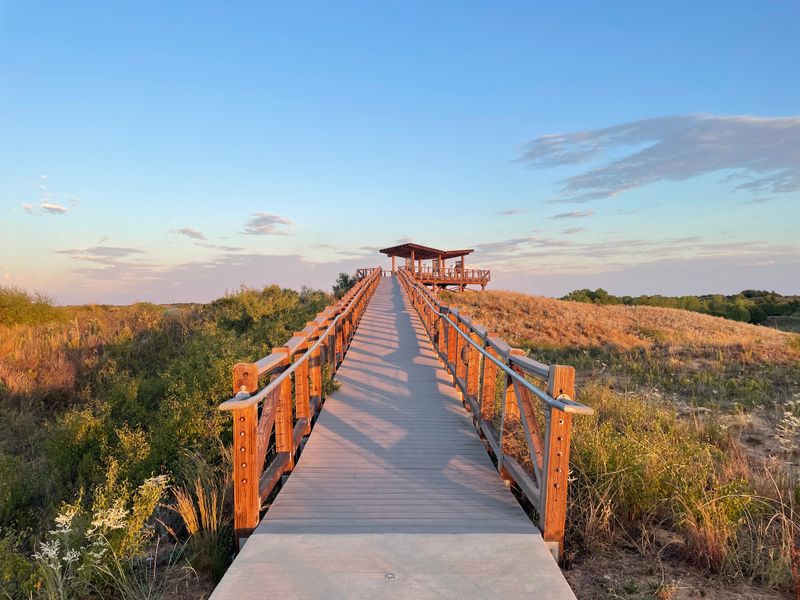
City dwellers forget what a truly dark sky looks like until they experience a place like Waynoka. With minimal light pollution and flat terrain stretching in every direction, the night sky becomes a spectacular show.
I drove out to the edge of the sand dunes after sunset and watched the stars emerge one by one until thousands filled the darkness. The Milky Way stretched overhead like a cloudy river of light, so clear I could make out individual star clusters.
I’m not an astronomer, but even I could identify major constellations without a guide. The silence out there amplifies the experience as you hear nothing but wind across the dunes and the occasional coyote call.
Several photographers I met specifically travel to Waynoka for astrophotography opportunities, setting up elaborate camera equipment to capture long exposures of the celestial display. During meteor showers, locals organize informal viewing parties at the state park.
They spread blankets on the sand and count shooting stars while sharing thermoses of hot chocolate. The vast Oklahoma sky reminds you of your place in the universe, humbling and inspiring in equal measure as you contemplate the cosmic dance happening overhead.
The Spirit of Resilience Defines Waynoka’s Character
What makes Waynoka truly special is not the sand dunes or historic buildings but the people who call it home. Everyone I encountered displayed a warmth and openness that seems increasingly rare in modern America.
Strangers waved from pickup trucks as they passed on the street. Store owners struck up conversations that lasted twenty minutes, genuinely interested in my travel experiences and eager to share recommendations.
An elderly gentleman noticed me photographing the old bank building and spent half an hour telling stories about the town’s past, pointing out architectural details I would have missed. The postmaster invited me to look at historical photographs displayed in the post office lobby.
A rancher I met at the gas station insisted I follow him to see a particularly scenic viewpoint a few miles outside town. This hospitality stems from genuine community pride rather than tourist-industry training.
Waynoka residents know their town is special and want visitors to appreciate it too. They also seemed grateful that someone from outside would take the time to explore their community rather than just passing through on the highway.
That combination of pride and gratitude creates an atmosphere that makes visitors feel welcomed rather than merely tolerated.
Many small towns across America have faded as economic conditions shifted and young people moved to cities. Waynoka faces these same challenges but refuses to surrender its identity.
The population may have declined from its 1950 peak, but the community maintains its infrastructure, preserves its history, and welcomes visitors with authentic enthusiasm. I noticed this resilience in small details throughout my visit.
Flower beds planted along Main Street receive regular care despite limited budgets. The library stays open with volunteer staffing when funding falls short.
Local businesses support each other through cooperative marketing and shared resources. Residents speak candidly about their challenges but always with determination rather than defeat.
They acknowledge that Waynoka will never return to its railroad glory days, but they are creating a different kind of future built on tourism, agriculture, and tight community bonds. This spirit of sass and stubbornness makes Waynoka more than just a stop on the way to somewhere else.
It represents the countless small towns fighting to preserve their character against homogenizing forces. Visiting places like Waynoka reminds us that authentic American communities still exist if we take time to find them off the interstate highways.
Dear Reader: This page may contain affiliate links which may earn a commission if you click through and make a purchase. Our independent journalism is not influenced by any advertiser or commercial initiative unless it is clearly marked as sponsored content. As travel products change, please be sure to reconfirm all details and stay up to date with current events to ensure a safe and successful trip.
