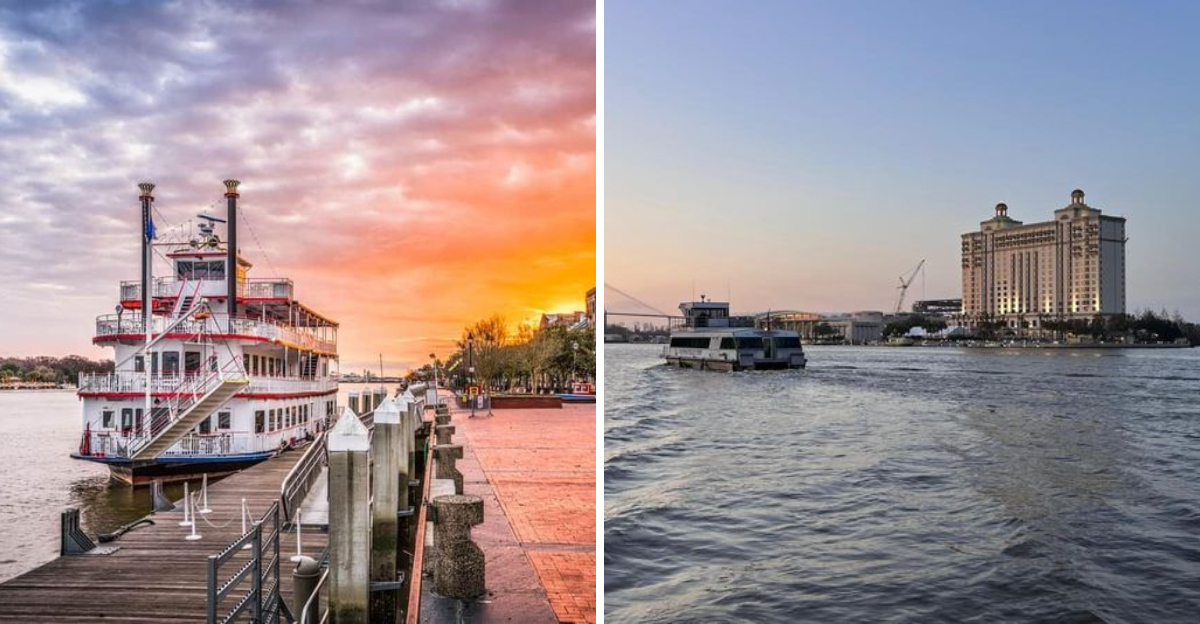
Savannah stands as one of the South’s most enchanting cities, where cobblestone streets wind past Spanish moss-draped oaks and historic squares that whisper stories from centuries past.
Visitors flock here year-round to experience the city’s legendary hospitality, stunning architecture, and rich cultural heritage.
Yet beneath the postcard-perfect facade, residents navigate a reality shaped profoundly by the constant stream of tourists who fill their neighborhoods, restaurants, and streets.
The people who call Savannah home have witnessed their daily routines transform in ways both subtle and dramatic as tourism has grown into the city’s economic powerhouse.
From morning coffee runs interrupted by tour groups to evening commutes delayed by horse-drawn carriages, locals experience their beloved city through a lens that visitors rarely see.
Their perspectives reveal a complex relationship between economic prosperity and quality of life, between preserving history and living within it.
Understanding these seven ways tourism has reshaped daily life in Savannah offers insight into the real cost and benefit of living in a destination city.
Housing Costs Have Skyrocketed Beyond Local Reach
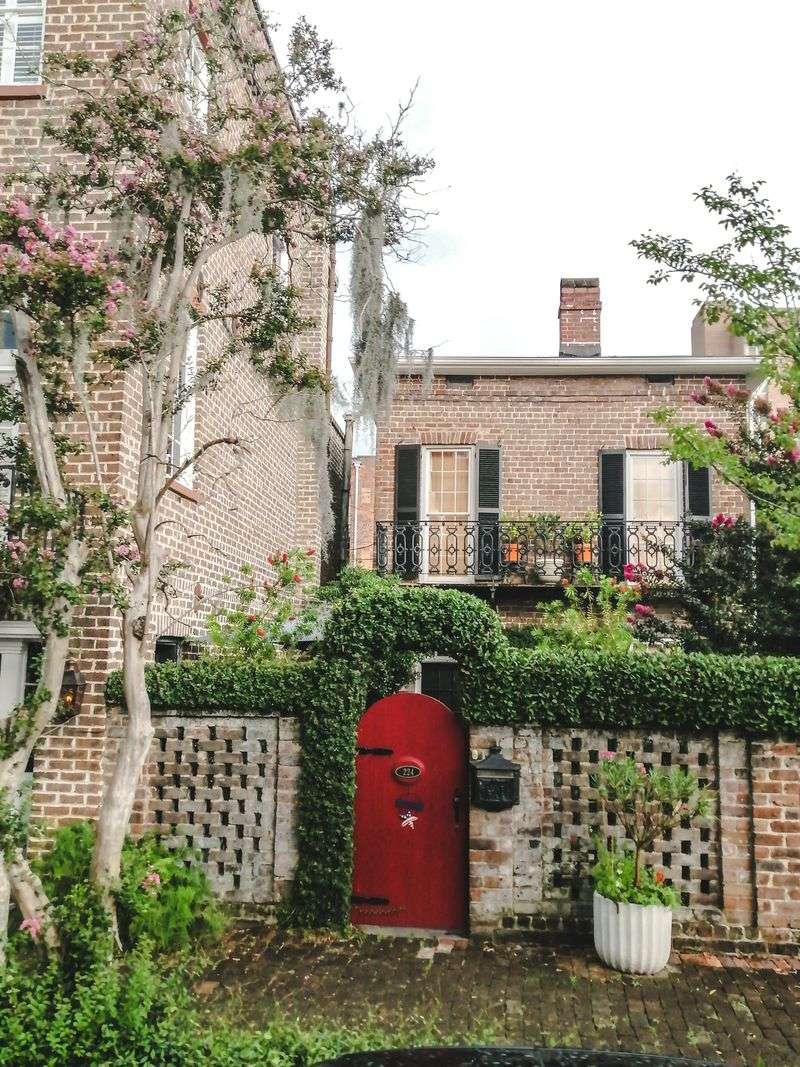
Property values in Savannah’s historic district have climbed to heights that price out many longtime residents who once called these neighborhoods home.
Investors snapping up properties to convert into vacation rentals have fundamentally changed the housing market dynamics.
What used to be affordable family homes now command premium prices as short-term rental properties that generate substantially more income than traditional leases.
Residents who grew up in Victorian townhouses near Forsyth Park find themselves unable to afford rent in their own childhood neighborhoods.
The shift has created a housing crisis for service workers, teachers, and other professionals whose salaries haven’t kept pace with the tourism-driven real estate boom.
Many locals now commute from surrounding counties like Effingham or Bryan, adding hours to their daily routines just to work in the city they can no longer afford to live in.
Entire blocks that once housed multi-generational families now sit mostly empty during off-season months, waiting for weekend guests.
City council meetings regularly feature heated debates about short-term rental regulations, with residents pleading for policies that prioritize housing for actual Savannahians.
The economic reality has forced difficult decisions: stay in a city you love but can’t afford, or relocate to areas where your paycheck stretches further.
Young adults who dreamed of raising families in Savannah like their parents did now face the sobering truth that tourism’s economic benefits haven’t trickled down to housing affordability.
The transformation from residential community to tourist accommodation hub represents perhaps the most significant way tourism has altered daily life for those who call Savannah home.
Traffic Congestion Has Become an Everyday Battle
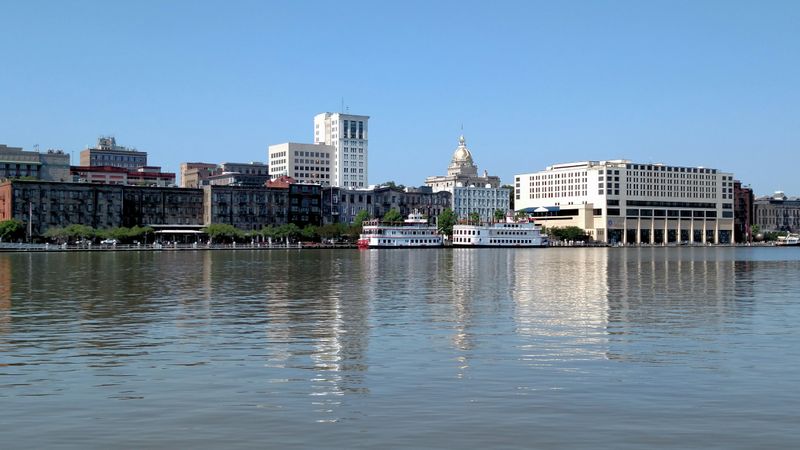
Anyone who remembers Savannah before the tourism explosion recalls when driving downtown took minutes rather than the frustrating crawl it has become.
Tour buses now clog narrow historic streets designed centuries ago for horse-drawn carriages, not modern vehicles.
Locals trying to grab lunch or run errands during their workday find themselves stuck behind slow-moving trolleys filled with sightseers snapping photos.
The charming horse-drawn carriages that tourists adore create bottlenecks on River Street and around the historic squares, turning a five-minute drive into a twenty-minute ordeal.
Residents have learned to avoid certain streets entirely during peak tourist seasons, developing complex mental maps of alternate routes that visitors don’t know exist.
Parking has evolved into a competitive sport, with locals competing against tourists for limited spaces in neighborhoods that never anticipated this volume of vehicles.
What frustrates residents most isn’t just the delay but the unpredictability—a normally quick trip to the grocery store might take triple the time depending on whether a cruise ship has docked that day.
Morning commutes require strategic planning around tour group schedules, and evening drives home mean navigating streets filled with pedestrians who step into traffic while gazing up at architecture.
Some longtime residents have simply adapted by walking or biking more, though even sidewalks can become congested with tour groups stopping suddenly for photo opportunities.
The infrastructure built for a smaller population now strains under the weight of millions of annual visitors, and locals bear the daily burden of that mismatch.
Simple errands that once took fifteen minutes now require careful timing and patience that tests even the most easygoing Savannahian.
Restaurant Reservations Require Military-Level Planning
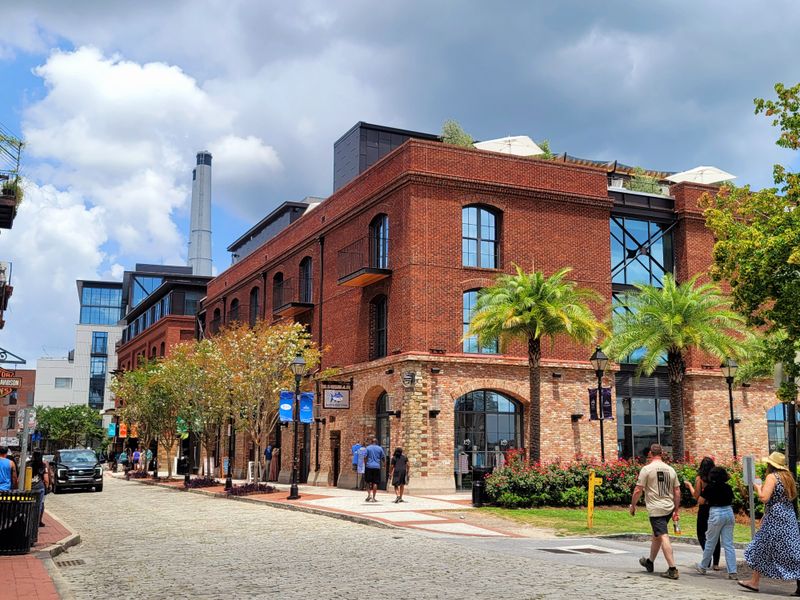
Gone are the days when Savannah residents could spontaneously decide to grab dinner at their favorite local spot without advance planning.
Popular restaurants now require reservations weeks or even months ahead, with prime dining times reserved almost exclusively for tourists staying in the area.
Locals who want to celebrate birthdays or anniversaries at beloved establishments find themselves competing with visitors who’ve planned their trips around dining at Savannah’s acclaimed restaurants.
The Olde Pink House, Mrs. Wilkes Dining Room, and other iconic eateries that once served primarily local clientele now cater predominantly to out-of-town guests willing to wait in lengthy lines.
Even neighborhood cafes and casual lunch spots experience overwhelming crowds during tourist season, transforming quick coffee runs into lengthy waits.
Some restaurants have implemented local-only policies during certain hours, recognizing that their original customer base deserves access to the establishments they’ve supported for years.
The influx has created a two-tiered dining culture where locals either book far in advance, eat at off-peak hours, or discover hidden gems that haven’t yet appeared in travel guides.
Many Savannahians have developed relationships with restaurant staff who might squeeze them in when tourists cancel, turning dining out into a networking exercise.
The frustration extends beyond fine dining to casual breakfast spots where weekend brunch has become nearly impossible without hour-long waits.
Residents sometimes feel like strangers in their own city, unable to enjoy the culinary scene that helped put Savannah on the map.
The economic boost to restaurant owners comes with a social cost that locals experience every time they want to enjoy a meal out in their hometown.
Public Spaces Feel Less Public Every Year
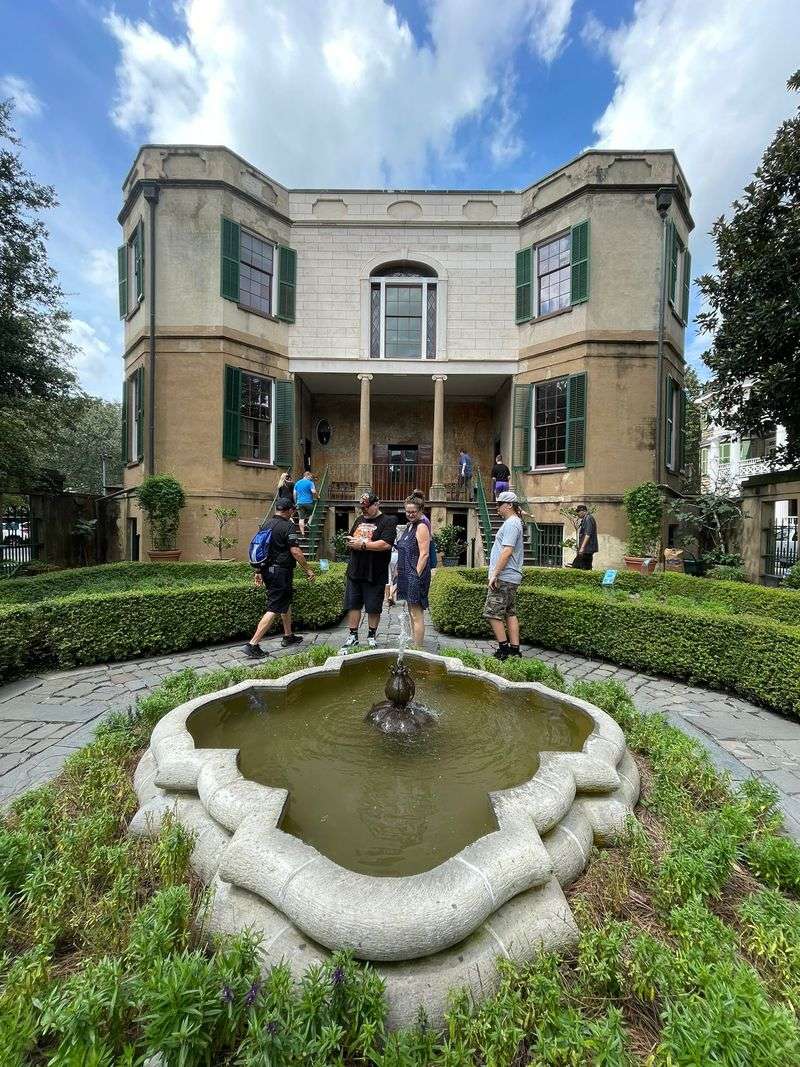
Forsyth Park once served as Savannah’s backyard, where locals jogged, walked dogs, played with children, and gathered for impromptu picnics without competing for space.
Now the 30-acre green space functions more like an outdoor museum, constantly filled with tour groups, professional photo shoots, and visitors posing by the iconic fountain.
Residents who’ve enjoyed morning yoga sessions or afternoon reading under century-old oaks now share these experiences with hundreds of tourists doing the same thing.
The squares that define Savannah’s unique urban layout have similarly transformed from neighborhood gathering spots into tourist destinations complete with guided tours and souvenir vendors.
Locals trying to eat lunch on a bench in Chippewa Square might find themselves surrounded by film buffs recreating scenes from Forrest Gump or tour groups discussing the square’s history.
River Street, once where locals strolled and watched ships pass, now features wall-to-wall tourist shops, bars blasting music, and crowds that make peaceful walks nearly impossible.
Even Colonial Park Cemetery, a place of historical significance and quiet reflection, sees constant foot traffic from ghost tour groups, especially after dark.
Parents report that taking children to play at popular squares means navigating through tour groups and explaining why strangers are constantly taking photos.
The sense of ownership that locals once felt over their public spaces has gradually eroded as these areas have become primarily tourist attractions.
Some residents have discovered lesser-known parks and squares that haven’t yet made it into guidebooks, guarding these secrets carefully to preserve some semblance of local space.
The transformation reflects a broader shift in how Savannah functions, less as a living city for residents and more as a carefully curated experience for visitors.
Service Industry Jobs Dominate the Employment Landscape
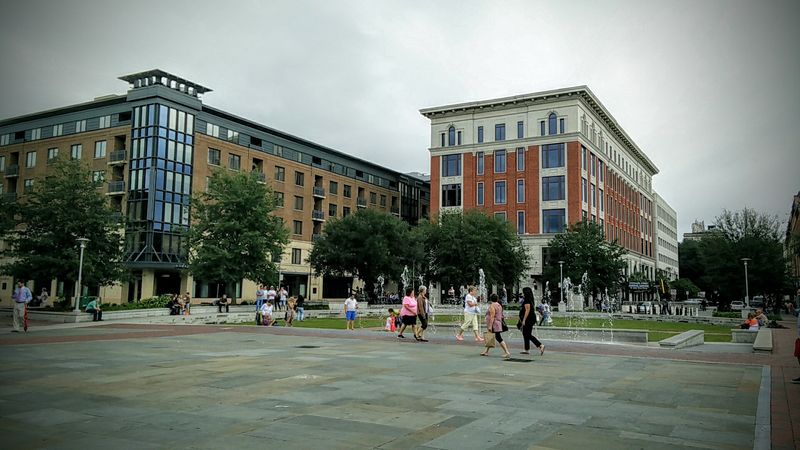
Savannah’s economy has shifted dramatically toward tourism-dependent employment, fundamentally changing career opportunities for residents.
Young people entering the workforce find their options heavily weighted toward restaurants, hotels, tour operations, and retail positions serving visitors.
The professional diversity that once characterized the city has narrowed as tourism has become the dominant economic engine, pushing out other industries.
Manufacturing jobs that once provided stable middle-class incomes have declined as the city has reinvented itself as a destination rather than a production center.
While service industry positions have multiplied, they often come with irregular schedules, seasonal fluctuations, and wages that don’t match the rising cost of living driven by tourism.
Residents working in hospitality find themselves serving visitors who spend more on a weekend vacation than locals earn in a month, creating uncomfortable economic disparities.
The seasonal nature of tourism means many workers face reduced hours during slower months, making financial planning and stability challenging.
Career advancement opportunities often require leaving Savannah for cities with more diverse economies, draining the area of young professionals and talent.
Even skilled workers in fields like healthcare or education find their services stretched as the city prioritizes infrastructure and resources for tourism over resident needs.
The economic reality has created a class divide between those who own tourism-related businesses and profit handsomely versus those who work in them and struggle financially.
Locals who remember when Savannah offered varied career paths now counsel their children to consider opportunities elsewhere if they want professional growth beyond hospitality.
Noise Levels Have Shattered the Southern Tranquility
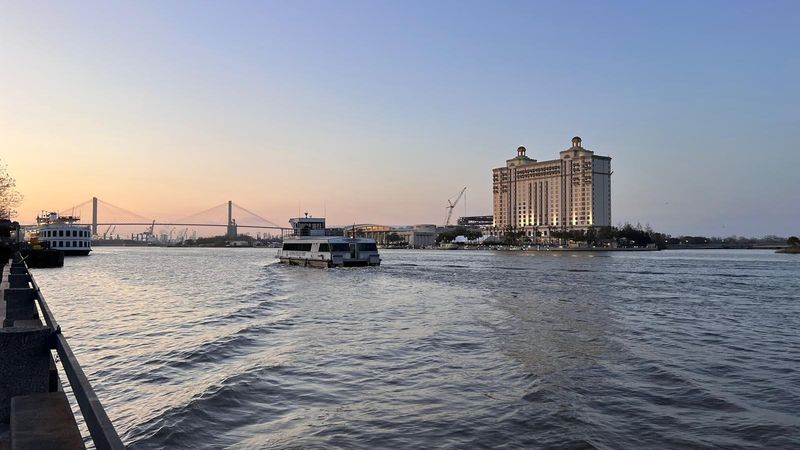
Savannah once embodied the peaceful pace of Southern living, where evenings meant porch sitting and listening to crickets chirp under starlit skies.
That tranquility has been replaced by constant noise from tour groups, party buses, and bars catering to tourists seeking entertainment late into the night.
Residents in the historic district report being awakened at all hours by drunk tourists stumbling through residential streets, treating the entire city like an amusement park.
The open container laws that allow drinking on public streets, while popular with visitors, have created a party atmosphere that locals never asked for in their neighborhoods.
Ghost tours that operate until midnight or later mean groups of people walking past homes while guides tell dramatic stories in theatrical voices.
River Street’s transformation into an entertainment district has brought amplified music that carries across the historic district, disrupting the peace that once defined the area.
Bachelorette parties on pedal pub tours roll through residential streets blasting music, while locals inside try to work from home or put children to bed.
The noise pollution extends beyond nighttime hours, with daytime bringing the constant rumble of tour buses, clip-clop of carriage horses, and amplified tour guide narrations.
Longtime residents describe feeling under siege in their own homes, unable to enjoy their porches or yards without being disturbed by tourism-related noise.
Some have invested in soundproofing or moved to quieter neighborhoods outside the tourist zones, essentially being pushed out by the noise.
The Southern charm that attracted tourists in the first place has been compromised by the very industry built around it, creating an ironic cycle of destruction.
Community Identity Has Faded Into Tourist Branding
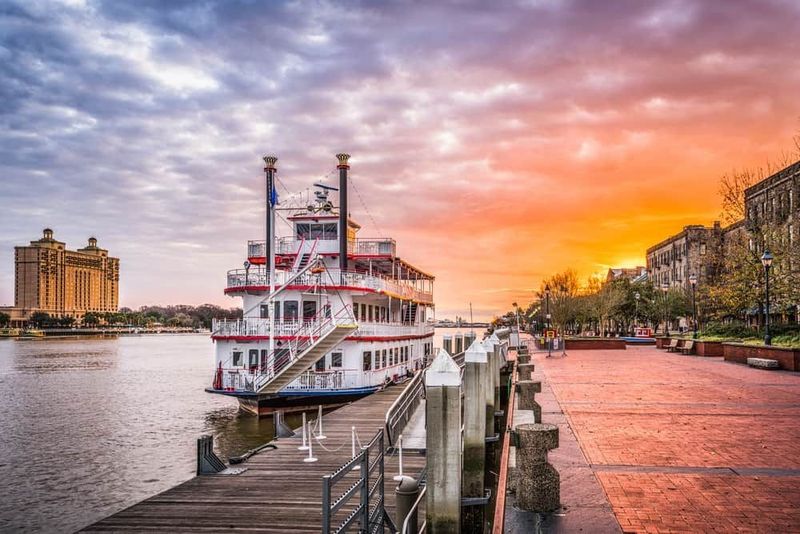
Savannah’s identity has gradually shifted from a living, breathing community with its own culture to a carefully marketed tourist brand that sometimes feels artificial to residents.
Local traditions and festivals that once celebrated Savannah’s heritage have been commercialized and repackaged as tourist attractions, losing their authentic community meaning.
St. Patrick’s Day, once a meaningful cultural celebration for Savannah’s Irish community, has exploded into a massive tourist event that locals now often avoid entirely.
The holiday brings hundreds of thousands of visitors who turn the city into a chaotic party scene that bears little resemblance to its original cultural significance.
Historic preservation efforts sometimes feel more about maintaining a picturesque backdrop for tourist photos than honoring the actual history and stories of people who lived here.
Residents watch as their city’s narrative gets simplified into ghost stories, movie filming locations, and Civil War history, ignoring the complex, ongoing story of real Savannahians.
Local shops that once served community needs have been replaced by souvenir stores selling mass-produced items that claim to represent Savannah but were manufactured elsewhere.
The authentic Gullah Geechee culture that shaped the region’s history often gets overlooked in favor of more marketable historical narratives that appeal to tourists.
Children growing up in modern Savannah sometimes struggle to understand their city’s true identity beneath the layers of tourism marketing and branding.
Community events that once brought neighbors together now attract primarily tourists, changing the dynamic from genuine local gathering to performed Southern hospitality.
Residents feel a growing disconnect between the Savannah they know and love versus the Savannah that’s sold to visitors, creating an identity crisis for the city itself.
Dear Reader: This page may contain affiliate links which may earn a commission if you click through and make a purchase. Our independent journalism is not influenced by any advertiser or commercial initiative unless it is clearly marked as sponsored content. As travel products change, please be sure to reconfirm all details and stay up to date with current events to ensure a safe and successful trip.
