There is something about a river town that rewires your internal clock. The pace drops.
The shoulders relax. And suddenly, you have nowhere more important to be than right here, watching the water move past at its own stubborn speed.
Missouri is blessed with more than its fair share of these slow motion gems, towns tucked along the Missouri and Mississippi Rivers where life has not quite caught up to the frantic modern world. Antique shops fill old brick storefronts.
Diners serve pie that has not changed recipes in fifty years. And the river itself becomes a constant companion, glittering through the trees, reminding you that some things are better when they take their time.
Pack a weekend bag and leave your watch at home. These 12 scenic Missouri river towns will make you want to slow down and stay awhile.
1. Hermann, Missouri
Tucked into a steep river valley in central Missouri, Hermann feels like a postcard that somehow became a real place.
This small town was settled by German immigrants in the 1830s, and they brought their culture, their architecture, and their deep love of community with them.
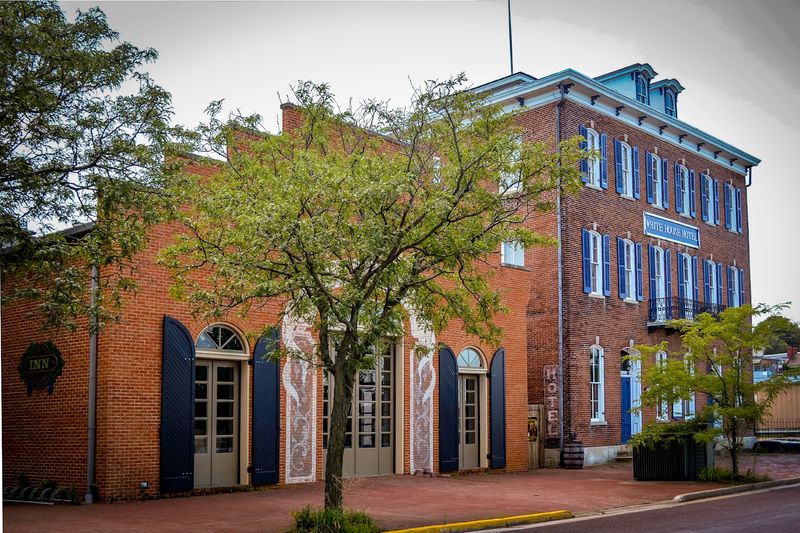
Walking down Market Street, you pass brick buildings with ornate facades that look like they belong in Bavaria.
The hills surrounding Hermann are dramatic and green, rolling right down to the Missouri River below.
Overlooking the town, the historic hills offer sweeping views of the valley and the winding river below that are hard to forget.
The town also runs trolley tours that wind through the neighborhoods, making it easy to see everything without wearing out your shoes.
Hermann hosts several seasonal festivals, including Octoberfest, which draws crowds from across the Midwest every fall.
Even outside of festival season, the town has a lively energy that feels warm and welcoming.
Antique shops, bakeries, and cozy bed-and-breakfasts line the streets, giving you plenty of reasons to linger.
The Katy Trail, a rails-to-trails path that follows the Missouri River, passes right through town.
Cyclists often stop here to rest and refuel, adding to the friendly mix of locals and travelers you will encounter.
Hermann is the kind of place where you plan to spend an afternoon and end up staying for the whole weekend.
2. Rocheport, Missouri
Rocheport is one of those towns that cyclists discover first and then tell everyone they know about.
Sitting along the Katy Trail in Boone County, this tiny community of just a few hundred people packs an enormous amount of charm into its few short blocks.
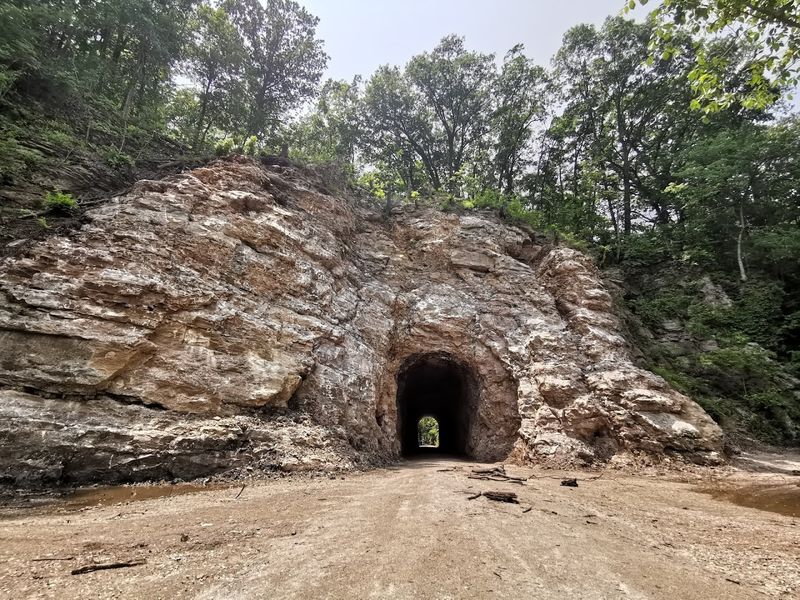
The star attraction for trail riders is a dramatic tunnel carved straight through the limestone bluffs, emerging right at the edge of town.
Even if you never get on a bike, that tunnel is worth the visit on its own.
The towering limestone bluffs perch high above a massive bend in the Missouri River, giving you one of the most dramatic views in the entire state.
The bluffs here are tall and ancient-looking, covered in cedar and oak trees that turn fiery colors in October.
Downtown Rocheport is small but beautifully preserved, with historic buildings that house galleries, a general store, and a handful of cozy lodging options.
The town feels genuinely unhurried, which is rare and refreshing.
Spring is a magical time to visit, when wildflowers bloom along the trail and the river runs full and sparkling.
Summer brings longer days perfect for exploring the bluffs on foot or by kayak on the river below.
There is no rush here, no loud distractions, just the sound of the river and the wind through the trees.
Rocheport quietly earns its place as one of Missouri’s most lovable small towns.
3. St. Charles, Missouri
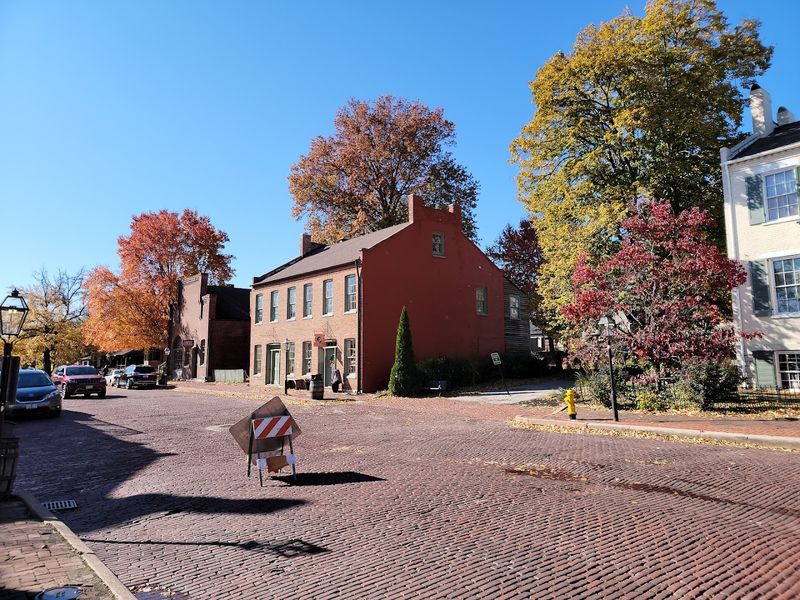
St. Charles carries the weight of history on its cobblestone streets, and it wears that weight with real grace.
Founded in 1769, it was Missouri’s first state capital and the final stop for the Lewis and Clark Expedition before they headed into the unknown American West.
Standing on Main Street, it is easy to imagine the explorers walking the same ground more than two centuries ago.
Gas lanterns still flicker along the sidewalks at night, casting a golden glow over the brick storefronts and giving the whole street a timeless feel.
The historic district stretches for several blocks and is packed with boutiques, restaurants, and specialty shops that keep things lively year-round.
St. Charles sits right where the Missouri River meets the edge of the greater St. Louis metro area, making it an easy day trip that feels like a full escape.
The Lewis and Clark Boathouse and Nature Center sits right on the riverfront and tells the story of that legendary expedition in vivid detail.
Every May, the town hosts a Lewis and Clark Heritage Days festival that brings history to life with reenactors, crafts, and river activities.
The Frontier Park along the riverbank is a beautiful spot to sit and watch the water roll by.
St. Charles is also home to Missouri’s oldest surviving brick building, which is a fun fact to drop on your travel companions.
Few places in Missouri balance history and modern fun quite as well as this one does.
4. Weston, Missouri
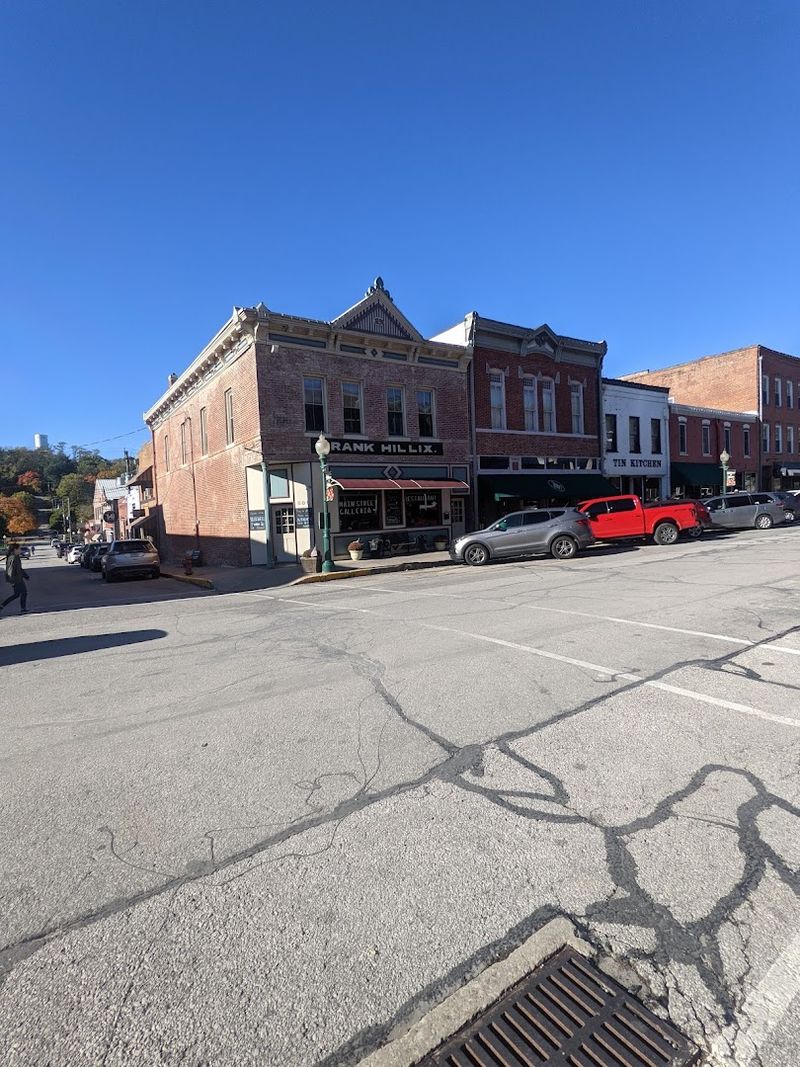
Long before Kansas City existed, Weston was one of the most important river ports in the entire American West.
While the river’s path has shifted over the years, this small Platte County town remains a preserved snapshot of the 1840s, where walking the streets feels like the clock simply forgot to move forward.
Weston has a strong Irish heritage, and that warmth and friendliness shows up in the way locals greet strangers and the way the town feels like a community rather than just a tourist stop.
The historic district is remarkably intact, with more than 100 buildings listed on the National Register of Historic Places.
Tobacco farming shaped Weston’s economy for generations, and the town celebrates that legacy at the Weston Historical Museum.
One of the most surprising spots in town is the series of historic arched cellars carved 55 feet into the hillside, which once served as essential cool storage for the town’s early merchants.
The rolling hills around Weston are stunning in every season, from the blooms of spring to the frost-dusted fields of winter.
Antique hunters will find no shortage of shops to browse, each one filled with genuinely interesting pieces rather than generic trinkets.
Weston is also close to Weston Bend State Park, where hiking trails offer wide views of the Missouri River floodplain below.
The drive into town alone is worth it, winding through farmland and forested hills that feel far removed from any city.
Weston rewards the curious traveler who takes the time to look past the surface.
5. Arrow Rock, Missouri
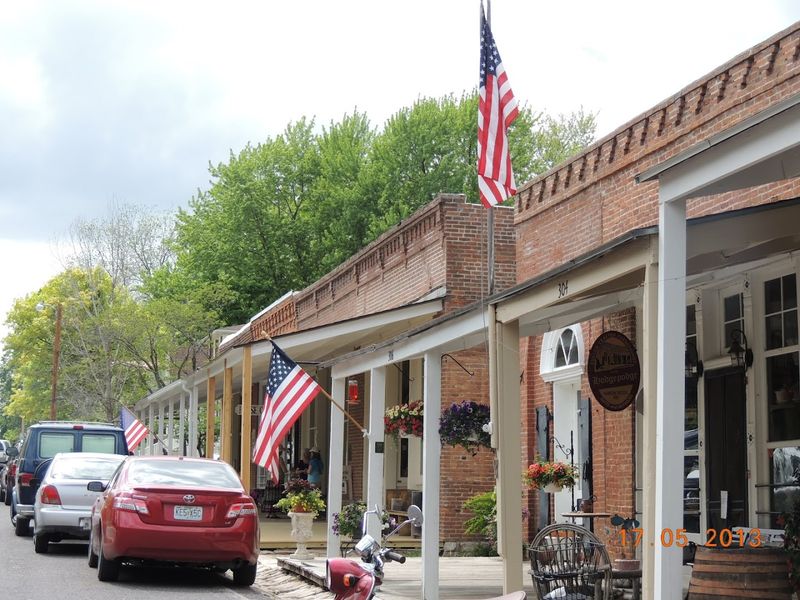
Arrow Rock is one of those places that makes you stop and ask yourself how it has been so perfectly preserved for so long.
This tiny Saline County village is a designated National Historic Landmark, and it looks almost exactly as it did in the early 1800s.
The population hovers around just 50 people, which means the streets are quiet and the sense of history feels completely undisturbed.
Arrow Rock was a major departure point on the Santa Fe Trail, and the town’s location above the Missouri River made it a strategic and busy crossing for traders and settlers heading west.
The old tavern, courthouse, and gunsmith shop still stand and are open to visitors, giving you a hands-on sense of frontier life.
The Lyceum Theatre is perhaps the biggest surprise Arrow Rock holds, a professional regional theater that has been staging high-quality productions here since 1961.
Seeing a play in this tiny historic village is one of the most unexpectedly delightful experiences Missouri has to offer.
Arrow Rock State Historic Site manages much of the town and offers guided tours that are both informative and genuinely engaging.
The surrounding landscape is open and pastoral, with views of the river valley that stretch wide and peaceful in every direction.
Fall is a particularly beautiful time to visit, when the trees along the bluffs turn gold and amber.
Arrow Rock proves that the smallest places often carry the biggest stories.
6. Ste. Genevieve, Missouri
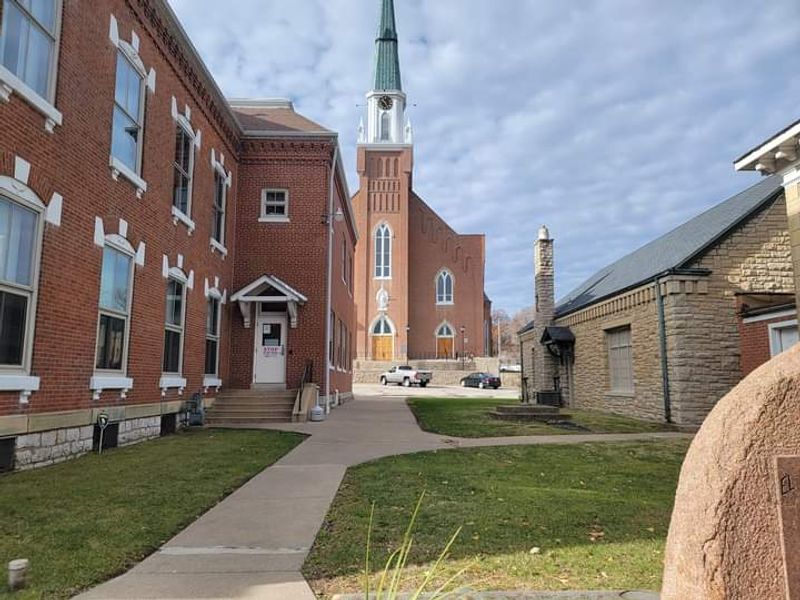
Ste. Genevieve holds a distinction that no other Missouri town can claim: it is the oldest permanent European settlement in the entire state.
Founded around 1735 by French Canadian settlers, this Ste. Genevieve County town feels like it exists in its own quiet dimension, separate from the noise of modern life.
The architecture here is unlike anything else in the Midwest.
French Colonial vertical-log construction, known as poteaux-sur-sol, gives the historic buildings a distinctly European character that stops you in your tracks.
Several of these structures are among the oldest surviving examples of French Colonial architecture in the entire country.
The town sits close to the Mississippi River, which technically makes it a border town between Missouri’s river culture and the broader Mississippi Valley tradition.
Walking through downtown feels peaceful and slightly dreamlike, as if the town has decided that slow is the only acceptable speed.
The Ste. Genevieve Museum Learning Center does an outstanding job of telling the town’s layered French, Spanish, and American story.
Local shops sell handmade goods, French-style pastries, and antiques that feel genuinely curated rather than mass-produced.
Spring and fall are ideal times to visit, when the weather is mild and the historic district is at its most photogenic.
The town also hosts an annual heritage festival that celebrates its French roots with music, food, and traditional crafts.
Ste. Genevieve is quietly extraordinary, and that quiet is a big part of its appeal.
7. Parkville, Missouri
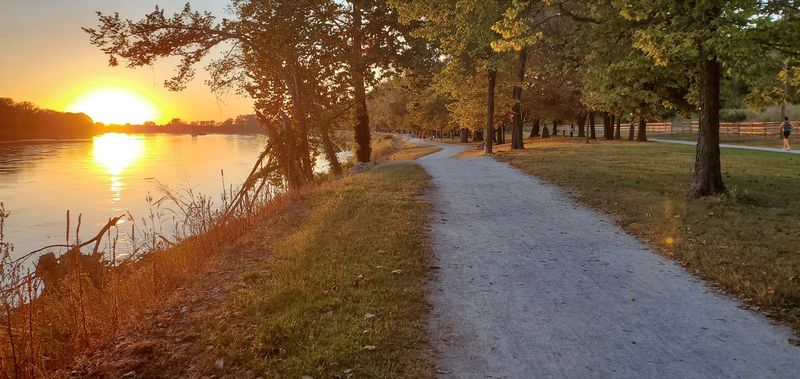
Parkville has a personality that is hard to pin down, and that is exactly what makes it so interesting.
Nestled between dramatic bluffs and the Missouri River in Platte County, this small city just north of Kansas City manages to feel both sophisticated and deeply relaxed at the same time.
Park University sits at the heart of the community, its English Gothic architecture giving the town a distinctly collegiate and refined look.
The campus grounds are open to visitors and are genuinely beautiful, with stone buildings and manicured lawns that invite a long, slow walk.
English Landing Park stretches along the riverbank and is one of the best spots in the Kansas City area to simply sit and watch the Missouri River move.
The park has trails, open fields, and river access that make it popular with locals on weekends.
Downtown Parkville is compact and walkable, lined with antique shops, art galleries, and independent restaurants that reflect the town’s creative character.
First Friday events bring out local artists and musicians, giving the streets a lively, community-driven energy.
The bluffs above town offer hiking trails with views that stretch across the river valley in a way that feels genuinely cinematic.
Parkville also has a strong farmers market tradition, with seasonal markets that draw producers from across the region.
It is the kind of town where a quick lunch stop turns into a full afternoon of happy wandering.
8. Lexington, Missouri
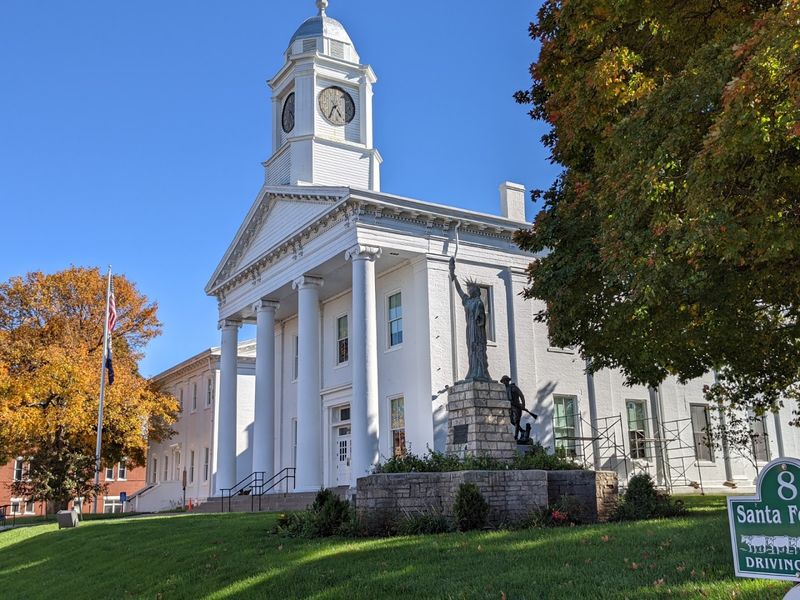
Lexington earned its nickname the Town of Many Columns honestly, and those columns tell a story that goes far deeper than architecture.
Located in Lafayette County along the Missouri River, this town is home to a remarkable collection of antebellum homes that survived the Civil War largely intact.
The Battle of Lexington took place here in September 1861, and the courthouse at the center of town carries a permanent reminder of that conflict: a cannonball still embedded in one of its columns.
That single detail draws history enthusiasts from across the country, and it never gets old no matter how many times you hear about it.
The Battle of Lexington State Historic Site offers a well-designed museum and a preserved battlefield that brings the events of that September weekend into sharp focus.
Beyond the Civil War history, Lexington has a charming and walkable downtown with local shops and historic storefronts that feel genuinely lived-in.
The Anderson House, which served as a field hospital during the battle, is open for tours and is one of the most moving historic sites in Missouri.
The Missouri River views from the bluffs near town are wide and dramatic, especially in the golden light of late afternoon.
Lexington is also a gateway to the Katy Trail, making it a natural stop for cyclists exploring the river corridor.
History here is not just preserved behind glass; it is woven into the fabric of everyday life in Lexington.
9. Washington, Missouri
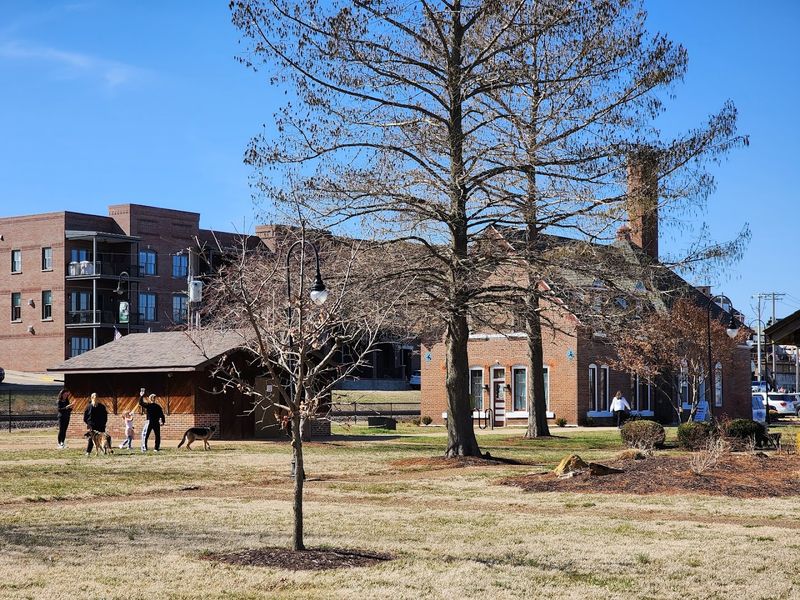
Washington, Missouri has a claim to fame that is both specific and wonderfully quirky: it is the corn cob pipe capital of the world.
This Franklin County river town was one of the first German settlements in Missouri, and the immigrants who arrived here in the mid-1800s built a community that has maintained its character and pride for generations.
The Missouri River runs right along the edge of downtown, and the riverfront park is one of the most pleasant places in the region to spend a quiet morning.
Benches line the water’s edge, and the view across the river to the wooded opposite bank is simple and genuinely beautiful.
Washington’s downtown is packed with independent shops, local bakeries, and boutiques that give the main street a vibrant and personal feel.
The town is also home to several glassblowing studios, a craft tradition that dates back to the German settlers who brought their skills from Europe.
Watching a glassblower work is a mesmerizing experience, and Washington makes it easy to see this art form up close.
The historic Elks Theater hosts live performances throughout the year, adding a cultural dimension to a town that already has plenty going on.
Washington sits about an hour west of St. Louis, making it an ideal weekend escape from the city without requiring a long drive.
The combination of river views, handmade crafts, and small-town warmth makes Washington one of the most complete river towns on this list.
10. Boonville, Missouri
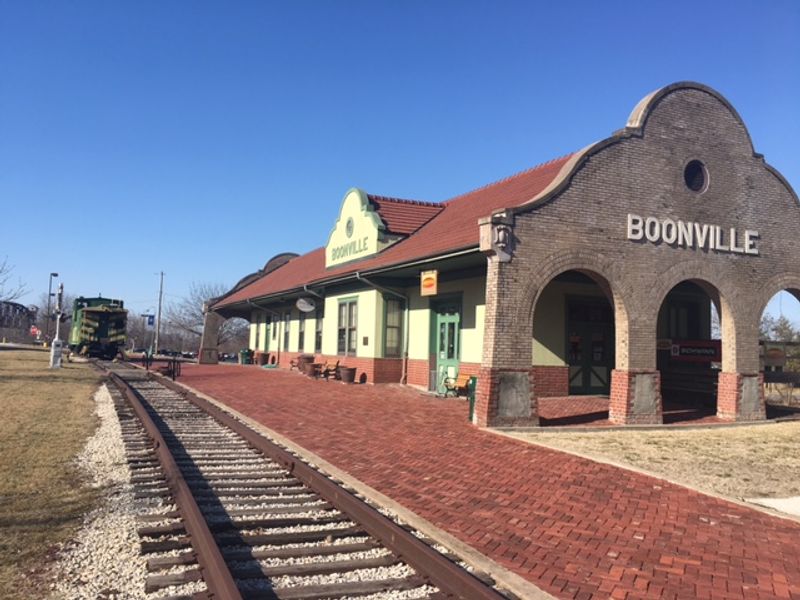
Boonville sits at a bend in the Missouri River in Cooper County, and its location alone has shaped its entire history.
This river crossing was strategically vital for centuries, and the town that grew up around it became one of the most historically significant communities in the state.
With more than 400 properties on the National Register of Historic Places, Boonville has one of the highest concentrations of historic sites of any Missouri city its size.
The Thespian Hall, built in 1857, is one of the oldest surviving theaters west of the Allegheny Mountains and still hosts performances today.
Boonville is also a major hub on the Katy Trail, which follows the Missouri River corridor across the state, and cyclists often use the town as a base for multi-day rides.
The riverfront here is open and accessible, with parks and overlooks that give you a clear sense of just how powerful and wide the Missouri River really is.
Nearby Warm Springs Ranch is the breeding facility for the famous Budweiser Clydesdales, and tours of the farm are a genuinely memorable experience.
The surrounding Boonslick region is rich with prairie history, Native American heritage, and early American settler stories.
Downtown Boonville has been thoughtfully restored, with local businesses filling historic storefronts that give the main street real energy.
Boonville rewards slow exploration, and the more time you give it, the more it gives back.
11. New Haven, Missouri
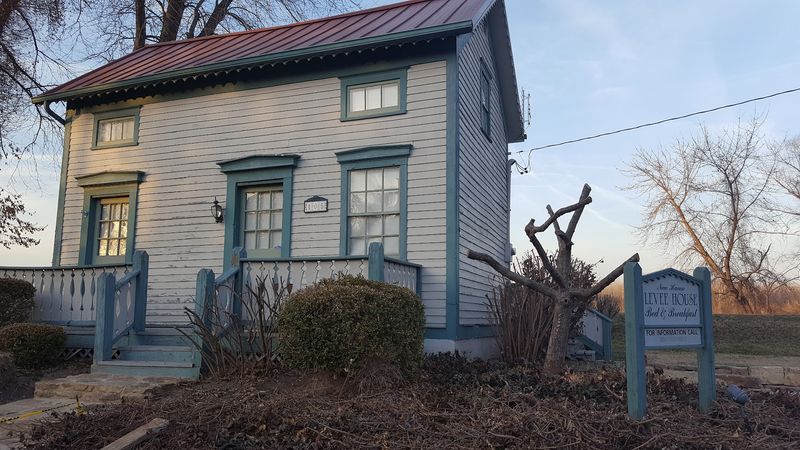
New Haven is the kind of Missouri River town that surprises you, and that surprise is the whole point.
Sitting in Franklin County between Washington and Hermann, this small community does not try to compete with its flashier neighbors.
Instead, it leans into its own gritty, creative identity with a confidence that is genuinely refreshing.
The town has a strong industrial river heritage, and you can feel that history in the old buildings and working-class character of the streets.
But layered on top of that heritage is a growing arts scene, with murals, galleries, and studios that signal a town in the middle of its own quiet renaissance.
New Haven is less touristy than Hermann, which means you get a more authentic slice of Missouri river life without fighting for parking or waiting in line anywhere.
The riverfront here is raw and real, with views of the Missouri that feel unfiltered and genuinely dramatic.
Hiking and biking opportunities are close at hand, with the Katy Trail passing through and connecting New Haven to the broader river corridor.
The town also sits along the Missouri River Wine Country trail, making it a natural stop for those exploring the region’s growing food and craft scene.
New Haven has the bones of something special, and the community clearly knows it.
If you want to find a Missouri river town before the rest of the world catches on, this is the one to visit right now.
12. Jefferson City, Missouri
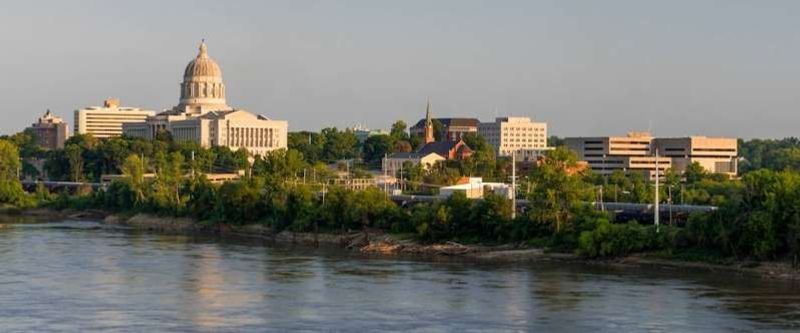
Jefferson City pulls off something that most state capitals cannot manage: it is both officially important and genuinely beautiful.
The Missouri State Capitol sits on a bluff directly above the Missouri River in Cole County, and the view from the riverbank looking up at that building is one of the most striking images in the entire state.
The Capitol’s dome is visible from miles away, and up close, the building is filled with murals, mosaics, and sculptures that tell Missouri’s story in vivid detail.
Free tours of the Capitol run throughout the week, and they are surprisingly fascinating even if you have no particular interest in government.
Jefferson City’s history extends well beyond politics, though.
The Missouri State Penitentiary, which operated from 1836 to 2004, is now a major historic attraction offering tours that range from daytime history walks to nighttime ghost tours.
The penitentiary’s massive stone walls and storied past make it one of the most compelling historic sites in the Midwest.
The Jefferson Landing State Historic Site along the riverfront tells the story of the city’s role as a river port and state capital through exhibits and a beautifully restored historic building.
The Greenway Trail system connects the riverfront to parks and neighborhoods, making it easy to explore on foot or by bike.
Jefferson City is a working city with deep roots, and spending time here feels both grounding and genuinely inspiring.
The river views alone are worth the drive.
