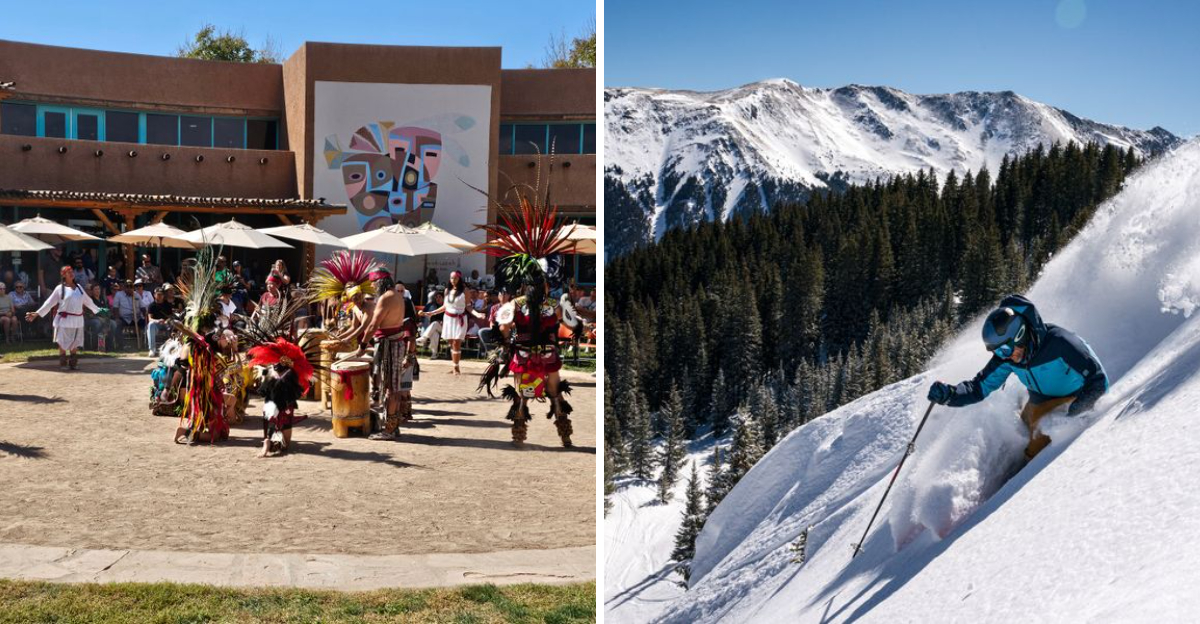
New Mexico offers a unique blend of rich cultural traditions and breathtaking natural landscapes that make it an unforgettable destination year-round.
From vibrant festivals celebrating ancient heritage to outdoor adventures that showcase the state’s diverse terrain, there’s something magical waiting around every corner.
Whether you’re drawn to colorful hot air balloons floating across the sky or hiking trails that wind through red rock canyons, New Mexico delivers experiences you won’t find anywhere else.
This enchanting state invites visitors and residents alike to embrace its spirit through seasonal celebrations and outdoor exploration that connect people to the land and its fascinating history.
The festivals here aren’t just events but living traditions passed down through generations, while the outdoor activities let you experience nature in ways that refresh your soul.
Planning your visit around these seasonal highlights ensures you’ll catch New Mexico at its absolute best, when the weather cooperates perfectly with the activities.
Get ready to discover seven incredible experiences that showcase why New Mexico truly is the Land of Enchantment.
Albuquerque International Balloon Fiesta
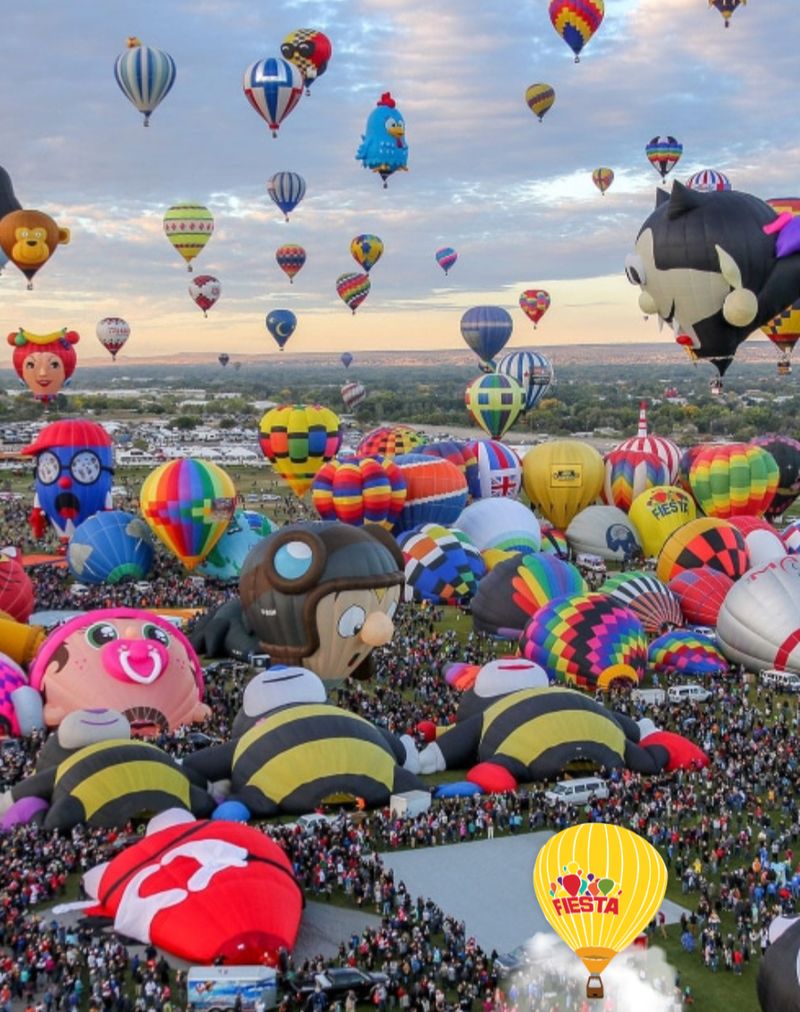
Every October, the skies above Albuquerque transform into a kaleidoscope of colors as hundreds of hot air balloons take flight during the world’s largest ballooning event.
The Albuquerque International Balloon Fiesta draws visitors from across the globe who gather before dawn to witness the spectacular Mass Ascension, when wave after wave of balloons lift off in choreographed beauty.
Held at Balloon Fiesta Park located at 5000 Balloon Fiesta Parkway NE, Albuquerque, NM 87113, this nine-day celebration has been enchanting audiences since 1972 and continues to grow in popularity each year.
Watching the balloons glow against the dark morning sky during the Dawn Patrol shows creates memories that last a lifetime.
Photographers and families alike position themselves for the perfect shot as pilots ignite their burners, illuminating the massive envelopes with warm light.
The event also features evening Balloon Glows, when tethered balloons light up like giant lanterns against the night sky, creating a mesmerizing display synchronized to music.
Beyond the balloon launches, the festival grounds buzz with food vendors serving New Mexico favorites like green chile cheeseburgers and breakfast burritos that warm you up on cool autumn mornings.
Kids can explore the Chainsaw Carving Exhibition or watch as artists transform logs into sculptures right before their eyes.
The Special Shape Rodeo showcases balloons designed as everything from cartoon characters to animals, bringing smiles to faces young and old.
Arriving early is essential since parking fills quickly, and the best viewing spots get claimed before sunrise.
Dress in layers because desert mornings start cold but warm up considerably as the sun climbs higher.
This festival represents New Mexico’s adventurous spirit and offers an experience that combines natural beauty, human innovation, and community celebration in ways that feel truly magical.
Santa Fe Indian Market
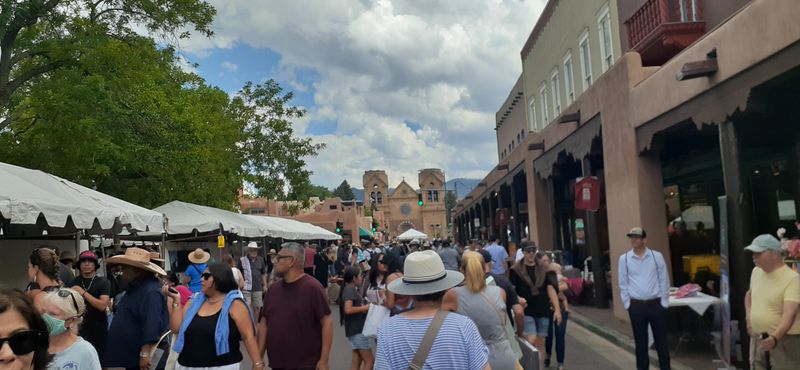
Held annually on the third weekend of August, the Santa Fe Indian Market stands as the oldest and most prestigious Native American art show in the world.
Artists from over 200 tribes across North America converge on the historic Santa Fe Plaza to showcase their incredible creations, from intricate silver jewelry to stunning pottery and woven textiles.
This isn’t just a market but a living celebration of Indigenous cultures that have thrived in the Southwest for thousands of years.
Walking through the booths feels like stepping into a gallery where every piece tells a story rooted in tradition yet expressing contemporary vision.
You’ll find Navajo weavers demonstrating their craft on traditional looms, Pueblo potters explaining ancient techniques passed down through generations, and jewelers setting turquoise stones into designs that honor their ancestors.
The market operates under strict authenticity standards, ensuring every item is handmade by enrolled tribal members who carry forward their cultural heritage through their art.
Beyond shopping for one-of-a-kind treasures, visitors can attend artist demonstrations, watch traditional dance performances, and taste Indigenous foods that connect people to the land.
The market transforms downtown Santa Fe into a vibrant cultural hub where conversations between artists and collectors create meaningful connections.
Many attendees return year after year, building relationships with specific artists whose work they collect and whose stories they come to know personally.
Arriving when the market opens at 8 a.m. gives you first access to the most sought-after pieces before crowds swell.
Bring comfortable walking shoes since you’ll cover miles exploring the hundreds of booths spread across multiple blocks.
This market offers more than shopping; it provides education about living cultures and supports Native artists who keep their traditions alive through their exceptional craftsmanship and creativity.
Hiking the Bandelier National Monument Trails
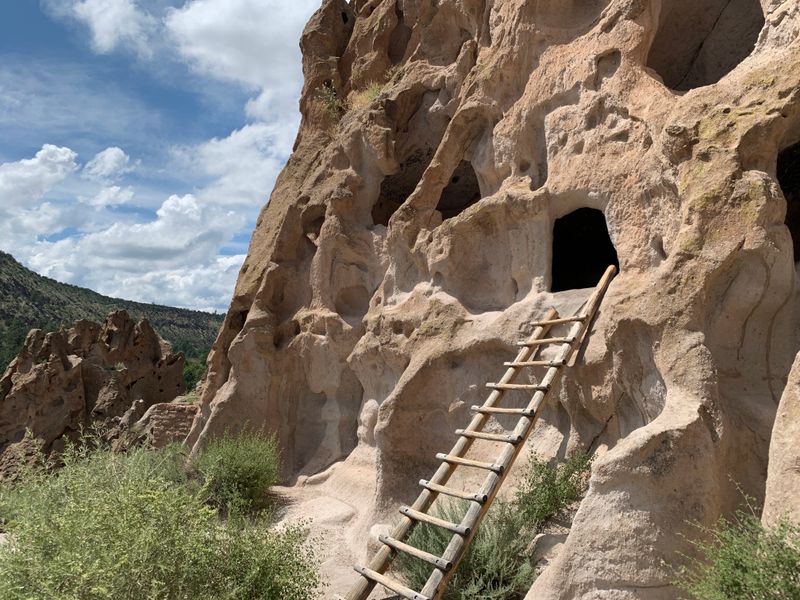
Exploring Bandelier National Monument feels like walking through a history book where ancient Ancestral Pueblo people carved their homes directly into volcanic rock cliffs over 800 years ago.
Located about 40 miles northwest of Santa Fe at 15 Entrance Road, Los Alamos, NM 87544, this 33,000-acre preserve protects both archaeological treasures and stunning natural landscapes.
Spring and fall offer ideal hiking conditions when temperatures stay comfortable and wildflowers or autumn colors add extra beauty to the already dramatic scenery.
The Main Loop Trail takes you past the most accessible cliff dwellings, where you can climb wooden ladders into rooms carved into the soft tuff stone.
Standing inside these ancient spaces with smoke-blackened ceilings, you can almost imagine families gathering here centuries ago, cooking meals and telling stories as the sun set over the canyon.
Petroglyphs etched into rock faces along the trail provide glimpses into the spiritual and daily lives of the people who called this place home.
For more adventurous hikers, the Alcove House trail climbs 140 feet up four wooden ladders to a large cave that once served as a ceremonial space.
The views from this elevated perch stretch across Frijoles Canyon, revealing layers of geological history in the colorful rock formations.
Falls Canyon Trail offers a longer option that leads to a seasonal waterfall, though it requires more stamina and time to complete.
Bring plenty of water since the high desert environment can dehydrate you quickly, even on cooler days.
The visitor center provides excellent context about the Ancestral Pueblo culture before you hit the trails, making your hike more meaningful.
Bandelier combines physical activity with cultural education in a setting that showcases New Mexico’s ancient human history alongside its natural wonders.
Skiing and Snowboarding at Taos Ski Valley
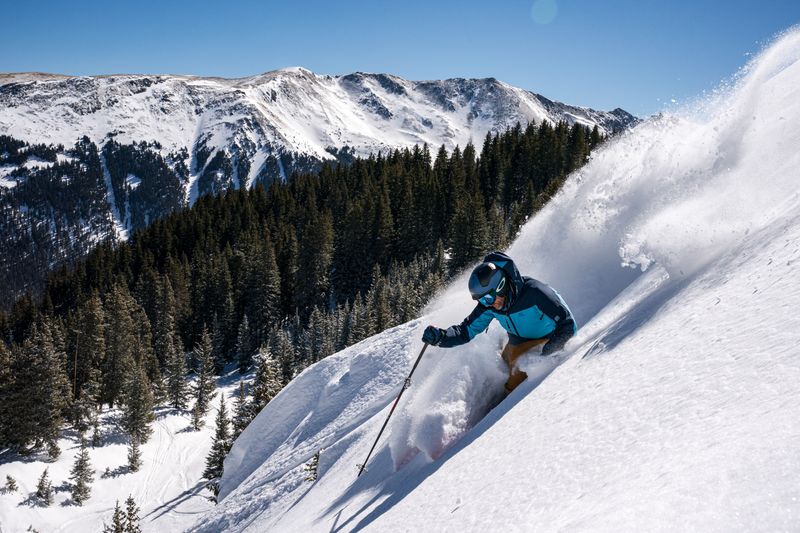
Nestled in the Sangre de Cristo Mountains, Taos Ski Valley has earned legendary status among serious skiers for its challenging terrain and abundant powder snow.
With a base elevation starting at 9,207 feet and a summit reaching 12,481 feet, this resort offers over 1,200 skiable acres that cater primarily to intermediate and expert riders.
Winter transforms these peaks into a playground where New Mexico’s high-altitude climate delivers light, dry snow that locals affectionately call “champagne powder.”
Half of Taos Ski Valley’s terrain is rated expert, making it a destination that attracts skiers seeking steep chutes, mogul runs, and tree skiing adventures.
The resort’s famous runs like Al’s Run and Stauffenberg challenge even seasoned athletes, while areas like Honeysuckle Canyon provide gentler options for those still building confidence.
Snowboarders, once banned from the mountain, now enjoy full access to the entire resort following a policy change that modernized the experience.
Beyond the slopes, the base village at 116 Sutton Place, Taos Ski Valley, NM 87525, offers dining options ranging from quick cafeteria bites to upscale restaurants serving regional cuisine.
The Bavarian Restaurant provides hearty German-inspired meals perfect for refueling after hours on the mountain.
Many visitors combine their ski trip with exploring the town of Taos, just 18 miles away, where art galleries, historic adobe architecture, and cultural sites add dimension to a winter getaway.
The ski season typically runs from late November through early April, with February and March often delivering the best snow conditions.
Renting equipment at the resort ensures properly fitted gear suited to the mountain’s demanding terrain.
Taos Ski Valley represents New Mexico’s winter sports heritage and provides an authentic mountain experience without the crowds found at more commercial resorts.
Exploring White Sands National Park
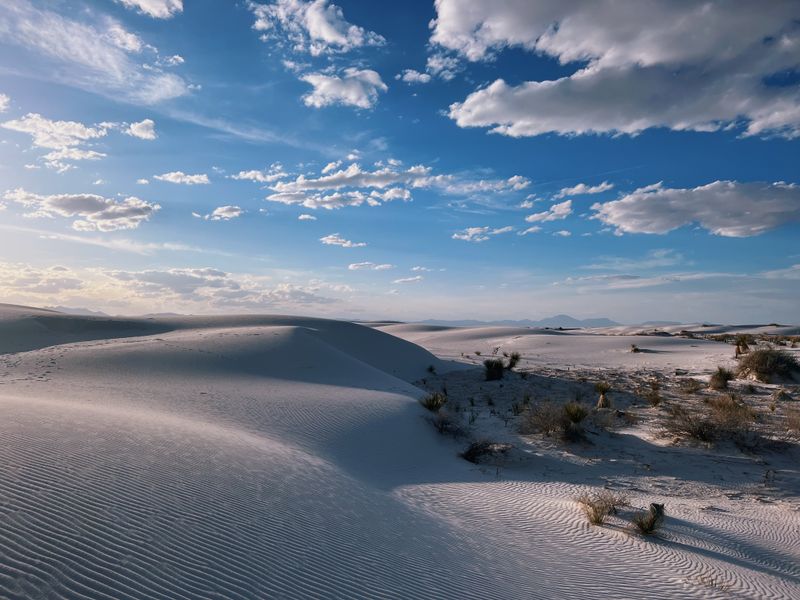
Few places on Earth match the surreal beauty of White Sands National Park, where 275 square miles of pure white gypsum sand create an otherworldly landscape that looks like a desert snowfield.
Located in southern New Mexico at 19955 Highway 70 West, Alamogordo, NM 88310, this unique environment formed when an ancient sea evaporated, leaving behind gypsum deposits that wind and weather have ground into fine sand.
Visiting during spring or fall provides the most comfortable temperatures for exploring, though sunset visits during any season create photography opportunities that look almost too beautiful to be real.
Walking barefoot across the cool white sand feels refreshing, and the dunes invite visitors to run, roll, and play like kids discovering snow for the first time.
Sledding down the steep dune faces has become a beloved activity, with saucer sleds available for purchase at the visitor center.
The Interdune Boardwalk offers an accessible option for those who want to experience the dunes without trudging through deep sand, while the Alkali Flat Trail provides a challenging 5-mile loop for serious hikers.
Wildlife has adapted to this harsh environment in fascinating ways, with bleached lizards, white mice, and pale insects evolving lighter coloration to blend with their surroundings.
Plants like soaptree yuccas grow tall stems to keep their leaves above the rising sand that threatens to bury them.
The park occasionally closes when the adjacent missile range conducts tests, so checking the schedule before visiting prevents disappointment.
Bringing plenty of sunscreen is crucial since the white sand reflects intense sunlight that can burn you from below as well as above.
Sunglasses help reduce the glare that can become overwhelming in the bright midday sun.
White Sands offers an experience unlike anywhere else in New Mexico or the world, where nature’s artistry creates a landscape that challenges your expectations of what a desert should look like.
Attending the Gathering of Nations Powwow
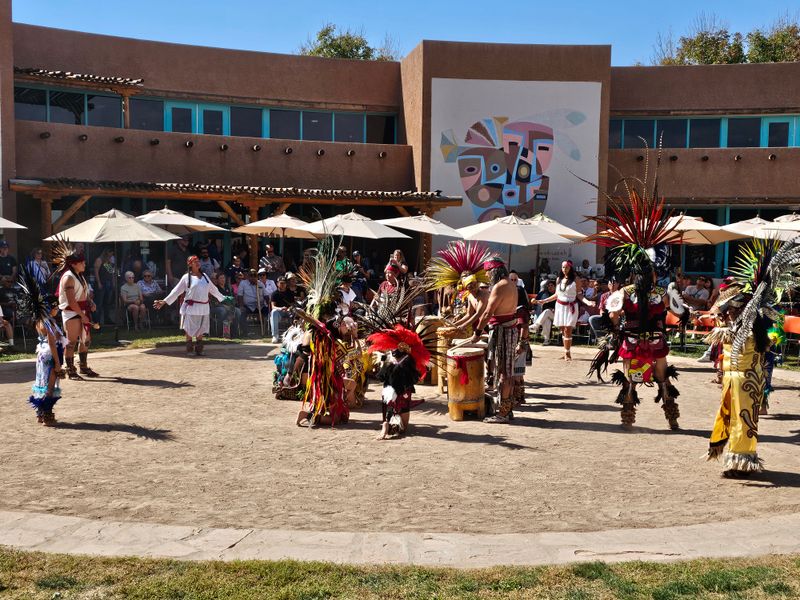
Each April, Albuquerque hosts the Gathering of Nations, the largest powwow in North America, bringing together over 3,000 dancers and singers from more than 700 tribes.
Held at the Tingley Coliseum at 300 San Pedro Drive NE, Albuquerque, NM 87108, this three-day celebration showcases the incredible diversity of Indigenous cultures through competitive dancing, singing, and cultural exhibitions.
The thunderous rhythm of drums and the swirl of colorful regalia create an atmosphere that pulses with energy, pride, and spiritual connection.
Watching the dance competitions reveals the athletic skill and artistic expression that dancers dedicate years to perfecting.
Men’s Fancy Dance features acrobatic moves and lightning-fast footwork that dazzles audiences, while Women’s Jingle Dress dancers create rhythmic sounds with hundreds of metal cones attached to their dresses.
Each dance style carries specific meanings and traditions, with regalia often representing months or years of handwork incorporating family symbols and tribal designs.
The attached Indian Traders Market offers opportunities to purchase authentic Native American art, jewelry, clothing, and crafts directly from artisans.
Food vendors serve Indigenous cuisine from across North America, including Navajo tacos, frybread, bison burgers, and traditional dishes you won’t find in restaurants.
The Miss Indian World competition celebrates young women who embody cultural knowledge, leadership, and dedication to preserving their heritage.
Respectful behavior is essential; asking permission before taking photos of dancers, not touching regalia, and understanding that this is a cultural celebration, not merely entertainment.
Arrive early since seating fills quickly, especially during grand entries when all dancers enter the arena in a spectacular procession.
The Gathering of Nations provides education about living Indigenous cultures while celebrating the resilience and vibrancy of Native communities across North America.
Rafting the Rio Grande Gorge
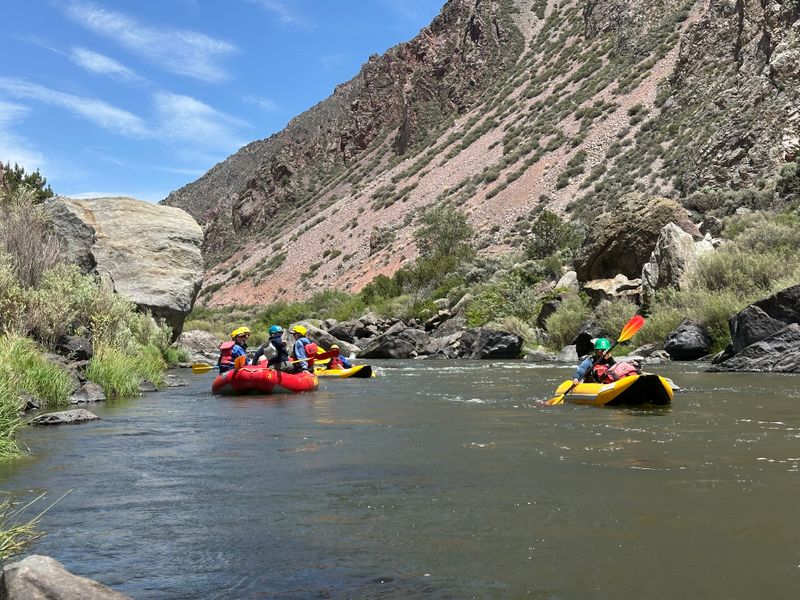
Carving through volcanic rock for 800 feet deep in some sections, the Rio Grande Gorge near Taos offers thrilling whitewater rafting adventures surrounded by dramatic geological formations.
Spring runoff from snowmelt in the Colorado mountains typically peaks in May and June, creating Class III and IV rapids that challenge rafters while providing an adrenaline-pumping ride through one of New Mexico’s most spectacular natural features.
Several outfitters based in Taos and nearby communities provide guided trips that range from half-day excursions to multi-day camping adventures.
Paddling through the Taos Box, a renowned section of the gorge, takes you past towering basalt cliffs that block out the modern world and immerse you in wilderness.
Bighorn sheep sometimes watch from rocky ledges as rafts navigate churning rapids with names like Powerline and Dead Car that hint at the excitement ahead.
Calmer stretches between rapids allow time to appreciate the geological layers visible in the canyon walls and spot birds like golden eagles soaring overhead.
The Racecourse section offers a gentler introduction for families or those new to rafting, with smaller rapids and more time to enjoy the scenery.
By late summer, water levels drop significantly, making some sections too shallow for rafting but perfect for kayaking or tubing.
Experienced guides not only navigate the rapids safely but also share information about the area’s ecology, geology, and the river’s importance to communities downstream.
Wearing quick-drying clothes and securing items in waterproof bags prevents soggy disappointment when waves crash over the raft.
Most outfitters provide wetsuits during cooler months since the snowmelt-fed river stays cold even when air temperatures climb.
Rafting the Rio Grande Gorge combines physical adventure with natural beauty, offering a perspective on New Mexico’s landscape that you simply cannot get from the road above.
Dear Reader: This page may contain affiliate links which may earn a commission if you click through and make a purchase. Our independent journalism is not influenced by any advertiser or commercial initiative unless it is clearly marked as sponsored content. As travel products change, please be sure to reconfirm all details and stay up to date with current events to ensure a safe and successful trip.
