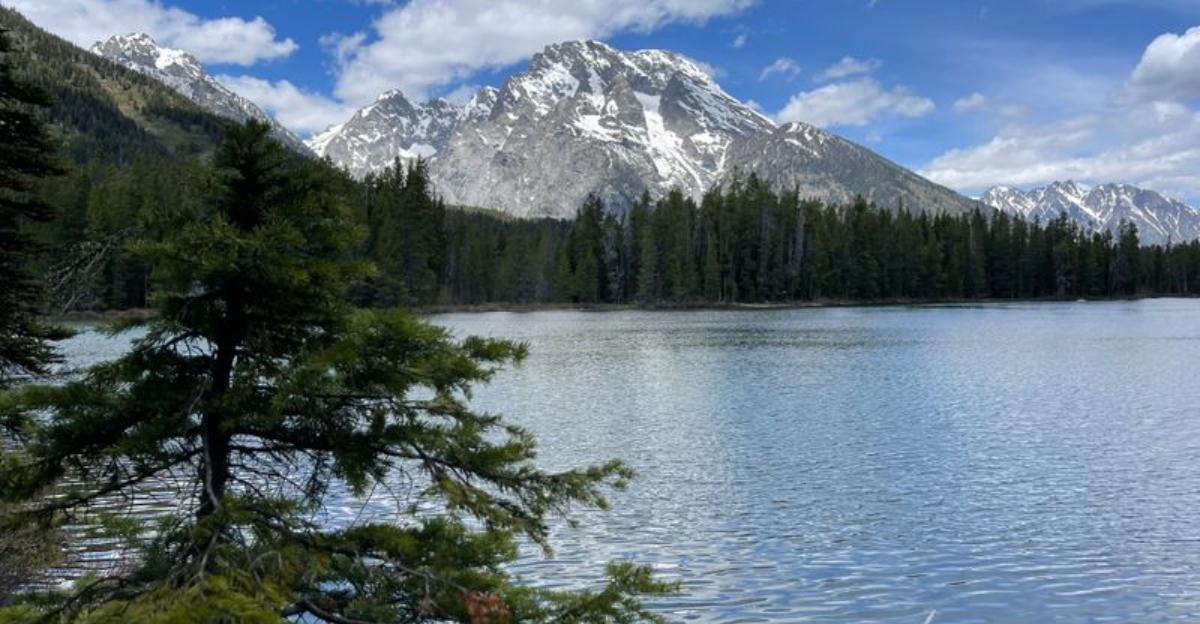
Montana holds some of America’s most breathtaking landscapes, yet many of its most magical spots remain wonderfully unknown to the average traveler.
Beyond the famous national parks and tourist hotspots lie hidden trails that wind through pristine wilderness and small towns that preserve the authentic spirit of the Old West.
These secret places offer something truly special: the chance to experience Montana’s rugged beauty without the crowds, where you can still hear the wind whisper through pine trees and meet locals who remember when their town square was the center of everything.
Whether you’re an adventurer seeking solitude on backcountry paths or a curious explorer drawn to charming main streets frozen in time, these seven destinations promise unforgettable memories.
From ghost towns with fascinating histories to trails that lead to crystal-clear alpine lakes, each location on this list reveals a different facet of Montana’s character.
Pack your hiking boots, fill your gas tank, and prepare to discover corners of Big Sky Country that most people drive right past without ever knowing what they’re missing.
These are the places where Montana’s true heart still beats strong.
Polebridge and the North Fork Valley
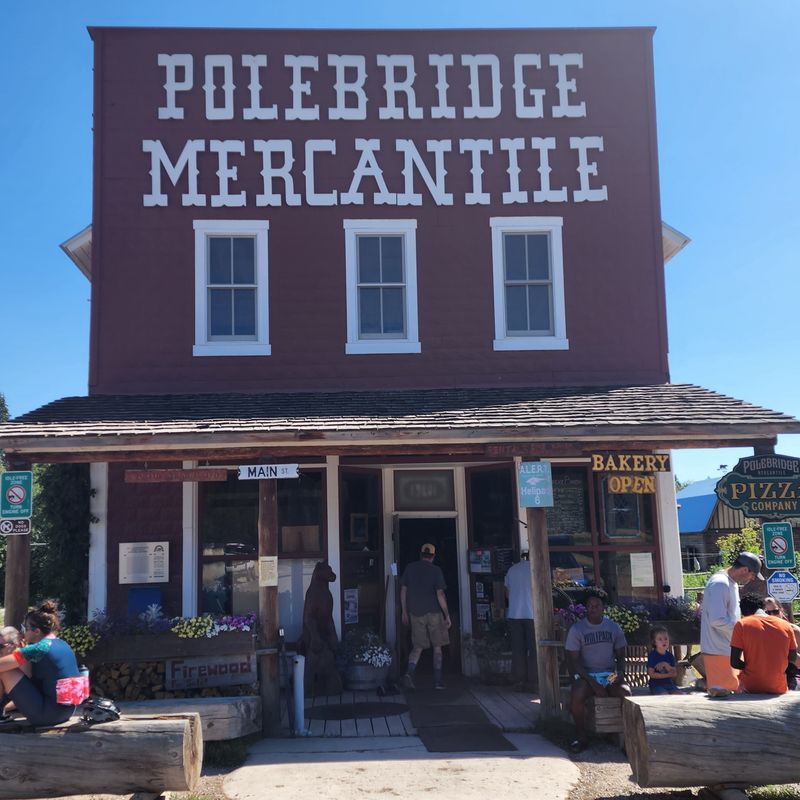
Tucked away near the remote northwestern corner of Glacier National Park, Polebridge feels like stepping back into frontier times when life moved slower and neighbors knew everyone by name.
This tiny settlement has no electricity from power lines and no cell phone service, creating an atmosphere of peaceful disconnection that modern travelers rarely experience.
The famous Polebridge Mercantile, built in 1914, serves legendary huckleberry bear claws and fresh-baked pastries that draw visitors from hundreds of miles away.
The North Fork of the Flathead River runs alongside this isolated community, offering exceptional fly fishing opportunities and wildlife viewing that rivals anywhere in the state.
Grizzly bears, wolves, and moose roam freely through the surrounding forests, making every hike an adventure filled with possibility.
The nearby Bowman Lake and Kintla Lake provide stunning alpine scenery with far fewer visitors than the more accessible parts of Glacier National Park.
During summer months, the Mercantile becomes a gathering spot where hikers, locals, and curious travelers swap stories over coffee and homemade pastries.
The journey to Polebridge itself is part of the adventure, requiring travel on a washboard dirt road that tests your vehicle’s suspension and your patience.
Yet this very remoteness preserves the area’s wild character and ensures that only those truly seeking solitude make the effort.
Winter transforms Polebridge into an even quieter sanctuary, accessible mainly by snowmobile or cross-country skis.
The Northern Lights frequently dance across the dark skies here, undiminished by any light pollution.
If you’re searching for a place where Montana’s wilderness spirit remains completely untamed, Polebridge delivers an authentic experience that stays with you long after you return to civilization.
Bannack State Park Ghost Town
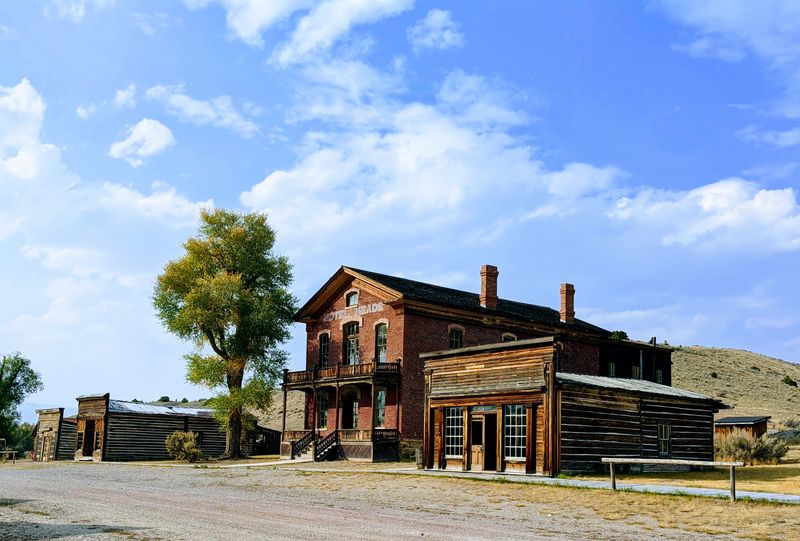
Gold fever brought thousands of fortune seekers to Bannack in 1862, transforming a quiet creek valley into Montana’s first territorial capital almost overnight.
Today, more than sixty weathered structures stand as silent witnesses to those wild boom-and-bust days when gunfights settled disputes and vigilantes dispensed rough justice.
Walking down the dusty main street, you can almost hear the echo of boots on wooden boardwalks and the clatter of ore wagons heading to the stamp mill.
Unlike many ghost towns that crumbled into ruin, Bannack’s buildings have been carefully preserved in a state of “arrested decay,” meaning they look exactly as they did when the last residents finally departed.
The old Hotel Meade still contains furniture and belongings left behind, creating an eerie sense that inhabitants might return at any moment.
Schoolhouse desks bear the carved initials of children who studied here over a century ago, their dreams and futures forever mysteries.
Grasshopper Creek, where that first gold nugget sparked the rush, still flows past the town, and visitors can try their luck at gold panning during summer months.
The park offers guided tours that bring Bannack’s colorful characters to life, including the infamous Sheriff Henry Plummer, who secretly led a gang of road agents before meeting his end at a vigilante’s rope.
Photographers find endless inspiration in the weathered wood textures and dramatic mountain backdrop.
Bannack Days, held each July, fills the ghost town with costumed interpreters demonstrating blacksmithing, quilting, and other pioneer skills.
Camping is available nearby for those who want to experience the haunting beauty of sunset and sunrise illuminating these historic structures.
Bring plenty of water and sunscreen, as shade is scarce and the high desert sun shows no mercy to unprepared visitors.
Yaak Valley and the Purcell Mountains
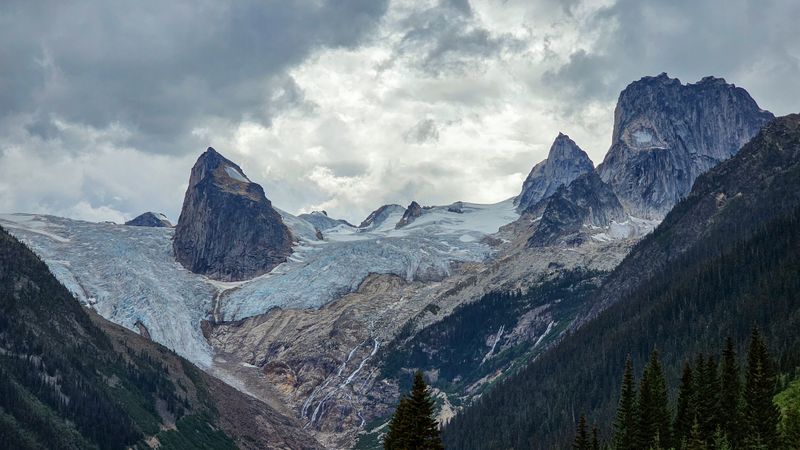
Few places in the Lower 48 remain as genuinely wild as the Yaak Valley, a remote corner of northwestern Montana where grizzlies still outnumber people and cell towers haven’t yet arrived.
This isolated valley sits wedged between the Cabinet Mountains Wilderness to the south and the Canadian border to the north, creating a biological crossroads where species from multiple ecosystems meet.
The Yaak River flows through dense old-growth forests that have never felt a logger’s saw, supporting populations of woodland caribou, lynx, and wolverines rarely seen elsewhere.
Dirt roads branch off in every direction, leading to trailheads that see maybe a dozen hikers all season long.
The Northwest Peak Scenic Area offers challenging routes to alpine meadows carpeted with wildflowers each July, where mountain goats graze on impossibly steep slopes.
Local residents are fiercely independent folks who chose this isolated valley precisely because it demands self-reliance and respects those who value solitude above convenience.
The Dirty Shame Saloon serves as the valley’s unofficial community center, where you might encounter loggers, writers, wilderness advocates, and the occasional bear researcher sharing stories over cold beers.
This legendary watering hole has become famous partly through the writings of poet Rick Bass, who has called the Yaak home for decades and tirelessly advocates for its protection.
Don’t expect fancy amenities or tourist services here; the Yaak rewards visitors who come prepared with maps, supplies, and a genuine respect for wilderness.
Autumn transforms the valley into a tapestry of gold and crimson as larch trees turn before dropping their needles.
Hunting season brings a different crowd, as elk and deer populations thrive in these remote forests.
For those willing to venture far off Montana’s beaten path, the Yaak offers a glimpse of how the entire West once looked before roads carved up every valley.
Elkhorn Ghost Town and Crow Creek Falls
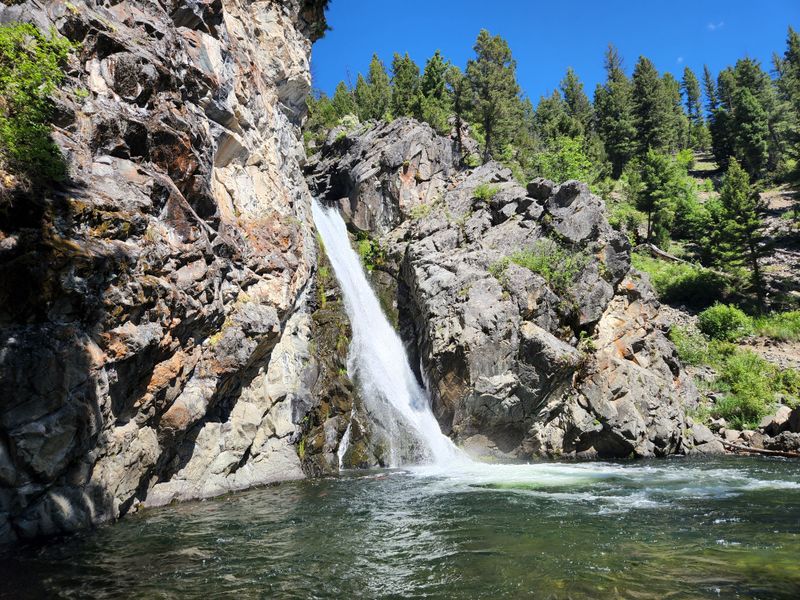
Silver strikes in the 1870s built Elkhorn into a thriving community of 2,500 souls, complete with hotels, saloons, and the elegant Fraternity Hall that still dominates the townsite today.
Perched at 6,400 feet in the Elkhorn Mountains south of Helena, this remarkably preserved ghost town offers easier access than Bannack while maintaining an authentic atmosphere of abandonment.
The two-story Fraternity Hall, with its false front and weathered siding, has become one of Montana’s most photographed historic structures.
Gillian Hall, the other major surviving building, once served as a boarding house and saloon where miners spent their hard-earned wages on whiskey and card games.
The surrounding hillsides still bear the scars of mining operations, with tailings piles and collapsed shaft openings serving as reminders of the dangerous work that sustained this community.
Interpretive signs provide historical context, explaining how Elkhorn’s fortunes rose and fell with silver prices and ore quality.
Just a short hike from the ghost town, Crow Creek Falls tumbles 60 feet over a rocky cliff into a pristine pool surrounded by wildflowers and evergreens.
The trail to the falls is moderately easy, making it perfect for families who want to combine history with natural beauty in a single outing.
Early summer offers the most dramatic water flow, though autumn brings spectacular color to the surrounding aspen groves.
The drive to Elkhorn follows a well-maintained gravel road that climbs through changing ecosystems, from sagebrush foothills to montane forests.
Wildlife sightings are common, with deer, elk, and occasionally black bears crossing the road or grazing in meadows.
Unlike some ghost towns that feel overtly touristy, Elkhorn maintains a sense of quiet dignity, as if patiently waiting for residents who will never return to these weathered halls and empty streets.
Cabinet Mountains Wilderness and Leigh Lake
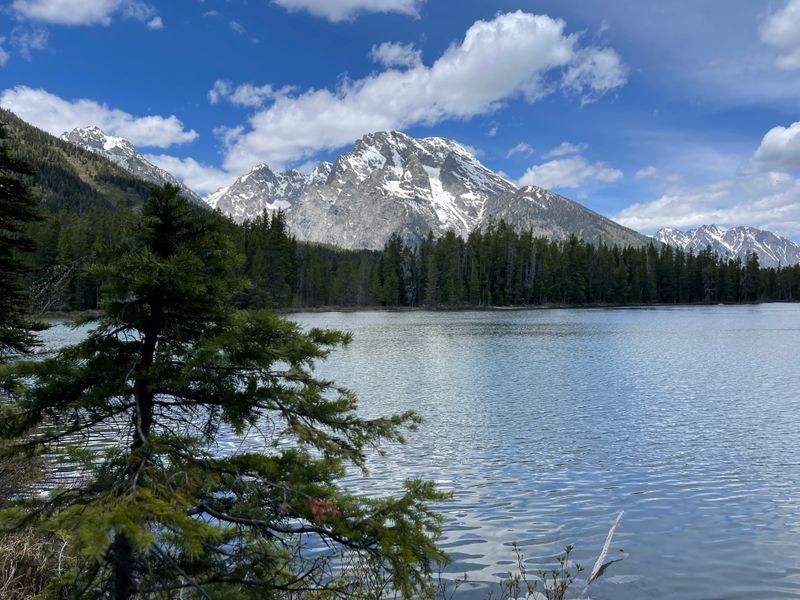
Jagged peaks rising dramatically from dense forest characterize the Cabinet Mountains, a relatively unknown wilderness area that offers solitude even during peak summer months.
Leigh Lake sits cradled in a glacially carved cirque, its turquoise waters reflecting towering cliffs and permanent snowfields that cling to north-facing slopes.
The eight-mile trail to reach this alpine gem climbs steadily through old-growth cedar and hemlock forests before breaking into open meadows painted with lupine and beargrass.
Grizzly bears roam these mountains in healthy numbers, making bear spray and proper food storage absolutely essential rather than optional precautions.
The Cabinet Mountains support one of the few remaining populations of mountain caribou in the Lower 48, though spotting these elusive creatures requires exceptional luck.
Fishing enthusiasts will find Leigh Lake stocked with cutthroat trout that eagerly strike at flies during morning and evening hatches.
The trailhead begins near the tiny community of Libby, a former logging town that has reinvented itself as a gateway to wilderness recreation.
Campsites near Leigh Lake fill quickly on summer weekends, so arriving early or visiting during weekdays ensures you’ll find a spot to pitch your tent.
Nighttime temperatures drop significantly even in July, so pack warm layers and a quality sleeping bag rated for below-freezing conditions.
Photographers should time their visits for late July or early August when wildflower displays reach peak intensity and lingering snow creates dramatic contrasts.
The reflection of Cabinet peaks in Leigh Lake’s still morning waters creates images worthy of any wilderness calendar.
Day hikers can make the round trip in six to eight hours, though the elevation gain of over 2,000 feet demands reasonable fitness and plenty of water.
Fall brings solitude and golden larch trees to the Cabinets, though early snows can make the trail treacherous without proper equipment.
Garnet Ghost Town and Mining District
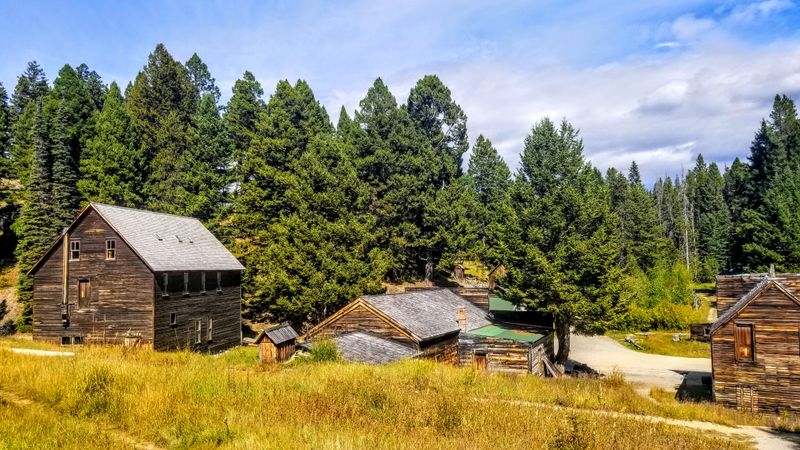
Unlike many Montana ghost towns that consist of a few crumbling foundations, Garnet preserves over thirty structures that transport visitors back to the gold rush era with remarkable authenticity.
Located on a mountainside east of Missoula, this remarkably intact mining camp once housed 1,000 residents who extracted gold from the surrounding hills between 1895 and the 1930s.
The Bureau of Land Management maintains the site, offering self-guided tours that let you peek into furnished cabins, the old saloon, and even a fully equipped blacksmith shop.
Winter transforms Garnet into a snow-covered wonderland accessible only by snowmobile or cross-country skis, creating an especially atmospheric experience.
Two rental cabins available through the BLM allow adventurous visitors to spend the night surrounded by history, heated only by wood stoves just as the original residents warmed themselves.
The creaking of old timbers in the wind and the absolute darkness of night create an immersive experience that hotels simply cannot match.
Summer brings wildflowers and easier access via a well-maintained gravel road, though the final few miles test your vehicle’s clearance and your nerves on narrow switchbacks.
Interpretive displays explain mining techniques, daily life, and the boom-bust cycles that characterized Montana’s gold rush communities.
Children especially enjoy the treasure hunt activity that encourages them to explore different buildings while learning about frontier history.
Garnet’s elevation of 6,000 feet means cooler temperatures even during summer, providing relief from valley heat while requiring visitors to pack extra layers.
The surrounding mountains offer excellent hiking opportunities, with trails leading to old mine sites and scenic overlooks above the townsite.
A small visitor center near the parking area provides historical context and sells books about Garnet’s colorful past, including tales of the dance hall girls and hardscrabble miners who once called these weathered buildings home.
Ross Creek Cedar Grove and Bull River Valley
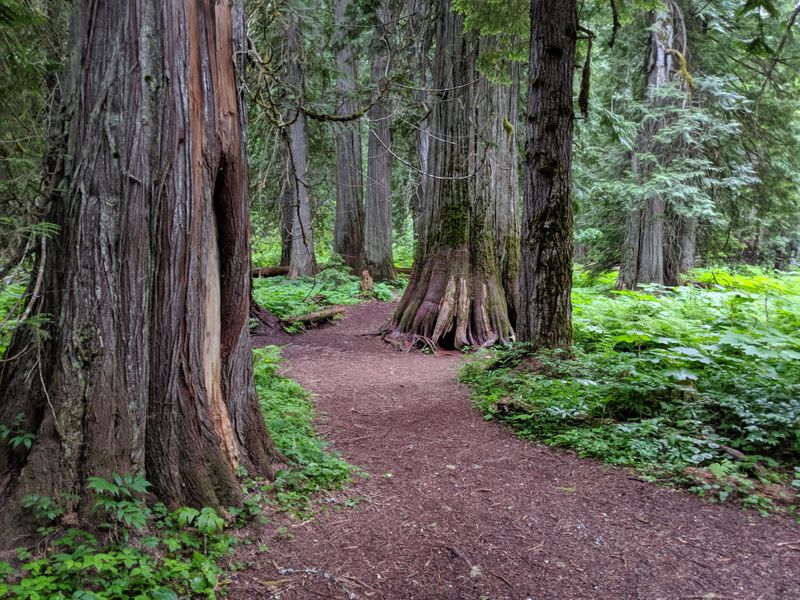
Walking among the ancient western red cedars at Ross Creek feels like entering a natural cathedral, where 500-year-old trees tower overhead and silence wraps around you like a blanket.
This 100-acre grove escaped logging operations that cleared surrounding forests, preserving a rare example of inland temperate rainforest that once covered much more of northwestern Montana.
Some cedars measure over eight feet in diameter, their massive trunks rising straight and true toward a canopy that filters sunlight into a soft green glow.
A gentle one-mile interpretive loop trail follows a boardwalk through the heart of the grove, making this ancient forest accessible to visitors of all abilities.
The path crosses Ross Creek multiple times, where the musical sound of flowing water accompanies your journey through this primeval landscape.
Informational signs explain the ecology of old-growth forests and the crucial role these giant trees play in watershed health and wildlife habitat.
The Bull River Valley surrounding the cedar grove offers additional recreation opportunities, including fishing for cutthroat trout and exploring quiet forest roads that lead to dispersed camping spots.
Fall Creek Falls, a short drive from the cedars, adds another natural attraction to the area with a picturesque 50-foot cascade.
The nearby town of Troy provides basic services and a jumping-off point for exploring this corner of the Kootenai National Forest.
Spring brings the most dramatic creek flows and the freshest green growth, though the grove remains beautiful throughout the year.
Winter visits require snowshoes or skis but reward intrepid travelers with an almost otherworldly landscape of snow-draped giants.
Mosquitoes can be fierce during early summer, so insect repellent becomes essential equipment for comfortable exploration.
This ancient forest reminds us what Montana looked like before industrial logging, offering perspective on both what was lost and what can still be protected for future generations to experience and cherish.
Dear Reader: This page may contain affiliate links which may earn a commission if you click through and make a purchase. Our independent journalism is not influenced by any advertiser or commercial initiative unless it is clearly marked as sponsored content. As travel products change, please be sure to reconfirm all details and stay up to date with current events to ensure a safe and successful trip.
