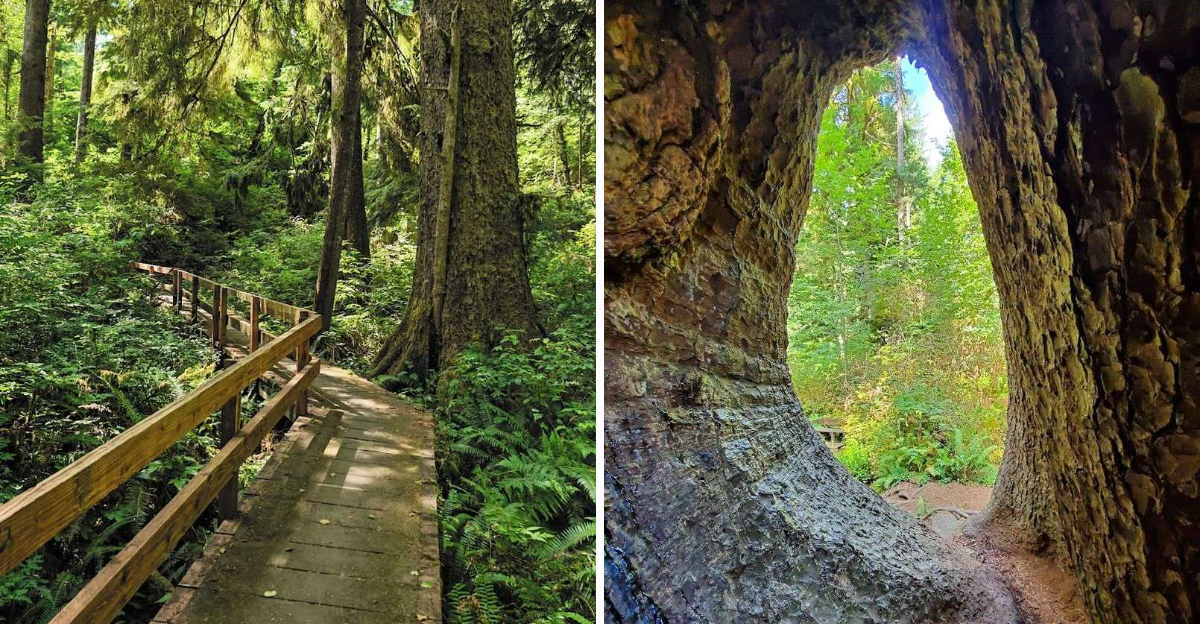
Walking this one-mile trail in Oregon, I wasn’t expecting to be stopped in my tracks – but then I saw the 300-year-old Sitka spruce. Its massive, twisting branches make you feel both tiny and amazed at the same time.
Standing there, it’s hard not to imagine all the storms and seasons this tree has survived. Sunlight streaming through the needles gives the forest an almost magical glow.
Birds flit overhead, adding a soundtrack to the quiet awe of the moment. Even on such a short hike, I felt connected to centuries of history and nature all at once.
By the time I turned back, I knew this was one of those rare spots that sticks with you long after the walk is over.
What Is the Cathedral Tree Trail?
Not every great hike needs to be long to leave a real impression. Cathedral Tree Trail is a roughly one-mile round-trip path tucked into the forested hills of Astoria, Oregon.
It starts near Irving Street and climbs steadily through thick, shaded woodland.
The trail is well-loved by locals and curious visitors alike. It connects to the Astoria Column at the top, making it a useful route for those who want to skip the paid parking lot.
Most hikers use it purely to reach the Cathedral Tree itself.
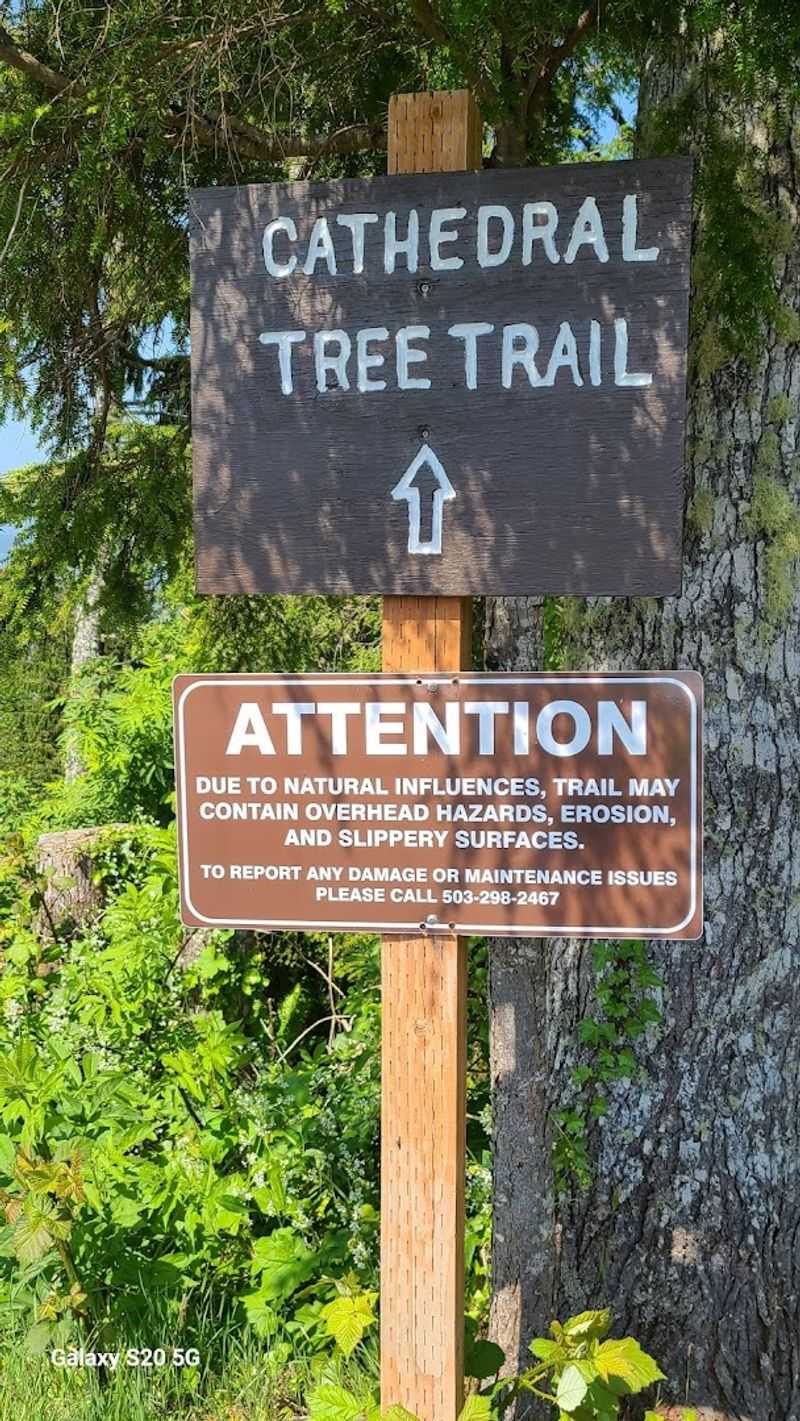
The path is wide and graveled near the entrance but becomes more natural and rooty as you climb. Expect some steep sections and slippery patches, especially after rain.
Solid shoes are a must. The trail is dog-friendly and has been described as easy to moderate depending on conditions.
It is a short adventure that rewards your legs with something genuinely unforgettable at the finish.
The Star of the Show: The Cathedral Tree Itself
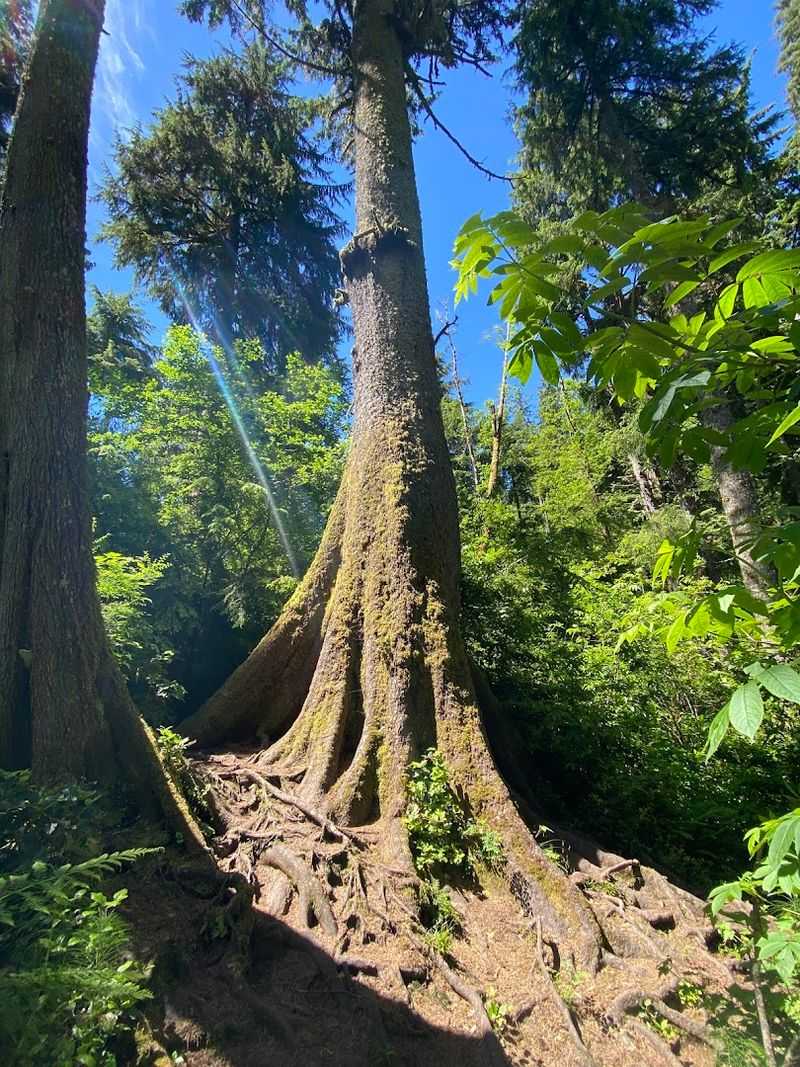
The Cathedral Tree is the reason people make the trip. This ancient Sitka spruce is estimated to be around 300 years old.
It stands enormous and commanding, rising high above everything around it.
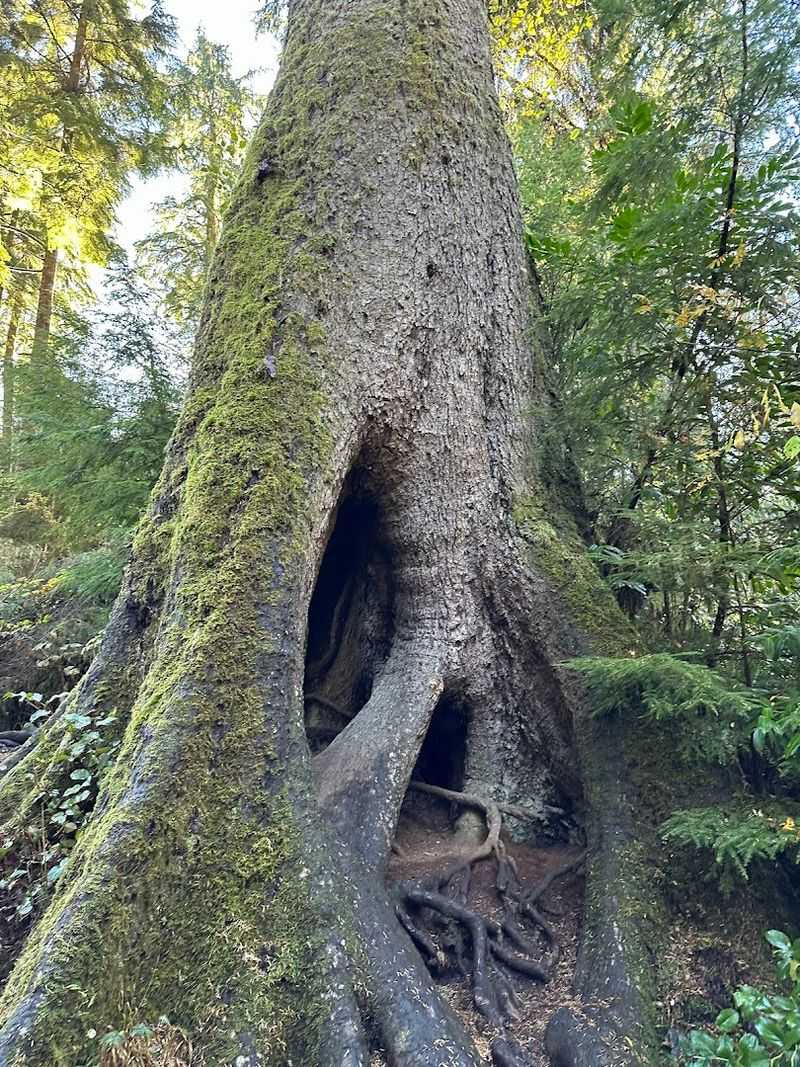
What makes it truly special is the hollowed base. You can actually crouch down and walk through the opening at the bottom.
Standing inside feels oddly sacred, like being inside a living cathedral made entirely of wood and bark.
The tree has witnessed centuries of change along the Oregon coast. When you look up through the hollow and see the canopy stretching overhead, the scale of its age really hits you.
One visitor described it as having the personality of a wise old hermit, and that description is surprisingly accurate. The dew on the bark catches light in a way that makes the tree almost glow in low conditions.
It is the kind of natural landmark that earns every bit of the hike to reach it.
Getting There: Trailhead Access and Parking

Finding the trailhead takes a little attention. The main entrance is off Irving Street in Astoria, and street parking is your only real option here.
The road has some potholes and limited space, so arriving early or during off-peak hours makes the experience much smoother.
There is also a southern trailhead that connects to the same route. Some hikers start from the Astoria Column parking area at the top and walk down instead.
That direction flips the experience but still leads you to the tree.
Cell service is generally good along the trail, which is reassuring for first-timers navigating the path. Trail markers exist but are not always obvious, especially near the top where the path connects with other forest roads.
Paying attention to the signs that do exist helps a lot. Arriving with a rough idea of the route on your phone is smart.
The trail is short enough that getting oriented takes only a minute or two once you are on the ground.
Trail Conditions: What to Expect in Every Season

Seasons change the trail dramatically. In winter and spring, mud is a real factor.
The path becomes slick and rooty, and some sections turn into a bit of a slide if you are not careful. Rain boots or grippy hiking shoes are strongly recommended for wet visits.
Summer and early fall offer drier, more stable conditions. The trail becomes noticeably easier and the views through the trees open up a bit more.
That said, the forest keeps its moody, mossy character no matter the time of year.
Maintenance has been ongoing along the trail, so staying on the marked path is important for your safety and for protecting the surrounding vegetation. Lichen and moss coat nearly every tree trunk and rock.
The whole forest floor feels padded and soft. Even on a cloudy Oregon day, the trail has a quiet, dreamlike quality that makes the short hike feel like a genuine escape from the everyday world just outside the forest edge.
Wildlife and Nature Along the Way
The wildlife on this trail is part of the fun. Banana slugs are practically trail mascots here.
Bright yellow and surprisingly large, they inch along the path and seem completely unbothered by passing hikers. Kids absolutely love hunting for them.
Deer have been spotted grazing calmly near the trail edges. The forest hum of birds and insects fills the air from the moment you step under the canopy.
It feels genuinely alive in a way that quieter, more manicured parks do not quite match.
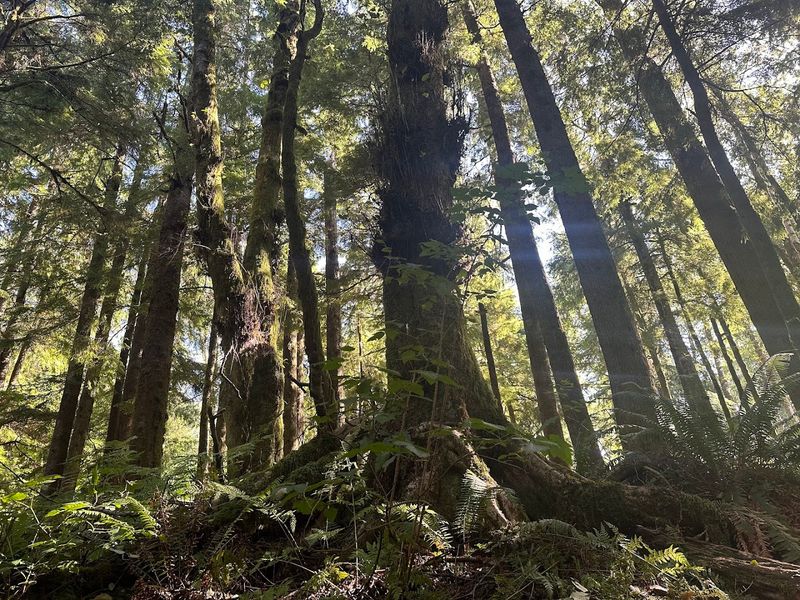
The plant life is just as impressive. Ferns carpet the ground in thick green layers.
Lichen drapes from branches overhead like nature’s own decoration. Mosses in every shade of green cover rocks, roots, and fallen logs.
The variety of flora and fauna packed into this short trail is remarkable. Even seasoned hikers tend to slow down here, not because the path demands it, but because there is simply so much worth noticing all around you.
Difficulty Level and Who Can Do This Hike
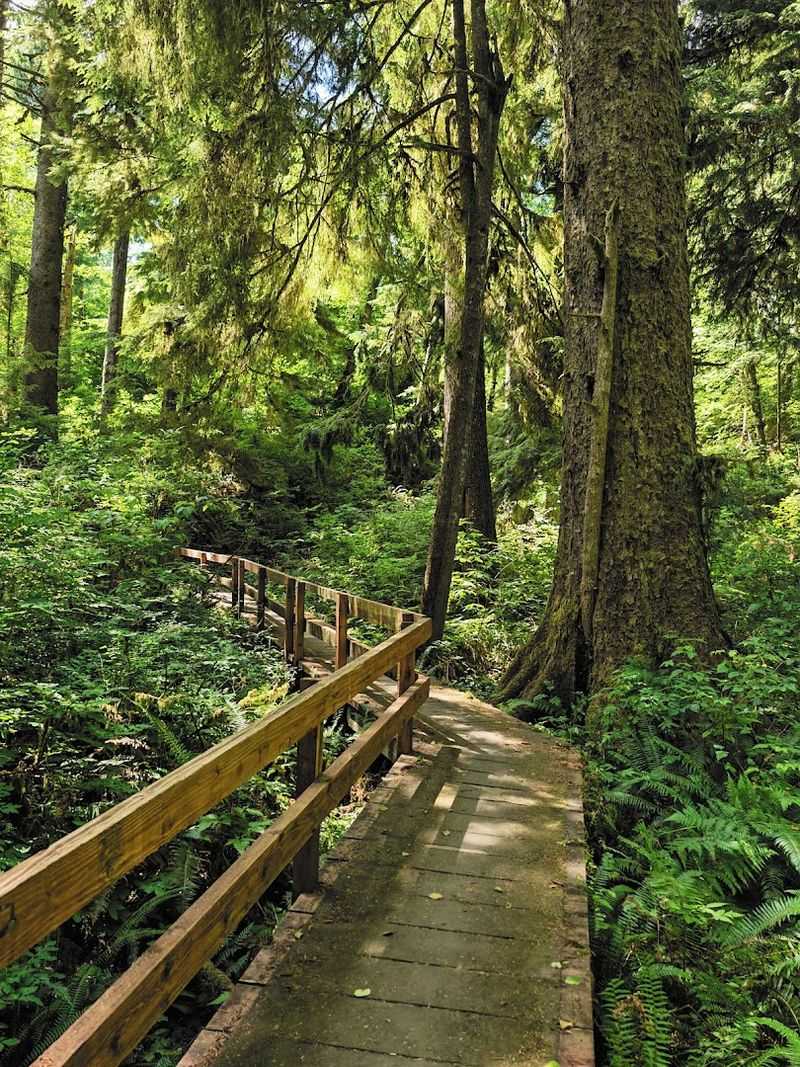
The Cathedral Tree Trail is genuinely accessible for most people. It is rated easy to moderate, and the short distance makes it manageable for families, older adults, and casual hikers.
The main challenge is the elevation gain, which is steady but not brutal.
Kids handle it well, especially with the banana slug sightings keeping them motivated. The trail is dog-friendly too, so four-legged companions are welcome on the climb.
Solo hikers have reported feeling completely safe on the path.
Wet conditions do push the difficulty up a notch. Slippery roots and muddy patches require more careful footing, especially on the descent.
Wearing shoes with actual tread makes a meaningful difference. Round trip takes most people between 40 minutes and an hour, depending on pace and how long you linger at the tree.
It is not a trail that demands peak fitness. It just asks for sensible footwear, a little patience on the uphill, and a willingness to take it slow.
Connecting to the Astoria Column
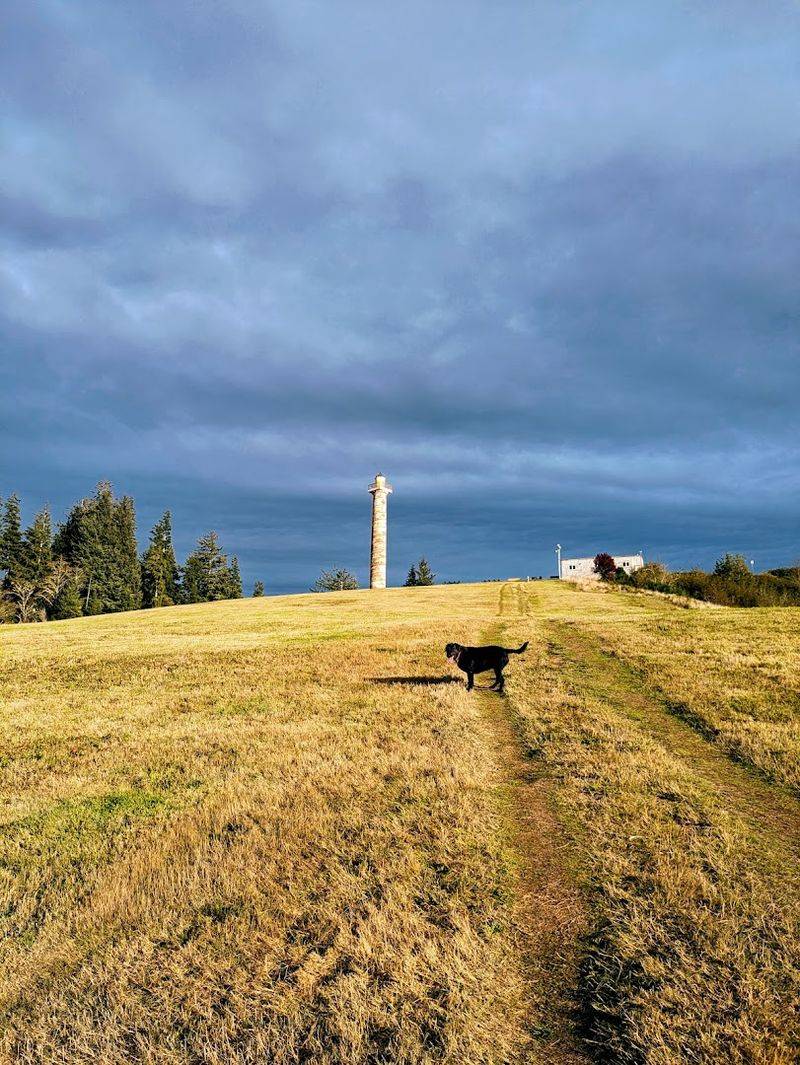
One of the best things about Cathedral Tree Trail is where it leads. The path connects all the way up to the Astoria Column, one of the most iconic landmarks in the region.
Hiking up from the trail rather than driving avoids the parking fee at the top.
The Column sits at the peak of Coxcomb Hill and offers sweeping views of the Columbia River, the surrounding hills, and the Pacific coast on clear days. After the quiet forest of the trail, stepping out into that open panorama feels like a reward earned.
Some hikers do the route in reverse, starting at the Column and walking down to the Cathedral Tree. That direction gives you the big view first and the ancient tree as a closing act.
Either way works beautifully. The two landmarks complement each other in a way that makes the whole experience feel complete.
Pairing them on the same visit is absolutely worth the extra time and effort it takes.
Best Time of Day to Visit
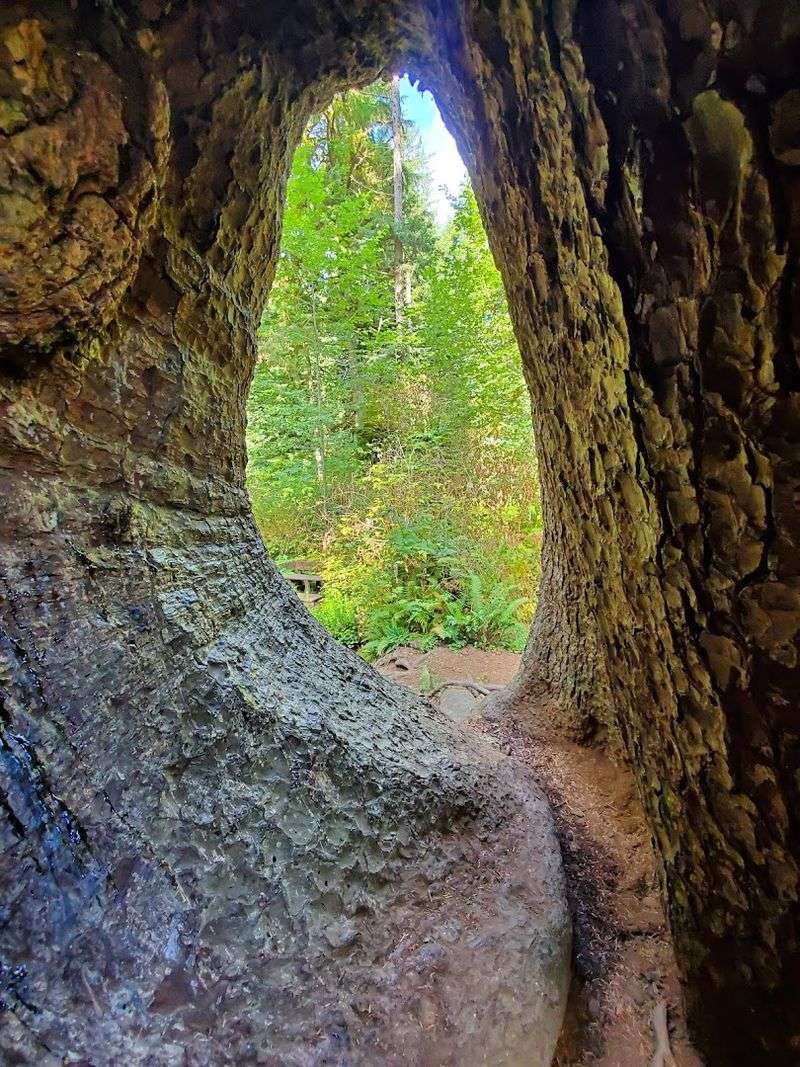
Timing your visit makes a real difference here. Early morning tends to be the quietest.
The trail is peaceful before the day picks up, and the forest light at that hour has a soft, almost glowing quality that feels special.
Late afternoon visits carry their own magic. As the light drops and the air cools, the Cathedral Tree takes on a different character entirely.
The dew on the bark catches what little light remains. The forest feels hushed and slightly mysterious.
One visitor described seeing the tree at dusk as genuinely awe-inspiring.
Midday on weekends can bring more foot traffic, though the trail never gets truly crowded. Going on a weekday or during the off-season almost guarantees solitude.
The parking situation near the Irving Street entrance is limited, so arriving at less busy times avoids that stress entirely. No matter when you go, the trail rewards patience and a slow pace more than any rush to reach the top and turn right back around.
What to Bring on the Trail
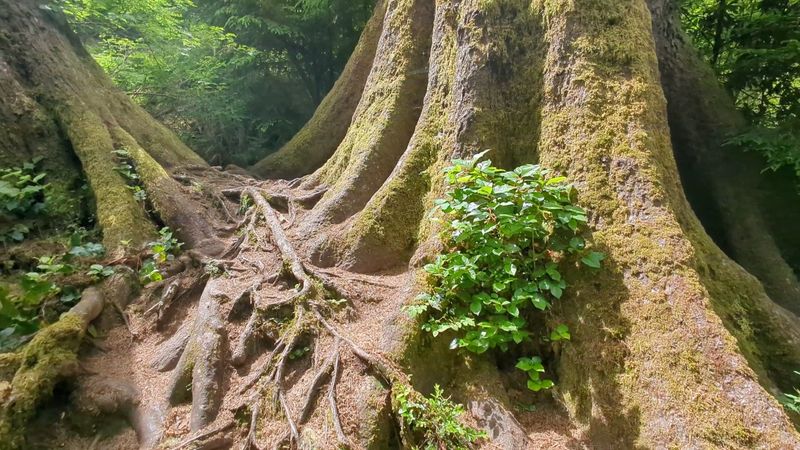
Packing smart for a short hike still matters. Water is always a good idea, even on a one-mile trail.
The uphill sections work your legs more than the distance suggests, and staying hydrated keeps the experience enjoyable from start to finish.
Footwear is the single most important gear choice here. Trail runners or hiking boots with solid grip handle the rooty, sometimes muddy path much better than sneakers or sandals.
A light rain jacket is worth tossing in a bag since Oregon weather shifts quickly and without much warning.
Bringing a camera or making sure your phone is charged pays off at the Cathedral Tree. The tree is genuinely photogenic and deserves more than a quick snapshot.
Bug spray is useful in warmer months when insects are more active near the forest floor. A small snack and a sense of curiosity round out the kit nicely.
The trail does not require heavy gear, but a little preparation makes the whole outing far more comfortable and fun.
Why Cathedral Tree Trail Is Worth Your Time in Astoria
Astoria has a lot going for it. The waterfront, the history, the food scene, and the views all compete for your attention.
But Cathedral Tree Trail offers something those things cannot: a quiet, grounding experience in a forest that has been growing for centuries.
The tree itself is the payoff, and it genuinely delivers. Standing next to something that old puts the noise of daily life into a different perspective.
It is not flashy. It does not need to be.
The Cathedral Tree earns its name through sheer presence and age.
The trail is short enough to fit into any itinerary without taking over the day. Pair it with a visit to the Astoria Column, grab coffee downtown afterward, and you have a morning worth remembering.
It suits solo hikers, families, and anyone who appreciates a moment of real quiet in a beautiful place.
Dear Reader: This page may contain affiliate links which may earn a commission if you click through and make a purchase. Our independent journalism is not influenced by any advertiser or commercial initiative unless it is clearly marked as sponsored content. As travel products change, please be sure to reconfirm all details and stay up to date with current events to ensure a safe and successful trip.
