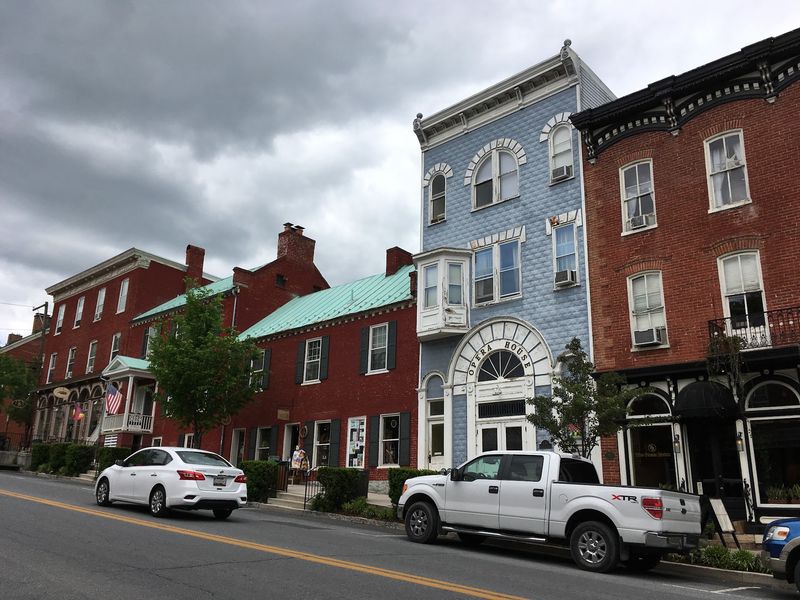
You can drive right past some of the most important places in American history and never know it. Here in West Virginia, quiet little towns with one stoplight and a good diner once hosted steamboat inventors, frontier militias, and a young George Washington.
The brick sidewalks and old stone churches are still standing, waiting for curious folks to come looking. Grab a pepperoni roll for the road, because these seven towns have stories worth the trip.
1. Harpers Ferry
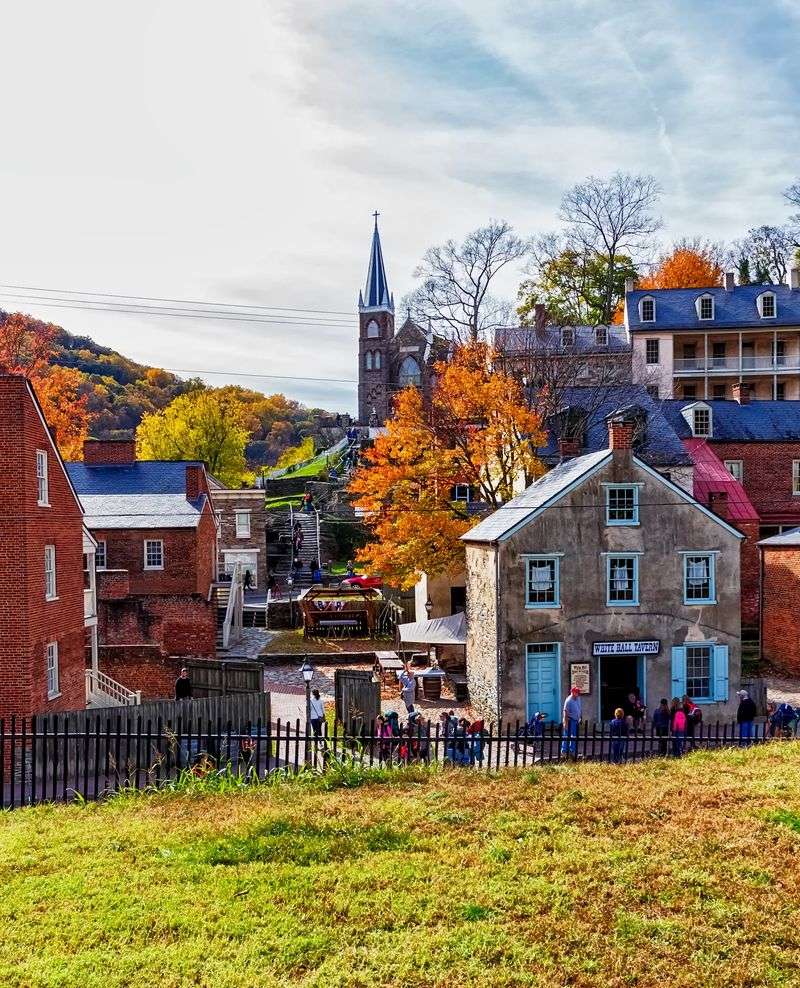
Two mighty rivers crash together at the foot of this tiny mountain town, and so did a whole nation’s arguments back in 1859. Harpers Ferry sits where the Potomac and Shenandoah meet, and the view alone could stop you in your tracks.
October 1859 put the town on every front page in America. Abolitionist John Brown led a raid on the federal armory here, hoping to spark an uprising against slavery.
His plan failed, and U.S. Marines under Robert E.
Lee captured him, but the shock waves reportedly pushed the country closer to the Civil War.
Long before that, the armory helped pioneer interchangeable manufacturing, and it supplied gear for Meriwether Lewis ahead of his famous journey west. After the war, Storer College opened here in 1867, educating formerly enslaved people and becoming a proud chapter in African American history.
Today much of the town blends into Harpers Ferry National Historical Park. You can wander the preserved Lower Town, peek inside John Brown’s Fort, and browse museum exhibits that make history feel close enough to touch.
Walking those streets honestly feels like stepping back in time while breathing fresh mountain air.
Find it in West Virginia 25425, with visitor details at harpersferrywv.us.
2. Shepherdstown
Robert Fulton gets the credit in most schoolbooks, but a Shepherdstown man beat him to the punch by about twenty years. In 1787, local inventor James Rumsey sent a steam-powered boat chugging along the Potomac River in front of a crowd of amazed onlookers.
George Washington himself reportedly took an interest in Rumsey’s work. Not bad for a riverside village that many folks still drive through without slowing down.
Shepherdstown is often called the oldest continuously inhabited community in the state, with German settlers possibly arriving as early as 1717. The town was chartered in 1762 as Mecklenburg, and it grew up around Pack Horse Ford, a busy river crossing.
In 1775, riflemen marched from here on the famous Bee Line March to join Washington’s army in Boston.
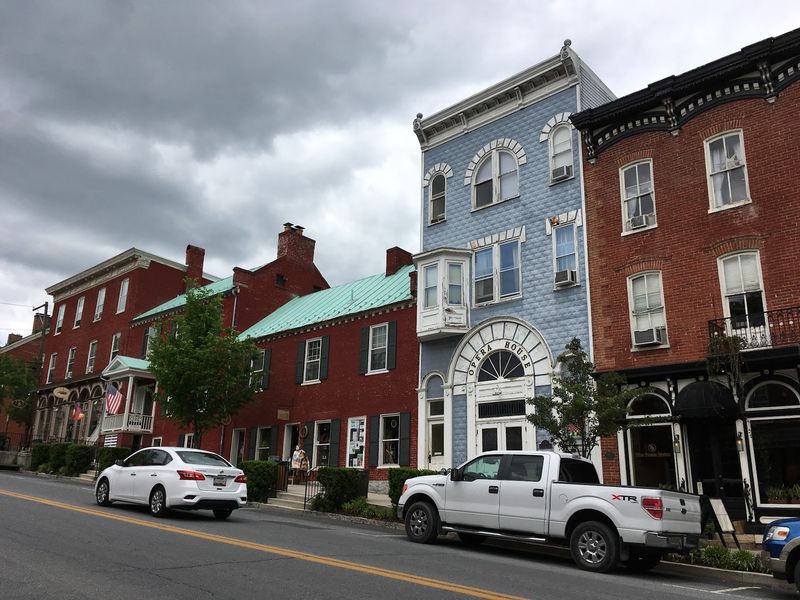
Stroll German Street and you’ll see brick buildings from the 1700s and 1800s, many made from local clay. Little shops, cafes, and bookstores now fill those old walls.
During the Civil War, after nearby Antietam, homes here opened their doors to thousands of wounded soldiers, a quiet show of hometown kindness.
You’ll find this Potomac gem in the Eastern Panhandle of West Virginia, an easy and rewarding weekend drive.
3. Point Pleasant
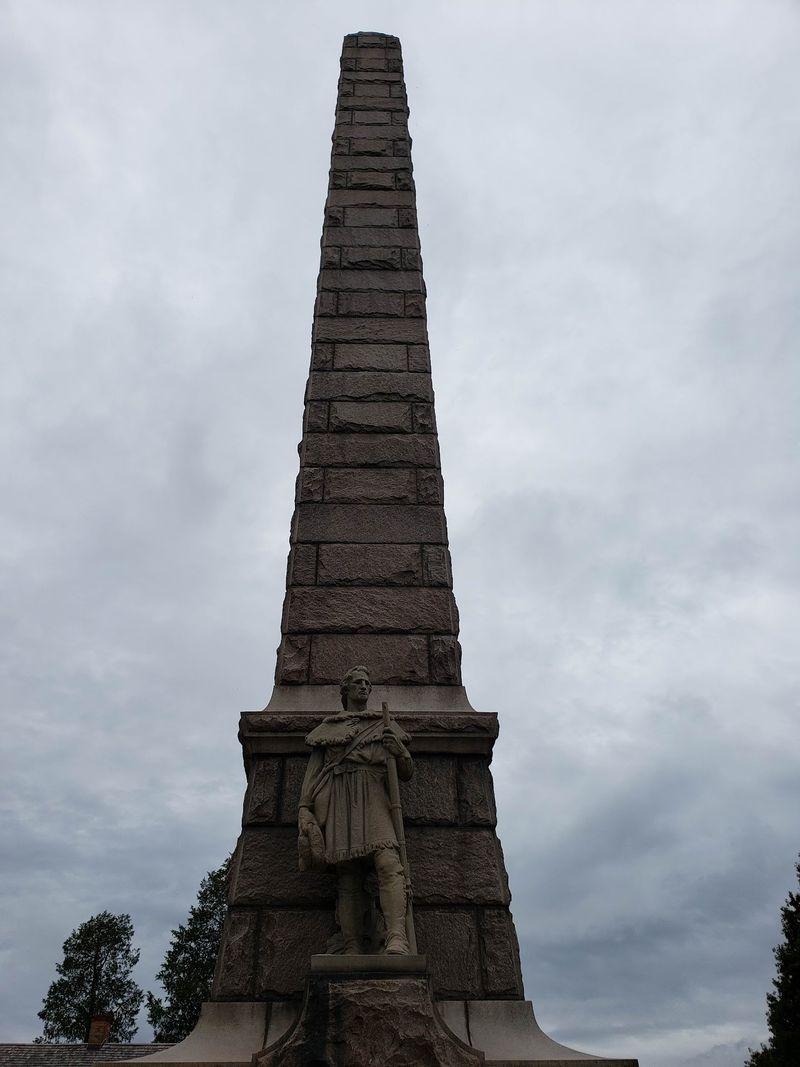
Some historians will tell you the American Revolution really started here, not in Massachusetts. That bold claim gets folks in Mason County talking, and it’s easy to see why.
On October 10, 1774, Virginia militiamen under Colonel Andrew Lewis faced Shawnee and Mingo forces led by Chief Cornstalk. The fight lasted hours in the thick woods where the Ohio and Kanawha rivers join.
It was the only major clash of Lord Dunmore’s War, and it ended with Cornstalk’s forces pulling back.
Whether or not you call it the first battle of the Revolution, the outcome mattered. The Treaty of Camp Charlotte brought a stretch of peace to the frontier, which reportedly let colonists focus on the British in the early war years.
The land itself is known as Tu-Endie-Wei, a name honoring the meeting of the waters.
Fort Blair went up in 1774, followed by Fort Randolph in 1776, guarding the western edge of Virginia. A replica of Fort Randolph now gives visitors a feel for rugged frontier life.
As the county seat of rural Mason County, this river town keeps its small-town pace. Plan your visit through ptpleasantwv.org.
4. Berkeley Springs
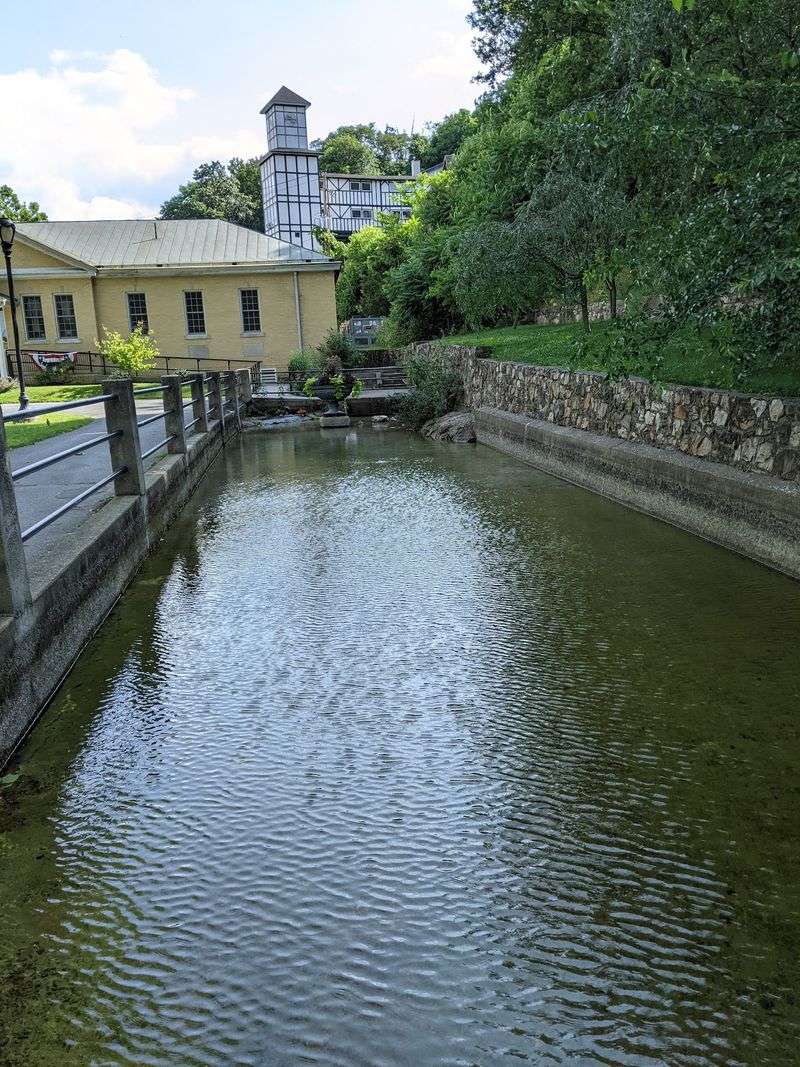
Picture a 16-year-old George Washington scribbling in his diary about warm springs bubbling out of the ground. That was 1748, and the teenager kept coming back for years.
Native American tribes knew about these waters long before any surveyor showed up. A 1747 map simply labeled the spot Medicine Springs.
The water flows out at about 74 degrees year-round, and colonists believed it could ease all sorts of aches.
In 1776, Virginia officially created the town of Bath right here, with Washington’s family and friends among those involved in the plans. People often call it America’s first spa.
A Virginia law from those early days still lets anyone fill a jug at the public tap for free, which might be the best bargain in the state.
Things weren’t always so dignified. The town reportedly earned a reputation for lively fun at one point before settling into its role as a gracious resort.
Today the compact, walkable downtown wraps around Berkeley Springs State Park, where the old stone pools still sit in the center of town. Bring an empty bottle and a relaxed attitude.
You’ll find it in Morgan County, West Virginia 25411.
5. Lewisburg
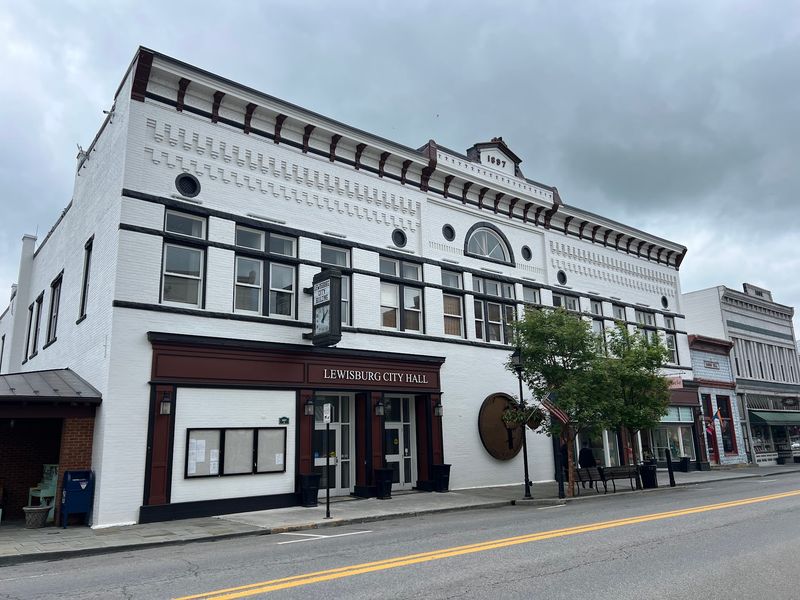
More than a thousand frontiersmen once gathered in this Greenbrier Valley town before setting off on foot for a 160-mile trek. In 1774, General Andrew Lewis mustered his militia here, then marched them all the way to Point Pleasant.
The town carries his name, and its roots go back to the 1750s, near a natural spring that drew early pioneers. Lewisburg was incorporated in 1782 and became a regional anchor for frontier campaigns during the Revolutionary era.
Later, the Virginia Supreme Court held sessions here, and Patrick Henry is said to have argued a case in town.
Stop by the Old Stone Presbyterian Church, believed to be the oldest church building in continuous use west of the Alleghenies. Its sturdy limestone walls have seen a lot.
During the Civil War, a battle in May 1862 swept through town, and some buildings reportedly still show marks and soldiers’ scribbles from those days.
What surprises most first-timers is how lively it feels now. Galleries, shops, and cozy eateries fill the 18th and 19th-century buildings, and Carnegie Hall hosts cultural events.
Point your car toward West Virginia 24901 for a real mountain-town treat.
6. Philippi
Folks around Barbour County still chuckle about the Philippi Races. The name makes it sound like a county fair event, but it actually marks a serious moment in American history.
On June 3, 1861, Union troops surprised Confederate forces camped in town at dawn. The Southern soldiers scrambled away so fast that newspapers nicknamed the retreat a race.
It’s widely documented as the first organized land battle of the Civil War, putting this quiet valley town on the map almost overnight.
Philippi also shows how the frontier story kept unfolding. Early settlers who pushed into the Tygart Valley built communities that later found themselves in the middle of a divided nation.
Those tensions helped lead to West Virginia becoming its own state.
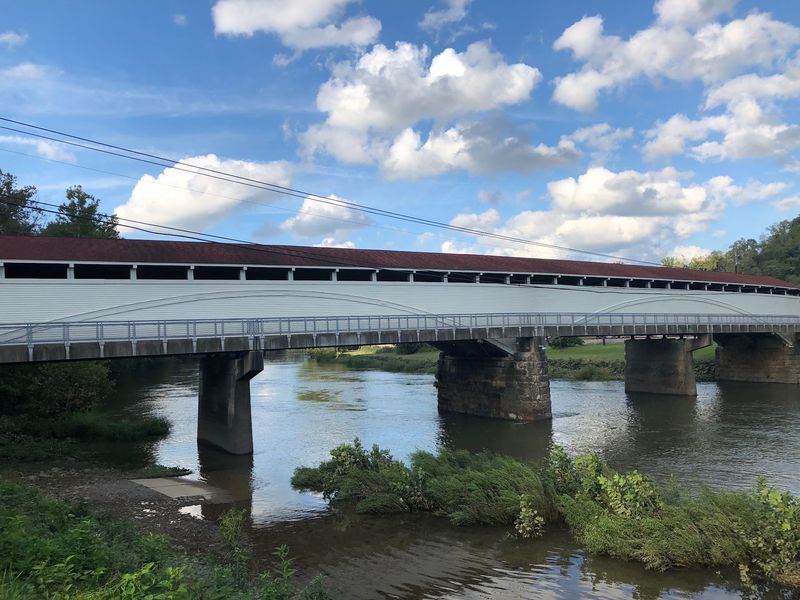
The real star for most visitors is the covered bridge. Built in 1852, the double-barreled span crosses the Tygart Valley River and is one of the most photographed landmarks in the state.
Troops from both sides reportedly used it during the war, and it still carries traffic today.
Park nearby, walk the riverbank, and soak up that small-town calm. Philippi sits in West Virginia 26416, and trip details live at philippi.org.
7. Romney
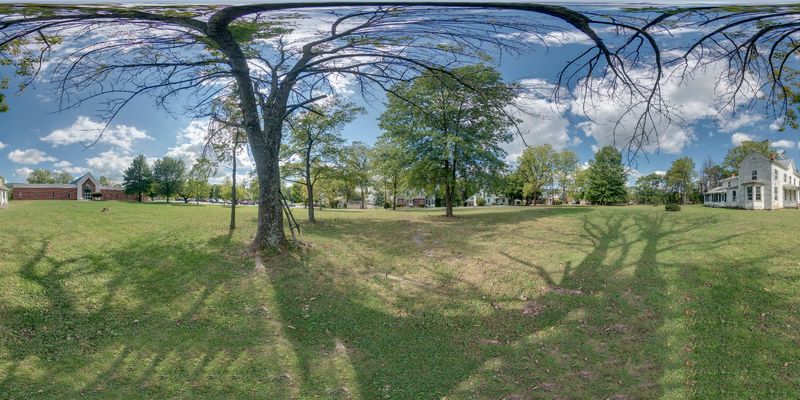
Fifty-six times. That’s how often Romney reportedly changed hands during the Civil War, a number that makes your head spin just thinking about it.
Why so popular? Location.
Tucked into Hampshire County in the Potomac Highlands, the town sat near key routes like the Northwestern Turnpike and the Baltimore and Ohio Railroad corridor, so both armies wanted it badly.
Romney was chartered in 1762, the same day as Shepherdstown, and many consider it the state’s oldest incorporated town. Settlers were here by at least 1725.
During the French and Indian War, Fort Pearsall went up in 1755 to protect frontier families living in the valley.
Head up to Fort Mill Ridge to see Civil War trenches, often called some of the best-preserved earthworks in the country. Walking along those grassy mounds gives you a real sense of how soldiers dug in.
The Indian Mound Cemetery adds an even older layer, tied to people who lived here long before colonists arrived.
Romney still carries that easygoing rural Appalachian feel, and the Potomac Eagle Scenic Railroad nearby offers a lovely ride through the valley. Look for it in West Virginia 26757.
Which of these seven hometowns holds your fondest memories?
