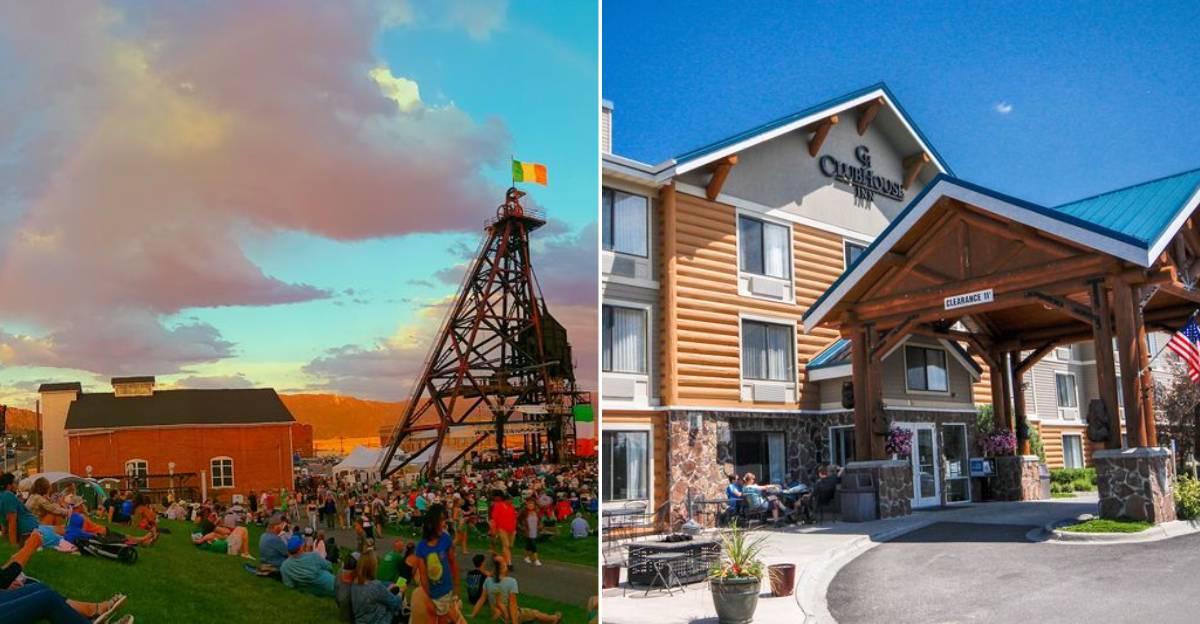
Nothing makes a neighborhood feel less local than a new set of strangers every Friday. In Montana, short term rental turnover has changed the vibe in some communities, turning quiet weekends into a rotating door of arrivals, trash bins, and unfamiliar cars lining the same streets.
What used to feel like a steady rhythm starts feeling like check-in day on repeat. You hear more suitcase wheels, more late-night porch chatter, and more parking confusion, even in places that used to go calm after dinner.
The hardest part is the sameness of it. The houses are still there, but the relationships are thinner, because neighbors stop recognizing each other and start bracing for whoever shows up next.
It also affects the small stuff that makes weekends feel good. Less street quiet, more rule signs, and a little tension about noise, dogs, and yard space that never used to be a conversation.
Locals adapt, but they also notice. This list looks at Montana neighborhoods where the weekend feel shifted, and how short term rental turnover became the thing that changed everything.
1. Bozeman
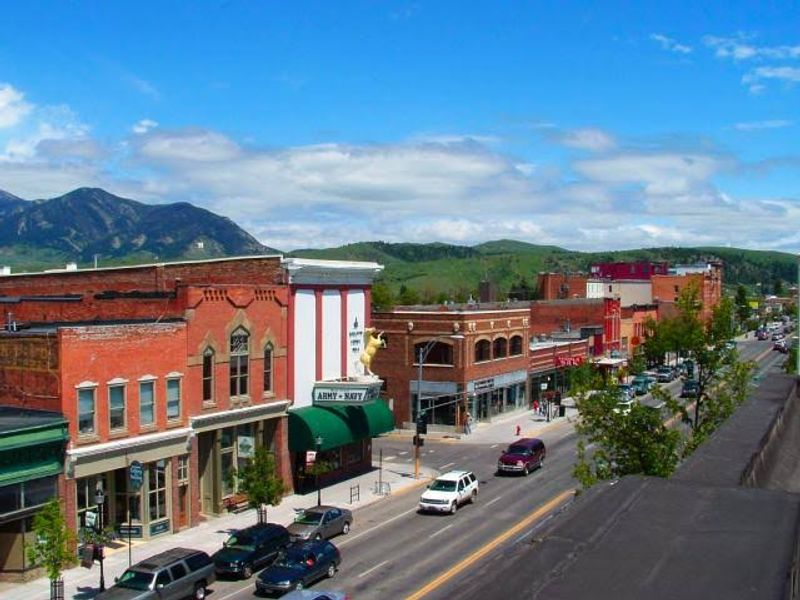
Funny how the sound of tires on pea gravel can tell you everything about a weekend before it even starts. In Bozeman, the Friday shuffle has a rhythm now, with rolling carry ons and quick phone calls to hosts about parking spots.
You can feel it in the stairwells of renovated fourplexes, where the echo of a keypad chirp replaces the old creak of a doorknob that every neighbor used to recognize.
It is not that visitors are rude, because most are kind, quick to smile, and trying their best to tread lightly. It is that the faces rotate so fast you never learn the names, so the Saturday wave turns into a nod, and then into nothing at all.
People ask for trailhead tips, snap a photo on the sidewalk, and disappear before Sunday dinner feels like home again.
The housing math hangs over the block like weather. Long term leases dry up, a duplex turns into a carousel of weekend bookings, and the old roommate chain that kept grads and lifties housed breaks down.
Friends talk about couch hopping, about sublets that vanish, about how Montana pride feels different when your mailbox keeps changing hands.
City rules try to keep pace, but turnover has its own current, and it pulls through quiet streets near downtown and out toward the foothills. You can still find the neighborly spark at the community garden or a yard sale, though it flickers when another SUV idles with the hazards on.
Bozeman is still beautiful, but the weekends are louder than they look.
2. Missoula
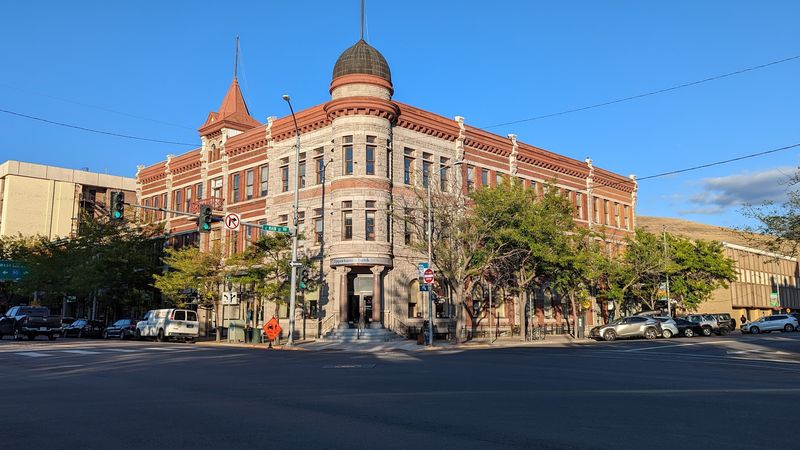
You can hear Missoula change by the way Saturday morning opens its windows. The neighborhood breeze used to carry lawn mower hum and the murmur of porch conversations settling into the day.
Now it is check out instructions, wheels bumping the curb, and a friendly question shouted across a hedge that begins with how do I get to.
Folks here are generous with directions, because Montana hospitality is hard to shake, even when it hurts a little. But the pattern is steady, and it makes weekends feel like airport layovers with mountain views.
Tenants who might have stayed a year stay a week, and the long story of a block never gets the middle chapters it needs.
Housing counselors in town keep repeating the same warning about shrinking options, and you can see it playing out on both sides of the river. A studio that sheltered a barista becomes a listing with crisp white bedding and a cleaning fee, and the roommate search threads stretch thinner.
The rent a friend could carry alone becomes a puzzle with missing pieces.
None of this makes visitors the enemy, and honestly, most bring good energy, buy local art, and wave from the sidewalk. Still, the turnover scrambles trust, because trust grows in the gaps between weekends.
If you listen at dusk, the street breathes, and you can hear the old Missoula heartbeat under the new itinerary, steady and stubborn, waiting for a chance to speak again.
3. Whitefish
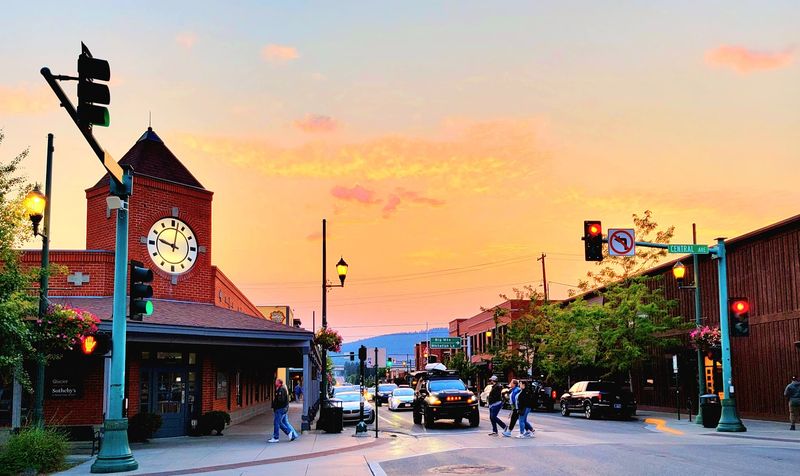
Here is the twist you might not expect. In Whitefish, a quiet rural lane can feel like a cul de sac theater where every weekend casts a new guest star, and lately the script has gone to court.
Neighbors drew a line around country residential living, and the Montana Supreme Court backed the idea that constant turnover does not fit the covenant promise.
That decision did not erase every short term rental, but it sent a message that the character of a place matters when you build a life there. Residents talk about it with a mix of relief and caution, like weather finally breaking while the next front stacks up over the range.
The takeaway is simple enough to say and hard to hold: a home is more than a furnished stay.
Weekends still swing between quiet forest light and gear packed tailgates. Visitors mean well, but their presence moves like a tide against the slower rhythms of neighborly routines, and you feel that in the way porch chairs stay empty.
The Saturday nod does not grow into a Tuesday favor when the person is gone before their coffee grounds settle.
Whitefish will always glow with trail dust and alpenglow, and that is not the problem. The problem is the speed of relationships when a block becomes a booking calendar, and parks and pathways become lobby spaces.
People here are trying to keep Montana neighborliness intact, even while greeting guests with kindness and clear rules that leave room for belonging.
4. Kalispell
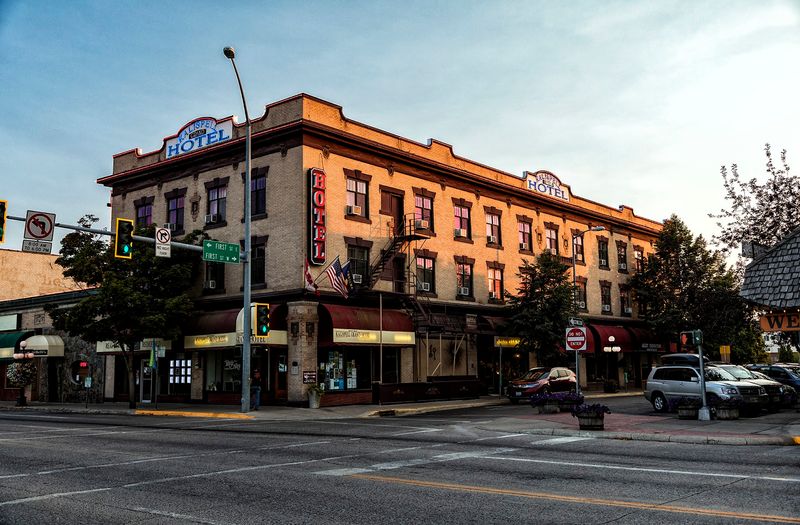
The clues in Kalispell are small, which somehow makes them louder. A porch light that stays on at noon because the timer is set wrong, a lockbox that clicks open in the breeze, and a recycling bin filled with travel size containers.
You catch yourself translating these signs into a weekend script, even when you want to just enjoy the shade under the big trees.
Neighbors trade texts about parking courtesy and quiet hours, and most guests follow through because they genuinely want good memories. Still, the churn tugs at the seams, and you notice how a shared ladder or a borrowed snow shovel becomes a story from last season instead of an everyday exchange.
The warmth is there, but it flickers like a lamp on a dying bulb.
Housing pressure feels heavy on side streets where renters used to graduate into longer leases as their jobs settled. Now the path jumps, and people who coach kids or tune skis bounce between short holds.
The city talk tracks the same Montana themes you hear everywhere now: affordability, character, and how to keep a block feeling like a block when bookings fill the calendar.
Kalispell is not unkind to visitors, because kindness is the baseline here, but the baseline is stretched. On Sundays, you hear car doors thud in unison, a soft drumline of departures that reminds you who did not stay.
What you want back is not the past, just a steadier chorus of familiar voices carrying across the hedges.
5. Columbia Falls
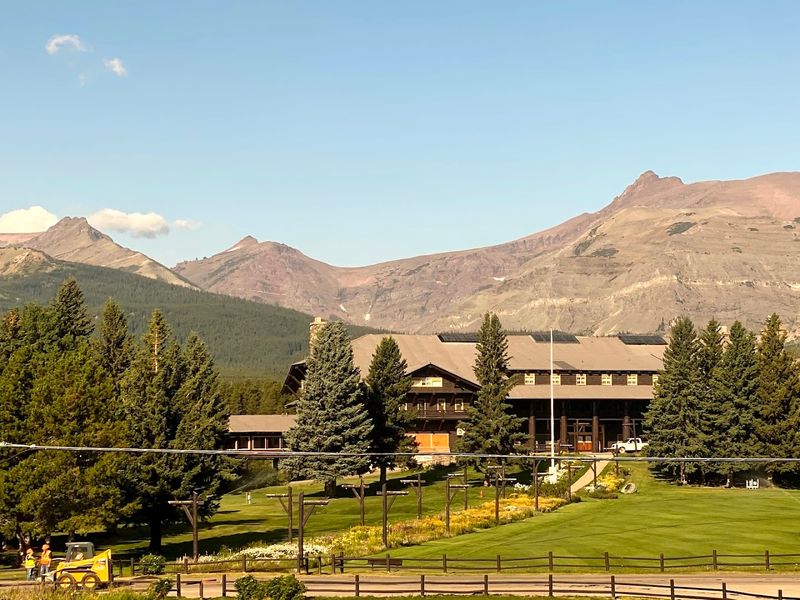
The conversation in Columbia Falls has moved from porch whispers to council microphones. People are asking how many weekend keys a small street can carry before the everyday stops feeling everyday, and whether zoning can thread the needle between visitors and neighbors.
It is not anti tourist, it is pro home, and that distinction matters when you are trying to keep Montana grounded.
Zoning talk usually puts people to sleep, but here it has a heartbeat, because it is about whether a teacher, a mechanic, or a nurse can count on staying put. The idea is to cap the churn so friendships can survive a calendar, and to preserve space for folks who anchor the school drop off and the after work wave.
You can feel the room lean in when someone mentions affordable housing.
On the block, the signs remain subtle. Fresh door codes, a cleaner car idling with the trunk up, and patio furniture that moves around like stage props.
Guests mean well, but their weekend timeline does not leave enough time for neighborly roots, so the hellos sound polite and thin, fading before Monday.
If the rules land right, maybe Saturdays recover their slower breath, and mailboxes get names that stick. Columbia Falls is wrestling with that balance in real time, and people are showing up because they do not want to lose the melody of their own street.
The goal is simple enough: keep the welcome mat out without rolling up the neighborhood right under it.
6. Billings
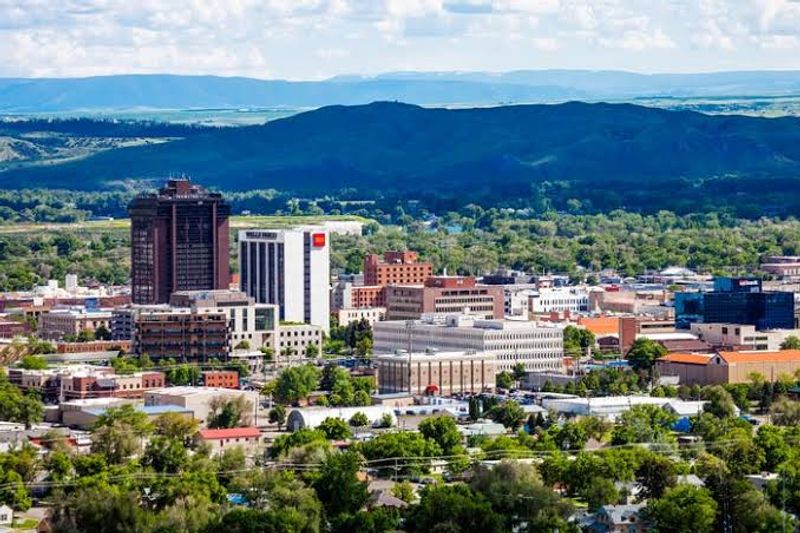
Billings tells the story in a lower register, but the notes are there if you listen. The rims catch golden light, the sprinklers tick, and then a new car noses into a driveway with out of state plates and a keypad flashes to life.
It is not drama, just gradual, like a river shifting banks without making a scene.
Neighbors used to map weekends around kids’ games and errands, and you could predict who would be grilling or turning soil by the sound of their garage door. Now the pattern resets too often, so the small favors that knit a block together drift into the rearview.
The hello on the sidewalk stays pleasant, but does not have a story to attach itself to.
Housing advocates keep circling the same Montana lesson: when a place is easy to love, it is easy to sell by the night, and that reduces the choices for people who need months, not days. A rental that could have steadied a young family becomes a suitcase address.
You can feel the fatigue in the way folks talk about moving farther out to chase a lease.
Even so, pride runs thick here, and the answer is not a closed sign, it is a thoughtful pace. If the churn slows, the weekend might remember how to sound like neighbors tackling projects and comparing notes across the fence.
Billings can hold both welcome and belonging, but not if the cast keeps changing every sunrise.
7. Helena
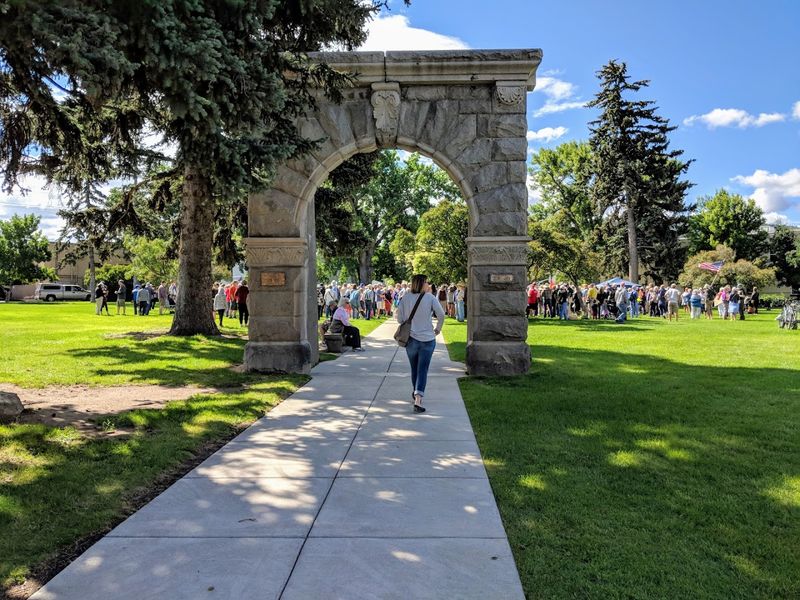
In Helena, the weekend used to unspool like thread from a spool, steady and useful. Now it jumps a bit, with guests peering at phones while they find the right porch and a code that opens without complaint.
It is all civil and orderly, but the tempo has shifted just enough that you feel it under your shoes.
The historic blocks carry their own gravity, and regular faces used to orbit them in comforting loops. With short term rental turnover, those loops break, and the orbits become straight lines in and out of town.
The front yard chat about a home repair turns into a brief exchange about where to find trail access and which block has easier parking.
People here do not begrudge visitors the view or the history, but they do miss continuity. A neighbor who knows when you travel can grab your mail, and a neighbor who arrives for two nights cannot.
Montana communities thrive on that simple reciprocity, which needs time more than anything.
City conversations tilt toward balance and baseline, because too many nightly doors means too few monthly ones. You hear it from teachers, clerks, and rangers, all trying to anchor themselves inside a market that keeps slipping toward weekend pricing.
If Helena can steady the turnover, the quiet hum of shared routines might return to the porches as naturally as evening light.
8. Butte
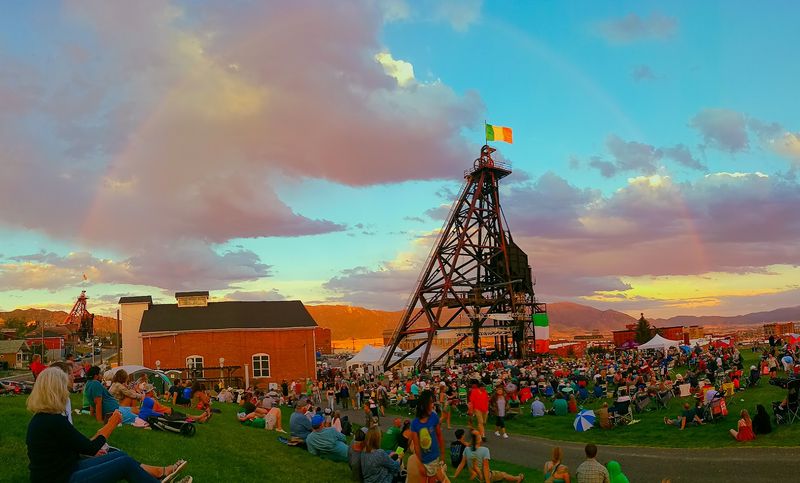
You do not have to look hard in Butte to see how weekends have learned new steps. The hill holds its stories in brick and copper, but the cast changes faster now, and the stoop hellos do not have time to deepen.
A lockbox clacks on a railing, and a suitcase thumps up steps that have carried the same family for generations.
There is a particular pride here that does not fade easily, so people work around the churn like they work around weather. They check on elderly neighbors, swap snow tips, and nod to guests with that dry Butte humor that keeps the street anchored.
Still, housing that could have steadied young workers pulls out of reach when every square foot learns to bill by the night.
The mining past taught this town about shared effort, and that shows up when the talk turns serious. Folks want rules that keep the lights on for visitors without dimming the everyday for residents, and they say it without ceremony.
Montana grit is not loud, it is stubborn and fair, and that is the tone you hear at these meetings.
On Sunday evenings, the view settles into copper light, and you can tell who is staying by who rolls their trash bin to the curb. The rest back out slowly, pause for a photo, and slip away before the block can learn their names.
Butte will still tell its stories, but it needs regular listeners to keep them alive.
9. West Yellowstone
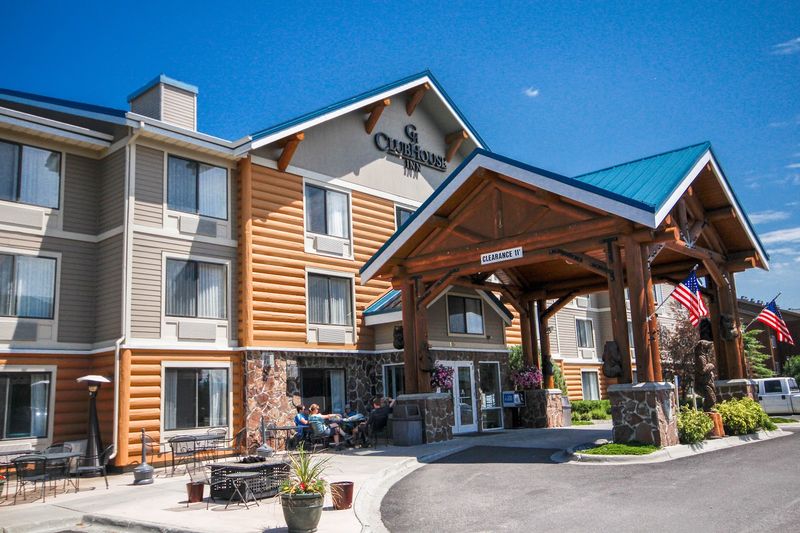
Gateway towns like West Yellowstone breathe in visitors like wind through a lodgepole stand. That is normal, but the pattern used to swing seasonally, and now weekends thrum almost year round with new codes, new cars, and the same quick questions.
It is friendly, but it leaves neighborhoods feeling like staging areas instead of places that exhale.
Locals adapt, because adaptability is what keeps the lights on and the sidewalks clear. They keep a running list of tips for guests, point toward boardwalks, and shuffle parking to keep driveways open.
Still, when houses that once balanced visitor beds with resident leases tip entirely toward nightly stays, the town loses people who carry stories through the winter.
Housing counselors have said it plainly across Montana: every home that turns into a short term listing tightens the belt on long term renters. In a gateway community, that squeeze shows up fast, because every worker you meet needs a steady bed and a short commute.
Without it, turnover ripples into service delays and frayed patience that nobody wants.
Even with the churn, quiet still exists here in small pockets. Step onto a porch after dusk, listen to the wind, and you can hear the old heartbeat trying to steady itself.
If policy and neighborly sense can pull together, West Yellowstone might reclaim weekends that feel less like departure lounges and more like a shared front yard.
10. Gallatin Canyon And Big Sky Zoning Area
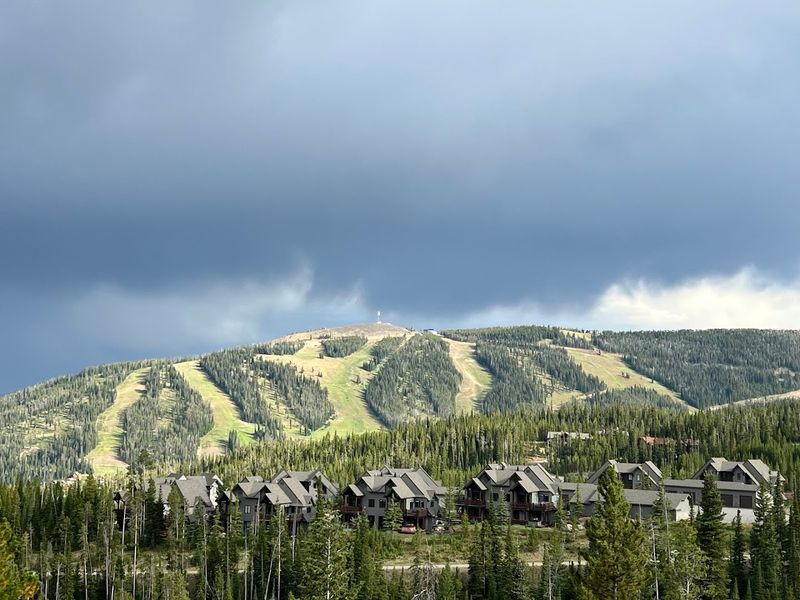
Drive the canyon and you can feel the pressure building like altitude. In the Big Sky zoning area, the sparkle of new builds and the promise of easy bookings have turned neighborhoods into rotating casts, and weekends into logistics.
It looks gorgeous, and it is, but beauty can hide the fray that locals carry in their shoulders.
People used to pass down rentals through word of mouth, and the chain kept seasonal workers within reach of trailheads and shifts. Now the chain snaps every few months, and the scramble moves farther down valley as nightly rates outmuscle monthly budgets.
You can hear it in conversations at trailheads, where the talk drifts from weather to where can I sleep next week.
Regulations here try to land softly, using zoning to separate commercial energy from residential calm. That sounds tidy until you remember that neighborhoods are not diagrams, they are relationships, and relationships need time and repetition.
The short term clock does not give either, so neighbors remain friendly strangers, no matter how many porch waves they share.
Montana magic is still visible in every line of the ridgeline, so nobody is arguing against welcome. The ask is pace and proportion, enough so that a weekend does not steamroll the everyday.
If the area can slow the churn, the canyon might remember how to hold echo and silence in balance, and homes might recover their steady breath.
11. Flathead County Canyon Area
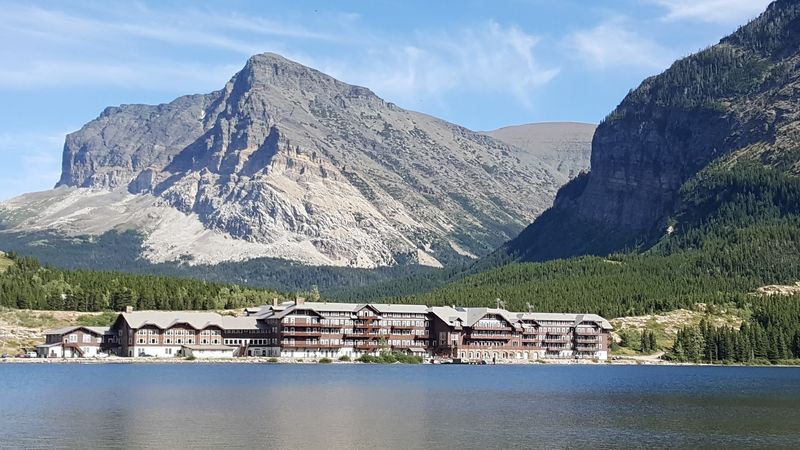
The canyon between towns tells a quieter story, which is why the changes stand out. In the Flathead County canyon area, a lockbox on a lodgepole cabin door feels like a small thing until three of them blink in sequence on a Saturday.
The road stays beautiful, but the neighborhoods start to sound like motels without lobbies.
People who live out here value space and predictability, and both get thinner when driveways fill with short term plates. Check in instructions ripple down the road, and the steady comfort of familiar headlights after dusk gets replaced by a fresh set every weekend.
It is not unfriendly, just unsettled, the way water looks right before it freezes.
The county talk echoes what you hear across Montana: housing stock is not unlimited, and taking bites for nightly stays leaves fewer seats at the long table. Folks who maintain trails, teach classes, or fix roofs need addresses that do not time out.
Without them, communities fray at the edges first, then at the seams.
Neighbors are patient, and they want balance, not barricades. Some limits, some clarity, and some respect for quiet hours can carry a long way when the baseline is belonging.
If the canyon can slow its revolving door, the weekends might stretch again, wide and local, the way they felt before the keypads learned a quicker beat.
Dear Reader: This page may contain affiliate links which may earn a commission if you click through and make a purchase. Our independent journalism is not influenced by any advertiser or commercial initiative unless it is clearly marked as sponsored content. As travel products change, please be sure to reconfirm all details and stay up to date with current events to ensure a safe and successful trip.
