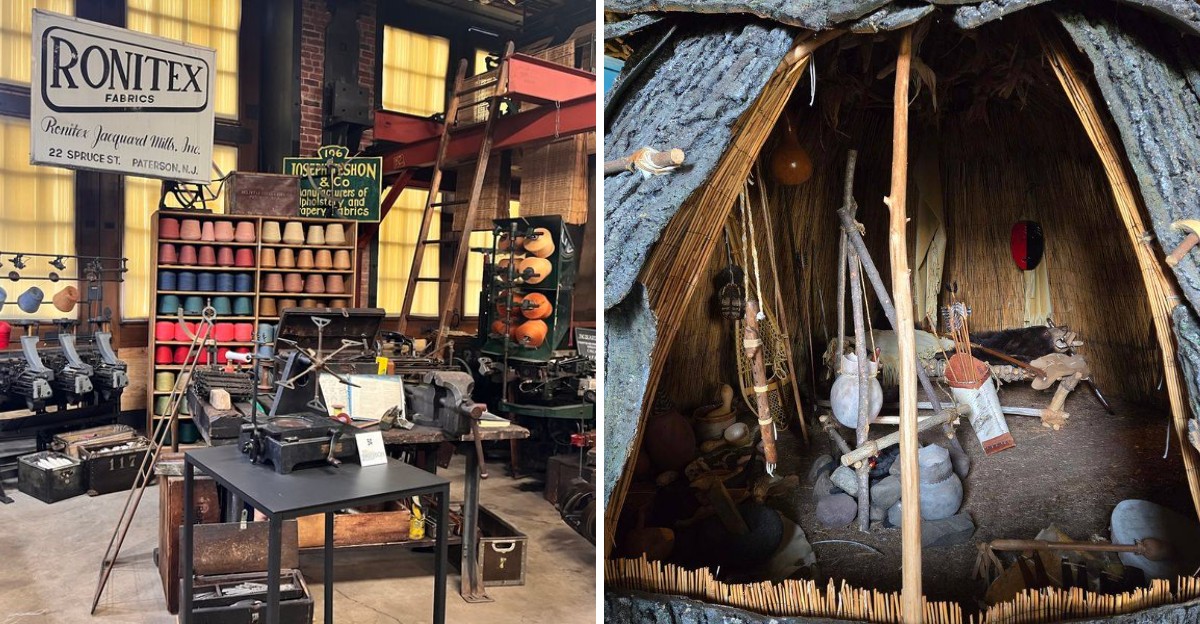
They say this city was built with an arm of iron in a sleeve of silk. This New Jersey museum proves it.
Inside a restored 19th-century locomotive factory, the exhibits trace a city that once built trains that connected a nation and wove silk that dressed it.
You will find a submarine designed by a local inventor, firearms that helped shape American industry, and the story of a city that went from immigrant gateway to manufacturing powerhouse.
The building itself is part of the collection. Once, locomotives were assembled right where you stand.
Now you can walk through displays of looms, engines, and artifacts that tell the story of a city that changed the world.
And you might even spot something unexpected.
Taxidermy insects. Fluorescent rocks.
It is fascinating, surprising, and completely worth a visit.
Silk City Comes Alive Through Its Looms
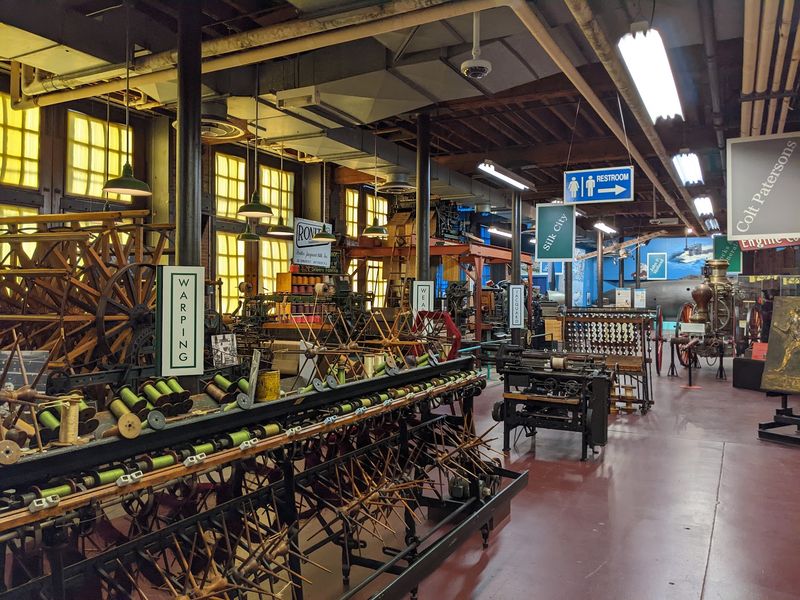
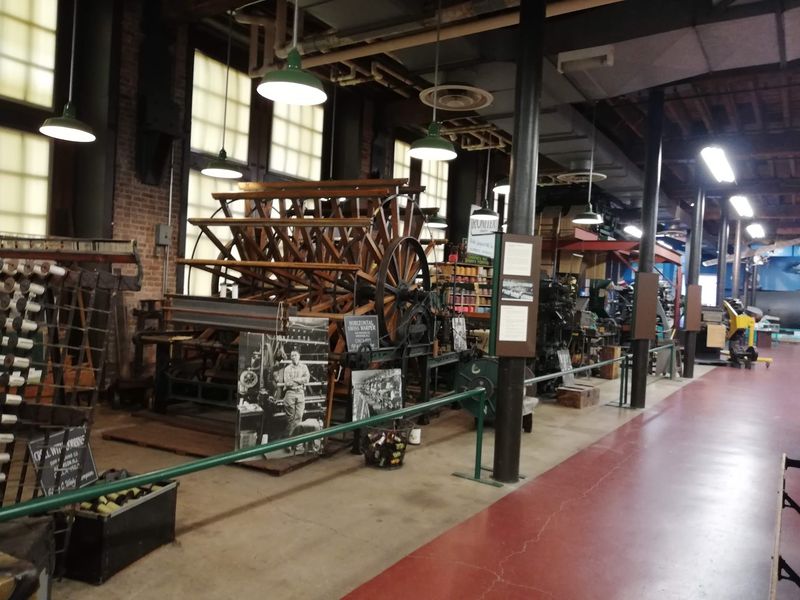
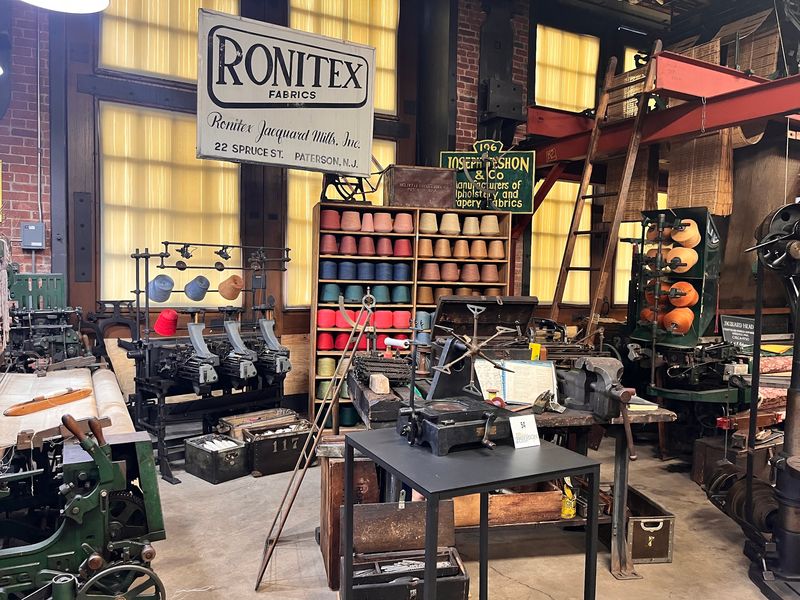
Textile machines are the heart of this collection, and they are enormous. Rows of looms and spinning equipment sit exactly where visitors can study every gear and belt.
Paterson earned the nickname Silk City because its mills once made it the largest silk producer in the United States. The exhibits at Paterson Museum trace the whole journey, from cocoon to finished cloth, which turns something delicate into a story about engineering.
I found myself leaning in close to see how thin the threads actually were. It changes the way you look at a shirt label.
A standout is the Jacquard head loom, controlled by punched cards that told the machine which pattern to weave. That card system is considered one of the earliest forms of computer programming, which is a wild thing to see in a room full of iron and wood.
Give yourself time here rather than breezing past. The signage explains the process clearly, and even visitors with zero interest in fabric tend to slow down once the scale of the machinery sinks in.
Locomotive 299 And The Weight Of Real Iron
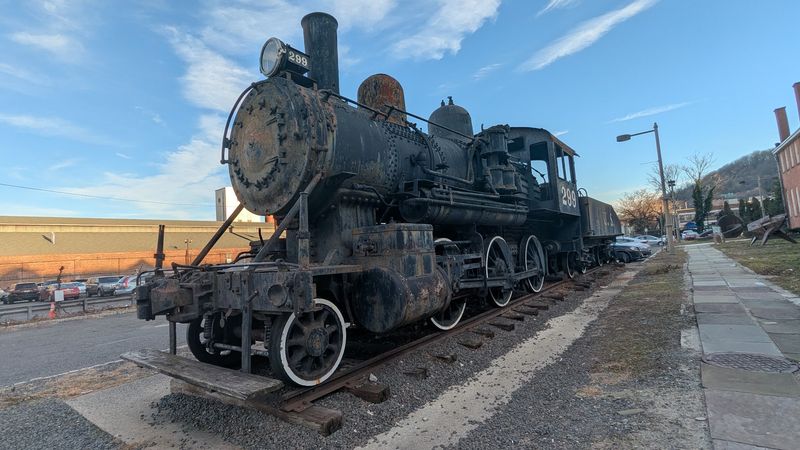
Nothing prepares you for standing beside a full-size steam locomotive. Panama Railroad Locomotive 299 sits as one of the museum’s signature pieces, a Mogul type engine built at the Cooke Works in Paterson in 1906.
It worked during the construction of the Panama Canal, which means this machine helped shape world trade.
Between 1837 and 1926, three locomotive manufacturers in Paterson built more than 10,000 engines. That number is easier to believe once you see the scale of what one engine actually looks like up close.
The wheels alone reach chest height on most adults.
What makes the display feel even more genuine is the building itself, the Thomas Rogers Erecting Shop, where locomotives were once assembled. The floors, columns, and brick walls all belonged to that work.
Bring a camera and look for the small details, like rivets and pressure gauges, rather than just the overall shape. Kids tend to love this section, and honestly, so do adults who claim they are only along for the ride.
Two Early Submarines You Can Actually Walk Around
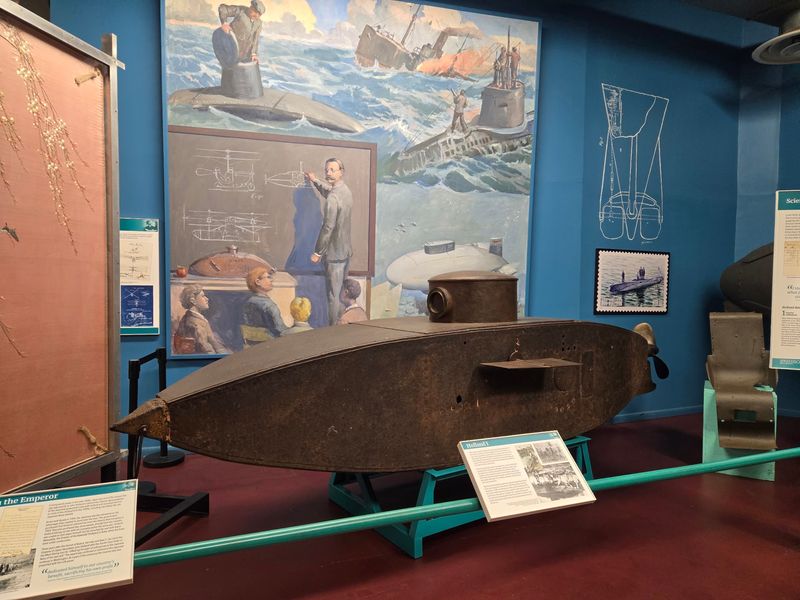
Submarines in a landlocked mill town sound like a joke, but they are real and they are here. The museum displays the hulls of John Philip Holland’s Boat Number 1 from 1878 and the Fenian Ram from 1881, both developed in Paterson.
Holland went on to become a major figure in submarine design, and these are his early experiments.
Seeing them side by side is strange in the best way. They look small, cramped, and slightly terrifying, more like riveted iron barrels than vessels anyone would volunteer to climb into.
That is exactly what makes them fascinating.
Visitors often mention the submarines as the biggest surprise of the whole trip, and it is easy to understand why. A city famous for fabric and trains also helped push underwater travel forward.
Walk a full circle around each hull and check the hatches and portholes. The craftsmanship holds up, and it gives you real respect for anyone brave enough to test them in the Passaic River.
Alexander Hamilton’s Big Idea, Explained Simply
History class suddenly makes more sense in this section. Paterson was America’s first planned industrial city, a vision Alexander Hamilton helped launch in 1792, built around the raw power of the Great Falls of the Passaic River.
The exhibit lays out why waterpower mattered so much before electricity existed.
Falling water turned wheels, wheels turned machines, and machines turned a small settlement into a manufacturing hub. Simple idea, massive consequences.
What I appreciated is how the displays connect the dots between an ambitious plan on paper and the actual iron and brick sitting all around you. The expanded Hamilton material makes his role feel practical rather than abstract, less portrait on a wall and more blueprint for a working city.
Read these panels early in your visit if you can, because everything else at Paterson Museum makes more sense afterward. Then step outside, because the Great Falls sits only a short walk away.
Seeing the water crash down after learning why it mattered is one of the best one-two combinations in New Jersey travel.
Colt Revolvers And A Chapter Of Manufacturing History
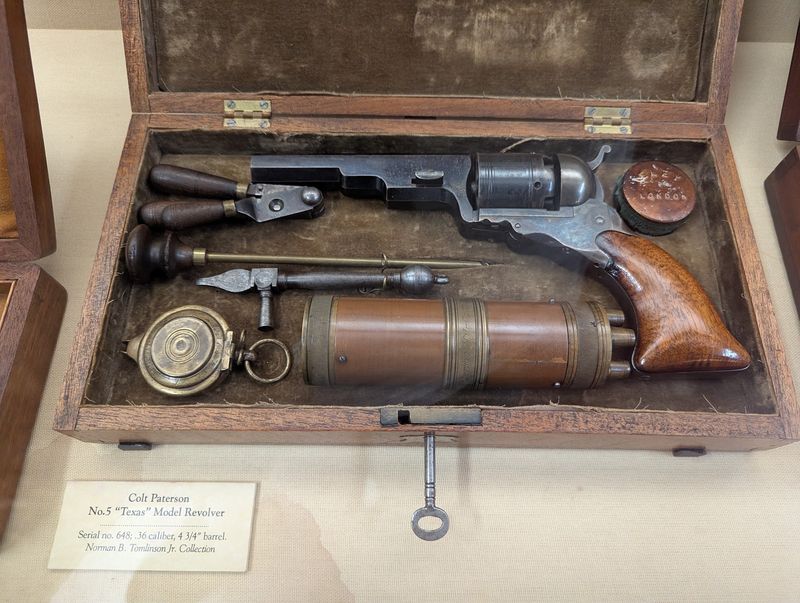
Set into a display case is a chapter of American manufacturing that many visitors do not expect to find in Paterson. Samuel Colt perfected his repeating cylinder revolver in this city, and the museum keeps a collection of those early Colt firearms.
The engraving and metalwork are surprisingly fine for machines built so long ago.
What stands out is the craftsmanship rather than the subject matter. Each piece shows how precision parts were made before modern tools existed, and precision was the whole point of Paterson’s factories.
The cases are arranged so you can trace how designs changed over time.
Several visitors come specifically for this exhibit, then end up staying for the looms and locomotives. It works the other way around too.
Take a slow lap and read the labels, since the details about manufacturing methods are the genuinely interesting part. Together with the silk and rail displays, this section rounds out a picture of a city that made almost everything, and made it well enough to matter nationally.
Lenape Life Along The Passaic River
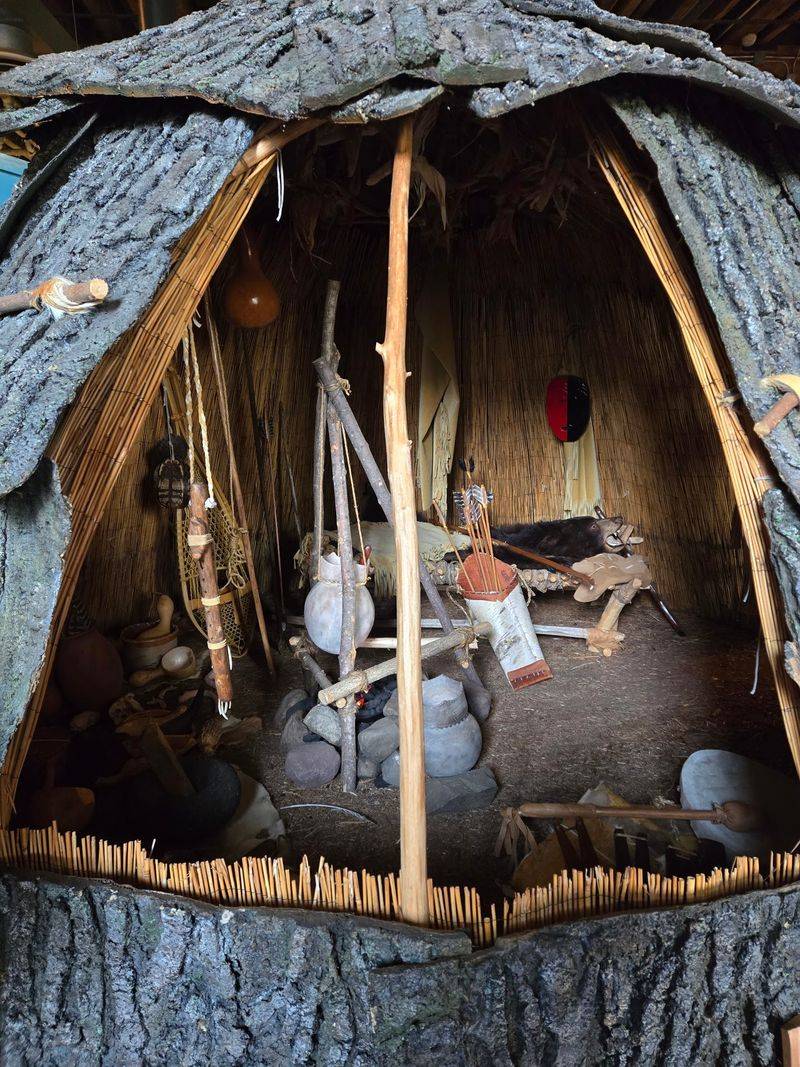
Long before mills and smokestacks, the Passaic River Valley belonged to the Lenape people, and the museum gives that history real space. Cases hold original stone tools and replicas that show how daily life worked, from hunting to food preparation.
There is also a look inside a Lenape dwelling, which brings the scale of home life into focus.
It is a quiet, thoughtful section, and it lands differently after seeing all that heavy machinery. The land had a story thousands of years before anyone built a factory on it.
Visitors frequently name this as a highlight, especially families with school-age kids working on local history projects. The objects are small, so lean in and take your time.
What makes it work is context. The same river that powered looms also fed and connected communities that thrived here for generations.
Reading the panels here gives the rest of the museum a longer timeline, and it keeps the industrial story from feeling like the only story worth telling in this valley.
A Mineral Collection That Genuinely Sparkles
After all that iron, the mineral room feels like walking into a jewelry box. Cases glow with crystals, gems, and fossils, and the collection ranks among the largest in New Jersey.
Specimens from the local region sit alongside pieces gathered from much farther away.
Northern New Jersey happens to be famous among rock collectors for its unusual minerals, so this is not a random side display. It is a serious collection presented in a friendly way.
Colors range from deep greens to milky whites to sharp, glassy points that catch the light.
I have a soft spot for exhibits like this because they slow you down. There is no machinery humming in your imagination, just patient geology and very good labels.
Kids gravitate here fast, usually pressing their noses to the glass to find the biggest sparkle. Adults quietly do the same thing.
If you only have limited time, still swing through. A few minutes among the fossils and crystals makes a nice palate cleanser between the looms and the submarines.
Fire Trucks, Old Medicines And Everyday City Life
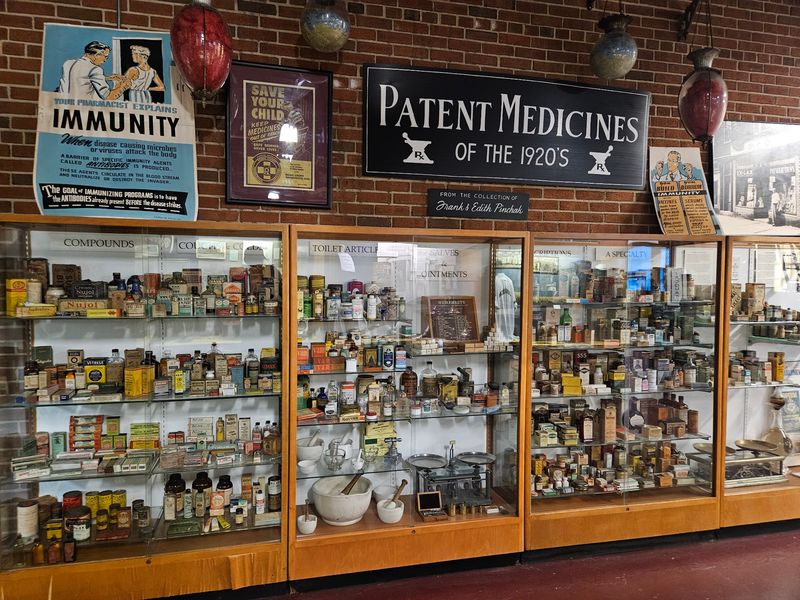
Some of the most charming corners have nothing to do with heavy industry. Vintage fire department equipment fills part of the floor, showing how the city protected itself as it grew.
Nearby, a display of medicines from the 1920s pulls plenty of attention, with old bottles, tins, and labels that read like a different century entirely.
There are also exhibits touching on the growth of hospitals, the police department, military service, and even Paterson’s sports figures. The mix is eclectic, and that is precisely the charm.
Then there is the photograph archive, which holds more than 200,000 negatives and prints documenting neighborhoods, parades, workplaces, and ordinary days.
Those images turn statistics into faces. You start recognizing a real community rather than a list of factories.
My advice is to treat this part like browsing an old family album. Look for details in the background of photos, and read a few of the medicine labels for a laugh.
It humanizes the whole building in a way the big machines cannot quite manage.
Lou Costello’s Playhouse And Other Local Surprises
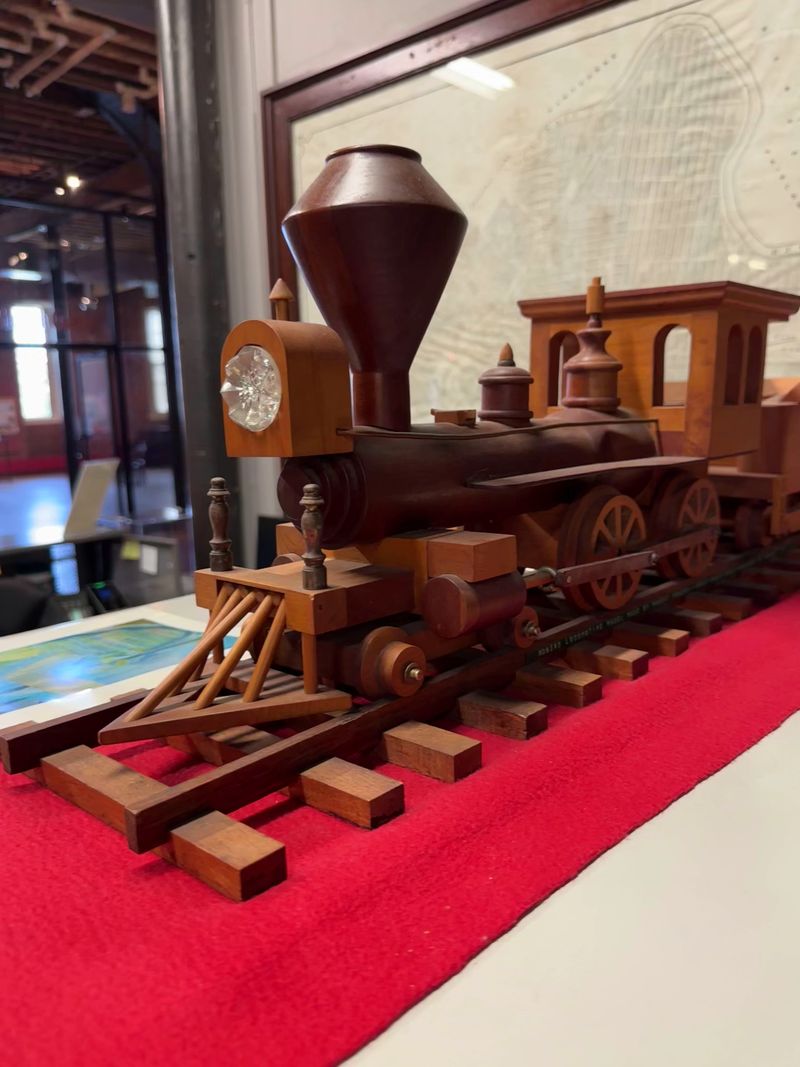
Comedy fans get a little treat in the middle of all the industry. The facade of a playhouse built by Paterson native Lou Costello for his children is on display, and it is delightfully out of place among the looms and engines.
Small, wooden, and clearly made with love, it earns a smile from almost everyone who walks past.
Odd items like this are part of what gives the museum its personality. Alongside the playhouse you will find nods to airplane engines, a diner exhibit, and other pieces of local pop culture that never quite fit a neat category.
A rotating art and exhibition gallery adds something new for repeat visitors.
The mix keeps the pace lively, since you never know whether the next room holds a machine, a mineral, or a memento.
Keep your eyes open in the smaller corners rather than rushing toward the headline pieces. Those quirky finds are the ones people tend to talk about later, and they make the visit feel less like a lesson and more like a treasure hunt.
Planning A Smooth Visit, Plus The Falls Nearby
A few practical notes make the trip easier. Doors open at 9:30 in the morning Monday through Friday and close at 4:30 in the afternoon, with weekends closed, so plan for a weekday stop.
Free parking sits right on the property, and admission is free, though donations are welcome.
Most people spend somewhere between one and two hours inside, longer if you read every panel. The building has no central air, so summer visits can feel warm, and lighter clothing helps.
There is no food service on site, so eat before or after.
Afterward, walk or drive the short distance to the Great Falls of the Passaic River, the waterfall that powered everything you just learned about. Seeing the water thundering down completes the story perfectly.
For anyone curious about how American industry actually got started, the Paterson Museum is one of the best value stops in the state.
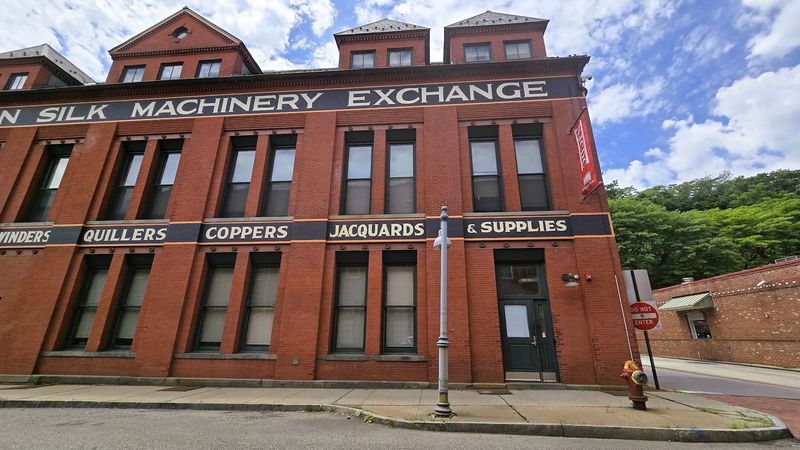
You will find the Paterson Museum at 2 Market St, Paterson, NJ 07501, United State, and it deserves more attention than its quiet exterior suggests.
