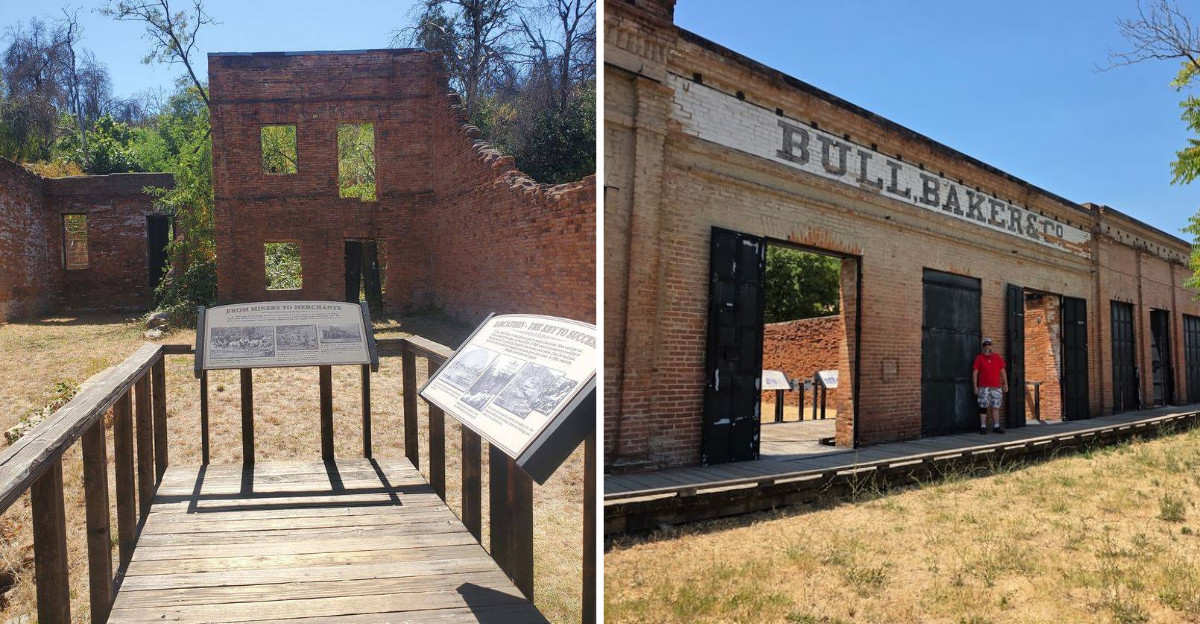
Roofless brick walls with rusted iron shutters and hinges line both sides of that old California main street, and I pulled off a highway expecting a quick leg stretch. I ended up spending most of an afternoon wandering through the bones of a Gold Rush boomtown instead.
This place was once called the Queen City of the northern mines, a town where millions in gold moved through and business rivaled the bigger cities. Then the railroad chose a different route, and the town quietly emptied out.
What surprised me most is how much is still standing, from a restored 1861 courthouse to a general store packed with old goods. The windows are empty, but the frames still hold the shape of the glass that once covered them, and the iron shutters still swing on their hinges when the wind picks up.
It felt like the town simply paused and waited for someone to come look, the streets holding the shape of the bustle that once filled them.
The Brick Row That Refused to Disappear
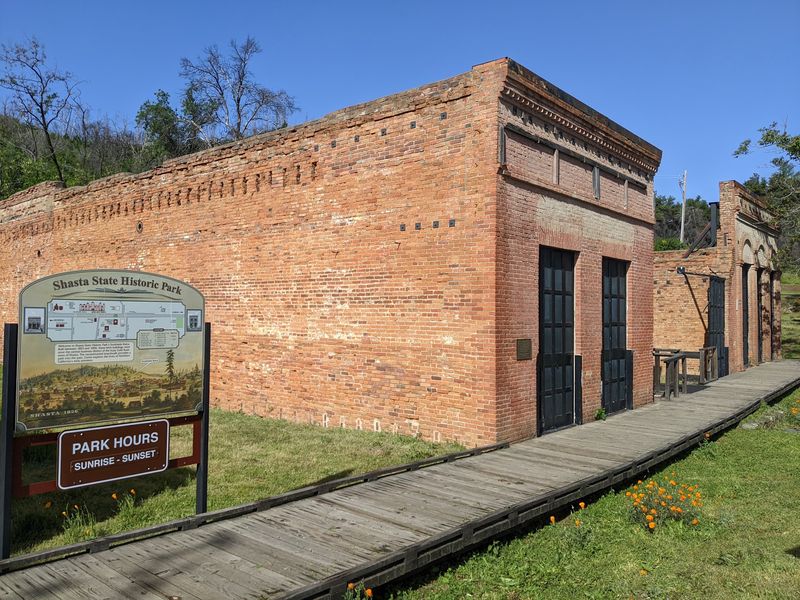
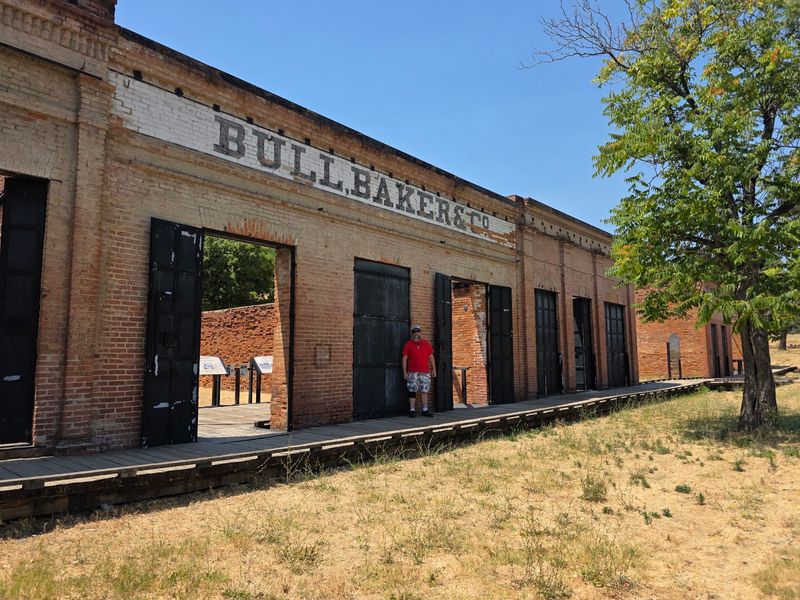
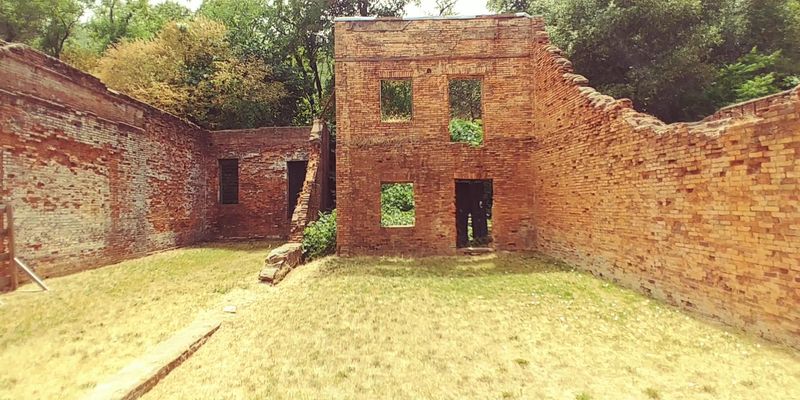
Two fires tore through Shasta in 1852 and wiped out most of its wooden businesses. Merchants came back stubborn and rebuilt in brick, with thick fireproof walls and heavy iron shutters bolted into place.
The result was the longest continuous row of brick buildings north of San Francisco, and a surprising amount of it is still here.
I walked the length of it slowly, and what got me were the small details. Iron hinges still hang on doorways that lead nowhere.
Sunlight pours straight through window openings because the roofs are long gone.
Behind these walls there were once hotels, barbershops, bookstores, meat markets, and stables, all serving miners passing through on their way to the diggings.
Practical tip from my visit: the ruins sit right along the main road and cost nothing to see, so even a twenty minute stop is worthwhile. Wear real shoes, since the ground is uneven and dusty in summer.
Morning light hits the eastern walls beautifully, while late afternoon warms the brick to a deep rust color that photographs wonderfully.
Standing among those open walls, it is easy to picture wagons rolling past and shopkeepers shouting over the noise. The quiet now makes the scale of what was lost feel very real.
Inside the Restored 1861 Courthouse Museum
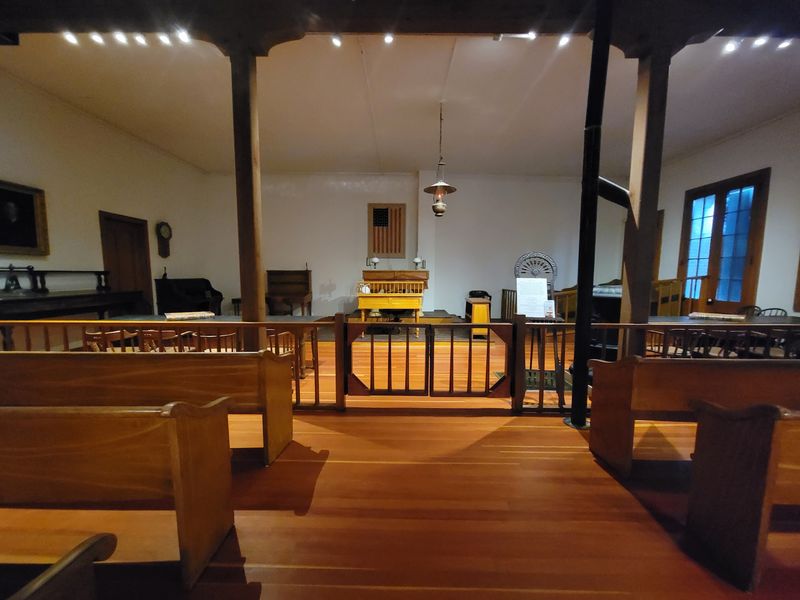
Of everything in the park, the courthouse is the building that still looks like it belongs to a working town. Built in 1861, it served as the seat of Shasta County until the county government packed up and moved to Redding in 1888.
Inside, the restored courtroom is arranged so you can sit in the gallery and take in the whole room.
There is more variety here than I expected. An art gallery upstairs holds roughly a century of California artwork, and display cases hold everyday objects from mining families, merchants, and travelers.
Interpretive panels explain how the town rose and then thinned out, which gives the ruins outside a lot more meaning.
Do yourself a favor and start here rather than saving it for last. Staff hand out a brochure with a map, and that map points you toward several sites you would absolutely miss from the road.
General park admission is free, though the courthouse museum charges a small entry fee unless you carry the Historian Passport annual pass.
Hours run Thursday through Sunday, 10 AM to 4 PM, and the building is closed Monday through Wednesday. Arriving right at opening gave me quiet rooms and unhurried time with the exhibits.
Down the Stairs to the Old Jail and Gallows
The temperature drops noticeably as you head down into the jail beneath the courthouse. Thick walls, iron bars, and low ceilings make the space feel much older than the polished courtroom directly above it.
Visitors often describe the basement as spooky, and honestly, I understand why.
Cells here held people awaiting trial back when Shasta was the legal center of a huge mining district. Reconstructed gallows stand outside, a blunt reminder that frontier justice was fast and rarely gentle.
Reading the panels down there changed how I thought about the rest of the site, because it filled in the harder side of boomtown life.
Families with curious kids tend to love this part, though very young children may find the dim lighting a bit much. Ask at the desk about the Junior Ranger packets, which give younger visitors something to hunt for while adults read.
The stairway is narrow, so watch your footing and give people coming up room to pass.
Bring a light jacket even on a hot Redding afternoon, since the stone keeps the basement cool year round. I lingered longer than planned, mostly because the silence down there is the kind that makes you imagine things.
Litsch General Store, Stocked Like It Never Closed
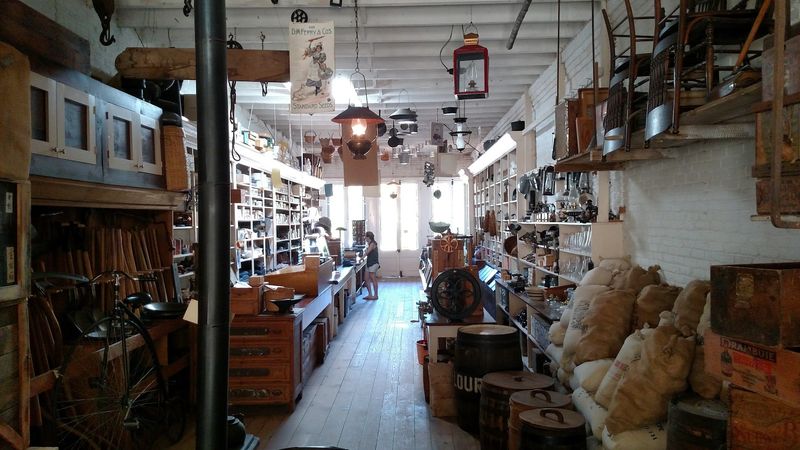
Shelves crowded with tins, jars, bolts of cloth, and hand tools greet you inside the Litsch General Store, and the effect is immediate. Nothing feels staged for show.
It feels stocked.
The store operated as a real business serving the town, and today it works as a museum holding an enormous collection of 1800s goods.
What struck me was the ordinariness of it all. Coffee grinders, boot polish, tobacco-free household staples, sewing notions, and canned goods lined up as if a customer might walk in any minute.
Seeing what miners and their families actually bought tells you more about daily life than any statistic about gold production.
Opening days line up with the courthouse museum, Thursday through Sunday, so plan your trip accordingly if this is on your list. Some visitors arrive on a Monday or Tuesday and find only the outdoor ruins accessible.
Take your time reading the labels, because volunteers have done careful work identifying items.
If a blacksmith happens to be working during your visit, the sound of the hammer carries down the street and pulls the whole place together. That combination of smell, sound, and clutter made the store my favorite indoor stop in the park.
How the Railroad Decision Emptied the Queen City
Here is the twist that explains everything you see. Shasta began as Reading’s Springs in 1849, took its new name in 1850, and grew into the supply hub for the whole northern mining district.
By 1852, more than 2.5 million dollars in gold had passed through the town, and its commercial weight was compared to Sacramento and San Francisco.
Then the Central Pacific Railroad made its choice in the mid-1880s. Tracks went to a young town called Redding instead, and Shasta lost the transportation advantage that had made it matter.
Businesses followed the rails, mining activity faded, and the county seat officially relocated to Redding in 1888. By 1900 the Queen City had become a near ghost town.
Reading the plaques along both sides of the street is the best way to absorb this arc, and they are genuinely well written. I found myself stopping at nearly every one.
There is also an interactive QR-based learning game if you prefer information on your phone.
Knowing the railroad story turns a pretty row of ruins into something more pointed, a lesson about how quickly a town’s fortune can hinge on a single decision made somewhere else.
Trails, Oak Woodland, and Spring Poppies
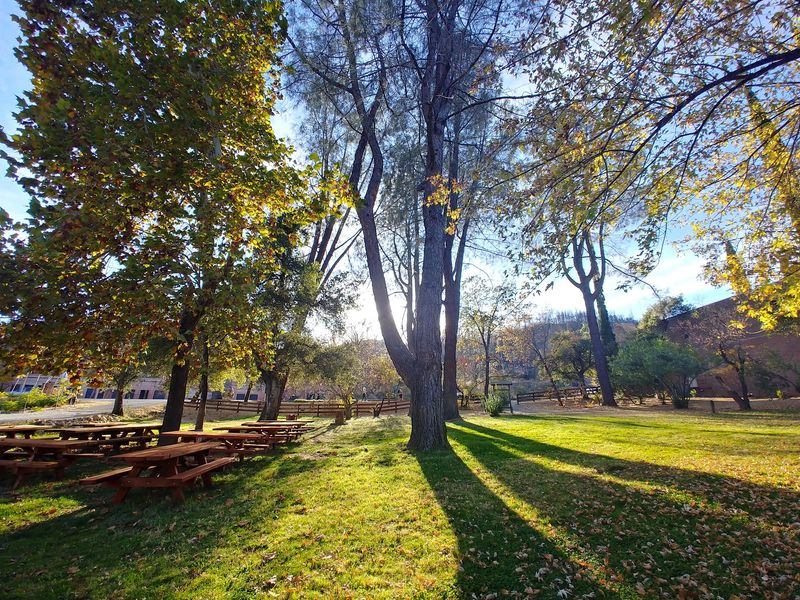
Beyond the storefronts, footpaths wander off into oak woodland and past scattered foundations that most drivers never notice. The park is small, but the trails add a nice half hour of easy walking.
A pioneer cemetery sits within reach, and the headstones there put names to the people who built this place.
Springtime is the season to aim for if you can manage it. Poppies bloom across the slopes in mid-spring, and the orange against weathered red brick is honestly one of the better color combinations I have seen in Northern California.
Photographers show up here for exactly that reason, sometimes with clients in tow.
Summer in the Redding area gets seriously hot, so morning visits work best from June through September. Carry water, since shade along the trails is patchy at best.
Dogs are welcome outdoors on leash, though they cannot come into the museums, which is worth planning around if you are traveling with one.
Cycling out from Redding is another approach, and the ride along Highway 299 makes the destination feel earned. I met a few riders resting near the ruins, and they seemed pleased with the trade of effort for scenery.
Planning a Stop That Actually Fits Your Day
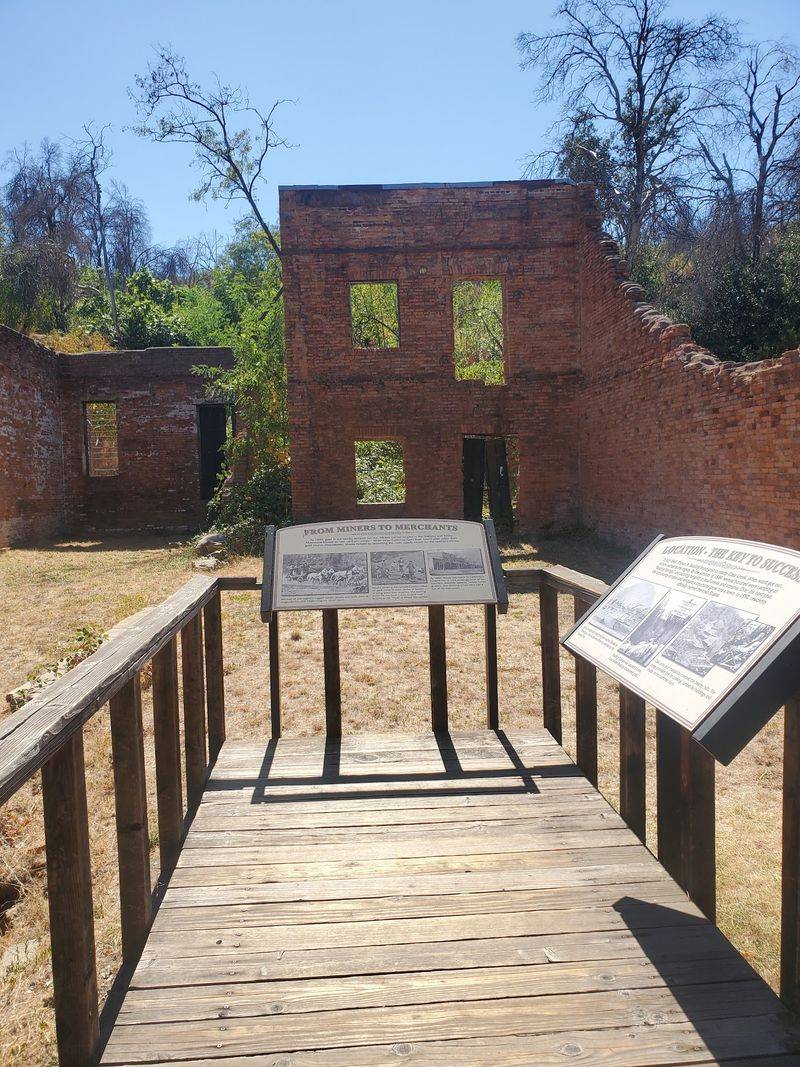
Six miles west of Redding on Highway 299 puts this park within an easy detour of almost any Northern California road trip. Give yourself ninety minutes if you want the museums, or half an hour if you are only after the ruins.
The boardwalk along the street keeps things comfortable, and benches let you sit and take it in.
Timing matters more than most people realize. Museums and the visitor center run Thursday through Sunday from 10 AM to 4 PM, and everything indoors closes Monday through Wednesday.
Show up right at ten and you will have the street mostly to yourself, which makes a real difference for photos.
Grab the brochure map first, because several sites, including California’s oldest Masonic lodge, sit off the main road and are simple to walk past. Bring water, a hat, and cash for the small museum donation.
Phone reception is fine if you want to use the QR trail game.
Officially established on June 12, 1950, after the state acquired the site in 1946, this park exists because people decided the ruins were worth keeping. Wandering the old street, I was glad they did.
Address: 15312 CA-299, Shasta, California 96087
