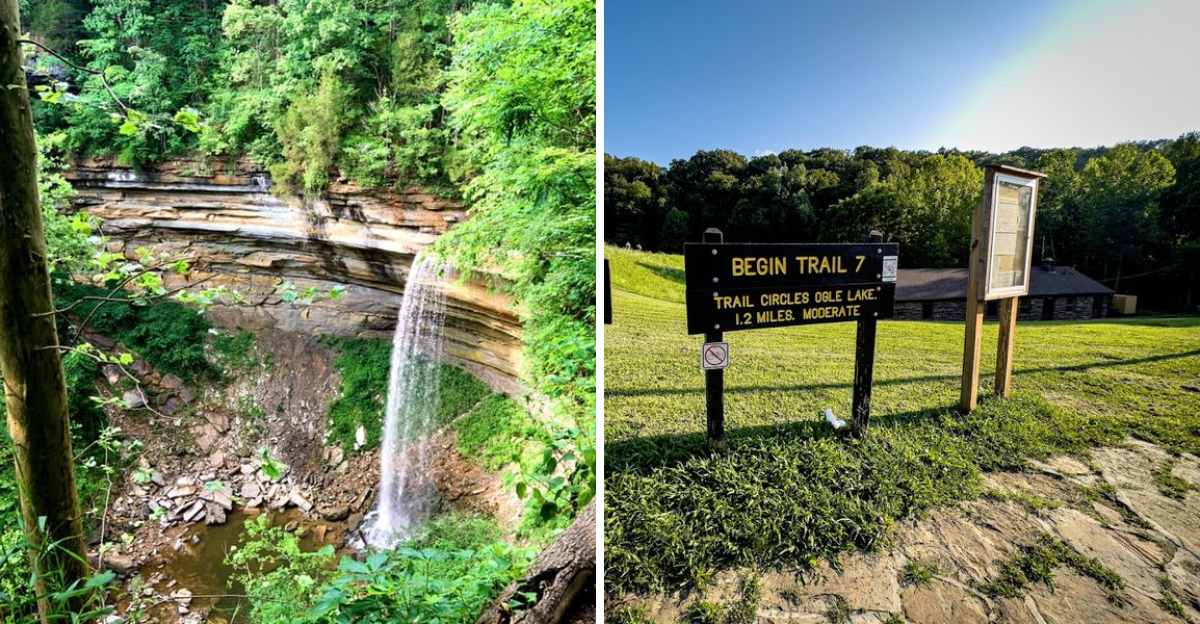
I have wandered through Indiana trails for years, and spring transforms them into something magical. Wildflowers carpet the forest floor, waterfalls rush with snowmelt, and fresh green leaves filter sunlight into golden rays.
These ten trails are not grueling endurance tests or technical scrambles. They are simple paths that reward you with stunning views without requiring special gear or advanced hiking skills.
Whether you are looking for lakeside serenity, dramatic cliff overlooks, or sand dune vistas near Lake Michigan, Indiana delivers natural beauty that rivals destinations much farther from home. I have selected these trails because they offer maximum visual payoff with minimal effort, perfect for families, casual hikers, or anyone wanting to enjoy spring without exhaustion.
1. Dune Ridge Trail
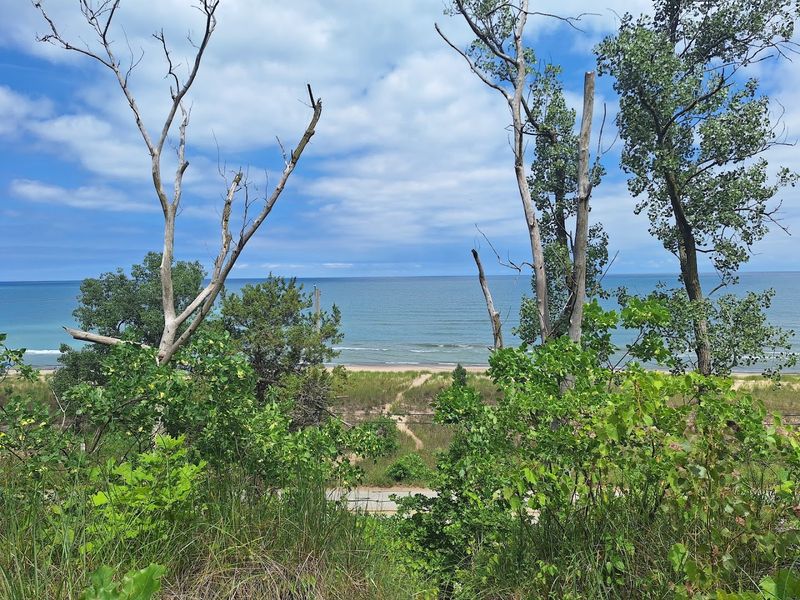
Walking along the Dune Ridge Trail feels like stepping into a coastal landscape, even though you are firmly planted in the Midwest. This trail at Dune Ridge Trailhead in Beverly Shores takes you across sand dunes that tower above Lake Michigan, offering panoramic views that stretch for miles across water and shoreline.
Spring brings a unique transformation here. Wildflowers like beach pea and dune goldenrod begin their colorful display, and migratory birds stop along the shoreline during their journey north.
The sand stays cooler in spring, making the hike more comfortable than summer treks when the dunes can become scorching hot.
The trail itself is not particularly long or difficult, but the sand does require a bit more effort than a paved path. Wear sturdy shoes because the shifting sand can be tiring on the ankles.
The reward comes when you reach the overlook points where Lake Michigan spreads out before you, waves crashing onto the beach below.
Nearby, you can explore the Indiana Dunes National Park visitor center at 1215 N State Road 49 in Porter for educational exhibits about the dune ecosystem. The small town of Beverly Shores offers quiet streets and local charm.
Spring weather can be unpredictable near the lake, so bring layers even on sunny days. This trail combines coastal beauty with prairie ecosystems, creating a hiking experience unlike any other in Indiana.
2. Ogle Lake Trail 7
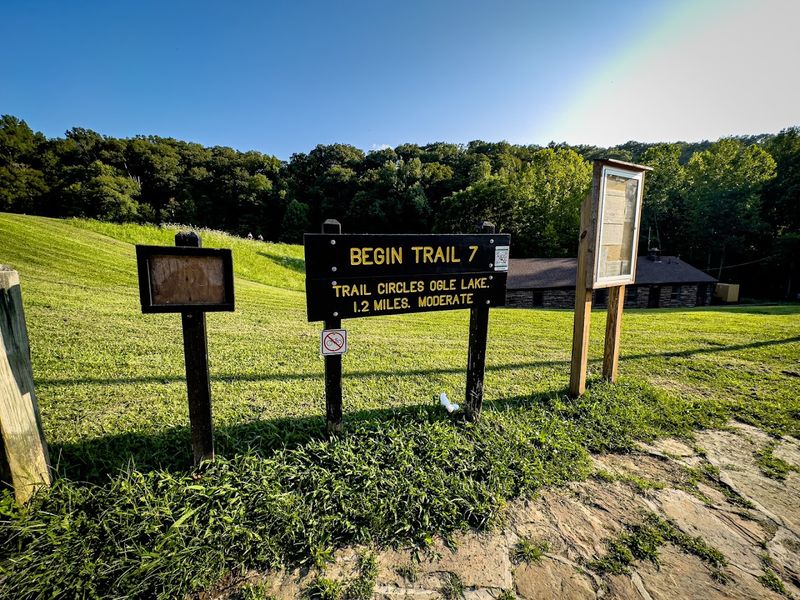
Brown County State Park is famous for its fall foliage, but spring offers something equally special without the crowds. Ogle Lake Trail 7 circles a quiet lake where reflections of budding trees shimmer on still water, and the forest floor erupts with trilliums, violets, and mayapples.
The trail follows gentle terrain around the lake, making it accessible for most fitness levels. Spring rains keep the lake full and the surrounding vegetation lush.
You might spot turtles sunning themselves on logs or herons fishing along the shoreline. The birdsong in spring is incredible here, with warblers and thrushes filling the air with music.
Early morning visits offer the best lighting for photography and the most peaceful atmosphere. The trail is well-maintained with clear markers, so navigation is straightforward.
Wooden bridges cross small streams that feed into the lake, adding scenic variety to your walk.
After your hike, the town of Nashville sits just minutes away at the park entrance. Grab lunch at the Artists Colony Inn at 105 S Van Buren Street, housed in a historic building with local artwork displayed throughout.
The park itself has picnic areas and additional trails if you want to extend your outdoor time. Spring is ideal for experiencing Brown County before summer heat and humidity arrive.
Pack a camera because the wildflower displays along this trail create photo opportunities at every turn.
3. Hemlock Cliffs National Scenic Trail
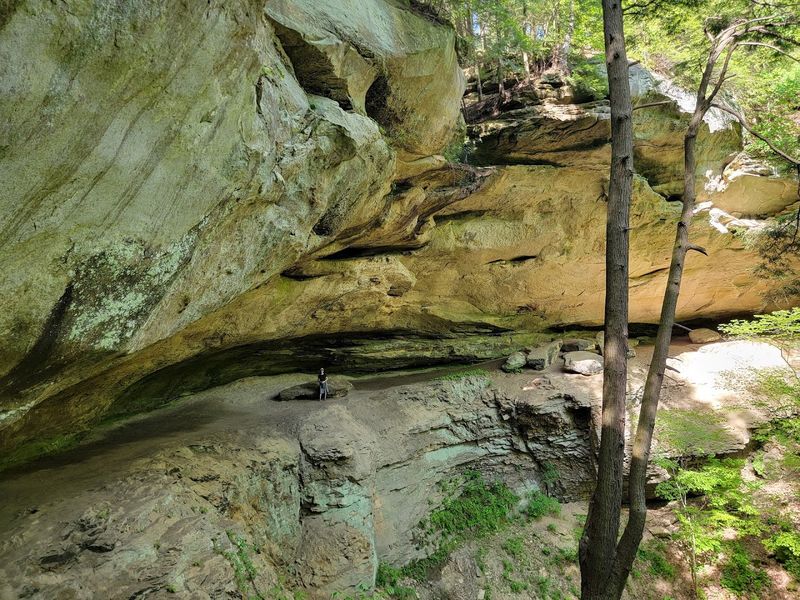
Hemlock Cliffs feels like a hidden gem tucked away in southern Indiana, where waterfalls cascade down sandstone cliffs into a ravine filled with ancient hemlock trees. This National Scenic Trail near English delivers dramatic scenery that seems transported from Appalachia or the Pacific Northwest.
Spring transforms the cliffs into a rushing wonderland. Snowmelt and spring rains send water pouring over the cliff edges, creating multiple waterfalls that mist the air and nourish the lush vegetation below.
Ferns unfurl in vibrant green waves across the forest floor, and the hemlock trees provide a dark green backdrop that contrasts beautifully with the lighter spring growth.
The trail follows a loop that descends into the ravine, passes beneath the cliffs, and climbs back out. Wooden stairs and boardwalks help navigate the steep sections, but the terrain still requires moderate fitness and careful footing, especially when wet.
The payoff is worth the effort when you stand beneath the cliffs with waterfalls surrounding you.
This area is relatively remote, so bring all the supplies you need including water and snacks. The nearest town, English, is small but charming.
Spring can bring muddy conditions, so waterproof boots are highly recommended. The ravine stays cooler than surrounding areas, which feels refreshing on warmer spring days.
Photography enthusiasts will find endless compositions of waterfalls, cliffs, and forest textures that change with every angle and lighting condition.
4. Bicentennial Woods Loop
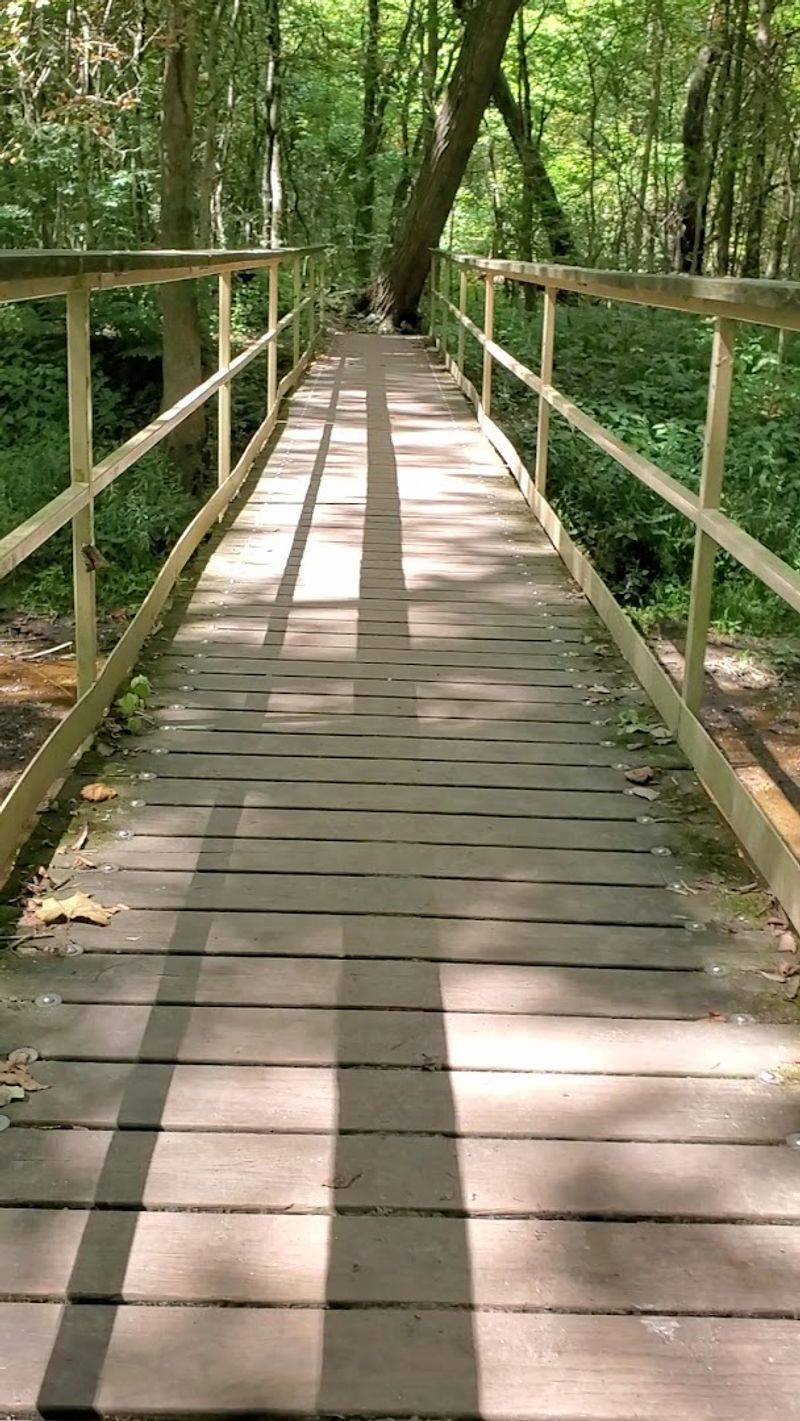
Bicentennial Woods Loop near Huntertown offers a quiet escape into northern Indiana hardwood forest where spring wildflowers create a colorful understory beneath the canopy. This trail proves you do not need dramatic elevation or famous landmarks to experience beautiful spring hiking.
The loop trail meanders through mature forest where sunlight filters through branches just beginning to leaf out. Spring is the perfect time to visit because the forest floor receives maximum sunlight before the tree canopy fills in, allowing wildflowers like bloodroot, trout lily, and spring beauty to thrive.
Bird activity peaks during spring migration, making this trail excellent for birdwatching.
The terrain is gentle with minimal elevation change, making this hike accessible for families with children or anyone preferring easier trails. Well-maintained paths guide you through the woods without confusion.
Benches at scenic spots invite you to pause and absorb the peaceful atmosphere.
Fort Wayne sits nearby, offering plenty of dining and supply options. The Fort Wayne Children’s Zoo at 3411 Sherman Boulevard makes a great addition to your day if you are traveling with kids.
Spring weather in northern Indiana can shift quickly, so check forecasts and dress in layers. Morning visits often provide the best wildlife viewing opportunities when animals are most active.
The simplicity of this trail is its strength, offering restorative time in nature without requiring major time commitment or physical exertion. Pack binoculars if you enjoy bird identification.
5. Trail 7 at Clifty Falls
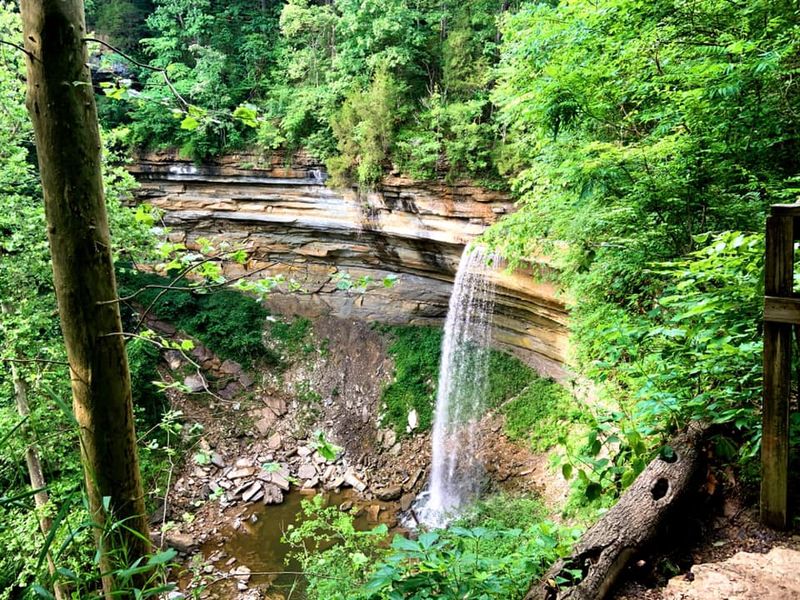
Clifty Falls State Park near Madison contains some of Indiana’s most impressive waterfalls, and Trail 7 delivers the best views when spring runoff sends water thundering over the cliffs. The power and beauty of these falls rivals destinations much farther from home.
Spring is absolutely the time to visit because the waterfalls reach peak volume after winter snow melts and spring rains swell the creeks. The main falls at Clifty Canyon create a roaring spectacle that fills the air with mist and sound.
Smaller cascades along the trail add variety to your hike. The canyon walls rise dramatically around you, layered with limestone and shale that tells millions of years of geological history.
The trail involves steep sections with stairs and rocky terrain, so wear appropriate footwear and expect a moderate workout. Handrails assist on the steepest parts.
The effort pays off when you reach viewpoints where you can watch water plunge into pools below, surrounded by spring-green vegetation clinging to the cliff faces.
Madison’s historic downtown sits just minutes from the park, offering charming shops and restaurants along tree-lined streets. The Lanier Mansion at 511 W First Street provides a glimpse into 19th-century life.
Spring visits avoid the summer crowds while still enjoying excellent weather. Waterproof jackets protect against waterfall mist, and cameras should be kept in protective cases near the falls.
This trail combines geological drama with natural beauty, creating memories that last long after your boots dry out.
6. Paul H. Douglas Trail at Miller Woods
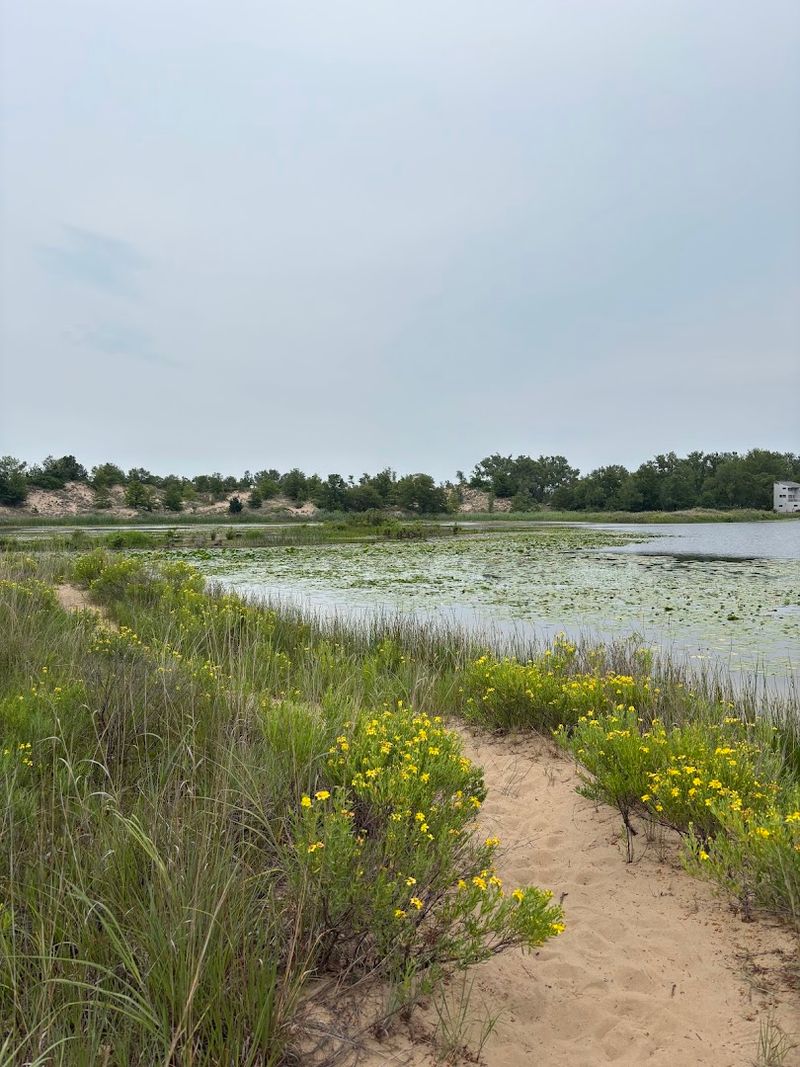
Miller Woods near Gary offers an ecosystem rarely found in Indiana, where wetland prairies meet Lake Michigan sand dunes and oak savannas. The Paul H.
Douglas Trail guides you through this diverse landscape on boardwalks and sandy paths that protect the fragile habitat while providing access to stunning views.
Spring migration brings incredible birdwatching opportunities to Miller Woods. Warblers, sparrows, and other migratory species stop here to rest and refuel during their journey north.
The wetlands come alive with frogs and salamanders emerging after winter. Wildflowers adapted to sandy and wet soils bloom in waves of color throughout spring months.
The trail is relatively flat and easy to walk, though the sand sections require a bit more effort. Boardwalks keep your feet dry through the wettest areas.
The path eventually leads to Lake Michigan shoreline where you can enjoy beach views and feel the cool breeze coming off the water. The combination of habitats means you experience multiple ecosystems in a single hike.
Gary has faced economic challenges, but this natural area remains a treasure worth protecting and visiting. Bring binoculars for birdwatching and insect repellent for the wetland sections.
The Indiana Dunes Tourism office at 1215 N State Road 49 in Porter can provide additional information about the region. Spring visits offer mild temperatures perfect for hiking before summer heat and humidity arrive.
The diversity of this trail makes every visit unique, with different species and views depending on weather and timing.
7. Hall Woods Nature Preserve Trail
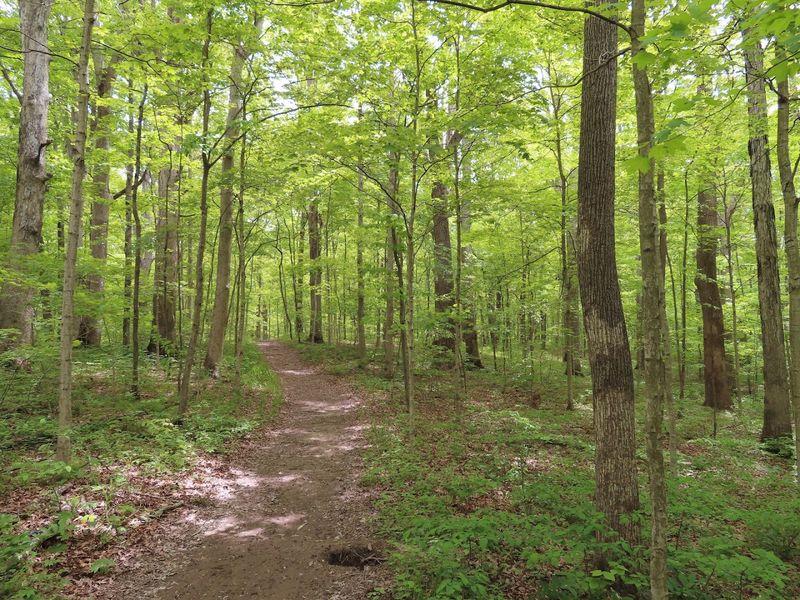
Hall Woods Nature Preserve near Bainbridge protects one of Indiana’s finest remaining old-growth forests, where massive trees tower overhead and spring wildflowers carpet the forest floor in breathtaking displays. Walking these trails feels like stepping back in time to how Indiana looked before widespread settlement.
The preserve is managed specifically to protect spring ephemeral wildflowers, those delicate plants that bloom before the tree canopy fills in and blocks sunlight. Trilliums, bloodroot, hepatica, and dozens of other species create colorful waves across the forest floor.
The timing is crucial because these flowers typically bloom for only a few weeks in spring, making your visit window relatively narrow but incredibly rewarding.
The trails are well-marked but can be muddy after spring rains, so waterproof boots are essential. The terrain is mostly flat with gentle rolling hills.
Old-growth trees with massive trunks and gnarled branches create a cathedral-like atmosphere. Listen for woodpeckers, owls, and songbirds that thrive in this mature forest habitat.
Bainbridge is a tiny community, so bring supplies from larger towns like Greencastle, located about 20 minutes away. The preserve is managed by the Indiana Department of Natural Resources, which maintains the trails and protects the ecosystem.
Spring visits should be timed for peak wildflower bloom, typically mid-April through early May depending on weather. Photography here requires patience and a macro lens to capture the intricate beauty of small wildflowers.
This trail offers a rare glimpse of Indiana’s natural heritage preserved in its original splendor.
8. South Overlook Waterfowl Sanctuary Trail
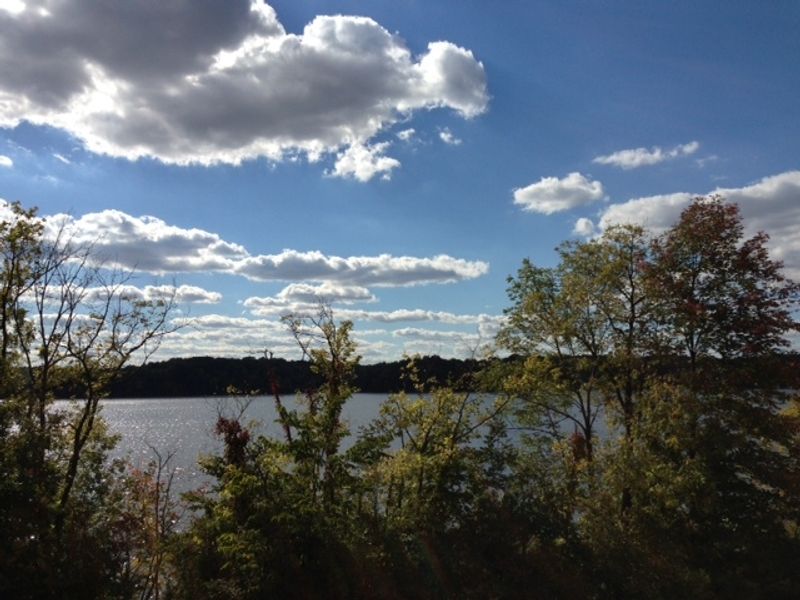
Eagle Creek Park in Indianapolis contains one of the largest municipal parks in America, and the South Overlook Waterfowl Sanctuary Trail showcases the best spring birding and lake views the park offers. This trail combines easy walking with excellent wildlife viewing opportunities right in the heart of Indiana’s capital city.
Spring migration transforms the sanctuary into a birdwatcher’s paradise. Ducks, geese, herons, and egrets gather in large numbers on the water and shoreline.
The overlook provides elevated viewing that allows you to scan the sanctuary with binoculars and spot species you might miss at ground level. Wildflowers bloom along the trail edges, and the surrounding forest comes alive with songbirds.
The trail is paved and accessible, making it suitable for wheelchairs and strollers. Benches at the overlook invite you to sit and watch the wildlife activity below.
Interpretive signs provide information about the species you might encounter. The gentle terrain and short distance make this perfect for a quick nature break without a major time commitment.
Indianapolis offers countless dining and entertainment options nearby. The park itself has additional trails, a nature center at 7840 W 56th Street, and boat rentals for those wanting to explore Eagle Creek Reservoir.
Spring weather in central Indiana can be unpredictable, so layers and rain gear are wise choices. Early morning visits provide the best light for photography and the most active wildlife.
This trail proves you can experience beautiful natural settings without leaving the city, making spring hiking accessible to urban residents and visitors alike.
9. Kissing Falls Loop
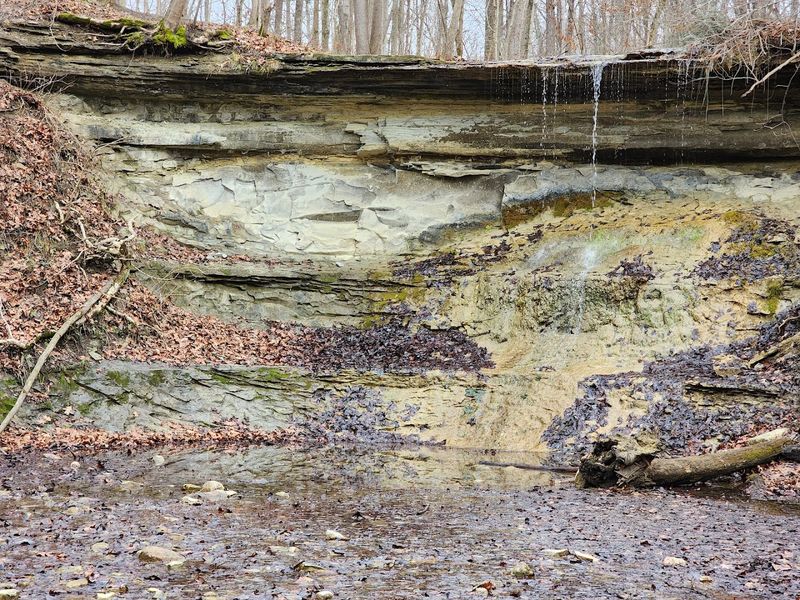
Kokiwanee Nature Preserve near Lagro might be lesser-known, but the Kissing Falls Loop delivers charming scenery that justifies the drive to this northeastern Indiana gem. The waterfall is not a massive cascade but rather an intimate series of falls where water flows over layered rocks in a peaceful forest setting.
Spring brings the falls to life with increased water flow from snowmelt and seasonal rains. The surrounding forest bursts with new growth, and wildflowers add splashes of color to the green landscape.
The falls get their romantic name from the way two streams of water converge and seem to touch before continuing downstream. The sound of flowing water creates a peaceful soundtrack for your hike.
The loop trail is relatively short and manageable for most fitness levels. The path can be muddy in spring, so proper footwear helps maintain comfort and safety.
Wooden bridges cross streams, and the trail winds through varied terrain including upland forest and creek bottomland. The falls themselves are accessible via a short spur from the main loop.
Lagro is a small town, so plan to bring picnic supplies and drinks. Huntington, about 20 minutes away, offers more amenities including restaurants and shops.
The preserve is quieter than more famous state parks, providing a more solitary hiking experience. Spring visits avoid summer heat while still enjoying pleasant weather.
Bring a camera to capture the falls and forest details. The intimate scale of this preserve makes it feel like a personal discovery, a hidden spot where you can enjoy nature away from crowds and commercialization.
10. Prophetstown Trail 3
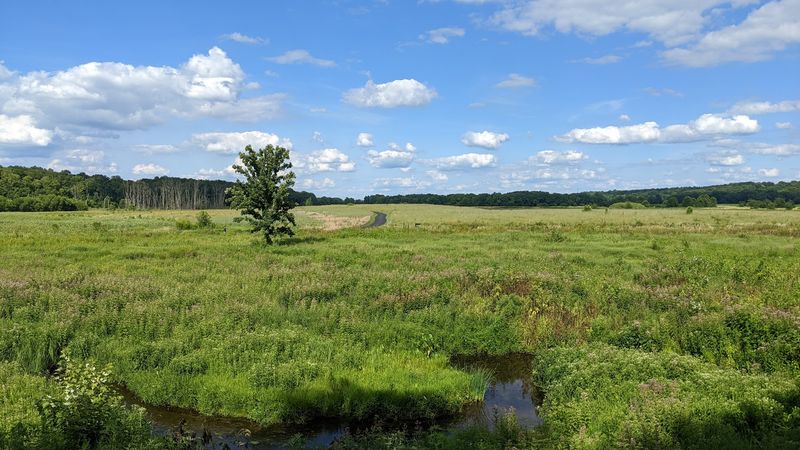
Prophetstown State Park near West Lafayette combines restored prairie, wetlands, and forest into a diverse landscape where Trail 3 showcases the best of each ecosystem. This park demonstrates what much of Indiana looked like before agricultural development, offering views of native plants and wildlife thriving in carefully managed habitats.
Spring transforms the prairie sections with early wildflowers like prairie smoke and shooting star beginning their bloom cycles. The wetlands fill with water, attracting waterfowl and amphibians.
Forest sections show the contrast between bare winter branches and fresh spring leaves. The variety of habitats means you encounter different birds, plants, and views throughout your hike.
Trail 3 offers moderate difficulty with some elevation changes and varied terrain. The path is well-maintained with clear markers.
Observation platforms in the wetland areas provide elevated viewing of waterfowl and other wildlife without disturbing sensitive habitat. The prairie restoration shows the importance of fire management and native plant conservation in maintaining healthy ecosystems.
West Lafayette and Purdue University sit nearby, offering plenty of dining options and attractions. The Tippecanoe Battlefield Museum at 200 Battleground Avenue provides historical context for the region.
Spring weather in western Indiana can include rain showers, so waterproof gear is advisable. The park also features a bison herd that you can view from designated areas, adding unique wildlife viewing to your visit.
This trail educates while it inspires, showing how conservation efforts can restore landscapes to their natural beauty and ecological function.
