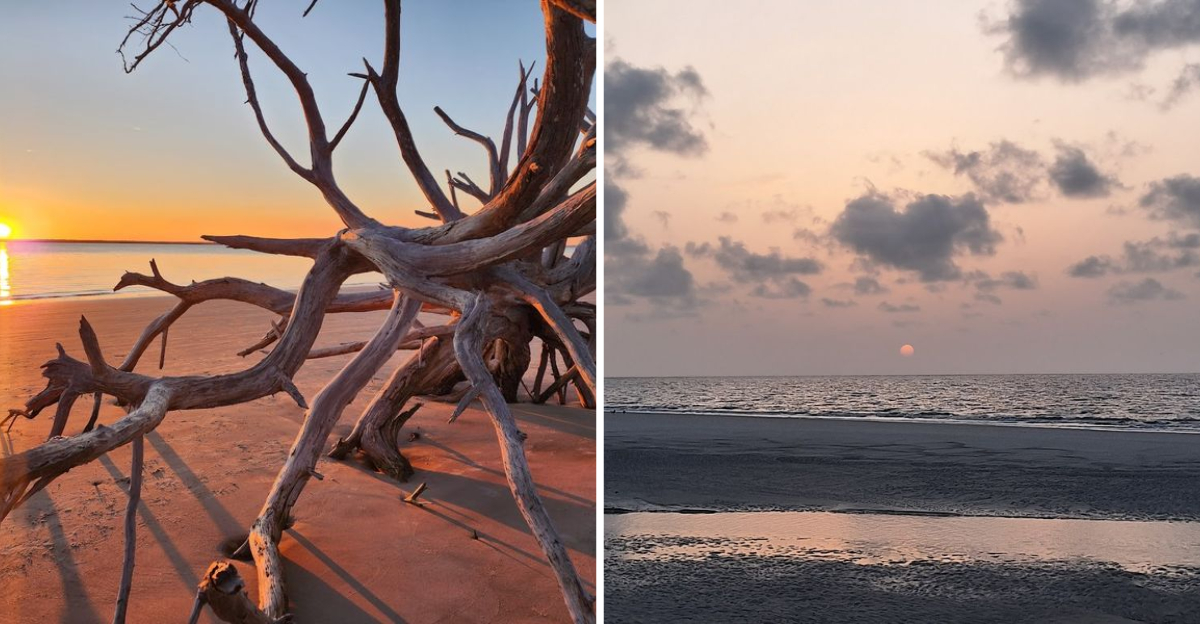
A remote stretch of Georgia’s coastal island landscape sits where ocean waters meet a protected sound, forming a quiet shoreline shaped more by tides and wind than human activity.
Long, open beaches remain largely undeveloped, creating an atmosphere defined by space, stillness, and natural movement. Dolphins move through offshore currents while shorebirds trace the tideline in search of food, adding subtle motion to an otherwise calm scene.
The environment shifts constantly with changing light, salt air, and incoming waves, giving the coastline a living rhythm.Coastal island environments like this reveal how geography alone can preserve solitude even in accessible regions.
A Shoreline That Feels Like Your Own Private Beach
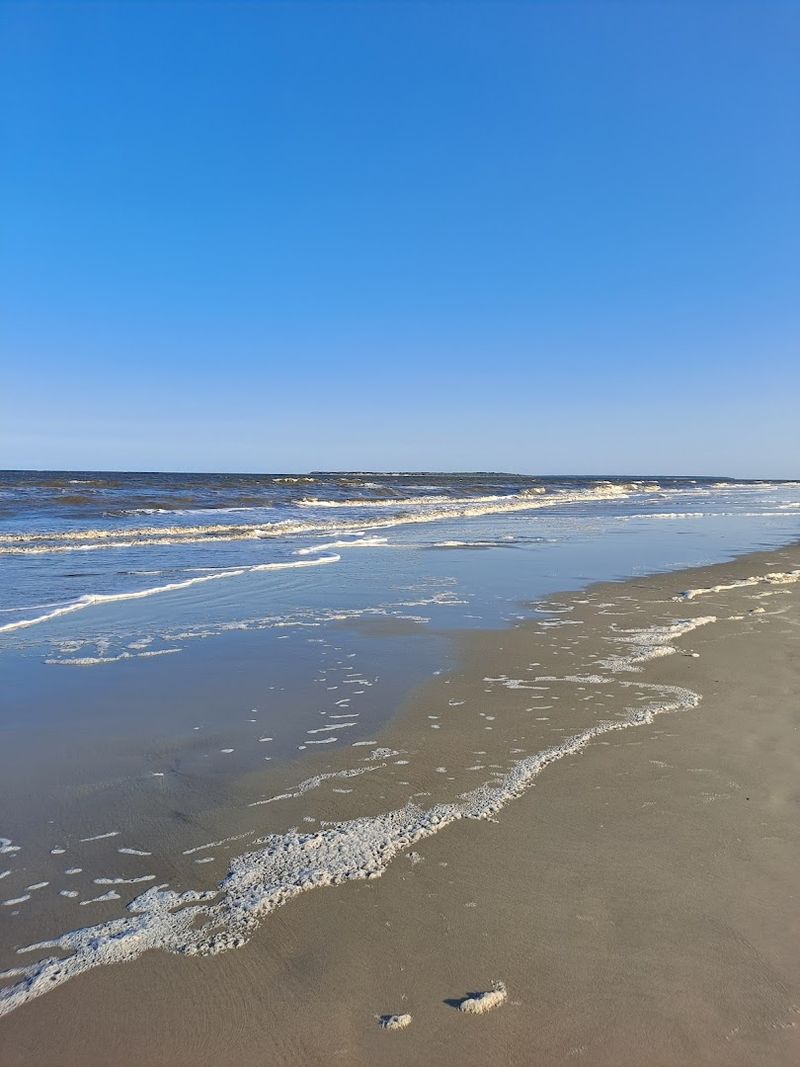
The first thing you notice when you step onto St. Andrew Beach is how much space there is. Even on a weekend when the rest of Jekyll Island feels packed, this southern tip stays quiet.
Families spread out across the wide shoreline without anyone crowding them, and you can walk for a long stretch without passing more than a handful of people.
The sand here is fine and pale, with a clean, open feel that makes it easy to just drop a towel and breathe. Because the beach sits where the Atlantic meets St. Andrews Sound, the wave action is noticeably calmer than on the island’s eastern-facing beaches.
That makes it especially good for families with younger kids who want to splash around without getting knocked over by big swells.
Shaded parking is available near the soccer complex, connected to the beach by a roughly 550-foot boardwalk. Restrooms are close by, which is always a bonus.
The beach is also ADA accessible, with a wheelchair mat near the access point. It genuinely checks every practical box while still feeling completely removed from the tourist crowd.
Honestly, that combination is rare.
Dolphin Watching Like You Have Never Experienced Before
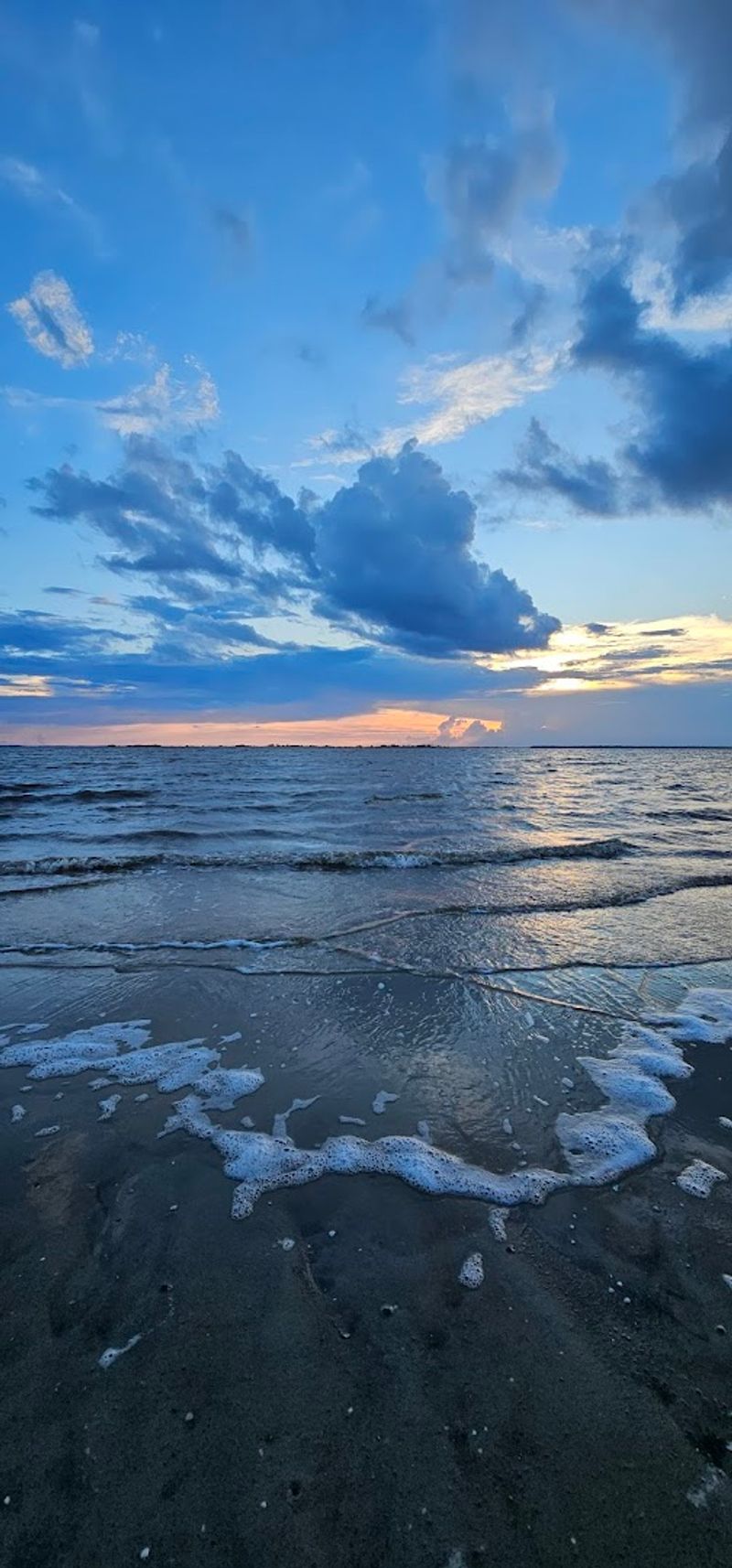
Jekyll Point, the very tip of land at the southern end of St. Andrew Beach, is one of the best dolphin-watching spots on the entire Georgia coast. The currents that flow through the sound funnel baitfish close to shore, and dolphins follow.
You can watch them feed from the beach itself, or climb the two-story wildlife observation platform for a wider view across the water.
I stood on that platform one afternoon and counted at least five dolphins working the current in a loose group. They were close enough that you could hear them surface.
No boat ticket, no tour guide, no schedule required. Just you, the platform, and the ocean doing its thing.
Beyond dolphins, the area attracts a surprising variety of wildlife. Migratory birds, shorebirds, crabs, and even deer have all been spotted near this end of the island.
The observation platform makes it easy to scan the water and shoreline without disturbing anything. If wildlife viewing is even a small part of why you travel, St. Andrew Beach delivers in a way that feels completely unscripted and genuinely exciting every single time.
The Only Sunset Beach on All of Jekyll Island
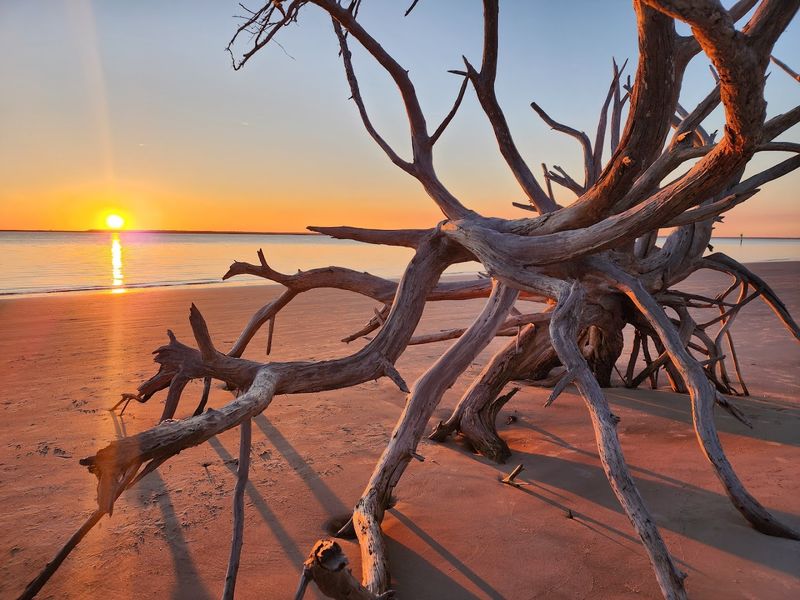
Here is something most Jekyll Island visitors never realize until it is too late: only one beach on the entire island faces the right direction to catch a true sunset over the water. That beach is St. Andrew Beach.
Every other shoreline on Jekyll faces east or southeast, which means you get beautiful sunrises but miss the evening show entirely.
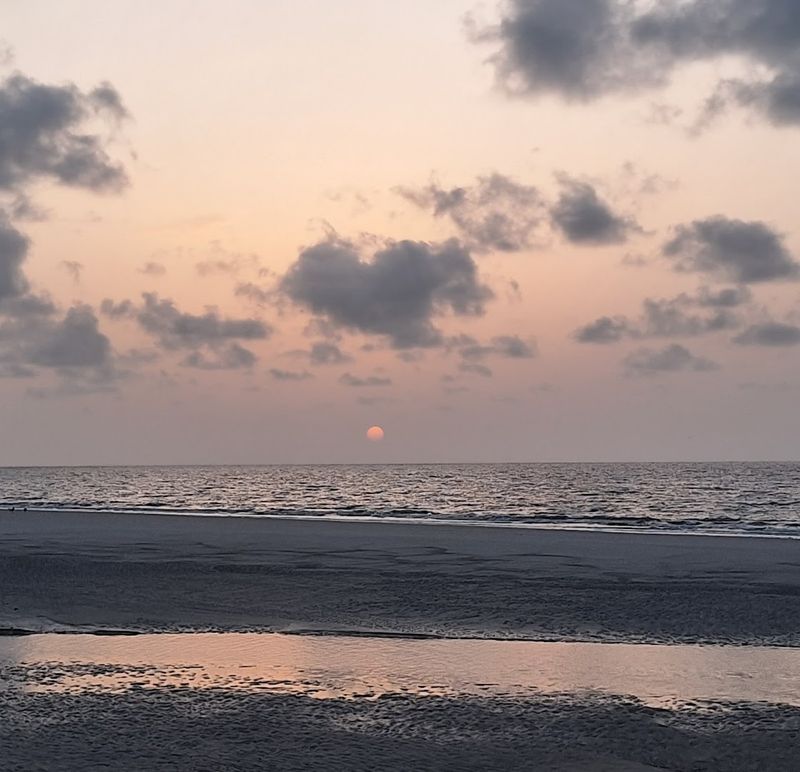
At St. Andrew Beach, the sun drops toward the horizon right over the sound, and the colors that spread across the sky and water are genuinely something else. Oranges and pinks reflect off the surface, the silhouettes of birds cut across the light, and the whole scene has a stillness to it that feels almost cinematic.
It does not feel like a tourist attraction. It feels personal.
Parking is easy and accessible, and the beach is open late enough to catch the full show. Bringing a picnic is a great idea since there are tables and grills available nearby.
A few visitors have said this sunset alone was worth the entire trip to Jekyll Island. After seeing it once, that is very easy to believe.
Plan to arrive at least 30 minutes before sundown to find a good spot and settle in.
Shell Hunting Heaven at the Southern Tip
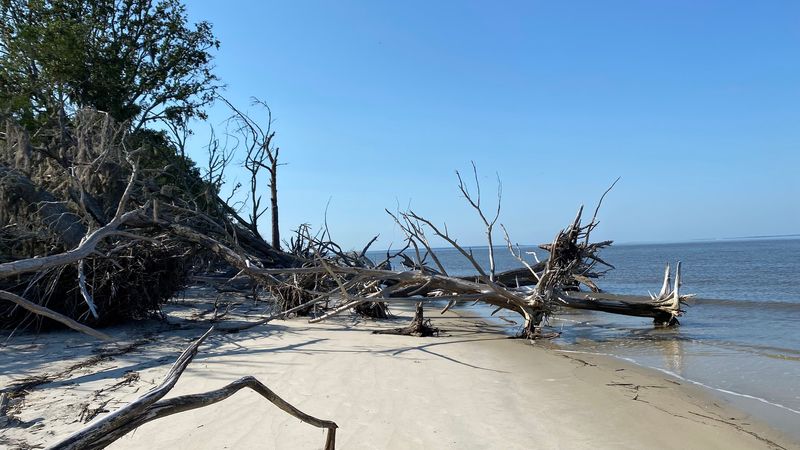
Shell hunters tend to keep St. Andrew Beach to themselves, and honestly, that makes sense. This end of the island collects shells at a noticeably higher rate than the busier beaches further north.
The way the currents move through St. Andrews Sound deposits shells along the tideline consistently, and low tide reveals long stretches of wet sand loaded with finds.
On a good morning walk, you might come across whelks, cockles, clam shells, and the occasional sand dollar. The beach is wide enough that you are not competing with a crowd for the best spots.
Kids especially love the hunting aspect, and it turns a regular beach walk into a full adventure with something to bring home.
The tidal pools near the southern end also reward a slow, curious approach. Small crabs, tiny fish, and all sorts of shells get trapped in them as the tide pulls back.
It is worth wearing shoes you do not mind getting wet, since the best shelling often means wading through ankle-deep water along the edge of the sound. A small mesh bag or reusable container makes the haul much easier to carry back to the parking area without losing anything along the way.
The Wanderer Memory Trail and Its Powerful History
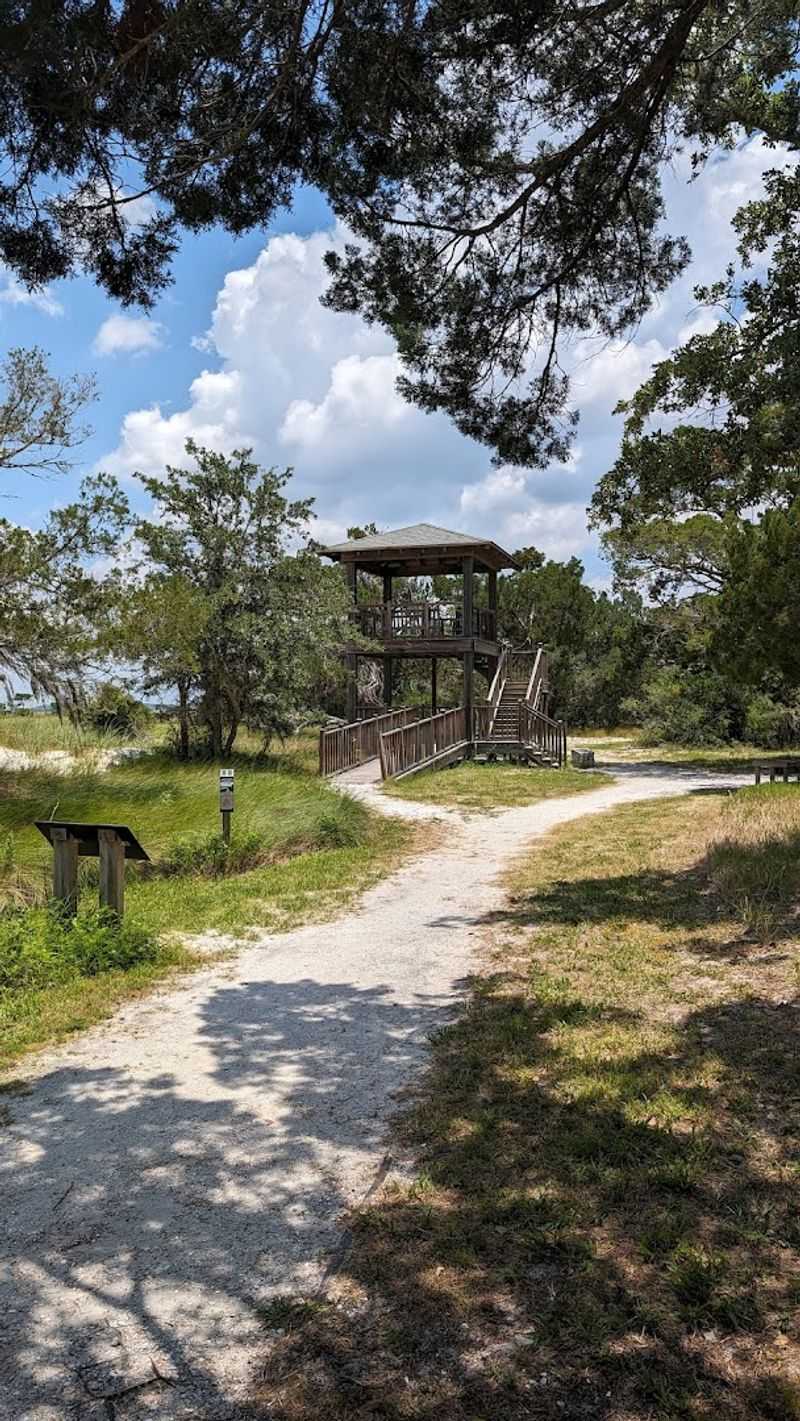
Not many beaches carry the kind of historical weight that St. Andrew Beach does. The Wanderer Memory Trail, located right here, commemorates one of the darkest chapters in American history.
In 1858, a ship called the Wanderer illegally landed more than 500 enslaved Africans on Jekyll Island, making it one of the last known slave ship arrivals in the United States.
The trail follows a pathway with interpretive signage that tells the story of the voyage, the people aboard, and what happened after. It has received a UNESCO Slave Route Project designation as a Site of Memory, which speaks to how significant this place is on a global scale.
The trail ends at the two-story observation tower, giving it both a historical and natural dimension in one walk.
There is also a deeply layered history tied to the beach itself. From 1955 until 1964, St. Andrew Beach was the only public beach in Georgia designated for African Americans during segregation.
That history is part of the land you are standing on, and the trail encourages visitors to sit with that rather than rush past it. It is a meaningful, quiet, and important stop that adds real depth to any visit here.
Picnic Areas, Fishing, and a Relaxed Pace That Sticks With You
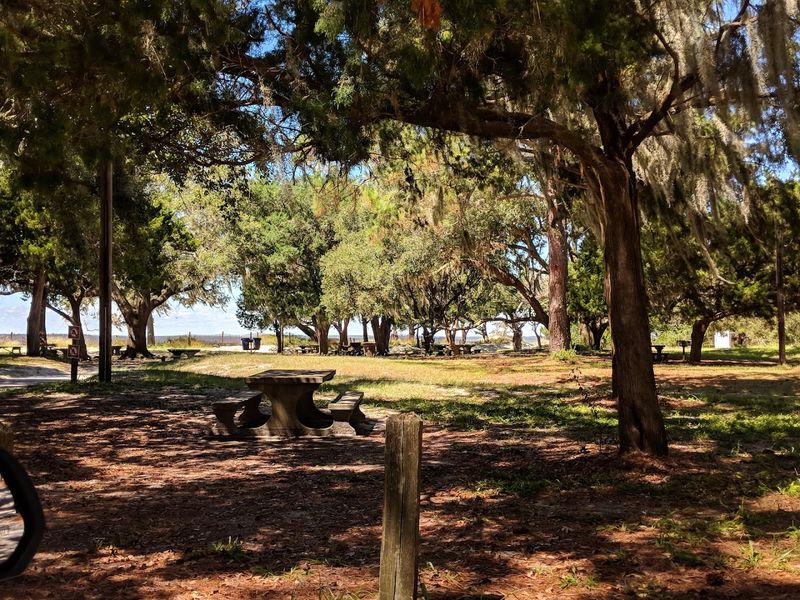
One of the things that separates St. Andrew Beach from other Georgia coastal spots is how thoughtfully it is set up for a full day out. There is a dedicated picnic area with tables and grills tucked under live oaks, which stay cool and shaded even in the middle of summer.
Packing a lunch and eating there while listening to the wind move through the trees is a genuinely restorative experience.
Fishing from the pier is another option that gets a lot of appreciation from visitors. The currents near Jekyll Point make this a productive spot, and the calm, unhurried atmosphere means you can cast a line and just exist for a while without feeling rushed.
It is a good activity for all ages and does not require much equipment to enjoy.
The beach is also pet-friendly year-round, which is a real draw for dog owners. Leashes up to 16 feet are required, but there is plenty of room to roam.
The combination of good amenities, calm water, wildlife, and open space creates a rhythm that is hard to shake once you have felt it. People who visit once tend to come back, and the reason is not complicated.
It just feels good to be here.
When to Go and What to Know Before You Visit
Fall is widely considered the best time to visit St. Andrew Beach, and the reasons stack up quickly. Temperatures tend to hover between 70 and 80 degrees Fahrenheit, the humidity drops compared to summer, and the crowds thin out significantly.
Dolphin sightings are especially frequent in autumn, and sea turtle activity adds another layer of natural interest to the shoreline.
Spring is another solid window, offering mild weather and fewer visitors than the peak summer months. Summer visits are absolutely possible, but arriving early in the morning is the best strategy to avoid heat and the slight uptick in foot traffic.
Gnats can be present near the vegetation, so a small bottle of bug repellent in your bag is a smart move regardless of the season.
The beach is free to access once you pay the Jekyll Island entrance fee, which applies to all vehicles entering the island. Parking near the soccer complex is plentiful and shaded.
The water can be murky due to the sound’s tidal mixing, so this is not the place to visit if crystal-clear swimming conditions are the priority. For everything else, including wildlife, history, sunsets, shelling, and pure quiet, St. Andrew Beach absolutely delivers.
Address: Jekyll Island, GA 31527
