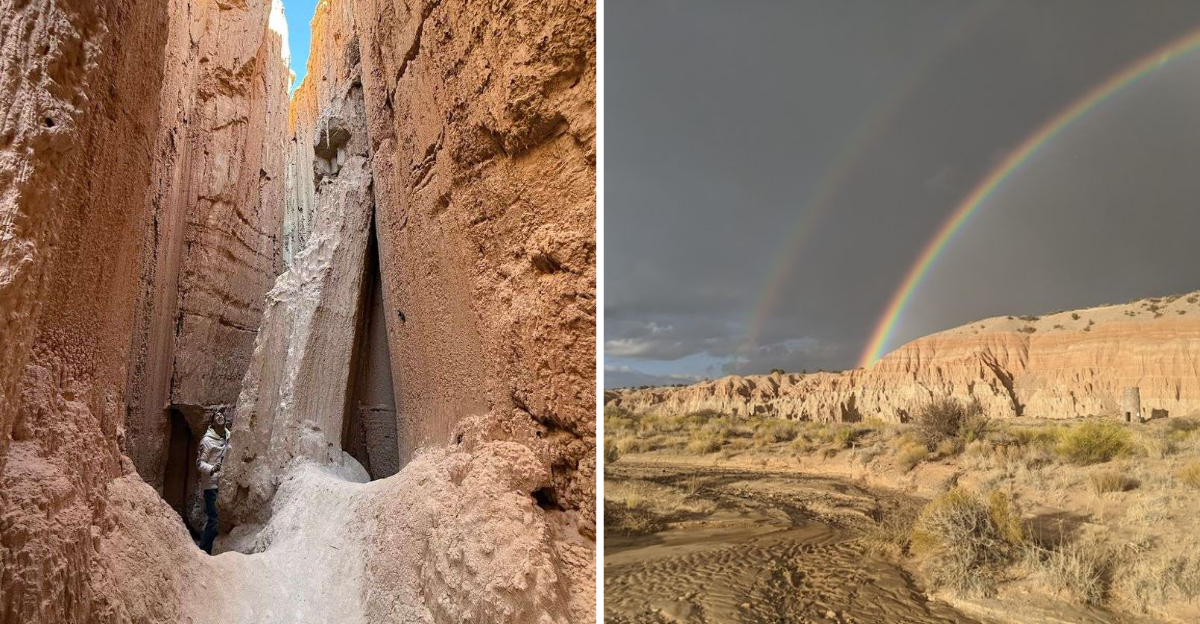
Pulling off a quiet Nevada highway and suddenly finding yourself surrounded by towering clay spires that look like they belong on another planet. I had driven past the park sign more than once before I finally stopped. That was one of my better decisions.
The formations rise in tight clusters, pale and ribbed, carved by millions of years of erosion into shapes that resemble the walls of a cathedral. Slot canyons twist through the soft clay like secret passages waiting to be explored. The park had maybe a handful of other visitors the afternoon I arrived.
That felt almost impossible given how stunning it all was.
The Geology That Makes Cathedral Gorge Unlike Anything Else
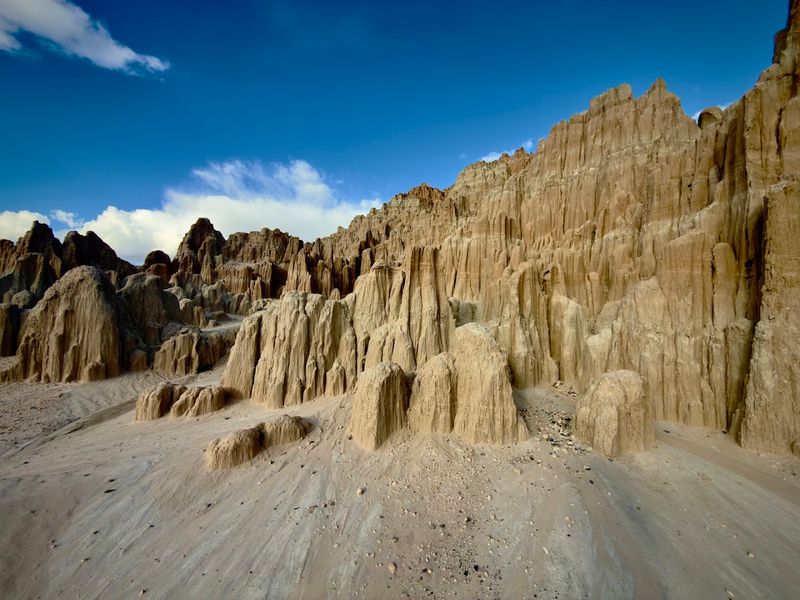
Millions of years ago, a massive volcanic event blanketed this corner of southeastern Nevada in ash and debris. Over time, a shallow Pliocene-era lake formed and eventually dried up, leaving behind a thick lakebed of soft bentonite clay.
Erosion did the rest, and the result is one of the most unusual landscapes in the American West.
The formations here are called hoodoos and spires, and they cluster together in dense, cathedral-like groupings that genuinely take your breath away. The clay is pale, almost creamy in color, and it catches morning and late afternoon light in a way that makes the whole gorge glow.
Running your hand along the wall feels strange, almost powdery, nothing like sandstone.
What makes this geology so rare is how soft and detailed the erosion patterns are. You can see individual layers carved into the rock face, each one representing thousands of years of history.
Cathedral Gorge became one of Nevada’s first state parks back in 1935, partly because even early visitors recognized that this landscape was genuinely one of a kind. That recognition still holds up today.
Slot Canyons You Can Squeeze Through Without a Tour Guide
Most people associate slot canyons with Antelope Canyon and the long list of guided tours and timed entry requirements that come with it. Cathedral Gorge flips that completely.
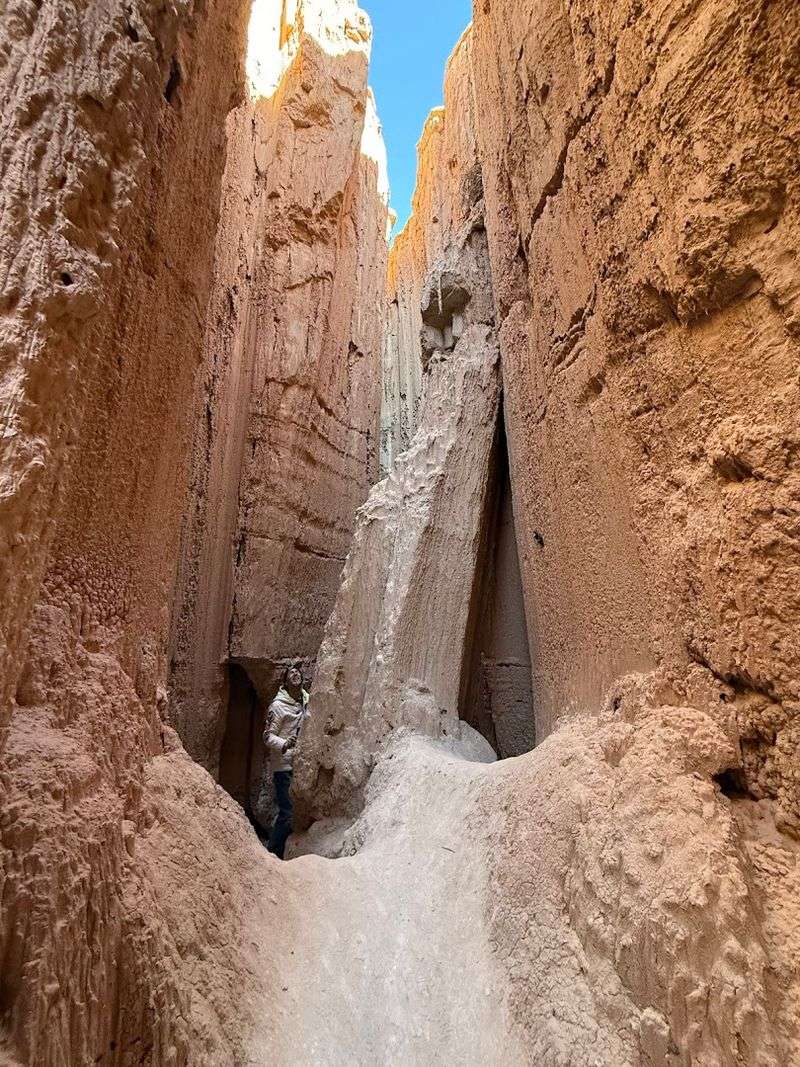
The slot canyons here, sometimes called caves by locals, are free to explore on your own, and they wind through the clay in ways that feel genuinely adventurous.
The Cathedral, Canyon, and Moon Cave trails each lead into different narrow passages where the walls press in close and the light shifts from bright to dim to a soft filtered glow. Some sections require a bit of sideways shuffling, and a few spots demand you duck your head.
It is the kind of exploration that feels earned rather than staged.
Kids absolutely love these passages, and honestly, so do adults who forgot what it felt like to explore somewhere that has not been completely smoothed out for tourists. The clay walls are tactile and strange, leaving a fine dust on your fingertips.
There are no ropes, no signs telling you to stay back. Just the canyon, your curiosity, and however much time you want to spend getting happily lost inside it.
Hiking Trails That Reward Every Fitness Level
The trail options at Cathedral Gorge cover a satisfying range, whether you want a short stroll or a longer loop that works up a real sweat. The Nature Loop is a gentle walk that gives you a solid introduction to the formations without demanding much from your legs.
It is a good starting point before you commit to anything more ambitious.
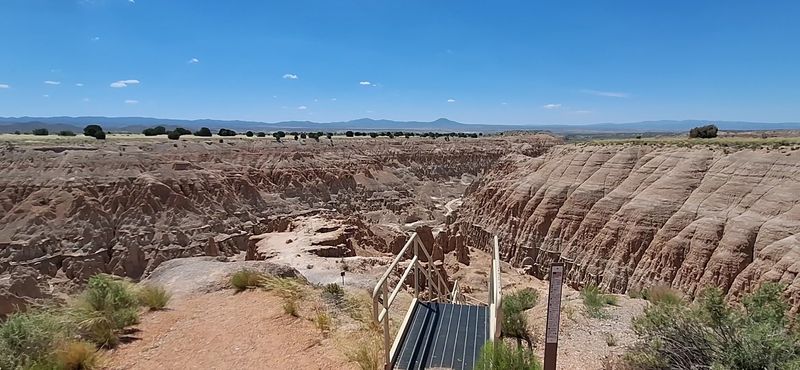
Miller Point Overlook is the one trail that changes how you see the whole park. The one-mile path climbs to a ridge where you get a full panoramic view of the gorge spread out below you, the spires arranged in clusters across the valley floor.
I remember stopping at the top and just standing quietly for a few minutes because the scale of it did not fully register until that moment.
For those who want a longer outing, the Juniper Draw Loop stretches four miles through the surrounding terrain and offers a completely different perspective on the park. The trail moves through desert scrub and open terrain before looping back.
Bring plenty of water regardless of which trail you choose, especially in late spring or early fall when the temperatures can shift quickly between morning and midday.
Stargazing That Rivals Anything in the Desert Southwest
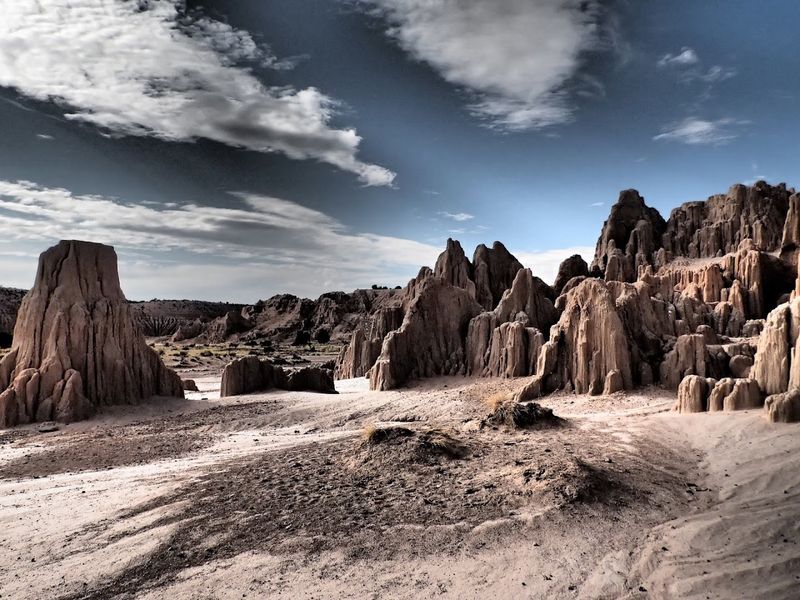
Southeastern Nevada sits far enough from major cities that light pollution is almost nonexistent on clear nights. Cathedral Gorge takes full advantage of that.
After sunset, the sky above the park fills with stars in a way that feels almost aggressive, like the universe is showing off just a little.
The Milky Way becomes visible on moonless nights, arching over the clay spires in a combination that feels genuinely cinematic. Photographers make the trip specifically for this, setting up long exposures with the formations silhouetted against a sky packed with light.
Even without a camera, just lying on a blanket and looking up is its own kind of experience.
The park’s campground makes overnight stargazing easy. Since Cathedral Gorge is open 24 hours a day, 365 days a year, there is no rush to pack up and leave before dark.
Wildlife gets more active after sunset too, with coyotes sometimes calling from the ridgeline and kit foxes moving quietly through the scrub. The combination of the geology, the silence, and that enormous sky overhead is the kind of thing that is genuinely hard to describe to someone who has not been there.
You just have to go.
Wildlife That Shares the Park With You
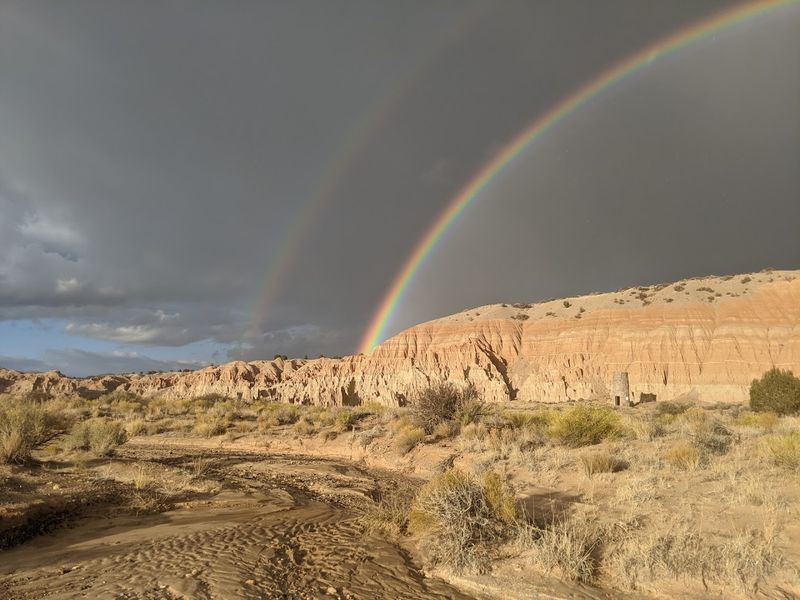
Cathedral Gorge is not just a geology story. The desert ecosystem surrounding the formations supports a surprisingly lively cast of animals, and if you slow down and pay attention, you will start noticing them everywhere.
Black-tailed jackrabbits are almost guaranteed sightings, their enormous ears catching the light as they pause between shrubs.
Cottontail rabbits are common too, and kangaroo rats sometimes appear near the campground at dusk, moving in quick bouncing hops that look almost comical. Mule deer occasionally wander through the quieter parts of the park, particularly in the early morning hours before the day heats up.
Ravens are a constant presence overhead, curious and vocal.
Kestrels perch on the rim of the gorge and scan the valley below with sharp focus. Roadrunners show up occasionally along the trail edges, moving fast and low through the scrub.
Coyotes are heard more than seen, usually after dark when the park quiets down and the desert reclaims its natural rhythm. The wildlife here is not curated or fenced or managed for viewing.
It just lives here, going about its business, and you get to observe it on its own terms, which makes every encounter feel genuinely lucky.
Camping in a Place That Feels Like Your Own Private Desert
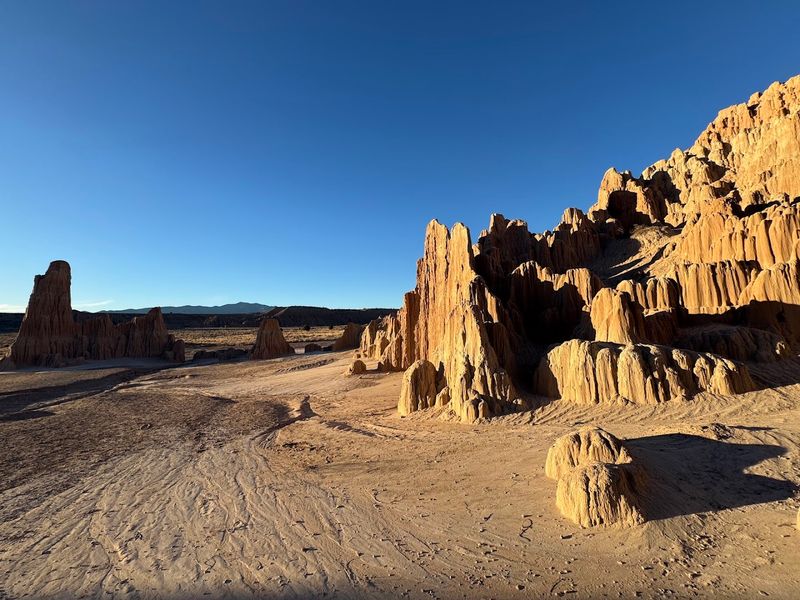
The campground at Cathedral Gorge has 22 sites, and on many nights, especially on weekdays, a good portion of them sit empty. That kind of quiet is rare in any state park, let alone one with scenery this dramatic.
Sites come with tables, grills, and shade ramadas, and some have electric hookups for those who need them.
Water and flush restrooms with showers are available year-round, which puts this campground well above the basic end of the spectrum. Waking up inside the park means you get the formations in the soft early morning light before most day visitors arrive.
That first hour of daylight, when the clay spires catch a warm golden tone, is genuinely something to set an alarm for.
Spring and fall are the most comfortable seasons for camping here, with mild daytime temperatures and cool nights that make sleeping easy. Summer brings serious heat, with midday temperatures sometimes pushing into the triple digits, so early morning activity followed by shade and rest is the smart approach.
The Civilian Conservation Corps built many of the park’s original facilities back in the 1930s, and there is still a sense of that era’s craftsmanship in the layout of the grounds. It is a campground that feels considered, not just convenient.
Getting There and Making the Most of Your Visit
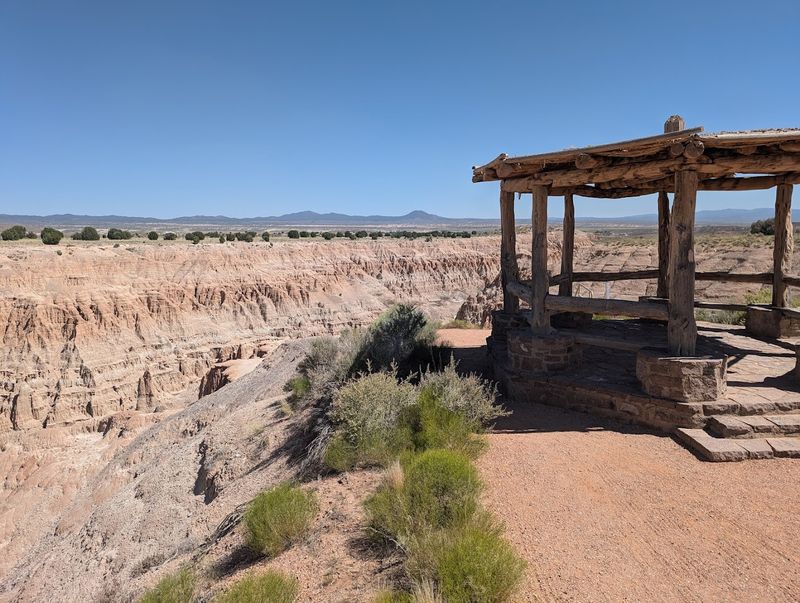
Cathedral Gorge State Park sits near Pioche and Panaca in southeastern Nevada, about two and a half hours north of Las Vegas and a similar distance from St. George, Utah. The drive itself is part of the experience, rolling through open high desert with almost no traffic and wide views in every direction.
It is the kind of road that makes you feel like you have genuinely escaped something.
The park is open every day of the year, around the clock. A regional visitor center is open daily from 9 a.m. to 4:30 p.m., though it closes on some holidays in winter, so checking ahead before a holiday visit is worth doing.
The staff there are helpful and can point you toward whichever trails or areas match what you are looking for.
Spring, from March through May, and fall, from September through November, offer the most comfortable conditions for hiking and exploring. Summer is manageable with early starts and shade breaks, but it demands real preparation.
A day-use permit here also gets you access to other nearby Nevada State Parks on the same day, which makes the value genuinely hard to argue with.
Address: Cathedral Gorge State Park Road, Pioche, NV 89043
