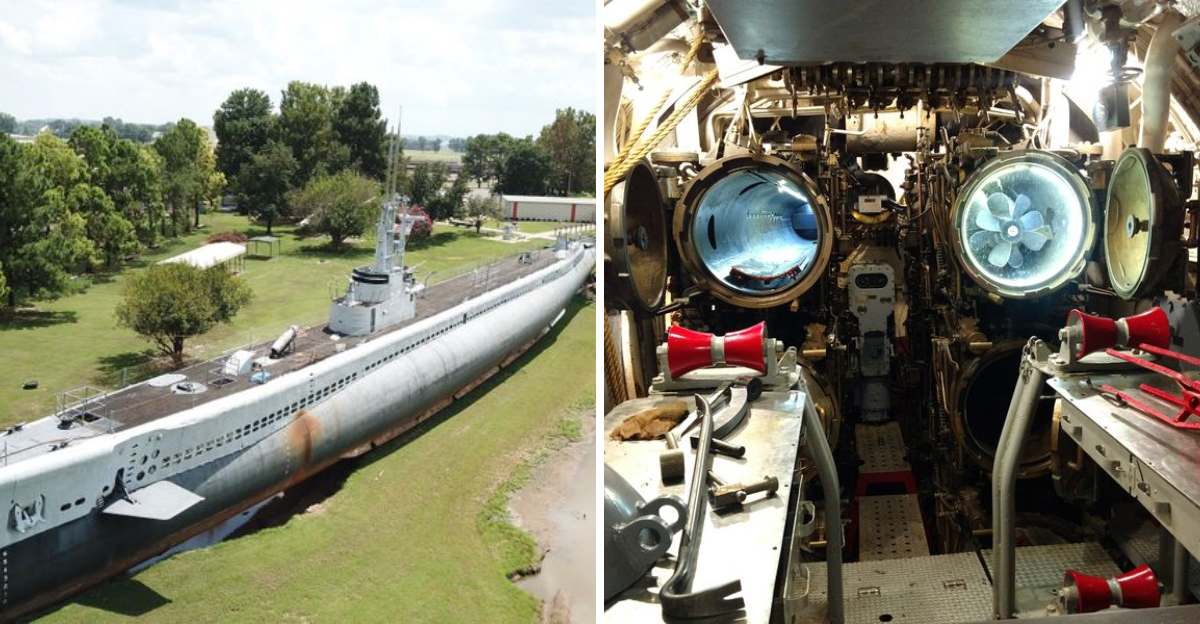
Sleeping on a submarine sounds like something you’d do in the middle of the Pacific Ocean, not landlocked Oklahoma. Hidden in Muskogee, a genuine World War II combat submarine once offered overnight stays, letting families bunk in the same cramped quarters where sailors hunted enemy vessels.
The USS Batfish sank three enemy submarines in just 76 hours, earning its legendary status among naval war machines.
While flood damage has temporarily closed interior access, this memorial park still delivers an unforgettable experience with its outdoor exhibits, powerful memorials, and the chance to walk around a real submarine that once prowled beneath the waves.
The park honors all branches of military service with artifacts ranging from naval guns to torpedo casings, plus a moving tribute to every submarine lost during World War II.
Veterans and history buffs gather here to remember the sacrifices made in defense of freedom, while kids get wide-eyed imagining life aboard a vessel that could stay submerged for weeks.
Once repairs are complete, overnight adventures will return, letting visitors experience what submariners endured during secret wartime missions.
The USS Batfish Stands Guard Over Muskogee
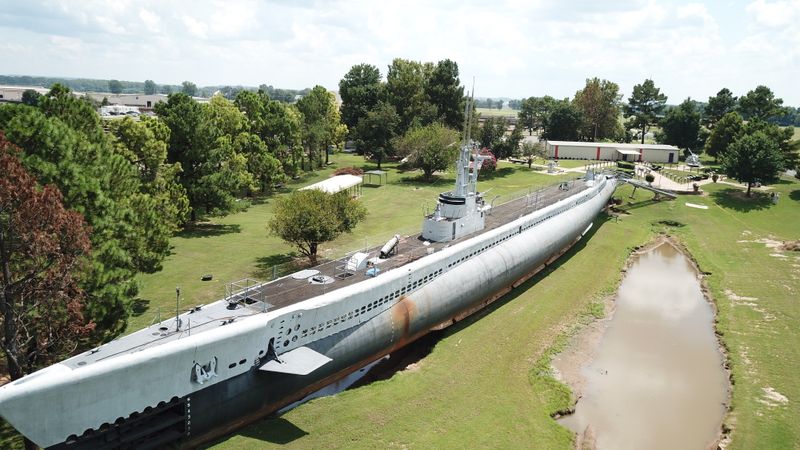
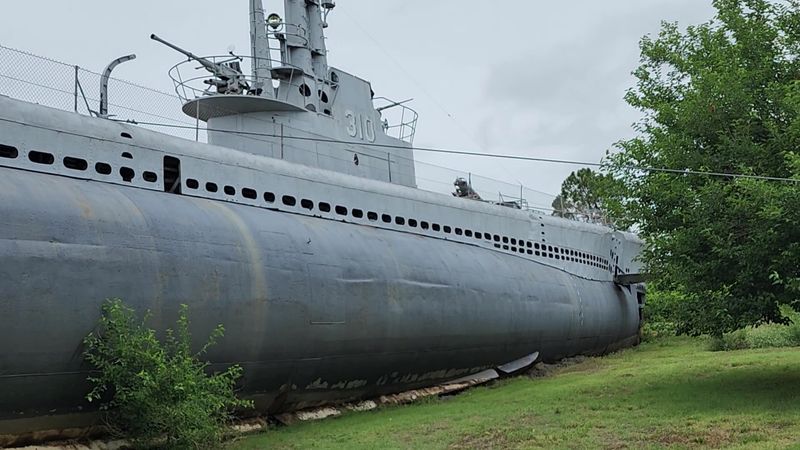
This massive steel predator stretches 312 feet long and towers over the park grounds like a beached whale from another era. Commissioned in 1943, the Batfish earned six battle stars during World War II and achieved the rare feat of sinking three enemy submarines in less than four days.
Sailors nicknamed her “The Sub Killer” after that incredible hunting streak in the Philippine Sea.
Flooding in 2019 shifted the submarine off its foundation, forcing officials to close interior tours while they work on relocation plans. The vessel needs to move to a safer spot along the Arkansas River where future floods won’t threaten this piece of American naval history.
Federal funding has been allocated for the project, though the timeline remains uncertain as various government agencies coordinate the complex operation.
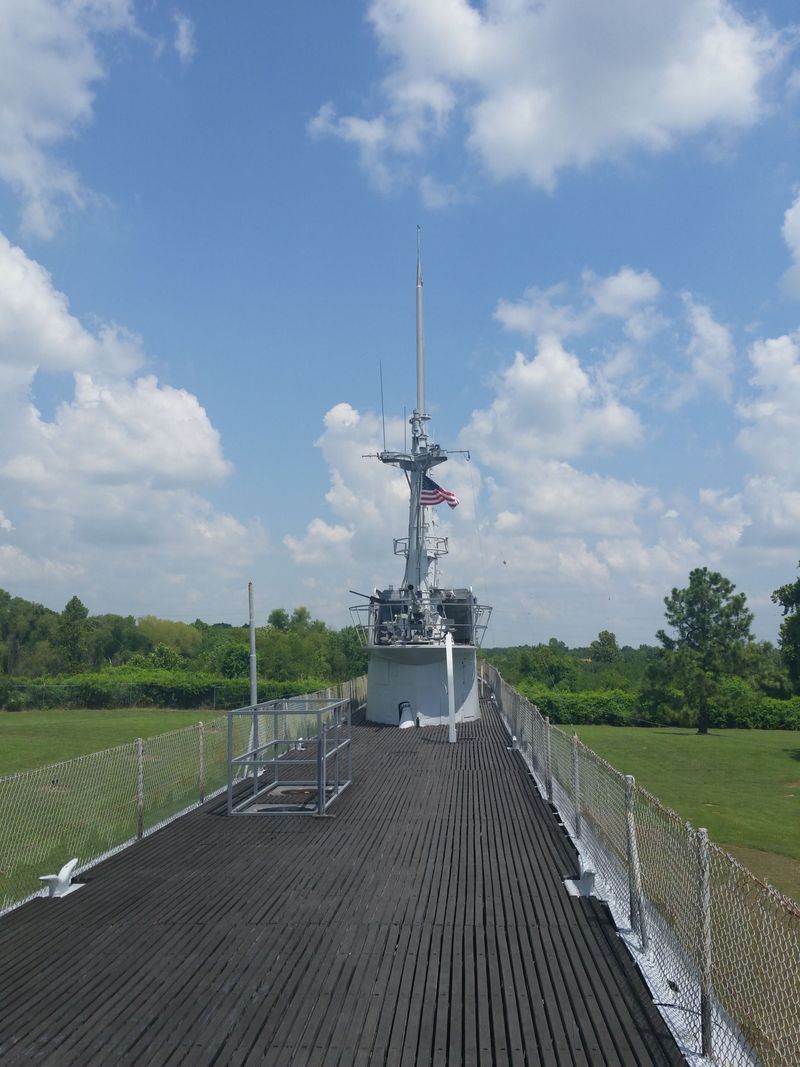
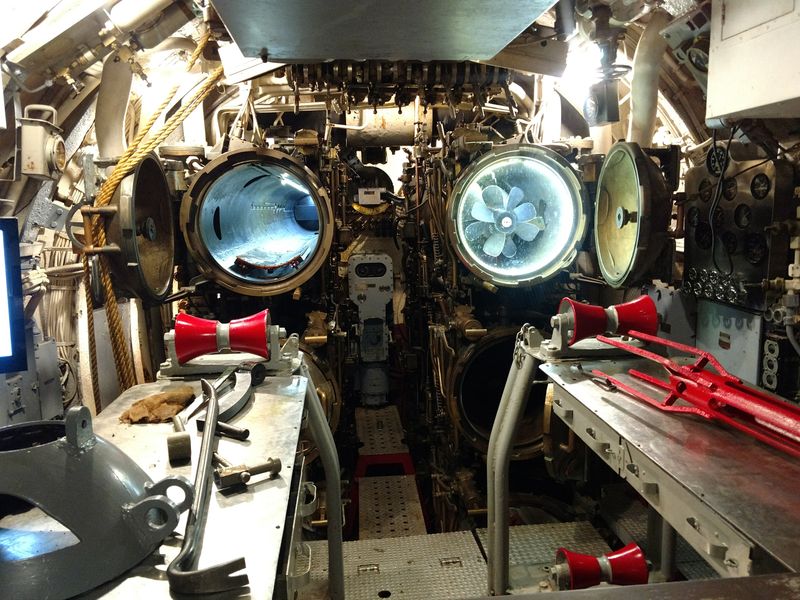
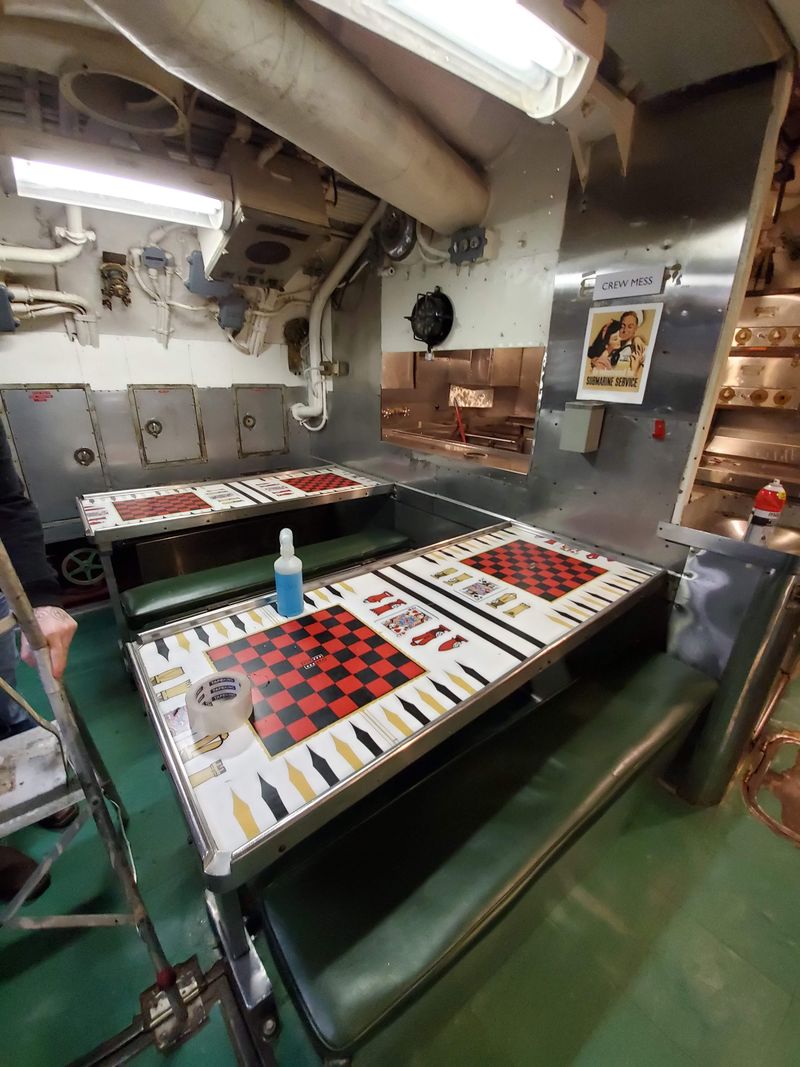
Walking around the exterior still impresses visitors with the sub’s sheer size and the realization that 80 men lived inside this cramped metal tube for months at a time.
Plaques explain the Batfish’s combat record and technical specifications, helping guests appreciate the engineering marvel that allowed these vessels to dominate underwater warfare.
The conning tower rises dramatically against the Oklahoma sky, a testament to American ingenuity and the courage of submariners who volunteered for the most dangerous duty in the Navy.
Address: 3500 Batfish Rd, Muskogee, OK 74403
Memorial Walls Honor Submarines on Eternal Patrol
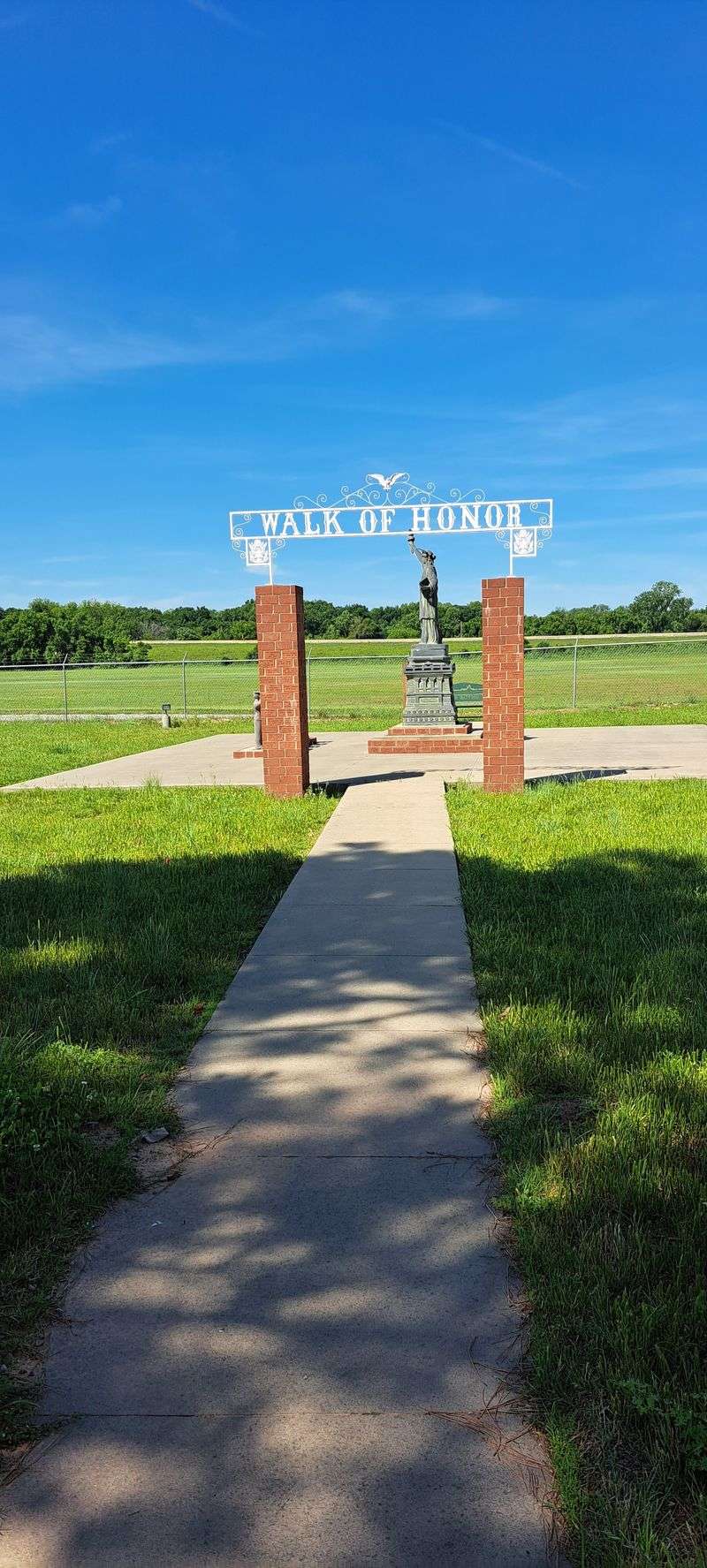
Black granite panels line a solemn pathway, each one bearing the name of a submarine that never returned from patrol. Fifty-two American submarines were lost during World War II, taking 3,505 sailors to the ocean floor.
Reading these names transforms abstract history into personal tragedy as you realize each vessel held fathers, sons, and brothers who never came home.
The memorial includes details about how each submarine was lost, whether from depth charges, mines, or simply disappearing without explanation. Some went down in shallow water where survivors might have escaped, while others imploded in the crushing depths beyond rescue.
The USS Thresher and USS Scorpion, lost during the Cold War era, also receive recognition here.
Visitors often leave flowers, coins, or small American flags at the base of the memorial. Veterans stand silently before the panels, sometimes saluting shipmates they served alongside decades ago.
The memorial reminds us that submarine duty remained voluntary throughout the war because the Navy recognized the extraordinary danger these sailors faced every time they submerged.
Gold dolphins, the insignia earned by qualified submariners, decorate the memorial along with the motto “Sailors Rest Your Oars.” Families of lost submariners make pilgrimages here to connect with the sacrifice their ancestors made beneath the waves.
Naval Guns and Torpedo Casings Dot the Landscape
Massive five-inch naval guns point skyward across the park grounds, their barrels still impressive even after decades of silence. These deck guns came from various warships and represent the surface firepower that protected convoys and bombarded enemy positions.
Kids climb on the concrete mounts while parents snap photos, though signs remind everyone to treat these weapons with respect.
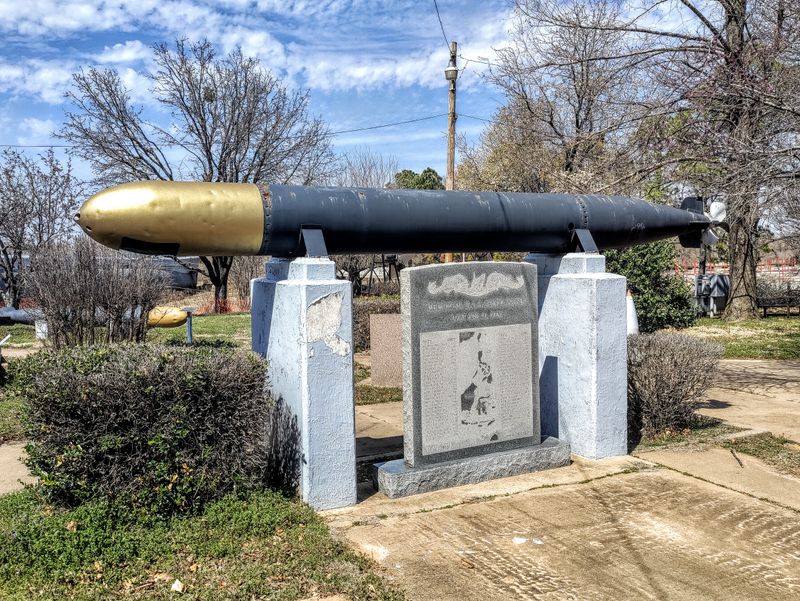
Torpedo casings rest on display stands, their sleek shapes designed to slice through water at high speed. Each Mark 14 torpedo stretched 20 feet long and packed 600 pounds of explosives, enough to crack a ship’s hull wide open.
Early in the war, these torpedoes suffered from faulty detonators that frustrated submarine commanders, but once fixed, they became devastatingly effective.
Naval mines, the dreaded underwater bombs that claimed countless vessels, sit defused and open for inspection. Their spiked spheres look almost medieval, yet these weapons sank more ships than any other device during both world wars.
Depth charges, the submarine hunter’s primary weapon, also appear in the collection with explanations of how destroyers dropped these barrels of explosives to crush submarines below.
Anti-aircraft guns showcase the constant threat sailors faced from air attack. Every piece of hardware tells a story about naval warfare evolution and the technological race between offense and defense that defined maritime combat.
USS Oklahoma Mast Piece Connects to Pearl Harbor
A twisted section of steel mast from the USS Oklahoma stands as a haunting reminder of December 7, 1941. This battleship capsized during the Pearl Harbor attack after taking nine torpedo hits in less than 12 minutes.
The vessel rolled over so quickly that 429 sailors became trapped inside, their frantic banging on the hull heard by rescuers who worked desperately to cut through the thick steel.
Oklahoma natives feel a special connection to this artifact since the battleship bore their state’s name and carried many crew members from across the Great Plains. The mast fragment shows the violent forces unleashed that Sunday morning when Japanese aircraft transformed the peaceful harbor into an inferno.
Rivets and steel plates bent like paper under the explosive impacts that sent the mighty battleship to the harbor bottom.
Salvage crews eventually righted the Oklahoma in 1943, but the damage proved too severe for the ship to return to service. The Navy stripped useful parts and equipment before the hull was sold for scrap.
During the journey to California, the Oklahoma broke free from its tow and sank in a storm, creating a final resting place somewhere in the Pacific.
This mast piece survived the attack, the salvage operation, and decades of preservation efforts to educate new generations about the day that launched America into World War II.
Indoor Exhibits Trace American Military History
The climate-controlled museum building houses artifacts spanning from the Civil War through modern conflicts in Iraq and Afghanistan. Uniforms, medals, personal letters, and photographs create a timeline of American military involvement across 150 years.
Glass cases protect delicate items while allowing close inspection of the details that make each piece unique.
One room focuses specifically on submarine warfare, explaining how these vessels evolved from primitive hand-cranked boats to nuclear-powered giants that can stay submerged for months.
Interactive displays let kids experience periscope views and understand how sonar operators detected enemy ships through sound alone.
The torpedo launch simulator remains a favorite attraction where visitors press a button to hear the whoosh of a practice shot.
World War II memorabilia dominates the collection since that conflict saw the greatest expansion of American naval power. Ration books, propaganda posters, and personal effects from sailors create an intimate portrait of life during wartime.
A section dedicated to the home front shows how civilians contributed through war bonds, victory gardens, and factory work that kept supplies flowing to troops overseas.
Recent additions honor veterans from Korea, Vietnam, and the Gulf Wars, ensuring that modern service members receive recognition alongside their predecessors. The museum continues acquiring new items as families donate grandfather’s uniforms or father’s service medals to preserve family military legacies.
Gift Shop Supports Museum Operations and Restoration
A compact gift shop near the entrance offers submarine-themed merchandise, military history books, and model kits that let enthusiasts recreate famous vessels at home. Proceeds from every purchase directly support museum operations and the ongoing effort to relocate the USS Batfish to safer ground.
Patches, pins, and challenge coins appeal to collectors who want tangible mementos of their visit.
Books covering submarine warfare tactics, crew memoirs, and technical specifications line the shelves for serious history students. Children gravitate toward toy submarines, naval officer caps, and activity books that teach military history through puzzles and games.
T-shirts bearing the Batfish logo and submarine silhouettes provide comfortable souvenirs that spark conversations long after visitors return home.
Staff members, often volunteers themselves, can recommend books based on visitor interests and explain the significance of various items for sale. Limited edition prints showing the Batfish in its prime sell quickly to collectors who appreciate maritime art.
Model submarine kits range from simple snap-together versions for kids to complex scale replicas requiring advanced modeling skills.
Every dollar spent here helps maintain the park grounds, preserve artifacts from deterioration, and fund educational programs for school groups.
The shop accepts cash and cards, making it easy for visitors to support this vital historical preservation effort while taking home meaningful reminders of their experience.
Park Grounds Offer Space for Reflection and Remembrance
Manicured lawns and paved walkways wind through the memorial park, creating peaceful spaces where visitors can reflect on the sacrifices honored here. Benches positioned throughout the grounds invite contemplation while facing the submarine or memorial walls.
American flags flutter in the Oklahoma breeze, their presence a constant reminder of the ideals these sailors defended.
The park serves as a gathering place for Veterans Day ceremonies, Memorial Day observances, and submarine veterans’ reunions. Groups of aging submariners return annually to swap stories, honor fallen comrades, and introduce grandchildren to the vessel type they once called home.
These gatherings reinforce the bonds formed in service and ensure that submarine heritage passes to new generations.
Families spread blankets on the grass for picnics after touring the exhibits, while children run between displays with the boundless energy their great-grandparents might have envied during long submarine patrols.
The park’s location along the Arkansas River provides scenic views that contrast sharply with the claustrophobic submarine interior that once housed the Batfish crew.
Parking is plentiful and free, with accessible paths accommodating wheelchairs and strollers. Restroom facilities in the main building serve visitors during operating hours.
The park remains open Friday through Sunday, giving working families weekend opportunities to explore this unique slice of military history preserved in the heart of Oklahoma.
Dear Reader: This page may contain affiliate links which may earn a commission if you click through and make a purchase. Our independent journalism is not influenced by any advertiser or commercial initiative unless it is clearly marked as sponsored content. As travel products change, please be sure to reconfirm all details and stay up to date with current events to ensure a safe and successful trip.
