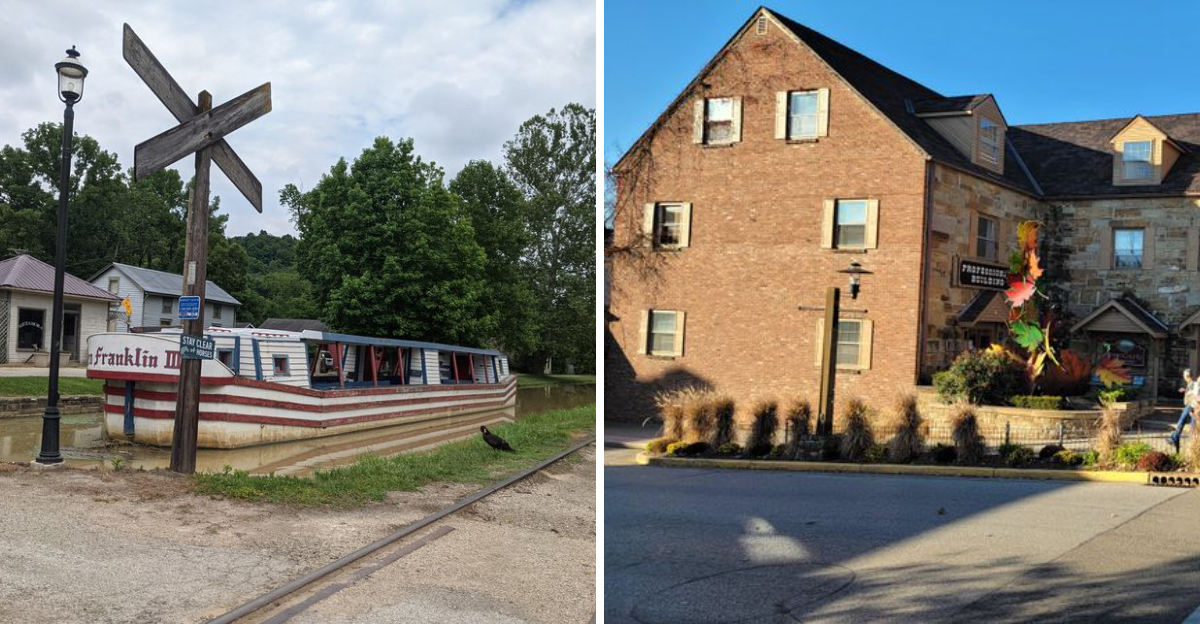
Indiana holds countless secrets tucked away in its rolling hills and quiet countryside, far from the noise of big-city tourism.
Small villages scattered across the state offer charm, history, and beauty that locals prefer to keep to themselves.
These hidden gems remain largely untouched by crowds because residents value their peaceful way of life and work quietly to preserve it.
Visitors who do discover these places find authentic experiences, from historic architecture to scenic trails and welcoming community gatherings.
Each village tells its own story through quaint streets, family-owned shops, and traditions passed down through generations.
Exploring these lesser-known spots means stepping into a slower pace where everyone knows their neighbors and hospitality comes naturally.
If you seek genuine small-town Indiana charm without the tourist traps, these seven villages offer exactly that kind of unforgettable escape.
1. Story, Indiana
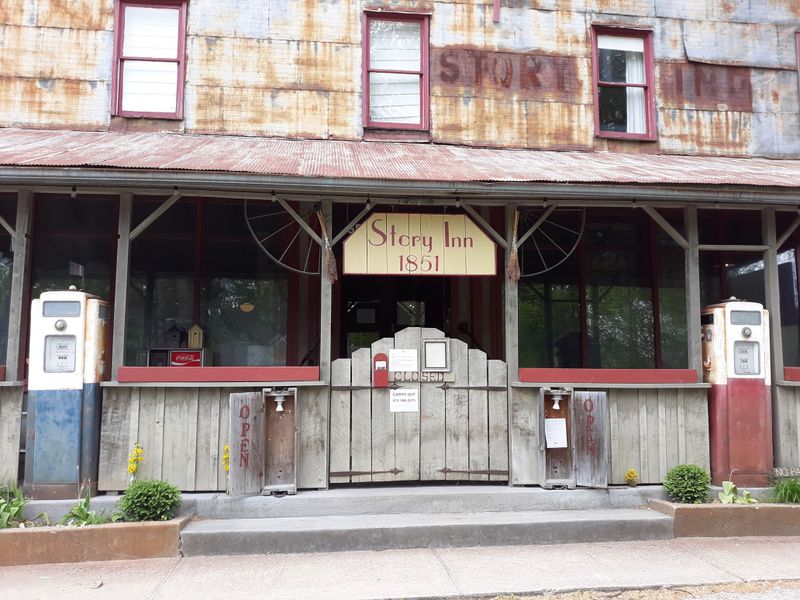
Nestled in Brown County, Story feels like stepping back in time to an era when life moved at a gentler rhythm.
Only a handful of residents call this village home, and they fiercely guard its quiet character against commercial development.
The Story Inn stands as the heart of the community, offering cozy lodging and home-cooked meals that draw food lovers from across the region.
Antique shops and artist studios line the few streets, showcasing handmade crafts and vintage treasures you won’t find anywhere else.
Locals appreciate visitors who respect the tranquil atmosphere and understand that Story isn’t designed for large tour groups or loud entertainment.
Walking through the village, you’ll notice restored log cabins and historic buildings that tell tales of pioneer life in southern Indiana.
The surrounding Brown County State Park provides hiking trails and scenic overlooks that reveal breathtaking views, especially during autumn when leaves turn brilliant shades of red and gold.
Residents prefer that Story remains a place for quiet reflection rather than becoming another crowded tourist destination.
If you visit, take time to chat with shop owners who share stories about the village’s past and their efforts to maintain its authentic character.
The General Store offers locally made goods and snacks perfect for a picnic in the nearby woods.
Photography enthusiasts find endless inspiration in the rustic architecture and natural surroundings that change with each season.
Story reminds us that some places are worth protecting precisely because they refuse to change with every passing trend.
Respect for the community means visiting during quieter times and supporting local businesses without expecting modern conveniences at every turn.
This village thrives because people understand that preserving its charm requires keeping visitor numbers manageable and intentions genuine.
2. West Baden Springs, Indiana
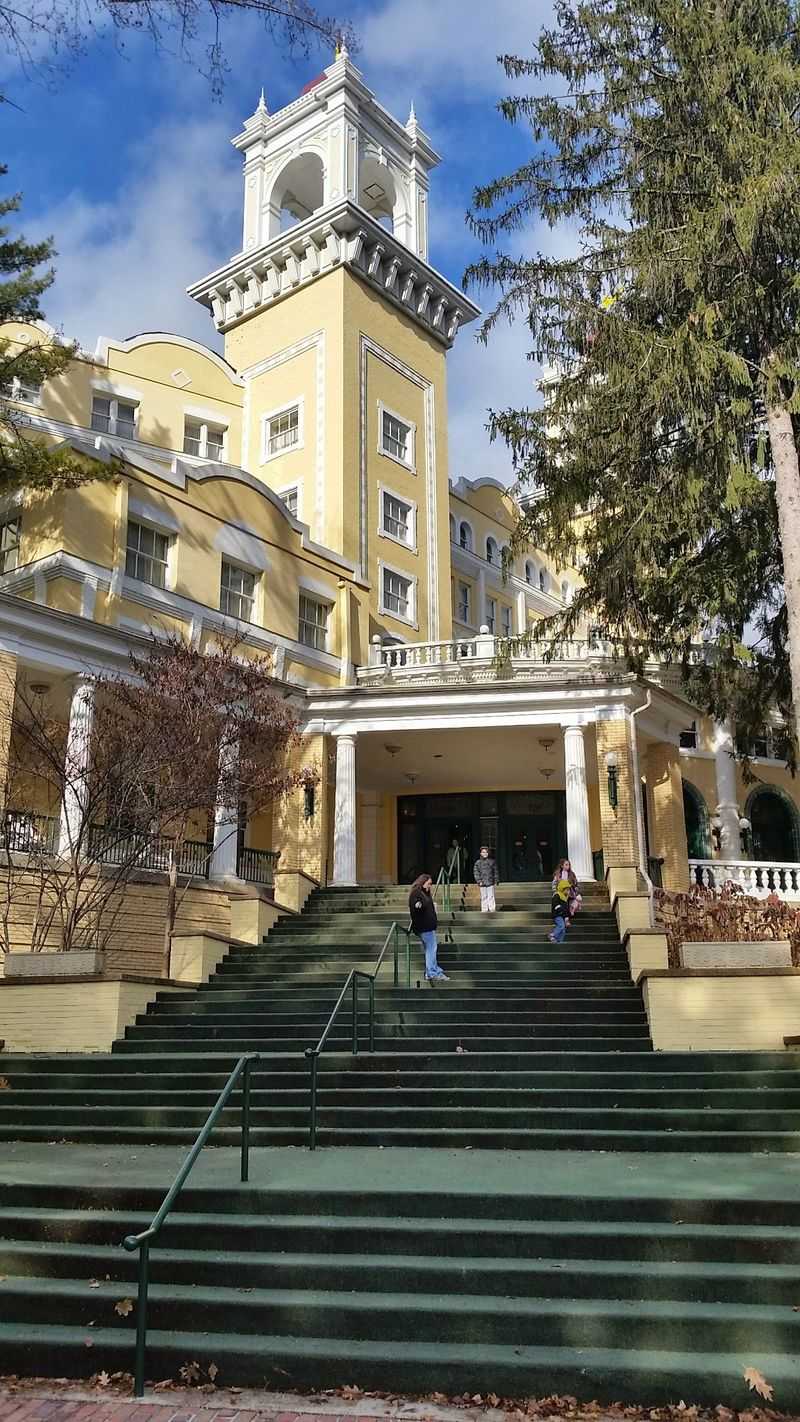
Famous for its massive domed atrium, West Baden Springs once thrived as a luxury resort destination in the early 1900s before fading into quiet obscurity.
The West Baden Springs Hotel, now fully restored, stands as an architectural marvel with its 200-foot dome that was once the largest in the world.
Locals take pride in this history but prefer that their village doesn’t become overrun with casual tourists who only snap photos and leave.
The hotel offers tours that reveal fascinating details about the building’s construction and the wealthy guests who once vacationed here.
Beyond the hotel, the village itself maintains a peaceful residential character with tree-lined streets and modest homes that contrast sharply with the grand resort.
Residents appreciate visitors who explore the area thoughtfully, perhaps staying overnight to truly experience the unique atmosphere.
The nearby French Lick Springs Resort complements West Baden, but locals worry that too much promotion could destroy the intimate feel of both communities.
Walking paths around the village lead through forested areas where you can spot wildlife and enjoy the natural beauty that first attracted wealthy visitors over a century ago.
The West Baden Springs Museum offers exhibits about the area’s healing mineral springs and the golden age of resort tourism in southern Indiana.
Locals often mention that the best time to visit is during weekdays when fewer people crowd the hotel and you can appreciate the architecture without constant noise.
Small cafes and shops in the village provide refreshments and souvenirs, but don’t expect a bustling commercial district designed for mass tourism.
The community works hard to balance preservation of historic sites with maintaining a livable environment for year-round residents.
Respect for West Baden means understanding that this isn’t just a photo opportunity but a living village with people who call it home.
If you visit, consider booking a room at the hotel to support local employment and truly immerse yourself in the remarkable history that makes this place special.
3. Metamora, Indiana
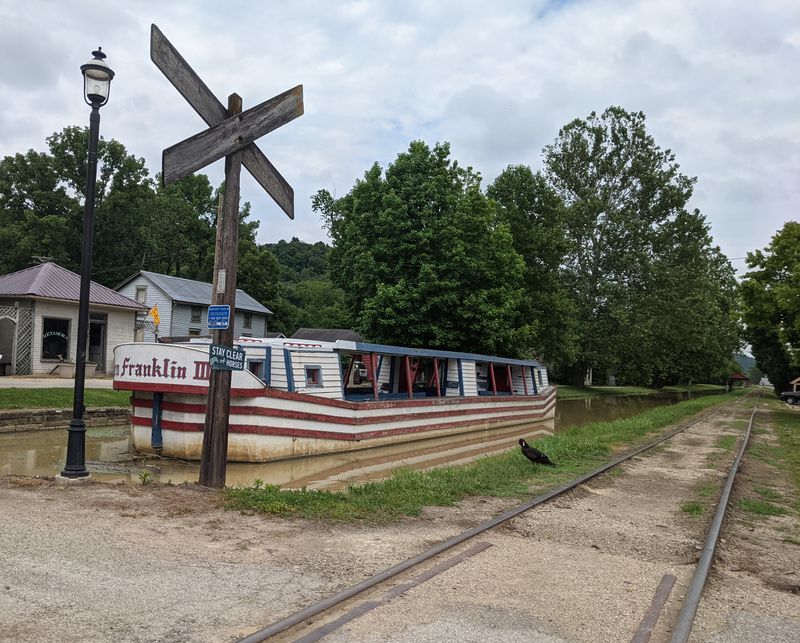
Perched along the Whitewater Canal, Metamora transports visitors to the 1800s with its working grist mill, canal boat rides, and authentic period buildings.
This village has managed to preserve its heritage without becoming a tacky tourist trap, thanks to residents who carefully regulate commercial development.
The Whitewater Canal State Historic Site offers rides on a horse-drawn canal boat that glides peacefully through locks and waterways just as they did generations ago.
Local artisans operate shops selling handcrafted furniture, pottery, and quilts that reflect traditional Indiana craftsmanship rather than mass-produced souvenirs.
Residents worry that too much publicity could bring crowds that overwhelm the narrow streets and change the village’s character forever.
Walking through Metamora, you’ll discover the historic Metamora Roller Mill still grinding grain using water power, producing flour and cornmeal available for purchase.
The village hosts seasonal festivals that celebrate its heritage, but locals prefer these events remain small enough that everyone can enjoy them comfortably.
Covered bridges in the surrounding area provide perfect photo opportunities and connect visitors to the rural landscape that shaped this community.
The Metamora Depot, once a bustling train station, now serves as a visitor center where you can learn about the canal era and the village’s role in early transportation.
Antique stores line the main street, offering treasures from bygone eras that collectors appreciate more than casual browsers looking for quick bargains.
Locals recommend visiting during spring or fall when temperatures are pleasant and the landscape shows off its natural beauty without summer crowds.
Several bed-and-breakfasts provide overnight accommodations in historic buildings, allowing you to experience the village after day-trippers have left.
Respect for Metamora means parking in designated areas, staying on marked paths, and understanding that this is a real community, not a theme park.
The village thrives because visitors come to genuinely appreciate history and craftsmanship rather than simply checking off another destination on a list.
4. Nashville, Indiana
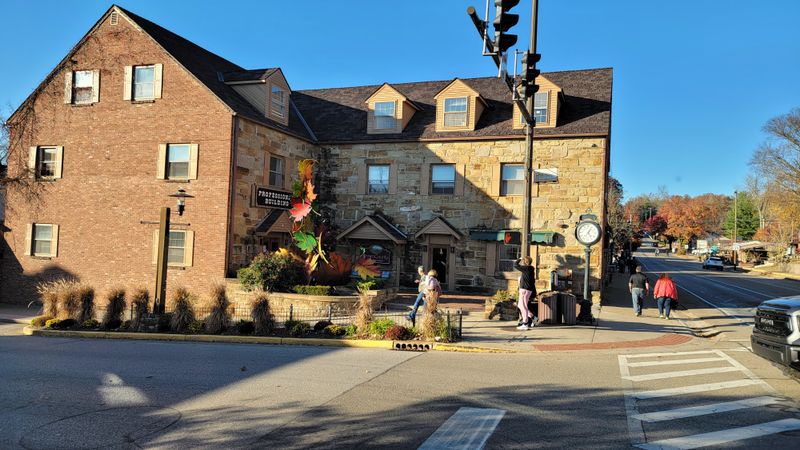
Surrounded by the stunning beauty of Brown County, Nashville has become increasingly popular with artists, antique hunters, and leaf-peepers seeking autumn colors.
Despite growing visitor numbers, locals work diligently to maintain the village’s artistic soul and prevent it from becoming just another commercialized tourist spot.
Art galleries fill the downtown area, showcasing paintings, sculptures, and handcrafted items created by resident artists who draw inspiration from the rolling hills.
The Brown County Playhouse, operating since 1949, presents live theater productions that reflect the community’s deep appreciation for the performing arts.
Residents become protective when developers propose chain restaurants or generic shops that would erase Nashville’s unique character.
Walking the main street, you’ll find family-owned restaurants serving home-style cooking and local specialties that have satisfied hungry visitors for decades.
The Nashville House Restaurant, established in 1927, offers fried biscuits with apple butter that have become legendary among those who know Indiana’s culinary treasures.
Local shops sell everything from handmade jewelry to original artwork, but prices reflect the quality and authenticity rather than catering to bargain hunters.
Brown County State Park surrounds the village, providing miles of hiking and mountain biking trails that showcase Indiana’s most dramatic landscapes.
Autumn brings massive crowds seeking fall foliage, which locals tolerate because they understand tourism supports their economy while also hoping visitors respect the environment.
The Artists Colony Inn offers lodging in a historic building where you can stay in rooms named after famous artists who once worked in Nashville.
Year-round residents appreciate visitors who explore beyond the main tourist strip to discover quieter galleries and studios tucked along side streets.
Respect for Nashville means parking properly, disposing of trash responsibly, and understanding that the village’s charm depends on everyone’s cooperation.
If you visit during peak autumn weekends, expect crowds, but consider coming during spring or summer when the village reveals its peaceful side and locals have more time to chat.
5. Gnaw Bone, Indiana
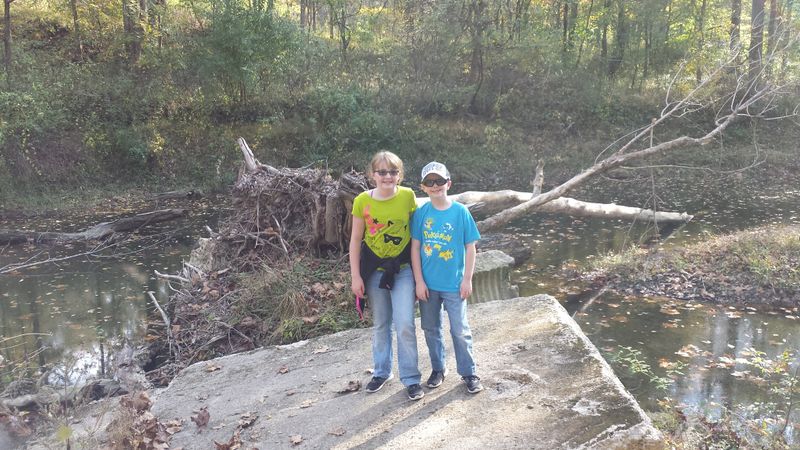
With a population barely reaching three digits, Gnaw Bone embraces its quirky name and fiercely independent spirit that keeps it off most tourist maps.
The village sits along State Road 46, serving as a gateway to Brown County’s natural attractions without drawing attention to itself.
Locals appreciate that most travelers pass through without stopping, allowing Gnaw Bone to maintain its quiet, rural character.
The Gnaw Bone Camp Meeting Ground, established in the 1800s, hosts religious gatherings that connect the community to its pioneer roots and spiritual traditions.
Several small businesses operate here, including a general store that supplies basics for residents and occasional visitors who stumble upon the village.
The unusual name sparks curiosity, with various stories explaining its origin, from a dog gnawing a bone to early settlers finding animal bones in the area.
Residents prefer that Gnaw Bone remains a place where neighbors know each other and outsiders don’t disrupt the peaceful lifestyle.
Surrounding forests and hills provide natural beauty that locals enjoy privately rather than promoting it as a tourist attraction.
The Gnaw Bone Food & Fuel serves as a community gathering spot where residents catch up on local news while filling their gas tanks or grabbing a quick meal.
Visitors who do stop often comment on the friendly but reserved nature of locals who welcome respectful guests but discourage those seeking Instagram-worthy photo ops.
The village lacks hotels, restaurants, and attractions that typically draw tourists, which suits residents perfectly as they value privacy over economic growth.
Nearby hiking trails and scenic overlooks provide outdoor recreation without the crowds found in more publicized areas of Brown County.
Respect for Gnaw Bone means understanding that not every place needs to become a destination and that some communities thrive precisely because they remain under the radar.
If you pass through, a quick stop at the local store for snacks and a brief conversation with residents provides all the interaction this village needs from outsiders.
6. Medora, Indiana
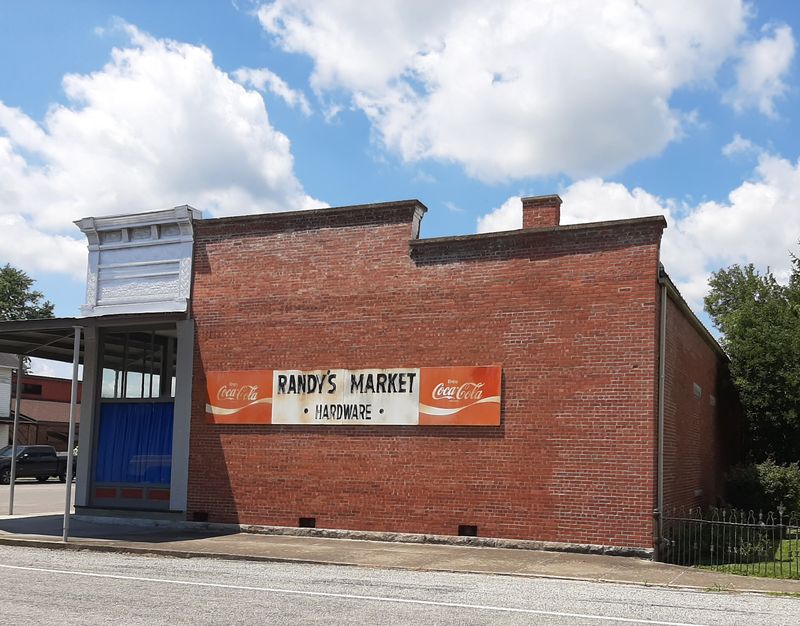
Tucked into the hills of Jackson County, Medora gained fame as the home of the Medora Covered Bridge, one of Indiana’s most photographed historic structures.
The bridge spans the East Fork of the White River, offering a picturesque scene that attracts photographers, especially during autumn when surrounding trees blaze with color.
Locals appreciate visitors who come to admire the bridge respectfully but worry about those who trespass on private property or leave trash behind.
The village itself remains tiny, with just a few dozen residents who value their privacy and the peaceful rural setting they’ve chosen.
Medora’s history includes a brief period as a railroad town, and remnants of that era still dot the landscape for those interested in exploring beyond the famous bridge.
The Medora Brick Company once operated here, producing bricks that built structures across southern Indiana before closing in the mid-1900s.
Residents prefer that visitors focus on the covered bridge and surrounding natural beauty rather than expecting a full tourist experience with shops and restaurants.
The East Fork of the White River provides opportunities for fishing and kayaking, activities that locals enjoy without promoting them to outsiders.
Several hiking trails in the area lead through forests and along ridges that offer stunning views of the river valley and rolling countryside.
The covered bridge, built in 1875, stands as one of the longest single-span covered bridges in the United States, measuring 431 feet from end to end.
Locals maintain the bridge and surrounding area through volunteer efforts, demonstrating their commitment to preserving this landmark without commercializing it.
Respect for Medora means parking in designated areas, staying on public land, and treating the covered bridge as the historic treasure it is rather than just a photo backdrop.
If you visit, take time to walk through the bridge and appreciate the craftsmanship of 19th-century builders who constructed it to last generations.
The village thrives in quiet obscurity, and residents hope it stays that way so future generations can enjoy the same peaceful setting they cherish today.
7. Santa Claus, Indiana
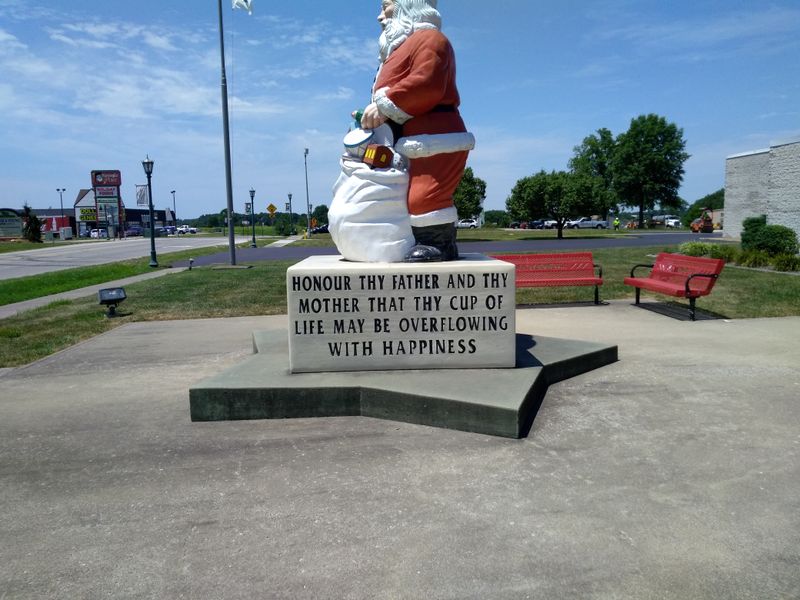
Named for the jolly gift-giver himself, Santa Claus manages to balance its festive theme with small-town authenticity that locals work hard to preserve.
Holiday World & Splashin’ Safari theme park brings thousands of visitors annually, but the village itself maintains a separate identity beyond the amusement attractions.
The Santa Claus Post Office receives hundreds of thousands of letters from children worldwide, and volunteers ensure each one gets a reply with the special Santa Claus postmark.
Locals take pride in their unique community while also protecting residential areas from becoming overrun with commercial development tied to the Christmas theme.
The Santa Claus Museum & Village showcases the town’s history and explains how it got its unusual name through a combination of community spirit and postal necessity.
Original Santa Claus statues and holiday-themed landmarks dot the landscape, providing photo opportunities that visitors appreciate without overwhelming the town’s character.
Lake Rudolph Campground & RV Resort offers accommodations for families visiting Holiday World, keeping tourist infrastructure concentrated rather than spreading throughout the village.
Year-round residents number only around 2,000, and they appreciate that most visitors come for specific attractions rather than treating the entire town as a theme park.
The Santa Claus Land of Lights transforms the area each holiday season with millions of twinkling displays that celebrate the village’s namesake appropriately.
Local businesses benefit from tourism while maintaining standards that prevent tacky commercialization from ruining the town’s genuine small-town atmosphere.
St. Nicholas Church stands as a beautiful example of Gothic architecture, reminding visitors that Santa Claus is a real community with spiritual traditions beyond its festive name.
Residents balance welcoming visitors with maintaining privacy in neighborhoods where families live year-round and don’t want constant tourist traffic.
Respect for Santa Claus means understanding that while the name invites curiosity, the people here deserve the same consideration given to any small-town community.
If you visit, enjoy the themed attractions but also take time to appreciate how locals have created something special without letting commercialization destroy their hometown’s authentic character.
Dear Reader: This page may contain affiliate links which may earn a commission if you click through and make a purchase. Our independent journalism is not influenced by any advertiser or commercial initiative unless it is clearly marked as sponsored content. As travel products change, please be sure to reconfirm all details and stay up to date with current events to ensure a safe and successful trip.
