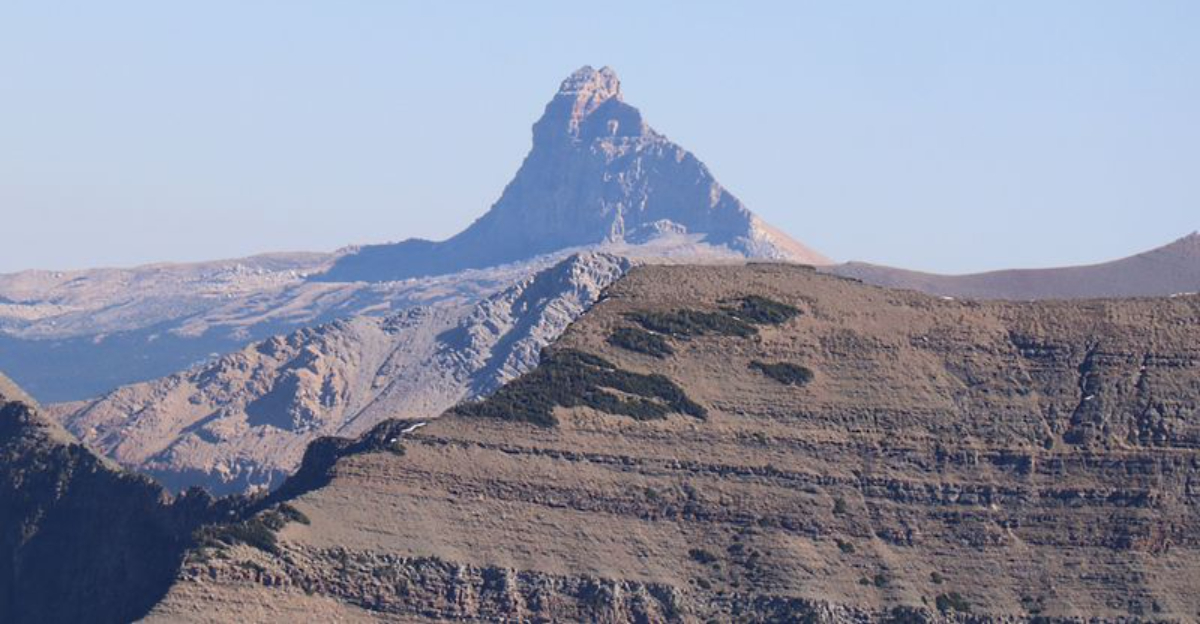
Colorado is famous for its towering peaks that scrape the sky, but not every adventure needs to involve oxygen tanks and weeks of training.
Sometimes the best memories come from smaller mountains that offer big rewards without the extreme commitment.
These modest summits deliver stunning views, a solid workout, and that satisfying feeling of standing on top of the world; even if the world is just a few thousand feet tall.
Whether you’re new to hiking or simply want a fun day trip that doesn’t require alpine climbing skills, these small mountains across Colorado will make you feel like a champion.
Each one offers its own personality, from rocky scrambles to gentle forest trails, and all of them promise that legendary summit moment when you can catch your breath, snap a photo, and feel genuinely proud of what you just accomplished.
Best of all, most of these peaks can be conquered in a half day, leaving you plenty of time to celebrate your victory with a well-deserved meal in a nearby mountain town.
So lace up your boots, pack some snacks, and get ready to discover the smaller side of Colorado’s mountain magic.
1. Mount Sanitas
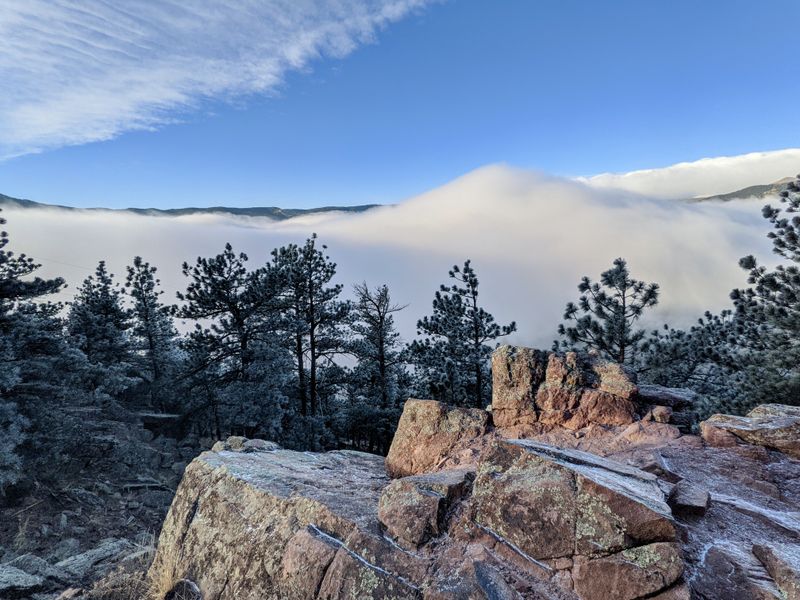
Just outside Boulder, this compact peak packs a serious punch in a small package.
Mount Sanitas rises only about 1,300 feet above the trailhead, but the climb feels like a real mountain adventure thanks to its steep, rocky path.
You’ll huff and puff your way up switchbacks that seem to go straight up the mountainside, passing through scrubby vegetation and exposed rock faces.
The trail is just 3.2 miles round trip, making it perfect for a morning workout or an after-work adventure when the days are long.
Local Boulderites treat this hike like their personal gym, and you’ll often see trail runners bounding up and down with impressive speed.
Don’t let that intimidate you; take your time and enjoy the journey at your own pace.
Once you reach the summit, the views are absolutely worth every drop of sweat.
You can see Boulder spread out below like a map, with the iconic Flatirons rising dramatically to the south.
The Front Range stretches out in both directions, and on clear days, you can spot Denver’s skyline glinting in the distance.
The descent offers a gentler option via the Valley Trail, which loops back through a peaceful valley filled with wildflowers in spring and summer.
This route gives your knees a break and lets you cool down gradually.
After your hike, Boulder’s Pearl Street Mall is just minutes away, where you can grab a celebratory coffee or lunch at one of the many outdoor cafes.
Mount Sanitas proves that you don’t need to drive hours into the backcountry to feel like a mountain conqueror.
This little peak delivers big satisfaction right on the edge of town.
2. Bear Peak
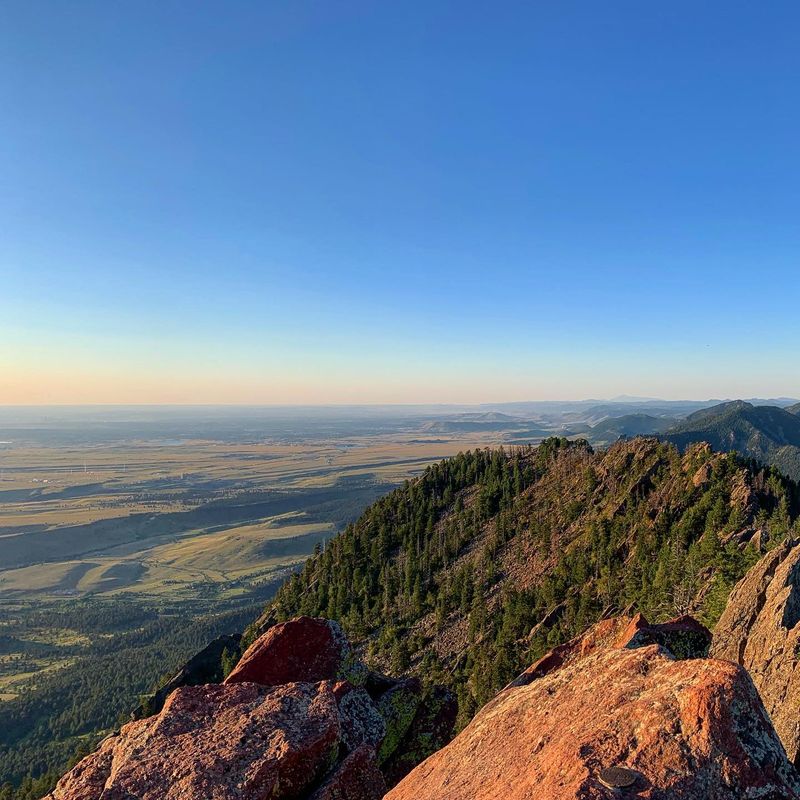
Standing at 8,461 feet, Bear Peak towers over Boulder’s southern skyline and offers one of the most rewarding small mountain climbs in the Front Range.
The summit sits just high enough to make you feel like you’ve accomplished something real, but it’s accessible enough for determined hikers without technical climbing experience.
Multiple trails lead to the top, giving you options based on your fitness level and how much challenge you’re craving.
The most popular route starts from the National Center for Atmospheric Research and climbs about 2,800 feet over roughly 3.5 miles.
This path takes you through diverse terrain, starting in open meadows where you might spot deer grazing in the early morning.
As you climb higher, the trail enters cool pine forests before breaking out onto exposed rocky slopes near the summit.
What makes Bear Peak feel legendary is the final push to the top, which involves some light scrambling over boulders.
It’s not technical rock climbing, but you’ll definitely use your hands to pull yourself up in a few spots.
This adds an element of adventure that makes the accomplishment feel even sweeter.
From the summit, you’re rewarded with 360-degree views that rival any of Colorado’s bigger peaks.
The Flatirons look like jagged teeth below you, Boulder stretches northward, and the Continental Divide creates a stunning western horizon.
You can see for miles in every direction, and the wind at the top makes you feel like you’re standing on the roof of the world.
Many hikers combine Bear Peak with neighboring South Boulder Peak for an extended adventure, but Bear Peak alone provides plenty of bragging rights for your next gathering.
3. Green Mountain (Boulder)
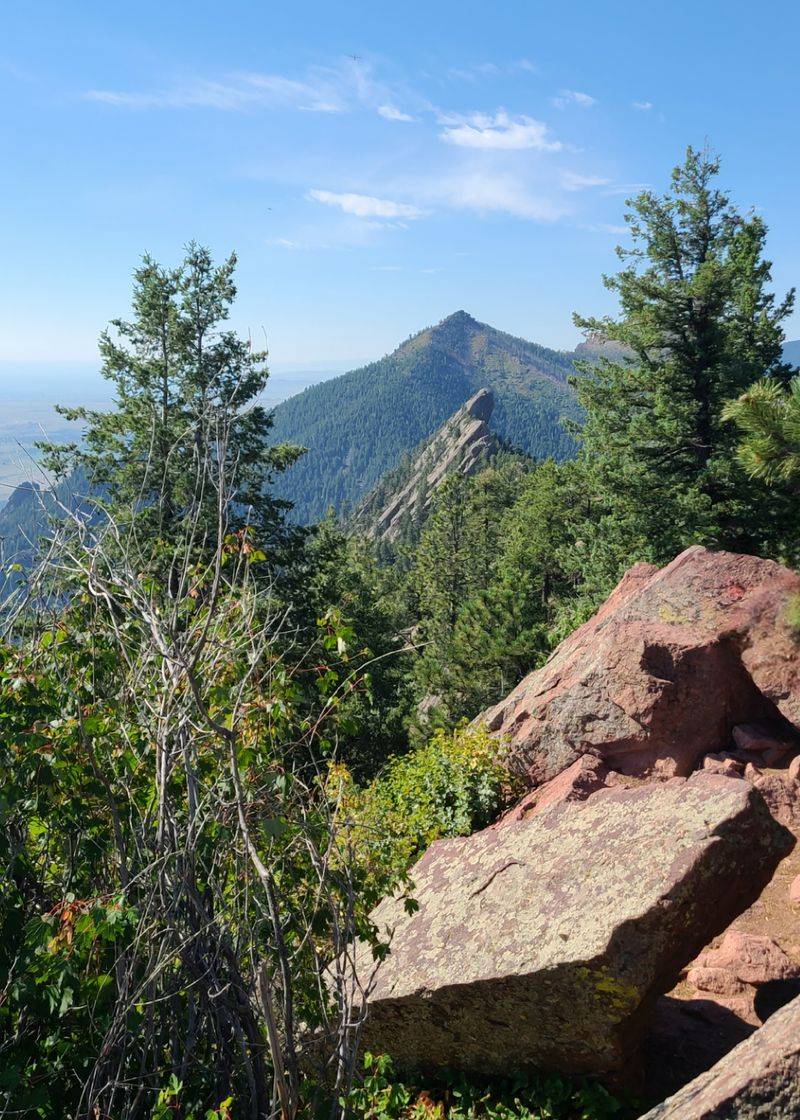
Green Mountain serves as Boulder’s gentle giant, offering a friendlier approach to summit glory than some of its steeper neighbors.
At 8,144 feet, this rounded peak provides spectacular views without requiring any scrambling or technical skills.
The wide, well-maintained trails make it accessible for families, dogs, and anyone who wants a solid workout without feeling like they’re risking life and limb.
Several trails converge at the summit, but the most direct route from the Gregory Canyon trailhead climbs about 2,400 feet over 2.5 miles.
The path winds through shaded forest for much of the journey, providing relief on hot summer days.
Wildflowers explode with color along the trail in late spring and early summer, creating a beautiful distraction from the steady uphill grade.
What sets Green Mountain apart is its broad, grassy summit area that feels like a mountain meadow in the sky.
Unlike narrow, rocky peaks where you’re perched precariously on a small space, Green Mountain’s top offers room to spread out, have a picnic, and relax.
You can actually walk around and explore different viewpoints rather than clinging to one spot.
The views encompass the entire Boulder Valley, with the city laid out below and the plains stretching endlessly to the east.
To the west, you can see deeper into the mountains, with higher peaks creating a dramatic backdrop.
It’s the kind of view that makes you understand why people move to Colorado in the first place.
Green Mountain is also fantastic for sunrise and sunset hikes when the lighting transforms the landscape into something magical.
The relatively moderate difficulty means you can enjoy the experience without being completely exhausted, leaving energy to appreciate the moment.
4. Horsetooth Rock
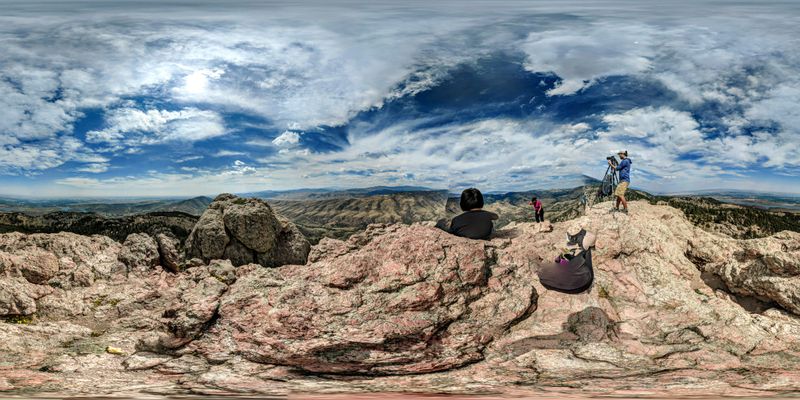
Named for its resemblance to a giant horse’s tooth jutting from the mountainside, this distinctive rock formation near Fort Collins has become an iconic landmark and a favorite quick adventure.
The hike to Horsetooth Rock covers only about 2.5 miles round trip with roughly 1,400 feet of elevation gain, making it achievable even on busy days when time is limited.
Despite its modest statistics, the trail feels like a genuine mountain experience with rocky terrain and rewarding summit views.
The trail wastes no time getting steep, climbing quickly through scrubby hillsides dotted with yucca plants and prickly pear cactus.
This drier ecosystem feels different from the pine forests around Boulder, giving the hike a unique character.
You’ll work up a sweat fast, but the trail is short enough that you can push through without needing multiple rest stops.
When you reach the actual rock formation, you can scramble up to its base for photos and to touch the famous tooth-shaped stone.
Some adventurous souls climb to the very top of the rock itself, though this requires careful footing and isn’t necessary to enjoy the views.
From the area around Horsetooth Rock, you get stunning vistas of Horsetooth Reservoir sparkling blue below, with Fort Collins spreading across the plains beyond.
The reservoir views are particularly special because water features are relatively rare in Front Range mountain hikes.
Seeing that brilliant blue water contrasting with the dry hillsides creates a striking visual.
On hot days, many hikers head straight to the reservoir after their climb for a refreshing swim.
Fort Collins offers excellent post-hike dining and brewery options, making Horsetooth Rock the perfect centerpiece for a fun day trip that combines outdoor adventure with urban amenities.
5. Chief Mountain
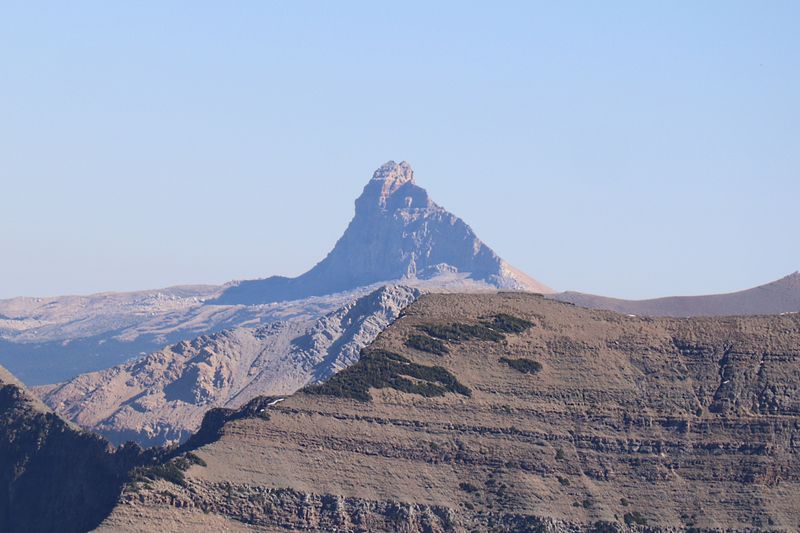
Perched above Idaho Springs at 11,709 feet, Chief Mountain might be small compared to the giants of the Continental Divide, but it delivers an outsized sense of accomplishment.
The summit features a historic fire lookout tower that you can climb for even better views, adding a unique element to your mountain experience.
At roughly 3.5 miles round trip with about 1,400 feet of elevation gain, this hike offers excellent bang for your buck in terms of effort versus reward.
The trail starts high, meaning you’re already at significant elevation when you begin hiking.
This gives you a head start on the views and means you’re quickly above treeline, walking through alpine meadows filled with wildflowers during summer months.
The thin air at this elevation might slow your pace a bit, but the relatively short distance keeps the hike manageable for most people with reasonable fitness.
As you climb, the views just keep getting better, with massive peaks surrounding you on all sides.
You’re hiking in the heart of Colorado’s high country, and it shows.
The final approach to the summit involves some rocky sections that require watching your footing, but nothing technical or dangerous.
The fire lookout tower at the summit is the crowning glory of this hike.
You can climb the stairs to the lookout platform and feel like you’re floating above the mountains.
From this vantage point, you can identify dozens of famous Colorado peaks, including Mount Evans and the peaks of the Continental Divide.
Idaho Springs sits just below, and after your hike, you can soak your tired muscles at one of the town’s natural hot springs facilities.
This combination of mountain summit and hot springs relaxation makes for an absolutely perfect Colorado day that will leave you feeling thoroughly legendary.
6. Grays Peak via Stevens Gulch
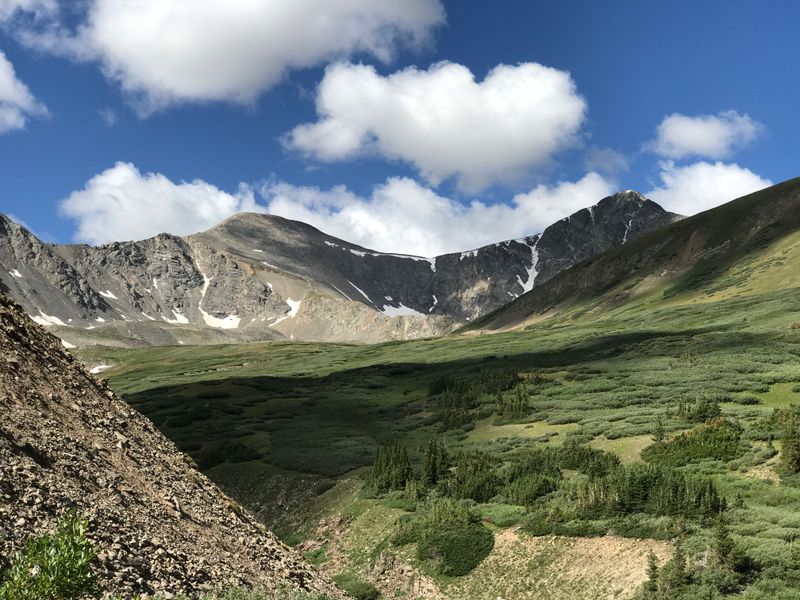
At 14,278 feet, Grays Peak technically counts as a fourteener, placing it among the most celebrated high-altitude climbs in Colorado.
Despite its lofty elevation, it holds a reputation as one of the easiest peaks to summit for hikers seeking a high-altitude adventure.
The trail from Stevens Gulch gains about 3,000 feet over four miles, providing a steady climb that challenges the legs but remains accessible for most hikers.
The path is clearly marked, which means there is no need for scrambling, climbing, or technical mountaineering skills to reach the top.
Most hikers complete the round trip in five to seven hours depending on pace, breaks, and how often they stop to enjoy the views along the way.
This makes Grays Peak an ideal choice for a full day adventure that rewards effort without requiring overnight planning or advanced gear.
In July, the lower slopes burst with vibrant wildflowers, painting the rugged terrain with splashes of color that make the climb feel even more magical.
Mountain goats sometimes wander near the summit, pausing in ways that seem almost staged, perfect for photos and close encounters with wildlife.
As you near the top, the air becomes thinner and the landscape stretches wider, creating a sense of anticipation that grows with every step.
Reaching the summit means standing above the clouds, surrounded by 360-degree panoramic views that extend across the Continental Divide.
The sense of accomplishment is immense as you take in the vast, jagged peaks, shimmering valleys, and distant mountains that seem to go on forever.
Even though thousands of hikers, including families with children and dogs, make it to the top each summer, the experience still feels personal and unforgettable.
Every glance around the summit offers a new perspective, from craggy ridges to hidden alpine lakes and fields of delicate wildflowers still clinging to the high slopes.
Standing there, with the wind brushing your face and the sun casting golden light over the mountains, you feel a powerful mix of awe, peace, and exhilaration.
Grays Peak proves that a high-altitude climb does not have to be intimidating to deliver a truly spectacular experience, leaving hikers with memories that last a lifetime.
Dear Reader: This page may contain affiliate links which may earn a commission if you click through and make a purchase. Our independent journalism is not influenced by any advertiser or commercial initiative unless it is clearly marked as sponsored content. As travel products change, please be sure to reconfirm all details and stay up to date with current events to ensure a safe and successful trip.
