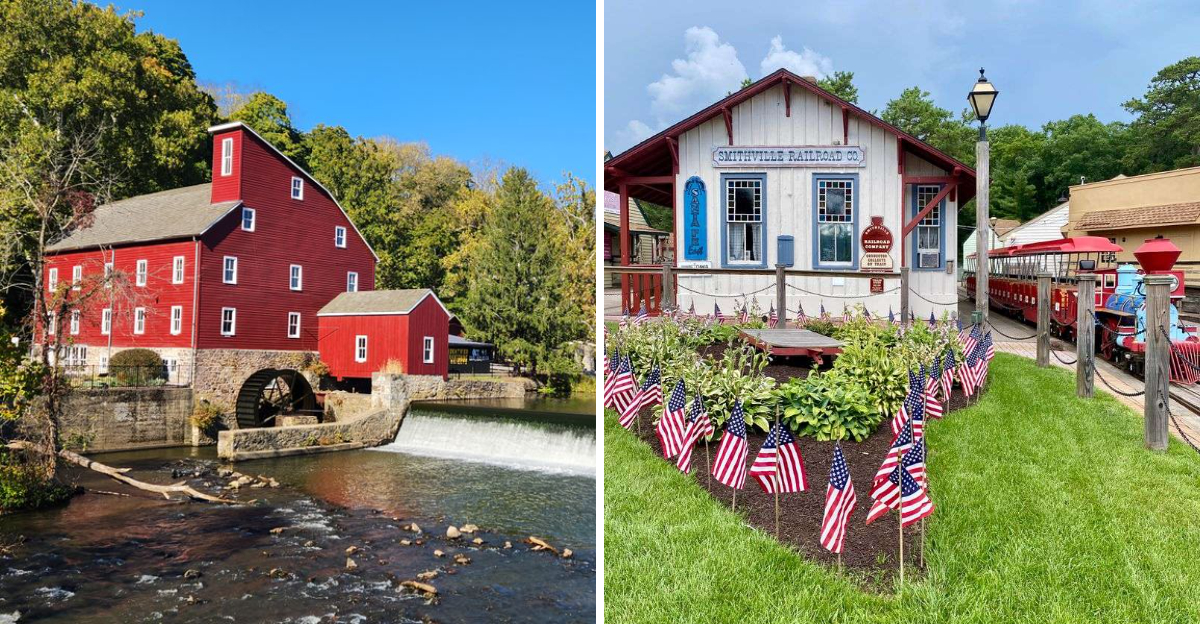
I’ve lost count of how many little corners of the Garden State I’ve wandered into, but here’s the truth: New Jersey’s small towns are where the real magic hides.
Forget the stereotypes… these places are full of surprises that make you wonder why you didn’t stumble on them sooner.
One minute you’re gawking at Victorian houses that look like they were ripped straight out of a fairytale, the next you’re strolling through waterfront villages where time seems to move slower (and honestly, thank goodness for that).
Each town has its own vibe, its own quirks, and its own way of making you feel like you’ve uncovered a secret locals have been keeping under wraps.
I’ve watched sunsets turn historic main streets into golden movie sets, wandered past gardens that explode with color like they’re showing off, and found that rare kind of peace you only get in small-town life.
Meanwhile, most people are zooming past these places on their way to somewhere “important.” Joke’s on them; paradise is literally hiding in plain sight.
Here’s my warning: once you experience the charm of these towns, you’ll probably end up scrolling real estate listings before you even get back home.
So pack a camera, cancel whatever boring plans you had, and get ready to fall hard for New Jersey’s small towns. They’re so good, they’ll ruin you for everywhere else.
1. Cape May
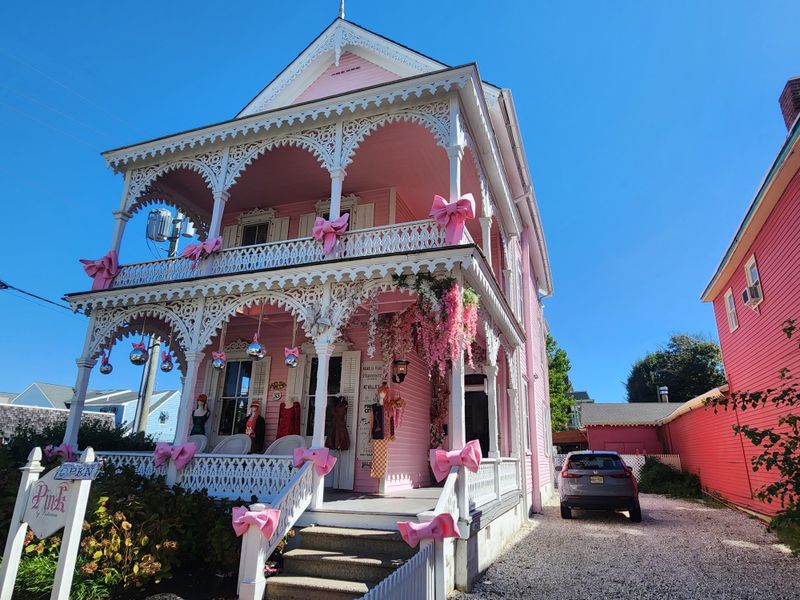
Walking through Cape May feels like stepping into a perfectly preserved time capsule where Victorian elegance meets Atlantic Ocean breezes. The entire town is a National Historic Landmark, boasting over 600 preserved buildings that showcase architectural styles from the 1800s in every pastel shade imaginable.
I’ve spent countless afternoons just wandering the tree-lined streets, admiring the intricate gingerbread trim and wraparound porches that make every house look like a wedding cake.
The beaches here offer something different from the typical Jersey Shore experience, with a quieter, more refined atmosphere that attracts families and couples looking for relaxation over rowdy boardwalk entertainment. Washington Street Mall provides pedestrian-only shopping that feels worlds away from commercial strip malls, featuring local boutiques, galleries, and eateries housed in historic storefronts.
During summer evenings, the sunset over the harbor creates such breathtaking colors that even longtime residents stop to take photos.
Cape May’s commitment to preservation extends beyond architecture to include the natural environment, with bird-watching opportunities that draw enthusiasts from across the country during migration seasons. The town manages to balance tourism with maintaining its residential charm, never feeling overcrowded or commercialized despite its popularity.
Historic inns and bed-and-breakfasts offer accommodations that let you truly immerse yourself in the Victorian experience, complete with period furnishings and modern comforts.
Whether you’re exploring the lighthouse, browsing antique shops, or simply enjoying the ocean views, Cape May proves that beauty and history can coexist perfectly in a small-town setting that feels timeless and welcoming.
2. Lambertville
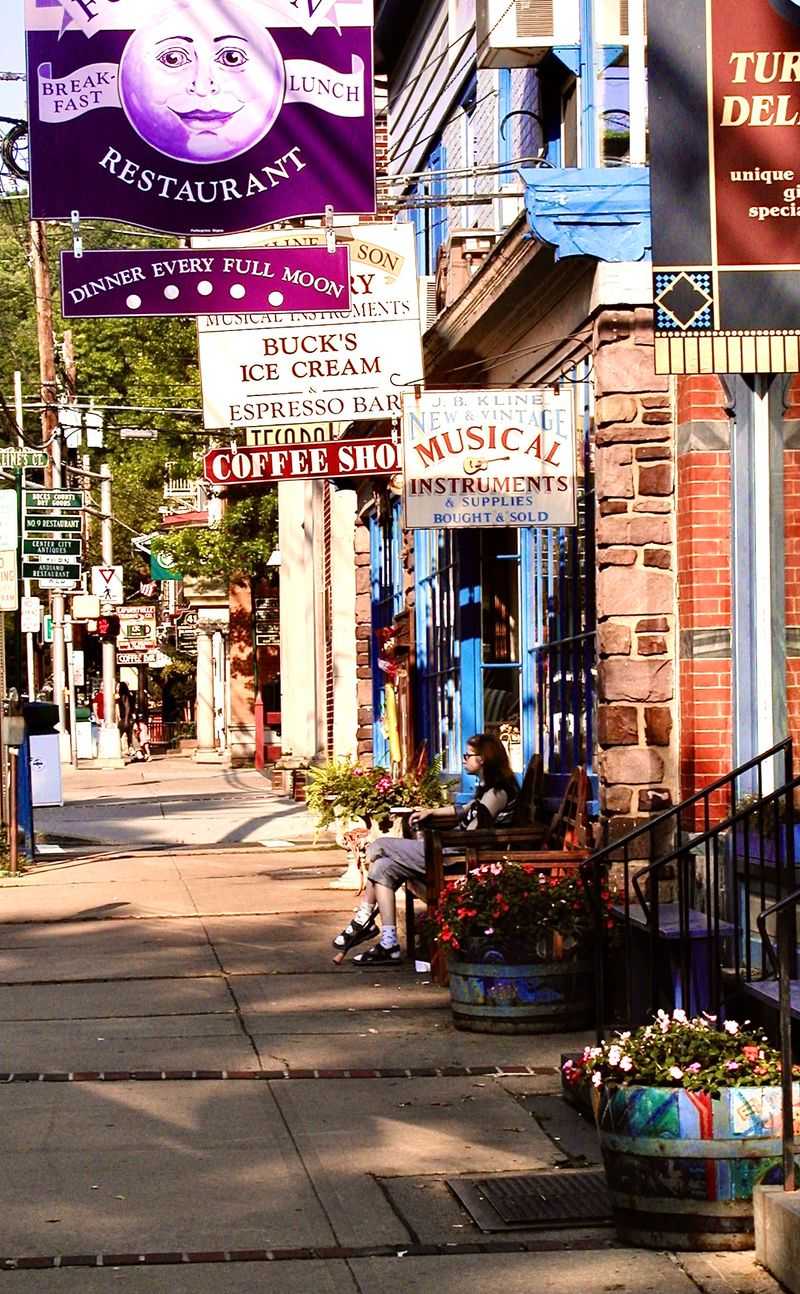
Perched along the Delaware River with Pennsylvania’s New Hope visible across the water, Lambertville has transformed itself into an artist’s haven without losing its working-class roots. The town’s compact downtown area packs an impressive concentration of galleries, antique stores, and farm-to-table restaurants into just a few walkable blocks.
I’ve noticed how the creative community here maintains an authentic, unpretentious vibe that welcomes visitors without catering exclusively to tourists.
Bridge Street serves as the town’s artistic spine, where you’ll find everything from contemporary paintings to vintage furniture that spans multiple centuries and design movements. The Delaware and Raritan Canal towpath offers miles of flat, scenic walking and biking trails that follow the waterway through peaceful landscapes dotted with historic lockkeeper houses.
Local restaurants emphasize seasonal ingredients sourced from nearby farms, creating menus that change with New Jersey’s agricultural calendar.
Lambertville’s weekend antique markets have become legendary among collectors, drawing dealers and bargain hunters who arrive early to claim the best finds. The town celebrates its artistic identity through regular gallery walks and cultural events that transform the streets into outdoor exhibition spaces.
Historic architecture from the canal era blends seamlessly with modern renovations, creating visual interest around every corner.
What strikes me most about Lambertville is how it manages to feel both sophisticated and down-to-earth, attracting creative professionals and working families alike. The riverfront location provides constant scenic beauty, whether you’re watching kayakers paddle past or enjoying sunset reflections on the water from one of the many riverside dining patios.
3. Chester
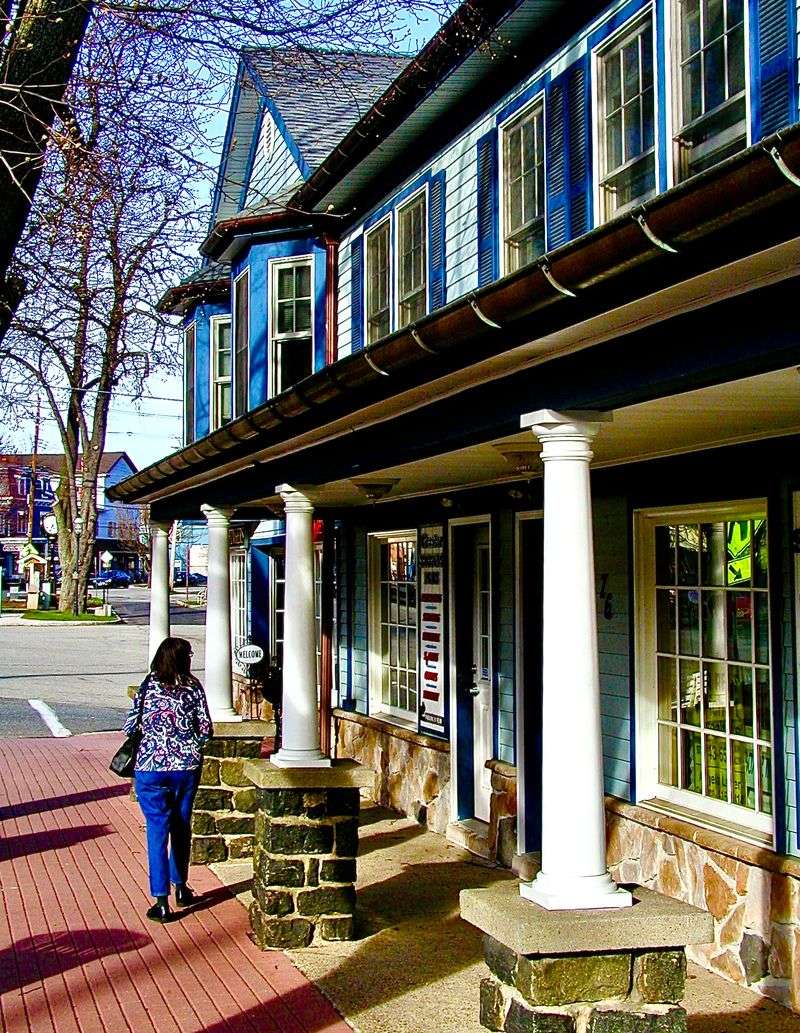
Tucked into Morris County’s rolling hills, Chester looks like someone designed it specifically to win a “Most Charming Town” competition and then decided to keep it that way forever. The downtown area stretches along Main Street for just a few blocks, but those blocks contain enough visual appeal to fuel a full day of exploration.
Black lampposts line the sidewalks, casting a warm glow over brick sidewalks that lead past shops housed in buildings dating back to the 1700s and 1800s.
Chester’s restaurant scene punches well above its weight class for a town of fewer than 2,000 residents, offering everything from cozy cafes to upscale dining in historic settings. The surrounding countryside provides a pastoral backdrop that changes dramatically with the seasons, from spring blossoms to autumn foliage that draws photographers from across the region.
Local shops focus on quality over quantity, featuring handcrafted goods, specialty foods, and unique items you won’t find in chain stores.
The town maintains strict architectural standards that preserve its historic character while allowing businesses to thrive and evolve. Community events throughout the year bring residents and visitors together for celebrations that feel genuine rather than manufactured for tourist consumption.
Cooper Gristmill, located at 66 Route 513 in Chester, NJ 07930, offers a glimpse into 19th-century milling operations within a beautifully preserved setting along the Black River.
Walking through Chester on a crisp fall afternoon, with leaves crunching underfoot and smoke curling from chimneys, you’ll understand why people describe it as storybook-perfect. The town proves that small can be mighty when it comes to creating an irresistible blend of history, natural beauty, and contemporary amenities.
4. Stockton
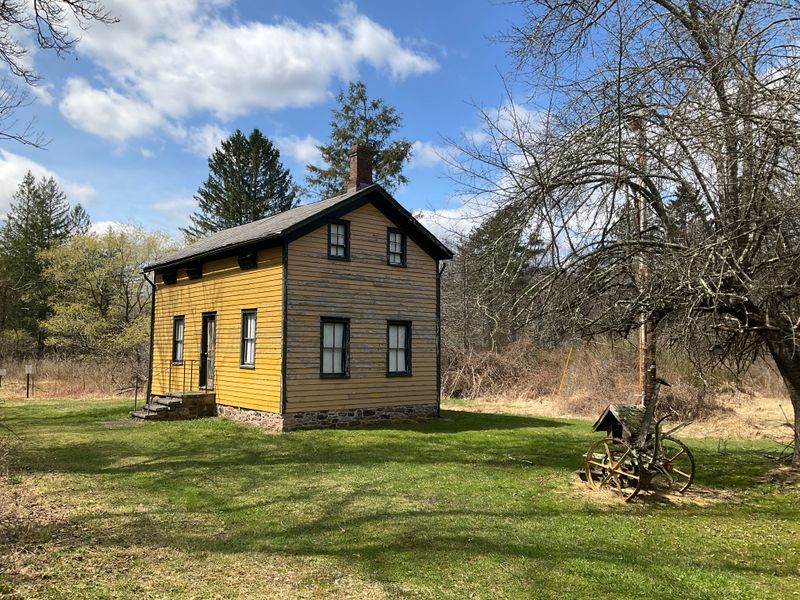
Blink while driving through Hunterdon County and you might miss Stockton entirely, which would be a genuine tragedy because this tiny riverside gem offers exactly the kind of tranquility that modern life seems designed to destroy. The town consists of little more than a handful of historic buildings clustered near the Delaware River, but what it lacks in size it compensates for with pure, concentrated charm.
Stone structures dating back to the 1700s stand as testaments to the area’s colonial heritage, their thick walls and small windows speaking to a time when durability mattered more than aesthetics.
The Stockton Inn, a historic establishment that has welcomed travelers since 1796, anchors the tiny downtown with its stone facade and reputation for excellent dining. Across the street, the Delaware River flows peacefully past, offering fishing, kayaking, and contemplative riverside walks along the towpath.
The surrounding countryside unfolds in gentle hills dotted with farms that have been worked by the same families for generations.
What makes Stockton special isn’t any single attraction but rather the cumulative effect of its unspoiled character and resistance to overdevelopment. The town feels frozen in a better, simpler time without seeming like a museum or theme park.
Local residents take pride in maintaining the area’s rural character while welcoming visitors who appreciate authenticity over entertainment.
During autumn, the combination of river views and changing foliage creates scenes so picturesque that artists set up easels along the roadside to capture them. Stockton reminds us that sometimes the most beautiful places are the ones that refuse to change with every passing trend.
5. Clinton
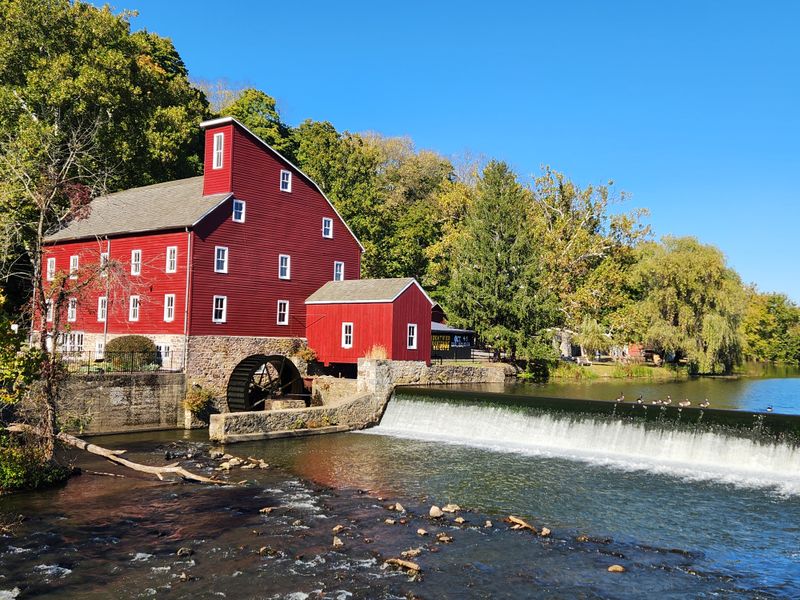
Clinton’s iconic Red Mill stands as one of New Jersey’s most photographed landmarks, its vibrant red walls contrasting beautifully against the rushing waters of the South Branch Raritan River. The mill and its surrounding waterfall create a focal point so visually striking that it has appeared on countless calendars, postcards, and tourist brochures over the decades.
I’ve visited during every season, and each time the changing light and foliage transform the scene into something entirely new yet equally captivating.
The historic downtown area radiates outward from the mill, with Main Street offering antique shops, boutiques, and restaurants that cater to day-trippers and locals alike. The Hunterdon Art Museum, located at 7 Lower Center Street in Clinton, NJ 08809, occupies a historic stone mill building and showcases contemporary craft and fine art in galleries that blend industrial architecture with creative expression.
Walking paths along the river provide peaceful spots to enjoy the natural beauty that first attracted settlers to establish mills here centuries ago.
Clinton manages to feel both discovered and undiscovered simultaneously, popular enough to support a vibrant business community but never so crowded that it loses its small-town intimacy. The stone arch bridge near the Red Mill creates perfect framing for photographs and serves as a reminder of the engineering achievements of earlier generations.
Local events throughout the year celebrate the town’s heritage without turning into overcrowded spectacles that overwhelm the infrastructure.
The combination of natural beauty, historic preservation, and accessible amenities makes Clinton feel like a town that has figured out the perfect balance between past and present, creating a destination that satisfies both history enthusiasts and those simply seeking scenic beauty.
6. Frenchtown
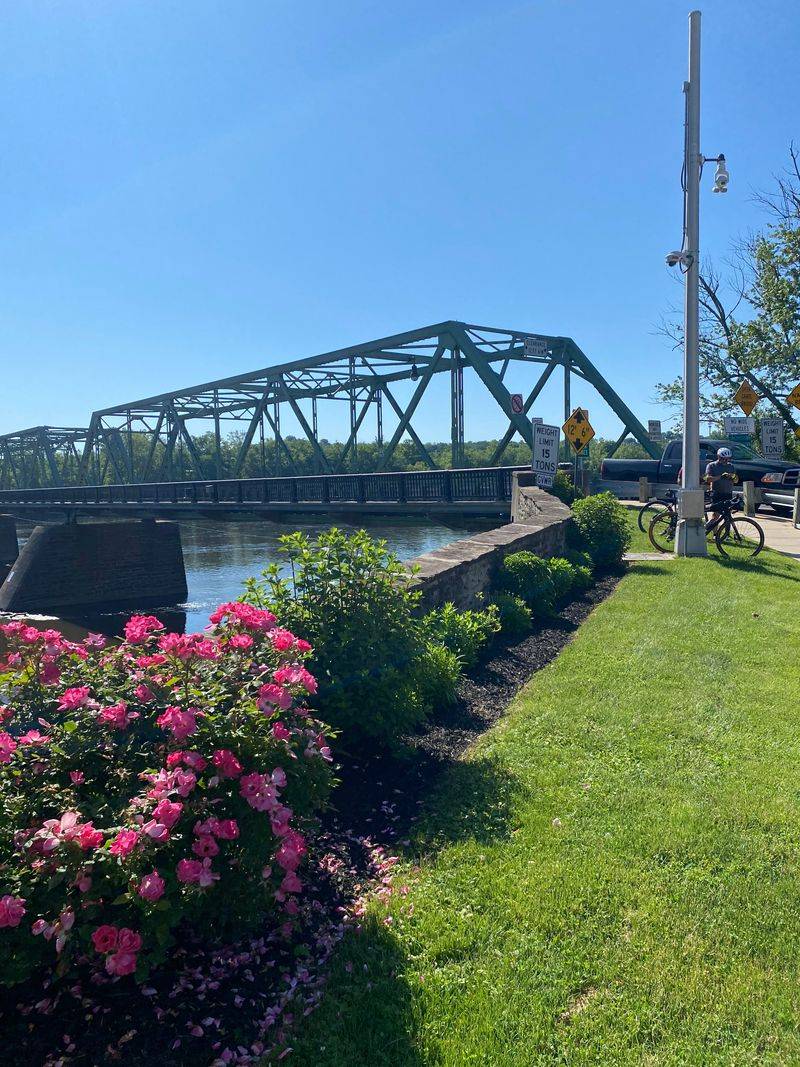
Straddling the Delaware River where New Jersey meets Pennsylvania, Frenchtown has cultivated a reputation as a weekend escape for creative types seeking inspiration and urbanites craving small-town tranquility. The compact downtown stretches along Bridge Street and Race Street, packed with galleries, cafes, and specialty shops that reflect the town’s artistic sensibilities.
Historic buildings from the 1800s house contemporary businesses, creating visual and cultural layers that make even a simple stroll feel like a journey through time.
The river provides constant scenic beauty and recreational opportunities, from kayaking and tubing to riverside dining at establishments that maximize their waterfront locations. Frenchtown’s restaurant scene emphasizes fresh, locally sourced ingredients prepared with creativity that rivals establishments in much larger cities.
The pedestrian bridge connecting to Pennsylvania offers stunning views and easy access to exploring both states in a single afternoon.
What sets Frenchtown apart from other Delaware River towns is its commitment to maintaining an authentic community rather than transforming into a purely tourist-oriented destination. Local residents actively participate in preserving the town’s character through careful development oversight and support for independent businesses.
The surrounding countryside provides hiking trails and scenic drives that showcase Hunterdon County’s agricultural heritage and natural beauty.
Antique enthusiasts find plenty to explore in shops featuring everything from vintage furniture to collectible items spanning multiple decades and design movements. The town hosts regular events that celebrate local artists, musicians, and craftspeople, creating a cultural calendar that keeps the community vibrant year-round.
Frenchtown proves that a town of fewer than 1,500 residents can offer cultural richness and scenic beauty that rivals destinations many times its size.
7. Spring Lake
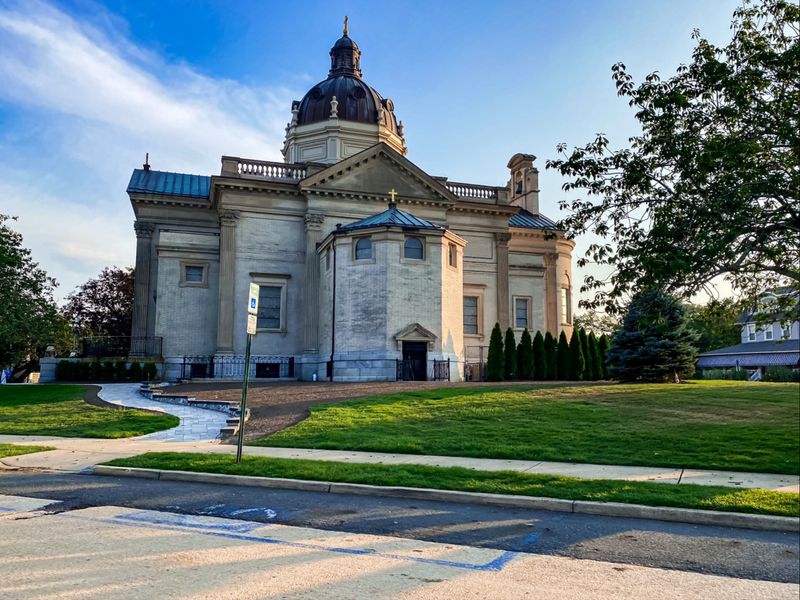
Often called the “Irish Riviera” for its popularity among Irish-American families, Spring Lake represents the Jersey Shore at its most refined and elegant. Victorian mansions line streets shaded by mature trees, their manicured lawns stretching toward a non-commercial boardwalk that prioritizes ocean views over arcade games and souvenir shops.
The town has successfully resisted the overdevelopment that has transformed many coastal communities, maintaining strict architectural standards that preserve its genteel character.
The two-mile boardwalk offers uninterrupted ocean access without the crowds and commercialization found in neighboring beach towns, creating a peaceful environment for morning walks and sunset strolls. Spring Lake itself, the freshwater lake that gives the town its name, provides a scenic centerpiece surrounded by pathways perfect for jogging, cycling, or leisurely afternoon walks.
The downtown shopping district along Third Avenue features upscale boutiques and restaurants that cater to the town’s affluent seasonal and year-round residents.
Beach access requires badges during summer months, a policy that helps maintain the uncrowded, family-friendly atmosphere that defines the Spring Lake experience. Historic hotels and bed-and-breakfasts offer accommodations that transport guests to an earlier era of seaside vacationing, when elegance and relaxation took precedence over non-stop entertainment.
The town’s commitment to preservation extends to its tree canopy, with massive specimens providing shade and beauty that enhance the Victorian architecture.
What makes Spring Lake truly special is its ability to feel exclusive without being exclusionary, welcoming visitors who appreciate its refined character while maintaining the residential quality that makes it such a desirable place to call home.
8. Haddonfield
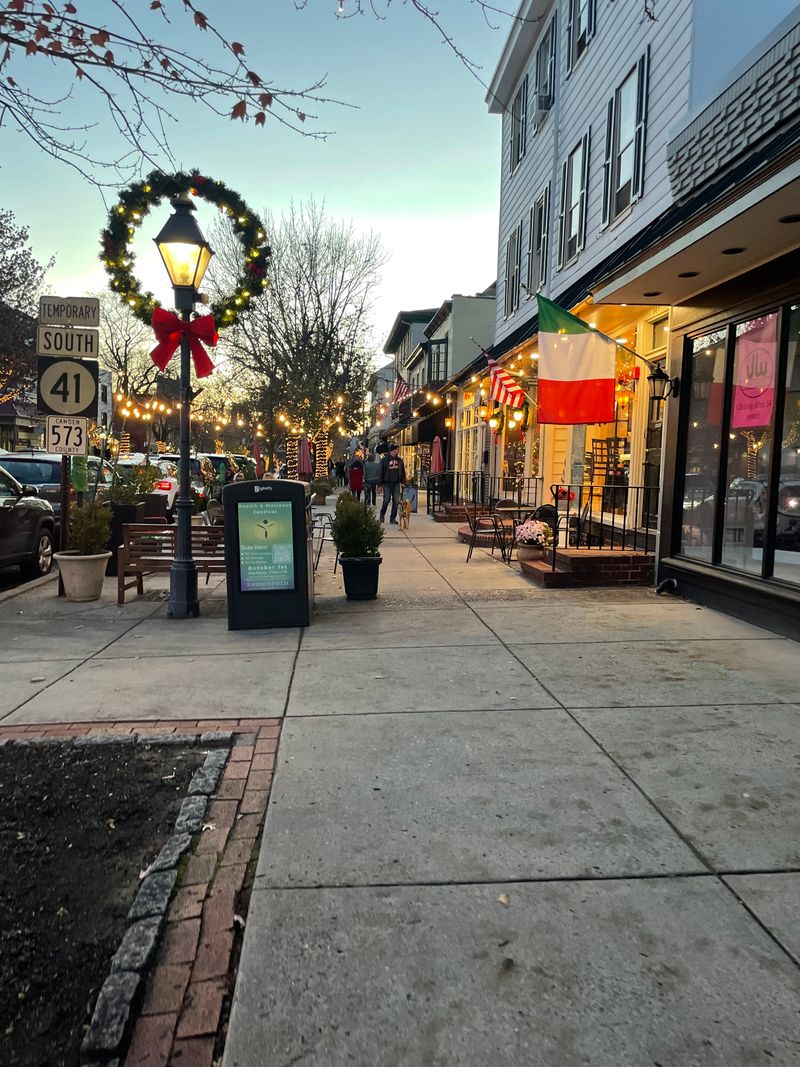
Just across the Delaware River from Philadelphia, Haddonfield manages to feel worlds away from urban intensity despite its proximity to major cities. The downtown area centers around Kings Highway, where brick sidewalks lead past independently owned shops, restaurants, and cafes housed in buildings that span several architectural periods.
Massive trees create a canopy over residential streets lined with homes ranging from colonial-era structures to Victorian beauties, each meticulously maintained by owners who take pride in preservation.
Haddonfield’s claim to paleontological fame includes the discovery of the first nearly complete dinosaur skeleton in North America, a distinction the town celebrates with subtle nods throughout the community. The Indian King Tavern Museum, located at 233 Kings Highway East in Haddonfield, NJ 08033, preserves an 18th-century tavern where New Jersey’s legislature met during the Revolutionary War, offering guided tours that bring colonial history to vivid life.
Local businesses thrive thanks to strong community support and a steady stream of visitors drawn by the town’s reputation for excellent shopping and dining.
The combination of historic character and modern amenities creates an environment where young families and retirees find equal appeal. Tree-lined streets invite walking and cycling, with most daily needs accessible without requiring a car.
Seasonal events and farmers markets bring the community together in public spaces that encourage neighborly interaction.
What strikes me most about Haddonfield is how it maintains small-town intimacy while offering the cultural and culinary sophistication typically associated with much larger communities. The town proves that suburban living doesn’t require sacrificing character, walkability, or community connection when development is thoughtfully managed and historic preservation is prioritized.
9. Smithville
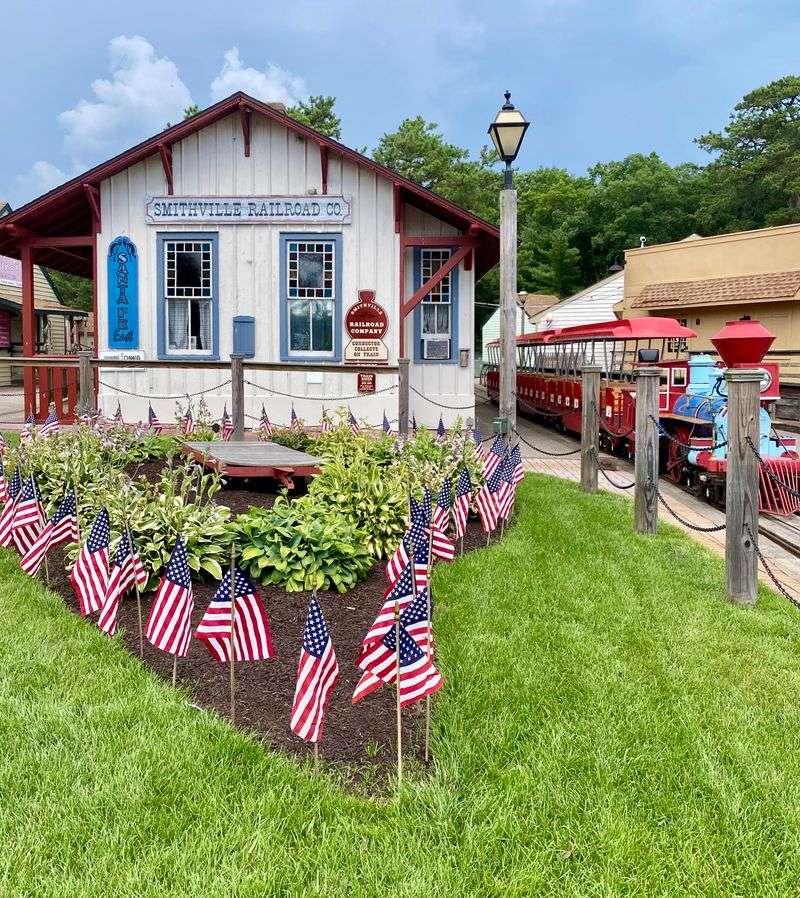
Smithville occupies a unique position as a meticulously restored historic village that functions as both a living community and a destination shopping and dining experience. The village layout follows winding paths around a central lake, with buildings designed to evoke 18th and 19th-century architecture housing contemporary businesses.
Cobblestone walkways and wooden boardwalks connect various sections of the village, creating an environment that feels transported from another era despite being a 20th-century creation.
The lake serves as a scenic centerpiece, with paddleboats available for rental during warmer months and ducks providing constant entertainment for children and adults alike. Shops range from specialty food purveyors to craft stores, clothing boutiques, and home decor establishments, offering variety that keeps visitors exploring for hours.
Restaurants with outdoor seating overlook the water, providing dining experiences enhanced by natural beauty and carefully maintained landscaping.
The Village Greene at Smithview, located at 615 E Moss Mill Road in Smithville, NJ 08205, anchors the complex with additional retail and dining options that expand the village’s offerings beyond the historic core. Seasonal events transform the village throughout the year, from spring festivals to elaborate holiday decorations that draw visitors from across the region.
The attention to architectural detail and landscape maintenance creates an environment where every element contributes to the overall aesthetic experience.
Critics might argue that Smithville’s manufactured history lacks the authenticity of genuinely old towns, but the care invested in creating a beautiful, functional space deserves recognition. The village demonstrates how thoughtful design and commitment to quality can create destinations that offer both commercial success and genuine appeal, proving that new doesn’t necessarily mean lacking in character or charm.
10. Cranbury
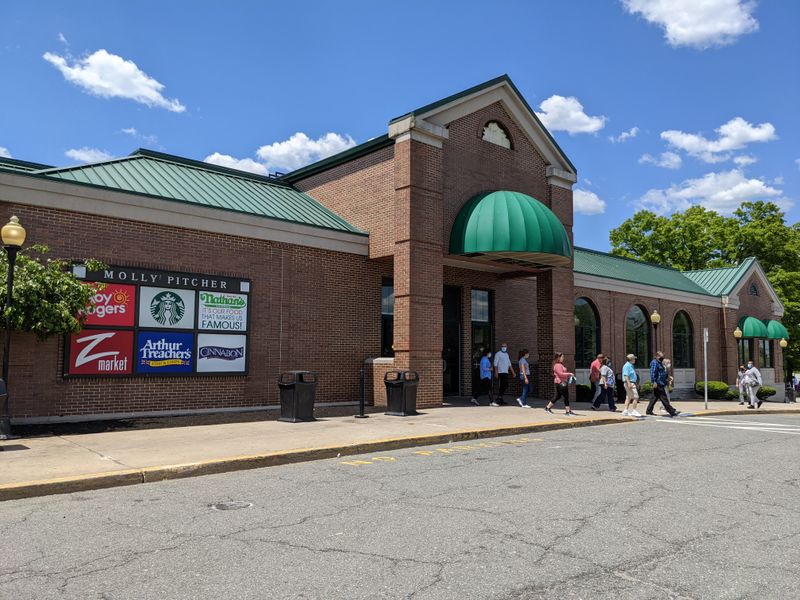
Cranbury looks like someone took a quintessential New England village and transplanted it into central New Jersey, complete with a classic town green surrounded by historic buildings. The entire downtown area is listed on the National Register of Historic Places, with structures dating back to the 1700s preserved in remarkable condition.
Main Street features wide sidewalks, mature trees, and a mix of residential and commercial buildings that create the kind of walkable environment that modern urban planners try to recreate but rarely achieve with such organic success.
The town green serves as a community gathering space for events ranging from farmers markets to holiday celebrations, maintaining its role as the heart of civic life just as it did centuries ago. Local shops and restaurants occupy historic storefronts, offering goods and services that cater to residents while welcoming visitors who discover the town through word-of-mouth recommendations.
The residential streets radiating from the downtown core showcase architectural styles from multiple periods, each home contributing to the overall historic character.
Cranbury’s location provides easy access to major highways while maintaining a sense of rural isolation that makes the modern world feel pleasantly distant. The town has resisted pressures to overdevelop, instead focusing on preservation and thoughtful growth that respects existing character.
Community involvement in planning decisions ensures that changes enhance rather than detract from what makes Cranbury special.
What I love about Cranbury is its authenticity as a living historic community rather than a preserved museum piece, with families raising children in homes that have sheltered generations before them and businesses serving both tradition and contemporary needs with equal respect.
11. Oldwick
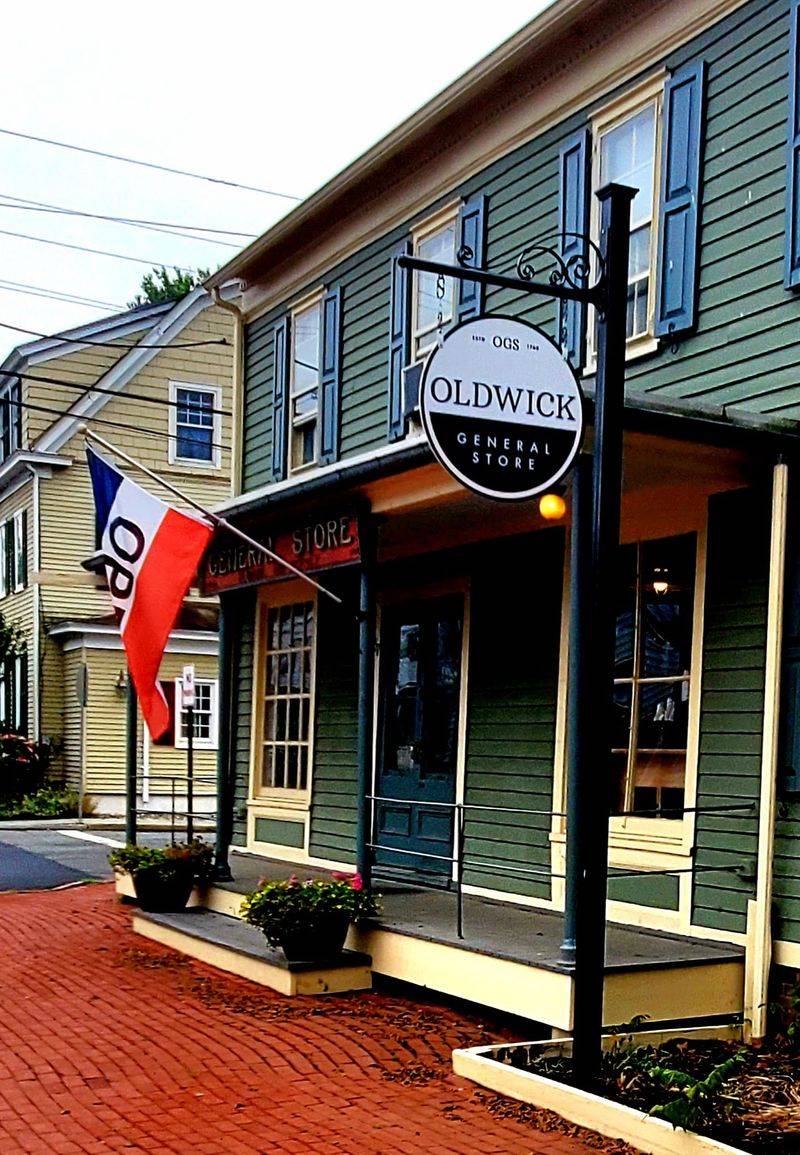
Calling Oldwick a town feels almost too generous given that it consists of little more than a crossroads with a handful of historic buildings, but this tiny Hunterdon County hamlet packs more charm per square foot than communities ten times its size. The centerpiece is the Oldwick General Store, a historic establishment that has served the community since the 1700s and continues to function as a gathering place for locals and curious visitors.
Surrounding countryside unfolds in gentle hills dotted with horse farms and estates, creating a pastoral setting that seems immune to the development pressures transforming much of New Jersey.
The lack of commercial development means Oldwick offers little in terms of shopping or dining beyond the general store, but that’s precisely what makes it appealing to those seeking unspoiled rural beauty. Historic stone buildings and well-maintained older homes cluster near the intersection, their architecture reflecting the agricultural prosperity of earlier centuries.
The area attracts equestrians, with numerous stables and riding facilities taking advantage of the rolling terrain and open spaces.
Oldwick’s preservation stems partly from intentional community effort and partly from fortunate geography that has kept major highways and development corridors at a comfortable distance. The village serves as a reminder of what much of rural New Jersey looked like before suburbanization transformed the landscape.
Photographers and artists find endless inspiration in the combination of historic architecture and natural beauty that changes dramatically with the seasons.
Visiting Oldwick requires accepting that you won’t find typical tourist amenities or attractions, but if you’re seeking a glimpse of old New Jersey preserved in amber, this tiny crossroads delivers an authentic experience that larger, more developed towns simply cannot match.
Dear Reader: This page may contain affiliate links which may earn a commission if you click through and make a purchase. Our independent journalism is not influenced by any advertiser or commercial initiative unless it is clearly marked as sponsored content. As travel products change, please be sure to reconfirm all details and stay up to date with current events to ensure a safe and successful trip.
