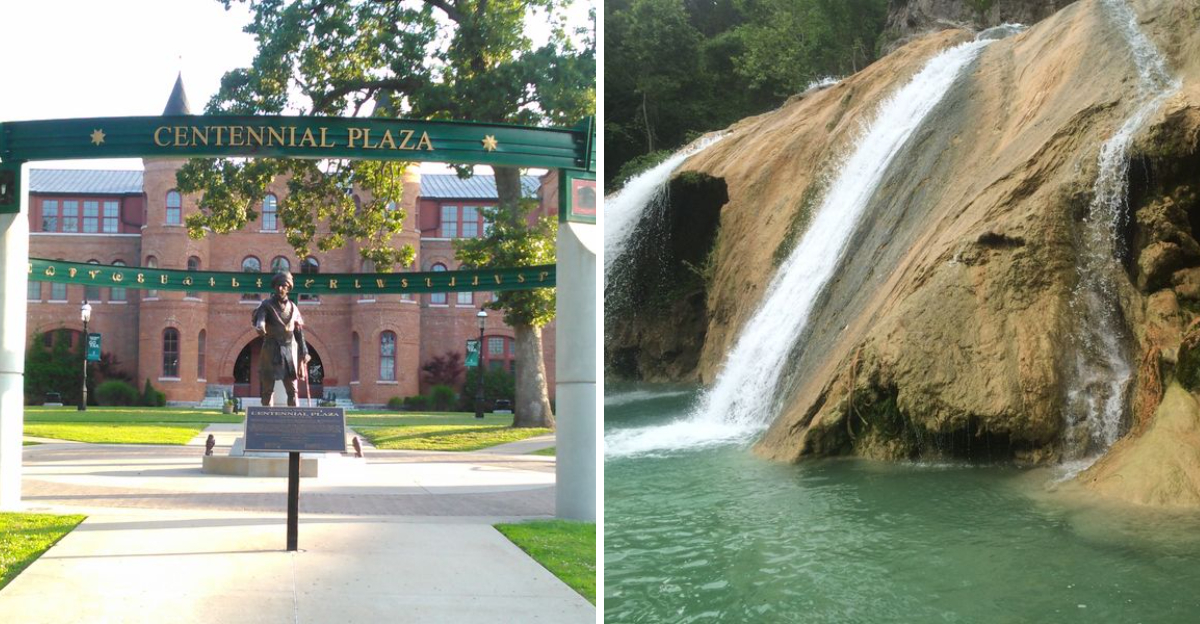
Oklahoma’s countryside hides treasures that most travelers overlook when rushing between major cities.
Small towns scattered across the state offer something refreshing: a slower pace, genuine hospitality, and landscapes that feel untouched by time.
These communities preserve history, celebrate local culture, and welcome visitors who seek authenticity over crowds.
From mountain foothills to prairie sunsets, Oklahoma’s quiet towns prove that memorable experiences don’t require tourist traps or bustling streets.
1. Medicine Park
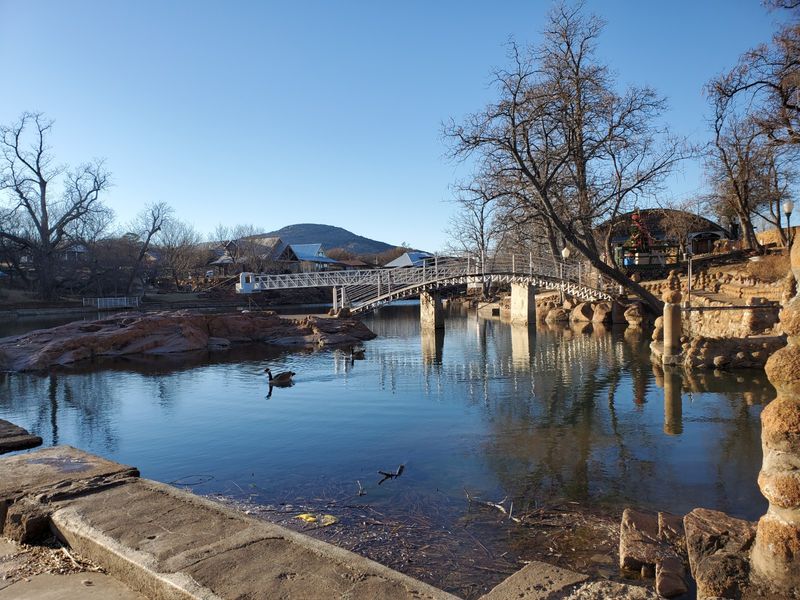
Bath Lake Creek babbles through the heart of this town, creating a soundtrack that makes visitors forget about their daily worries.
Medicine Park sits where the Wichita Mountains begin their dramatic rise from the prairie, offering a backdrop that changes with every season.
Cobblestone pathways wind between buildings constructed from local stone, giving the entire community an Old World charm rarely found in the American Southwest.
Artists and craftspeople have claimed this place as their own, filling galleries and shops with handmade treasures that reflect the surrounding natural beauty.
The town was founded in 1908 as Oklahoma’s first resort community, and that heritage still shapes its welcoming atmosphere today.
Visitors can wade in the creek on hot summer afternoons or simply sit on benches watching water tumble over smooth rocks.
Local restaurants serve comfort food with views of the flowing water, making every meal feel like a special occasion.
When evening arrives, the mountains turn purple and gold, and the temperature drops enough to make patio dining perfect.
Wildlife from the nearby refuge sometimes wanders into town, reminding everyone that nature remains close at hand.
Medicine Park proves that a community can honor its past while creating spaces where modern travelers feel completely at ease.
The absence of chain stores and corporate franchises makes every shop feel personal and every interaction genuine.
Whether you spend an afternoon or a weekend, this town offers the kind of relaxation that actually restores your spirit.
2. Pawhuska
Osage history runs deeper here than anywhere else in the state, making every street corner a connection to centuries of Native American heritage.
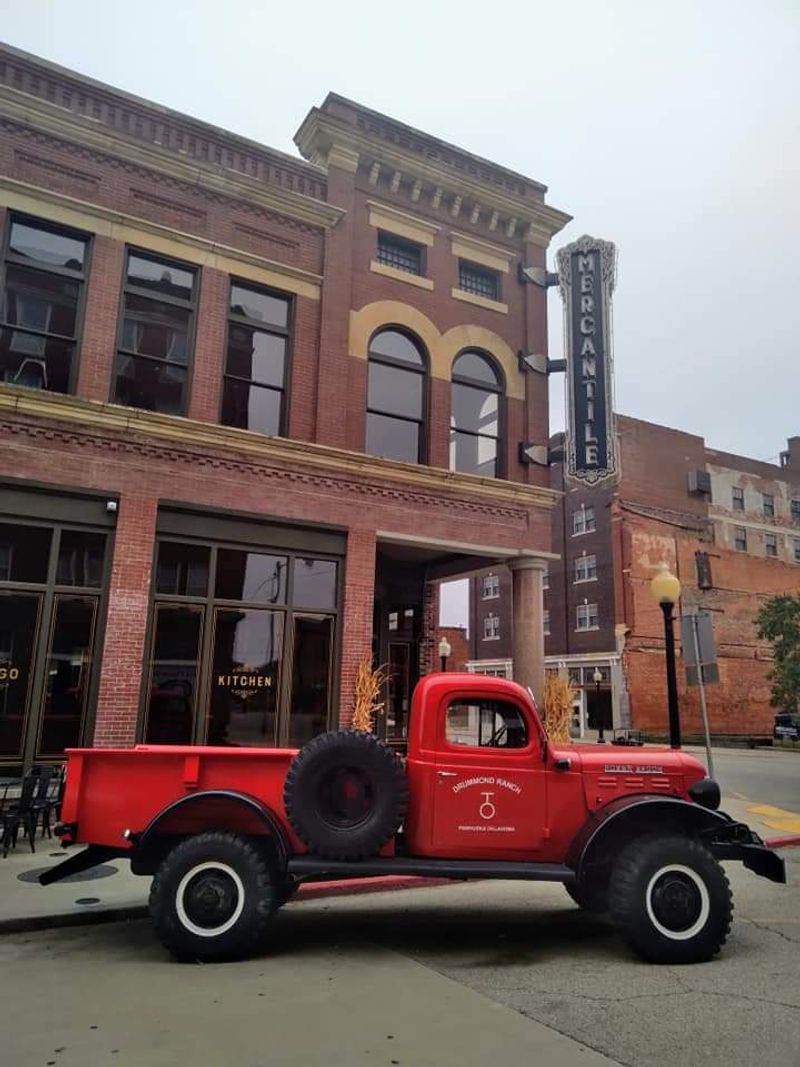
Downtown buildings rise in red brick splendor, their facades telling stories of oil boom prosperity and the resilience of the Osage people.
The Pioneer Woman Mercantile draws visitors from across the country, but the town offers far more than one famous destination.
Local museums preserve artifacts and narratives that illuminate how the Osage Nation shaped this region and continues to influence its culture today.
Walking through Pawhuska feels like stepping into a living history book where past and present exist side by side without conflict.
Small shops sell Native American art, antiques, and handcrafted goods that reflect the artistic traditions of multiple generations.
The pace here allows for conversation, and locals genuinely enjoy sharing stories about their community and its remarkable past.
Architecture buffs appreciate the preserved buildings that showcase early twentieth-century design, complete with original details and craftsmanship.
Restaurants serve both traditional American fare and dishes influenced by Osage culinary traditions, creating unique flavors you won’t find elsewhere.
The surrounding Osage County landscape stretches in rolling hills covered with tallgrass prairie, offering scenic drives in every direction.
This town doesn’t rush anyone through their visit, instead inviting travelers to slow down and absorb the richness of its cultural tapestry.
Pawhuska demonstrates how a small community can honor its indigenous roots while welcoming newcomers with warmth and authenticity.
3. Sulphur
Natural springs bubble up from the earth here, creating an oasis that has drawn people seeking healing waters for generations.
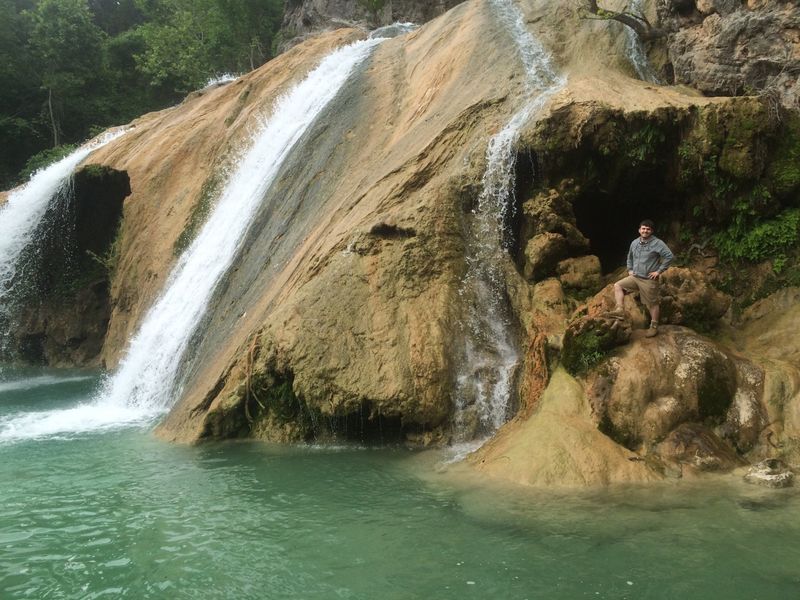
Chickasaw National Recreation Area borders the town, offering trails, swimming holes, and waterfalls just minutes from the main street.
Little Niagara Falls tumbles over limestone ledges in a miniature cascade that delights photographers and picnickers throughout the year.
The ARTesian Gallery and Studios showcases work from local artists who find endless inspiration in the surrounding natural beauty and peaceful atmosphere.
Sulphur’s creative community hosts festivals and art walks that transform quiet streets into celebrations of regional talent and craftsmanship.
Visitors can fill bottles with mineral water from public springs, continuing a tradition that dates back to when this area served as a health resort.
Tree-lined neighborhoods and well-maintained parks give the town a tidy, welcoming appearance that makes exploration on foot a pleasure.
Local businesses maintain that small-town friendliness where shop owners remember your name and ask about your travels.
The recreation area provides opportunities for hiking, birdwatching, and simply sitting beside clear streams that flow over colorful pebbles.
Sulphur balances its role as a gateway to natural wonders with its own distinct identity as an artistic and historically significant community.
Seasonal changes bring different experiences, from spring wildflowers to autumn foliage that paints the landscape in brilliant shades.
This town offers proof that nature and culture can coexist beautifully when a community values both equally.
4. Guthrie
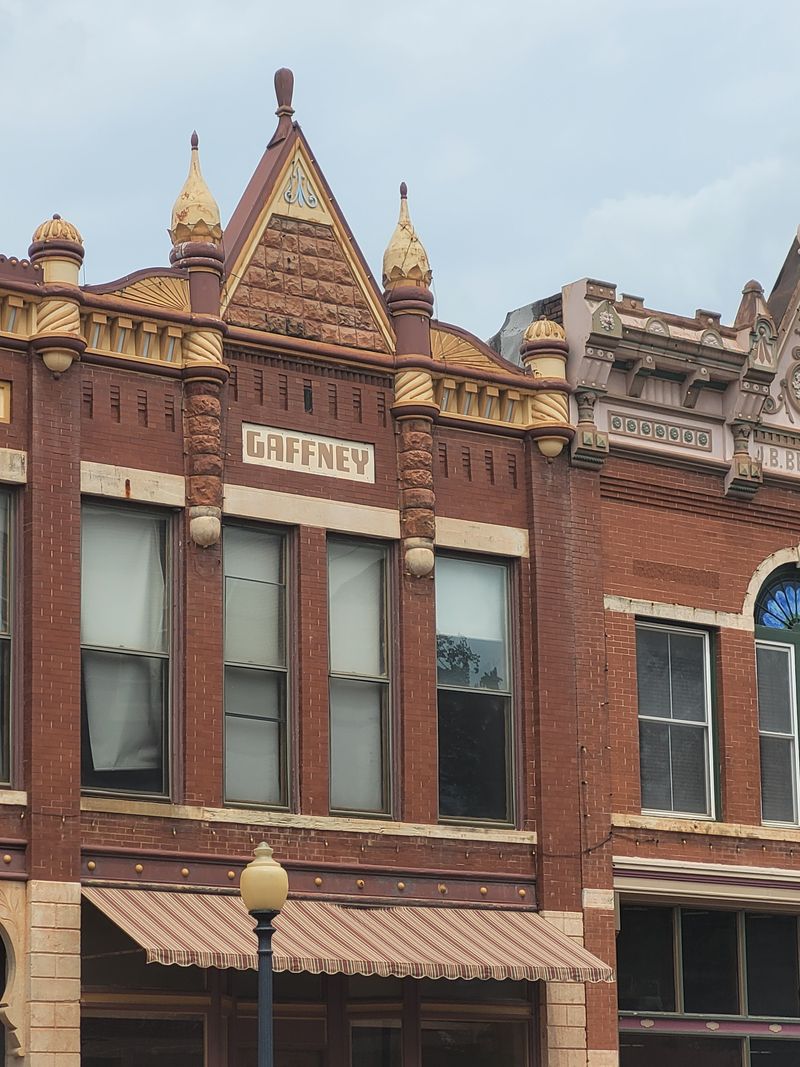
Victorian architecture dominates every block of downtown, creating an immersive experience that transports visitors back to Oklahoma’s territorial days.
Guthrie served as the state’s first capital, and that prestigious history left behind buildings and stories that still define the community today.
Ornate facades feature detailed brickwork, decorative cornices, and large windows that showcase the craftsmanship of late nineteenth-century builders.
The entire downtown district earned designation as a National Historic Landmark, protecting its architectural treasures for future generations to appreciate.
Antique shops fill historic storefronts with furniture, collectibles, and vintage items that span multiple decades of American life.
Museums preserve artifacts from the Land Run era, offering insights into the dramatic day when thousands rushed to claim homesteads across the territory.
Walking tours led by knowledgeable guides reveal hidden details and fascinating tales about the people who built this remarkable town.
The Scottish Rite Masonic Temple stands as one of the largest Masonic centers in the world, its impressive architecture drawing visitors and scholars alike.
Local restaurants occupy buildings with tin ceilings and original woodwork, making every meal feel like dining in a different era.
Guthrie hosts annual events that celebrate its heritage, bringing the streets alive with period costumes and old-fashioned entertainment.
This town doesn’t just preserve history behind glass cases but integrates it into daily life, creating an authentic connection to the past.
Visitors leave understanding how Oklahoma’s founding shaped its character and why preserving these stories matters for everyone.
5. Tahlequah
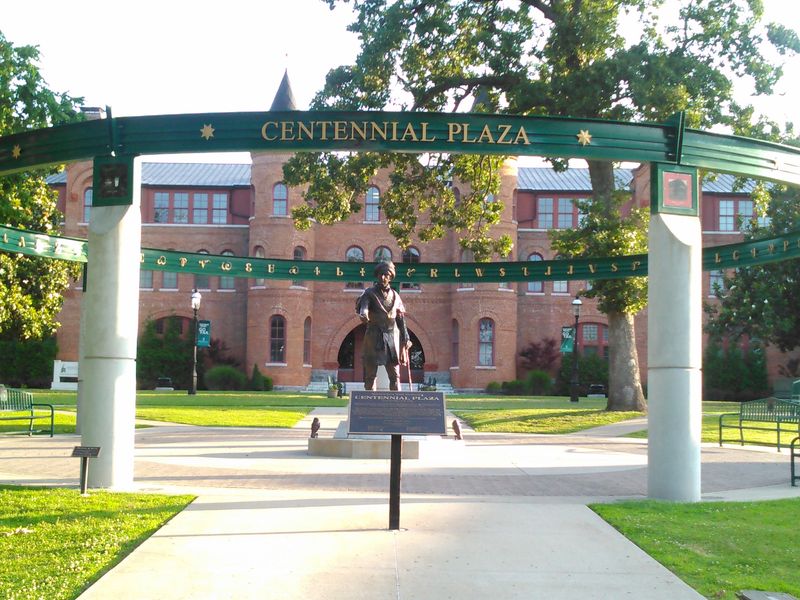
Cherokee heritage permeates every aspect of life in this town, which serves as the capital of the Cherokee Nation and keeper of its living culture.
The Illinois River flows nearby, offering some of the best float trips in the state through scenic corridors lined with bluffs and forests.
Cultural centers and museums present Cherokee history with depth and nuance, helping visitors understand the Trail of Tears and the nation’s remarkable resilience.
Tahlequah State Park provides camping, fishing, and lake recreation just outside town, making outdoor adventure easily accessible for families and solo travelers.
Downtown streets blend college-town energy from Northeastern State University with the quieter rhythms of a small community rooted in tradition.
Local festivals celebrate Cherokee language, arts, and customs, offering outsiders rare opportunities to experience indigenous culture firsthand through respectful programming.
The Cherokee National Capitol building stands as a symbol of sovereignty and self-governance, its historic walls witnessing decades of tribal leadership.
Restaurants serve traditional Cherokee foods alongside contemporary cuisine, creating menus that honor heritage while embracing modern tastes.
Artists and craftspeople working in traditional mediums keep ancient skills alive, producing pottery, baskets, and beadwork using techniques passed through generations.
The surrounding landscape features rolling hills covered in oak and hickory forests that blaze with color each autumn.
Tahlequah demonstrates how a small town can maintain strong cultural identity while welcoming visitors who come seeking authentic experiences and natural beauty.
Every visit here becomes an education in Cherokee resilience and the importance of preserving indigenous cultures in contemporary America.
6. Pauls Valley
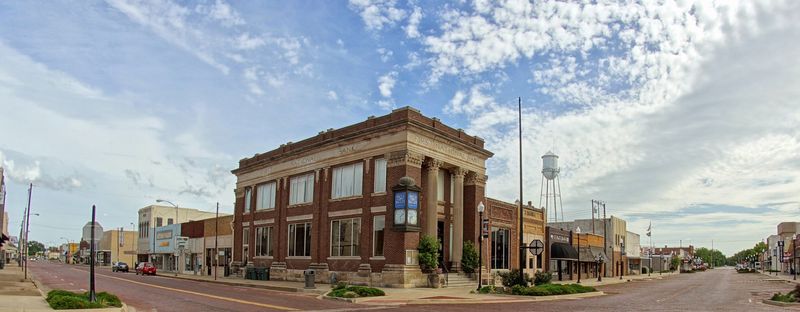
Agriculture shapes the character of this community, where wheat fields stretch to the horizon and cattle ranches define the local economy.
The Toy and Action Figure Museum houses one of the world’s largest collections of action figures, offering unexpected delight in this prairie town.
Pauls Valley sits at a crossroads between Oklahoma City and the Texas border, making it a natural stopping point for travelers seeking authentic small-town hospitality.
Local diners serve hearty breakfasts and homestyle lunches that fuel farmers and visitors alike with generous portions and reasonable prices.
Downtown buildings show their age gracefully, with some undergoing renovation while others stand as reminders of busier commercial eras.
The surrounding countryside offers scenic drives through working farmland where seasonal crops create ever-changing patterns across the landscape.
Community events bring residents together for celebrations that reflect rural values of neighborliness and mutual support.
Santa Fe Park provides green space for picnics and recreation, with playgrounds and walking paths that serve local families year-round.
This town doesn’t pretend to be something it isn’t, instead offering genuine glimpses into agricultural life and the communities that sustain it.
Visitors interested in rural America find Pauls Valley refreshingly honest, a place where people work hard and value straightforward conversation.
The pace here allows for reflection, and the wide-open spaces surrounding town remind everyone how much sky exists beyond city limits.
Pauls Valley represents countless small towns across the Great Plains, proving that quiet places possess dignity and appeal all their own.
7. Watonga
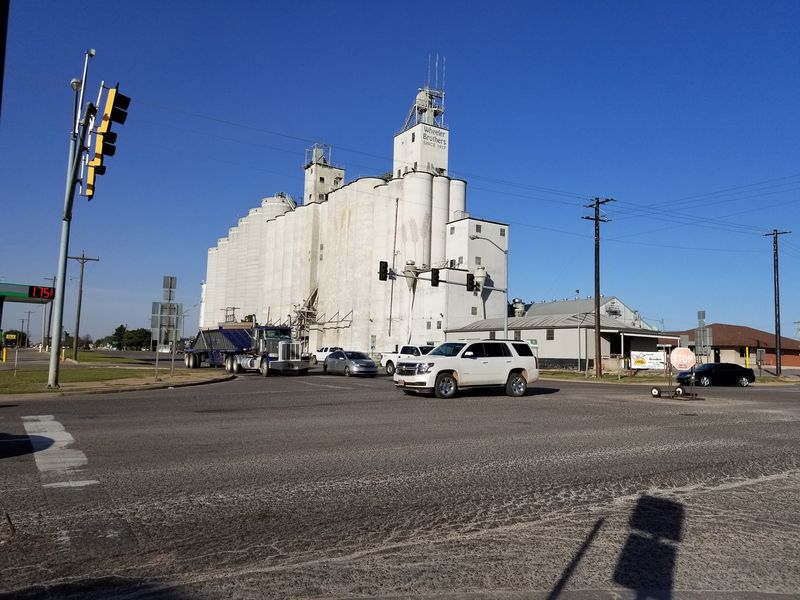
Red rock mesas rise dramatically near this town, creating a landscape that feels more like the Southwest than the Great Plains.
Roman Nose State Park takes its name from a Cheyenne chief and offers hiking trails, a spring-fed swimming pool, and lodging among stunning geological formations.
Watonga celebrates its connection to the Cheyenne-Arapaho tribes, whose history and presence continue to influence local culture and identity.
The annual Cheese Festival honors the town’s dairy heritage, drawing visitors for tastings, cooking demonstrations, and small-town festivities each October.
Main street businesses maintain that practical, no-frills approach common in agricultural communities where function matters more than flash.
Local ranchers and farmers gather at cafes for morning coffee, discussing weather, crops, and community news in conversations unchanged by decades.
The surrounding landscape transitions between prairie grasslands and rugged canyons, offering surprising variety within a relatively small geographic area.
Watonga Lake provides fishing and boating opportunities for those seeking water recreation in this predominantly arid region.
Historic buildings downtown tell stories of frontier settlement and the challenges faced by early residents who built lives in this demanding environment.
This town appeals to travelers who appreciate natural beauty without tourist crowds, offering solitude and scenic wonders in equal measure.
Sunsets here paint the sky in colors that seem impossible, with red rocks glowing against purple clouds in displays that photographers dream about.
Watonga proves that small towns near stunning natural areas don’t need heavy promotion to attract visitors who value authenticity and unspoiled landscapes.
8. Pawnee
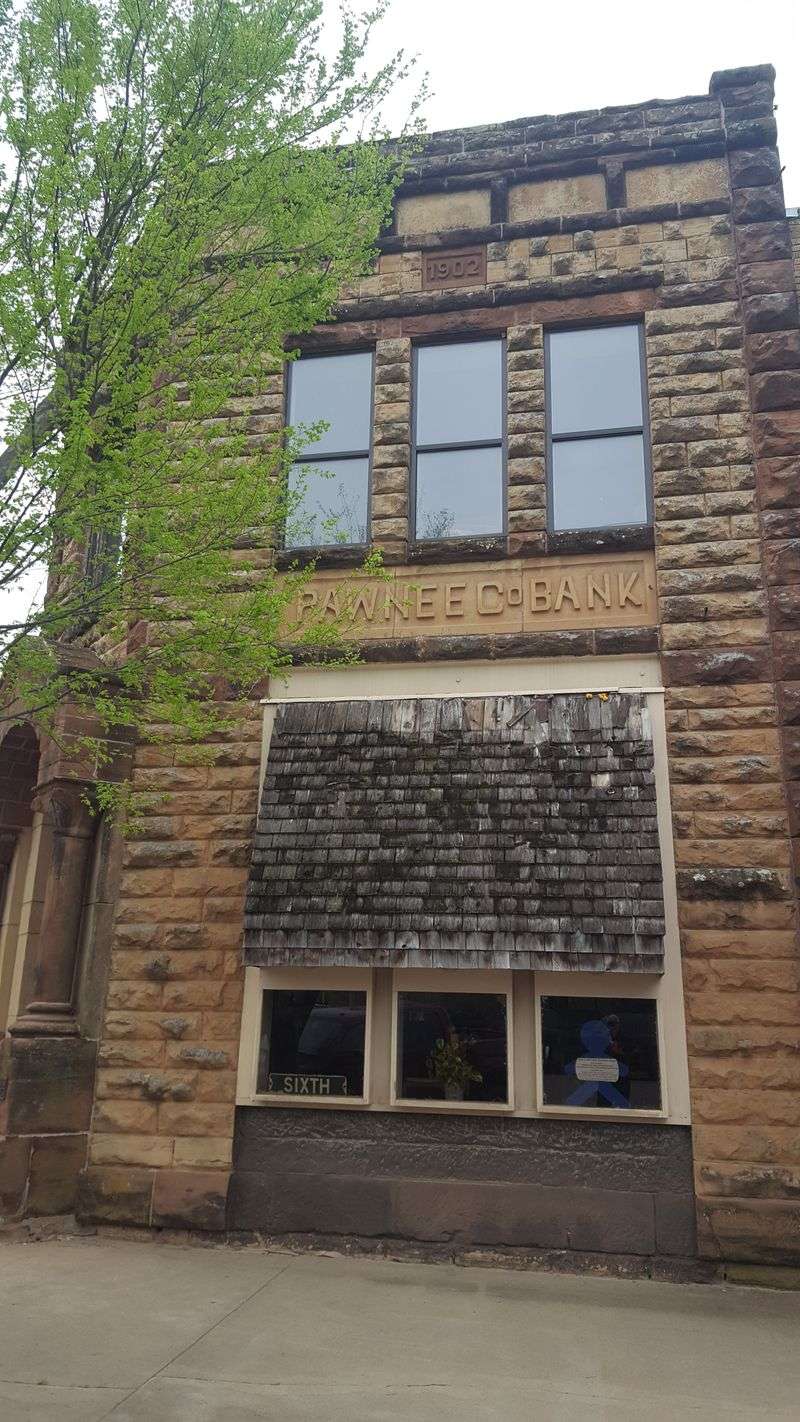
Wild West heritage lives on in this town, where Pawnee Bill once headquartered his famous Wild West show that toured the world.
The Pawnee Bill Ranch and Museum preserves the showman’s mansion and grounds, offering glimpses into the entertainment industry of the early twentieth century.
Downtown streets maintain their historic character, with buildings that housed businesses serving ranchers, farmers, and the occasional traveling performer.
The Pawnee Nation’s presence adds cultural depth, with tribal headquarters and community facilities contributing to the town’s diverse identity.
Local events celebrate both cowboy culture and Native American heritage, creating festivals that honor multiple threads of regional history.
Antique stores and small shops line the main street, offering treasures ranging from vintage Western gear to Native American crafts and collectibles.
The surrounding tallgrass prairie stretches in every direction, creating that classic Oklahoma vista where sky dominates and land seems endless.
Pawnee’s population remains small enough that newcomers stand out, but friendly enough that visitors feel welcomed rather than scrutinized.
Historic markers throughout town tell stories of the oil boom, cattle drives, and the complex interactions between settlers and indigenous peoples.
This community doesn’t gloss over difficult history but presents it honestly, acknowledging both achievements and injustices from the past.
Visitors interested in authentic Western history find Pawnee more rewarding than tourist-trap towns that manufacture false nostalgia.
The quiet here feels earned rather than empty, a place where history settled into the landscape and became part of everyday life.
9. Heavener
Mystery surrounds the Heavener Runestone, a carved rock face bearing inscriptions that some claim prove Viking exploration of North America.
Whether you believe the Norse theory or not, the runestone park offers beautiful hiking through Ouachita Mountain forests to reach this intriguing artifact.
Heavener sits in the far eastern part of Oklahoma, where the landscape shifts dramatically from prairie to heavily forested mountains and valleys.
The Talimena National Scenic Byway passes nearby, offering one of the most spectacular drives in the region with overlooks revealing layer upon layer of tree-covered ridges.
Downtown Heavener maintains a quiet, unassuming character, serving as a supply center for rural residents and a resting point for travelers exploring the mountains.
Local businesses cater to outdoor enthusiasts drawn by hiking, camping, and hunting opportunities throughout the surrounding Ouachita National Forest.
Fall foliage transforms this area into a kaleidoscope of reds, oranges, and golds, attracting leaf-peepers from across the region each October.
The Peter Conser House, a historic log home, provides additional historical context about early settlement in this mountainous terrain.
Heavener Lake offers fishing and picnicking in a peaceful setting where mountains rise on all sides and wildlife remains abundant.
This town appeals to visitors seeking solitude and natural beauty rather than entertainment or shopping, offering exactly what its landscape promises.
The combination of mysterious history and undeniable scenic appeal makes Heavener worth the journey to Oklahoma’s southeastern corner.
Here, quiet doesn’t mean boring but rather provides space for contemplation and connection with landscapes that remain largely unchanged by human development.
10. Kenton
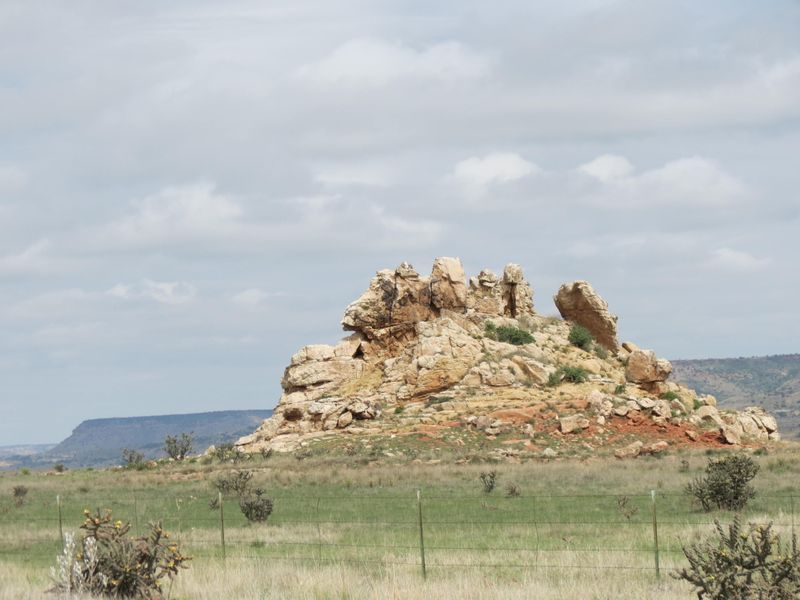
Black Mesa rises from the high plains in Oklahoma’s panhandle, marking the state’s highest point and creating a landscape unlike anywhere else in the region.
Kenton serves as the tiny gateway to this remote area, where population numbers barely reach double digits and isolation defines daily life.
The surrounding terrain features mesas, canyons, and high desert vegetation that feels transplanted from New Mexico or Colorado rather than Oklahoma.
Dinosaur tracks preserved in rock formations near town offer tangible connections to prehistoric times when this landscape looked entirely different.
Night skies here rival any location in North America for stargazing, with minimal light pollution revealing the Milky Way in stunning clarity.
Hiking to the top of Black Mesa requires several miles of walking across open terrain, rewarding the effort with views extending into three states.
Kenton’s mercantile serves as community center, supply store, and information hub for the scattered ranchers and curious travelers who venture this far west.
The sense of remoteness here is complete, with hours of driving required to reach any significant population center in any direction.
Wildlife thrives in this sparsely populated region, with pronghorn antelope, coyotes, and numerous bird species making the high plains their home.
Visitors who make the journey to Kenton discover that quiet can be absolute, that solitude can be profound, and that empty landscapes possess their own powerful beauty.
This town represents the extreme end of small-town Oklahoma, where community means a handful of determined individuals maintaining life in challenging conditions.
Kenton proves that appeal doesn’t require amenities or entertainment, sometimes offering instead the rare gift of true wilderness and silence.
Dear Reader: This page may contain affiliate links which may earn a commission if you click through and make a purchase. Our independent journalism is not influenced by any advertiser or commercial initiative unless it is clearly marked as sponsored content. As travel products change, please be sure to reconfirm all details and stay up to date with current events to ensure a safe and successful trip.
