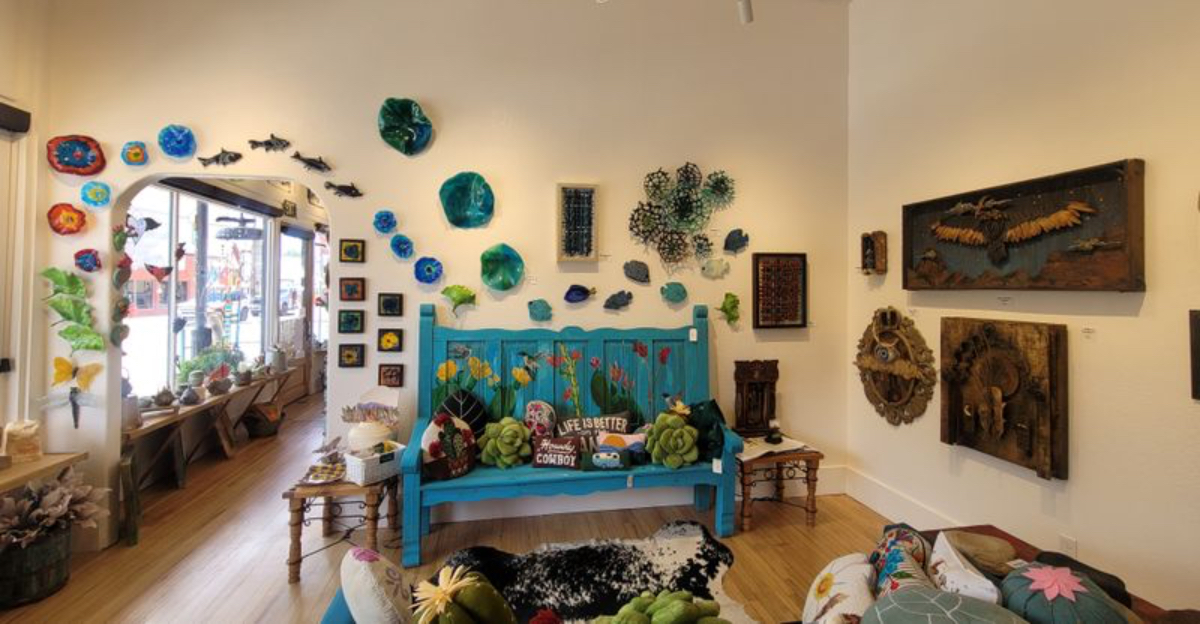
Texas rewards curious travelers who chase creativity beyond the big cities.
Tucked into hills, deserts, and coastlines, these intimate art villages feel personal, welcoming, and full of surprises.
You get galleries beside creekside trails, studios inside historic storefronts, and festivals that light up town squares after sunset.
Consider this your friendly map to the most beloved small art communities across the Lone Star State, each with a distinct pulse and a warm hello.
1. Marfa: Desert Minimalism Meets Modern Art
Marfa sits quiet on the high desert plain, where the light feels clean and the horizon runs forever.
That clarity sets the stage for art that asks you to slow down, look longer, and breathe with the landscape.
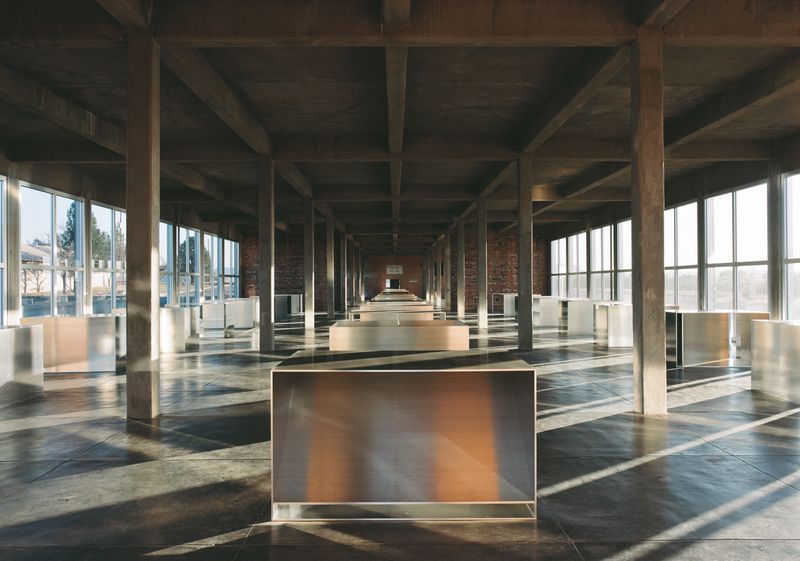
The Chinati Foundation, 1 Cavalry Row, Marfa, TX, anchors that experience with large scale installations that live inside former military buildings.
Walking the concrete floors, you feel how materials, temperature, and distance become part of each piece.
Outside, wind skims the grasses and frames the work in real time, which keeps every visit fresh.
Downtown, Ballroom Marfa, 108 E San Antonio St, Marfa, TX, brings rotating contemporary projects that stretch across sound, sculpture, and performance.
Those spaces complement independent studios tucked in renovated adobe homes on quiet blocks.
Many keep flexible hours, so it helps to check door signs or social pages before wandering over.
Curators and artists here talk plainly about process, materials, and place.
You come away with vocabulary to describe what the desert had already told your eyes.
Photography galleries lean into the region’s luminous skies and crisp silhouettes.
Printmakers capture railroad lines, windmills, and long fence grids that mark the West Texas map.
Even small bookstores curate reading rooms where benches and soft lamps invite lingering.
Those corners feel like sanctuaries from the midday sun and the open road.
As evening falls, the temperature drops and the sky slides from peach to indigo.
Friends gather in courtyard seating, and conversations drift between pieces seen and plans for tomorrow.
Minimalism here does not mean empty, it means intentional.
Every block, every wall, and every shadow carries a role in the day.
That restraint lets the art breathe and the visitor settle into a steady pace.
It also reveals how Texas scale can hold delicate ideas without swallowing them whole.
Marfa keeps the presentation simple so the experience can turn profound.
That balance makes this small town feel both international and personal at once.
Leave time to walk between venues, because the space between them finishes the story.
The streets themselves perform as galleries, with light as the permanent installation.
2. Wimberley: Creative Heart Of The Hill Country
Wimberley sits along clear water and limestone banks, where the Hill Country shapes how people make and see art.
Shops and galleries line a walkable center, shaded by oaks and dotted with porches that welcome lingering.
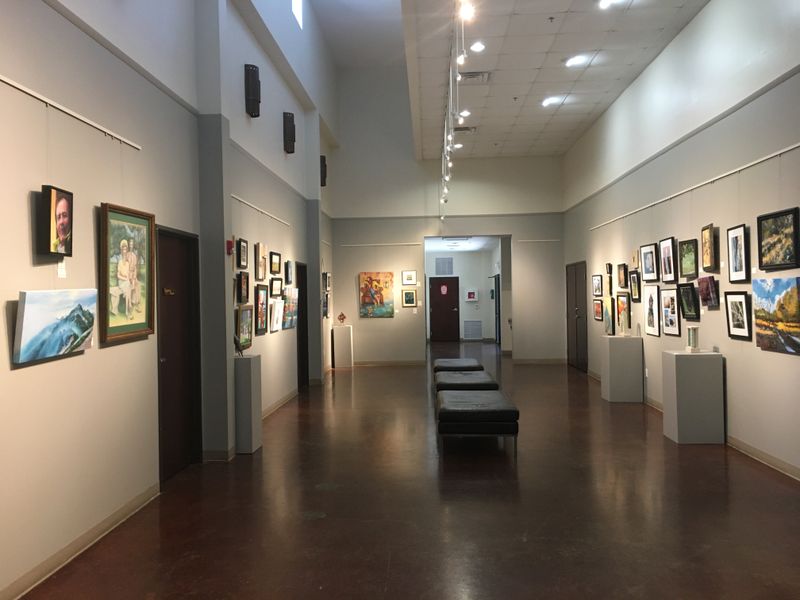
The Wimberley Valley Art League Gallery at the Community Center, 14068 Ranch Rd 12, Wimberley, TX, rotates exhibitions that spotlight regional voices.
Inside, bright walls and calm lighting make room for painting, fiber, and mixed media work.
Volunteers greet visitors with practical tips about current shows and studio maps.
Nearby, Wimberley Glassworks, 6469 Ranch Rd 12, San Marcos, TX, offers live demonstrations where glowing furnaces illuminate the floor.
Seats ring the hot shop so you can watch a vessel take shape from gather to polish.
The gallery next door displays finished pieces in clean cases and open shelving.
Creekside paths carry you from art back to nature in only a few steps.
Cicadas and soft water make a soundtrack that feels like part of the curation.
Public sculptures appear in pocket parks and on corners near cafes and markets.
Those installations turn an ordinary stroll into an outdoor exhibition.
On market days, local makers bring ceramics, prints, jewelry, and hand carved wood.
Every table shows a technique shaped by Texas weather, light, and stone.
Workshops encourage beginners to try tools without pressure or jargon.
Instructors speak plainly, which keeps the energy friendly and low stress.
Parking sits close to most venues, and walking routes feel compact and easy.
Families, couples, and solo travelers move between spaces at a comfortable pace.
When the sun drops, porches glow and windows frame artwork like lanterns.
The town’s layout makes evening gallery hops smooth and relaxed.
This community prizes collaboration, so events rarely compete for attention.
They braid together into a weekend that feels cohesive and warm.
You leave with a sense that creativity here flows as naturally as the creek.
It is the kind of place that turns a day trip into a tradition in Texas.
3. Salado: Historic Village With Modern Artistic Flair
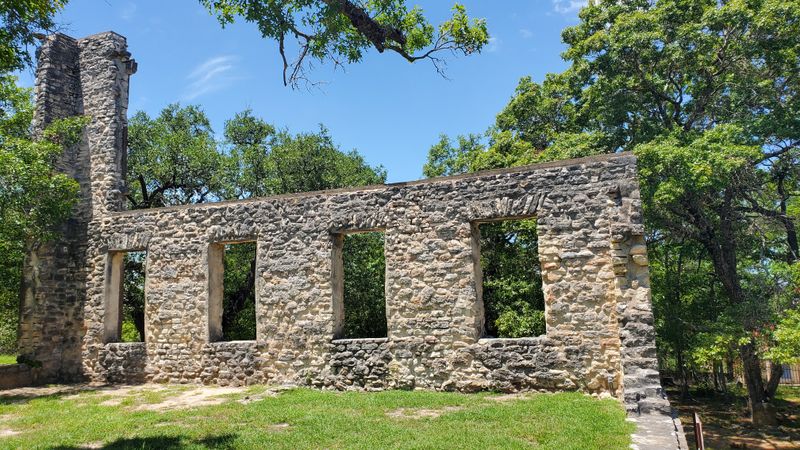
Salado unfolds along a historic corridor where old limestone buildings now hold a lively art scene.
The village feels small, but the mix of studios and galleries stretches across several shady blocks.
Salado Glassworks, 2 Peddlers Alley, Salado, TX, invites visitors to watch glassblowers shape molten gathers into sculptural forms.
Seats line the viewing area, so you can observe the rhythm of reheating and tooling.
The retail space next door displays finished work in carefully lit cases and open pedestals.
Down the street, Sirril Art Gallery, 26 N Main St, Salado, TX, presents contemporary pieces inside a compact, bright space.
Historic storefronts give each show a textural backdrop that softens modern lines.
Outdoors, stone paths connect courtyards, porches, and small lawns used for seasonal events.
Salado’s Main Street, centered around 423 S Main St, Salado, TX, links antiques, painting studios, and artisan workshops.
Window displays change often, which keeps the walk engaging from morning to evening.
Public art appears near bridges and under live oaks that arch above sidewalks.
Shadows and dappled light make even a simple bench look like part of a set.
Studios welcome questions about kilns, pigments, or carving tools.
Makers explain process without fuss, which makes technical details feel approachable.
Art walks bring gentle crowds through the village at a steady pace.
Live demos and open doors stack together into a casual festival atmosphere.
Parking slips between buildings, so it is easy to drop in and explore.
Wayfinding signs help you thread through back lanes and little alleys.
The blend of heritage and experimentation gives the galleries a confident voice.
Pieces feel rooted in Central Texas but open to global ideas and materials.
Even the quiet hours hold interest, when light collects on stone and wood.
That calm suits reflective viewing and unrushed conversation.
You leave with a sense that history and creativity share the same foundation here.
It is a village that proves old walls can hold new visions in Texas.
4. Round Top: Tiny Town With Gigantic Artistic Spirit
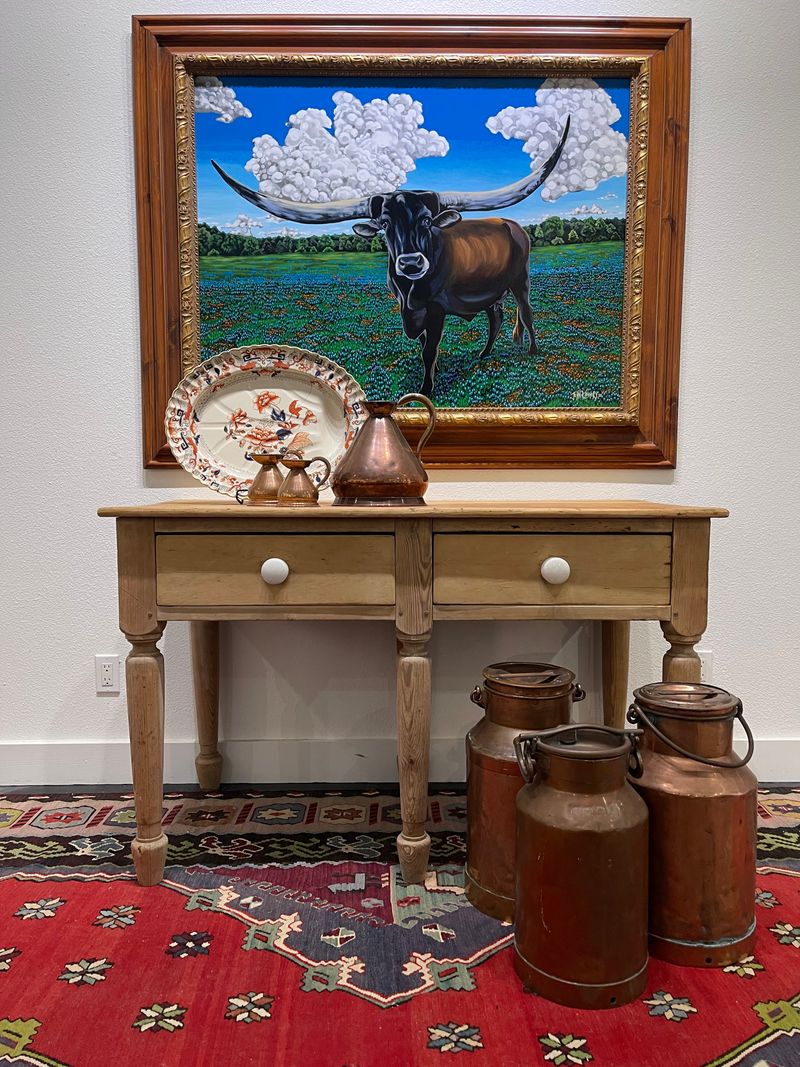
Round Top carries a quiet confidence that surprises new visitors on their first stroll.
Galleries and shops cluster around historic structures that frame green lawns and brick paths.
Henkel Square Market, 102 N Live Oak St, Round Top, TX, forms the heart of that scene with restored buildings and porches.
Inside those spaces, contemporary art and vintage finds sit side by side without competing.
The mix invites slow browsing and frequent pauses on benches under big trees.
Round Top Gallery, 203 N Washington St, Round Top, TX, focuses on regional artists and thoughtful curation.
Clean walls and warm lighting make color and texture read clearly from across the room.
Several small studios nearby open on event days to show works in progress.
Throughout the year, the Round Top Art Festival activates lawns and courtyards with booths and installations.
Visitors fan out between venues, which keeps walkways lively yet comfortable.
Antique shows often draw travelers who then discover the year round arts rhythm.
That discovery turns a day of picking into a weekend of gallery hopping.
Wayfinding is straightforward, and parking sits close to most entrances.
Porches become social hubs where conversations flow about materials and technique.
Curators here treat scale with care, keeping shows focused and digestible.
The effect makes each piece feel seen and each maker feel supported.
Rustic beams and old floorboards bring texture that deepens the viewing experience.
You sense the craftsmanship in the buildings echoing the craftsmanship on the walls.
As the sun dips, string lights warm the squares and paths.
The town glows in a way that suits evening receptions and outdoor seating.
Round Top proves that a small map can hold a big creative footprint in Texas.
It also shows how hospitality and curation can share the same porch.
Come unhurried, browse widely, and let the day arrange itself naturally.
The pace here favors discovery over agenda, which makes returns likely.
5. Rockport: Coastal Canvas For Creative Souls

Rockport brings sea air into every gallery, which gives exhibits a bright and buoyant feel.
Water, wildlife, and horizon lines shape the mood as much as any frame or pedestal.
Rockport Center for the Arts, 204 S Austin St, Rockport, TX, anchors the scene with a modern building and welcoming plazas.
Inside, clean galleries support rotating shows that highlight coastal themes and regional talent.
Studios and classrooms open to shaded seating areas that encourage lingering between sessions.
Rockport Fulton Art Colony, 106 S Austin St, Rockport, TX, continues a long tradition of local collaboration.
Work ranges from plein air painting to contemporary sculpture with maritime references.
Spaces feel airy, with large windows that frame palms and sky.
Public art appears near the harbor where breezes keep the experience fresh.
Benches and pavilions make it easy to pause and let the view reset your attention.
Annual events pull in enthusiasts who value craft, technique, and strong curation.
Those gatherings turn the streets into an open air gallery without crowding the shoreline.
Smaller galleries dot Austin Street and nearby blocks with steady programming.
Curators pair established artists with newcomers so the scene keeps evolving.
Photography often centers on birds, boats, and light skipping across water.
Abstract work channels the moods of storms, tides, and calm mornings.
Clear signage and accessible entries make navigation straightforward for all visitors.
Parking lines the district, so quick stops turn into longer stays.
In the evening, the center’s exterior glows softly against a Gulf sky.
Courtyards gather conversations that start in the galleries and continue outdoors.
This town shows how resilience and creativity can rebuild with beauty in Texas.
It also proves that a coastal setting can add range to a regional arts calendar.
Come prepared to split time between indoor shows and a harbor walk.
The two together create a rhythm that feels balanced and restorative.
6. Alpine: Big Bend’s Creative Headquarters

Alpine sits in a basin rimmed by mountains, which gives every downtown block an epic backdrop.
The sky feels oversized, and that scale seeps into the art made and shown here.
ARTWALK Alpine centers on Holland Avenue and Historic Murphy Street, Alpine, TX, drawing galleries and pop ups into a compact area.
Murals brighten brick walls, and storefronts open wide for receptions and demos.
The mood reads festive but grounded in craft and community.
Catch exhibits at the Gallery on the Square, 115 W Holland Ave, Alpine, TX, which highlights regional artists across mediums.
Clean lines and thoughtful spacing make it easy to take in each work without distraction.
Across town, Sul Ross State University’s Art Gallery, 400 N Harrison St, Alpine, TX, contributes student and faculty shows that add experimental energy.
Those academic programs feed the broader scene with fresh ideas and technical skill.
Outdoor seating pops up near plazas and pocket parks between venues.
Benches encourage lingering with mountain views that feel almost like stage sets.
Visitors often plan a gallery circuit that pairs with a scenic drive toward the parklands.
That mix of urban walk and desert vista makes Alpine memorable.
Studios welcome questions about printmaking presses, ceramic wheels, or framing choices.
Artists speak plainly about process, which keeps conversations inviting for newcomers.
Maps from the visitor center, 106 N 3rd St, Alpine, TX, outline routes for easy navigation.
Most venues sit close together, so pacing stays calm and relaxed.
Evening light washes the streets in pink and gold before the stars arrive.
That shift turns windows into glowing displays that change minute by minute.
Exhibitions here feel tied to place without becoming narrow or predictable.
Materials and subjects range widely while honoring West Texas textures and tones.
Travelers come away with a clear picture of how environment shapes expression.
They also leave with itineraries for a return trip tied to the next ARTWALK dates.
Alpine proves that a small town can serve as a creative headquarters in Texas.
7. Port Aransas: Island Inspiration By The Gulf
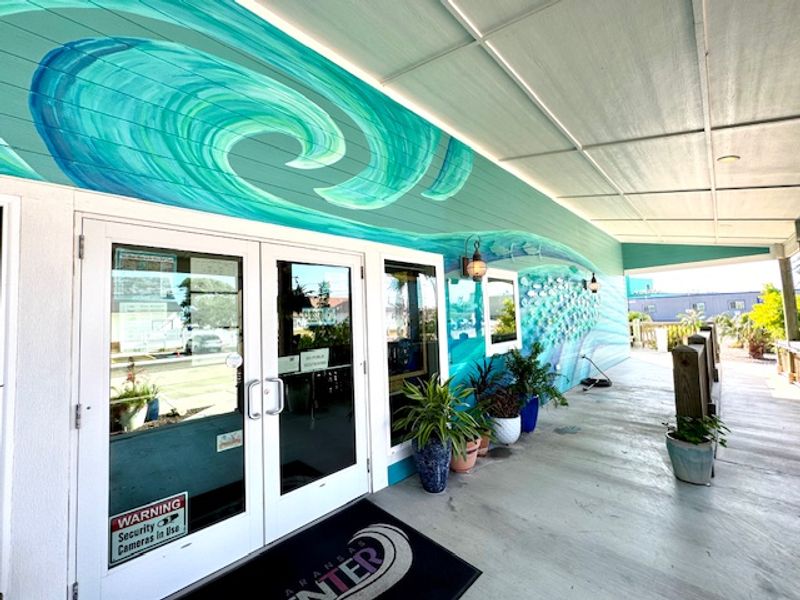
Port Aransas wraps galleries in sea breeze and salt light that soften edges and cool the pace.
Everything moves a touch slower here, which makes time for close looking and easy conversation.
Port Aransas Art Center, 104 N Alister St, Port Aransas, TX, serves as the island’s creative hub.
Inside, rotating exhibitions highlight painters, sculptors, and photographers inspired by dunes and shorebirds.
Rooms are bright and uncluttered, with seating that invites unhurried viewing.
Nearby, Farley Boat Works, 716 W Avenue C, Port Aransas, TX, preserves traditional boatbuilding as a living craft.
Workspaces show careful tool storage, wood grain, and hull forms that read like functional sculpture.
Interpretive displays explain the process clearly without heavy jargon.
Public art and murals add color to corners near the marina and along Alister Street.
Those pieces mirror tides, currents, and the play of clouds across open water.
Smaller galleries dot side streets with coastal abstracts and wildlife studies.
Curators keep shows tight, so each room feels focused and calm.
Weekend classes welcome visitors who want hands on technique in a friendly setting.
Teachers tailor instruction so beginners feel comfortable from the first step.
Benches and shaded nooks create rest points between venues on warm afternoons.
Maps at the art center desk help plan a loop that fits a casual schedule.
Sunset softens building lines and reflects warm tones through gallery windows.
Evening walks pair well with a last look through exhibits before closing.
The island’s nature preserves and beaches supply subjects for sketchbooks and lenses.
Artists often return to the same scenes to capture different skies and seasons.
This community treats creativity as a daily habit rather than a special occasion.
That attitude makes the scene welcoming to travelers and locals alike.
Port Aransas shows how a barrier island can nurture a steady arts rhythm in Texas.
You leave with sand in your shoes and fresh images in your mind.
Dear Reader: This page may contain affiliate links which may earn a commission if you click through and make a purchase. Our independent journalism is not influenced by any advertiser or commercial initiative unless it is clearly marked as sponsored content. As travel products change, please be sure to reconfirm all details and stay up to date with current events to ensure a safe and successful trip.
