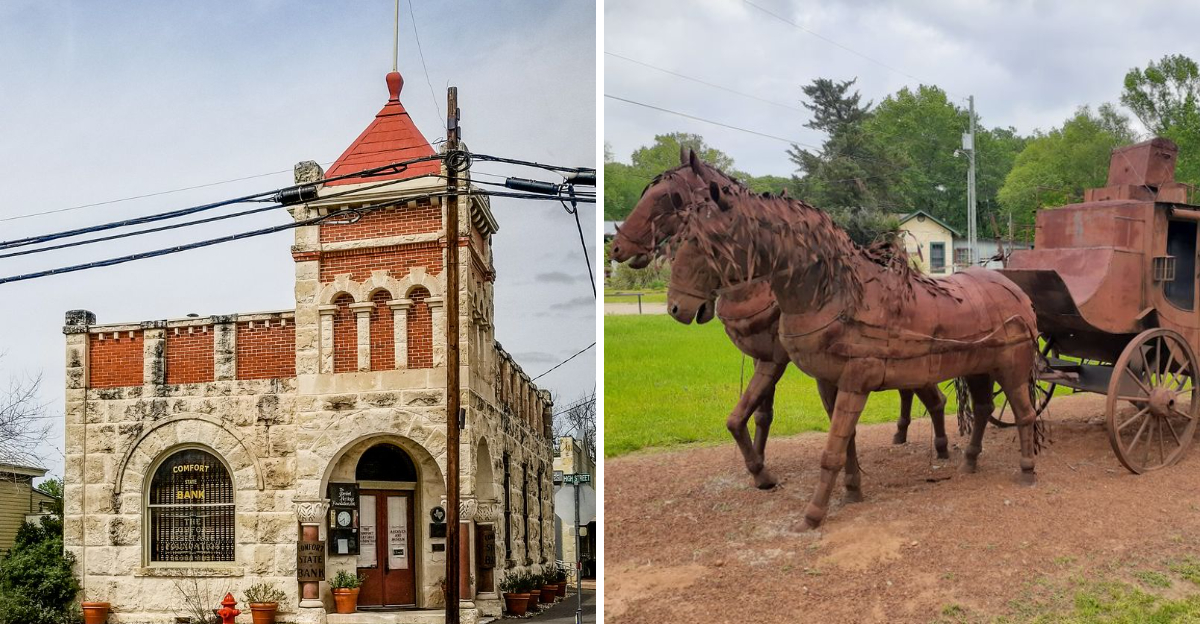
Texas stretches wide across the American South, a land where endless horizons meet rolling hills, dusty plains, and rivers that wind through centuries of stories.
Scattered across this vast state are tiny towns that seem untouched by the rush of modern life, places where brick streets still echo with the clip-clop of yesteryear and old storefronts hold secrets from another era.
These hidden gems offer travelers a rare chance to slow down, breathe deep, and step into a world where history isn’t just read in books but felt in every weathered plank and hand-carved detail.
1. Jefferson: Victorian Splendor Frozen in Time
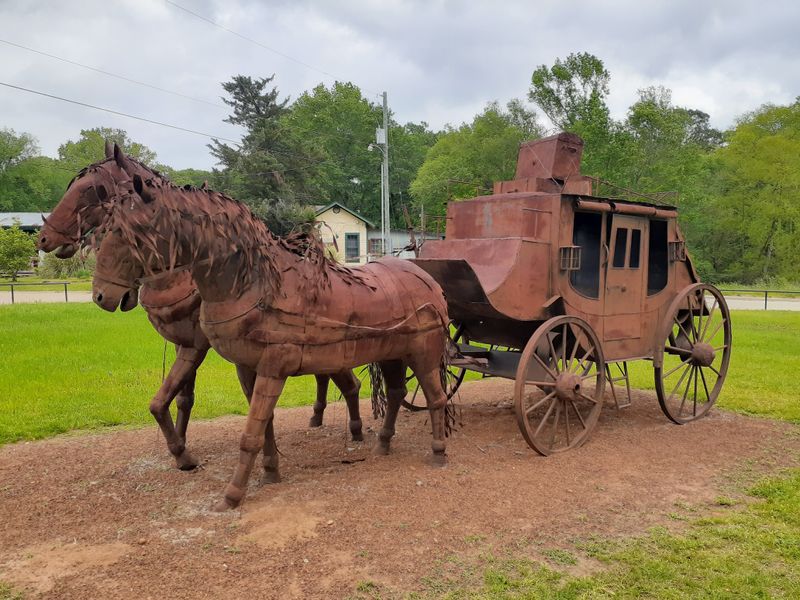
Brick streets wind through Jefferson like veins of a forgotten age, each cobblestone whispering tales of riverboat captains and cotton barons who once ruled this bustling port. Grand Victorian mansions tower over sidewalks, their gingerbread trim and turrets defying the passage of decades with stubborn grace.
Back when steamboats ruled the waters, Jefferson thrived as one of Texas’s most prosperous cities, a jewel on the Big Cypress Bayou that connected the state to markets far beyond its borders.
Wander into any of the antique shops lining the historic district and you’ll find treasures that belonged to families generations ago. Old photographs peer out from dusty frames, porcelain dolls sit frozen mid-smile, and furniture crafted by hands long gone still stands sturdy and proud.
The town feels like someone hit pause on 1875 and never pressed play again.
Horse-drawn carriage tours clip-clop past ornate iron fences and gardens bursting with roses that have bloomed here for over a century. Local guides share ghost stories and legends with a twinkle in their eye, spinning yarns about mysterious lights and spectral figures that supposedly haunt the old hotels.
Whether you believe in spirits or not, there’s no denying the eerie magic that settles over Jefferson at dusk.
Museums tucked into historic buildings showcase everything from Civil War artifacts to vintage clothing, each exhibit a portal into lives lived long before smartphones and highways. You can almost hear the rustle of hoop skirts and the murmur of riverboat gamblers if you listen closely enough.
Pack your curiosity and prepare to lose yourself in a town where every corner holds a story begging to be discovered.
2. Gruene: Dance Hall Days and River Breezes
Nestled along the Guadalupe River, Gruene looks like it tumbled straight out of a sepia-toned photograph and landed in the present day without changing a single detail.
Old brick buildings lean companionably against one another, their weathered facades telling stories of German settlers who carved out a life in this Texas wilderness over 150 years ago.
The entire district feels like a movie set, except everything here is gloriously, authentically real.
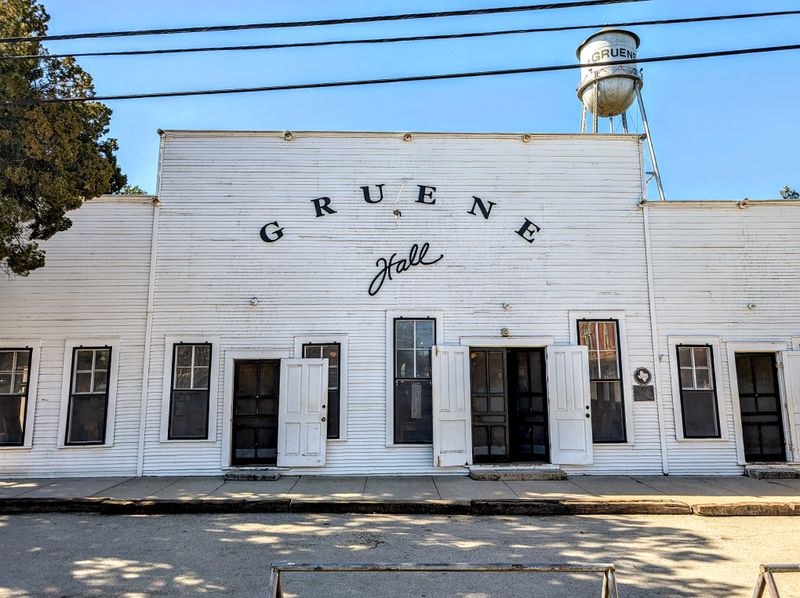
Gruene Hall stands as the oldest continually operating dance hall in Texas, its wooden floors scuffed smooth by generations of dancing boots. Music has echoed through this hall since 1878, and stepping inside feels like entering a time machine powered by fiddles and steel guitars.
Posters from decades of performances paper the walls, a visual timeline of country music legends who’ve graced this humble stage.
Stroll down the shaded pathways and you’ll discover artisan shops tucked into century-old structures, each one offering handcrafted goods that celebrate Texas heritage. Potters spin clay, weavers work looms, and woodworkers carve intricate designs, all using techniques passed down through family lines.
The Guadalupe River flows lazily nearby, its cool waters inviting visitors to float away a hot afternoon while cottonwood trees rustle overhead.
Local storytellers love to share how the town nearly disappeared after a devastating flood and economic decline, only to be lovingly restored by folks who recognized its irreplaceable charm. Today Gruene thrives as a living museum where history isn’t roped off behind velvet barriers but woven into everyday life.
Grab a cold drink, find a shady spot, and let the gentle rhythm of this timeless place wash over you like those river breezes.
3. Granbury: Lakeside Victorian Charm
Around the historic town square in Granbury, Victorian-era buildings stand shoulder to shoulder like elderly sentinels guarding treasures from another century.
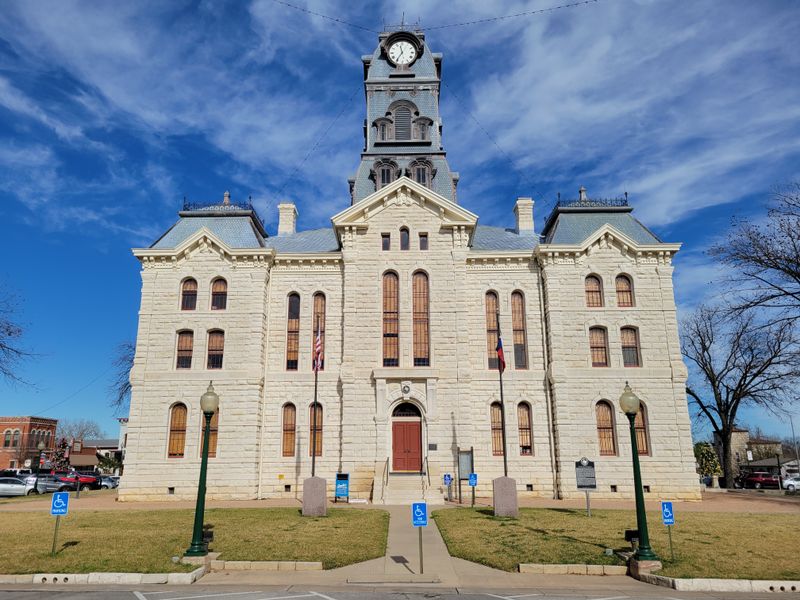
Limestone facades glow honey-gold in the afternoon sun, their carved details and tall windows speaking of an era when craftsmanship mattered more than speed.
The courthouse anchors the square, a magnificent structure that’s served as the heart of this community since the late 1800s, watching over countless generations of families and celebrations.
Boutiques and cafes now occupy spaces where general stores and saloons once served pioneers and cattle drivers. You can browse handmade quilts, vintage jewelry, and Texas-themed gifts while imagining the merchants who first opened shop on these same floorboards.
The square feels alive with history, yet it’s not a stuffy museum; it’s a vibrant gathering place where locals still meet for coffee and conversation just like their great-grandparents did.
Just beyond the historic district, Lake Granbury sparkles in the Texas sunshine, its waters offering a refreshing contrast to the landlocked towns of the Old West era. The combination of preserved Victorian architecture and lakeside recreation creates an unusual but delightful pairing.
You can tour historic sites in the morning and paddle across peaceful waters by afternoon, the best of both worlds in one charming package.
Theater productions bring classic stories to life in the restored opera house, where velvet seats and ornate balconies transport audiences back to entertainment’s golden age. Ghost tours wind through moonlit streets, guides recounting tales of colorful characters who left their mark on this town.
Whether you’re a history buff or just someone seeking a slower pace, Granbury wraps you in its timeless embrace and makes you wonder why anyone ever hurries.
4. Marfa: Desert Mystery Meets Artistic Vision
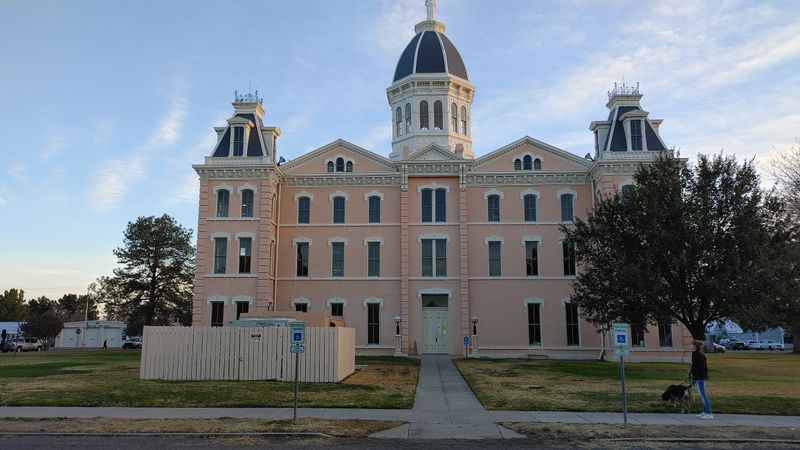
Out in the high desert of West Texas, where the land stretches flat and endless beneath skies so big they make you dizzy, Marfa shimmers like a mirage that turned out to be real.
This former ranching outpost transformed into an unlikely art mecca, yet somehow it retained the dusty, frontier-town feel that makes visitors feel like they’ve wandered onto the set of an old Western.
Adobe buildings bake under the relentless sun, their earth-toned walls blending seamlessly with the surrounding landscape.
Minimalist art installations dot the town, massive sculptures and carefully curated spaces that challenge conventional ideas about what art should be. The Chinati Foundation houses works that span entire buildings, inviting contemplation and conversation in equal measure.
Yet for all its artistic sophistication, Marfa never lost its small-town soul or the quirky character that makes it utterly unique.
At night, the desert sky explodes with stars so numerous they seem impossible, each one burning bright in the absence of city lights. Mysterious lights appear on the horizon sometimes, glowing orbs that dance and flicker for reasons scientists still debate.
Are they car headlights, atmospheric reflections, or something more mysterious? The locals just smile and let you decide for yourself.
Old storefronts house galleries alongside traditional businesses, creating an odd but charming juxtaposition of cowboy culture and contemporary art. You might see a rancher in dusty boots chatting with an artist in paint-splattered jeans, both equally at home in this strange, wonderful place.
Marfa proves that time capsules don’t always preserve the past; sometimes they capture a moment when past and present collide to create something entirely new and magical.
5. Wimberley: Hill Country Artist Haven
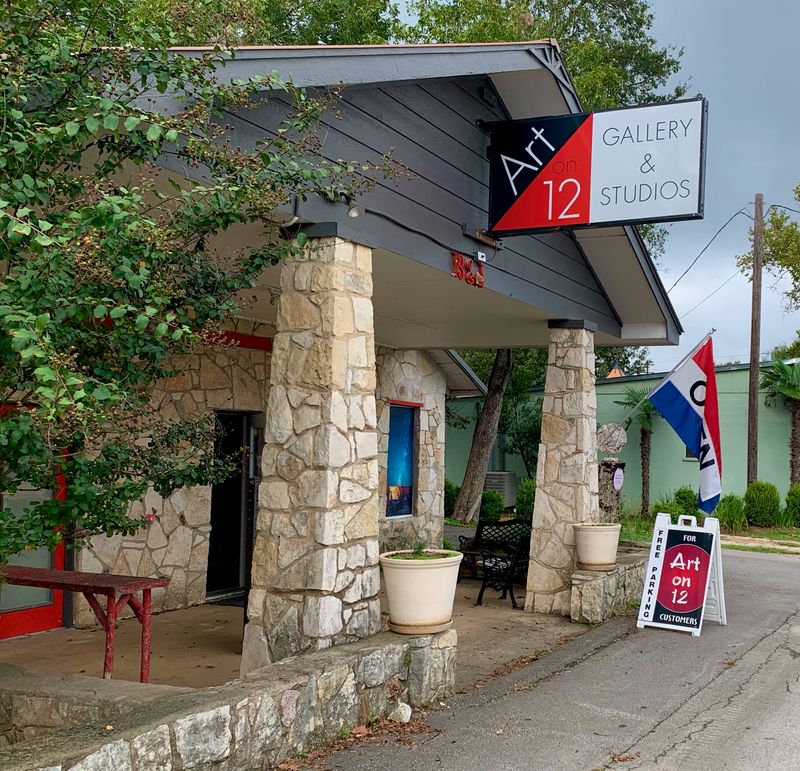
Tucked into the rolling embrace of Texas Hill Country, Wimberley unfolds like a watercolor painting where every brushstroke celebrates natural beauty and creative spirit. Cypress Creek meanders through town, its clear waters pooling in swimming holes that have cooled off locals since long before air conditioning existed.
Live oak trees draped in Spanish moss create shaded canopies over roads that twist and turn through landscape so pretty it almost seems staged.
The town square retains its historic storefronts, but instead of selling saddles and dry goods, these spaces now showcase paintings, pottery, and handcrafted furniture made by artists who’ve chosen this peaceful spot as their muse.
Galleries spill over with creativity, each one reflecting the individual vision of makers who found inspiration in these hills.
On market days, vendors spread their wares under ancient trees, creating a festival atmosphere that feels both timeless and utterly contemporary.
Hiking trails wind through preserves where wildflowers explode in spring riots of color, bluebonnets and Indian paintbrush carpeting meadows like nature’s own masterpiece. Swimming holes beckon on hot days, their limestone bottoms visible through water so clear you can count the minnows.
The pace here moves slower than city time, measured by seasons and sunsets rather than schedules and deadlines.
Local artisans keep traditional crafts alive while adding their own modern twists, creating pieces that honor heritage while pushing boundaries. You might watch a blacksmith forge iron, a weaver create intricate patterns, or a glassblower shape molten material into delicate beauty.
Wimberley proves that time capsules can be living, breathing places where past techniques inform present creations, and where slowing down isn’t lazy but essential to truly seeing the world’s wonders.
6. Fredericksburg: German Heritage in the Heart of Texas
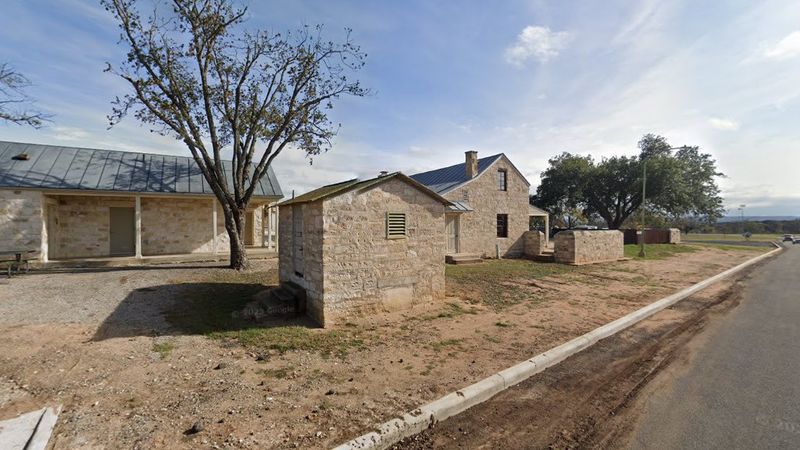
German settlers arrived in Fredericksburg in 1846 with dreams of building a new life in Texas, and somehow their vision survived intact through wars, droughts, and the relentless march of progress.
Main Street stretches wide and welcoming, lined with limestone buildings that could have been transplanted from a Bavarian village.
The architecture tells stories of determination and cultural pride, each carefully preserved structure a testament to the immigrants who refused to abandon their heritage even as they embraced their new homeland.
Bakeries still produce strudel and stollen using recipes brought from the old country, their windows fogging with the steam of fresh-baked goodness. German is still spoken by some older residents, phrases and songs passed down through generations like precious heirlooms.
The entire town celebrates its roots with festivals, museums, and traditions that keep history alive and relevant rather than letting it fade into dusty textbooks.
Pioneer Museum complex recreates life as those early settlers knew it, with original buildings and artifacts that make history tangible. You can peer into one-room schoolhouses, examine farming equipment that broke this stubborn land, and imagine the courage it took to start over in an unfamiliar wilderness.
Nearby, historic Sunday Houses stand as reminders of when farm families built tiny town homes for weekend church visits, creating a unique architectural tradition found nowhere else.
The surrounding Hill Country bursts with peach orchards in spring, the blossoms creating pink clouds that perfume the air with sweetness. Wildflower season transforms roadsides into natural gardens that would make any European countryside jealous.
Fredericksburg manages the impressive feat of honoring its past while remaining vibrantly alive, a place where lederhosen and cowboy boots share the sidewalk without anyone batting an eye.
7. Goliad: Where Texas Independence Was Forged
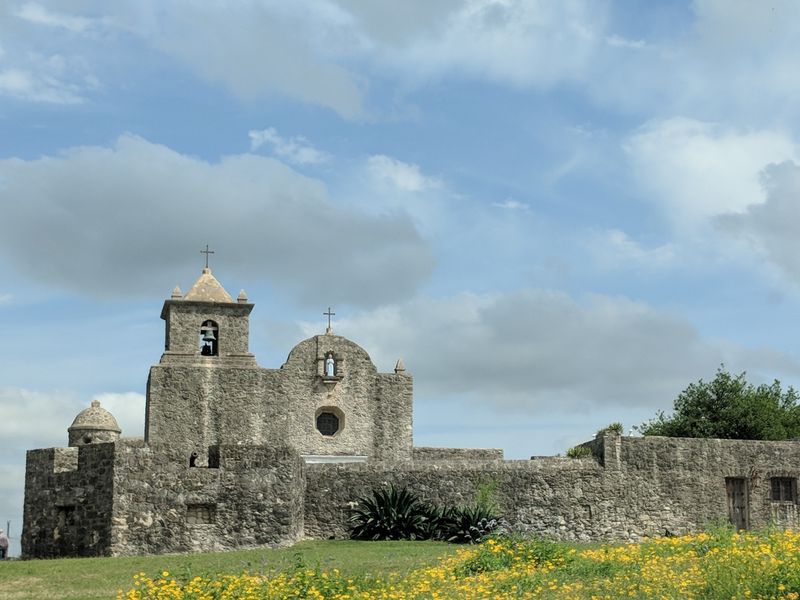
Few Texas towns wear their history as heavily as Goliad, where the very ground seems soaked in the blood and dreams of those who fought for independence.
The Presidio La Bahia rises from the landscape like a fortress from a history book, its thick stone walls having witnessed Spanish colonial rule, Mexican governance, and the birth of the Texas Republic.
Walking through its ancient gates feels like stepping through a portal where the past isn’t past at all but present and pressing.
Mission Espiritu Santo stands nearby, its chapel and grounds restored to reflect the Spanish missionary period when indigenous peoples and Europeans first encountered one another in this region. The architecture speaks of faith and frontier, of attempts to transplant European civilization onto wild Texas soil.
Cattle graze in fields where mission herds once roamed, connecting modern ranching to its colonial roots in an unbroken line stretching back centuries.
The Goliad Massacre Memorial honors the Texian soldiers executed here during the revolution, a somber reminder that independence came at terrible cost. Standing before the monument, you can almost hear the echoes of those final moments, feel the weight of sacrifice that shaped a state.
History isn’t entertainment here; it’s sacred ground that demands respect and reflection.
Downtown Goliad moves at a pace that allows for contemplation, its courthouse square shaded by old trees that have watched generations come and go. Small museums and historical markers dot the town, each one adding another layer to the complex story of Texas’s journey from colony to republic to state.
This isn’t a place for those seeking theme-park thrills; it’s a destination for travelers who want to truly understand the forces that shaped Texas and, by extension, the American Southwest.
8. Comfort: Hill Country Crossroads of Cultures
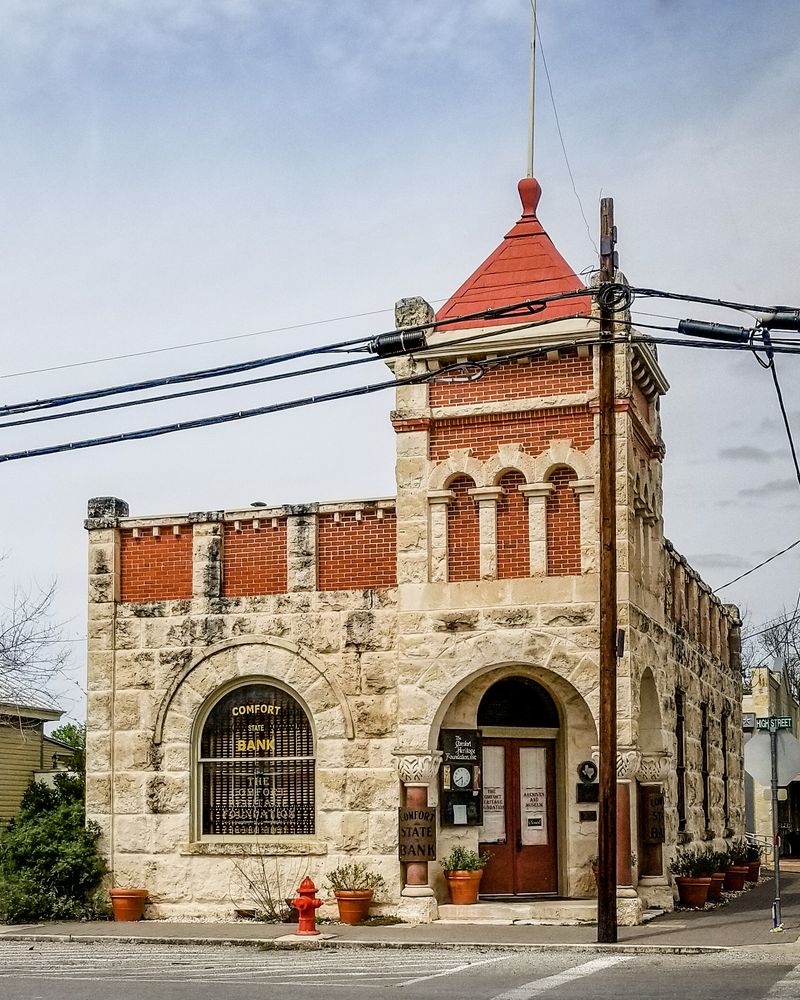
German freethinkers founded Comfort in 1854, seeking a place where they could live according to their own beliefs without interference.
Their independent spirit still permeates this Hill Country town, visible in the unique architecture and the famous Treue der Union monument, the only Civil War memorial in the South honoring Union sympathizers.
Walking these streets means encountering a Texas story that doesn’t fit the usual narrative, a reminder that history is always more complicated and interesting than simplified versions suggest.
Historic buildings constructed from local limestone line the main street, their sturdy walls keeping interiors cool even during brutal Texas summers. Many retain their original purposes as general stores, hotels, and meeting halls, creating continuity between past and present that’s increasingly rare.
The architectural style blends German building traditions with practical adaptations to Texas climate and available materials, resulting in structures that are both distinctive and perfectly suited to their environment.
Antique shops overflow with treasures from multiple cultures and eras, reflecting the town’s position as a crossroads where German, Anglo, and Hispanic influences mingled and merged.
You might find hand-carved furniture from Bavaria sitting beside Mexican pottery and American pioneer tools, each piece telling part of the larger story of Texas settlement.
Collectors and casual browsers alike find plenty to admire and acquire.
The Guadalupe River flows nearby, offering cool relief and scenic beauty that drew those original settlers and continues to attract visitors today. Cypress trees line the banks, their roots reaching into water that’s been flowing long before any humans arrived to build towns beside it.
Comfort reminds us that time capsules preserve not just buildings and artifacts but also ideas and ideals, the intangible values that motivated people to create communities worth preserving.
9. Salado: Stagecoach Stop Turned Artist Colony
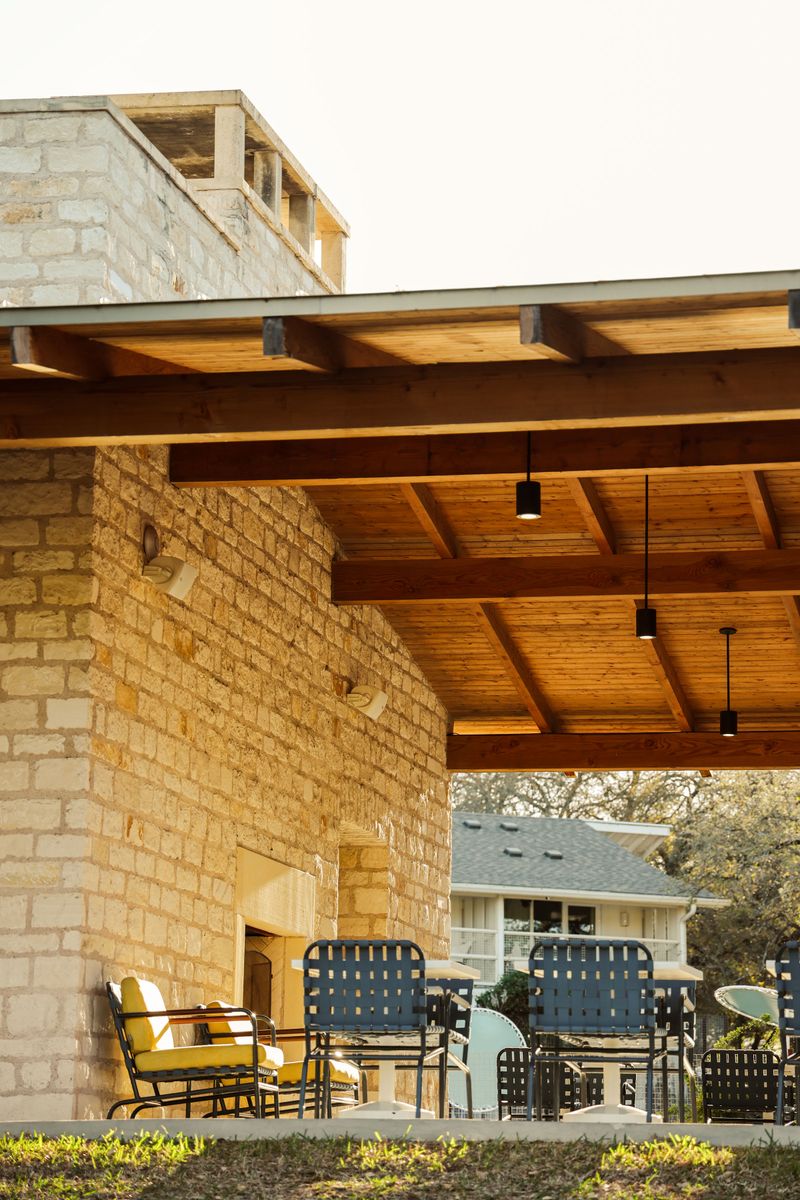
Salado Creek bubbles up from underground springs, creating an oasis that attracted Native Americans, Spanish explorers, and eventually American settlers who recognized a good thing when they saw it.
The town grew up around this precious water source, serving as a vital stagecoach stop on the Chisholm Trail where weary travelers could rest and water their horses.
That hospitality tradition continues today, though the horses have been replaced by cars and the stagecoaches by tour buses filled with folks seeking authentic Texas charm.
Historic Stagecoach Inn still stands, its limestone walls having sheltered everyone from trail-worn cowboys to Confederate generals to modern tourists hungry for history. The building feels alive with stories, each room holding memories of conversations and dramas played out over decades.
You can almost smell the dust and leather, hear the jingle of spurs and the creak of wagon wheels if you let your imagination wander.
Artists discovered Salado decades ago and never left, transforming it into a thriving colony where creativity flourishes alongside historical preservation. Galleries and studios occupy vintage buildings, their windows displaying paintings, sculptures, and crafts that range from traditional to contemporary.
The combination of artistic energy and historical authenticity creates a unique atmosphere where past and present inspire rather than compete with each other.
Shops along Main Street sell everything from handmade jewelry to gourmet foods, each proprietor adding their own flavor to the town’s collective personality. The creek runs through it all, a constant presence that connects today’s visitors to everyone who ever paused here to drink from its cool waters.
Salado proves that time capsules can evolve and adapt while still honoring their origins, growing gracefully rather than fighting change or surrendering completely to it.
10. Port Isabel: Lighthouse Keeper’s Coast
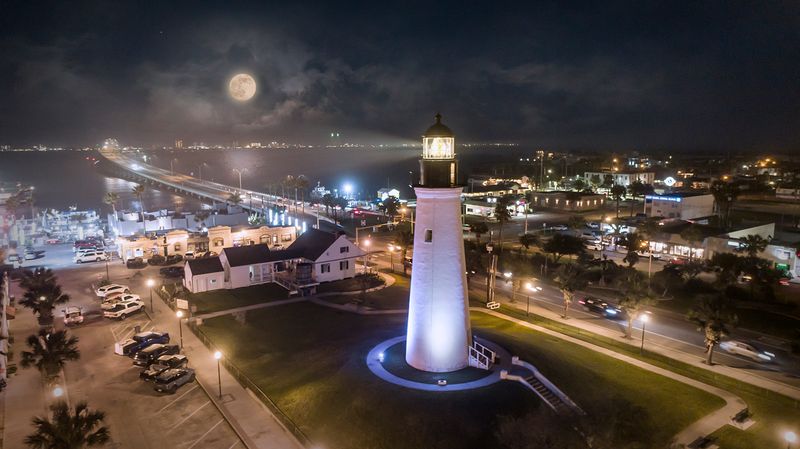
Standing tall against the Gulf Coast sky, the Port Isabel Lighthouse has guided ships safely to harbor since 1852, its beacon cutting through fog and darkness for over 170 years.
Climbing the spiral stairs to the top rewards visitors with panoramic views of the Laguna Madre and South Padre Island, the same vistas that lighthouse keepers once scanned for vessels in distress.
The lighthouse feels like a sentinel from another era, stubbornly maintaining its post even though modern navigation has made it technically obsolete.
Historic downtown Port Isabel clusters around the lighthouse like children around a protective parent, its buildings reflecting the town’s evolution from Spanish colonial outpost to Mexican port to American fishing village.
Museums showcase everything from maritime history to the Mexican-American War, layers of stories stacked like sedimentary rock.
The waterfront still bustles with fishing boats, their captains continuing traditions passed down through generations of families who’ve made their living from these waters.
Causeway connects Port Isabel to South Padre Island, but the town itself remains refreshingly uncommercialized, more interested in preserving its character than chasing tourist dollars.
Local seafood shacks serve catches so fresh they were swimming that morning, prepared with recipes refined over decades of practice.
The pace stays relaxed, measured by tides and seasons rather than arbitrary schedules imposed by distant cities.
Birders flock here to spot rare species in the surrounding wetlands and coastal habitats, binoculars trained on skies and marshes teeming with avian life.
The combination of historical sites and natural wonders makes Port Isabel appealing to multiple types of travelers, all seeking something authentic in an increasingly artificial world.
Pack your sense of adventure and prepare to discover a coastal town where time moves to the rhythm of waves and the flash of that faithful lighthouse beam.
Dear Reader: This page may contain affiliate links which may earn a commission if you click through and make a purchase. Our independent journalism is not influenced by any advertiser or commercial initiative unless it is clearly marked as sponsored content. As travel products change, please be sure to reconfirm all details and stay up to date with current events to ensure a safe and successful trip.
