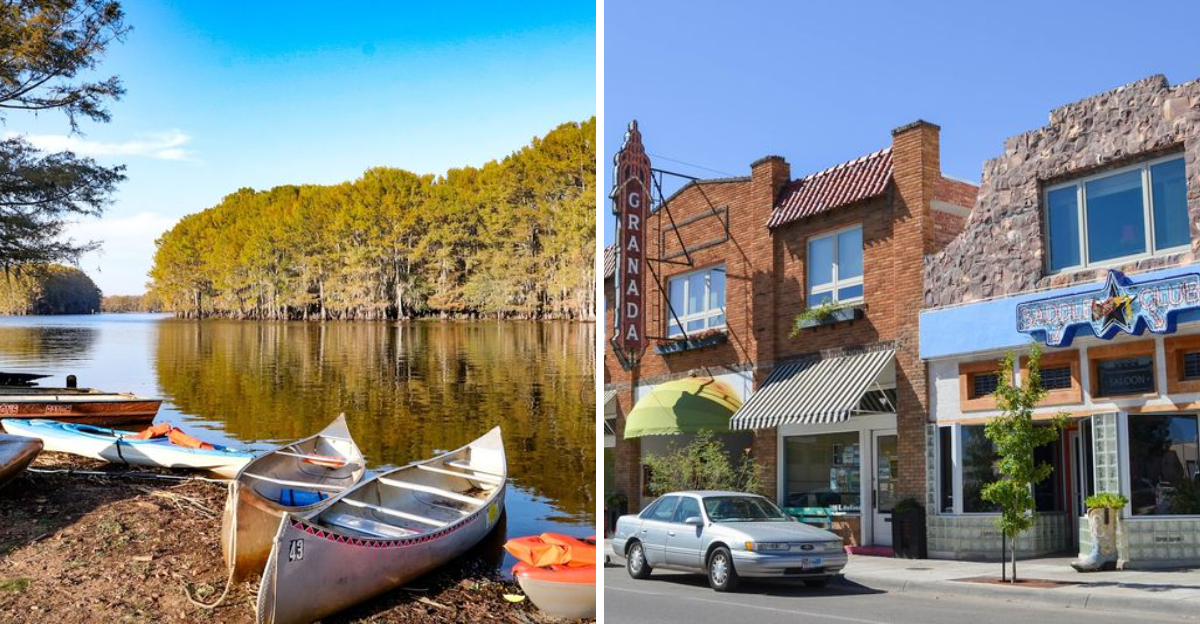
Some places still feel untouched, like they were never trying to attract attention in the first place. Towns like these stay quietly scattered across Texas, often overlooked by the usual travel routes.
Texas still has pockets where daily life has not shifted to match tourism.
The pace feels slower, the streets stay calm, and local businesses continue serving the same communities they always have. There are no crowds moving from stop to stop, no pressure to turn everything into an attraction.
Instead, the experience comes from simple things like a quiet main street, a small café, or a conversation that lasts longer than expected.
That is what makes these towns stand out. They have held onto their identity without trying to change it, offering a version of Texas that feels steady, familiar, and real.
1. Fort Davis
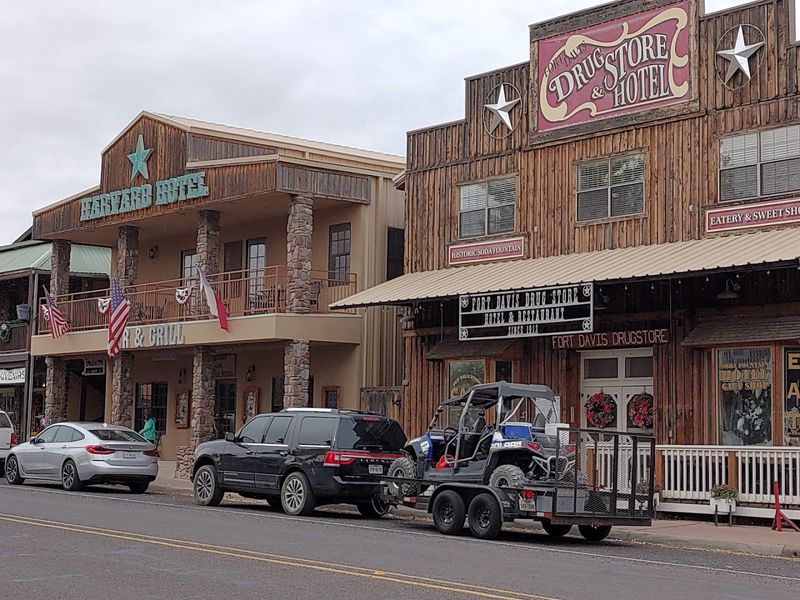
There is something almost cinematic about Fort Davis, sitting high in the Davis Mountains with its wide streets and unhurried pace.
The elevation alone sets it apart from the rest of West Texas, bringing cooler air and skies so clear that the McDonald Observatory just up the road has made its home there for good reason.
The town itself feels like it has been frozen somewhere between the frontier era and a quiet Sunday afternoon that never quite ended.
Old stone buildings line the main drag, and the national historic site at the edge of town preserves the ruins of one of the most important frontier forts in the American Southwest.
Hiking trails wind through the Chihuahuan Desert scrub nearby, and the landscape shifts from rocky canyon to open grassland in ways that keep surprising you. Fort Davis does not try to impress anyone.
It just exists, steadily and beautifully, in one of the most dramatic corners of the state.
2. Uncertain
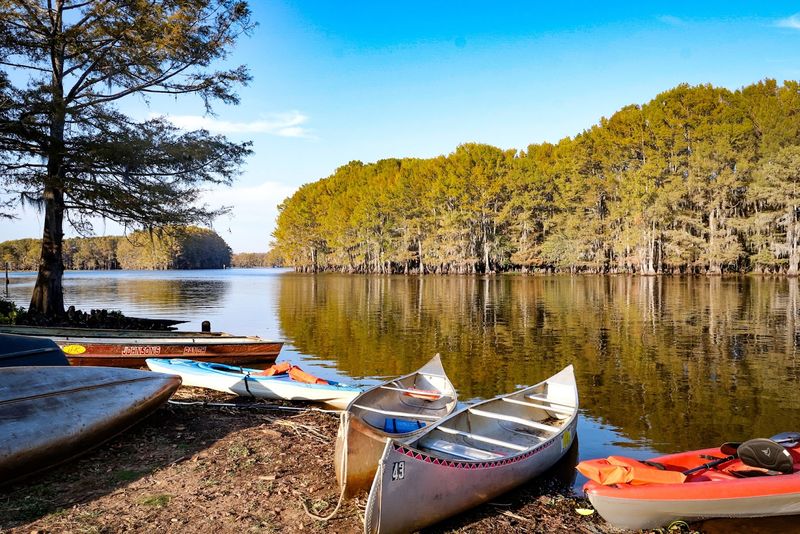
The name alone is enough to make you curious. Uncertain, Texas sits on the eastern shore of Caddo Lake, the only naturally formed lake in the state, and the whole place has an atmosphere that feels genuinely otherworldly.
Spanish moss hangs from ancient cypress trees that rise straight out of the water, and the lake itself is a tangled maze of bayous, lily pads, and quiet channels that seem to go on forever. Paddling through it feels less like a Texas experience and more like drifting through a Louisiana dream that wandered west.
The town has a handful of cabins, a bait shop, and a few locals who know every inch of that water. There are no chain restaurants, no souvenir stands, and no crowds fighting for a good photo spot.
Uncertain is the kind of place where you arrive planning to stay one night and end up rescheduling your whole week because the stillness gets into you and you are not ready to leave it behind.
3. Castroville
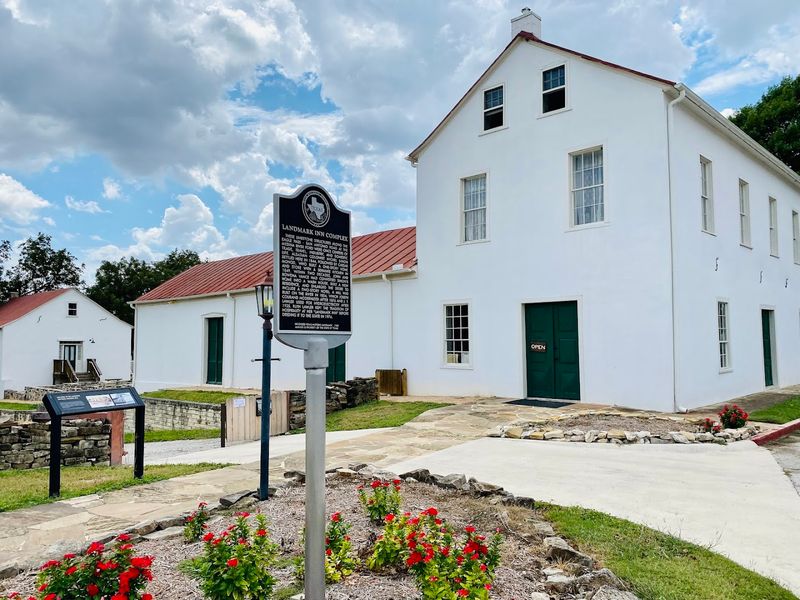
Just west of San Antonio, Castroville carries a personality unlike any other town in Texas. Founded in 1844 by Alsatian immigrants, it brings a distinctly European flavor to the Hill Country edge, with stone buildings and architectural details that feel more like a French village than a Texas settlement.
The town is small enough that you can walk its historic core in under an hour, but there is enough to see that you will not want to rush. Old Saint Louis Church anchors the center of town with quiet dignity, and the surrounding streets reveal houses that have barely changed in over a century.
Local bakeries carry on old Alsatian traditions, and the pace of life here is genuinely slow in the best possible way. Castroville has not chased tourism dollars or reinvented itself for Instagram.
It has simply kept being what it always was, a proud, culturally layered community that rewards travelers who take the time to notice the details most people drive straight past on the way to somewhere louder.
4. Lockhart
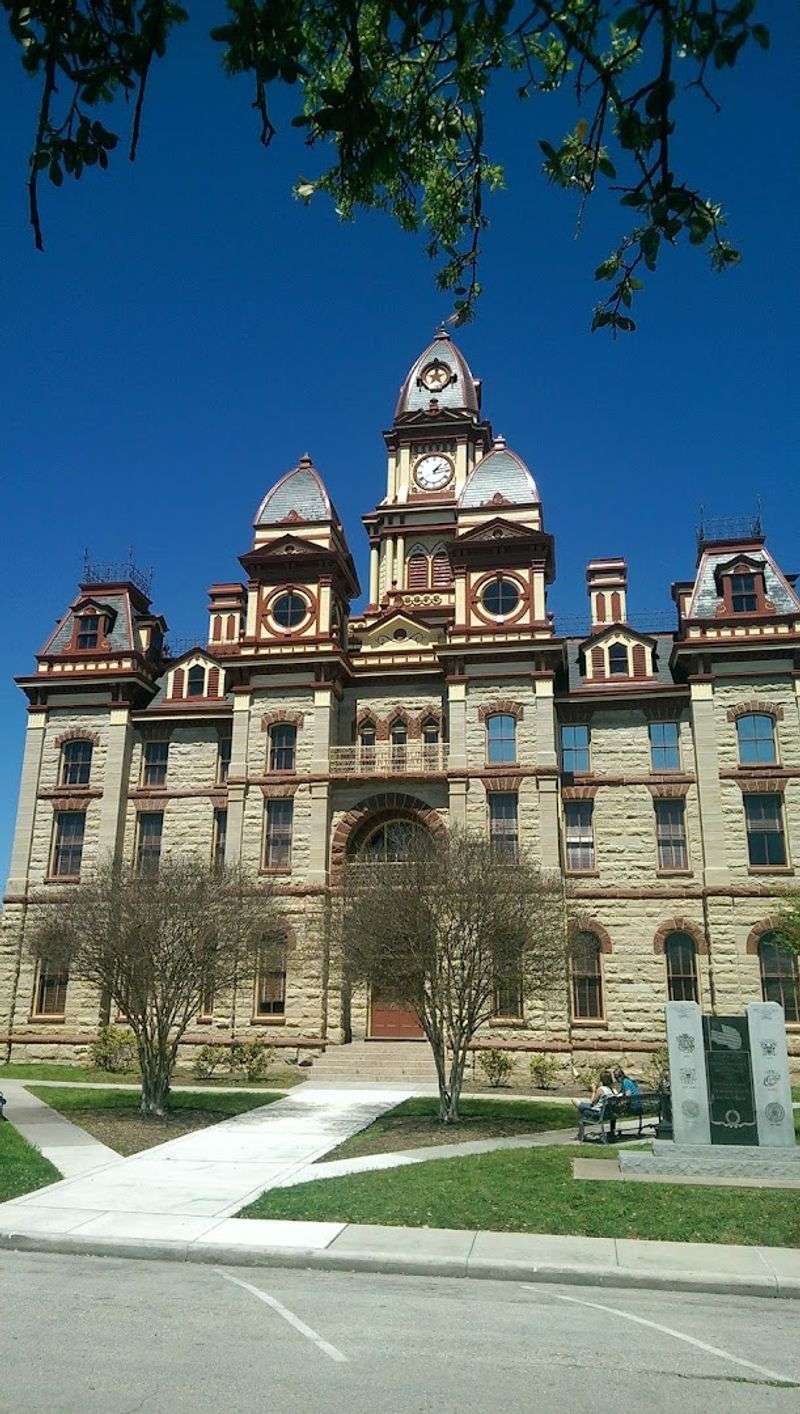
Lockhart has one of the most legitimate claims to fame in all of Texas, and it wears that title without any fuss. Officially designated the Barbecue Capital of Texas by the state legislature, this small Caldwell County town has been doing smoked meat the right way for generations.
The legendary pits here have been burning for over a hundred years in some cases, and the recipes have not needed updating because they were already perfect. What I appreciate most about Lockhart is that it has not let that reputation turn it into a theme park.
The courthouse square still feels like a working small town, not a curated experience designed to separate you from your money.
Beyond the food, the historic downtown has a relaxed dignity that makes wandering feel worthwhile. Old storefronts and a grand courthouse sit comfortably together, and the streets are quiet enough that you can actually hear yourself think.
Lockhart proves that you do not need a marketing campaign to be worth visiting. Sometimes all you need is a century of doing one thing extraordinarily well.
5. Bandera
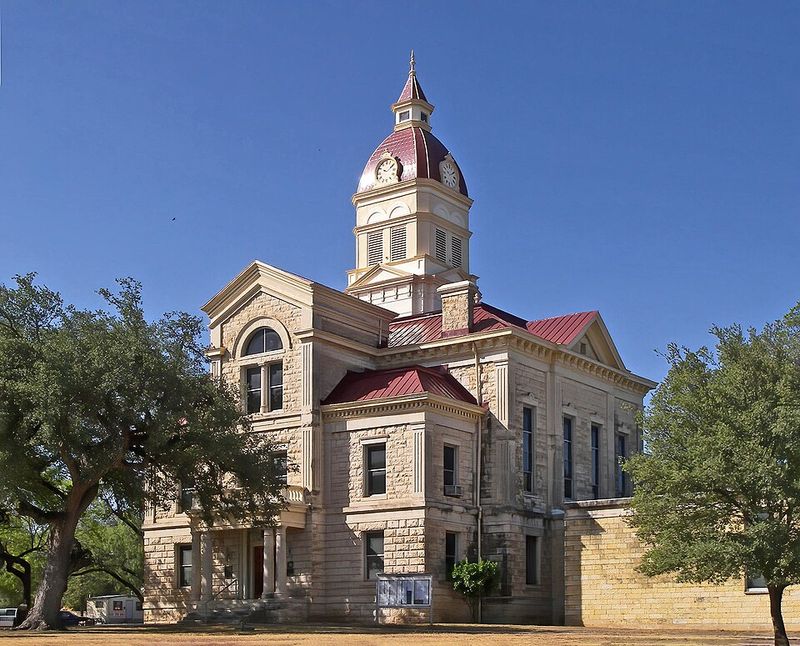
Bandera calls itself the Cowboy Capital of the World, and honestly, it earns that title every single day. This Hill Country town has held onto its ranching identity with a grip that no amount of changing trends has managed to loosen, and the result is a place that feels genuinely rooted in something real.
Guest ranches still operate outside of town the way they have for decades, offering trail rides through cedar-covered hills that look almost exactly as they did a hundred years ago.
The Medina River cuts through the landscape nearby, providing swimming holes and lazy float trips that make summer in Bandera feel like a reward for surviving the heat.
Downtown has a lived-in quality that I find refreshing. There are dance halls here that have been hosting two-stepping locals since before most of us were born, and on a weekend night the sound drifting out of them is as authentic as it gets.
Bandera has not tried to be anything other than itself, and that stubbornness is exactly what makes it worth the drive out from San Antonio.
6. Smithville
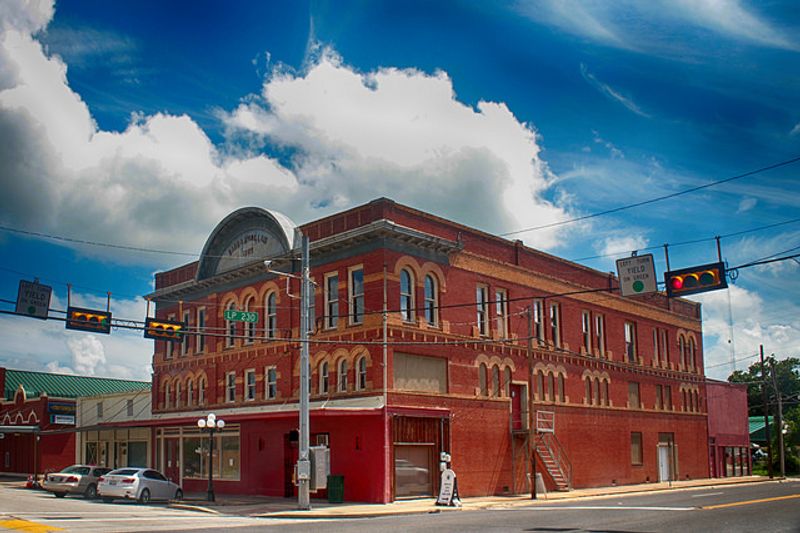
Smithville sits along the Colorado River in Bastrop County with a quiet confidence that most towns its size have long since traded away for growth.
The downtown is compact and genuine, with brick storefronts that have housed local businesses for decades rather than cycling through the trendy pop-ups that take over so many small towns these days.
The river access here is genuinely lovely, and the parks along the water give the town a relaxed, unhurried rhythm that matches the pace of the current. Smithville has appeared in a few films over the years, which brought some outside attention, but the town absorbed it without losing its character.
What strikes me most about Smithville is how comfortable it feels to simply exist there without an agenda. People sit on porches.
Dogs wander across lawns. The coffee shop has regulars who know each other by name.
It is the kind of town that reminds you what community actually looks like when it has not been optimized for anyone’s algorithm. Spending a slow afternoon here feels like a genuine exhale after too much time in cities that never quiet down.
7. Bastrop
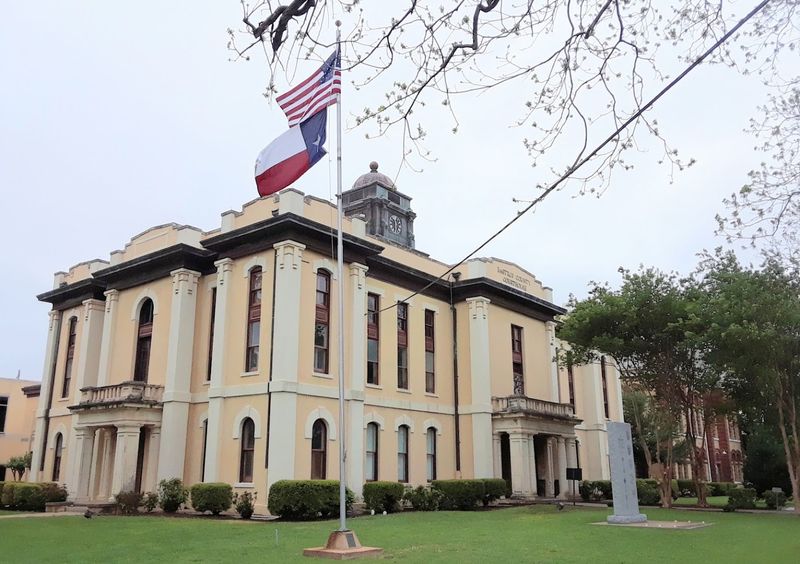
Bastrop has a dramatic backstory that most visitors do not know before they arrive. The Lost Pines of Bastrop, an isolated pocket of loblolly pine trees separated from the main East Texas forest by nearly a hundred miles, give the area a visual identity unlike anywhere else in central Texas.
The historic downtown along the Colorado River is genuinely charming without being precious about it. Old buildings house local restaurants, art galleries, and shops run by people who actually live there, and the whole area has a creative, slightly eccentric energy that feels earned rather than manufactured.
Bastrop State Park, rebuilt after devastating wildfires earlier this century, offers trails through recovering forest that carry their own kind of emotional weight. Watching the pines grow back is a slow, hopeful process, and hiking through them feels meaningful in a way that manicured tourist attractions rarely manage.
The town has attracted artists and outdoor enthusiasts without becoming overrun, and that balance, fragile as it is, makes Bastrop one of the more interesting stops in the entire region right now.
8. Terlingua
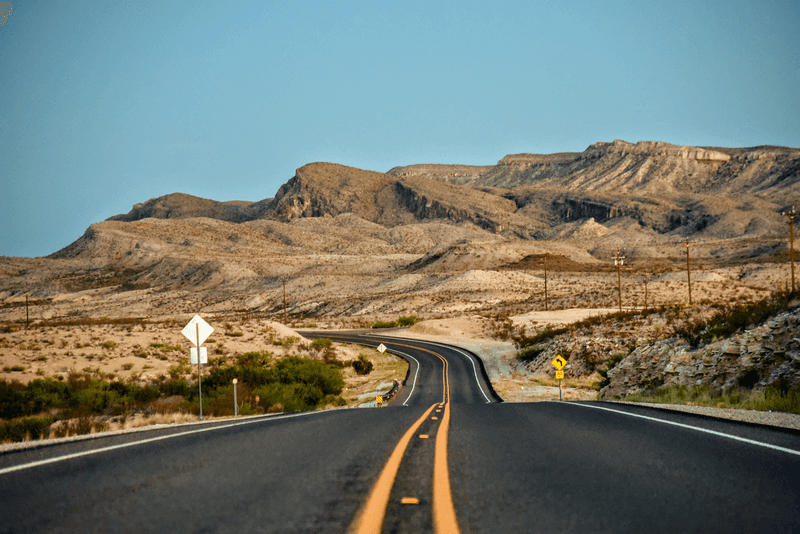
Terlingua is one of those places that should not work but absolutely does.
A former mercury mining ghost town perched at the edge of the Chihuahuan Desert near Big Bend, it has attracted an unlikely community of artists, adventurers, and people who simply decided the rest of the world was moving too fast.
The ruins of the old mine company town sit alongside occupied buildings in a way that blurs the line between past and present, and the whole place has an eerie, beautiful quality that photographs cannot fully capture.
Sunsets here are genuinely extraordinary, painting the desert in colors that seem almost too vivid to be real.
The community that has grown around the ghost town is small, fiercely independent, and refreshingly unbothered by what anyone else thinks about how they live. There are a few places to eat and sleep, and the proximity to Big Bend National Park makes Terlingua a natural base for serious desert exploration.
But the town itself is the real draw. It is weird and wonderful and completely unlike anywhere else in Texas, which in a state this big is saying something significant.
9. Alpine
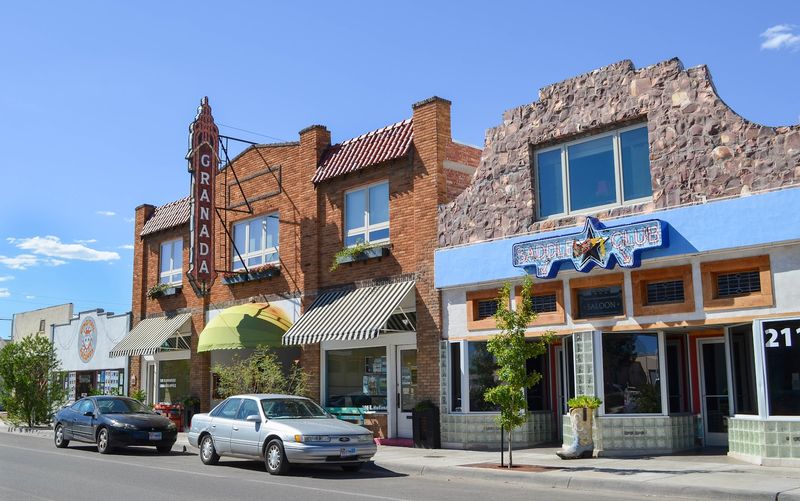
Alpine sneaks up on you in the best possible way. As the largest town in the Trans-Pecos region, it functions as the cultural and commercial hub for a vast stretch of West Texas, but it does so with a laid-back, artsy personality that owes a lot to Sul Ross State University sitting at its center.
The presence of the university gives Alpine a creative energy that most towns this remote do not have.
There are independent bookstores, galleries, and a genuine art scene here, and the mix of longtime ranching families and newer creative residents gives the place a social texture that feels alive and unpredictable in good ways.
The surrounding landscape is staggering. The Chisos Mountains rise to the south, and the high desert light does extraordinary things to the terrain at different hours of the day.
Mornings in Alpine have a crispness that the rest of Texas rarely offers, and evenings carry a cool that makes sitting outside genuinely pleasant even in summer. Alpine has grown a little in recent years, but it has not yet lost the feeling that you have arrived somewhere real rather than somewhere designed.
10. Jefferson
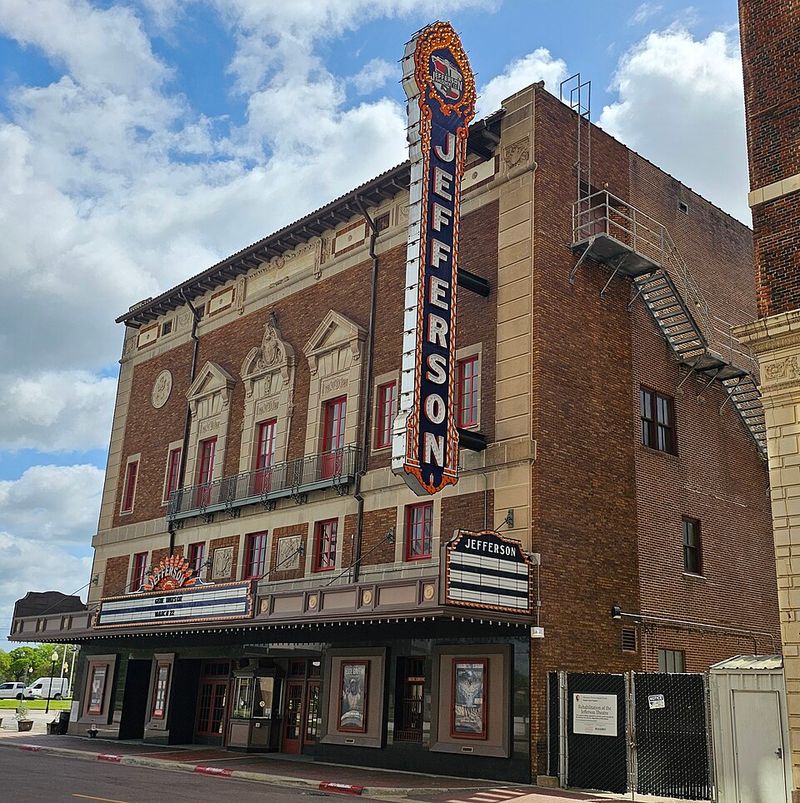
Jefferson occupies a fascinating corner of East Texas history that most people outside the state have never encountered.
In the mid-1800s, it was one of the busiest inland ports in the entire South, moving cotton and goods through Caddo Lake and connected waterways with a commercial energy that made it briefly more prominent than Dallas.
Then the water levels changed, the railroads shifted, and Jefferson quietly stepped off the main stage.
What was left behind is an almost perfectly preserved Victorian downtown, full of historic homes, iron-front commercial buildings, and bed and breakfasts that operate out of structures with genuine stories in their walls.
The town has a slightly haunted reputation that it leans into with good humor, and the old cemetery on the hill rewards a slow afternoon walk with some of the most elaborate nineteenth-century grave markers you will find anywhere in Texas. Jefferson is not trying to be the next big thing.
It is content being exactly what it has always been, a place where history did not get bulldozed to make room for something newer. That kind of integrity is rarer than it should be, and it makes Jefferson worth every mile of the drive through the piney woods to reach it.
Dear Reader: This page may contain affiliate links which may earn a commission if you click through and make a purchase. Our independent journalism is not influenced by any advertiser or commercial initiative unless it is clearly marked as sponsored content. As travel products change, please be sure to reconfirm all details and stay up to date with current events to ensure a safe and successful trip.
