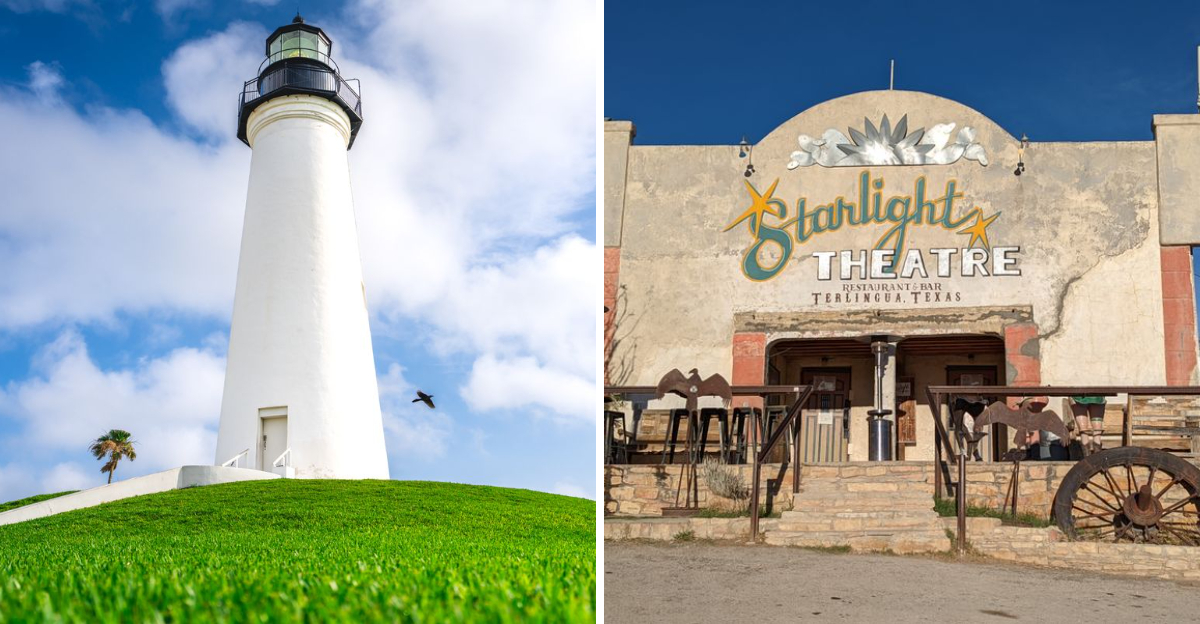
Texas has always been about wide-open spaces and big personalities, but some of the most memorable moments happen in the smallest places.
I’ve found that the towns you’ve never heard of often leave the deepest impressions, with their quirky museums, historic dance halls, and locals who treat strangers like old friends.
These aren’t the destinations that make it onto every travel list, but they’re the ones that stick with you long after you’ve left. From art installations in the desert to riverside hideaways steeped in German heritage, each spot has its own rhythm and story.
The best part is discovering that a population of three can have more soul than a city of three million. Let me take you through fifteen Texas towns that prove character isn’t measured in size.
1. Luckenbach
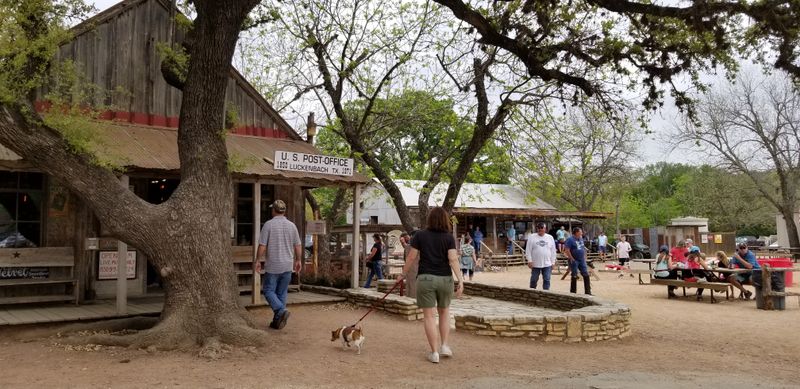
Luckenbach feels like stepping into a country song, which makes sense since it’s been immortalized in more than a few. The entire town consists of a dance hall, a general store, and a post office, with a population that officially sits at three.
What it lacks in size, it makes up for in atmosphere, especially when live music spills out of Gruene Hall on a warm evening.
The dance hall has hosted everyone from Willie Nelson to local pickers just passing through. There’s no pretense here, just wooden floors, cold drinks, and the kind of music that makes you want to two-step even if you’ve never tried.
The general store sells everything from postcards to handmade crafts, and the walls are covered with photos and memorabilia from decades of visitors.
I love how the town motto, “everybody’s somebody,” actually feels true when you’re there. People strike up conversations easily, and there’s a sense that everyone’s welcome, whether you’re a lifelong Texan or just passing through.
It’s a place that reminds you why small towns matter, not because of what they have, but because of how they make you feel. Luckenbach is pure Texas heart in the tiniest package imaginable.
2. Marfa
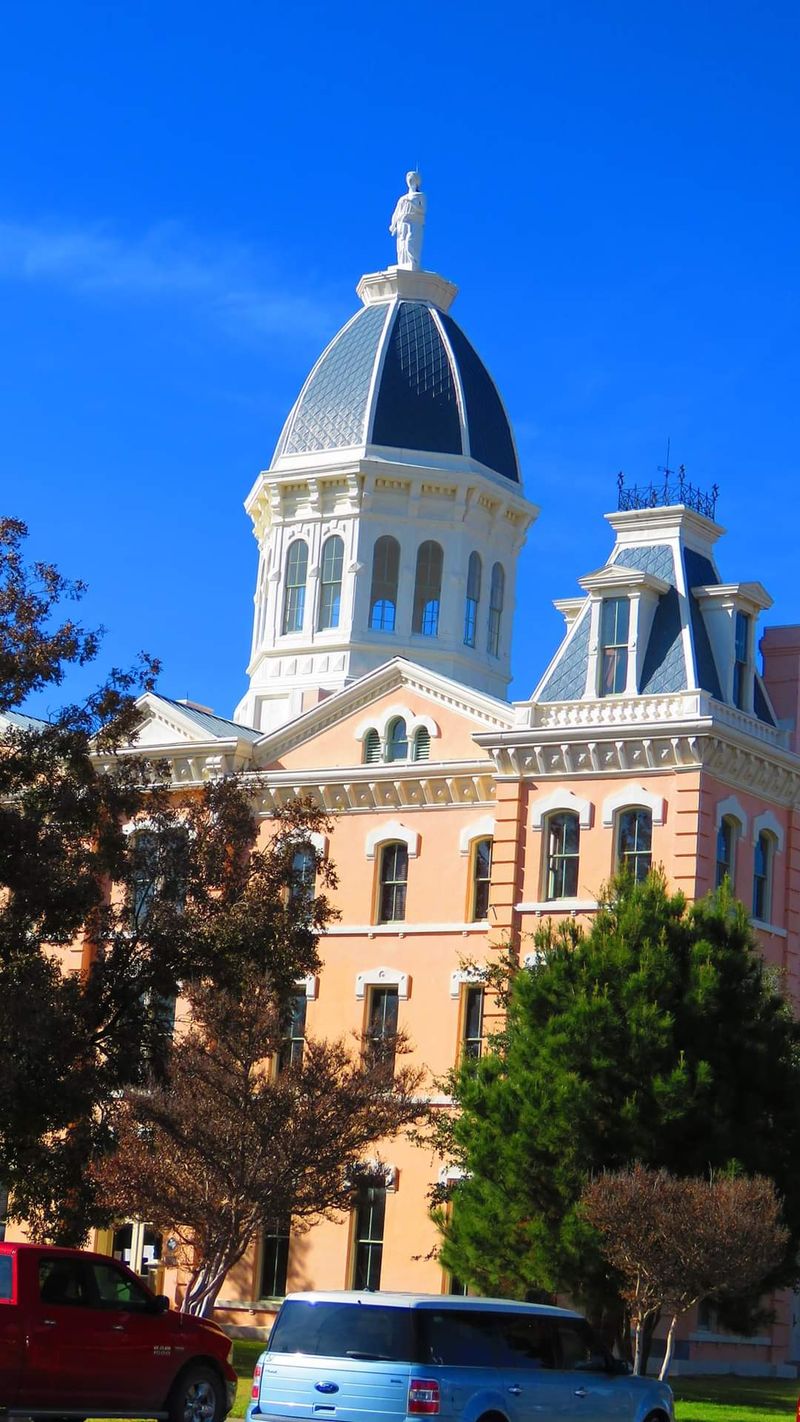
Marfa sits in the middle of West Texas desert like it dropped from another dimension entirely. This tiny town has become an unlikely art destination, drawing creatives and curious travelers from around the globe.
The juxtaposition of high desert emptiness and cutting-edge contemporary art creates something you won’t find anywhere else.
The Chinati Foundation anchors the art scene with massive installations housed in former military buildings. Donald Judd’s concrete boxes stretch across the landscape, and the scale of the work matches the vastness of the surrounding desert.
But Marfa isn’t just about serious art, there’s also the Prada Marfa installation, a fake storefront that’s become one of the most photographed spots in Texas.
Then there are the Marfa Lights, mysterious glowing orbs that appear in the distance at night with no clear explanation. Scientists have theories, but locals prefer the mystery.
The town itself has great food, quirky shops, and a laid-back vibe that somehow coexists with its sophisticated art world reputation.
Walking through Marfa feels like being in on a secret. It’s a place that shouldn’t exist where it does, but that’s exactly what makes it special.
3. Gruene
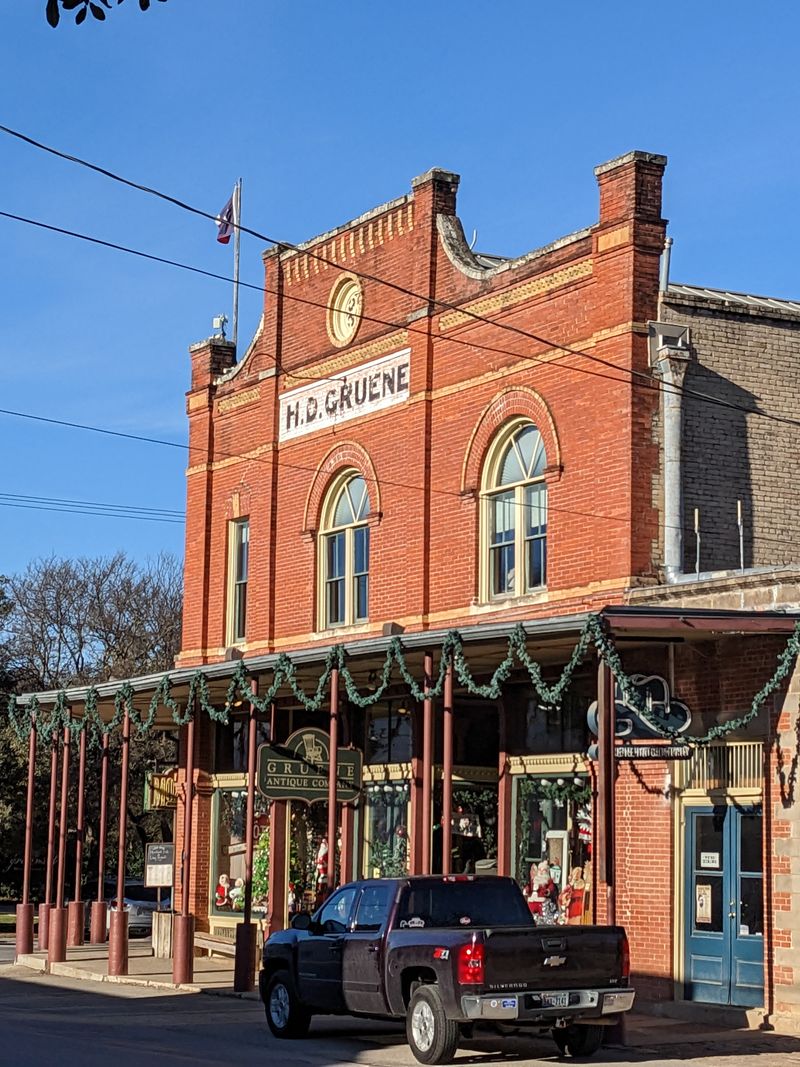
Gruene has managed to preserve its 19th-century charm while still feeling alive and welcoming. Technically part of New Braunfels now, it operates as its own historic district with buildings that look like they haven’t changed in over a century.
The centerpiece is Gruene Hall, Texas’s oldest continually operating dance hall, where the wooden floors have been worn smooth by generations of boots.
Live music happens almost every night at the hall, and the lineup ranges from local bands to nationally known acts. The acoustics are perfect, the atmosphere is relaxed, and there’s something about dancing in a building that’s been hosting the same kind of fun since 1878.
Outside, the Guadalupe River flows past, offering tubing and swimming when the Texas heat gets intense.
The rest of Gruene consists of antique shops, boutiques, and restaurants housed in restored buildings. Everything feels authentic rather than manufactured for tourists.
You can browse for hours, stop for lunch at a riverside spot, and still feel like you’re experiencing something real.
I appreciate how Gruene hasn’t tried to modernize itself into something slick. It’s kept its character intact, and that’s what keeps people coming back.
4. Jefferson
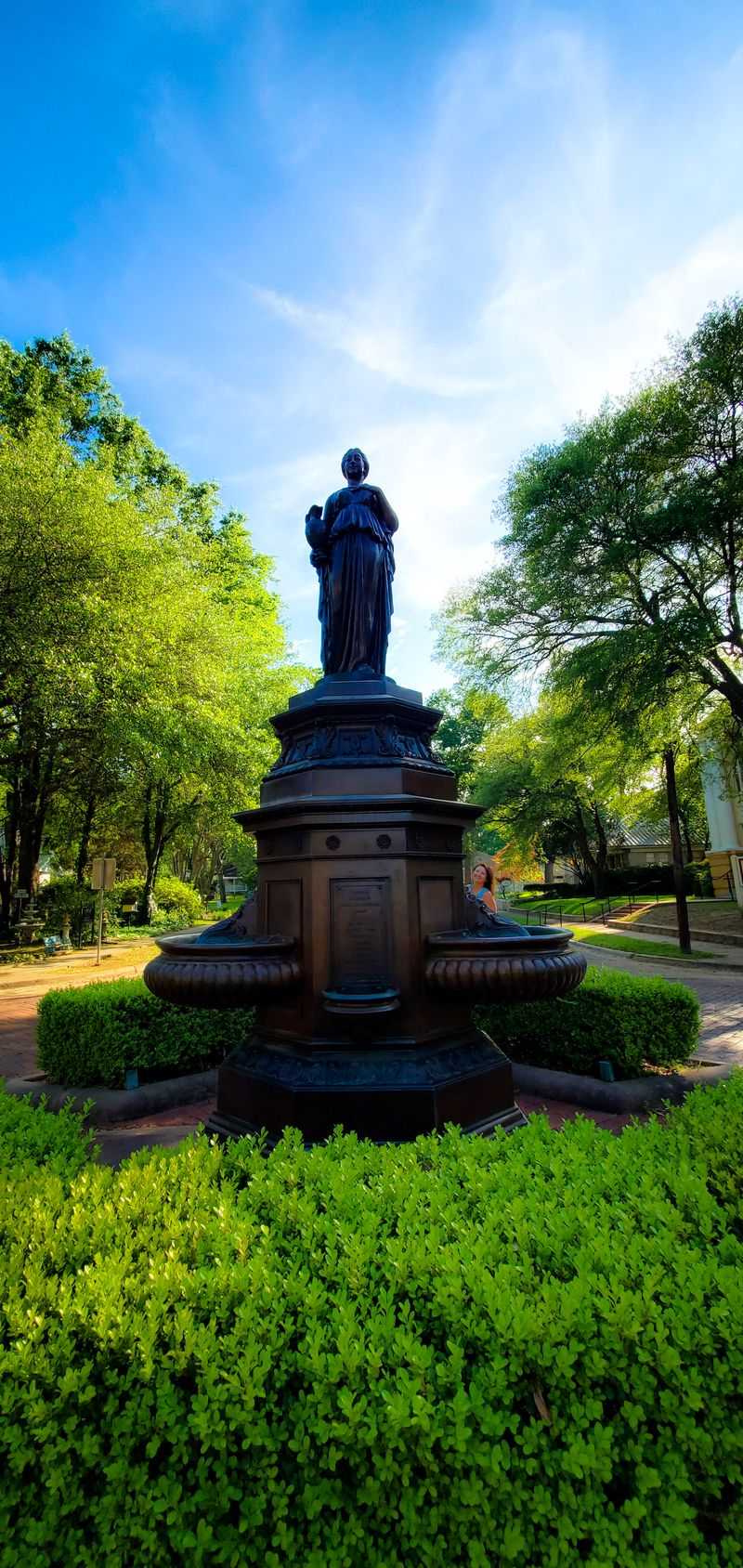
Jefferson looks like it was frozen in time somewhere around 1870, with Victorian mansions and brick storefronts lining streets that haven’t changed much in over a century. This East Texas town was once a major riverport, and that prosperity left behind some seriously impressive architecture.
Now it’s a haven for antique hunters, history buffs, and anyone who loves a good ghost story.
The bed-and-breakfasts here are legendary, many housed in restored historic homes with period furnishings and owners who know every detail of the building’s past. Some claim their establishments are haunted, and whether you believe in ghosts or not, the stories add an extra layer of intrigue.
The museums are equally quirky, covering everything from local history to oddities that defy easy categorization.
Walking through downtown feels like stepping onto a movie set, except everything is real and still in use. The antique shops are packed with genuine finds, not reproductions, and the locals are happy to share stories about the town’s colorful past.
Jefferson was nearly abandoned when the railroad bypassed it, but that neglect is what saved its historic character.
It’s a town that rewards slow exploration and conversation.
5. Port Isabel
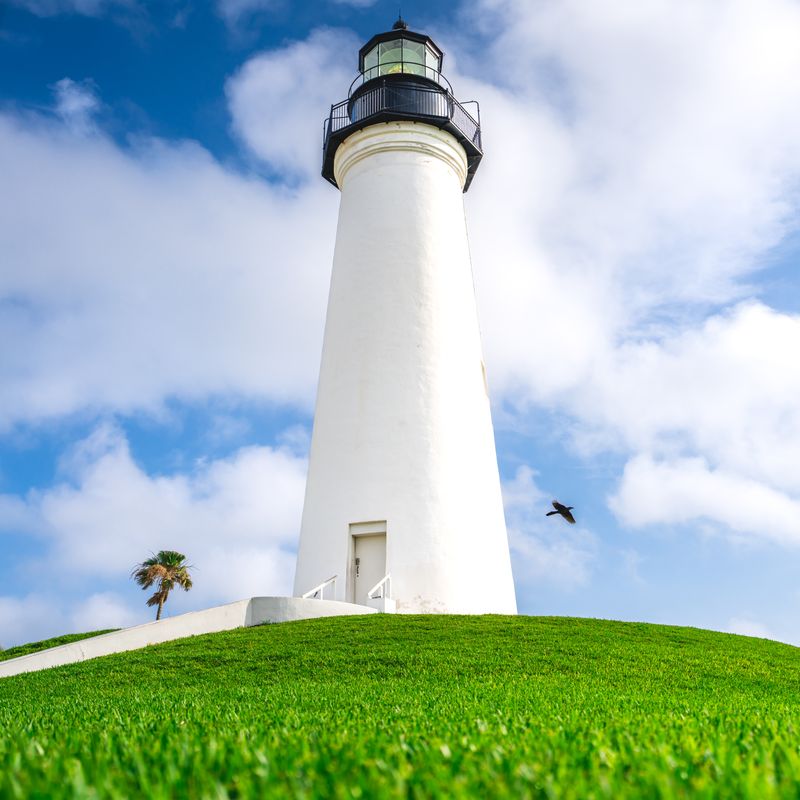
Port Isabel sits near the southern tip of Texas, just a bridge away from South Padre Island but with a completely different personality. This is one of the state’s oldest towns, dating back to the 18th century, and it wears that history comfortably.
The bright white lighthouse dominates the skyline, a beacon that’s been guiding ships since 1852 and now welcomes visitors who climb its stairs for views across the Gulf.
The town has a relaxed coastal vibe that feels more authentic than the resort atmosphere of its famous neighbor. Sea-themed shops line the streets, selling everything from fishing gear to handmade crafts, and the restaurants serve fresh seafood without the tourist markup.
The harbor is still active, with shrimp boats coming and going, reminding you this is a working waterfront town.
I like how Port Isabel hasn’t tried to compete with South Padre’s party scene. It’s content being the quieter, more historic option, the place where you go to actually relax rather than to be seen.
The maritime museum tells the story of the area’s nautical heritage, and the historic sites connect you to battles and events that shaped Texas history.
It’s a coastal town with substance beneath the charm.
6. Fredericksburg
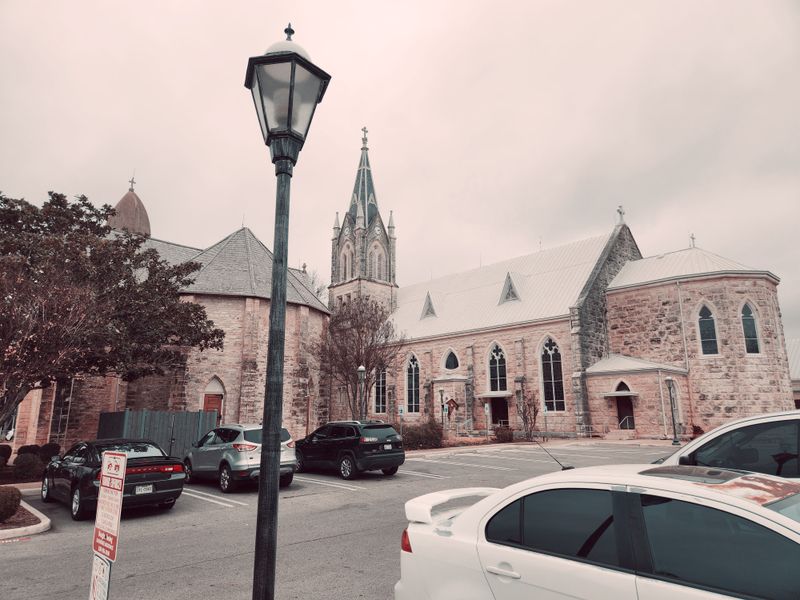
Fredericksburg brings a surprising slice of German heritage to the Texas Hill Country, founded by German immigrants in 1846 and still proud of those roots. Main Street stretches for blocks, lined with shops, bakeries, and restaurants that blend Texas and German influences in the best possible ways.
You can browse for hours, stopping for schnitzel or barbecue depending on your mood.
The town is also the gateway to Texas wine country, with dozens of vineyards and tasting rooms scattered across the surrounding hills. Many are within easy driving distance, making Fredericksburg a perfect base for exploring the region’s growing wine scene.
The combination of German food, Texas hospitality, and Hill Country scenery creates something uniquely appealing.
History buffs will appreciate the Admiral Nimitz Museum, dedicated to the World War II Pacific commander who was born here. The museum is surprisingly comprehensive, with exhibits that rival much larger institutions.
Beyond that, the town has preserved many of its 19th-century buildings, giving the whole place a lived-in historic feel rather than a theme park vibe.
Weekends get busy, especially during peach season, but even the crowds can’t diminish Fredericksburg’s charm. It’s a town that knows what it is and does it exceptionally well.
7. Terlingua
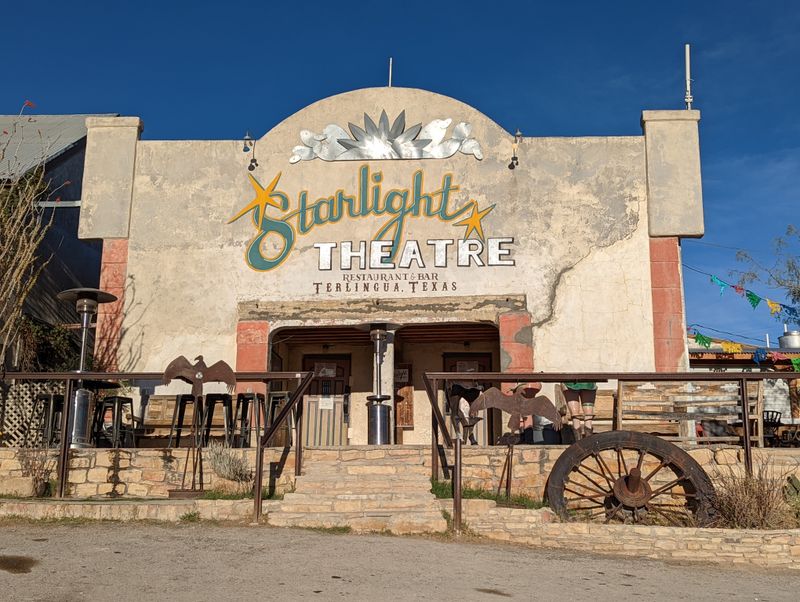
Terlingua exists on the edge of everything, a former mining town that’s now a loose collection of artists, river guides, and people who prefer their solitude with a side of spectacular desert scenery. Located near Big Bend National Park, it serves as a base camp for exploring one of the most remote corners of Texas.
The ruins of the old mining operation still stand, creating an atmospheric backdrop that photographers love.
The town is famous for its annual chili cook-off, which draws thousands of people to this tiny desert outpost every November. The rest of the year, it’s much quieter, with just enough businesses to serve visitors heading to or from the park.
The Starlight Theatre, a renovated old building, serves as restaurant, bar, and music venue, becoming the social center when the sun goes down.
What strikes me most about Terlingua is how it embraces its rough edges. This isn’t a polished tourist town trying to be cute.
It’s genuine frontier living with modern conveniences, a place where people come to escape rather than to be entertained. The night skies are among the darkest in the country, and the silence can be profound.
Terlingua won’t be for everyone, but for those it calls to, it’s unforgettable.
8. Salado
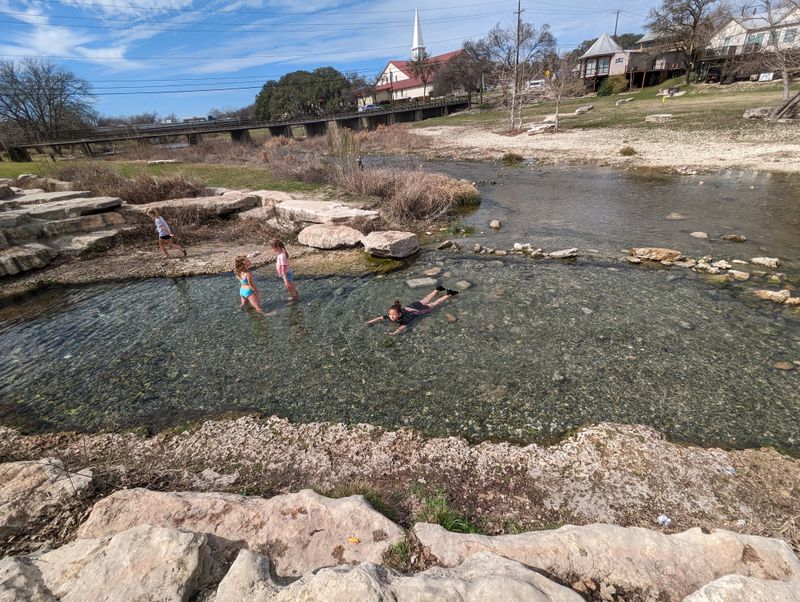
Salado grew up around a natural spring-fed creek, and that water still defines the town’s character today. Shaded by massive trees and lined with historic buildings, the village feels like a peaceful retreat from the modern world.
It’s located almost exactly halfway between Austin and Waco, making it a natural stopping point that many travelers discover by accident and return to on purpose.
The main street is packed with galleries, antique shops, and boutiques, many housed in 19th-century buildings that have been lovingly restored. Local artists have a strong presence, and you’ll find everything from paintings to pottery to handmade furniture.
The quality is consistently high, and browsing feels more like visiting studios than shopping in typical tourist stores.
Salado Creek runs through the heart of town, creating shady spots perfect for picnicking or just sitting and listening to the water. Several restaurants have outdoor seating overlooking the creek, and there’s something deeply relaxing about eating lunch with that view.
The old mill buildings add historic texture, reminding you this was once a thriving agricultural center.
The town has managed to grow its tourism economy without losing its soul. It still feels like a real place where real people live, not just a collection of shops.
9. Alpine
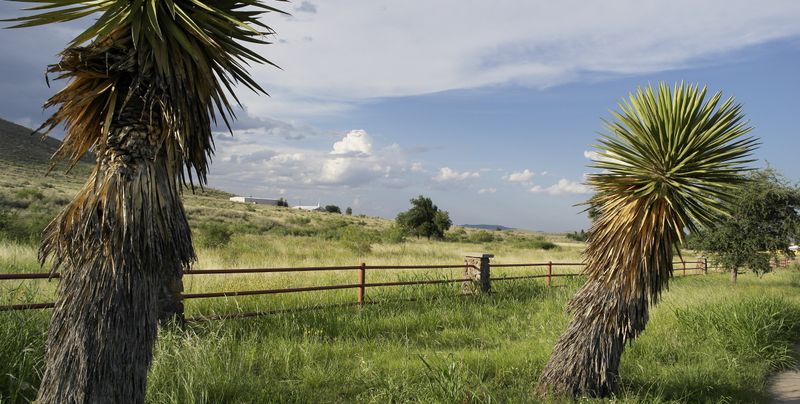
Alpine serves as the cultural and commercial hub of the Big Bend region, which tells you something about how remote this part of Texas really is. Home to Sul Ross State University, it has an energy and diversity you wouldn’t expect from a town of 6,000 people surrounded by hundreds of miles of desert.
The students and faculty bring an intellectual and artistic current that influences everything from the restaurants to the galleries.
The Museum of the Big Bend on campus offers excellent context for understanding the region’s natural and cultural history. The exhibits cover everything from prehistoric peoples to ranching history to contemporary art inspired by the landscape.
It’s the kind of small museum that punches above its weight, and admission is free.
Downtown Alpine has been revitalized in recent years, with new restaurants, coffee shops, and stores filling once-empty buildings. The architecture is classic West Texas, low and practical, but the businesses inside are often surprisingly sophisticated.
You can get excellent coffee, browse contemporary art, and stock up on supplies for exploring Big Bend all within a few blocks.
Alpine feels like an oasis in more ways than one, offering both physical amenities and cultural stimulation in an otherwise sparse landscape.
10. Rockport
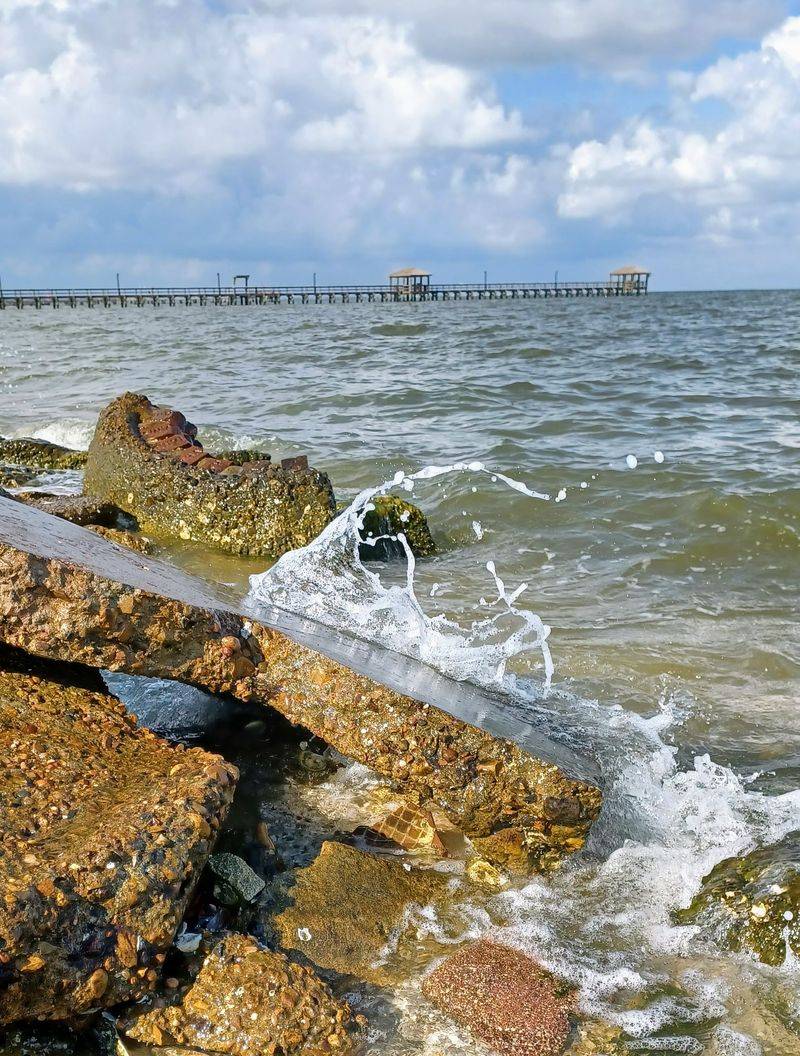
Rockport sits on the Gulf Coast north of Corpus Christi, and it’s built its identity around art, fishing, and a laid-back coastal lifestyle that feels genuine rather than manufactured.
The town has attracted artists for decades, drawn by the quality of light and the abundance of subjects, from weathered boats to shore birds to dramatic coastal skies.
Galleries line the downtown streets, showcasing work that ranges from traditional maritime scenes to contemporary abstracts.
The harbor remains active with shrimp boats and charter fishing operations, giving the town a working waterfront feel that many coastal communities have lost. You can watch boats come and go, buy fresh seafood directly from the source, and get a real sense of how the Gulf sustains the local economy.
The beaches aren’t as dramatic as those farther south, but they’re perfect for shell collecting and watching wading birds.
Rockport was hit hard by Hurricane Harvey in 2017, and the recovery has been long and challenging. But the town has rebuilt with resilience, and that strength of character is palpable when you visit.
The famous Rockport oak tree, estimated to be over 500 years old, survived the storm and stands as a symbol of endurance.
This is a town that knows how to weather storms, literal and otherwise.
11. Bandera
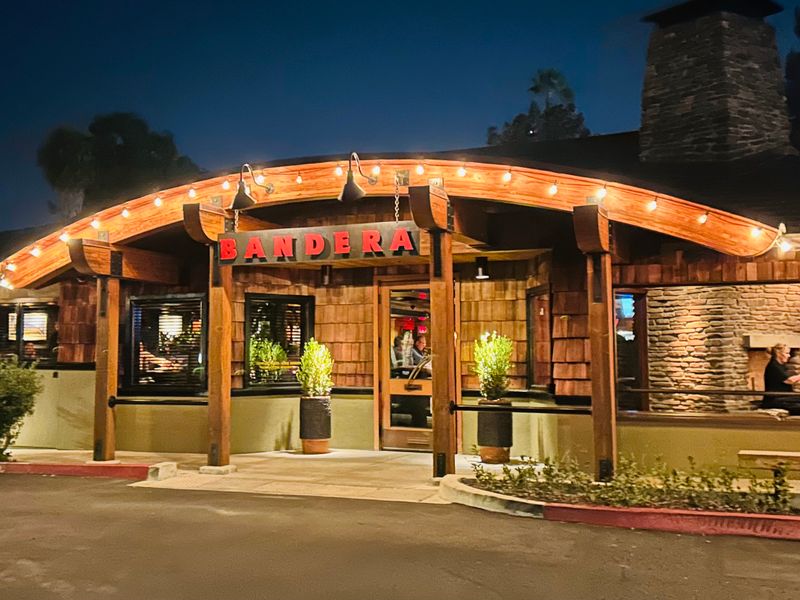
Bandera calls itself the Cowboy Capital of the World, and while that’s a bold claim, the town backs it up with genuine ranching heritage and a Western atmosphere that doesn’t feel put on for tourists.
Dude ranches surround the town, offering visitors a chance to experience ranch life, ride horses, and sleep under Hill Country stars.
The Medina River flows through town, providing swimming and tubing opportunities when you need a break from playing cowboy.
The main street looks like it could be a movie set, with wooden storefronts and Western wear shops that cater to working cowboys as much as to visitors. Several dance halls host live country music on weekends, and the crowds are a mix of locals and tourists, all there to two-step and enjoy the music.
The atmosphere is welcoming, with none of the exclusivity you might fear in a place with such strong local identity.
Rodeos happen regularly during the warmer months, and these aren’t tourist shows but real competitions where local cowboys test their skills. Watching a rodeo in Bandera feels like witnessing something authentic, a tradition that’s still very much alive.
The town takes its cowboy heritage seriously while still being friendly to newcomers.
It’s Western culture without the kitsch.
12. Comfort
Comfort was founded by German freethinkers in the 1850s, and that independent spirit still permeates the town today. The entire downtown is a National Historic District, with over 100 buildings from the 19th century still standing and in use.
Walking these streets feels like time travel, but with the benefit of modern amenities hidden inside those old limestone and wood structures.
The Treue der Union monument stands in the center of town, commemorating German Texans who opposed secession during the Civil War and paid for that stance with their lives. It’s a powerful reminder that Texas history is more complex than the simplified versions often told.
The town’s commitment to preserving this and other historical markers shows a seriousness about remembering the past accurately.
Antique shops dominate the commercial landscape, and these aren’t the kind filled with reproductions and crafts. You’ll find genuine period pieces, architectural salvage, and vintage items that tell stories of earlier eras.
Several excellent restaurants have opened in recent years, bringing sophisticated food to this small Hill Country town without changing its essential character.
Comfort has found a way to honor its past while remaining relevant in the present. That balance is harder to achieve than it looks.
Dear Reader: This page may contain affiliate links which may earn a commission if you click through and make a purchase. Our independent journalism is not influenced by any advertiser or commercial initiative unless it is clearly marked as sponsored content. As travel products change, please be sure to reconfirm all details and stay up to date with current events to ensure a safe and successful trip.
