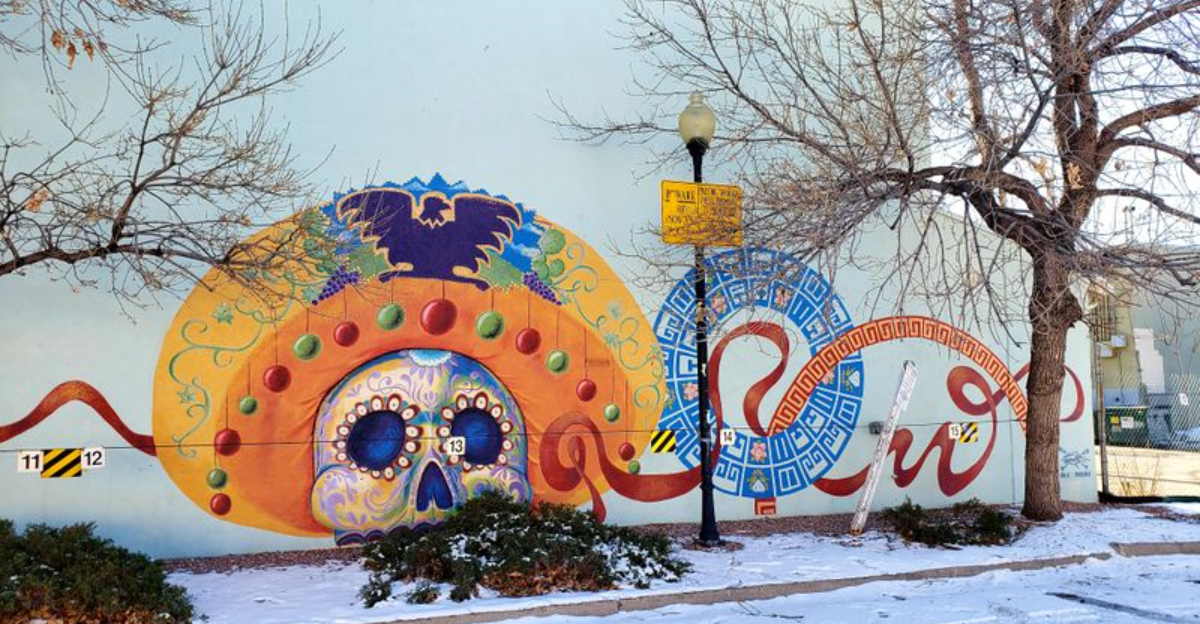
Santa Fe, nestled in the high desert at the base of the Sangre de Cristo Mountains, has captivated travelers for centuries with its distinctive blend of artistic energy and historic southwestern charm.
This ancient city, founded in 1610, draws visitors from around the world who seek to experience its unique Pueblo-style architecture, thriving gallery scene, and rich cultural tapestry woven from Native American, Spanish, and Anglo traditions.
Walking through the winding adobe-lined streets feels like stepping into a living museum where modern creativity thrives alongside centuries-old customs.
Whether you’re an art enthusiast, history buff, or simply someone searching for a place where authenticity still matters, Santa Fe offers an unforgettable journey through one of America’s most enchanting destinations.
The Historic Plaza: Heart of Santa Fe’s Soul
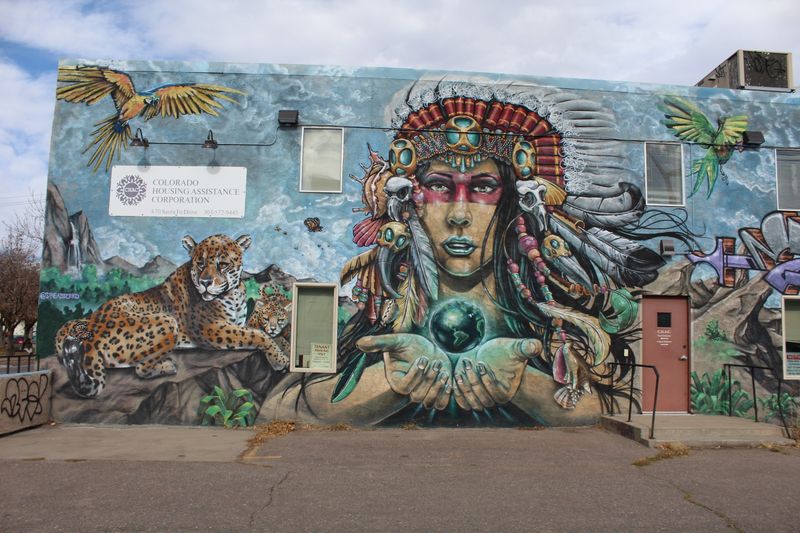
At the center of Santa Fe sits the Plaza, a gathering space that has witnessed over four centuries of history and remains the beating heart of this remarkable city.
Native American artisans spread their handcrafted jewelry, pottery, and textiles beneath the portal of the Palace of the Governors, continuing a trading tradition that dates back generations.
The Plaza transforms with the seasons, hosting summer concerts, autumn art markets, and winter festivities that bring the community together.
Surrounding the square, galleries, restaurants, and shops occupy historic buildings with thick adobe walls that keep interiors cool during hot summer days.
Benches shaded by mature trees offer perfect spots for people-watching while absorbing the relaxed pace that defines Santa Fe living.
Street performers occasionally entertain passersby with music that ranges from traditional Spanish guitar to contemporary folk.
The Plaza serves as the starting point for exploring the surrounding historic district, where narrow streets wind past architectural treasures.
Every corner reveals another layer of the city’s complex cultural heritage, from Spanish colonial influences to Native American traditions.
Visitors often return to the Plaza multiple times during their stay, discovering new details with each visit.
Morning light creates dramatic shadows across the adobe facades, while evening brings a golden glow that photographers find irresistible.
The Plaza represents more than just a tourist attraction; it remains a genuine community gathering place where locals and visitors mingle freely.
This enduring space captures the essence of what makes Santa Fe special: a place where history lives and breathes in everyday moments.
Canyon Road: A Gallery-Lined Treasure Trail
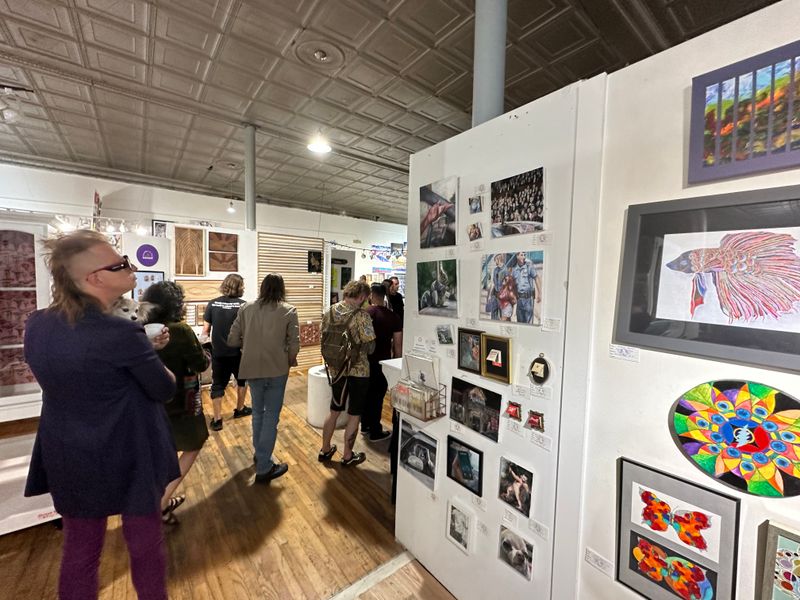
Canyon Road stretches for half a mile through what has become one of the most concentrated art districts in North America, housing over one hundred galleries within walking distance.
Originally a burro trail used by indigenous peoples, this historic street evolved into an artists’ colony during the early twentieth century when painters discovered the area’s extraordinary light.
Today, galleries showcase everything from traditional southwestern landscapes to cutting-edge contemporary installations, reflecting Santa Fe’s diverse artistic vision.
Adobe walls painted in earth tones provide the perfect backdrop for colorful sculptures positioned in courtyards and gardens.
Friday evenings during summer months bring special gallery openings where wine flows freely and artists mingle with collectors and curious visitors.
Small cafes and restaurants tucked between galleries offer respites where you can discuss the art you’ve encountered over lunch or coffee.
The street climbs gently upward, rewarding those who reach the top with mountain views and a sense of accomplishment.
Each gallery maintains its own personality, from formal spaces displaying museum-quality works to casual studios where you might meet artists at work.
Wandering Canyon Road requires no particular agenda or schedule; the pleasure comes from spontaneous discoveries and unexpected conversations.
Sculpture gardens invite visitors to step off the sidewalk and experience art in three dimensions surrounded by native plants.
Even if you’re not in the market to purchase, gallery owners typically welcome browsers who appreciate the creative energy.
This remarkable street proves that art thrives when given space to breathe and a community committed to nurturing creativity.
Palace of the Governors: Where History Speaks
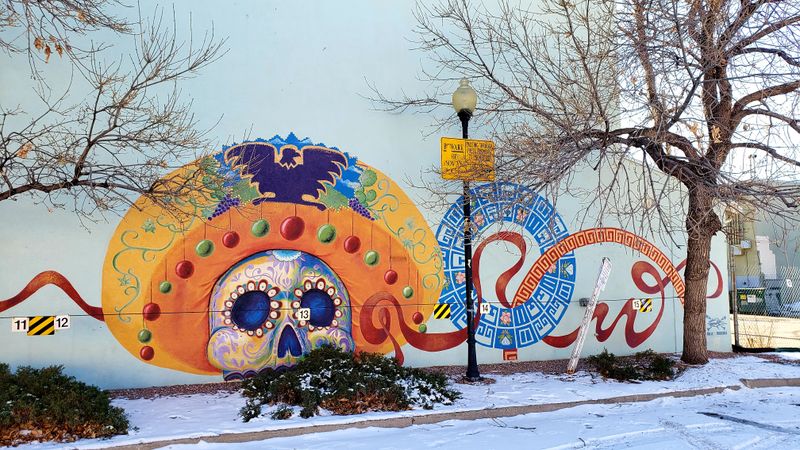
Built in the early 1600s, the Palace of the Governors stands as the oldest continuously occupied public building in the United States, its thick adobe walls holding centuries of stories.
This low-slung structure along the Plaza’s north side now houses the New Mexico History Museum, offering visitors a comprehensive journey through the region’s complex past.
Exhibits explore the layered history of Native American pueblos, Spanish colonization, Mexican rule, and American territorial periods with artifacts and thoughtful interpretation.
The building itself served as the seat of government under Spanish, Mexican, and American flags, witnessing political intrigue and cultural transformation.
Walking through rooms with massive wooden beams called vigas and small windows designed for defense transports you to an earlier era.
Outside, beneath the portal’s shaded walkway, Native American artists from various pueblos display their work daily, a practice protected by law since 1957.
Purchasing directly from these artists ensures authenticity and supports traditional craftspeople maintaining skills passed down through generations.
The museum’s permanent collection includes rare maps, historical photographs, and personal items that illuminate daily life across different periods.
Special exhibitions rotate regularly, exploring specific aspects of southwestern history with scholarly depth and accessible presentation.
Knowledgeable docents offer insights that bring the past to life, answering questions and sharing stories not found on display labels.
The Palace represents a tangible connection to Santa Fe’s founding, reminding visitors that this city’s roots run deeper than most American communities.
Standing in these historic rooms, you can almost hear echoes of the countless people who shaped this region’s remarkable story.
Georgia O’Keeffe Museum: Celebrating an Icon
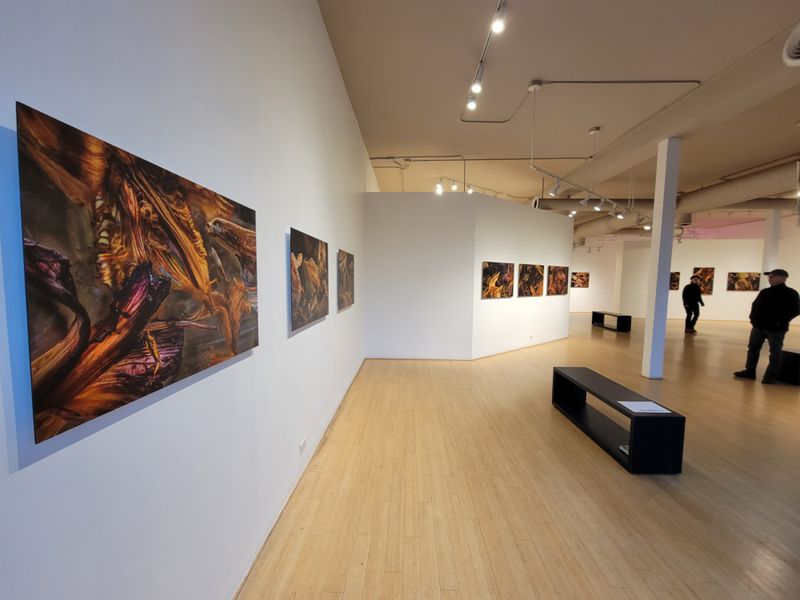
Georgia O’Keeffe fell in love with New Mexico’s landscape during her first visit in 1929, and that passion ultimately led to the creation of a museum dedicated solely to her work.
Located at 217 Johnson Street, just blocks from the Plaza, this intimate museum houses the world’s largest collection of O’Keeffe’s paintings, drawings, and sculptures.
The building’s clean, modern interior provides an elegant setting for O’Keeffe’s bold flowers, stark bones, and luminous desert landscapes.
Rotating exhibitions drawn from the permanent collection ensure that repeat visitors encounter fresh perspectives on the artist’s six-decade career.
O’Keeffe’s connection to northern New Mexico runs deep; she eventually made the area her permanent home, finding endless inspiration in its dramatic geology and vast skies.
The museum offers guided tours that explore her artistic evolution and the profound influence that New Mexico’s landscape exerted on her vision.
Visitors gain understanding not just of O’Keeffe’s famous flower paintings but also her less familiar abstractions and architectural studies.
The museum shop stocks excellent books, prints, and objects inspired by O’Keeffe’s aesthetic, allowing you to take home a piece of her vision.
Special programs and lectures throughout the year examine O’Keeffe’s legacy and her place within American modernism.
Standing before her large-scale canvases, you experience the same sense of wonder that drew this pioneering artist to New Mexico’s high desert.
The museum also organizes tours to O’Keeffe’s former homes in Abiquiu and Ghost Ranch, offering deeper insight into her life and creative process.
For art lovers, this museum represents an essential pilgrimage to honor an artist who helped define American modernism.
Meow Wolf: Where Imagination Runs Wild
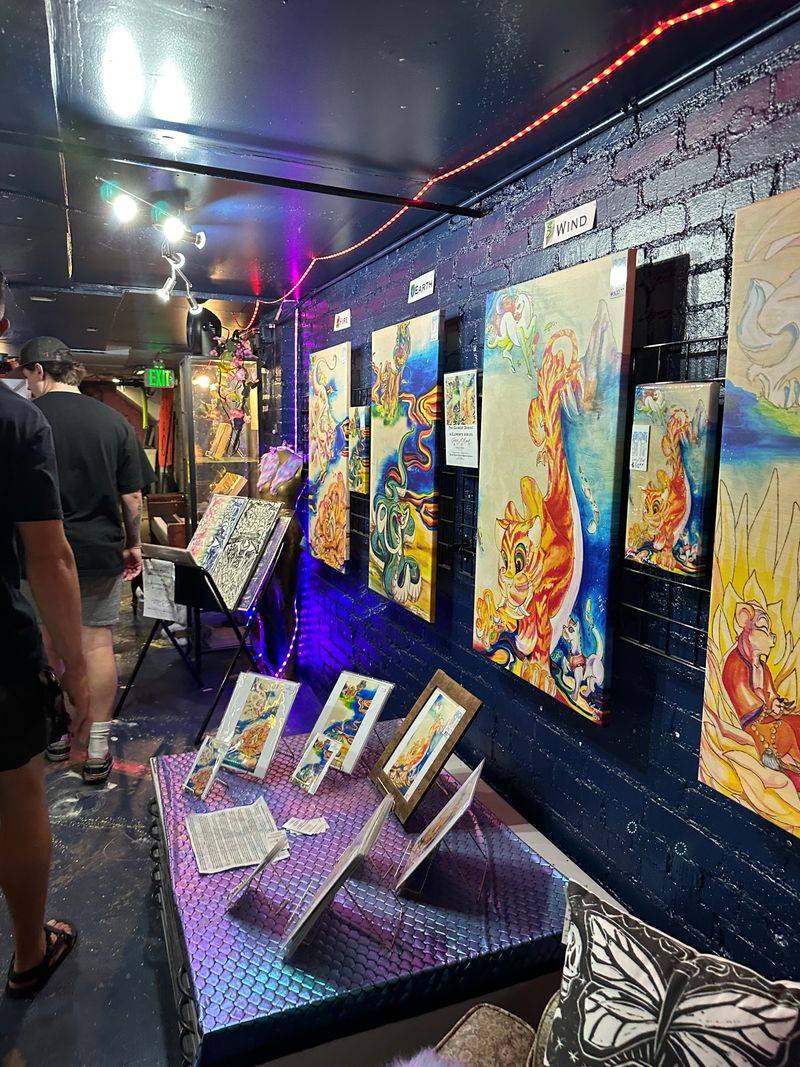
Santa Fe’s artistic reputation took an unexpected turn when Meow Wolf opened its first permanent installation, transforming a former bowling alley into an immersive, interactive art experience unlike anything else.
This isn’t a traditional museum where you quietly observe from a distance; instead, you become part of the art, crawling through refrigerators, opening mysterious drawers, and piecing together a narrative woven throughout the space.
The House of Eternal Return presents a Victorian house that serves as a portal to dozens of fantastical rooms and dimensions.
Neon lights, surreal sculptures, and hidden passages create an environment that appeals equally to children’s sense of wonder and adults’ appreciation for creative risk-taking.
A collective of young artists conceived this project, and their collaborative energy radiates from every corner of the sprawling installation.
You might spend hours exploring and still discover new details, secret passages, and Easter eggs hidden within the elaborate sets.
The experience challenges conventional ideas about how people engage with art, encouraging touching, climbing, and exploration rather than passive observation.
Live music performances and special events regularly activate different areas of the space, adding another layer to the experience.
Meow Wolf represents Santa Fe’s continuing evolution as an art destination, proving that the city embraces innovation alongside tradition.
Families find particular joy here, as children can run freely through the installations while parents marvel at the artistic ambition.
The project’s success has inspired expansions to other cities, but the Santa Fe original maintains a special magic rooted in the creative community that birthed it.
This bold experiment in participatory art demonstrates that Santa Fe’s artistic spirit continues to push boundaries and surprise visitors.
The Cathedral Basilica: Faith in Adobe Country
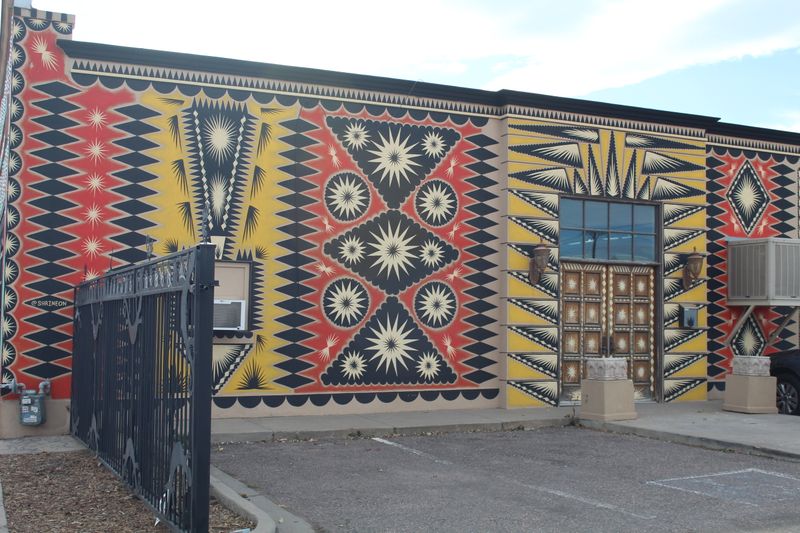
Rising above the low adobe skyline, the Cathedral Basilica of St. Francis of Assisi surprises visitors with its Romanesque Revival style, a dramatic departure from Santa Fe’s dominant architectural vocabulary.
Archbishop Jean Baptiste Lamy commissioned this stone cathedral in the 1860s, seeking to bring European ecclesiastical grandeur to the frontier.
The building’s construction took decades, and it eventually incorporated elements of an earlier adobe church that stood on the same site.
Inside, beautiful stained glass windows filter New Mexico’s brilliant sunlight into pools of colored light across wooden pews and stone floors.
A small chapel to the left of the main altar houses La Conquistadora, a small wooden statue of the Virgin Mary brought to Santa Fe in 1625, making it the oldest representation of Mary in the United States.
This statue holds deep significance for local Hispanic Catholics, who maintain centuries-old devotional traditions connected to it.
The cathedral’s architecture reflects the cultural tensions and transformations that marked New Mexico’s transition from Mexican territory to American possession.
Visitors of all faiths appreciate the building’s serene atmosphere and the craftsmanship evident in its construction and decoration.
The cathedral sits at 131 Cathedral Place, within easy walking distance of the Plaza and other downtown attractions.
Attending a service here offers insight into the Catholic faith’s enduring influence on Santa Fe’s cultural identity.
Even outside religious services, the cathedral welcomes visitors who wish to sit quietly, light a candle, or simply admire the architecture.
This sacred space reminds us that Santa Fe’s story includes spiritual dimensions as important as its artistic and commercial histories.
Santa Fe Farmers Market: Fresh Flavors and Community
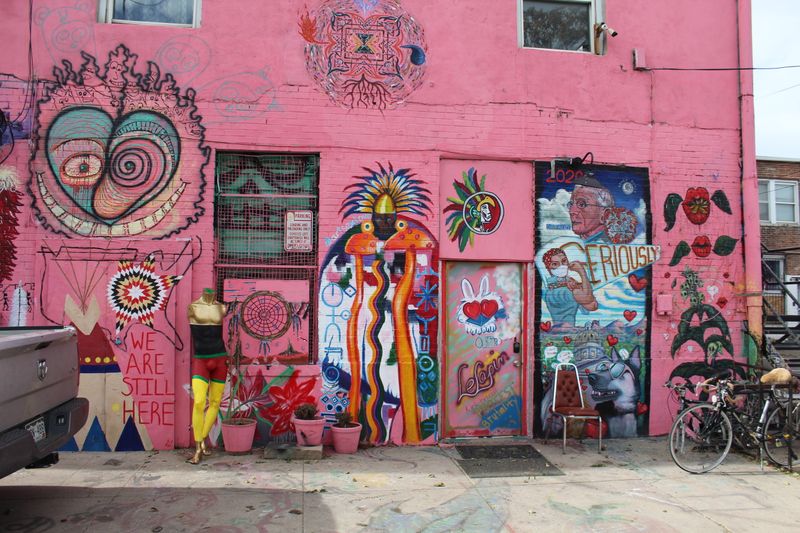
Every Saturday morning, locals and visitors gather at the Santa Fe Farmers Market at 1607 Paseo de Peralta, where the aroma of roasting green chiles mingles with fresh-baked bread and locally roasted coffee.
This isn’t just a place to buy groceries; it’s a social institution where the community comes together to celebrate regional agriculture and culinary traditions.
Vendors offer produce grown in the challenging high desert climate, from heirloom tomatoes to specialty melons that thrive in intense sunlight and cool nights.
New Mexico’s famous chiles take center stage during late summer and fall, with farmers offering guidance on heat levels and preparation methods.
Artisan bakers sell whole grain loaves and pastries made with local grains, while ranchers offer grass-fed beef and lamb raised on surrounding rangelands.
The market operates year-round, adapting to seasons with root vegetables and preserved goods during colder months.
Musicians often perform near the entrance, adding a festive atmosphere to the morning shopping experience.
Prepared food vendors serve breakfast burritos, tamales, and other regional specialties perfect for eating while you browse.
Children run between stalls while parents chat with farmers about growing conditions and recipe ideas.
The market building’s modern design incorporates sustainable features and provides shelter during unpredictable mountain weather.
Shopping here connects you directly to the land and the people who work it, offering a taste of New Mexico’s agricultural heritage.
This vibrant market proves that Santa Fe’s appeal extends beyond art galleries to include a thriving food culture rooted in local ingredients and traditions.
Museum Hill: A Cultural Cluster
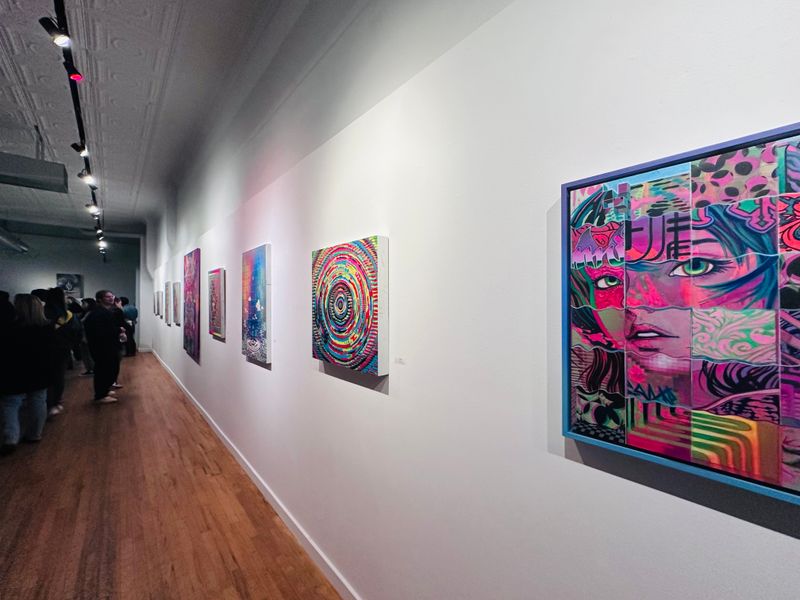
Perched on a hillside southeast of downtown, Museum Hill brings together four exceptional museums within walking distance, creating a cultural destination that could easily fill an entire day.
The Museum of International Folk Art houses the world’s largest collection of folk art, displaying textiles, toys, religious objects, and everyday items from over one hundred countries.
Walking through galleries filled with colorful costumes, intricate masks, and whimsical figures reveals the universal human impulse to create beauty and meaning.
The Museum of Indian Arts and Culture explores Native American history and contemporary life with sensitivity and depth, featuring pottery, jewelry, textiles, and multimedia installations.
Exhibits examine how indigenous peoples adapted to Spanish colonization while maintaining cultural continuity across generations.
The Wheelwright Museum of the American Indian focuses specifically on southwestern tribes, offering rotating exhibitions of traditional and contemporary Native art.
The Museum of Spanish Colonial Art celebrates the artistic traditions brought from Spain and Mexico, including religious paintings, furniture, and metalwork.
Between museum visits, you can walk trails that wind through piñon and juniper woodlands, offering views across Santa Fe toward distant mountains.
A cafe provides refreshments and a chance to process the cultural riches you’ve encountered.
Museum Hill receives fewer crowds than downtown attractions, creating a more contemplative atmosphere for serious exploration.
The concentration of museums allows you to draw connections between different cultural traditions and understand how they’ve influenced one another.
This hilltop complex demonstrates Santa Fe’s commitment to preserving and interpreting the diverse cultural streams that flow through New Mexico’s history.
The Railyard District: Where Old Meets New
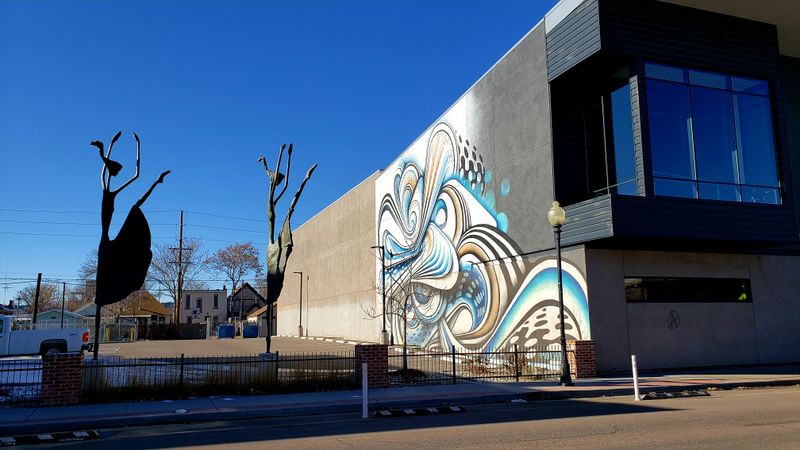
South of downtown, the Railyard District showcases Santa Fe’s ability to honor industrial heritage while creating vibrant contemporary spaces for dining, shopping, and cultural experiences.
Old railroad warehouses have been transformed into galleries, restaurants, and performance venues that attract both locals and visitors seeking a different flavor from the historic Plaza area.
The Saturday farmers market takes place here, but the district buzzes with activity throughout the week.
SITE Santa Fe, located at 1606 Paseo de Peralta, presents cutting-edge contemporary art exhibitions that complement the more traditional galleries found on Canyon Road.
This non-profit space has earned international recognition for its biennial exhibitions featuring emerging and established artists working in various media.
The Railyard Park provides green space where families picnic, dogs play, and community events bring people together under the big New Mexico sky.
Restaurants in the district range from casual cafes to upscale dining rooms, many emphasizing locally sourced ingredients and creative interpretations of regional cuisine.
The Second Street Brewery at 1607 Paseo de Peralta offers craft beers and pub food in a relaxed atmosphere popular with locals.
Shops sell everything from vintage clothing to handcrafted furniture, reflecting the area’s eclectic, creative energy.
The district’s pedestrian-friendly design encourages wandering and discovery, with wide sidewalks and interesting architecture at every turn.
Evening brings a different energy as restaurants fill and live music spills from venues into the streets.
The Railyard proves that Santa Fe’s creative spirit extends beyond traditional art forms to include innovative urban planning and community building.
Sunset Views from Cross of the Martyrs
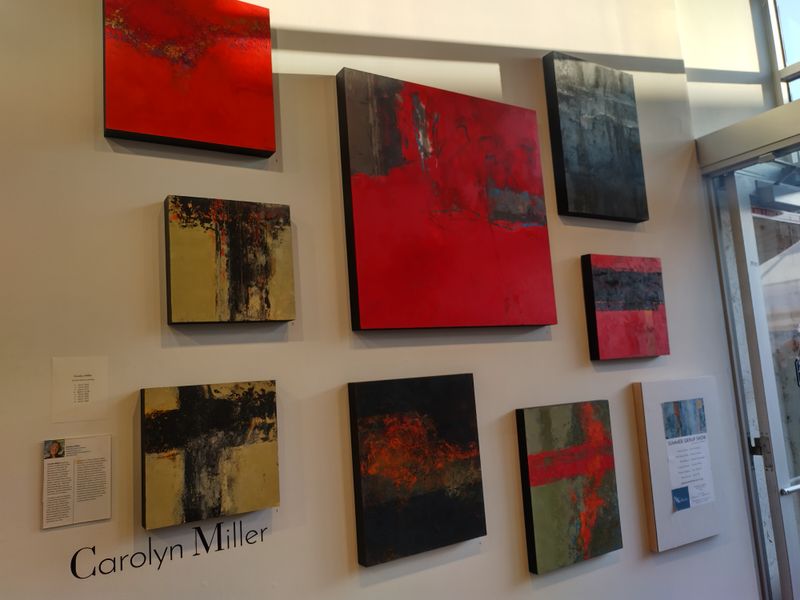
For the most spectacular views of Santa Fe and the surrounding landscape, locals head to the Cross of the Martyrs, a white monument perched on a hillside just north of downtown.
A short but steep trail climbs from Paseo de Peralta to the hilltop, rewarding hikers with panoramic vistas that extend across the city to the Jemez Mountains in the distance.
The cross commemorates Franciscan priests killed during the Pueblo Revolt of 1680, a pivotal event when indigenous peoples temporarily drove Spanish colonizers from New Mexico.
History aside, most visitors come for the views, especially during the golden hour before sunset when light transforms the landscape into layers of color.
The city spreads below in its characteristic earth tones, with the Plaza and cathedral visible among the adobe buildings.
Mountains frame the horizon in every direction, their profiles changing with the seasons from snow-covered peaks to dry summer ridges.
Photographers arrive early to claim the best positions, setting up tripods to capture the dramatic interplay of light and shadow.
Couples often choose this spot for quiet moments together, sitting on benches while the sky cycles through shades of pink, orange, and purple.
The trail remains accessible year-round, though winter visits require caution when snow or ice covers the path.
Early morning visits offer different rewards, with crisp air and the chance to watch the city wake up below.
This simple hilltop experience costs nothing but a little effort and provides perspective on Santa Fe’s setting within the high desert landscape.
Standing at the cross, you understand why people have been drawn to this place for centuries, captivated by its beauty and distinctive light.
Dear Reader: This page may contain affiliate links which may earn a commission if you click through and make a purchase. Our independent journalism is not influenced by any advertiser or commercial initiative unless it is clearly marked as sponsored content. As travel products change, please be sure to reconfirm all details and stay up to date with current events to ensure a safe and successful trip.
