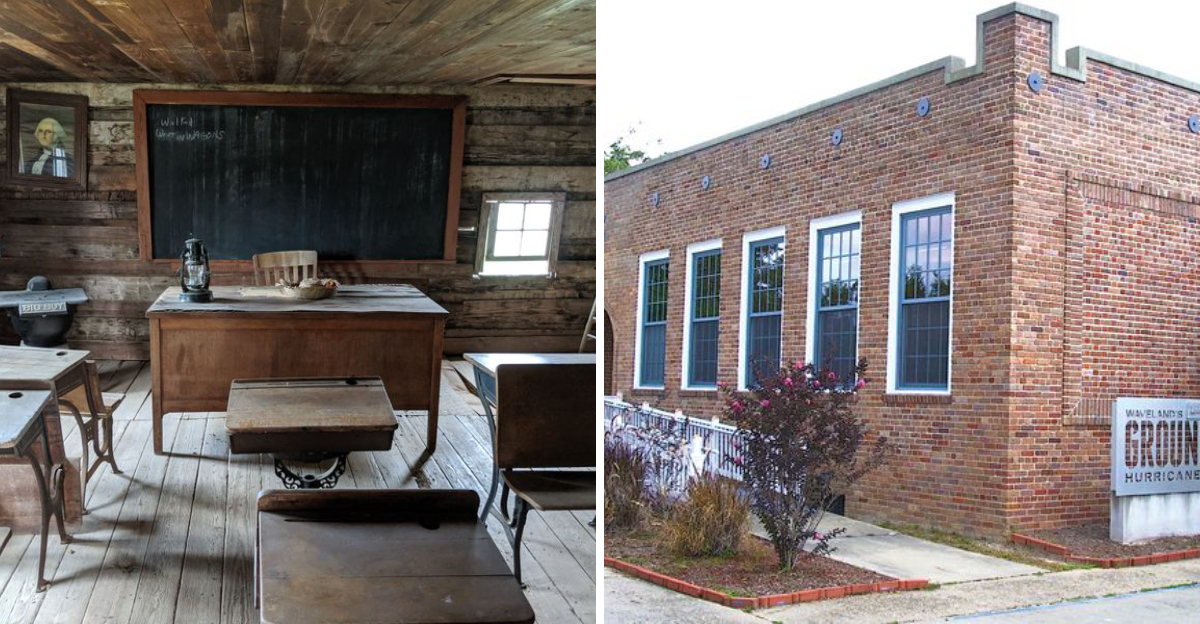
Mississippi holds countless stories waiting to be discovered in its charming small towns.
These communities understand the value of preserving their unique heritage for future generations.
Cultural centers and museums across the state work tirelessly to keep local history alive and accessible.
From the birthplace of the blues to Civil War battlegrounds, Mississippi’s small town cultural institutions offer windows into America’s complex past.
Visitors can explore everything from Indigenous history to maritime traditions in these carefully curated spaces.
Each center tells a different chapter of the state’s rich cultural tapestry.
Whether you’re a history enthusiast or simply curious about regional heritage, these ten destinations provide meaningful connections to Mississippi’s past.
The dedication of local historians and volunteers ensures that these important stories continue to educate and inspire.
1. Delta Blues Museum
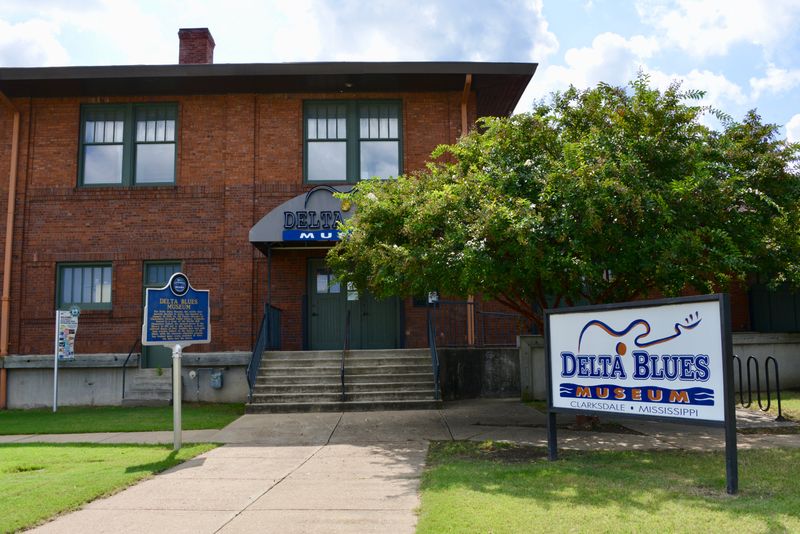
Music lovers find themselves transported to another era when they step inside this legendary institution.
Located at 1 Blues Alley in Clarksdale, the Delta Blues Museum stands as Mississippi’s oldest music museum.
The collection preserves the musical heritage that emerged from the cotton fields and juke joints of the Delta region.
Visitors discover how plantation life and African American experiences gave birth to one of America’s most influential art forms.
Exhibits showcase instruments, photographs, and personal belongings of blues pioneers who shaped modern music.
The museum occupies a historic freight depot, adding authentic atmosphere to the experience.
Interactive displays help guests understand the connection between hardship and creative expression.
Stories of legendary musicians come alive through carefully preserved artifacts and recordings.
Educational programs bring local students into direct contact with this important cultural legacy.
The center serves as a pilgrimage site for musicians from around the world seeking to understand blues roots.
Community events regularly fill the space with live performances honoring traditional styles.
Preservation efforts ensure that future generations can access these irreplaceable historical treasures.
The museum reminds visitors that great art often emerges from struggle and resilience.
2. Walter Anderson Museum of Art
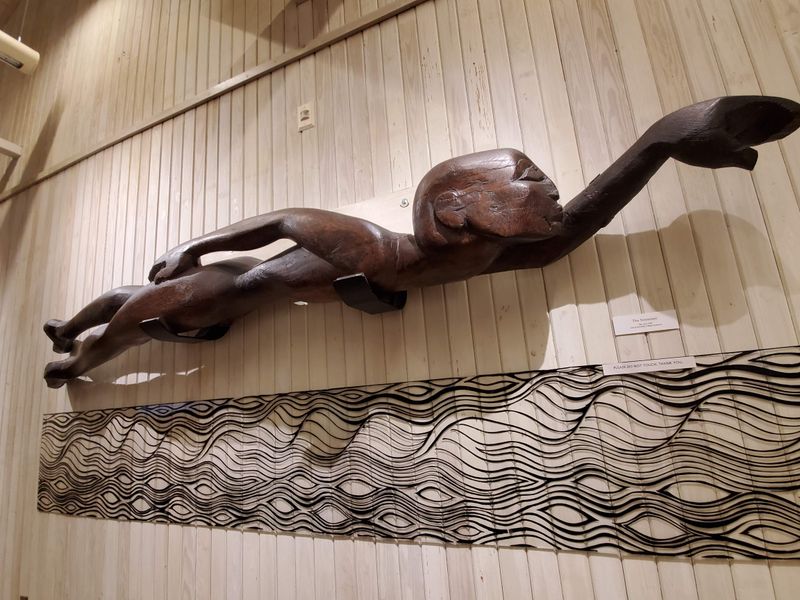
Ocean Springs celebrates one of its most beloved residents through this remarkable cultural institution.
The museum sits at 510 Washington Ave, honoring the acclaimed American artist Walter Anderson.
Anderson’s unique vision captured the natural beauty of coastal Mississippi in stunning watercolors and murals.
His work reflects deep connections to the environment and wildlife surrounding his Gulf Coast home.
The collection includes pieces created during solitary trips to Horn Island, where Anderson studied nature intensely.
Gallery spaces showcase his distinctive style, which combined careful observation with imaginative interpretation.
Visitors learn about Anderson’s life, including his struggles with mental health and his unwavering artistic dedication.
The museum also highlights connections to Shearwater Pottery, the family business that supported his artistic pursuits.
Ocean Springs has embraced its identity as an arts community, with this museum serving as the cultural anchor.
Educational programming introduces young people to Anderson’s techniques and philosophy.
The building itself creates an inviting atmosphere for contemplating art and nature’s relationship.
Rotating exhibits ensure that repeat visitors always discover something new about Anderson’s extensive body of work.
This center proves that small towns can nurture world-class artistic talent and preserve their creative legacies.
3. B.B. King Museum and Delta Interpretive Center
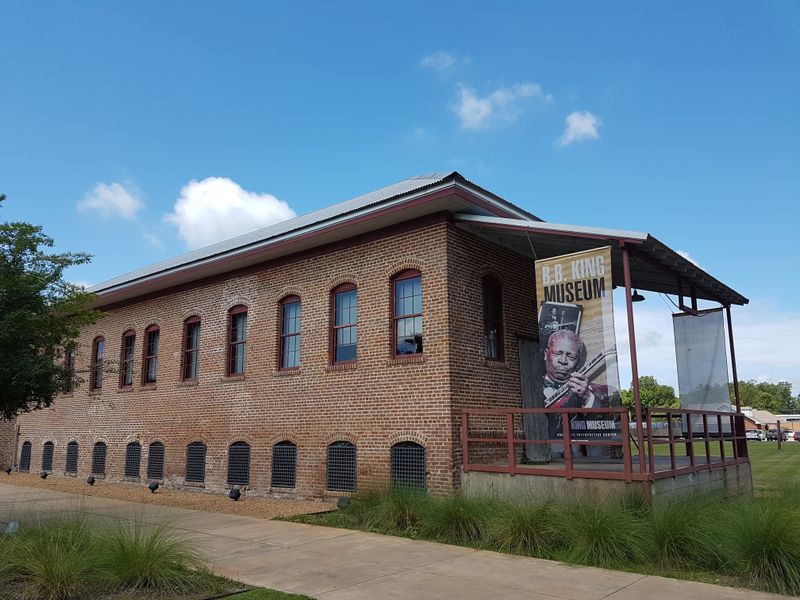
Indianola proudly honors its most famous son at this comprehensive cultural destination.
The museum stands at 400 2nd St, chronicling the life of blues legend B.B. King.
Born Riley B. King in nearby Berclair, he grew up picking cotton in the Delta fields.
His journey from poverty to international stardom embodies the transformative power of music.
Exhibits trace his early influences, from gospel music in church to blues heard on street corners.
The center expands beyond one man’s story to explore the broader cultural context of Delta blues.
Visitors gain understanding of how economic conditions, racial segregation, and migration patterns shaped musical evolution.
Interactive displays let guests try their hand at playing blues instruments and understanding musical structure.
The museum complex includes the gravesite where King was laid to rest, creating a complete memorial experience.
Artifacts include guitars, stage costumes, and awards documenting his remarkable career.
Local historians worked closely with King’s family to ensure authentic representation of his life and legacy.
The interpretive center approach means visitors leave with deeper appreciation for Delta culture beyond music alone.
This institution demonstrates how personal stories can illuminate broader historical movements and cultural contributions.
4. Shiloh National Military Park Corinth Interpretive Center
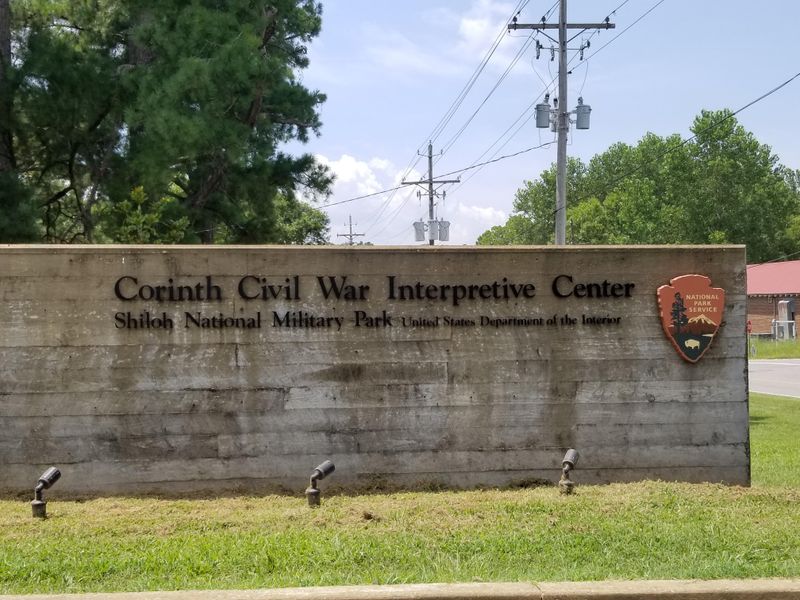
Corinth played a crucial role during the Civil War, and this center helps visitors understand why.
Located at 501 W Linden St, the interpretive center serves as gateway to understanding regional military history.
The town’s strategic position at the intersection of vital railroad lines made it a prized target for both armies.
Battles fought here influenced the war’s outcome and changed the lives of countless soldiers and civilians.
The National Park Service operates this facility, ensuring professional curation and historical accuracy.
Exhibits feature weapons, uniforms, personal letters, and medical equipment from the conflict.
Maps and multimedia presentations help visitors grasp complex military movements and strategic decisions.
The center connects to outdoor sites where actual combat occurred, allowing for immersive historical experiences.
Stories of individual soldiers, both Union and Confederate, humanize the enormous scale of warfare.
Educational programs serve school groups throughout Mississippi and neighboring states.
Preservation work continues to protect battlefield landscapes from modern development pressures.
The interpretive approach encourages visitors to consider multiple perspectives on this painful chapter of American history.
This center proves that small towns can be guardians of nationally significant historical narratives.
5. Alice Moseley Folk Art Museum
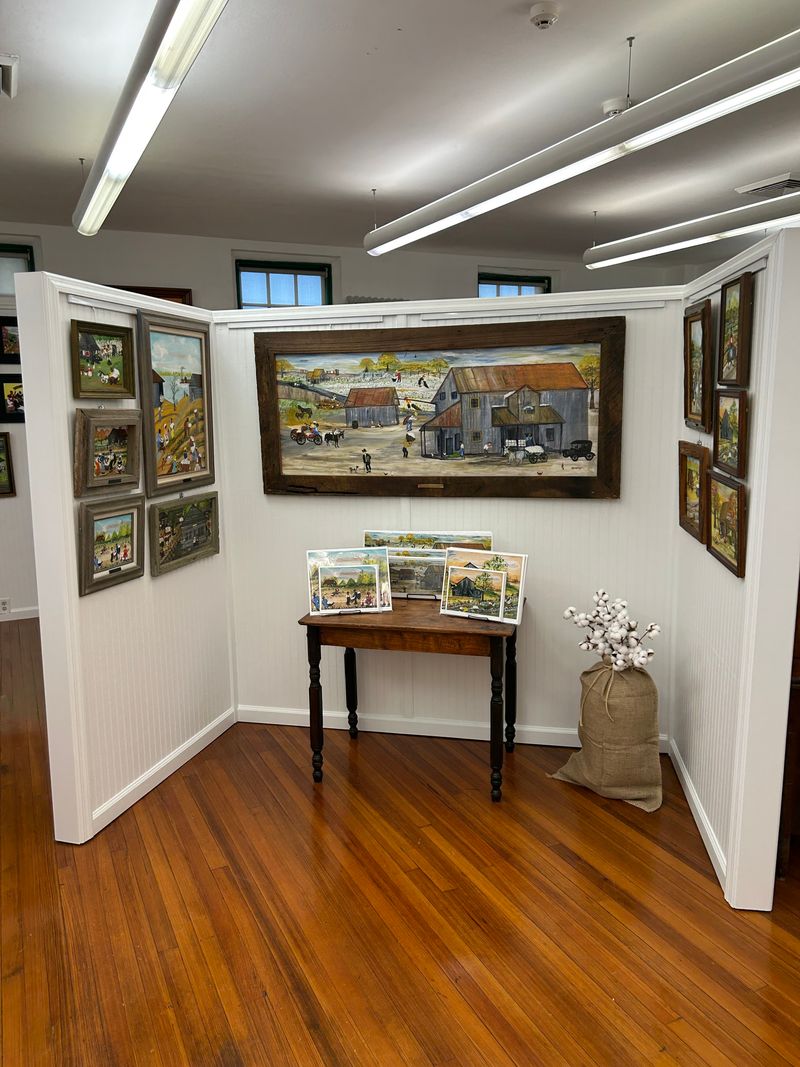
Bay Saint Louis treasures the creative legacy of its beloved folk artist at this charming museum.
The collection resides at 1928 Depot Way in a beautifully restored former train depot.
Alice Moseley began painting late in life, creating whimsical works that captured community memories and imagination.
Her colorful, naive style depicted local scenes, childhood memories, and fantastical creatures with joyful energy.
The museum preserves not only her paintings but also costumes and artifacts reflecting local cultural traditions.
Bay Saint Louis has long valued its artistic residents, and this institution celebrates that creative spirit.
The historic depot building adds character to the experience, connecting visitors to the town’s transportation history.
Exhibits rotate to showcase different aspects of Moseley’s prolific output and evolving artistic vision.
Folk art appeals to visitors of all ages because of its accessibility and emotional directness.
Community programs encourage local artists to continue traditions of self-taught creative expression.
The museum survived Hurricane Katrina’s devastation, symbolizing the town’s resilience and commitment to cultural preservation.
Visitors leave with appreciation for how ordinary people can create extraordinary art that documents their world.
This center demonstrates that cultural institutions need not be large or formal to make meaningful impacts.
6. Oren Dunn City Museum
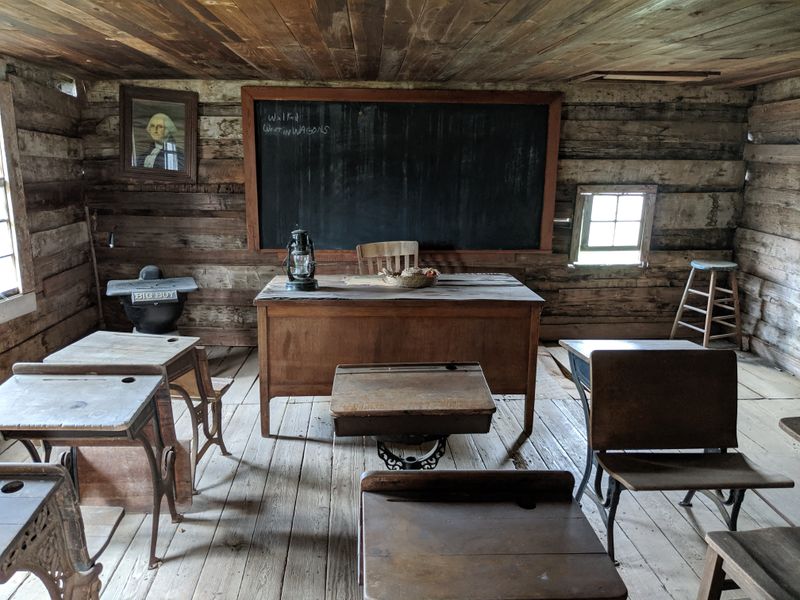
Tupelo’s history unfolds in an unexpected setting at this unique local institution.
The museum occupies a converted dairy barn at 689 Rutherford Rd, adding rustic charm to historical exploration.
Exhibits trace the area’s development from Native American settlement through modern times.
Tupelo gained fame as the birthplace of Elvis Presley, but this museum reveals the fuller community story.
Agricultural heritage receives significant attention, reflecting the region’s farming roots and economic evolution.
Historic buildings relocated to the site create an outdoor museum village atmosphere.
Visitors can explore structures that once served everyday functions in the lives of earlier residents.
The dairy barn conversion symbolizes adaptive reuse and creative thinking about historic preservation.
Collections include household items, tools, photographs, and documents donated by local families.
These personal artifacts create intimate connections between modern visitors and past generations.
Educational programs bring local history into school curricula, ensuring young people understand their community’s roots.
Volunteers, many of them longtime residents, share firsthand memories and family stories with museum guests.
The center proves that history museums need not focus only on famous people or dramatic events to be compelling.
7. Grand Village of the Natchez Indians
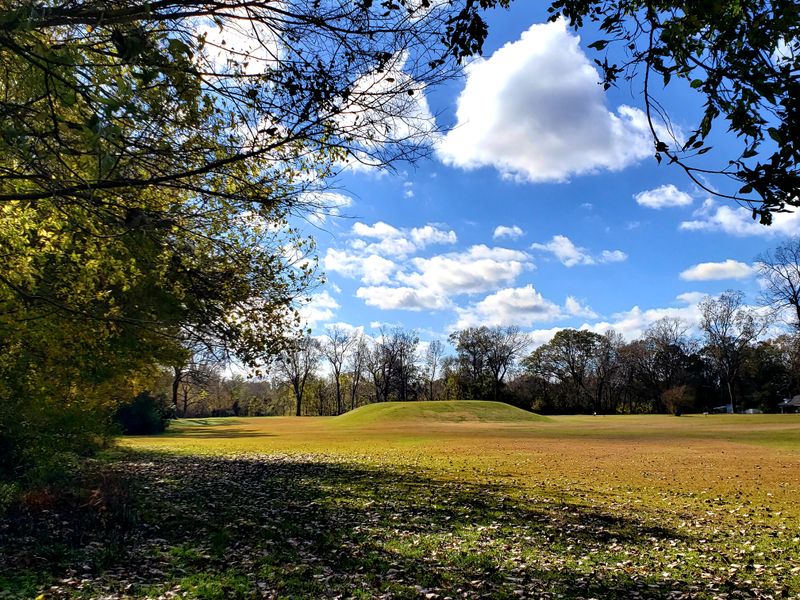
Long before European contact, sophisticated Indigenous societies thrived in what is now Mississippi.
This remarkable site at 400 Jefferson Davis Boulevard preserves evidence of the Natchez people’s complex civilization.
Three prehistoric earthen mounds rise from the landscape, testifying to organized labor and spiritual practices.
The Natchez built these structures over generations, using them for ceremonial purposes and elite residences.
A reconstructed traditional house helps visitors visualize daily life in this pre-contact community.
The museum displays artifacts excavated from the site, including pottery, tools, and ceremonial objects.
These items reveal sophisticated craftsmanship and trade networks extending across the Southeast.
Interpretive materials explain the Natchez social structure, which included distinct classes and hereditary leadership.
European colonization devastated this culture through disease, warfare, and forced displacement.
The site serves as both memorial and educational resource, honoring Indigenous heritage often overlooked in regional history.
Walking the grounds allows contemplation of how landscapes hold memory and meaning across centuries.
Educational programming works to correct misconceptions and provide accurate information about Native American history.
This center reminds visitors that Mississippi’s human story extends back thousands of years before written records.
8. Lower Mississippi River Museum
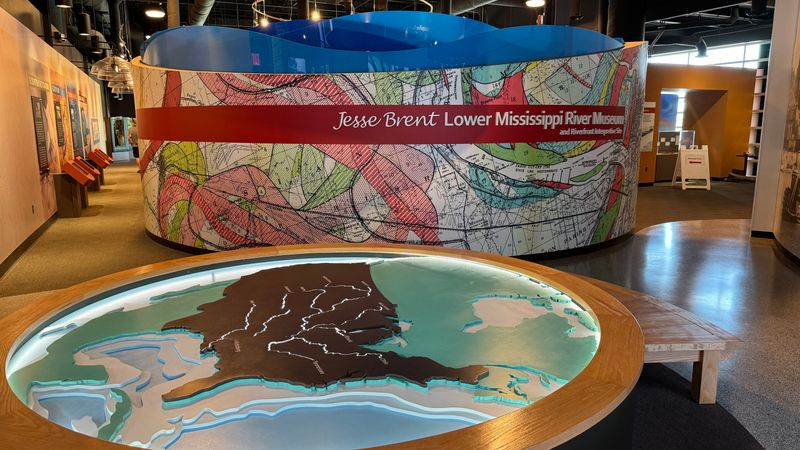
Vicksburg’s identity has always been tied to the mighty river flowing past its bluffs.
The museum at 910 Washington St explores this relationship through engaging exhibits and interactive displays.
Visitors discover how the Mississippi River shaped commerce, transportation, and daily life for generations.
The waterway served as highway, boundary, food source, and sometimes destructive force in the region’s development.
An aquarium features aquatic life native to the river, helping guests appreciate its ecological importance.
Exhibits explain river navigation challenges, from sandbars to currents, that pilots had to master.
Steamboat history comes alive through models, artifacts, and stories of these elegant vessels that once dominated river traffic.
The museum addresses flood control efforts, including the massive engineering projects that altered the river’s behavior.
Vicksburg’s strategic importance during the Civil War stemmed largely from its control of river traffic.
Modern river commerce, including barge traffic and port operations, receives attention alongside historical content.
Environmental exhibits explore how human activity has impacted river health and wildlife populations.
The center helps visitors understand that rivers are dynamic systems requiring careful management and respect.
This institution demonstrates how natural features profoundly influence human settlement patterns and community development.
9. Waveland Ground Zero Hurricane Museum
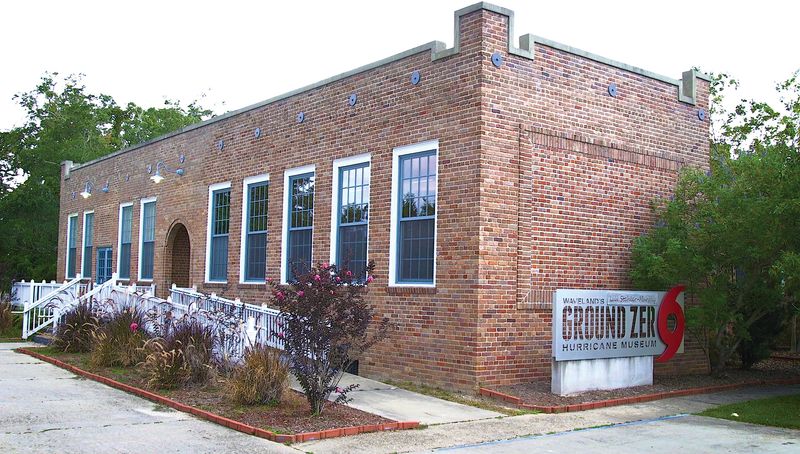
Some history is so recent that survivors still carry vivid memories of the events commemorated.
This powerful museum at 335 Coleman Ave preserves stories from Hurricane Katrina’s devastating impact.
Waveland suffered catastrophic damage when the storm made landfall along the Mississippi Gulf Coast.
The museum focuses on oral histories, letting survivors tell their own stories of loss, survival, and rebuilding.
Personal testimonies create emotional connections that statistics and news footage cannot fully convey.
Photographs document the destruction’s shocking scale and the slow process of community recovery.
Artifacts salvaged from destroyed homes serve as tangible reminders of lives forever changed.
The center honors first responders, volunteers, and neighbors who helped each other through impossible circumstances.
Exhibits address both immediate disaster response and long-term challenges of rebuilding homes and lives.
Environmental education components help visitors understand hurricane formation and coastal vulnerability.
The museum serves therapeutic purposes for survivors while educating others about disaster preparedness and resilience.
Community gatherings at the center reinforce bonds formed during shared trauma and recovery.
This institution proves that cultural centers can preserve recent history while communities are still processing traumatic events.
10. Cottonlandia Museum
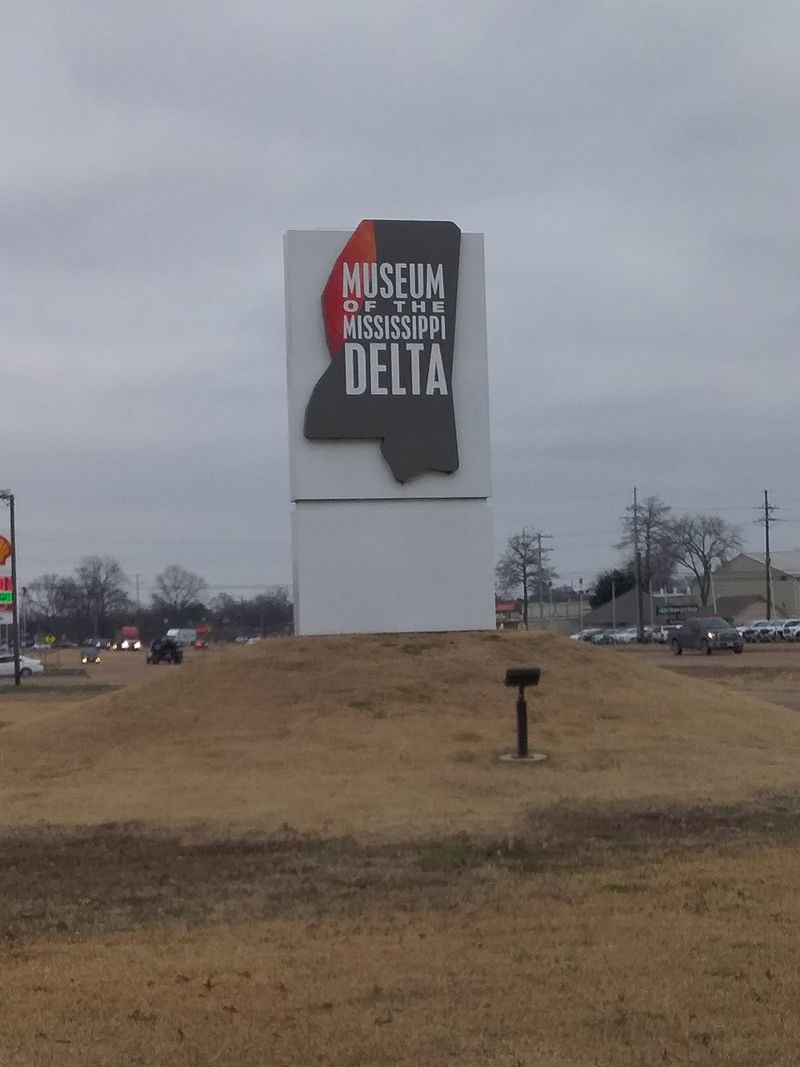
Cotton shaped the economy, society, and landscape of the Mississippi Delta for generations.
Greenwood’s Cottonlandia Museum explores this crop’s profound influence on regional development.
The town once hosted one of America’s largest cotton markets, with fortunes made and lost on harvest quality.
Exhibits trace cotton cultivation from planting through harvesting, ginning, and marketing processes.
Agricultural equipment displays show technological evolution from hand picking to mechanical harvesters.
The museum addresses the human cost of cotton production, particularly the exploitation of enslaved and sharecropper labor.
Economic systems built on cotton created rigid social hierarchies that persisted long after slavery’s end.
Visitors learn how global market forces affected local farmers and workers dependent on this single crop.
The museum also covers the Delta’s rich natural history, including geology, wildlife, and Native American presence.
Cultural exhibits explore how diverse communities coexisted and sometimes clashed in this agricultural landscape.
Educational programs help young people understand how historical economic systems continue influencing modern conditions.
The institution encourages honest examination of how prosperity for some depended on exploitation of others.
This center demonstrates that agricultural history involves complex social and ethical dimensions beyond farming techniques alone.
Dear Reader: This page may contain affiliate links which may earn a commission if you click through and make a purchase. Our independent journalism is not influenced by any advertiser or commercial initiative unless it is clearly marked as sponsored content. As travel products change, please be sure to reconfirm all details and stay up to date with current events to ensure a safe and successful trip.
