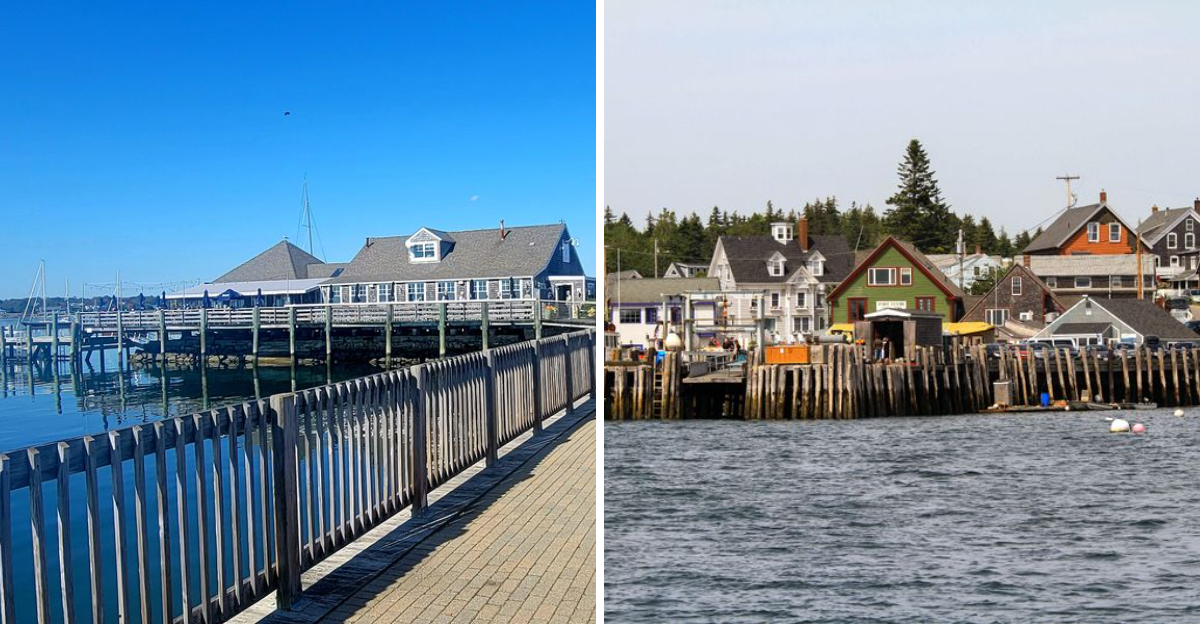
Maine’s coastline stretches for thousands of miles, hiding countless harbors where fishing boats still outnumber yachts.
Many of these small ports remain untouched by mass tourism, preserving traditions that go back generations.
Working waterfronts tell stories of families who have hauled lobster traps and mended nets for decades.
Visiting these harbors means stepping into communities where the ocean isn’t just scenery but a way of life.
From quiet peninsulas to island outposts, these ten harbors showcase the real character of coastal Maine.
Each location offers a glimpse into maritime culture that refuses to fade.
You won’t find souvenir shops on every corner or crowds blocking the docks.
Instead, expect friendly locals, genuine fishing villages, and landscapes that feel timeless.
1. Stonington
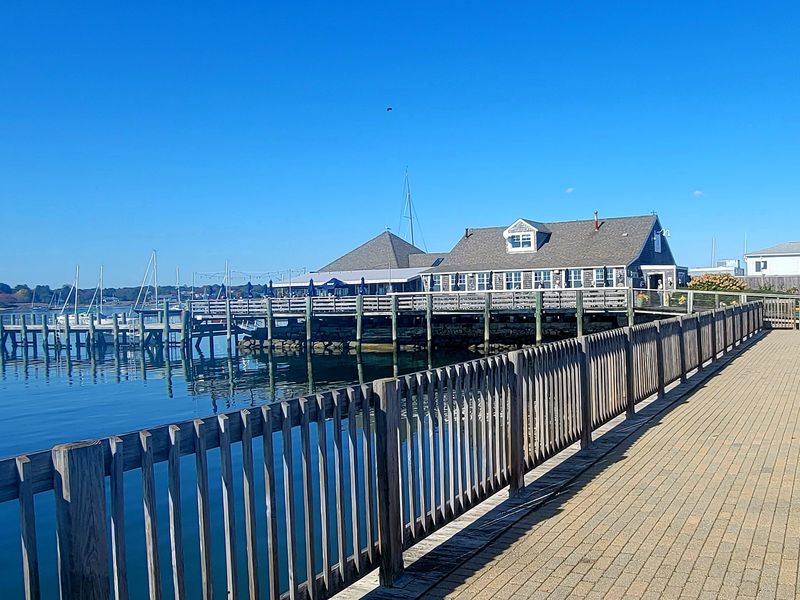
Perched at the southern tip of Deer Isle, Stonington ranks among the most genuine fishing communities you’ll encounter along the coast.
Lobster boats crowd the harbor, their colorful hulls bobbing in rhythm with the tide.
Weathered wharves stretch into deep water, stacked high with traps waiting for the next haul.
Walking down Main Street feels like stepping back several decades.
Local fishermen gather at dawn, discussing weather patterns and catch reports.
The town has resisted the urge to reinvent itself for visitors.
You’ll find working boatyards instead of boutique hotels.
Granite quarries once drove the economy here, but fishing now defines daily life.
Stonington’s address sits along Route 15, accessible after crossing the suspension bridge to Deer Isle.
The village maintains a rugged independence that makes it stand apart.
Fog rolls in thick some mornings, muffling sounds and wrapping everything in gray.
When it lifts, the harbor sparkles with activity.
Artists have discovered this place, drawn by its authenticity and dramatic light.
Yet the fishing fleet remains the heart and soul of Stonington.
Visiting here means witnessing a way of life that refuses to compromise.
The community stays small, tight-knit, and deeply connected to the sea.
Stonington proves that some harbors still belong to the people who work them.
2. Port Clyde
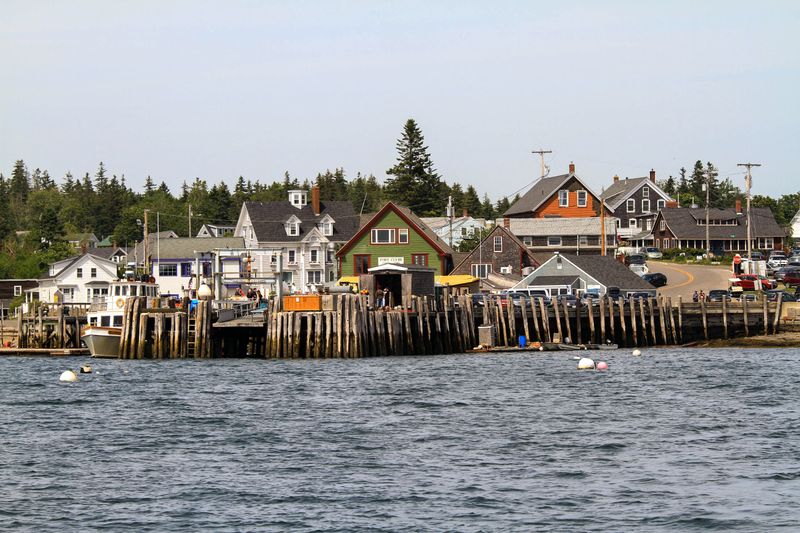
Reaching Port Clyde requires commitment, as the road winds through forests and farmland before finally meeting the ocean.
This hamlet sits at the very end of the St. George Peninsula, where land simply runs out.
Life here follows the rhythm of tides and ferry schedules.
The Monhegan boat departs from the dock, carrying islanders and visitors across open water.
Port Clyde’s address places it at the terminus of Route 131, miles from anything resembling a crowd.
Fishing shacks line the harbor, their wooden frames silvered by salt and sun.
Buoys hang in neat rows, each color combination identifying a different lobsterman’s territory.
The village feels suspended in time, unhurried and genuine.
Marshall Point Lighthouse stands sentinel at the harbor entrance, its white tower a beacon for returning boats.
Locals know every vessel by sight, recognizing the sound of each engine.
Seagulls wheel overhead, calling to one another in their endless conversation.
This place doesn’t try to be anything other than what it is.
Visitors come seeking solitude and find it in abundance.
The harbor remains small enough that everyone knows their neighbors.
Watching the sunset from the rocks here feels like witnessing something sacred.
Port Clyde embodies the quiet dignity of coastal Maine at its most authentic.
3. Corea

Few people stumble upon Corea by accident.
This tiny hamlet hides on the Schoodic Peninsula, far from the tourist routes that funnel visitors toward Bar Harbor.
The harbor itself seems almost too small to be real, tucked between granite ledges and spruce forests.
Corea’s location along Corea Road keeps it blissfully off the radar.
Fishing boats rest at moorings, gently swaying in the protected cove.
The village consists of scattered homes, a church, and not much else.
Residents prefer it that way, valuing privacy and tradition over development.
Walking the shore here means crunching over mussel shells and smooth stones.
The scent of balsam mixes with salt air, creating a fragrance unique to this corner of Maine.
Lobster traps stack in neat piles beside weathered sheds.
Corea Harbor represents working waterfront at its most elemental.
No restaurants or shops interrupt the landscape.
Just boats, water, and the people who know how to navigate between them.
Seals sometimes haul out on nearby ledges, basking when the sun breaks through.
The quiet here runs deep, broken only by waves and distant boat motors.
Visiting Corea feels like discovering a secret.
This hamlet shows what coastal villages looked like before tourism changed everything.
4. Jonesport
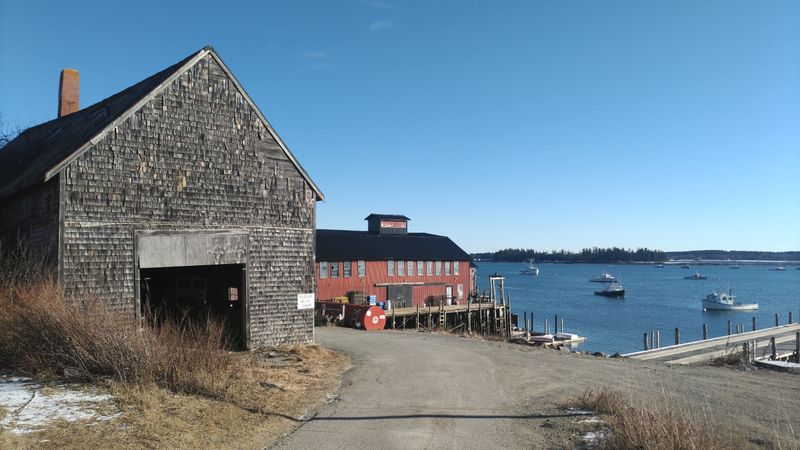
Down East Maine begins where the tourists thin out, and Jonesport sits squarely in that territory.
The fishing industry doesn’t just exist here; it dominates every aspect of community life.
Boat builders, trap makers, and marine supply businesses line the streets near the waterfront.
Jonesport’s address along Route 187 connects it by bridge to neighboring Beals Island, creating a maritime powerhouse.
Together, these communities produce some of the most skilled fishermen along the entire coast.
The harbor bustles with activity during fishing season, boats coming and going at all hours.
Wharves extend into deep water, built to handle serious commercial operations.
The famous Jonesport lobster boat design originated here, prized for its seaworthiness and speed.
Walking through town, you’ll notice pickup trucks outnumber sedans by a wide margin.
Conversations revolve around weather forecasts, catch reports, and boat maintenance.
The annual lobster boat races draw crowds, showcasing vessels pushed to their limits.
Jonesport doesn’t pretend to be quaint or picturesque in a postcard way.
Its beauty lies in authenticity and function.
The community takes pride in its working waterfront heritage.
Families have fished these waters for generations, passing down knowledge and territory.
This harbor represents Maine’s fishing culture in its purest form.
5. New Harbor
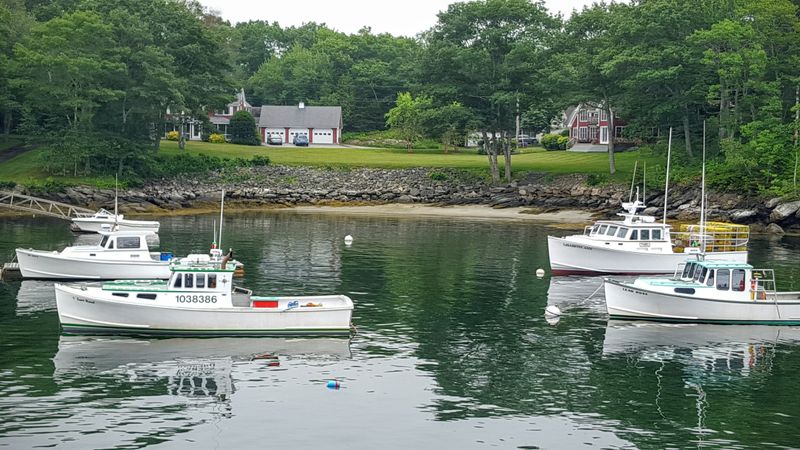
The Pemaquid Peninsula shelters New Harbor from the worst of the Atlantic’s fury.
This protected inlet has welcomed fishing boats for centuries, its calm waters a relief after rough seas.
New Harbor’s location along Route 32 makes it accessible yet somehow still secluded.
The village maintains a timeless quality, as if decades pass without leaving much mark.
Wooden docks extend into water so clear you can watch fish swimming below.
Lobster pounds operate along the shore, holding the day’s catch in submerged crates.
The harbor curves in a gentle arc, providing natural protection from wind and waves.
Small boats bob at moorings, their reflections rippling across the surface.
This place feels intimate, scaled to human proportions rather than industrial operations.
Fishermen work from boats their grandfathers might have built.
Traditions here run deep, passed down through families who never considered leaving.
The surrounding landscape mixes forest with farmland, creating a patchwork of green.
New Harbor doesn’t shout for attention.
It simply exists, doing what it has always done.
Watching boats return at dusk feels like witnessing a ritual unchanged by time.
The community values continuity over change, preservation over development.
This harbor proves that some places resist the pressure to modernize.
6. Bass Harbor
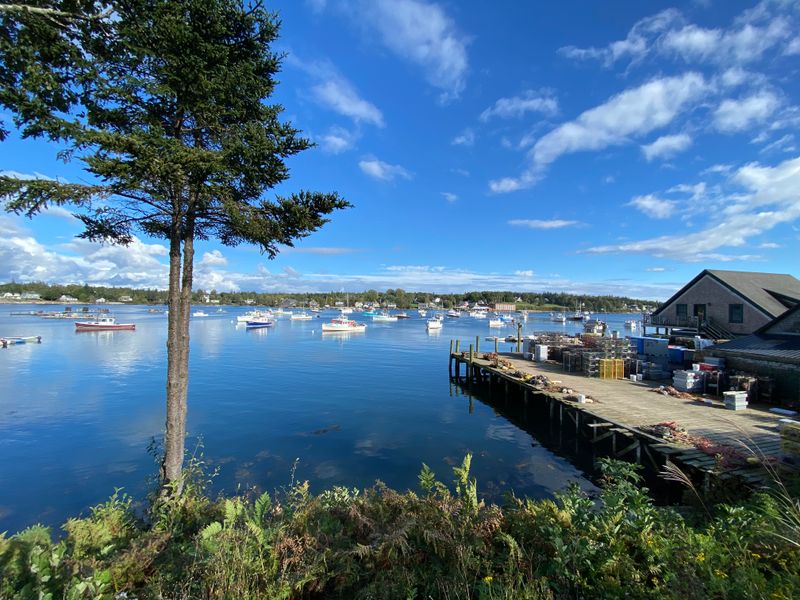
Mount Desert Island draws millions to Acadia National Park, but Bass Harbor remains remarkably untouched.
Located on the island’s southwest corner, this village operates in the shadow of tourist attractions without becoming one.
The harbor sits along Route 102A, accessible yet somehow overlooked by most visitors.
Fishing boats dominate the waterfront, not pleasure craft or tour vessels.
Traps stack high on working docks, waiting to be baited and set.
The famous Bass Harbor Head Light perches on cliffs above the village, but the harbor itself stays focused on work.
Locals go about their business with little regard for the national park nearby.
The tide reveals mudflats twice daily, where herons stalk through shallow water.
This side of the island feels worlds apart from Bar Harbor’s bustling streets.
Peace and quiet reign here, even during peak summer months.
The harbor curves into a natural indent in the coastline, offering shelter from southwest winds.
Fishing families have worked these waters for generations, maintaining traditions despite changing times.
Bass Harbor proves that working waterfronts can coexist with tourism without surrendering their character.
The village refuses to become a theme park version of itself.
Instead, it remains genuine, gritty, and entirely focused on the sea.
This harbor shows Maine at its most authentic.
7. Friendship
Friendship takes its name seriously, maintaining a close-knit community feel that welcomes respectful visitors.
The village sits along Route 220, at the end of a peninsula that juts into Muscongus Bay.
Boatbuilding traditions run deep here, with the famous Friendship sloop design carrying the town’s name worldwide.
These graceful vessels once served as workboats, hauling lobsters and fishing offshore.
Today, enthusiasts still build and race them, keeping old skills alive.
The harbor reflects this maritime heritage, with wooden boats mixing among modern fiberglass hulls.
Friendship hasn’t changed much over the decades, resisting pressures that transformed other coastal villages.
The waterfront remains working territory, not a backdrop for vacation homes.
Local fishermen maintain their independence, operating small family businesses rather than joining larger fleets.
The harbor curves around a protected inlet, offering safe anchorage in most weather.
Islands dot the bay beyond, creating a maze of channels and passages.
Friendship’s character comes from its people, who value tradition without being stuck in the past.
The community adapts while holding onto what matters most.
Watching boats work the harbor here feels timeless.
The pace stays measured, unhurried, tied to tides rather than clocks.
This village demonstrates how coastal communities can preserve their identity.
8. Cutler

Cutler sits at the edge of the Bold Coast, where cliffs plunge into cold Atlantic waters.
This village ranks among the most remote along the entire Maine shoreline.
The harbor lies along Route 191, which dead-ends shortly beyond town.
Despite its small size, Cutler supports a surprisingly large fishing fleet.
Lobstering here requires skill and courage, with boats working far offshore in challenging conditions.
The community maintains a quiet pride in its maritime traditions.
Fishing defines everything, from school schedules to local politics.
The harbor itself nestles in a protected cove, offering refuge from the exposed coast beyond.
Dramatic headlands frame the entrance, their dark cliffs crowned with spruce.
Fog frequently shrouds the village, creating an atmosphere both mysterious and beautiful.
When it clears, views stretch across the Bay of Fundy toward Canada.
Cutler feels like the end of the world in the best possible way.
The modern world hasn’t rushed in to change things here.
Life follows patterns established generations ago, adapted but not abandoned.
Walking the harbor at dawn means watching boats depart into darkness, their running lights disappearing into mist.
This village embodies the rugged independence that defines Down East Maine.
Authenticity isn’t manufactured here; it simply exists.
9. Blue Hill
Blue Hill combines natural beauty with genuine maritime culture in ways few harbors manage.
The town curves around a protected bay, with the mountain rising behind like a backdrop.
Blue Hill’s address along Route 15 places it at a crossroads of peninsula exploration.
The harbor welcomes both working boats and recreational sailors, maintaining balance between the two.
Fishing remains important here, though the community has diversified over time.
Artists, writers, and craftspeople have settled alongside lobstermen and boatbuilders.
This mix creates a vibrant culture that respects tradition while embracing creativity.
The waterfront stays active, with boats coming and going throughout the day.
Blue Hill avoids the precious quality that afflicts some harbor towns.
Working wharves operate beside galleries and studios without conflict.
The pace here stays measured, allowing time for conversation and reflection.
Mountain views provide constant visual drama, especially at sunrise and sunset.
The harbor freezes solid some winters, with fishermen cutting channels through ice to reach open water.
Community events bring everyone together, from fishing families to recent arrivals.
Blue Hill demonstrates how coastal towns can evolve without losing their soul.
The harbor remains central to local identity, a gathering place and economic engine.
This town proves authenticity and vitality can coexist beautifully.
10. Winter Harbor
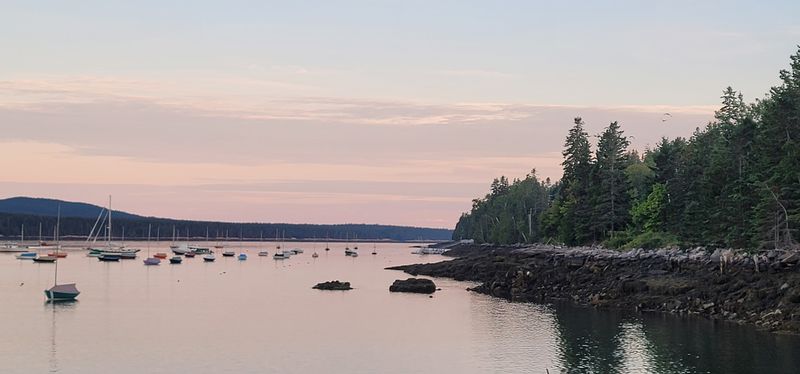
Winter Harbor occupies prime real estate on the Schoodic Peninsula, yet somehow escapes the tourist crush.
While Bar Harbor groans under visitor pressure, this village maintains its composure and character.
The harbor sits along Route 186, providing access to the quieter section of Acadia National Park.
Dramatic coastline surrounds the village, with pink granite ledges meeting cold ocean.
Fishing boats work from the harbor, their crews knowing every rock and current.
The waterfront stays functional, focused on work rather than recreation.
Winter Harbor’s name reflects the harsh reality of coastal life here.
Winters bring fierce storms and ice, testing both boats and people.
The community endures, bound together by shared challenges and traditions.
Summer brings relief and opportunity, with lobstering in full swing.
The harbor comes alive with activity, boats departing before dawn and returning by afternoon.
Despite proximity to the national park, Winter Harbor refuses to become a tourist town.
It remains stubbornly itself, focused on fishing and local life.
The landscape here rivals anything in Maine for raw beauty.
Rocky points extend into surf, creating tide pools filled with sea life.
This harbor proves that authentic communities can survive even near major attractions.
Winter Harbor keeps its independence and character intact.
Dear Reader: This page may contain affiliate links which may earn a commission if you click through and make a purchase. Our independent journalism is not influenced by any advertiser or commercial initiative unless it is clearly marked as sponsored content. As travel products change, please be sure to reconfirm all details and stay up to date with current events to ensure a safe and successful trip.
