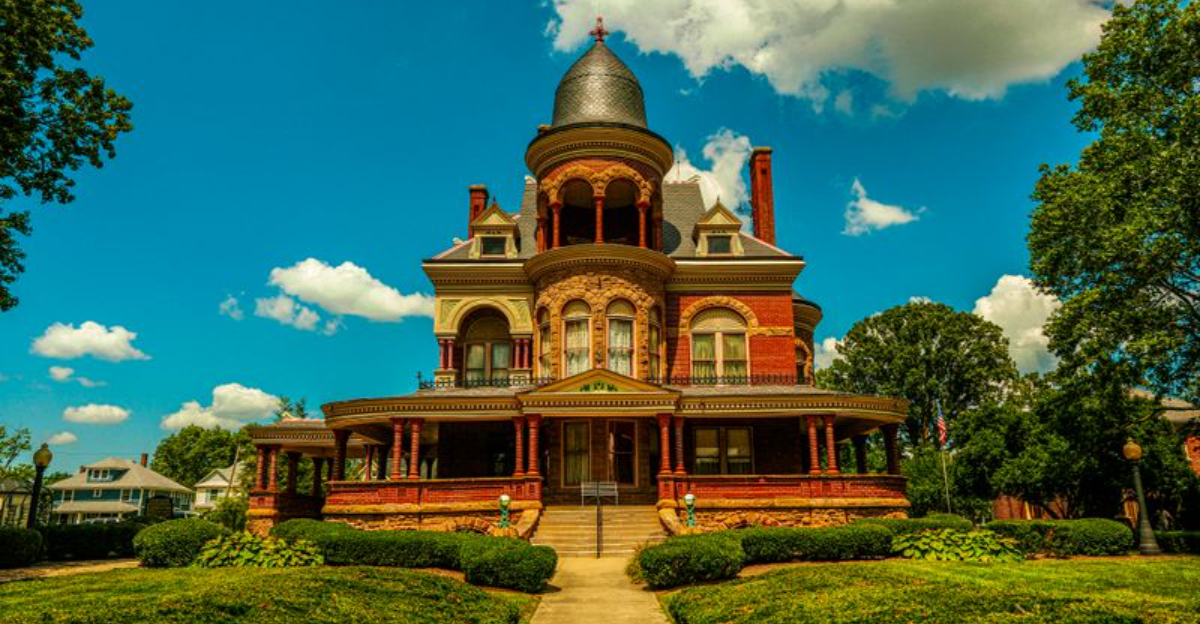
Indiana holds treasures from the past that tell stories of wealth, creativity, and courage.
Scattered across charming small towns, these historic homes welcome visitors who want to step back in time.
From grand mansions built by wealthy businessmen to humble homes that sheltered freedom seekers, each property offers a unique window into the state’s fascinating history.
Whether you love architecture, admire historical figures, or simply enjoy exploring beautiful old buildings, Indiana has something special waiting for you.
Many of these heritage sites feature original furnishings, hand-painted details, and gardens that transport you to another era.
Guided tours bring each home’s story to life, revealing secrets about the people who lived there and the times they experienced.
Ready to explore some of the most remarkable historic homes that Indiana has preserved for future generations?
1. Lanier Mansion State Historic Site
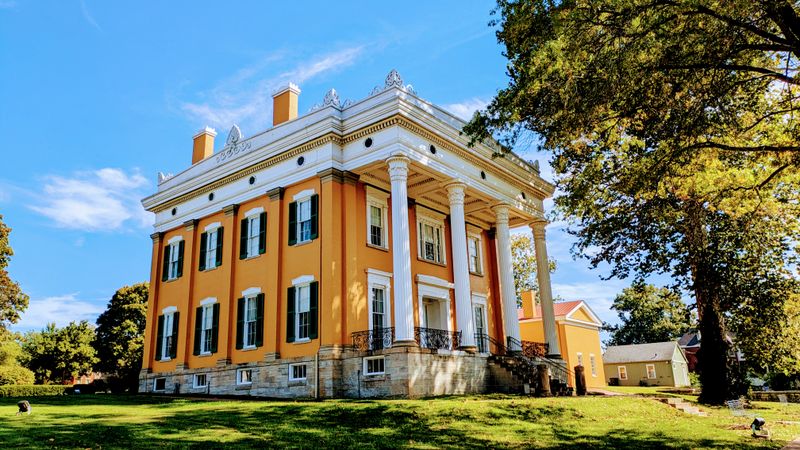
Perched in Madison’s Historic District, this architectural masterpiece represents one of America’s finest examples of Greek Revival design.
Built by James Lanier, a successful banker who later helped finance Indiana during the Civil War, the mansion showcases the wealth and sophistication of mid-century river town society.
Visitors walking through the elegant rooms discover intricate plasterwork, stunning spiral staircases, and furnishings that reflect the refined taste of the era.
The mansion’s riverside location made it a strategic home for someone whose financial influence extended far beyond state borders.
Guided tours reveal fascinating details about the Lanier family’s lifestyle and the mansion’s role in Indiana history.
Each room tells a different chapter of the story, from formal entertaining spaces to intimate family quarters.
The property remains remarkably well-preserved, allowing guests to experience the grandeur that defined prosperous river communities.
Professional guides share engaging anecdotes that bring the past to life, making history feel immediate and personal.
Planning your visit through the Indiana State Museum website ensures you get the most from your experience.
The mansion stands at 601 W 1st St in Madison, waiting to transport you to an elegant bygone era.
2. Culbertson Mansion State Historic Site
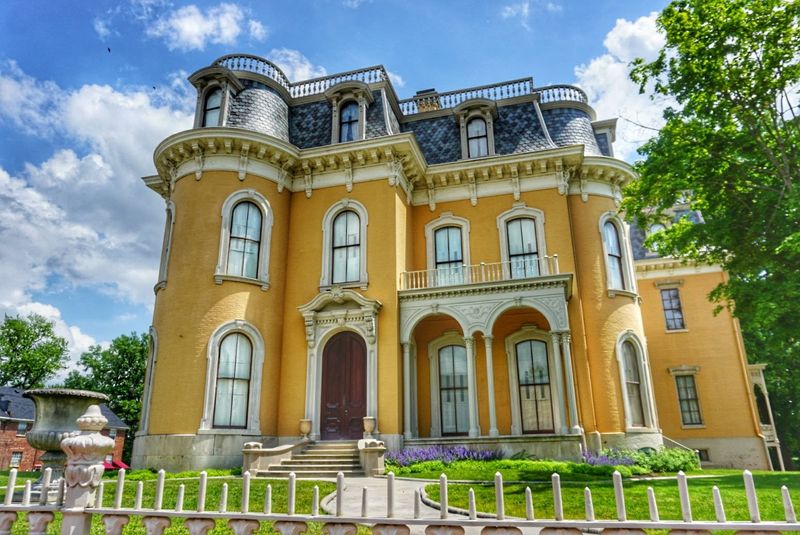
New Albany’s crown jewel rises with breathtaking Victorian splendor that captures the extravagance of the Gilded Age.
William Culbertson, once Indiana’s wealthiest resident, spared no expense creating this twenty-five-room monument to success and refined living.
Hand-painted ceilings float overhead like works of art, while ornate woodwork and period furnishings fill every corner with beauty.
The mansion’s scale alone impresses visitors, but the meticulous attention to decorative detail truly sets it apart from other historic homes.
Stained glass windows filter light into jewel-toned patterns across polished floors.
Original fixtures and furniture pieces remain in place, offering an authentic glimpse into how wealthy Victorians actually lived.
Tours guide you through drawing rooms, bedchambers, and service areas that reveal both the glamour and complexity of running such an estate.
The Culbertson family’s story intertwines with Indiana’s industrial growth and the social dynamics of the late nineteenth century.
Knowledgeable interpreters answer questions and point out details you might otherwise miss.
Located at 914 E Main St in New Albany, this mansion invites you to experience Victorian luxury firsthand.
Check the Indiana State Museum website before visiting to plan the perfect tour.
3. Hillforest House Museum
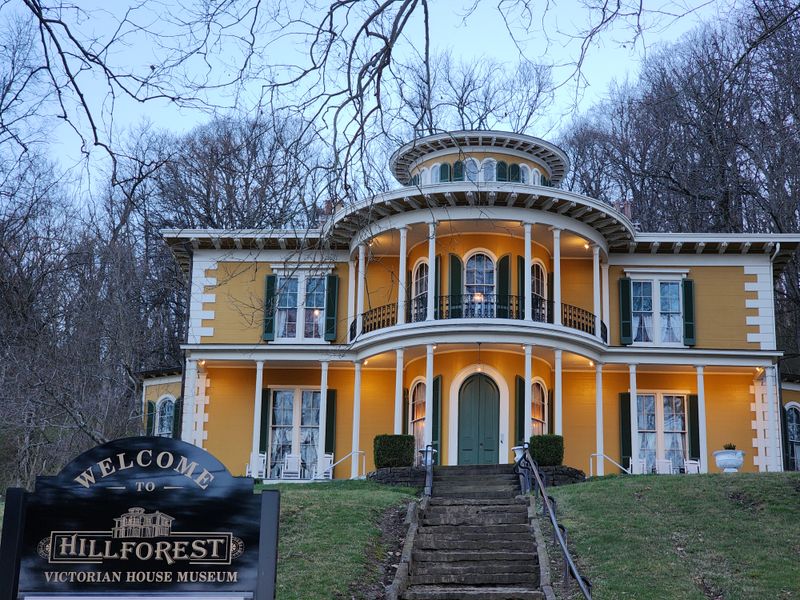
Aurora’s Hillforest stands as a rare architectural gem, showcasing Italian Renaissance influences uncommon in Midwestern homes.
Commanding views of the Ohio River sweep before you from this elevated estate, built when river trade fueled regional prosperity.
The distinctive design features circular rooms, a belvedere tower, and proportions that echo Italian villas rather than typical American farmhouses.
Thomas Gaff, a successful industrialist, chose this bold architectural statement to reflect his worldly tastes and business achievements.
Preservation efforts have maintained the home’s unique character, allowing modern visitors to appreciate its unusual beauty.
Guided tours explore both the architectural innovations and the family stories that animated these elegant spaces.
Period furnishings and decorative arts fill the rooms, creating an immersive experience of mid-century refined living.
The riverside setting adds natural beauty to the human-made splendor, making Hillforest a feast for the eyes.
Interpreters share insights about river commerce, architectural trends, and daily life in a prosperous household.
Situated at 213 5th St in Aurora, this distinctive mansion rewards curious visitors with something truly different.
The combination of location, architecture, and historical significance makes Hillforest an essential stop for heritage home enthusiasts exploring Indiana.
4. Gene Stratton-Porter State Historic Site
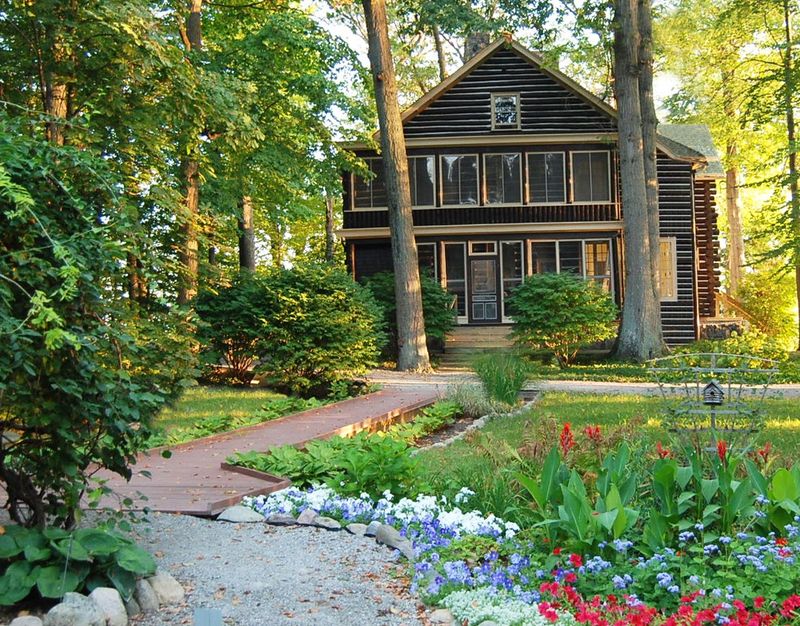
Sylvan Lake’s shores cradle the beloved cabin where Gene Stratton-Porter created some of America’s most cherished nature writing and photography.
Unlike grand mansions built to display wealth, this home reflects a creative spirit who found inspiration in Indiana’s natural landscapes.
Stratton-Porter’s passion for wildlife, native plants, and outdoor beauty shaped both her literary work and her living environment.
Walking through her preserved home and gardens feels like entering the pages of her novels, where nature and human life intertwine.
Personal collections, original furnishings, and photographic equipment reveal the multifaceted talents of this remarkable woman.
The gardens surrounding the cabin showcase native species she loved and protected, creating a living extension of her conservation legacy.
Tours illuminate how Stratton-Porter balanced domestic life with serious artistic and scientific pursuits at a time when few women enjoyed such freedom.
Her influence extended beyond literature into early environmental advocacy, making her story especially relevant today.
The lakeside setting provides peaceful beauty that helps visitors understand what inspired her work.
Located at 1205 Pleasant Point in Rome City, this historic site celebrates creativity, nature, and pioneering spirit.
Visit the Indiana State Museum website for current tour information and seasonal programming that brings her legacy alive.
5. Levi and Catharine Coffin State Historic Site
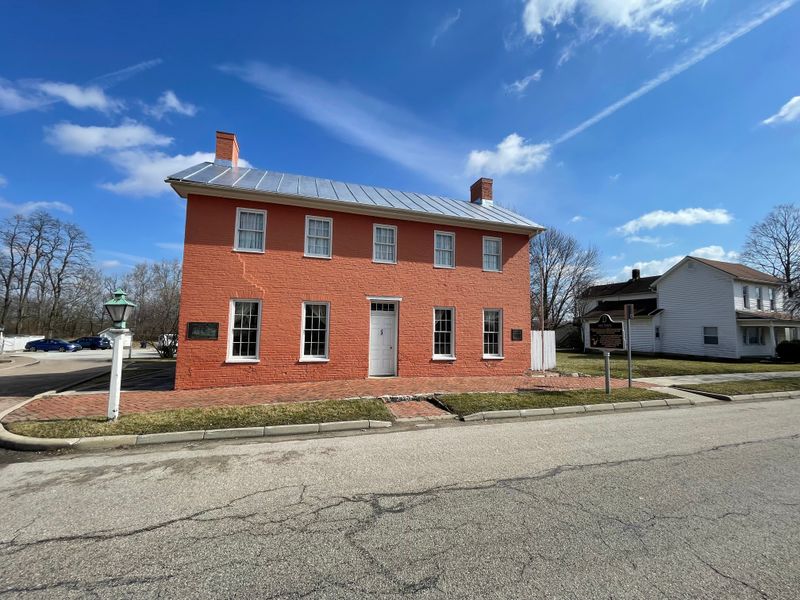
Fountain City preserves a home where courage and compassion changed countless lives during America’s darkest chapter.
Levi and Catharine Coffin transformed their Federal-style brick house into a safe haven for people fleeing enslavement, earning it the nickname Grand Central Station of the Underground Railroad.
Walking through these rooms, you stand where desperate freedom seekers found shelter, food, and hope on their dangerous journey north.
The Coffins risked everything to live according to their Quaker beliefs in human equality and dignity.
Tour guides share powerful stories of individual escapes and the network of brave people who made this covert operation possible.
The home’s National Historic Landmark status recognizes its profound significance in American history and the ongoing struggle for justice.
Architectural features like hidden spaces take on deeper meaning when you understand their life-saving purpose.
Period furnishings reflect the Coffins’ simple lifestyle, which contrasted sharply with the extraordinary risks they took daily.
Educational programs help visitors connect past struggles to present-day human rights issues.
Located at 201 US-27 in Fountain City, this humble home stands as a monument to moral courage.
Visiting here offers more than architectural appreciation; it provides inspiration from ordinary people who did extraordinary things.
6. T.C. Steele State Historic Site
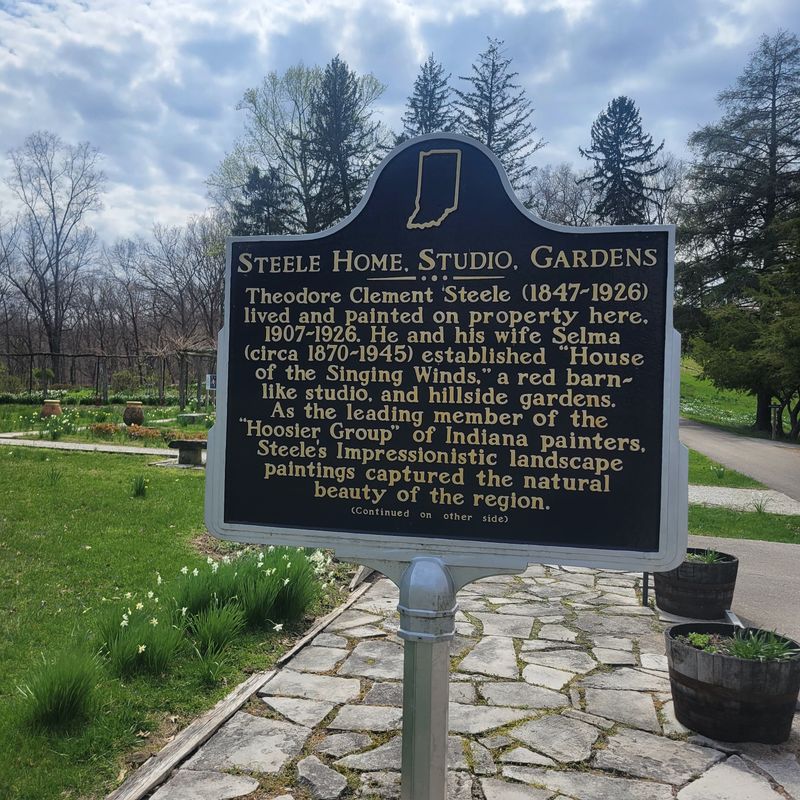
Brown County’s wooded hills embrace the home and studio where Theodore Clement Steele captured Indiana’s landscape in luminous paintings.
As a leading member of the Hoosier Group, Steele helped establish Indiana as an important center for American Impressionist art.
His property, which he called the House of the Singing Winds, reflects an artist’s eye in every carefully chosen view and garden path.
Touring the studio where Steele actually worked provides intimate access to his creative process and artistic vision.
Original paintings hang on the walls, allowing visitors to see his brushwork and color choices up close.
The home he shared with his wife Selma reveals the domestic side of an artist’s life in rural Indiana during the early twentieth century.
Surrounding trails wind through the same landscapes that inspired his most famous works, letting you see what he saw.
Seasonal changes bring different beauties to the property, just as they did when Steele set up his easel outdoors.
Special programs and exhibitions deepen understanding of both Steele’s art and the broader Indiana art movement.
The site sits at 4220 T C Steele Rd near Nashville, offering a peaceful retreat that celebrates artistic achievement.
Visiting here combines appreciation for historic preservation, fine art, and natural beauty in one memorable experience.
7. James Whitcomb Riley Boyhood Home and Museum
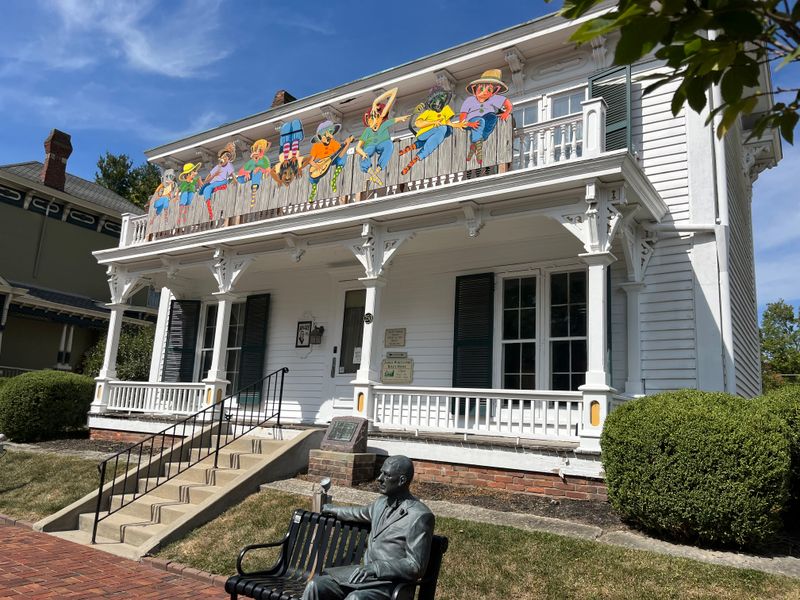
Greenfield treasures the modest house where James Whitcomb Riley spent his formative years before becoming the beloved Hoosier Poet.
Riley’s verses captured everyday Midwestern life with warmth and humor that made him one of America’s most popular poets during his lifetime.
The preserved home offers glimpses into the small-town childhood that shaped his distinctive voice and subject matter.
Unlike the grand estates of wealthy industrialists, this simple dwelling reminds us that creative genius springs from all backgrounds.
Personal artifacts and period furnishings recreate the domestic environment where young Riley first developed his love of language and storytelling.
Tour guides share anecdotes about Riley’s youth, his family relationships, and early signs of his literary talents.
The home’s unpretentious character matches the accessible, democratic spirit of Riley’s most famous poems.
Visitors gain understanding of how nineteenth-century small-town Indiana life influenced American literature and popular culture.
Riley’s work celebrated ordinary people and everyday experiences, making poetry feel relevant to average readers.
The museum portion displays manuscripts, first editions, and memorabilia from Riley’s long career.
Located at 250 W Main St in Greenfield, this site honors a literary figure who put Indiana on America’s cultural map.
Coming here connects you with authentic Hoosier heritage and the power of words to capture a time and place.
8. Seiberling Mansion
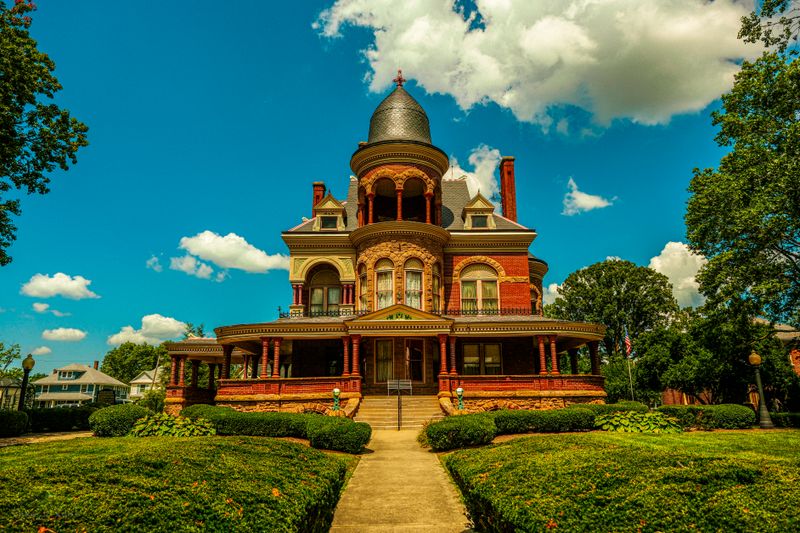
Kokomo’s most spectacular residence rose during the natural gas boom that briefly transformed this Indiana town into a prosperous industrial center.
Monroe Seiberling built this stunning mansion combining Romanesque Revival and Queen Anne styles, creating architectural drama that still impresses today.
The Howard County Historical Society now operates the property, preserving both the building and the stories of boom-time prosperity.
Elaborate stonework, turrets, and decorative details showcase the craftsmanship available when money flowed freely during the gas era.
Inside, original woodwork, stained glass, and period furnishings transport visitors to an age of industrial optimism and rapid change.
Tours explore how sudden wealth affected small-town life and what happened when the natural gas eventually ran out.
The mansion serves as a tangible reminder of Indiana’s economic cycles and the families who rode those waves of fortune.
Each room reveals different aspects of turn-of-the-century upper-class domestic life in a Midwestern industrial town.
Educational programs examine local history, architectural styles, and the broader context of American industrialization.
The building’s survival and restoration demonstrate community commitment to preserving significant local landmarks.
You’ll find this impressive mansion at 1200 W Sycamore St in Kokomo, standing proud as a monument to a transformative era.
Visiting offers lessons about economic history alongside appreciation for beautiful Victorian architecture.
9. The John H. Barker Mansion
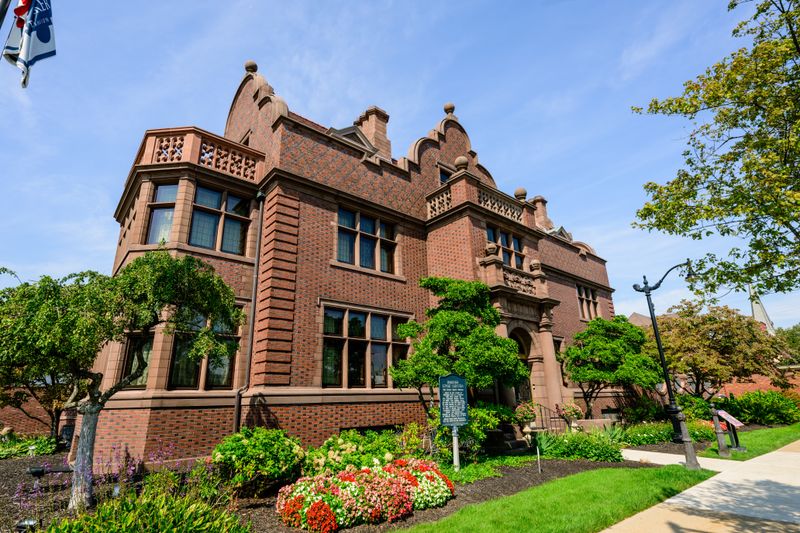
Michigan City’s Barker Mansion embodies Gilded Age aspirations, with thirty-eight rooms designed to rival European aristocratic estates.
John Barker made his fortune in railroad cars, then poured his wealth into creating this English manor-inspired showplace.
Original furnishings remain throughout, offering an unusually complete picture of how wealthy industrialists actually lived during their heyday.
The indoor sunken garden represents one of the mansion’s most distinctive features, bringing exotic elegance into the heart of the home.
Elaborate wood paneling, imported materials, and custom-designed elements demonstrate the unlimited resources available to industrial titans.
Tours reveal both the public grandeur meant to impress visitors and the private family spaces where the Barkers relaxed.
The mansion’s scale and completeness make it an exceptional example of Gilded Age domestic architecture in the Midwest.
Staff share stories about the Barker family, their business empire, and their place in Michigan City society.
Period photographs and documents add context, helping visitors understand the mansion within its historical moment.
The property survived intact, avoiding the demolition or conversion that destroyed many similar estates.
Located at 631 Washington St in Michigan City, this mansion offers a comprehensive Gilded Age experience.
Exploring these rooms provides insight into American wealth, taste, and social ambition during a transformative era.
10. Eugene V. Debs Home
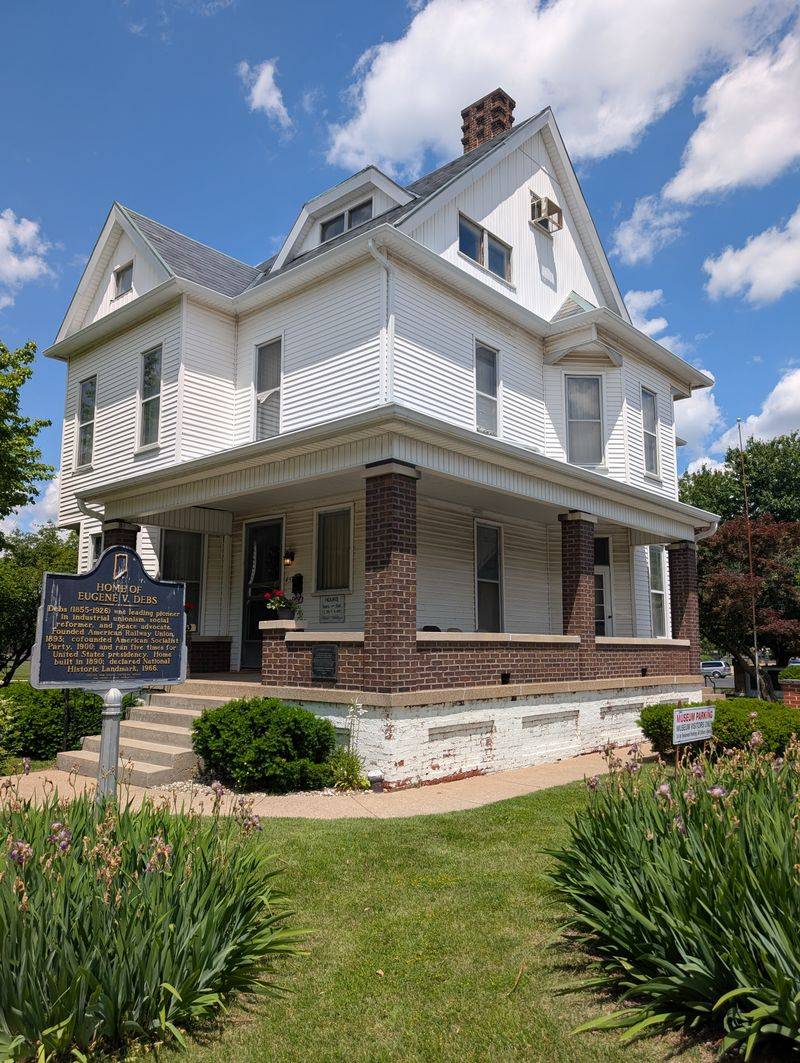
Terre Haute preserves the unpretentious home of Eugene Debs, whose influence on American labor and politics extended far beyond this quiet residential street.
Debs organized railroad workers, ran for president multiple times as a Socialist candidate, and became one of America’s most important voices for working people.
The home’s modest scale contrasts sharply with the grand mansions of industrialists, reflecting Debs’s lifelong identification with ordinary workers.
Now located on Indiana State University’s campus, the house operates as a museum dedicated to Debs’s legacy and labor history.
Original furnishings and personal belongings create an intimate portrait of a man who chose principle over personal comfort.
Tours examine Debs’s evolution from union organizer to political candidate to imprisoned dissenter during World War One.
His story raises enduring questions about workers’ rights, free speech, and the relationship between economic and political power.
The museum contextualizes Debs within broader movements for social justice and economic reform that shaped modern America.
Visitors encounter a complex figure whose ideas generated both passionate support and fierce opposition.
Educational programs explore how one person’s commitment to justice can influence national conversations for generations.
The home stands at 451 N 8th St in Terre Haute, honoring a different kind of Indiana heritage focused on activism rather than wealth.
Coming here expands understanding of what historic preservation can commemorate and celebrate.
Dear Reader: This page may contain affiliate links which may earn a commission if you click through and make a purchase. Our independent journalism is not influenced by any advertiser or commercial initiative unless it is clearly marked as sponsored content. As travel products change, please be sure to reconfirm all details and stay up to date with current events to ensure a safe and successful trip.
