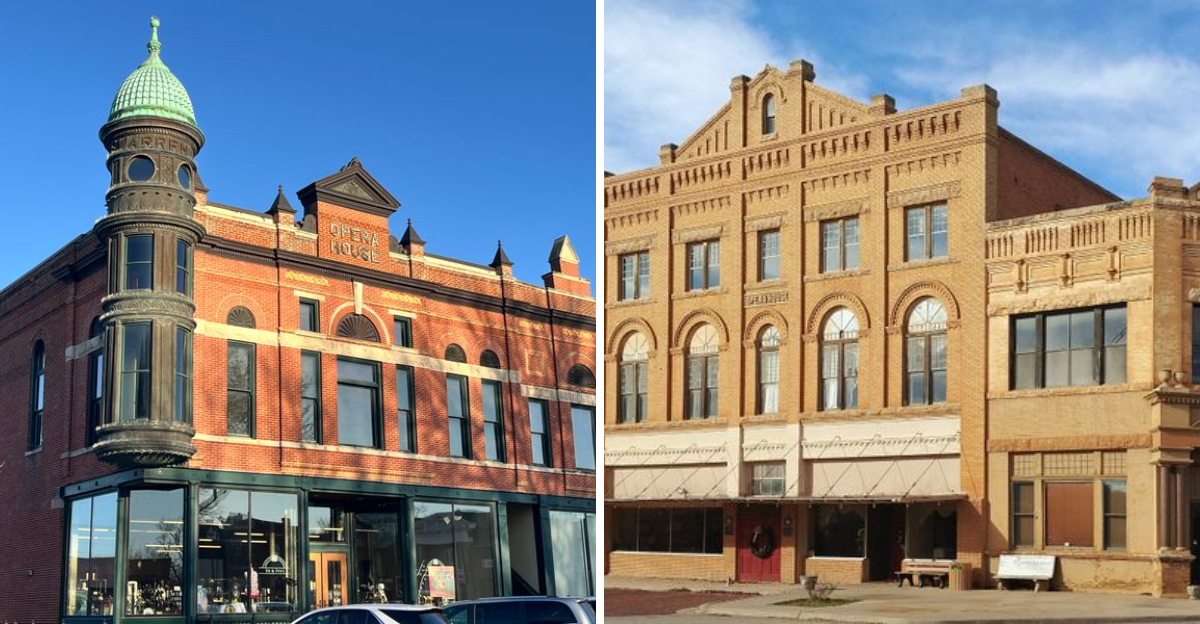
Iowa holds a treasure trove of historic opera houses that continue to welcome audiences today.
These beautiful venues, tucked into charming small towns across the state, have survived decades of change while maintaining their original grandeur.
From intimate concerts to Broadway productions, these opera houses offer cultural experiences that rival big city theaters.
Many were built during the late 1800s and early 1900s when opera houses served as the social and entertainment centers of their communities.
Today, dedicated volunteers and passionate organizations work tirelessly to preserve these architectural gems.
Whether you’re a history enthusiast, theater lover, or simply curious about Iowa’s cultural heritage, these venues provide unforgettable experiences.
Step inside these restored halls and you’ll discover ornate details, excellent acoustics, and stories that span generations.
Let’s explore ten remarkable opera houses scattered throughout Iowa that continue to bring joy and entertainment to their communities.
1. Pella Opera House
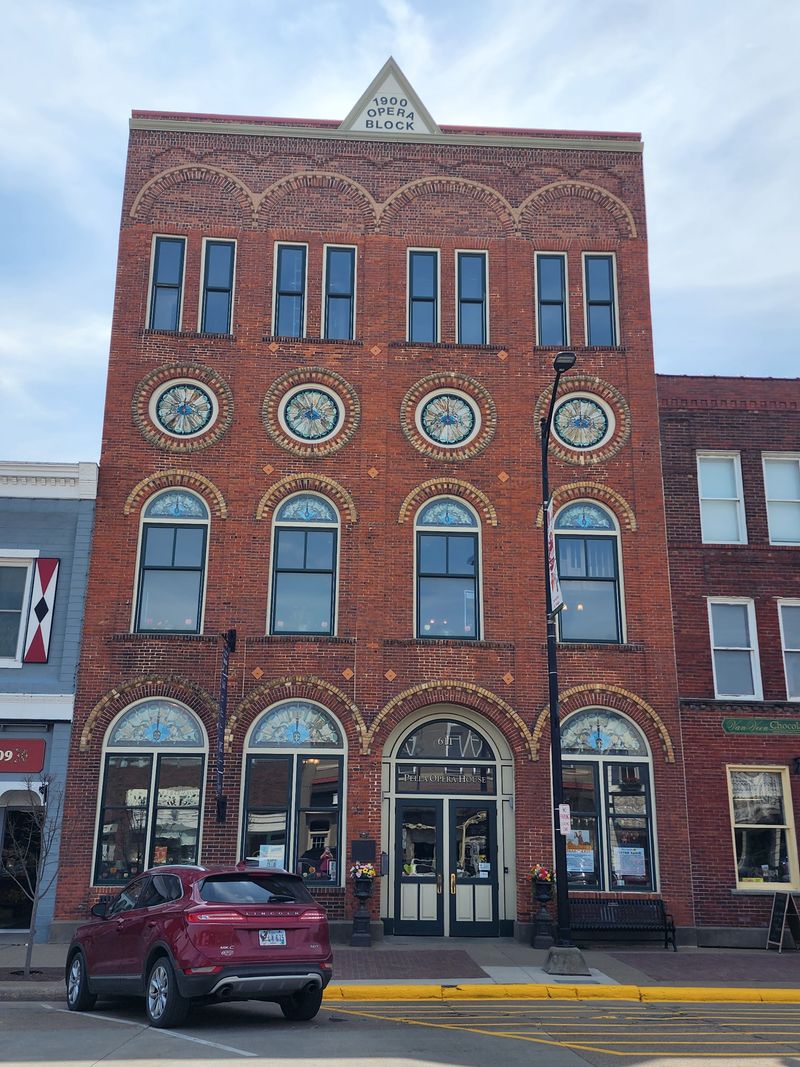
Located at 611 Franklin St in Pella, this stunning venue represents the heart of cultural life in this Dutch heritage community.
The building first opened its doors at the turn of the century and quickly became the gathering place for entertainment seekers.
After decades of use, the structure underwent a complete transformation that brought it back to its former glory.
The restoration project carefully preserved original architectural features while updating technical capabilities for modern performances.
Walking through the entrance, visitors immediately notice the meticulous attention to detail in every corner.
The interior showcases beautiful craftsmanship that transports guests back to an earlier era of elegance.
Today, the venue welcomes a diverse range of events from classical concerts to contemporary celebrations.
Wedding ceremonies held here benefit from the romantic atmosphere created by historic surroundings.
Community gatherings find a perfect home within these walls that have witnessed generations of memories.
The acoustics remain exceptional, making every musical performance a treat for the ears.
Local residents take pride in this landmark that anchors their downtown district.
Visitors to Iowa seeking authentic cultural experiences should definitely add this stop to their itinerary.
The opera house stands as proof that small towns can offer world-class entertainment venues.
2. Elkader Opera House
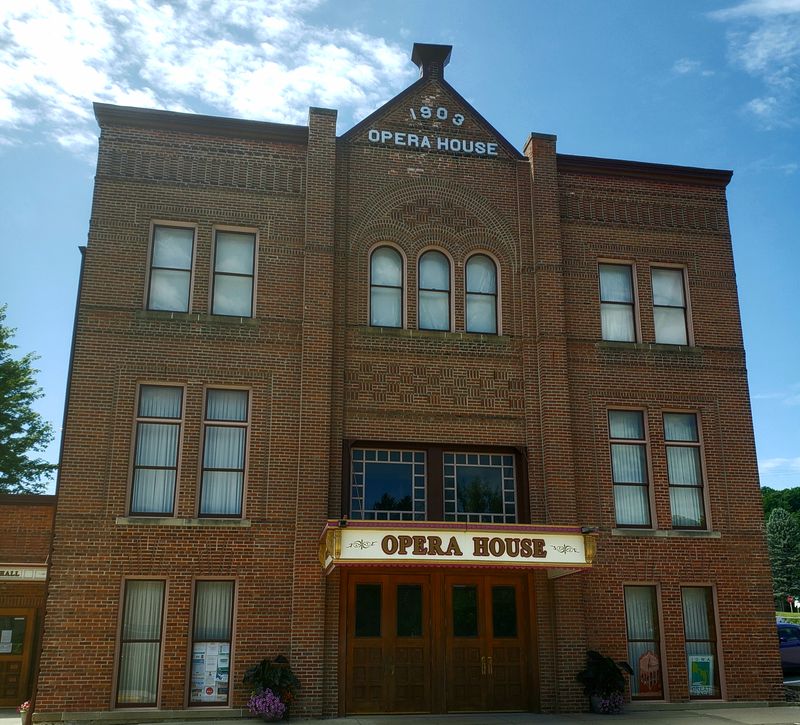
Positioned at 207 N Main St in Elkader, this performance venue has become the cultural cornerstone of Northeast Iowa.
The building’s renovation breathed new life into a structure that had served the community for over a century.
A dedicated nonprofit organization manages operations and ensures a steady stream of quality entertainment.
Seasonal programming brings diversity to the stage, from toe-tapping musicals to thought-provoking dramatic productions.
Orchestra performances fill the hall with rich sounds that showcase the venue’s remarkable acoustic properties.
Cabaret nights offer intimate evenings where performers connect directly with audience members.
The renovation respected the building’s historical integrity while incorporating modern amenities for comfort.
Audience members settle into seats that provide excellent sightlines regardless of position.
The stage accommodates both traveling productions and local talent with equal effectiveness.
Community support remains strong, with volunteers contributing countless hours to keep operations running smoothly.
This theater proves that small town venues can compete with urban counterparts in programming quality.
Visitors traveling through the scenic Mississippi River valley region discover a hidden cultural gem.
The opera house contributes significantly to Elkader’s reputation as a destination for arts enthusiasts.
3. Corning Opera House
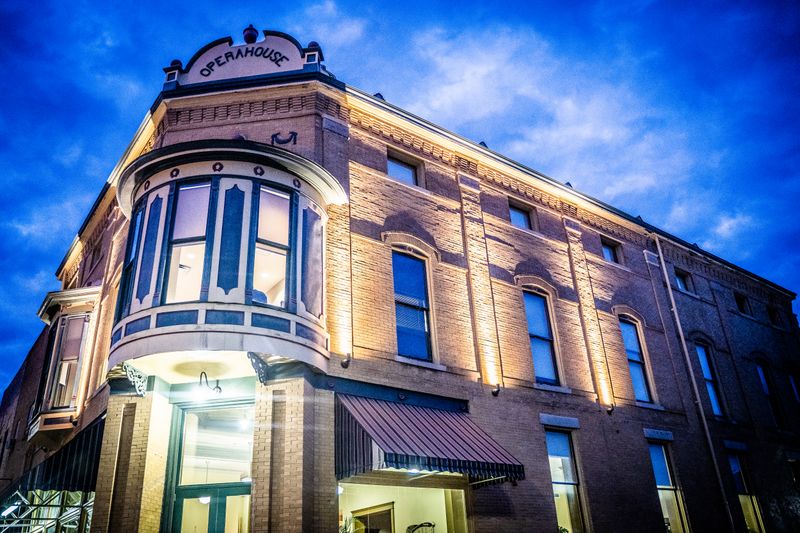
Standing proudly at 800 Davis Ave in Corning, this venue underwent an incredible transformation that saved it from potential demolition.
The restoration project took years of dedication from community members who refused to let their cultural landmark disappear.
When the doors reopened, residents celebrated the return of live entertainment to their downtown area.
The programming calendar features an eclectic mix that appeals to diverse tastes and age groups.
Community theater productions give local actors a professional stage to showcase their talents.
Opry style concerts bring toe-tapping country music traditions to life in an intimate setting.
Touring musical acts regularly choose this venue because of its excellent reputation and welcoming atmosphere.
The building’s exterior maintains its historic character while the interior balances vintage charm with modern comfort.
Comfortable seating arrangements ensure everyone enjoys clear views of stage performances.
The venue has become a point of pride for Corning residents who rallied to preserve their heritage.
Visitors often express surprise at discovering such a well-maintained opera house in a small Iowa community.
The calendar stays full throughout the year, proving ongoing demand for quality live entertainment.
This opera house demonstrates how preservation efforts can revitalize entire downtown districts.
4. Masonic Opera House
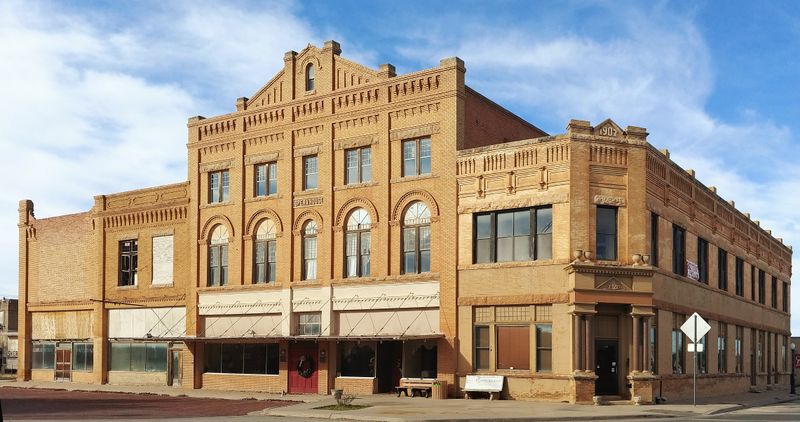
Found at 102 S Barnes St in What Cheer, this architectural marvel showcases Romanesque Revival style at its finest.
The grand building commands attention with its distinctive design elements that set it apart from typical structures.
Stone craftsmanship visible throughout the exterior demonstrates the skill of builders from generations past.
Over the decades, this versatile space has adapted to serve multiple community needs.
Theatrical performances continue to grace the stage, maintaining the venue’s original entertainment purpose.
The auditorium configuration allows for various event types, from formal concerts to community meetings.
Music programs benefit from the natural acoustic properties built into the structure’s design.
Cinema screenings once brought motion pictures to residents before modern multiplexes existed.
The building represents a significant investment in culture by the community’s founding members.
Preservation efforts have kept the structure functional while respecting its historical significance.
Visitors appreciate the opportunity to experience live events in such an authentic historic setting.
The opera house contributes to What Cheer’s unique character and small town appeal.
This venue proves that functional historic buildings serve communities better than museum pieces.
5. Warren Cultural Center
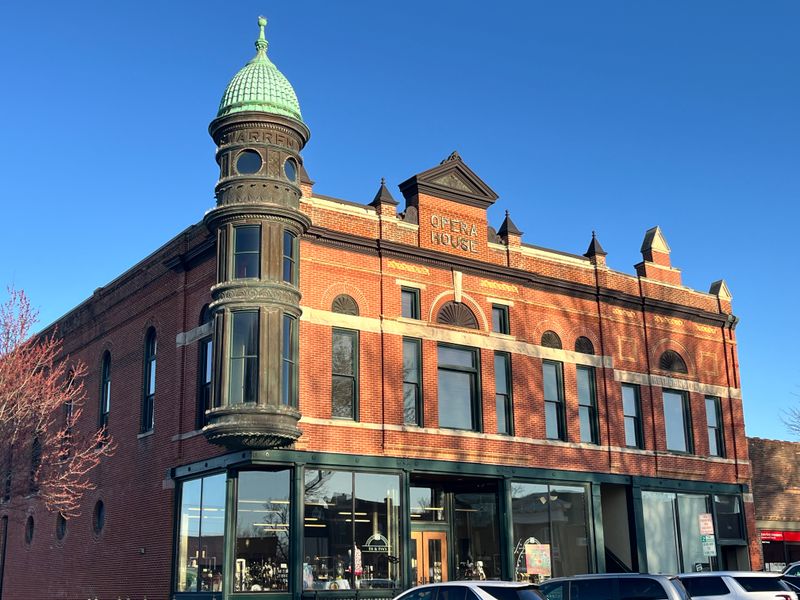
Situated at 154 Public Square in Greenfield, this transformed space offers much more than traditional theater experiences.
The former opera house underwent reimagining to become a multifunctional cultural destination for the region.
Renovation plans expanded the building’s purpose while honoring its theatrical roots and historic significance.
The concert hall maintains excellent acoustics that make every performance sound crystal clear.
Art gallery spaces showcase regional artists and provide rotating exhibitions throughout the year.
Perhaps most unique, guest accommodations overlook the stage area, offering an unforgettable lodging experience.
The two bedroom suite allows visitors to literally sleep where performers once captivated audiences.
This creative reuse demonstrates innovative thinking about historic preservation and community needs.
Events held here range from classical concerts to contemporary art openings and everything between.
The central location on the public square makes the venue easily accessible to residents and visitors.
Community members gather here for celebrations, educational programs, and cultural enrichment opportunities.
The building serves as a model for how historic structures can evolve without losing their character.
Greenfield residents take justifiable pride in this adaptable space that serves multiple community functions.
6. Cresco Theatre and Opera House
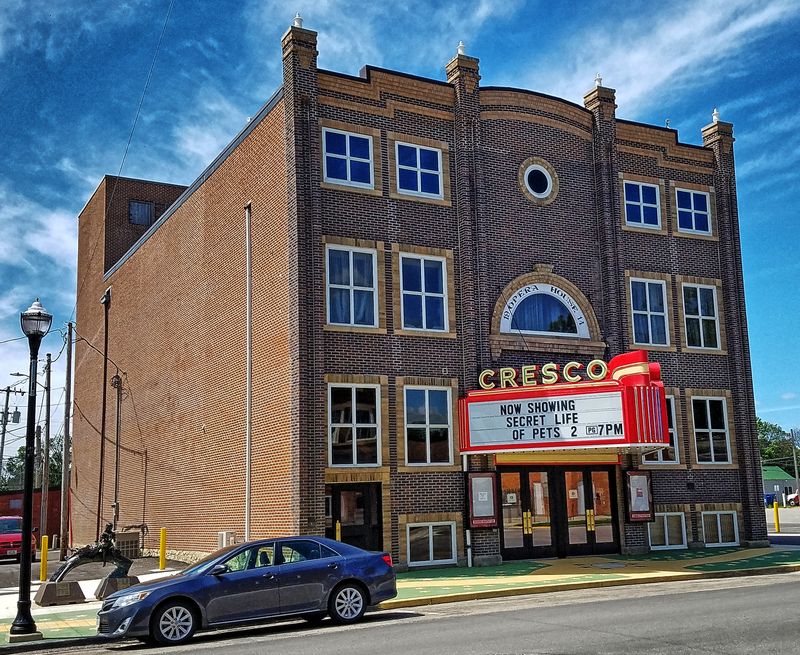
Anchoring 115 2nd Ave W in Cresco, this enduring venue has entertained audiences for more than a century.
The longevity of operations speaks to the community’s commitment to preserving cultural traditions.
Unlike some historic venues that only host occasional events, this theater maintains regular programming year round.
Live theatrical productions bring drama and comedy to life on a stage that has seen countless performances.
Movie screenings continue a tradition that began when cinema was still a novelty technology.
The combination of live shows and films provides entertainment options that appeal to diverse audiences.
Modern technology integration allows for contemporary sound and projection while maintaining historic atmosphere.
The building successfully bridges past and present, honoring heritage while embracing current capabilities.
Audience members appreciate the intimate setting that larger commercial theaters cannot replicate.
Community support remains strong, with generations of families creating memories within these walls.
The venue’s continued operation demonstrates that historic theaters can remain financially viable with proper management.
Visitors discover that small town entertainment venues often provide more personal experiences than urban alternatives.
Cresco’s dedication to this cultural landmark sets an example for communities throughout Iowa and beyond.
7. The Grand Opera House
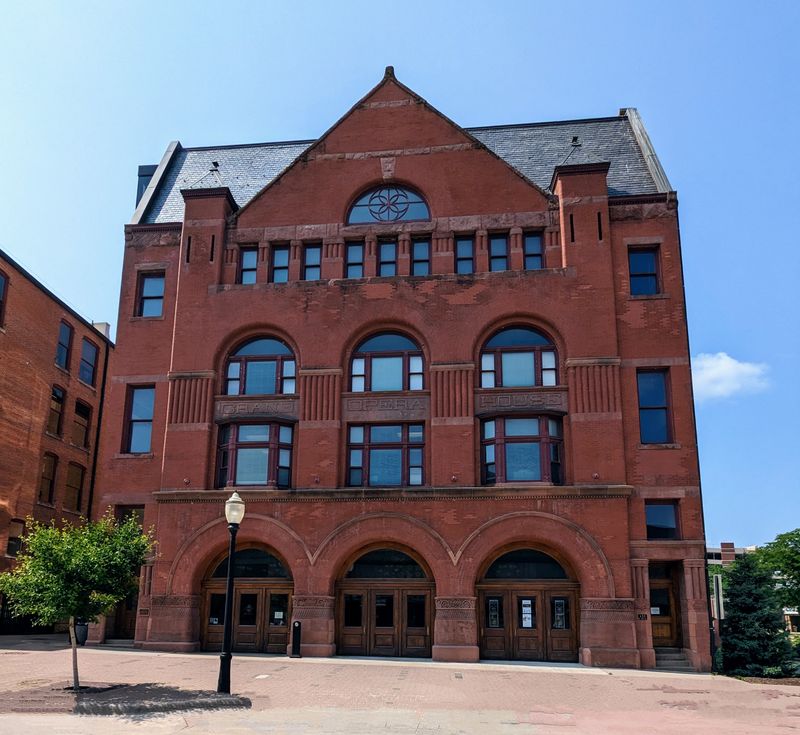
Rising six stories at 135 W 8th St in Dubuque, this impressive structure dominates its historic downtown neighborhood.
The building’s scale reflects the ambitions of its original builders who envisioned grand entertainment for their growing city.
Restoration work undertaken decades ago saved the structure from potential loss and returned it to operational glory.
Today’s programming calendar rivals major metropolitan venues with its diversity and professional quality.
Musical theater productions bring beloved Broadway shows to audiences who might otherwise travel hours to experience them.
Ballet performances showcase grace and athleticism on a stage designed for spectacular presentations.
Concert events span genres from classical symphonies to contemporary popular music acts.
The venue’s reputation attracts top tier touring companies who appreciate the quality facilities and enthusiastic audiences.
Interior spaces feature ornate details that transport visitors to an era of theatrical elegance.
The balcony levels provide excellent views while creating an intimate connection between performers and audience.
Technical capabilities support complex productions with lighting, sound, and staging requirements.
Dubuque residents consider the opera house a cornerstone of their community’s cultural identity.
Visitors to this Mississippi River city find world class entertainment in an unexpectedly grand historic setting.
8. Englert Theatre
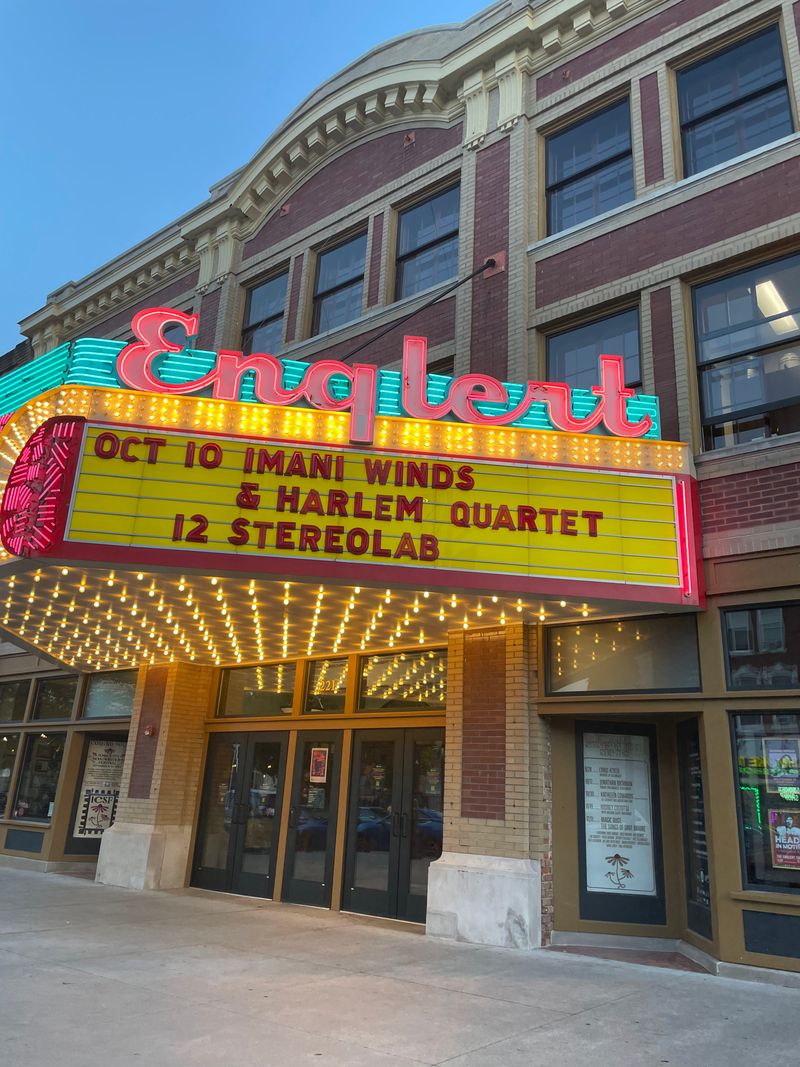
Located at 221 E Washington St in Iowa City, this beloved venue owes its survival to passionate community activism.
When commercial development threatened the building’s existence, residents organized to save their cultural treasure.
The successful preservation effort demonstrated the deep connection between the theater and community identity.
Since its rescue, the venue has flourished as a central gathering place for arts and entertainment.
Live music performances bring diverse sounds to the stage, from indie rock to folk traditions.
Comedy shows provide laughter and entertainment in an intimate setting that enhances performer audience interaction.
The programming reflects Iowa City’s eclectic tastes and university town atmosphere.
Students, residents, and visitors mingle in the lobby before shows, creating a vibrant social atmosphere.
The theater’s location in the heart of downtown makes it easily accessible and part of larger entertainment districts.
Technical updates have modernized capabilities while preserving the building’s historic character and charm.
The venue supports both established touring acts and emerging artists, contributing to cultural diversity.
Community ownership through nonprofit management ensures programming serves public interests rather than purely commercial goals.
The Englert stands as proof that grassroots efforts can preserve cultural landmarks for future generations.
9. Hoyt Sherman Place
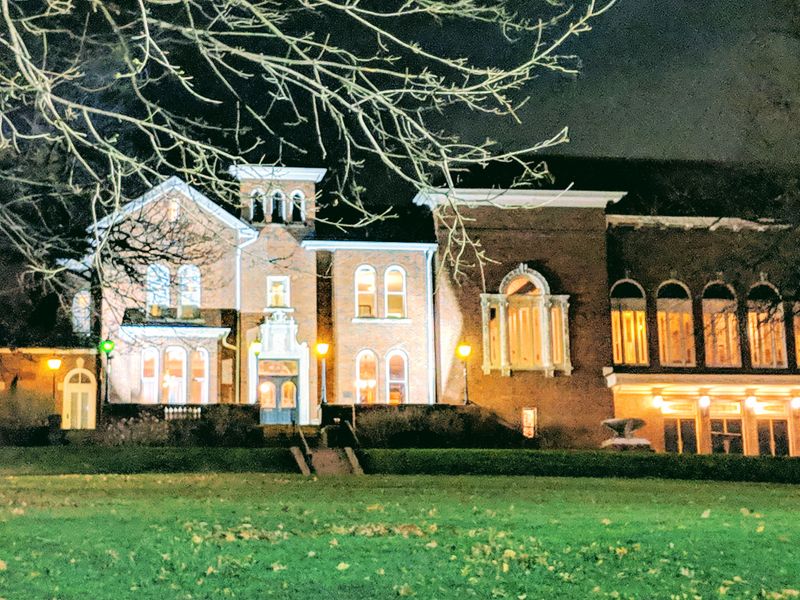
Occupying 1501 Woodland Ave in Des Moines, this unique venue began life as a private residence before theatrical expansion.
The original home represents Victorian era architecture and the lifestyle of the city’s early prominent citizens.
Addition of the theater wing transformed the property into a public cultural destination.
The substantial seating capacity allows major productions to reach large audiences while maintaining acoustic intimacy.
Performance programming spans classical music concerts, contemporary bands, theatrical productions, and special events.
Art exhibitions displayed throughout the building connect visual arts with performing arts under one roof.
The combination of historic home and purpose built theater creates a distinctive atmosphere found nowhere else.
Visitors can explore the residence portions and appreciate period furnishings and architectural details.
The venue serves as both entertainment destination and historical education site for Des Moines area residents.
Technical capabilities support complex staging requirements for touring professional productions.
Community organizations use the facility for fundraising galas and special celebrations that benefit from elegant surroundings.
The location in an established neighborhood provides convenient access while maintaining a refined atmosphere.
Hoyt Sherman Place demonstrates how adaptive reuse can create multifunctional cultural spaces that serve diverse community needs.
10. Adler Theatre
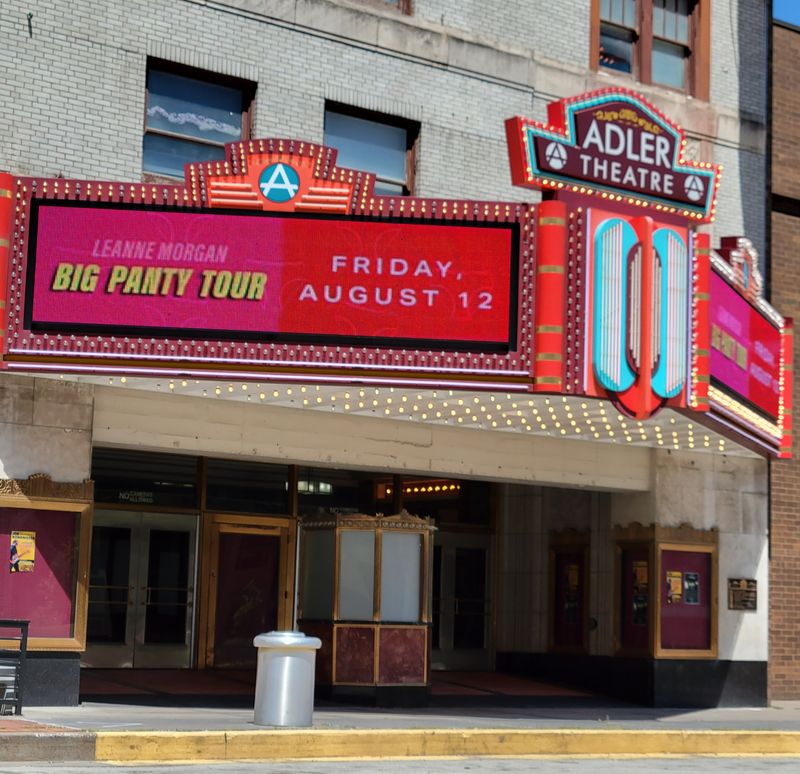
Commanding 136 E 3rd St in Davenport, this spectacular venue originally showcased motion pictures when cinema represented cutting edge entertainment.
The grand movie palace design reflected the glamour and excitement associated with Hollywood’s golden age.
Architectural details throughout the building evoke an era when going to the movies meant dressing up for an occasion.
Renovation efforts transformed the space into a premier live performance venue while respecting its cinematic heritage.
Broadway touring productions find a perfect home here, bringing major theatrical works to Quad Cities audiences.
Concert events feature artists across musical genres, from rock legends to contemporary pop stars.
Comedy performances fill the house with laughter, taking advantage of the venue’s excellent acoustics and sightlines.
The year round programming ensures consistent entertainment options for residents and visitors throughout all seasons.
Technical capabilities rival any modern theater, supporting complex productions with sophisticated lighting and sound systems.
The venue’s downtown location contributes to Davenport’s cultural district and supports surrounding businesses.
Audiences appreciate the comfort of updated seating combined with the charm of historic architectural elements.
The Adler represents successful adaptation of historic structures to meet contemporary entertainment needs.
This theater proves that buildings can honor their past while serving present community cultural requirements.
Dear Reader: This page may contain affiliate links which may earn a commission if you click through and make a purchase. Our independent journalism is not influenced by any advertiser or commercial initiative unless it is clearly marked as sponsored content. As travel products change, please be sure to reconfirm all details and stay up to date with current events to ensure a safe and successful trip.
