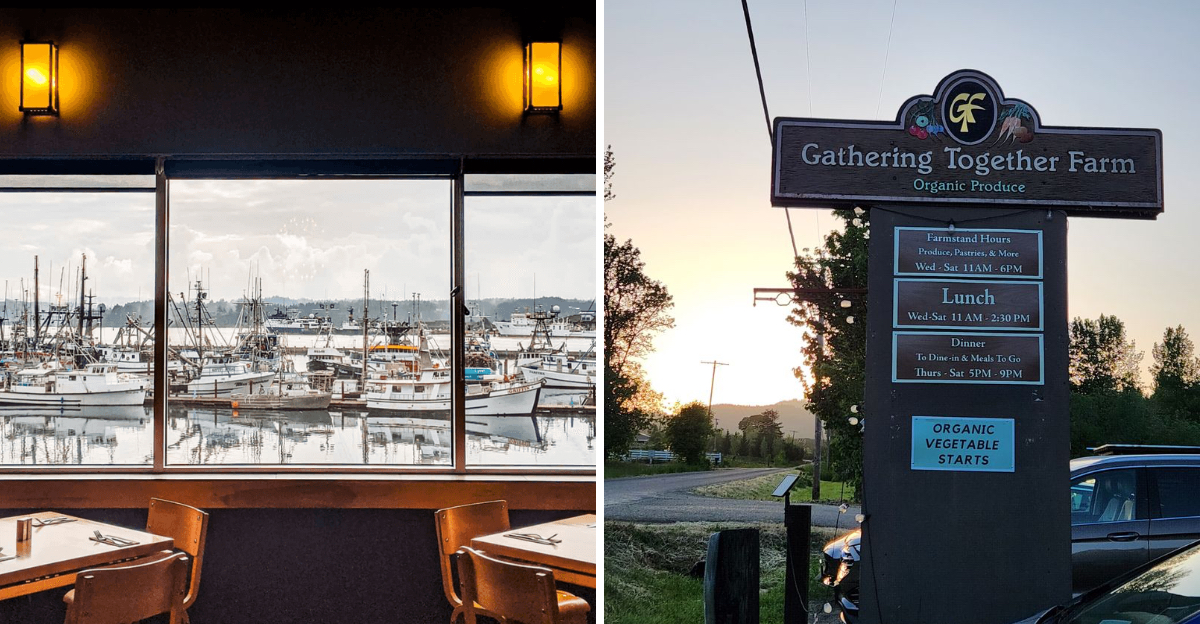
Oregon’s smaller communities hold some of the most authentic farm-to-table dining experiences in the Pacific Northwest.
These restaurants don’t just claim seasonal sourcing; they build entire menus around what local farmers, ranchers, and fishers bring to their doors each week.
From the coast to the Cascade foothills, each kitchen reflects the landscape surrounding it, celebrating ingredients at their peak rather than chasing culinary trends.
Visiting these spots means tasting the rhythm of Oregon’s agricultural calendar, where every plate tells a story of place, timing, and trust between grower and chef.
1. Blue Heron French Cheese Company, Tillamook
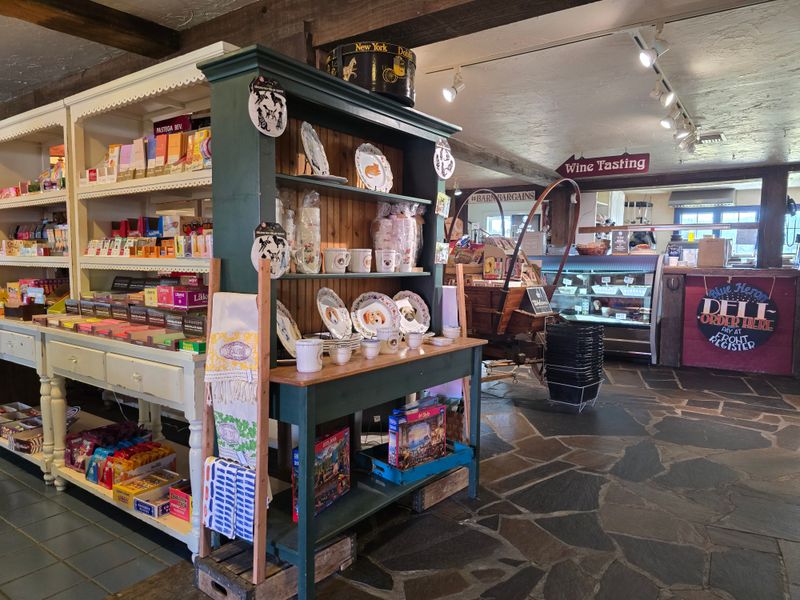
Positioned along the scenic route leading into Tillamook, this establishment thrives on connections with nearby dairy producers and vegetable growers.
The kitchen operates without rigid formulas, instead allowing ingredient availability to determine what appears on each day’s offerings.
Regional cheese takes center stage, but the commitment extends far beyond dairy.
Seafood arrives from coastal docks just minutes away, while seasonal produce comes from farms scattered throughout the Tillamook Valley.
Cooks here embrace flexibility, knowing that summer squash might dominate one week while root vegetables anchor dishes the next.
This approach keeps the menu honest and grounded in Oregon’s agricultural reality.
Rather than forcing consistency, the team celebrates variation, treating each harvest cycle as an opportunity rather than a constraint.
Diners notice the difference immediately in flavor intensity and ingredient freshness.
Nothing travels far to reach these plates, which means produce gets picked at optimal ripeness and dairy products maintain their full character.
The dining space itself reflects this unpretentious philosophy, with simple furnishings that keep attention focused on what matters most: the food.
Windows frame views of the surrounding farmland, creating a visual connection between table and source.
Visitors leave understanding that farm-to-table isn’t just a marketing phrase here but a practical framework shaping every kitchen decision.
Address: 2001 Blue Heron Drive, Tillamook, Oregon.
Each visit reveals something different, making return trips worthwhile throughout the year.
The restaurant proves that proximity to quality ingredients naturally elevates cooking when chefs respect what each season offers.
2. Larks Home Kitchen Cuisine, Ashland
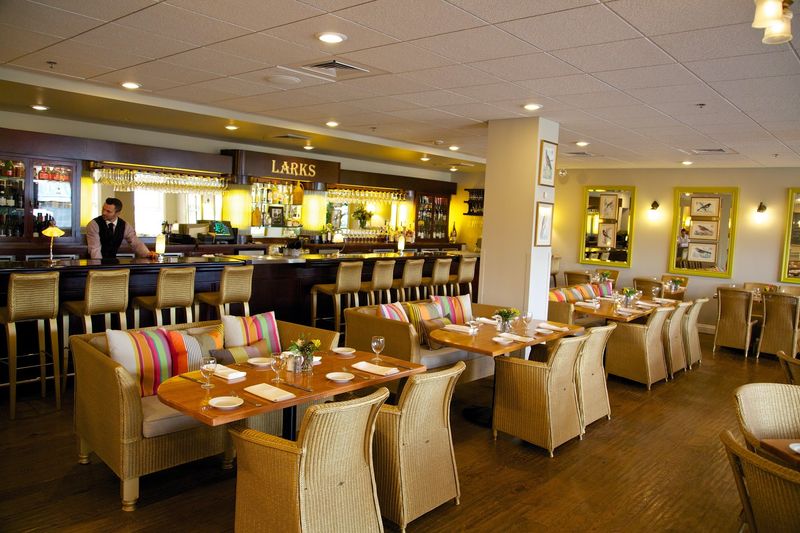
Larks Home Kitchen Cuisine in Ashland is one of Southern Oregon’s most celebrated farm?to?table restaurants, known for its commitment to local ingredients and seasonal menus that change with the bounty of the Rogue Valley farms and orchards.
The restaurant sources produce, meats, and dairy from nearby growers, ensuring that every dish reflects what is fresh and thriving in the region at that moment.
At Larks, chefs build plates around the agricultural calendar rather than forcing rigid recipes, allowing creativity to adapt to nature’s rhythms and flavor peaks.
Diners will find seasonal vegetables, local game, and artisan cheeses woven into menus that feel both sophisticated and grounded in place, celebrating Oregon’s bounty without excess.
The restaurant’s setting inside the historic Ashland Springs Hotel adds to its charm, with a dining room that feels warm and elegant without being pretentious.
Large windows bring in daylight and views of the surrounding town, reinforcing the connection between the plate and the landscape that nurtured its components.
Staff members are knowledgeable about local farms and often share stories behind the ingredients, enhancing the meal with context that deepens appreciation for regional agriculture.
Larks also pairs its seasonal entrées with a thoughtfully curated list of Oregon wines, highlighting the state’s viticultural diversity alongside its culinary offerings.
Whether you visit before a show at the Oregon Shakespeare Festival or as a destination in its own right, the experience feels like a celebration of the Rogue Valley’s food culture.
In a small town known for local bounty, Larks Home Kitchen Cuisine stands out as a restaurant where truly seasonal, locally sourced cuisine takes center stage.
The menu changes frequently, encouraging guests to return and discover new flavors that reflect each harvest.
Brunch offerings showcase the same dedication to local sourcing, with freshly baked pastries, orchard fruits, and farm?fresh eggs taking the spotlight.
The restaurant’s attention to detail extends to presentation, where plates are arranged to highlight color, texture, and the natural beauty of the ingredients.
Special events and tasting menus occasionally allow chefs to experiment with rare or limited?availability items from nearby farms.
Larks Home Kitchen Cuisine has earned a reputation not only for quality food but for fostering a connection between diners, farmers, and the landscape that sustains them.
Address: 212 E Main St, Ashland, Oregon.
3. Brickhouse, Redmond
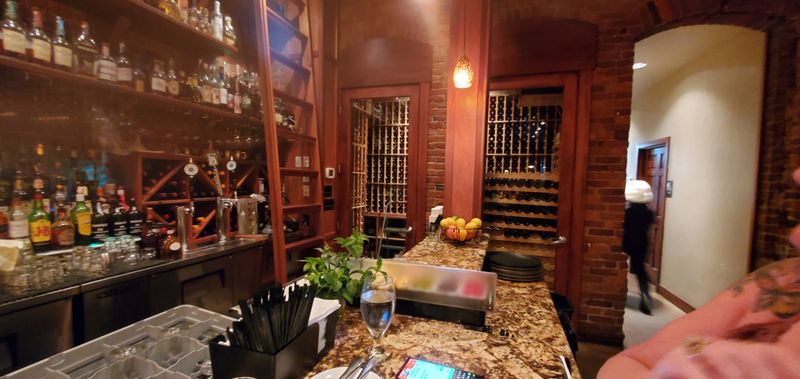
Central Oregon’s high desert landscape shapes everything about this restaurant, from ingredient selection to menu pacing.
Brickhouse works directly with nearby ranches and farms, building dishes around harvest cycles that differ dramatically from the wetter western valleys.
The kitchen celebrates simplicity, using preparations that highlight rather than mask ingredient quality.
A perfectly grilled cut of local beef needs little embellishment when the meat itself carries the flavor of Central Oregon’s rangeland.
Vegetables grown in the region’s volcanic soil bring distinctive mineral notes that cooks learn to showcase through careful timing and minimal seasoning.
This approach requires sourcing discipline, as the menu can only be as good as the ingredients supporting it.
Staff members maintain close relationships with suppliers, often visiting farms to understand growing conditions and select specific varieties best suited to the restaurant’s style.
The dining room reflects the surrounding high desert aesthetic, with exposed brick and natural wood creating warmth against the sometimes stark outdoor landscape.
Address: 316 SW 5th Street, Redmond, Oregon.
Large windows invite natural light during the day, while evening service takes on a cozier character as temperatures drop outside.
Seasonal rotation happens more dramatically here than in milder climates, with summer abundance giving way to winter’s more focused ingredient palette.
Cooks adapt by preserving peak-season produce and working with root vegetables and storage crops during colder months.
This rhythm mirrors traditional agricultural patterns, creating menus that feel connected to older ways of eating seasonally.
Diners leave with renewed appreciation for how geography influences flavor, understanding that Central Oregon’s unique climate produces ingredients unlike those grown anywhere else in the state.
4. Barley Brown’s Tasting Room Kitchen, Baker City
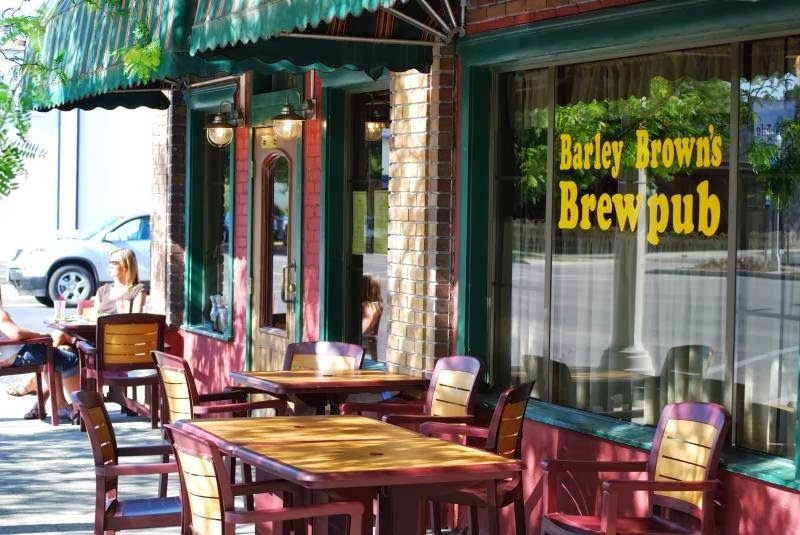
Though brewing built this establishment’s reputation, the kitchen operates with the same commitment to local sourcing that defines the beverage program.
Seasonal vegetables arrive from farms scattered across Eastern Oregon’s wide valleys, while regional grains and meats anchor a compact menu designed to complement rather than compete with the main attraction.
Cooks here understand their supporting role but execute it with pride, creating dishes that enhance the tasting experience without overwhelming it.
The farm-to-table philosophy extends naturally into this context, as ingredient quality matters just as much in food as it does in brewing.
Simple preparations let vegetables shine, while proteins get treated with respect and minimal fuss.
This restraint requires skill, as there’s nowhere to hide when a menu relies on just a few high-quality components.
The tasting room itself feels comfortable and lived-in, with wooden tables and a relaxed atmosphere that encourages lingering.
Address: 2190 Main Street, Baker City, Oregon.
Staff members move easily between discussing brewing techniques and describing ingredient sources, demonstrating how these elements intertwine in the restaurant’s overall philosophy.
Seasonal shifts become apparent through changing accompaniments and rotating vegetable selections that reflect what’s currently thriving in Eastern Oregon’s distinctive climate.
Winter brings heartier fare suited to the region’s cold temperatures, while summer allows for lighter preparations showcasing peak-season produce.
The compact menu size works in the kitchen’s favor, allowing cooks to focus energy on perfecting a few dishes rather than spreading attention across an unwieldy selection.
Visitors appreciate this focused approach, finding that limited choices often lead to better execution and more memorable meals.
The restaurant demonstrates how farm-to-table principles can adapt to different dining contexts while maintaining integrity and quality.
5. Gathering Together Farm Restaurant, Philomath
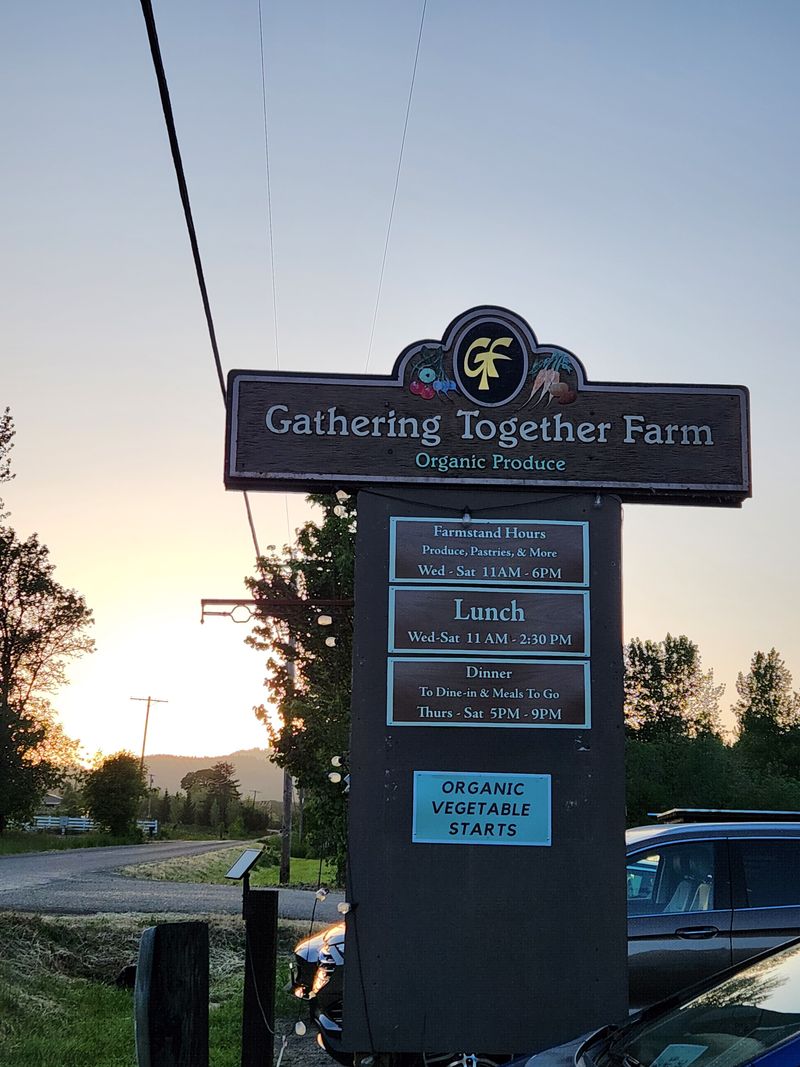
Few restaurants can claim as direct a connection to their ingredient sources as this Philomath establishment, which operates on the grounds of a working organic farm.
The entire menu derives from what grows in the surrounding fields, creating the purest expression of farm-to-table dining possible.
Meals reflect the agricultural calendar with absolute fidelity, as cooks literally walk outside to gather ingredients for that day’s service.
This immediacy translates into flavors that capture vegetables at their absolute peak, often within hours of harvest.
The restaurant doesn’t chase culinary trends or attempt to force ingredients out of season.
Instead, it embraces limitations as creative parameters, finding endless variations within each season’s natural boundaries.
Spring might bring tender lettuces and early peas, while late summer overflows with tomatoes, squash, and peppers in countless varieties.
Cooks develop deep knowledge of how specific crops behave throughout their growing cycles, timing harvests to catch flavors at optimal moments.
The dining space maintains farmhouse simplicity, with windows overlooking the fields that supply the kitchen.
Address: 25159 Grange Hall Road, Philomath, Oregon.
Guests watch the landscape change throughout the year, visually connecting their meals to the land producing them.
This transparency builds trust and appreciation, as diners witness firsthand the work required to grow food organically in Oregon’s Willamette Valley.
Staff members speak passionately about farming practices and ingredient selection, often sharing stories about particular crops or explaining how weather influenced that season’s harvest.
The restaurant proves that farm-to-table dining reaches its fullest potential when the farm and table exist in the same physical space, eliminating all distance between growth and consumption.
6. Local Ocean Seafoods, Newport
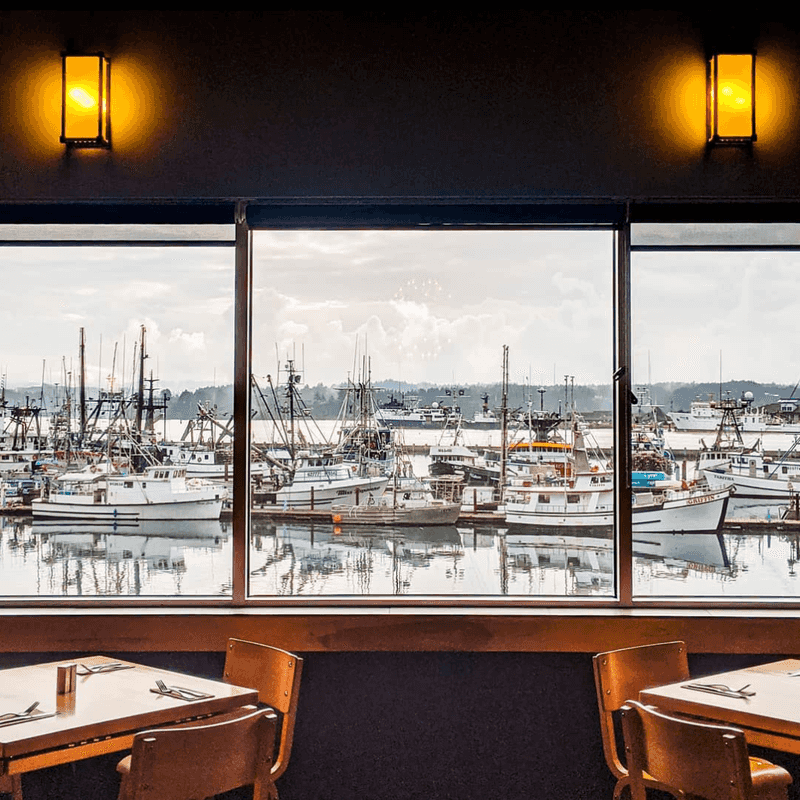
Positioned along Newport’s working waterfront, this restaurant extends farm-to-table principles into the marine environment, sourcing seafood directly from Oregon’s fishing fleet.
Daily offerings shift based on what boats bring to the docks, creating menus that reflect ocean conditions, seasonal migrations, and sustainable harvest practices.
The kitchen adjusts constantly, working with whatever species are currently abundant and responsibly caught.
This flexibility requires culinary adaptability, as cooks must excel with multiple fish varieties rather than specializing in just a few signature preparations.
Regional produce arrives from farms scattered along the coast and inland valleys, providing seasonal vegetables that complement the seafood-focused menu.
The restaurant demonstrates how coastal dining can embrace local sourcing just as effectively as agricultural regions, treating fisheries as the ocean equivalent of farms.
Staff members maintain close relationships with fishers, often knowing which boat caught specific fish and understanding the methods used to harvest them.
This traceability builds confidence among diners concerned about sustainability and fishing practices.
The dining space captures Newport’s maritime character, with views of the working harbor reminding guests of the restaurant’s direct connection to the fishing industry.
Address: 213 SE Bay Boulevard, Newport, Oregon.
Watching boats unload their catch while dining creates a powerful sense of place and immediacy rarely found in seafood restaurants.
Seasonal patterns become apparent through changing species availability, as different fish move through Oregon’s coastal waters throughout the year.
The restaurant proves that truly local seafood dining requires the same seasonal flexibility demanded by land-based farm-to-table cooking, with menus responding to natural cycles rather than customer expectations for year-round consistency.
7. Barnacle Bistro, Gold Beach
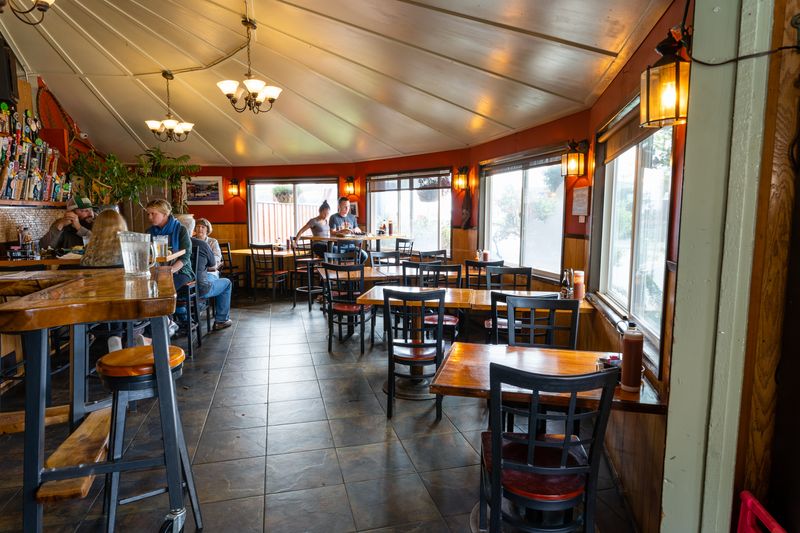
Tucked into Southern Oregon’s rugged coastline, this modest bistro exemplifies how small restaurants can punch above their weight through committed local sourcing.
The kitchen relies on produce from farms scattered throughout Curry County, paired with proteins sourced from nearby ranches and fishing operations.
Menus remain deliberately flexible, changing based on weather patterns, harvest timing, and what suppliers can deliver each week.
This approach requires trust between chef and farmer, as the restaurant must adapt to availability rather than demanding specific items regardless of season.
Cooks here embrace this uncertainty as part of the creative process, finding inspiration in constraints rather than fighting against them.
Southern Oregon’s microclimate allows for crops that struggle in other parts of the state, giving the bistro access to unique ingredients that shape its distinctive character.
The dining room maintains an intimate scale, with just enough tables to create a neighborhood gathering spot without feeling cramped or rushed.
Address: 29346 Ellensburg Avenue, Gold Beach, Oregon.
Staff members know most regular guests by name, creating a welcoming atmosphere that encourages conversation and connection.
Seasonal shifts become talking points, with servers highlighting what’s currently at peak flavor and explaining how specific farms influenced that week’s menu.
The bistro proves that farm-to-table dining doesn’t require elaborate facilities or extensive resources, just commitment to sourcing well and cooking honestly.
Each plate reflects the surrounding landscape’s seasonal rhythms, offering visitors a genuine taste of Southern Oregon’s coastal agriculture.
The restaurant demonstrates how even the smallest establishments can maintain high standards when they prioritize ingredient quality and build strong relationships with local producers.
Dear Reader: This page may contain affiliate links which may earn a commission if you click through and make a purchase. Our independent journalism is not influenced by any advertiser or commercial initiative unless it is clearly marked as sponsored content. As travel products change, please be sure to reconfirm all details and stay up to date with current events to ensure a safe and successful trip.
