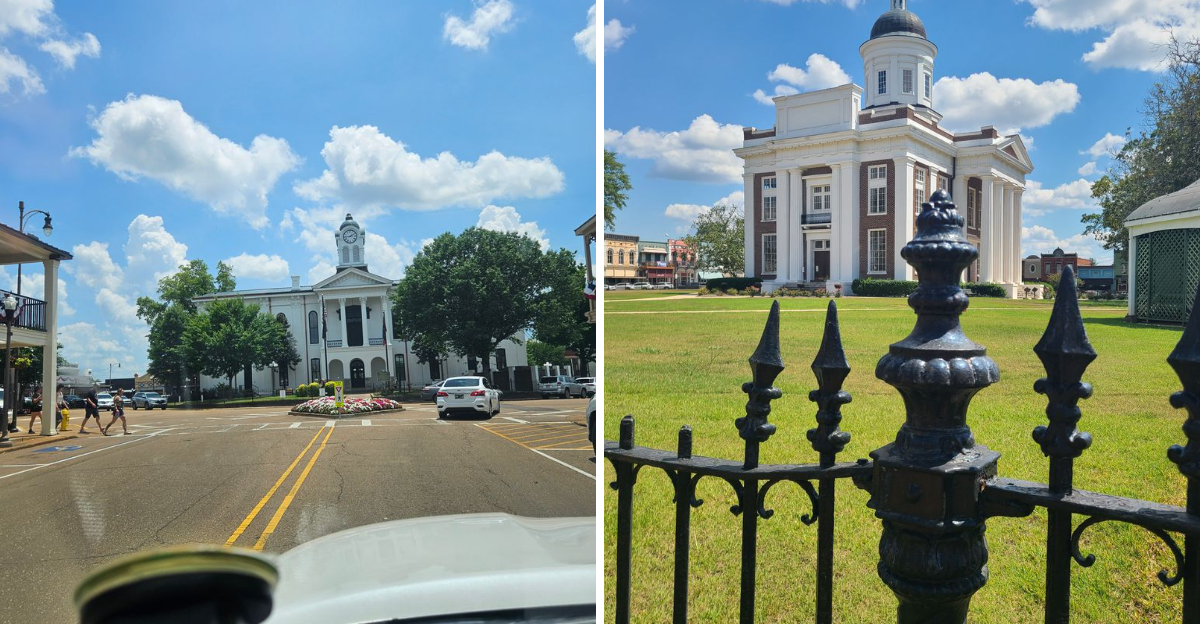
Mississippi’s small town squares hold stories that span generations.
These historic gathering places have witnessed weddings, protests, celebrations, and everyday conversations that shape local identity.
From farmers markets to festivals, these squares continue to pulse with the rhythm of community life.
Each square reflects the unique character of its town while serving the same essential purpose: bringing people together.
Whether you’re exploring Mississippi for the first time or rediscovering your home state, these ten public squares showcase the heart and soul of small town living.
They’re not just historic landmarks or tourist attractions.
They’re living, breathing spaces where neighbors meet, businesses thrive, and traditions carry forward into the future.
1. The Square in Oxford
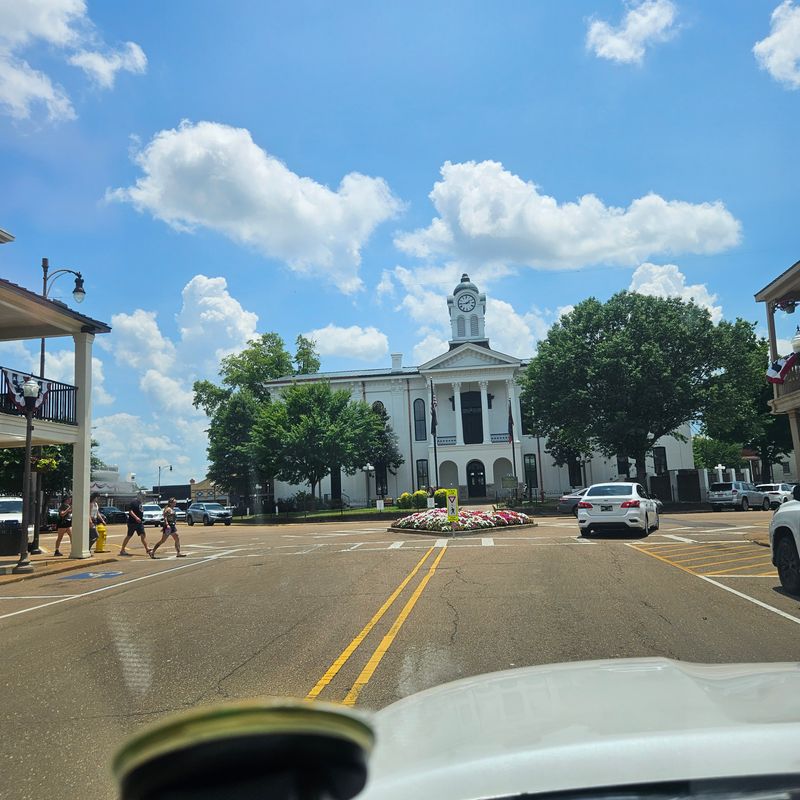
Since its establishment in the early nineteenth century, Oxford’s Square has defined what it means to be the center of a community.
The Lafayette County Courthouse stands as the architectural anchor, its presence commanding attention from every angle.
Address: Courthouse Square, Oxford, MS 38655.
Square Books has become a literary landmark, drawing authors and readers from across the nation to its shelves.
Boutiques line the streets, offering everything from handmade jewelry to carefully curated home goods.
Art galleries showcase both established and emerging talent, creating a cultural ecosystem that feels rare for a town this size.
Restaurants around the Square serve cuisine that ranges from Southern comfort classics to innovative fusion creations.
Students from the nearby university mingle with longtime residents, creating an intergenerational energy that keeps the area vibrant.
Seasonal events transform the Square into a festival ground, with live music echoing off historic facades.
The walkability of the area encourages spontaneous encounters and unhurried conversations.
Local business owners know their customers by name, preserving a personal touch that larger cities have lost.
This Mississippi square represents more than commerce or history.
It embodies a living tradition where economic vitality and cultural richness feed each other continuously.
2. Canton Courthouse Square
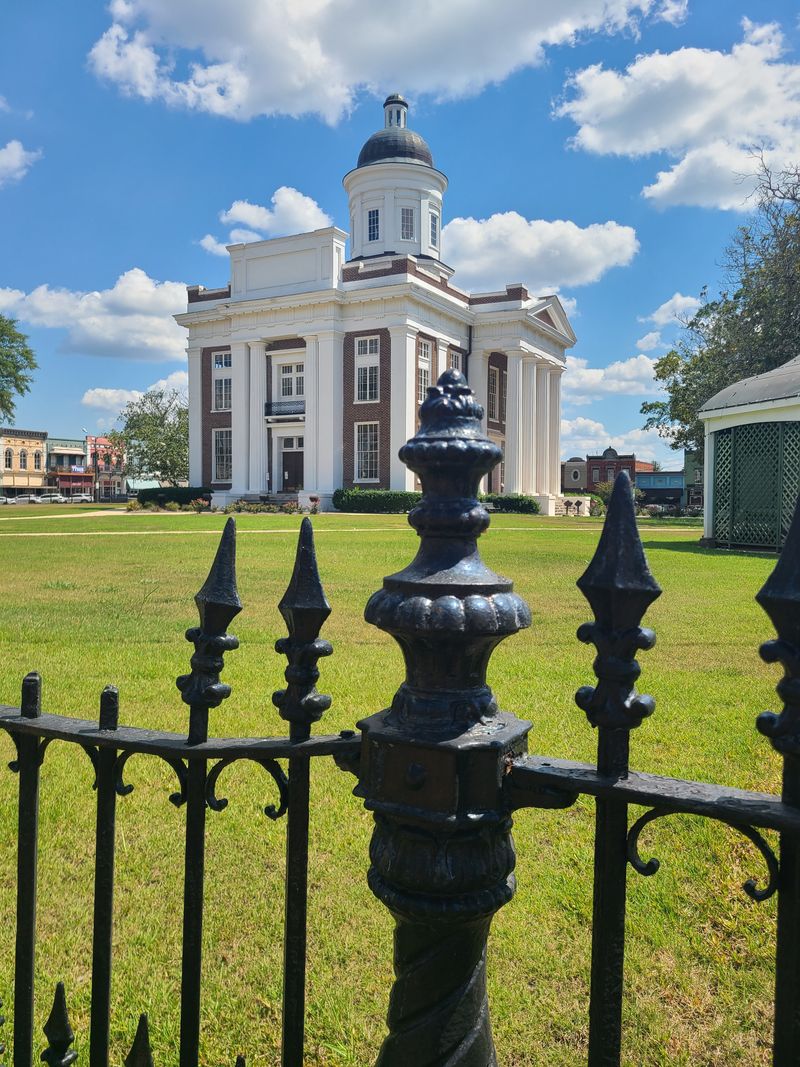
Canton’s Courthouse Square showcases Greek Revival architecture at its most striking.
The courthouse itself commands respect with its classical proportions and timeless elegance.
Address: 146 W Peace St, Canton, MS 39046.
Twice yearly, the square undergoes a remarkable transformation for the Canton Flea Market Arts and Crafts Show.
Thousands of vendors fill every available space, turning the historic district into a treasure hunter’s paradise.
Shoppers travel from neighboring states to browse handcrafted furniture, vintage finds, and artisan creations.
Between these major events, local shops maintain a steady presence, offering antiques and specialty items.
Eateries around the square serve meals that reflect Canton’s culinary heritage and modern tastes.
The square functions as both a daily gathering spot and a destination for special occasions.
Benches under shade trees provide perfect perches for people watching and casual conversation.
The architectural cohesion of the surrounding buildings creates a visual harmony that photographers find irresistible.
Community events throughout the year keep the square active and relevant to residents of all ages.
This Mississippi square proves that historic preservation and economic development can thrive side by side.
Canton’s commitment to maintaining its downtown character has created a model other small towns study and emulate.
3. Port Gibson Town Square
Port Gibson’s square radiates a charm that feels unhurried and welcoming.
Annual celebrations bring the community together in ways that strengthen social bonds across generations.
Address: Downtown Port Gibson, MS 39150.
The Christmas parade transforms the square into a winter wonderland, with lights twinkling against historic facades.
Food festivals celebrate regional cuisine, from barbecue competitions to catfish cookoffs that draw serious competitors.
Local businesses surrounding the square offer goods and services that meet everyday needs while preserving small town character.
Attractions in the downtown area tell stories of Port Gibson’s rich past and resilient present.
The square serves as a natural gathering point before and after church services, maintaining traditions that span decades.
Visitors often remark on the genuine friendliness they encounter while exploring the area.
Architectural details on surrounding buildings reveal craftsmanship from eras when quality construction was standard practice.
The square’s layout encourages lingering rather than rushing, with shaded spots perfect for rest and reflection.
Community organizations use the square for fundraisers and awareness campaigns, knowing they’ll reach a cross section of residents.
This Mississippi gathering place demonstrates how public spaces can nurture civic engagement and social connection.
Port Gibson’s square remains vital precisely because the community continues to invest in and utilize it regularly.
4. Holly Springs Town Square

Holly Springs possesses an architectural legacy that transports visitors to another era.
Antebellum structures surrounding the square have survived wars, economic shifts, and changing tastes.
Address: Courthouse Square, Holly Springs, MS 38635.
Locally owned shops fill storefronts with merchandise that reflects both tradition and contemporary style.
Cafes offer cozy atmospheres where conversations flow as freely as the coffee.
The square’s aesthetic coherence creates an almost storybook quality that feels authentic rather than manufactured.
Business owners take pride in maintaining the character of their historic buildings while modernizing interiors for functionality.
The friendly atmosphere extends beyond politeness into genuine hospitality that visitors remember long after leaving.
Seasonal decorations transform the square throughout the year, from spring flowers to autumn displays.
The walkable layout encourages exploration, with new discoveries waiting around each corner.
Community events utilize the square’s natural amphitheater quality, with spectators gathering informally to watch performances.
Historic markers provide context for the architecture, helping visitors appreciate the preservation efforts behind the scenes.
This Mississippi square balances reverence for the past with practical needs of the present.
Holly Springs demonstrates that historic districts can remain economically viable without sacrificing their distinctive character.
5. Hernando Town Square
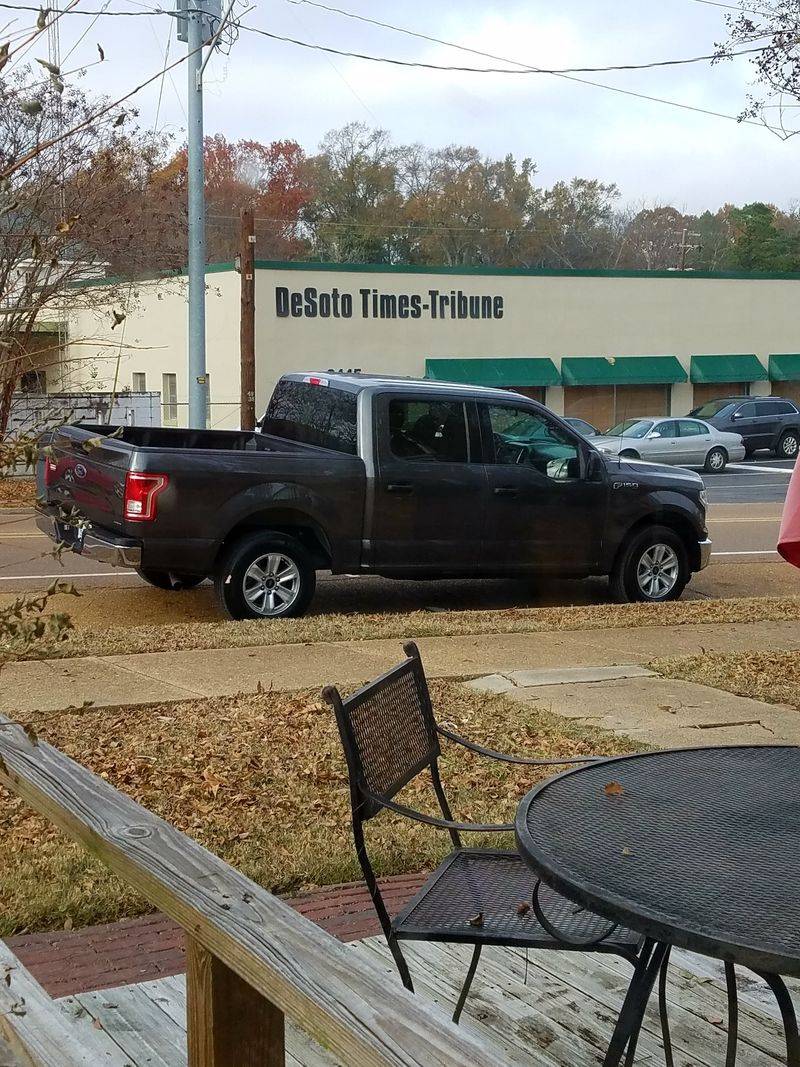
Hernando’s square pulses with weekly activities that keep the community connected.
Thursday nights bring movies under the stars, transforming the square into an outdoor cinema.
Address: 2535 Commerce St, Hernando, MS 38632.
Live bands perform on warm evenings, their music drawing crowds who spread blankets and lawn chairs across the grass.
Food trucks line up to offer diverse culinary options, from tacos to barbecue to international flavors.
The courthouse anchors the square with its official presence, while surrounding businesses provide everyday necessities and special treats.
Restaurants around the square serve meals that range from quick lunches to leisurely dinners.
The Dotto Museum adds cultural depth, preserving local history and offering educational opportunities.
Shops carry merchandise that reflects both practical needs and impulse purchases that support local entrepreneurs.
The square’s design accommodates both planned events and spontaneous gatherings with equal ease.
Families with young children find the area safe and welcoming, with plenty of space for kids to move around.
The regular programming creates anticipation and routine, giving residents reasons to return week after week.
This Mississippi square shows how consistent community programming can activate public space and build social capital.
Hernando’s commitment to making its square a living, active space has paid dividends in community cohesion and local pride.
6. Corinth City Centre
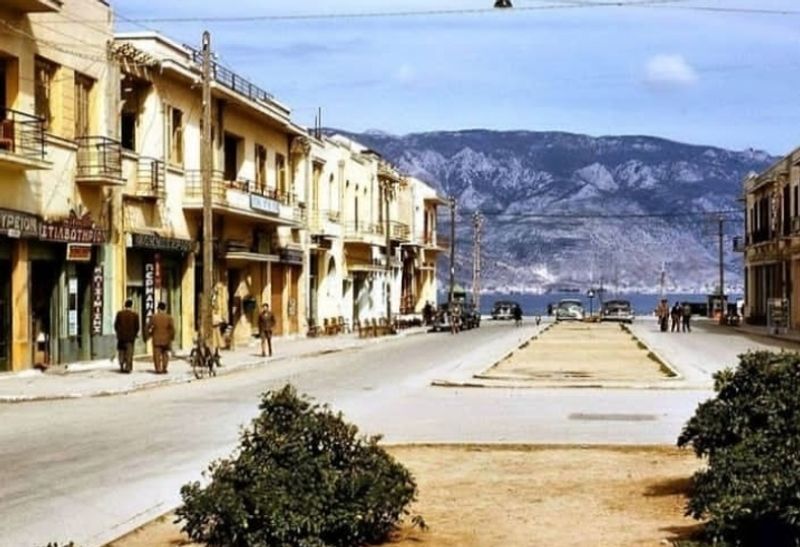
Corinth’s walkable downtown creates an urban experience scaled to small town proportions.
The Gateway City designation reflects its historical role as a transportation and commerce hub.
Address: Downtown Corinth, MS 38834.
Shopping opportunities range from national retailers to unique local boutiques, offering variety without overwhelming choices.
Dining establishments serve everything from quick bites to full meals, accommodating different schedules and appetites.
The pedestrian friendly layout encourages people to park once and explore multiple destinations on foot.
Street furniture and landscaping create comfortable outdoor spaces that invite lingering between errands.
The cultural hub designation comes from more than physical infrastructure; it reflects active community engagement.
Local organizations use the city center for events that celebrate heritage and build connections.
Business owners collaborate to create district wide promotions that benefit everyone while drawing customers downtown.
The mix of services means residents can accomplish multiple tasks in one trip, supporting efficient use of time.
Architectural variety along the streets tells the story of different eras in Corinth’s development.
This Mississippi downtown proves that thoughtful urban planning can preserve small town character while meeting modern needs.
Corinth’s city center remains relevant because it continues to serve practical functions while fostering community identity.
7. Ocean Springs Downtown on Washington Avenue
Washington Avenue in Ocean Springs feels more like a discovery than a destination.
Ancient oaks create a natural canopy that filters sunlight and provides welcome shade year round.
Address: Washington Avenue, Ocean Springs, MS 39564.
Art galleries line the street, showcasing works that range from traditional landscapes to experimental installations.
The Walter Anderson Museum of Art anchors the cultural scene, celebrating a local artist whose vision defined the region’s aesthetic identity.
Shops offer everything from handcrafted pottery to coastal inspired home decor that captures the area’s maritime heritage.
Restaurants serve cuisine influenced by proximity to the Gulf, though menus extend well beyond seafood.
The Community Center provides space for gatherings, classes, and events that bring residents together regularly.
The walkable layout encourages gallery hopping and spontaneous exploration without the need for constant driving.
Local artists often display works outside their studios, creating an ever changing outdoor exhibition.
The creative energy attracts both established artists and emerging talents who contribute to the area’s bohemian atmosphere.
Benches under the oaks invite rest and observation, turning people watching into a pleasant pastime.
This Mississippi coastal community has cultivated an arts district that feels organic rather than manufactured.
Ocean Springs demonstrates how cultural assets can drive economic vitality while maintaining authentic small town character.
8. Laurel Main Street
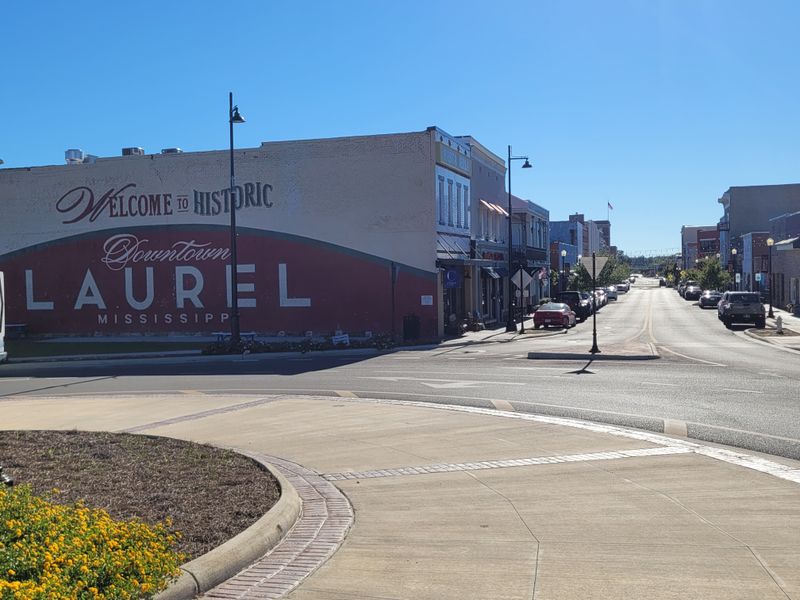
Laurel’s Main Street gained national attention through television, but its revival story runs much deeper.
The historic district showcases what’s possible when community members invest in their downtown’s future.
Address: Main Street, Laurel, MS 39440.
Laurel Mercantile serves as both a shop and a symbol of downtown revitalization efforts.
The store offers carefully curated merchandise that reflects Southern aesthetics and contemporary design sensibilities.
Surrounding businesses have followed suit, opening shops that complement rather than compete with each other.
The television exposure brought visitors, but the quality of the downtown experience keeps them coming back.
Restaurants and cafes provide gathering spots where locals and tourists mingle over meals and conversation.
Architectural details on restored buildings reveal the craftsmanship and care invested in preservation efforts.
The walkable layout makes exploring the district easy and enjoyable, with new discoveries around every corner.
Community pride is palpable, with residents eager to share their town’s transformation story.
Events throughout the year activate the Main Street area, from outdoor concerts to seasonal celebrations.
This Mississippi downtown proves that small towns can reverse decline through strategic investment and community vision.
Laurel’s success has inspired other communities to look at their own downtowns with fresh eyes and renewed hope.
9. Starkville Downtown and Cotton District
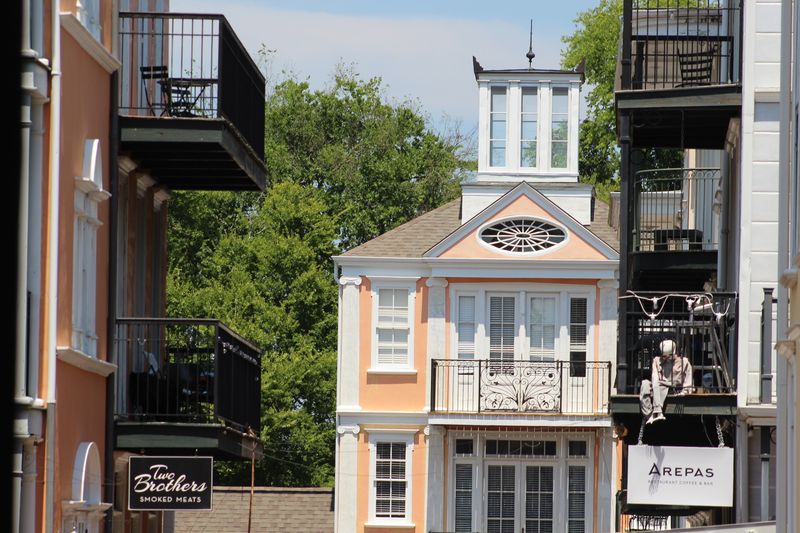
Starkville’s downtown benefits from university proximity while maintaining distinct small town identity.
The Cotton District adds architectural interest with its unique development philosophy and pedestrian oriented design.
Address: Downtown Starkville, MS 39759.
Students and longtime residents create an intergenerational mix that keeps the area dynamic and diverse.
Local businesses cater to both populations, offering everything from textbooks to home goods.
Restaurants serve quick meals for students between classes and leisurely dinners for families celebrating special occasions.
The lively atmosphere peaks during the academic year but maintains energy even during summer months.
Coffee shops double as study halls and meeting spaces, their tables occupied from morning until closing time.
The Cotton District’s architectural cohesion creates a neighborhood feel within the larger downtown area.
Walkability remains a priority, with sidewalks connecting residential areas to commercial districts seamlessly.
Community events draw both town and gown, creating opportunities for interaction across different social groups.
The downtown serves as a vital third space between home and campus, fostering informal social connections.
This Mississippi university town demonstrates how academic institutions and local communities can create mutually beneficial relationships.
Starkville’s downtown thrives because it meets the needs of diverse populations while maintaining cohesive character.
10. Natchez Main Street
Natchez carries the weight of history in every brick and beam along its Main Street.
Buildings on the National Historic Register number in the hundreds, creating an architectural museum that functions as a living downtown.
Address: Main Street, Natchez, MS 39120.
The Mississippi River’s presence shaped the town’s development and continues to influence its identity today.
Local businesses occupy structures that have housed commerce for generations, creating continuity across centuries.
The connection between river history and modern community life remains visible in layout and architecture.
Visitors come for the historic homes but often find the downtown area equally compelling.
Shops offer antiques and local crafts that reflect the region’s artistic traditions and contemporary creativity.
Restaurants serve cuisine that honors Southern culinary heritage while incorporating modern techniques and ingredients.
The Main Street area balances tourist appeal with everyday functionality for residents.
Preservation efforts have maintained architectural integrity while allowing buildings to serve contemporary purposes.
Walking the streets feels like moving through layers of time, with each era leaving its mark.
This Mississippi river town demonstrates how historic significance can coexist with modern community needs.
Natchez’s Main Street remains vital because it honors the past while actively participating in the present.
Dear Reader: This page may contain affiliate links which may earn a commission if you click through and make a purchase. Our independent journalism is not influenced by any advertiser or commercial initiative unless it is clearly marked as sponsored content. As travel products change, please be sure to reconfirm all details and stay up to date with current events to ensure a safe and successful trip.
