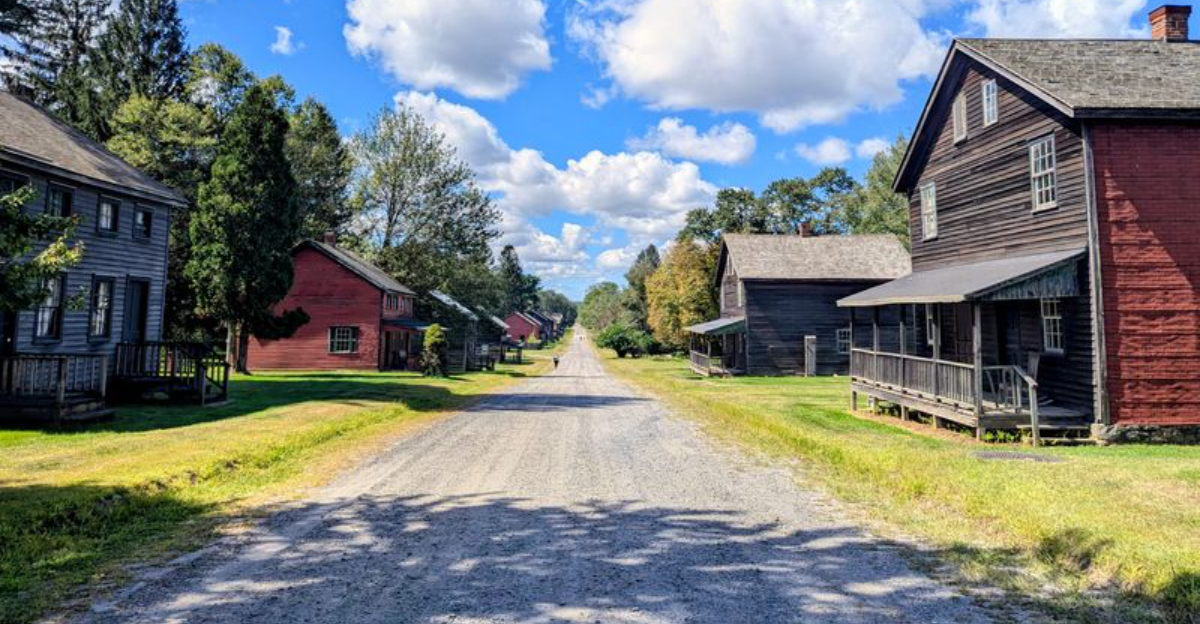
Pennsylvania hides some of the most charming and unexpected treasures in towns most travelers zoom right past.
While cities like Philadelphia and Pittsburgh grab the spotlight, smaller communities across the state offer quirky museums, natural wonders, and historical gems that few people know about.
These hidden spots give you a chance to experience Pennsylvania like a local, far from the usual tourist crowds.
Pack your curiosity and get ready to explore some places that deserve way more attention than they get.
1. The Mutter Museum in Jim Thorpe
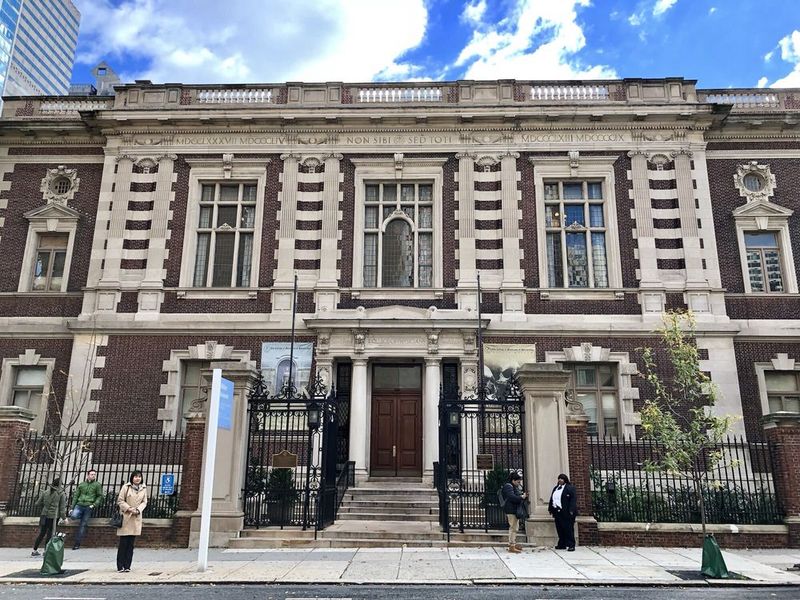
Jim Thorpe looks like it jumped straight out of a storybook with its Victorian buildings tucked between steep mountains.
This former coal town reinvented itself as a charming destination full of art galleries, antique shops, and cozy cafes.
The entire downtown is a National Historic Landmark, and wandering its hilly streets feels like stepping back in time.
You can find it at 41 West Broadway, Jim Thorpe, PA 18229, right in the heart of the Pocono Mountains.
Train enthusiasts love the Lehigh Gorge Scenic Railway, which offers stunning rides through the surrounding wilderness.
Outdoor adventurers flock here for whitewater rafting on the Lehigh River and biking along scenic trails.
The town was originally called Mauch Chunk, which means “Bear Mountain” in the Lenape language.
In 1954, it was renamed to honor the legendary Olympic athlete Jim Thorpe, whose remains are buried in a memorial here.
Fall is an especially magical time to visit when the mountains explode with red, orange, and gold foliage.
Local ghost tours share spine-tingling tales of haunted hotels and mysterious happenings throughout the town.
The Asa Packer Mansion offers guided tours showcasing how wealthy coal barons lived during the 1800s.
Quirky shops sell handmade crafts, vintage finds, and one-of-a-kind souvenirs you will not find anywhere else.
Restaurants serve everything from classic American comfort food to creative farm-to-table dishes.
Jim Thorpe proves that small towns can pack a big punch when it comes to history, beauty, and character.
Whether you spend a day or a weekend, this mountain gem leaves a lasting impression.
2. The Zippo/Case Museum in Bradford
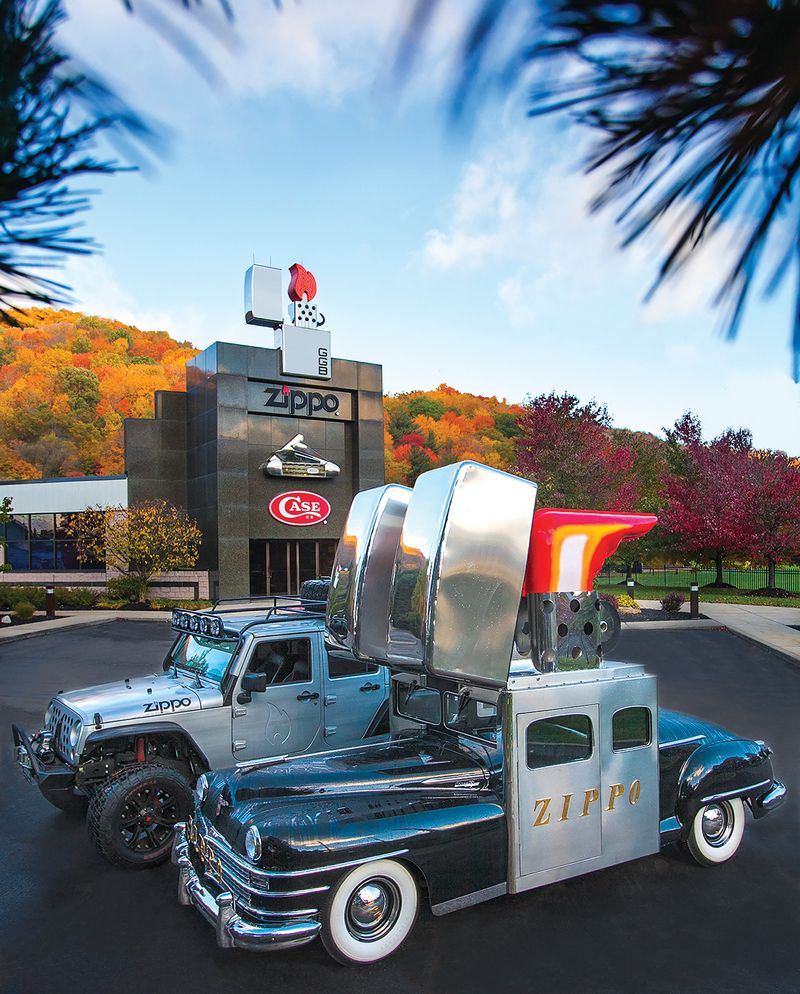
Bradford might be off the beaten path, but it is home to one of the most unique museums in America.
The Zippo/Case Museum celebrates two iconic brands that have been part of American culture for generations.
Located at 1932 Zippo Drive, Bradford, PA 16701, this free museum showcases thousands of lighters and pocket knives.
You will see everything from classic chrome Zippos to wild custom designs featuring sports teams, celebrities, and art.
The museum also tells the fascinating story of how George G. Blaisdell invented the windproof lighter in 1932.
Interactive exhibits let you test your skills at operating vintage machinery and learn about the manufacturing process.
Case knives, which have been handcrafted since 1889, share equal billing with displays of rare and collectible models.
Military history buffs appreciate the section dedicated to Zippos carried by soldiers during World War II and Vietnam.
Some lighters on display are worth thousands of dollars and feature intricate engravings or precious metals.
The museum store lets you purchase personalized Zippos engraved on-site, making for perfect souvenirs or gifts.
Bradford itself is a small city surrounded by the Allegheny National Forest, offering plenty of outdoor recreation nearby.
Hiking, fishing, and camping opportunities abound in this scenic region of northwestern Pennsylvania.
The town has a proud industrial heritage, and locals are genuinely friendly and happy to share their stories.
Visiting the Zippo/Case Museum is like exploring a slice of Americana that most people never get to experience.
It is proof that even the smallest towns can preserve and celebrate remarkable pieces of history.
3. Ringing Rocks Park in Upper Black Eddy
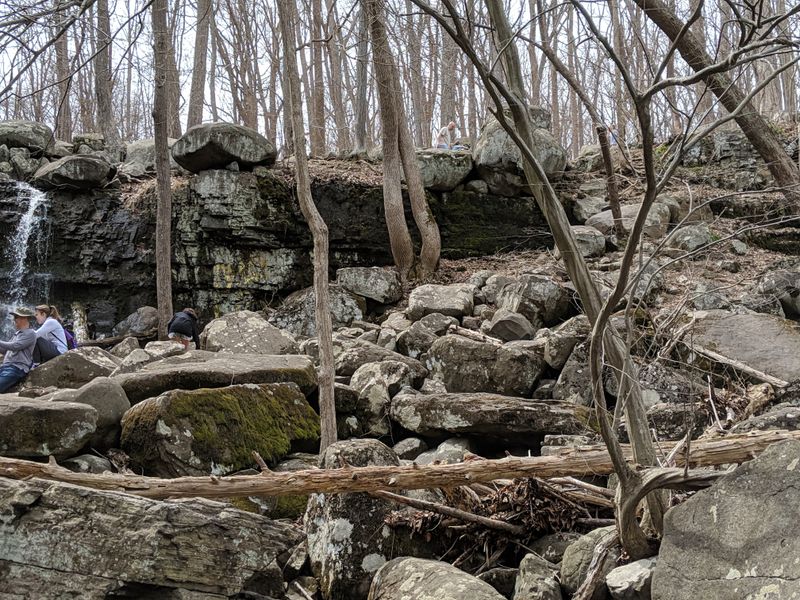
Imagine a field of boulders where hitting rocks with a hammer produces musical tones like a giant xylophone.
That is exactly what you will find at Ringing Rocks Park, located at 1150 Ringing Rocks Road, Upper Black Eddy, PA 18972.
Scientists are still not entirely sure why some of these rocks ring while others stay silent.
The phenomenon has fascinated visitors for generations, and people bring hammers to create their own rocky concerts.
The boulder field covers about seven acres and sits in a naturally formed depression surrounded by forest.
Wear sturdy shoes because the rocks are uneven and can be slippery, especially after rain.
Kids absolutely love this place since they can safely bang on rocks and hear different pitches and tones.
The park also features a beautiful waterfall along Ringing Rocks Creek, adding to the natural beauty of the area.
During spring, the waterfall flows vigorously, creating a peaceful soundtrack to your rock-ringing adventure.
Geologists believe the rocks are made of diabase, a type of volcanic rock, but the ringing quality remains a mystery.
Some theories suggest internal stress within the rocks or their unique composition creates the bell-like sounds.
The park is free to visit and open year-round, making it an affordable and unusual family outing.
Picnic tables are available if you want to pack a lunch and make a day of it.
Bucks County, where the park is located, offers charming river towns and countryside scenery worth exploring.
Ringing Rocks Park is one of those rare natural oddities that makes you wonder about the mysteries still hiding in our world.
4. The Little League Museum in Williamsport
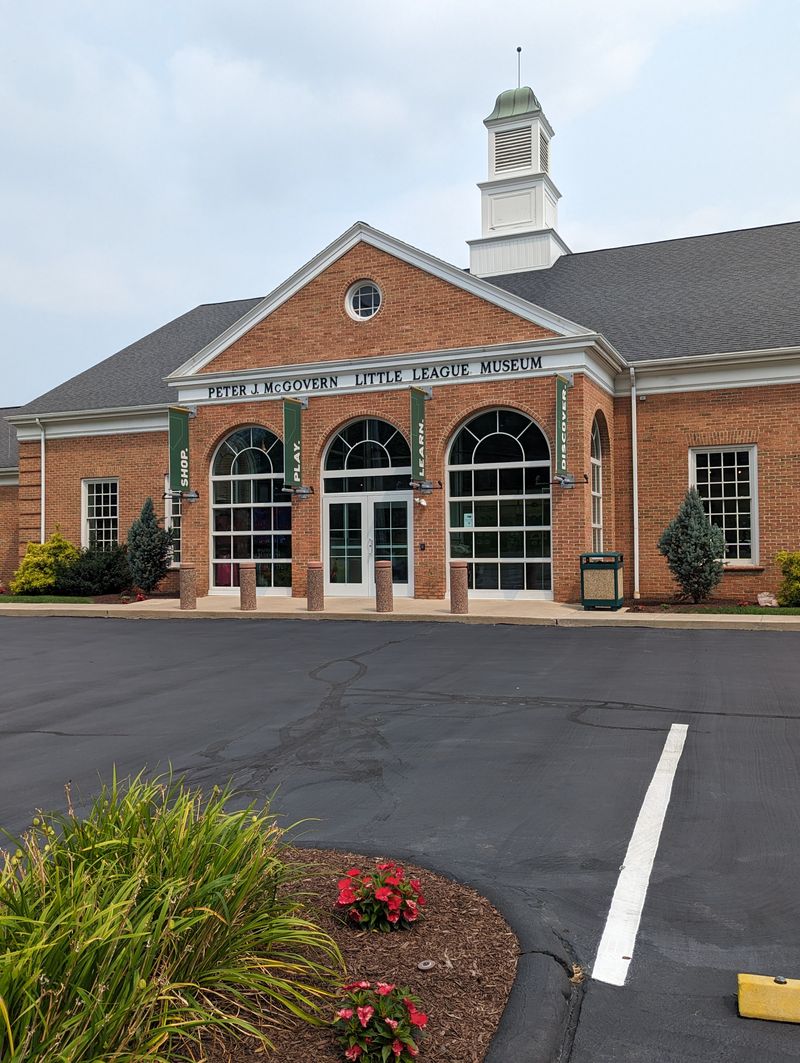
Williamsport is the birthplace of Little League Baseball, and the museum here honors that legacy beautifully.
The World of Little League Museum and Official Store sits at 525 Montgomery Pike, Williamsport, PA 17701.
Baseball fans of all ages will enjoy the interactive exhibits that let you test your pitching and batting skills.
The museum traces the history of Little League from its humble 1939 beginnings to the global phenomenon it is today.
You can see uniforms, equipment, and memorabilia from famous players who started in Little League, including major leaguers.
Videos and photographs capture memorable moments from Little League World Series games played just down the road.
Interactive displays teach visitors about the values of teamwork, sportsmanship, and perseverance that Little League promotes.
Kids can step into a replica dugout, try on gear, and imagine what it feels like to play on the big stage.
The museum also highlights the international reach of Little League, with teams from dozens of countries participating annually.
During late summer, Williamsport hosts the Little League World Series, drawing thousands of fans from around the globe.
The atmosphere in town during the tournament is electric, with parades, events, and a genuine sense of community pride.
Even if you visit during the off-season, the museum offers a warm and engaging experience.
The staff is knowledgeable and passionate, eager to share stories and answer questions about Little League history.
Williamsport itself is a pleasant small city along the Susquehanna River with parks, restaurants, and historic architecture.
Whether you grew up playing Little League or just love baseball, this museum is a home run.
5. The Eckley Miners’ Village in Weatherly
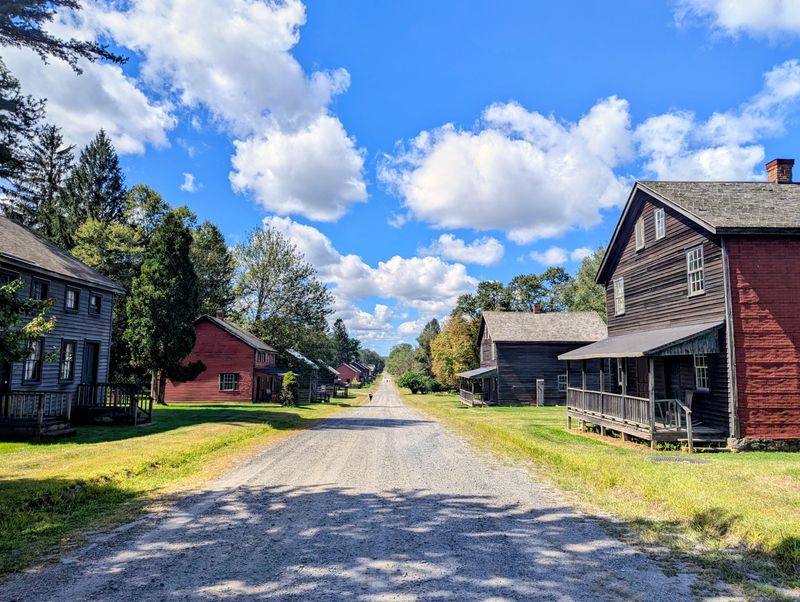
Step back into the 1800s at Eckley Miners’ Village, a preserved coal mining town frozen in time.
Located at 2 Eckley Main Street, Weatherly, PA 18255, this living history museum tells the story of Pennsylvania’s coal industry.
The village was built in 1854 to house workers at nearby anthracite coal mines.
Walking through the village feels eerie and fascinating, with original buildings, dirt roads, and period furnishings still intact.
You can tour miners’ homes, the company store, and the church, all maintained to reflect life during the coal boom.
Costumed interpreters share stories about the hardships, dangers, and daily routines of mining families.
Children worked alongside adults in the mines, and entire families lived in cramped, company-owned housing.
The village gained fame when it was used as a filming location for the 1970 movie “The Molly Maguires” starring Sean Connery.
That film brought attention to the struggles of coal miners and the violent labor conflicts of the era.
Today, Eckley serves as a powerful educational site, reminding visitors of the human cost behind America’s industrial growth.
The visitor center features exhibits on mining techniques, labor movements, and immigrant experiences in the coalfields.
Guided tours are available seasonally, and self-guided exploration is possible year-round.
The village is surrounded by quiet countryside, with forests and hills that once echoed with the sounds of mining operations.
Visiting Eckley is a sobering yet important experience that connects you to Pennsylvania’s gritty industrial past.
It is a place where history is not just read about but felt deeply through the preserved homes and stories of real people.
6. The Covered Bridges of Columbia County
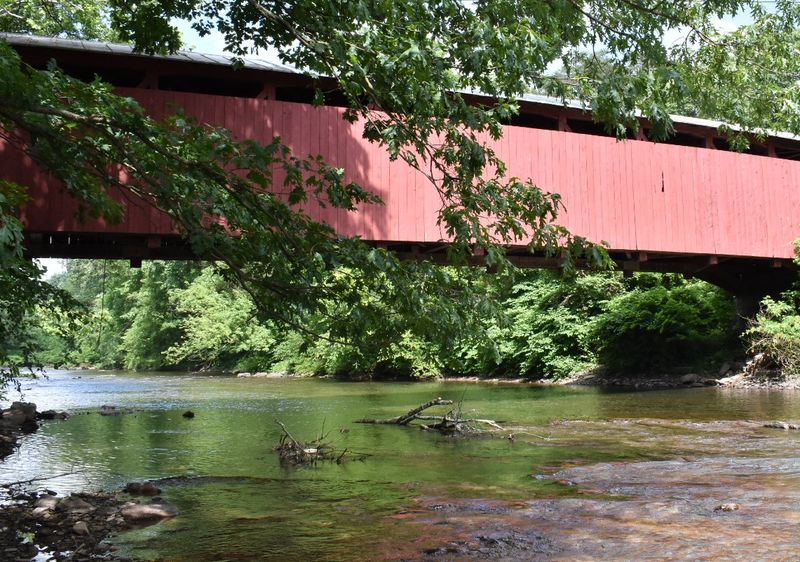
Columbia County is home to more than two dozen covered bridges, earning it the nickname “Covered Bridge Capital of Pennsylvania.”
These charming wooden structures dot the countryside, offering picturesque scenes straight out of a postcard.
One of the most photographed is the Rupert Covered Bridge, located at Covered Bridge Road, Bloomsburg, PA 17815.
Covered bridges were built to protect the wooden roadway from rain and snow, extending the life of the structure.
Many of these bridges date back to the 1800s and are still used by local traffic today.
Driving or walking through a covered bridge feels like passing through a tunnel into the past.
The dim interior, the smell of aged wood, and the creaking boards create a sensory experience unlike any modern bridge.
Columbia County offers a self-guided covered bridge tour, with maps available at local visitor centers.
Each bridge has its own personality, from the red-painted ones to those weathered to a silvery gray.
Some bridges span rushing streams, while others cross quiet creeks surrounded by farmland and forest.
Photographers flock here during fall when the foliage creates a stunning backdrop for the rustic bridges.
Winter transforms the area into a snowy wonderland, with bridges framed by icicles and frozen streams.
Local festivals celebrate the bridges with tours, crafts, and historical reenactments throughout the year.
Exploring these bridges is a peaceful way to experience rural Pennsylvania and connect with its agricultural heritage.
Whether you visit one bridge or try to see them all, the journey through Columbia County is as rewarding as the destinations themselves.
7. The Pennsylvania Lumber Museum in Galeton
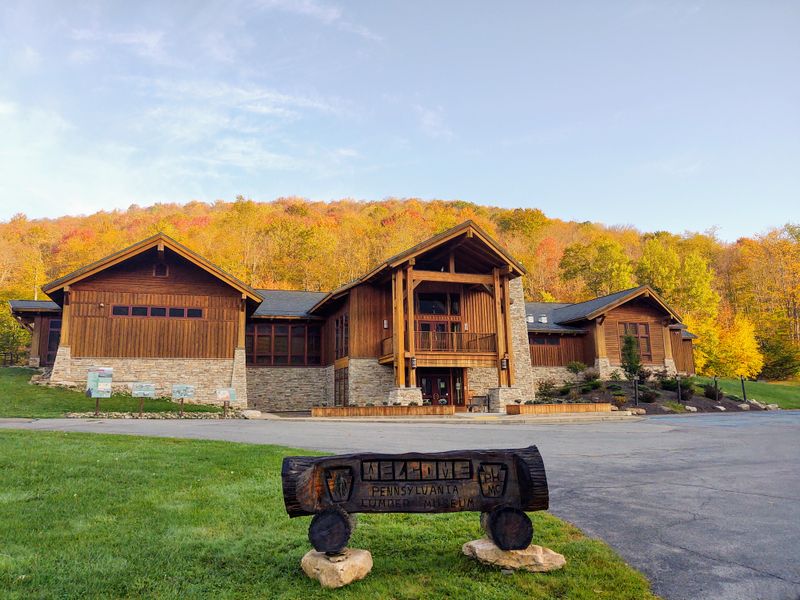
Before steel and coal dominated Pennsylvania’s economy, the state was covered in vast forests that fueled a booming lumber industry.
The Pennsylvania Lumber Museum, located at 5660 US Route 6 West, Galeton, PA 16922, preserves that history.
Visitors can explore a recreated logging camp complete with bunkhouses, a cook shanty, and a blacksmith shop.
The museum sits in the heart of what was once known as the “Black Forest,” a dense wilderness of hemlock and white pine.
By the early 1900s, nearly all of those old-growth trees had been cut down and shipped across the country.
Exhibits explain how loggers lived, worked, and survived in harsh conditions deep in the woods.
You can see enormous saws, steam-powered equipment, and tools that seem impossibly heavy and dangerous by today’s standards.
The museum also highlights the environmental impact of clear-cutting and the slow recovery of Pennsylvania’s forests.
Today, the area around Galeton is once again heavily forested, though the trees are much younger than the original giants.
Interactive displays let you try your hand at sawing logs or operating vintage machinery, giving a sense of the physical labor involved.
The museum hosts special events like lumberjack competitions, where modern loggers demonstrate traditional skills.
Galeton itself is a small, friendly town surrounded by state forests perfect for hiking, fishing, and camping.
The Cherry Springs State Park, one of the best stargazing spots on the East Coast, is just a short drive away.
Visiting the Pennsylvania Lumber Museum is a chance to understand how the state’s landscape and economy were shaped by the timber trade.
It is a story of ambition, hard work, and the lasting consequences of exploiting natural resources without limits.
Dear Reader: This page may contain affiliate links which may earn a commission if you click through and make a purchase. Our independent journalism is not influenced by any advertiser or commercial initiative unless it is clearly marked as sponsored content. As travel products change, please be sure to reconfirm all details and stay up to date with current events to ensure a safe and successful trip.
