Iowa holds a special kind of magic in its quiet corners, where small towns sit tucked between rolling farmland and gentle rivers.
These places move at their own rhythm, offering visitors a chance to slow down and experience a simpler side of travel.
Whether you’re searching for charming main streets, unexpected history, or just a peaceful place to spend an afternoon, Iowa’s smaller communities deliver something memorable without the rush.
This guide highlights nine towns across the state that invite exploration without pressure, where wandering feels natural and every stop has its own story to tell.
The list is based on charm, pace of life, and experiences that make each town feel inviting, drawn from local insight and editorial research.
Availability of attractions and the overall feel can vary, and the order reflects perspective rather than a definitive ranking.
1. Decorah

Nestled in the bluffs of northeast Iowa, Decorah combines natural beauty with a vibrant cultural scene that feels both welcoming and unhurried.
The town sits along the Upper Iowa River, surrounded by limestone cliffs and wooded trails that draw hikers and nature lovers year-round.
Downtown Decorah features locally owned shops, cafes, and galleries housed in well-preserved historic buildings that give the area a timeless appeal.
Luther College adds youthful energy to the community, with concerts, theater productions, and art exhibits open to the public throughout the year.
Vesterheim Norwegian-American Museum offers one of the country’s most comprehensive collections of Norwegian heritage, complete with historic buildings and folk art displays.
Address: 502 W Water St, Decorah, IA 52101
Dunnings Spring Park provides a peaceful retreat just outside town, where a waterfall spills over moss-covered rocks into a quiet pool below.
The Trout Run Trail follows the river through town, offering an easy walk with plenty of spots to pause and take in the scenery.
Local bakeries and coffee shops make perfect stops for a mid-morning break, with friendly staff who often share recommendations for hidden gems nearby.
Decorah’s farmers market runs seasonally, showcasing produce, handmade goods, and the kind of small-town hospitality that makes visitors feel like neighbors.
The pace here encourages lingering, whether you’re browsing a bookstore, sampling local cheese, or simply sitting by the water.
There’s no need to rush through Decorah.
The town rewards those who take their time, revealing layers of history, culture, and natural beauty with every turn.
2. Pella

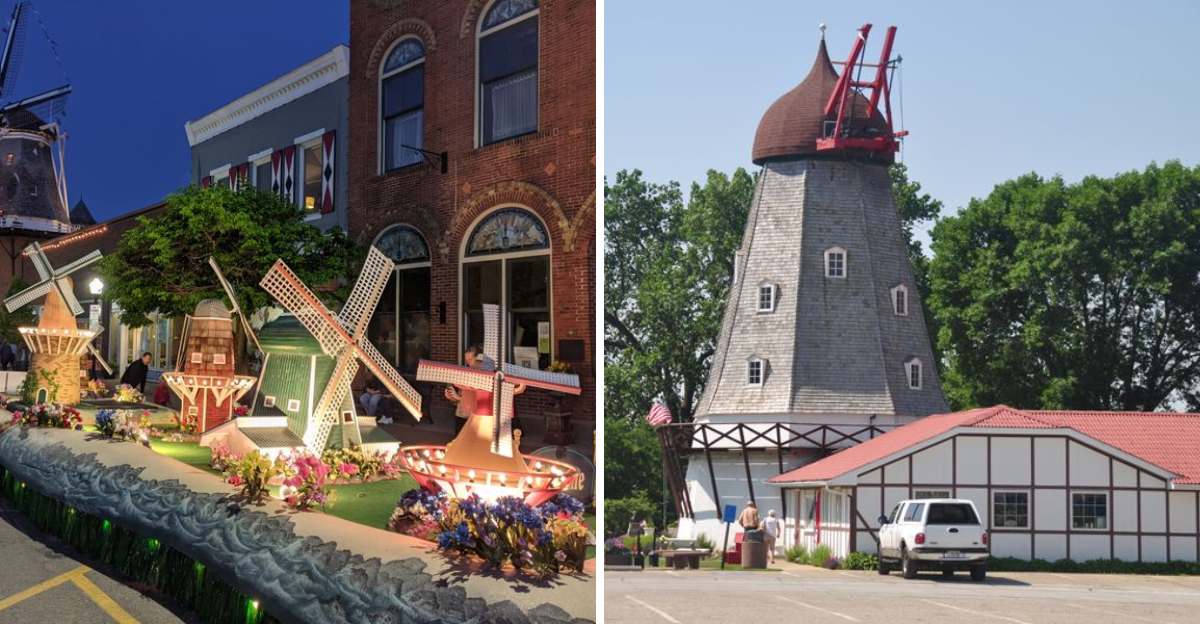
Pella wears its Dutch heritage proudly, with architecture and traditions that transport visitors straight to the Netherlands without leaving the Midwest.
The town square centers around a working windmill, a landmark that towers over brick streets lined with storefronts painted in cheerful colors.
Each spring, thousands of tulips bloom throughout Pella, creating a carpet of color that draws photographers and families looking for a unique backdrop.
Jaarsma Bakery has been serving Dutch pastries since 1898, offering treats like almond-filled letters and buttery stroopwafels that taste just as they would overseas.
The Scholte House Museum provides insight into the town’s founding by Dutch immigrants in the mid-1800s, with period furnishings and stories of early settlers.
Address: 728 Washington St, Pella, IA 50219
Walking through Pella feels like stepping into a storybook, with gabled roofs, window boxes overflowing with flowers, and cobblestone paths that invite leisurely strolls.
Local shops sell imported Dutch goods, from wooden shoes to Delftware, giving visitors a chance to take home a piece of the experience.
The town’s slower pace makes it easy to spend an afternoon wandering without feeling like you’re missing anything.
Central Park hosts community events throughout the year, from concerts to craft fairs, all with a distinctly welcoming vibe.
Pella Lake offers a quiet spot for walking or picnicking, with views that shift beautifully depending on the season.
Even outside tulip season, Pella maintains its charm, with friendly locals and a sense of pride that shows in every carefully maintained detail.
This is a town that invites you to slow down, savor the moment, and appreciate the care that goes into preserving a unique cultural identity.
3. Winterset

Winterset sits at the heart of Madison County, a region famous for its covered bridges and rolling countryside that inspired a beloved novel and film.
Six covered bridges remain in the area, each one a testament to 19th-century craftsmanship and a peaceful destination for a quiet drive or walk.
The town square in Winterset features a stately courthouse surrounded by locally owned businesses, antique shops, and cafes that cater to both residents and visitors.
John Wayne was born here, and his birthplace has been preserved as a museum filled with memorabilia from his long career in Hollywood.
Address: 205 S John Wayne Dr, Winterset, IA 50273
Roseman Covered Bridge, one of the most photographed in the county, spans a small creek and offers a shaded spot to pause and listen to the water below.
Driving between bridges takes you through farmland and wooded hills, with views that change dramatically with the seasons.
Autumn brings fiery colors to the trees, while summer offers lush greenery and wildflowers along the roadsides.
Winterset’s pace feels intentionally slow, a place where people take time to chat on the sidewalk and recommend their favorite spots without hesitation.
Local eateries serve hearty Midwestern fare, with pie often featuring prominently on the menu and baked fresh daily.
The town also hosts an annual covered bridge festival, drawing crowds who appreciate history, crafts, and live music in a relaxed outdoor setting.
Beyond the bridges, Winterset offers parks, trails, and a genuine sense of community that makes visitors feel welcome from the moment they arrive.
There’s something timeless about this town, a quality that encourages you to leave your schedule behind and simply enjoy the experience.
4. Mount Vernon

Mount Vernon blends small-town charm with a lively arts scene, thanks in large part to Cornell College, which brings cultural events and a youthful energy to the community.
The downtown area stretches along First Street, where historic buildings house galleries, bookstores, and restaurants that reflect both local flavor and creative ambition.
Palisades-Kepler State Park lies just a short drive away, offering hiking trails that wind through wooded bluffs overlooking the Cedar River.
The park’s limestone cliffs and quiet trails make it a favorite for anyone looking to spend a few hours surrounded by nature without venturing far from town.
Cornell College hosts concerts, theater performances, and art exhibitions throughout the year, many of which are open to the public and free of charge.
Lincoln Cafe has earned a reputation for creative, locally sourced dishes served in a cozy setting that feels more like a friend’s dining room than a restaurant.
The town’s compact size makes it easy to explore on foot, with sidewalks shaded by mature trees and benches placed at intervals for those who want to sit and watch the world go by.
Mount Vernon’s farmers market runs weekly during warmer months, offering fresh produce, baked goods, and handmade crafts from vendors who often chat with shoppers about their products.
The town also features several murals painted by local and visiting artists, adding splashes of color and creativity to otherwise ordinary walls.
There’s a sense of pride here, visible in the well-kept gardens, the thoughtfully curated shops, and the way residents greet visitors with genuine warmth.
Mount Vernon doesn’t rush you.
Instead, it invites you to settle in, explore at your own pace, and discover the kind of details that only reveal themselves when you slow down.
5. Bentonsport
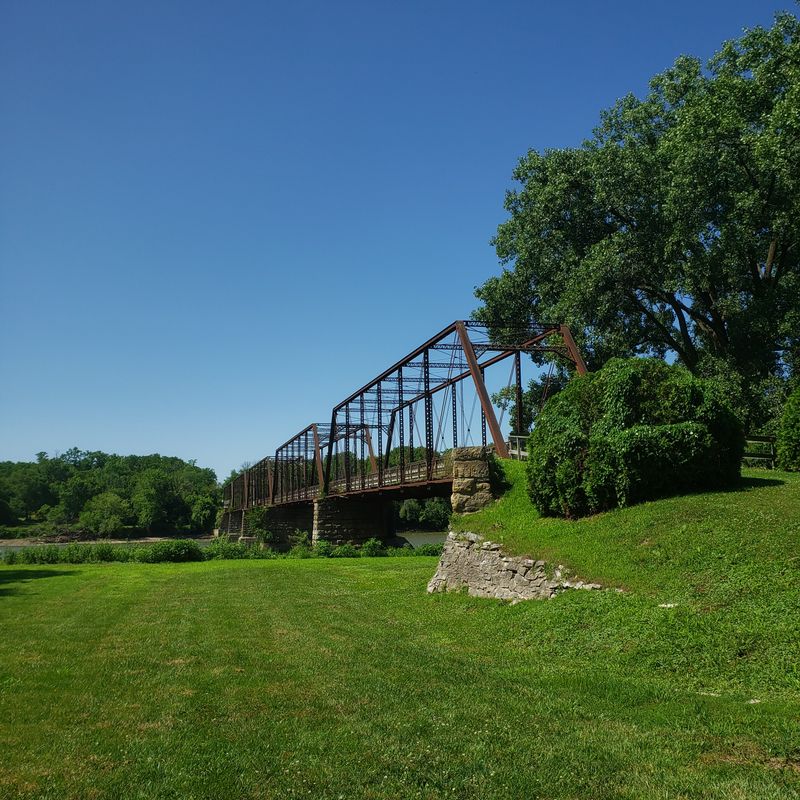
Bentonsport feels like a village frozen in time, a tiny community along the Des Moines River where history lingers in every building and quiet street.
Once a bustling stop for riverboats and travelers, Bentonsport now attracts visitors who appreciate its preserved 19th-century architecture and peaceful riverside setting.
The town consists of just a handful of historic structures, including a former hotel, general store, and mill, many of which have been restored and now serve as shops or small museums.
Walking through Bentonsport takes only a short time, but the experience feels much richer when you pause to read the historical markers and imagine the town’s busier days.
The Mason House Inn offers overnight stays in a building that dates back to the 1840s, complete with period furnishings and stories of guests from generations past.
Address: 21982 Hawk Dr, Bentonsport, IA 52565
The Des Moines River flows gently past town, with trails and access points that make it easy to walk along the water or launch a canoe for a quiet paddle.
Bentonsport’s location along the Villages of Van Buren Scenic Byway makes it part of a larger loop of small towns and historic sites worth exploring over a leisurely day or weekend.
The nearby Greef Mill, though no longer operational, stands as a reminder of the town’s industrial past and offers a picturesque spot for photography.
There’s no rush in Bentonsport.
The town invites contemplation, whether you’re browsing handmade quilts in a shop, sitting by the river, or simply soaking in the quiet that comes with a place largely untouched by modern development.
This is Iowa at its most peaceful, a destination for those who value history, simplicity, and the chance to step away from the everyday.
6. Elk Horn
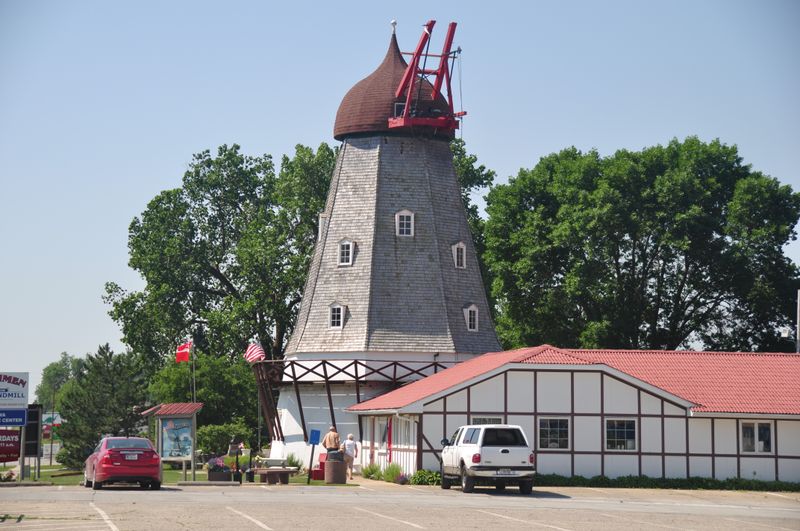
Elk Horn celebrates its Danish roots with a pride that shows in everything from the windmill at the center of town to the flags fluttering along the main street.
The town imported a working windmill from Denmark in the 1970s, and it remains a striking landmark that draws visitors curious about both engineering and heritage.
Address: 4038 Main St, Elk Horn, IA 51531
Climbing the windmill’s narrow stairs offers views across the surrounding farmland, a patchwork of fields that stretches to the horizon in every direction.
The Danish Immigrant Museum sits nearby, housing exhibits that tell the story of Danish settlers who arrived in Iowa during the 19th century seeking farmland and opportunity.
Address: 2212 Washington St, Elk Horn, IA 51531
Bedstemor’s House, a traditional Danish home relocated to the museum grounds, provides a glimpse into daily life for early immigrants, complete with period furnishings and household items.
Elk Horn’s downtown features shops selling Danish imports, from pottery to linens, alongside bakeries offering pastries like kringle and aebleskiver.
The town’s small size makes it easy to explore in an hour or two, but the warm hospitality and unique cultural focus encourage visitors to linger longer.
Local residents often speak with pride about their heritage, and many still maintain connections to relatives in Denmark.
Elk Horn hosts Danish festivals throughout the year, with folk dancing, traditional music, and food that brings the community together in celebration.
The pace here feels unhurried, a reflection of both small-town life and a culture that values quality time over constant activity.
Visiting Elk Horn offers more than just sightseeing.
It provides a chance to connect with a distinct cultural identity that has been carefully preserved and shared with anyone who takes the time to stop and learn.
7. McGregor
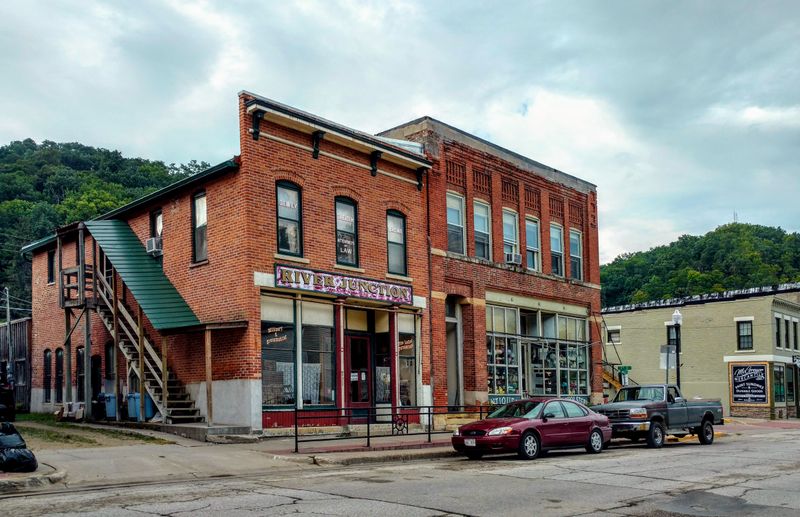
McGregor clings to the bluffs along the Mississippi River, a town where dramatic scenery meets laid-back river culture and a touch of frontier history.
The main street runs parallel to the water, lined with antique shops, art galleries, and cafes that cater to both locals and travelers exploring the Great River Road.
Pike’s Peak State Park sits just outside town, offering some of the most spectacular views in Iowa from overlooks perched high above the Mississippi.
The park’s trails wind through hardwood forests and along rocky bluffs, with lookout points that reveal miles of river valley stretching into Wisconsin.
McGregor’s riverfront provides access to the water, with boat launches and fishing spots that attract anglers hoping to catch walleye, catfish, or bass.
The town’s history as a riverboat stop and lumber town shows in its architecture, with buildings that date back to the 1800s and have been carefully maintained over the decades.
Spook Cave, located a short drive from McGregor, offers guided boat tours through a limestone cavern filled with stalactites and underground streams.
Address: 13299 Spook Cave Rd, McGregor, IA 52157
Downtown McGregor moves at a pace that matches the river itself, steady and unhurried, with shop owners who often step outside to chat with passersby.
The town’s location makes it a natural stop for road trippers exploring the Mississippi River Valley, but it’s worth more than just a quick visit.
Local restaurants serve everything from comfort food to creative dishes, often featuring ingredients sourced from nearby farms and waters.
Sunset over the river transforms McGregor into something almost magical, with golden light spilling across the water and illuminating the bluffs in warm tones.
This is a town that rewards those who take their time, offering layers of natural beauty, history, and genuine hospitality.
8. Amana Colonies
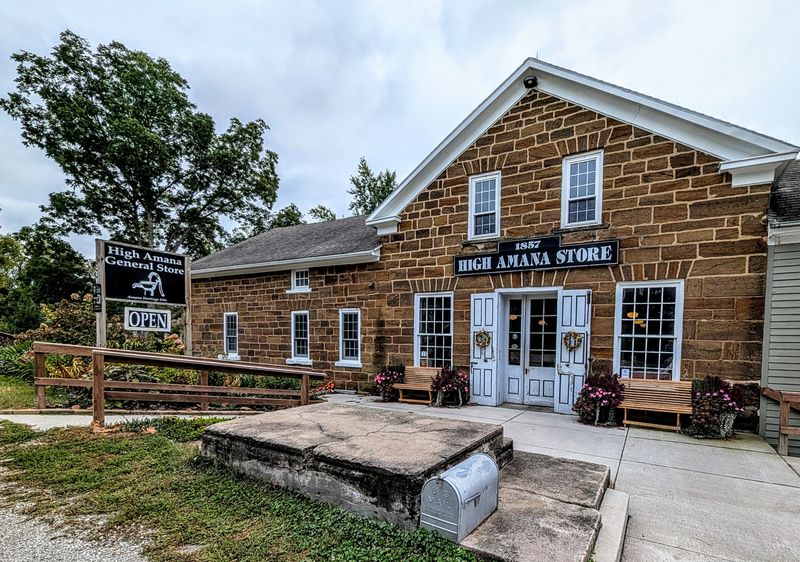
The Amana Colonies consist of seven villages founded by German Pietists in the 1850s, a unique communal society that thrived for decades and left behind a rich cultural legacy.
Visitors today find a blend of history and commerce, with restored buildings housing restaurants, wineries, craft shops, and museums that tell the story of communal life.
Each village maintains its own character, from the larger Middle Amana with its shops and eateries to the quieter South Amana surrounded by farmland.
The Museum of Amana History offers detailed exhibits on the community’s religious roots, daily routines, and eventual transition to private enterprise in the 1930s.
Address: 4310 220th Trail, Amana, IA 52203
Traditional communal kitchens, where residents once gathered for meals, have been preserved and can be toured, providing insight into the cooperative lifestyle that defined the colonies for generations.
Amana’s wineries produce a variety of wines, from sweet fruit blends to dry reds, and most offer tastings in cozy tasting rooms filled with local charm.
The Millstream Brewing Company, Iowa’s oldest brewery, serves German-style beers brewed according to traditional methods passed down through the community.
Wandering through the villages feels like exploring a living museum, where history isn’t just displayed but woven into the fabric of daily life.
Shops sell handmade furniture, woolen goods, and baked goods that reflect the craftsmanship and recipes of the original settlers.
The pace in the Amana Colonies encourages exploration without pressure, whether you’re browsing a quilt shop, sampling local sausage, or walking along quiet streets shaded by old trees.
Seasonal festivals celebrate everything from Oktoberfest to Christmas markets, drawing visitors who appreciate tradition and community spirit.
This is a place where history feels accessible and welcoming, offering a glimpse into a way of life that valued simplicity, cooperation, and careful stewardship of the land.
9. Orange City

Orange City embraces its Dutch heritage with enthusiasm, from the colorful storefronts to the annual tulip festival that transforms the town into a celebration of culture and community.
The town square features a working windmill and Dutch-style architecture that gives Orange City a distinct European feel, even as it remains firmly rooted in northwest Iowa.
Northwestern College brings energy and cultural events to the town, with concerts, theater productions, and art exhibits that enrich the community throughout the year.
Each May, the Tulip Festival draws thousands of visitors who come to see streets lined with blooming flowers, watch traditional Dutch dancing, and sample authentic pastries.
Even outside festival season, Orange City maintains its charm, with shops selling imported Dutch goods and bakeries offering treats like banketstaaf and oliebollen.
The Dutch windmill stands as a focal point, a replica built to honor the town’s heritage and a popular spot for photos and leisurely walks around the adjacent park.
Orange City’s downtown feels welcoming and manageable, a place where you can explore shops, grab coffee, and chat with locals without feeling rushed or overwhelmed.
The town’s location in the northwest corner of Iowa makes it part of a region known for wide-open skies, productive farmland, and a strong sense of community.
Local restaurants serve both traditional Dutch dishes and American fare, often with a Midwestern twist that reflects the area’s agricultural roots.
Parks and trails provide quiet spaces for walking or relaxing, with well-maintained paths and benches placed where they offer the best views.
Orange City’s pride in its heritage shows in the care taken to preserve traditions while welcoming visitors with genuine hospitality.
This is a town that invites you to slow down, appreciate the details, and experience a culture that has been carefully maintained and shared for generations.
Dear Reader: This page may contain affiliate links which may earn a commission if you click through and make a purchase. Our independent journalism is not influenced by any advertiser or commercial initiative unless it is clearly marked as sponsored content. As travel products change, please be sure to reconfirm all details and stay up to date with current events to ensure a safe and successful trip.
