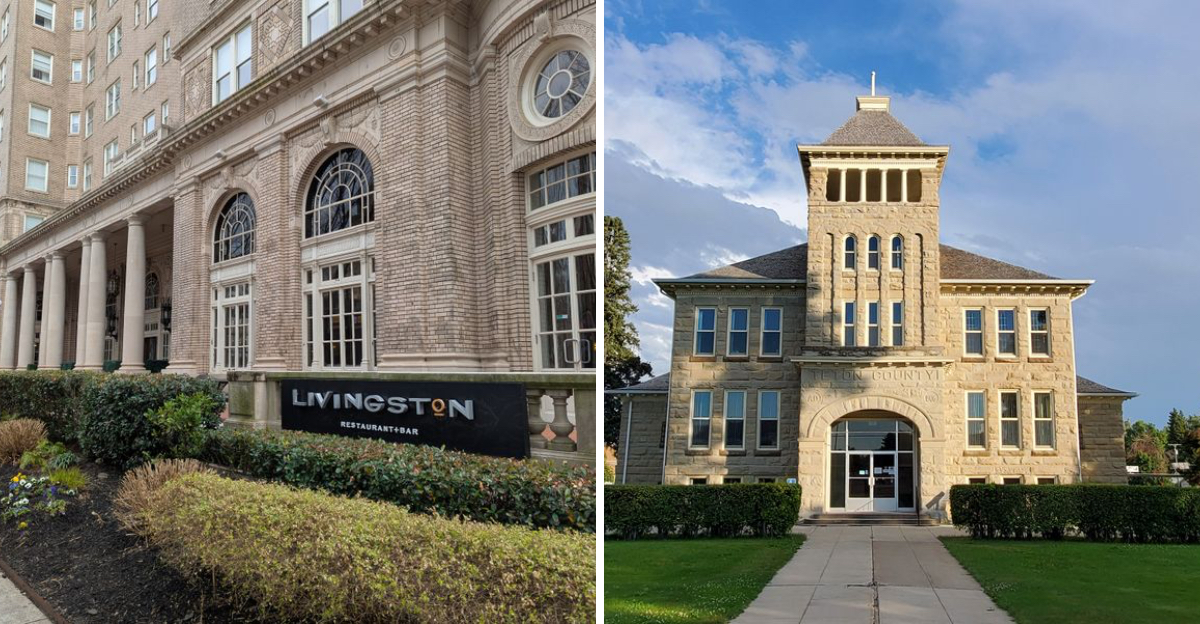
Montana rewards quiet seekers with towns that feel like friendly porches, then transform when summer crowds chase big sky dreams.
You can wander cottonwood shade, hear a river talk, and feel the hush before trailhead parking fills and patios buzz.
These places matter now because seasonality shapes everything in Montana, from wildlife patterns to local shop hours, and the best experiences hinge on timing.
Set your sights on the shoulder months, and discover how stillness shifts into celebration without losing the soul that drew you in.
We’ve ranked these towns based on charm, local atmosphere, and the experiences reported by residents and visitors.
Seasonal crowds and events can change how peaceful each town feels, so the list reflects our team’s perspective rather than an absolute measure.
1. Red Lodge
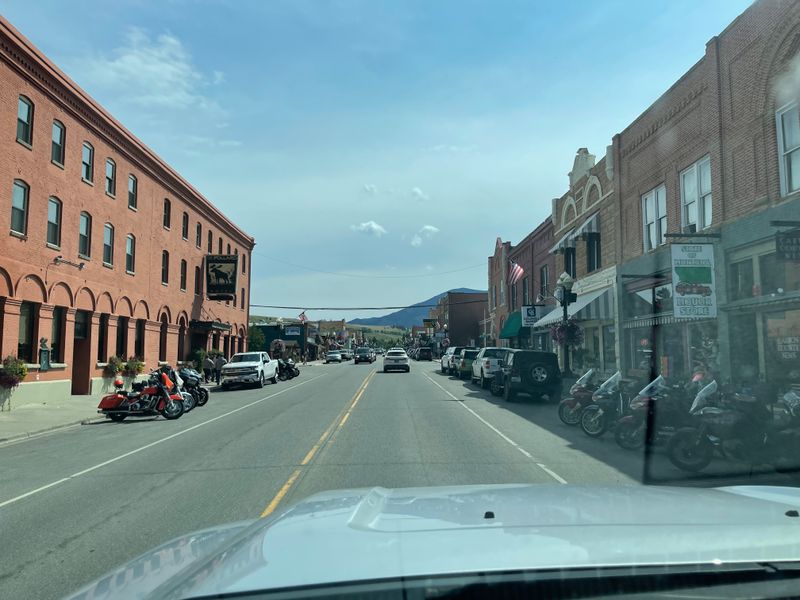
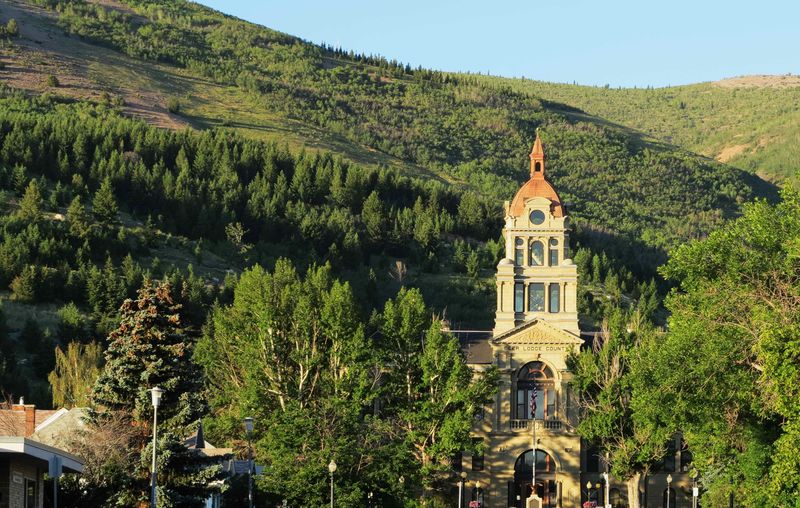
Red Lodge sits where the Beartooth Mountains start to rise, so the town feels like a staging area for high country days.
In the morning, downtown can feel almost private, with a few doors opening and a few locals moving with purpose.
Coffee lines stay short in shoulder season, and the streets feel easy to read without the pressure of packed parking.
The shift usually begins when the Beartooth Scenic Byway is fully open, because road trippers time their trips to that access.
The route follows U.S. 212 into the Beartooths, and the scenery turns the drive itself into the day’s headline.
When summer volume arrives, you feel it in the pace of Main Street, where outdoor tables fill and gear talk gets louder.
Early starts still buy you calm, especially if you keep plans simple and step out before the first wave hits town.
A short walk along town streets and nearby green space can reset your head before you commit to a bigger outing.
If your goal is quiet, weekday mornings in late May, early June, or September often feel like the town’s best kept deal.
If your goal is energy, mid-summer delivers it in a friendly way that still feels small-town at the edges.
The practical move is to treat Red Lodge as both a destination and a base, because it handles each role well.
You can keep meals and errands in town, then use the highway window for bigger views without overplanning.
Even in peak season, the best moments often come when you step one block off the busiest stretch and slow down again.
The town’s appeal holds because the mountains stay constant, even when visitor numbers do not.
2. Philipsburg
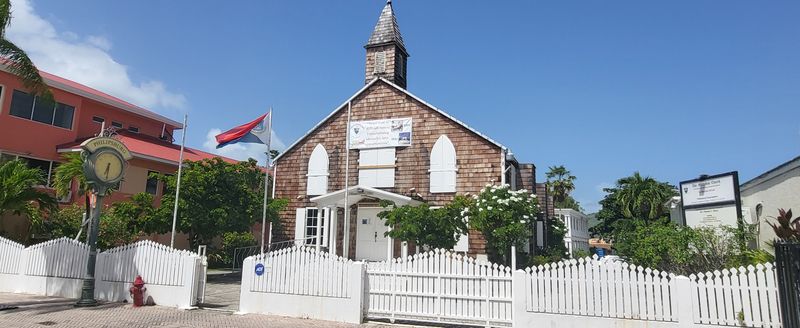
Philipsburg looks polished and cheerful on arrival, which makes it feel welcoming even before you pick a first stop.
In quieter months, you can browse at an easy pace and still feel like you saw plenty without rushing.
The Sweet Palace is one reason the sidewalks get busy, because it has become a statewide draw for families and road trippers.
In summer, the town’s energy rises with day trips that stack up quickly, especially on weekends with good weather.
Sapphire experiences drive another wave, since the area is known for sapphires and visitors plan time around that novelty.
If you want the calmer version of Philipsburg, arrive early and do the candy and browsing before midday traffic thickens.
If you want the classic family-day version, late morning through afternoon delivers the lively mix of cones, shopping bags, and photo stops.
Granite Ghost Town sits nearby, and it works well as a pressure release when downtown feels too full.
The drive out gives you space and context, and the return makes the town feel easier again.
The museums and local history stops land best when you give them unhurried attention, because the details are what make them stick.
Food and small purchases can be part of your support plan, since many businesses run on seasonal peaks and quieter shoulders.
A shoulder-season afternoon can feel like you have the town’s best features without the summer squeeze.
A peak-season afternoon can still work if you accept the buzz and treat it like part of the experience.
Philipsburg stays likable because it does not require a perfect itinerary to feel complete.
3. Bigfork
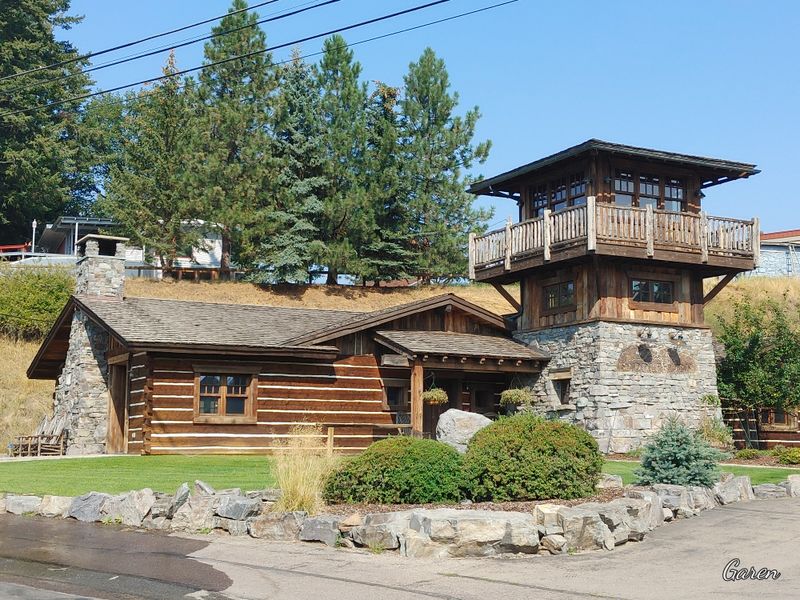
Bigfork sits near Flathead Lake, so water and light shape the town’s mood more than any single attraction.
In spring, it can feel almost quiet enough to hear your own steps, especially in the earlier part of the day.
Galleries and small shops read differently when they are not crowded, because you can actually linger with what you see.
Summer changes the rhythm when lake traffic increases and visitors build their days around boating, meals, and evening plans.
The Bigfork Summer Playhouse adds another layer, because show nights bring a clear surge in foot traffic and dinner timing.
That theater crowd is part of Bigfork’s identity in season, and it keeps the town lively without making it feel chaotic.
If you want a softer version of Bigfork, early mornings near the shoreline deliver the kind of calm people imagine when they plan a lake trip.
If you want the full summer version, plan for busy parking and let the walkability do the heavy lifting once you are in town.
Short shoreline time can restore your patience quickly, even if your next stop is a crowded patio.
A small loop through town works well because it lets you check the vibe, then decide whether to go deeper or back off.
Art and water pair naturally here, and that combination stays strong even when the calendar gets crowded.
The key is timing, because the same street can feel mellow at ten and packed at two.
Bigfork remains rewarding because you can scale the day up or down without losing what makes the place appealing.
You leave with the sense that the lake sets the tempo, and the town simply follows.
4. Ennis
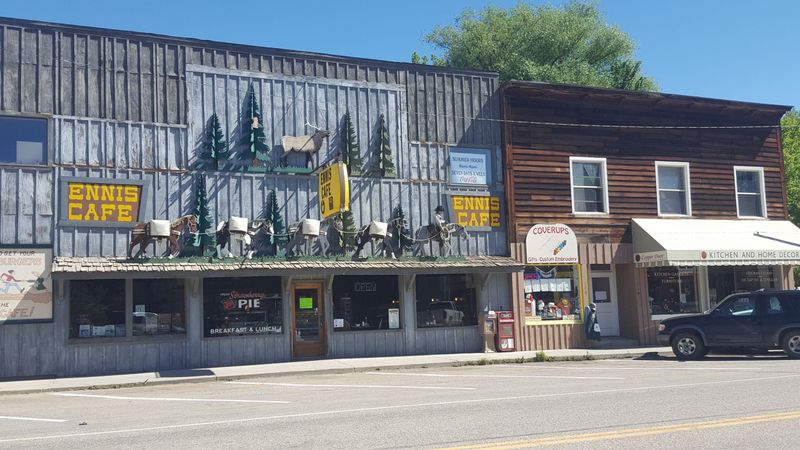
Ennis is closely tied to the Madison River, and that relationship sets the tone for most visits.
In shoulder months, the town can feel particularly steady, with fewer vehicles and more room for simple routines.
Fly fishing culture shows up in shops and conversations, because the river is a central reason people come.
When peak season hits, you notice more drift boats, more early alarms, and more schedules built around conditions.
That summer surge can be fun if you like shared enthusiasm, because people trade tips and stories with very little prompting.
It can also feel crowded at access points, which is why timing matters more here than it does in some towns.
Early mornings tend to deliver the best calm, whether you are walking, watching water, or setting out for a longer day.
Midday often belongs to errands and recovery, especially when the weather pushes people into shade.
Evenings bring a softer pace again, and the valley light can make a simple drive feel like the whole point.
If you want quiet without giving up the Ennis feel, midweek in late spring or early fall is usually the cleanest fit.
If you want the classic summer scene, you get it in full, but it helps to accept the shared space and plan accordingly.
The town holds its charm because it does not try to be bigger than it is, even when demand spikes.
Ennis works best when you let the river set your schedule and let everything else fall into place.
You leave with a clearer sense of how Montana seasonality can reshape a town without changing its character.
5. Choteau
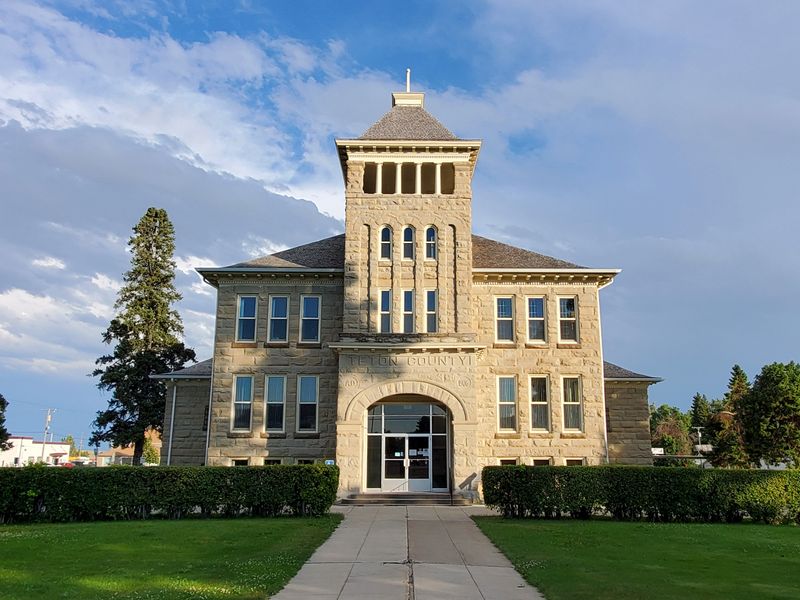
Choteau sits along the Rocky Mountain Front region, so the horizon feels wide and the weather can change fast.
In spring and early summer, the town can feel quiet enough that small errands turn into the main activity, in a good way.
The area draws travelers interested in the Front, and that is when you start to see more maps, cameras, and early morning starts.
The Dinosaur Center in Choteau is a specific anchor for families and geology fans who want something hands-on and local.
On busy days, pairing a museum stop with a slower drive or a calmer viewpoint keeps the day balanced.
Priest Butte Lakes are a nearby option that helps you step away from crowds while still staying in the same landscape story.
The shoulder-season version of Choteau often feels more reflective, because the roads are quieter and the town’s pace shows more clearly.
The peak-season version can be lively, especially when visitors stack multiple Front-area plans into a single day.
Early light and late light tend to be the best windows, because they align with calmer roads and stronger atmosphere.
A simple plan works well here, because over-scheduling can fight the weather and the distances.
The town feels most like itself when you take time to notice the ordinary details that do not show up on a checklist.
Choteau rewards visitors who treat it as a place to slow down, not just a place to pass through.
The Front can feel dramatic, but the best days often come from calm decisions and flexible timing.
You leave with the sense that open space is not empty here, because it is doing the quiet work of setting the tone.
6. Livingston
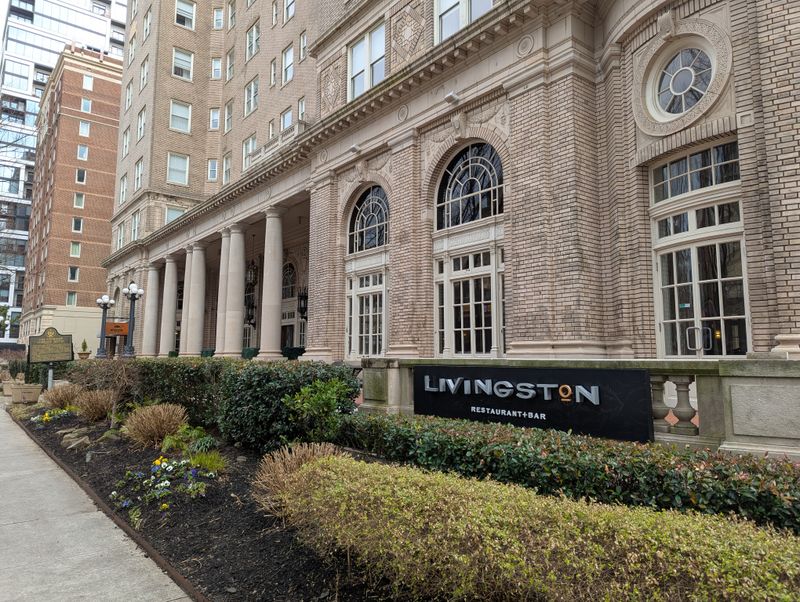
Livingston sits on the Yellowstone River, and the water’s presence shapes the whole town’s feel.
In quieter months, it can feel like a working place first, with visitors showing up in smaller, more manageable waves.
In summer, Yellowstone traffic increases and Livingston catches overflow, which changes restaurant timing and sidewalk volume.
The historic depot is a key landmark and the Livingston Depot Center operates at 200 W Park St, which gives the town a clear center of gravity for history and orientation.
That museum stop works well early in the day, because it sets context before you head into busier stretches.
If you want quiet, sunrise along the river corridor and calmer side streets can deliver it before the daily surge arrives.
If you want energy, evening patios and downtown foot traffic are where you feel the seasonal pulse most clearly.
Livingston also rewards small loops, because you can recalibrate fast by stepping away from the busiest block.
The river helps with that reset, since water sound and open views can make crowds feel less intense.
Parking and traffic can be the main friction point in summer, so shoulder season often feels like the smoother experience.
Even in peak season, Livingston holds onto a grounded identity that keeps it from feeling purely tour-driven.
The practical win is that you can build a satisfying visit without chasing a long list, because the town’s atmosphere is part of the draw.
Livingston works best when you accept the day’s flow and use the river as your anchor point.
You leave understanding why timing matters in Montana, because the same town can feel like two different trips.
7. Whitefish
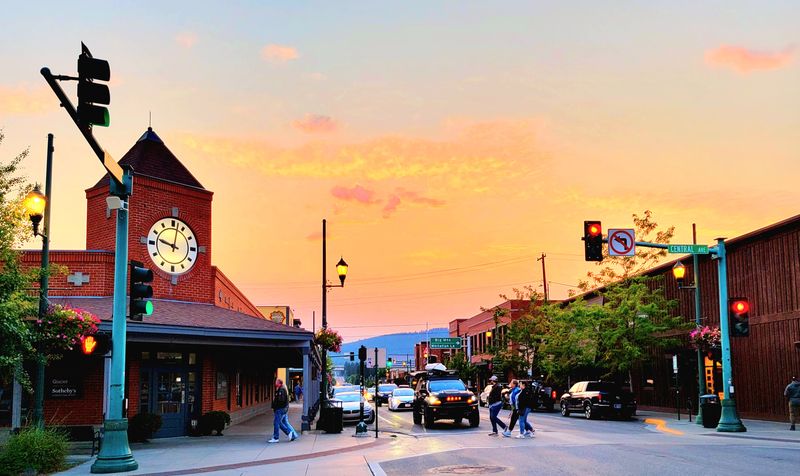
Whitefish blends lake life with mountain access, so it draws both hikers and people who simply want a walkable downtown.
In shoulder weeks, the town can feel notably calm, with easier parking and a slower pace on main blocks.
In summer, Glacier National Park traffic increases in the region, and Whitefish feels that pressure through busier streets and fuller patios.
The Whitefish Trail system is a reliable way to find space, since it offers a network of local trails designed for hiking and biking close to town.
Early mornings on the trail tend to deliver the quietest experience, especially before beach and lake activity ramps up.
Lake time can feel calm at dawn, then turn social by midday when rentals and family groups arrive.
The best shoulder-season days feel balanced, because you can do a trail loop, eat well, and still avoid the busiest squeeze.
The best peak-season days can still work if you plan around morning windows and treat afternoons as slower and more flexible.
Whitefish carries an upbeat tone even when it is busy, which helps the crowds feel more like a shared vacation than a strain.
If you want a reset inside peak season, a quick trail segment or a quieter shoreline moment usually does the job.
Markets, events, and live music add to the calendar in summer, and that energy is part of what repeats visitors come back for.
The town still holds its core because it remains easy to navigate on foot once you settle the car.
Whitefish is at its best when you treat nature access as the priority and let everything else fit around it.
You leave with the sense that the town can handle crowds, but your timing decides how it feels.
8. Anaconda
Anaconda is defined by industrial history and a downtown that still reads clearly, even for first-time visitors.
The Anaconda Smoke Stack is the landmark people recognize, and it remains one of the tallest masonry chimneys ever built, which gives the skyline a distinct signature.
In quieter months, the streets can feel wide and calm, which suits a town built around work and endurance.
In summer, visitors increase with Georgetown Lake traffic and outdoor plans in the surrounding Pintler region.
Downtown architecture becomes a draw in peak season, because people come to photograph details and spend time inside historic spaces.
The Washoe Theatre is a central stop for that, and its address is 305 Main St in Anaconda, which makes it easy to place on a walking loop.
Inside, the venue is known for preserved design and a sense of stepping into an earlier era of public entertainment.
For quieter outdoor time, Old Works and nearby paths provide open air space that pairs well with a slower afternoon.
In shoulder season, you can move through these stops without a rush, and that is when the town’s details land best.
In peak season, the town stays manageable because it is spread out, and you can usually find breathing room with a small detour.
Anaconda feels most rewarding when you connect the big landmark history to the smaller human-scale blocks where daily life continues.
The trip becomes less about checking boxes and more about seeing how a Montana town holds its identity through seasonal change.
You leave with a stronger sense of Montana’s working past and a clearer idea of how to time a quieter return.
Dear Reader: This page may contain affiliate links which may earn a commission if you click through and make a purchase. Our independent journalism is not influenced by any advertiser or commercial initiative unless it is clearly marked as sponsored content. As travel products change, please be sure to reconfirm all details and stay up to date with current events to ensure a safe and successful trip.
