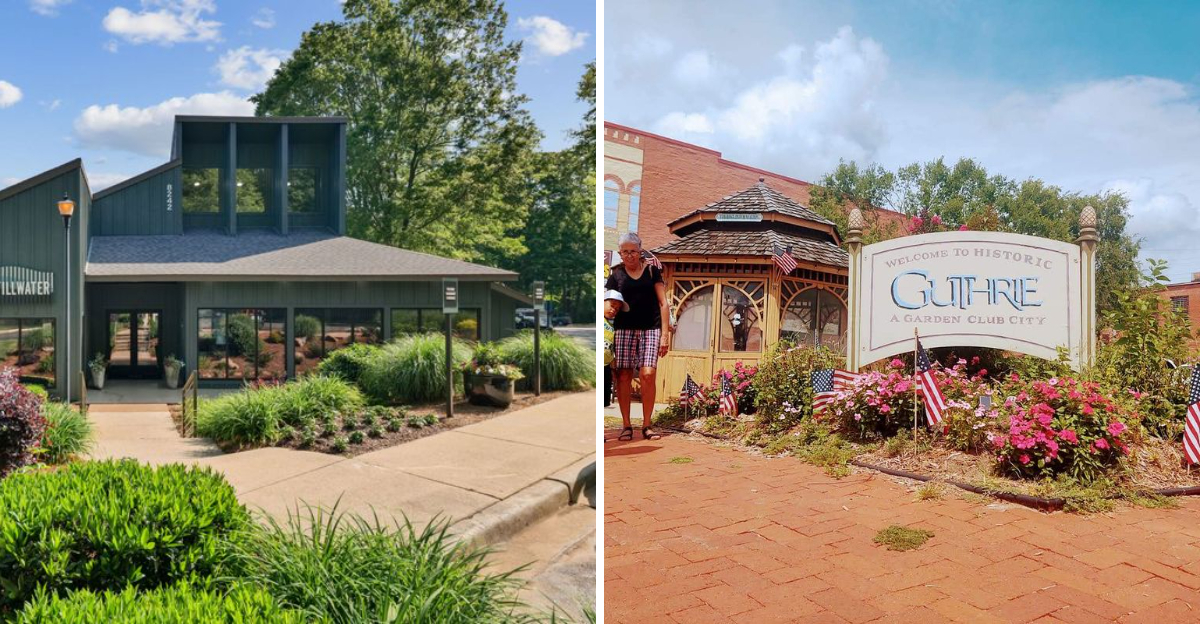
Oklahoma rewards slow travel, and these small towns prove it the moment your shoes hit the sidewalk. Every block folds in history, friendly storefronts, and scenery that nudges you to linger. You can wander for a day, soak up local culture, and end with sunset light on brick and stone. Lace up, keep it simple, and let the state show you how good a walk can feel.
1. Medicine Park
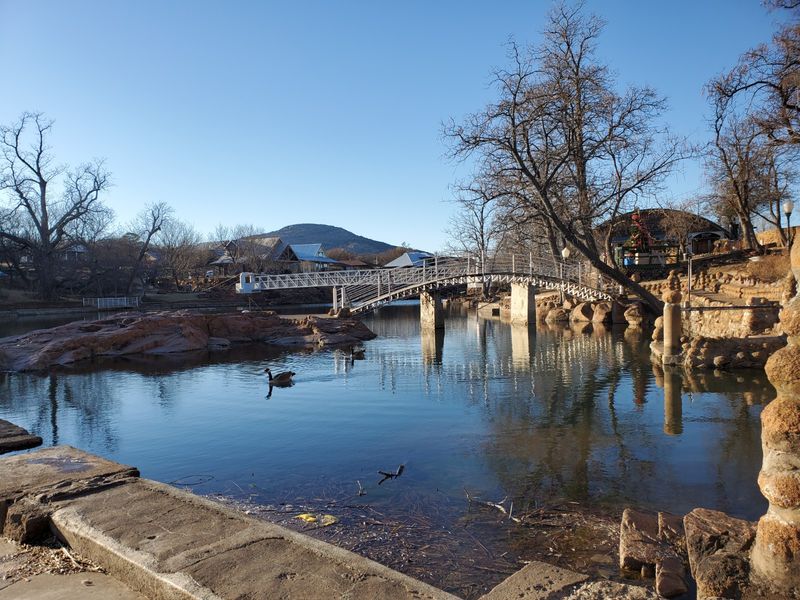
Medicine Park feels tailor made for walking, with cobblestone buildings wrapped along Medicine Creek and the Wichita Mountains rising beyond.
Start on East Lake Drive near Bath Lake, then follow the creekside promenade where stone footbridges and benches invite slow pauses.
Shops and galleries cluster by 148 East Lake Drive, and the easy loop keeps water in view almost the entire time.
Architecture is the star, since rounded red stones give storefronts a texture you will not forget.
Murals and small courtyards create shaded pockets, so even warm afternoons feel inviting.
Side streets carry you past cabin style lodging, and the sidewalks stay compact enough that orientation never slips.
Wildlife often appears at the edges of town, giving quick glimpses of herons, turtles, and sometimes deer across the creek.
For a longer stroll, continue toward 204 East Lake Drive, where the path connects to more creek views and open seating nooks.
Everything moves at a gentle pace, helped by low speed traffic and short intersections.
Park near 190 East Lake Drive to start central, then follow the sound of water and the curve of the canyon like streets.
Sunset turns the cobblestones warm and copper, and shop windows mirror the light like lanterns.
Even without an agenda, the route naturally forms a loop that begins and ends along the creek, so you finish exactly where the town feels most alive.
2. Eufaula
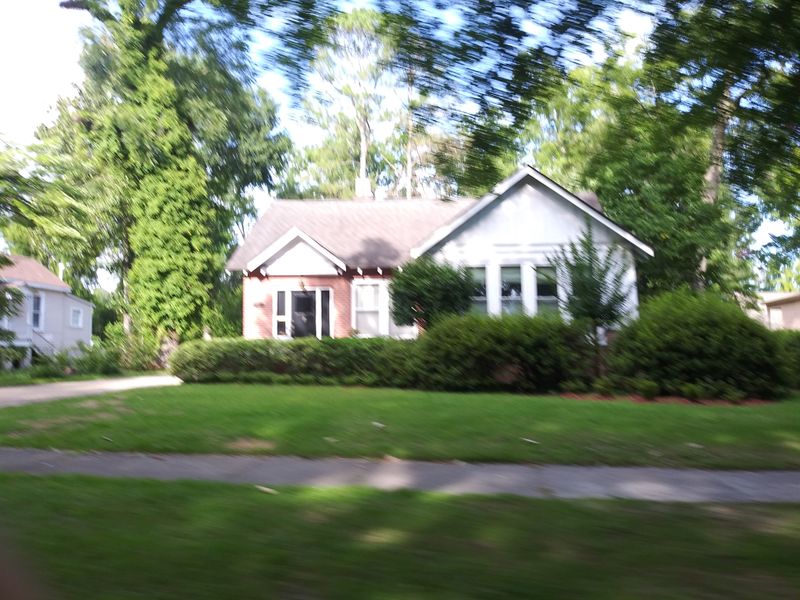
Eufaula welcomes walkers with a tight grid of brick storefronts that sit a short drive from the lake shoreline.
Begin along 107 N Main St, where antique shops and boutiques cluster under neat awnings and wide sidewalks feel comfortable.
The historic bank building adds a stately anchor, and crosswalks make it simple to pop between galleries and bookstores.
Planters soften the corners, giving bursts of color that frame old brick and stone.
Take a photo near 201 N Main St where facades line up like a textbook of small town architecture.
Turn east toward Foley Avenue for quieter blocks and shaded stoops, then loop back by City Hall for a tidy finish.
The downtown gently slopes, so the route never feels strenuous, even in summer heat.
Laketown energy filters in through paddle shops and outfitters, which offer tips for shoreline walks and nearby marinas.
Public art dots the corridor, and storefront windows play curator for local makers.
Benches appear exactly when you need them, especially around 120 S Main St and the courthouse vicinity.
Keep an eye on event posters, since street festivals transform the grid into an open air gallery.
When the light cools in the evening, brick textures glow, and you realize the streets were designed for lingering one block at a time.
3. Sulphur and Davis
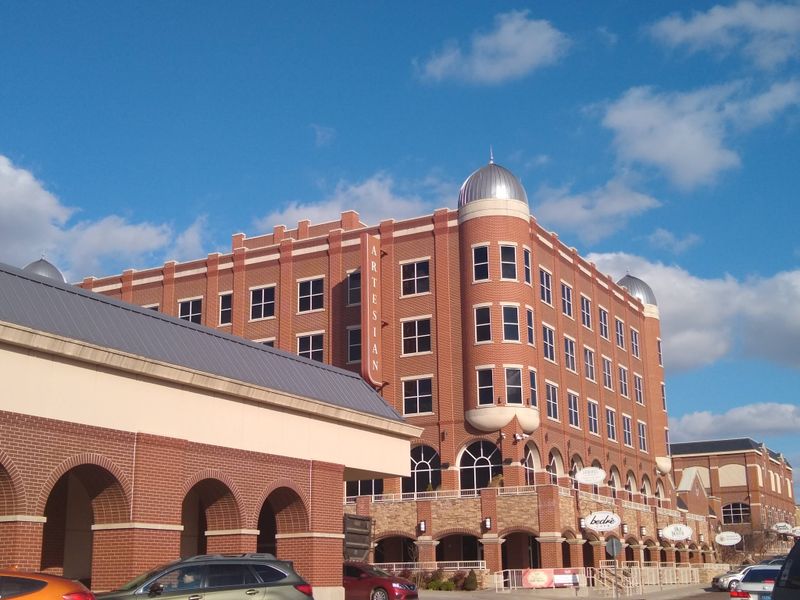
Sulphur and Davis sit side by side, giving you two walkable scenes linked by the Chickasaw National Recreation Area.
Begin in Sulphur near 303 W Muskogee Ave, where murals and limestone storefronts introduce a small district built for wandering.
The sidewalks carry you toward the park’s springs and shade, and trailheads begin within an easy stroll of downtown blocks.
Pause by 214 W Muskogee Ave, where visitor info helps map gentle paths into cool creek corridors.
Crosswalks make short hops between outfitters, galleries, and local goods simple and safe.
Over in Davis, start around 100 E Main St and follow vintage signs that mark a classic main street lineup.
Windows glow in late afternoon, and you can see Turner Falls country in the hills that frame the horizon.
Both towns keep distances short, so you can browse, rest, and browse again without losing momentum.
Park once, then let the day unfold in segments, moving from storefronts to shaded trails and back again.
Benches along the sidewalks serve as quiet lookout points for people watching and sky watching.
Wayfinding signs are straightforward, and the pairing of towns feels like one long, gentle loop.
By evening, the limestone softens to honey tones, and the streets settle into that calm Oklahoma hush that makes every step feel unhurried.
4. Tahlequah
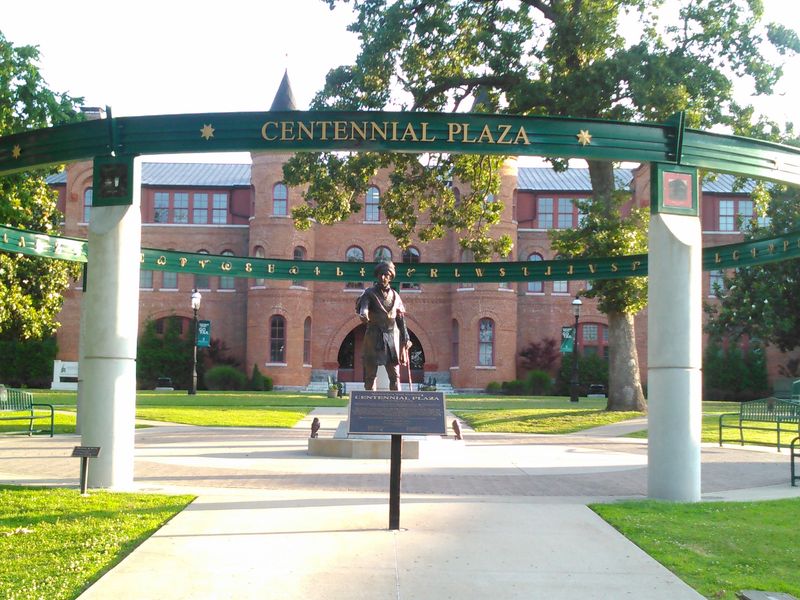
Tahlequah carries a thoughtful blend of Cherokee Nation heritage and a compact grid that rewards a steady stroll.
Begin at 100 S Muskogee Ave, where banners and brick facades set a welcoming tone across closely spaced crosswalks.
Historic markers and public art tell stories at a comfortable reading pace as you move between boutiques and bookshops.
Side streets drift toward campus energy, giving the corridor a lively rhythm without crowding the sidewalks.
Head to 101 N Muskogee Ave for a snapshot of classic storefronts lined with crisp awnings and tidy windows.
Green pockets appear at just the right moments, and benches anchor quick breaks that do not derail momentum.
Daylight makes the brick glow, and twilight brings out warm reflections in the glass.
Maps near the courthouse square point to nearby paths toward the Illinois River and the route toward Lake Tenkiller.
You can shape a loop that starts central, detours for a river overlook, then returns to the lights of Main.
Traffic feels calm through most blocks, and turns are short, so navigation stays simple.
Every few storefronts, placards highlight local history, which turns the walk into an outdoor museum.
By the time you circle back to your starting point, the blend of culture, nature, and small town pace feels completely effortless.
5. Grove
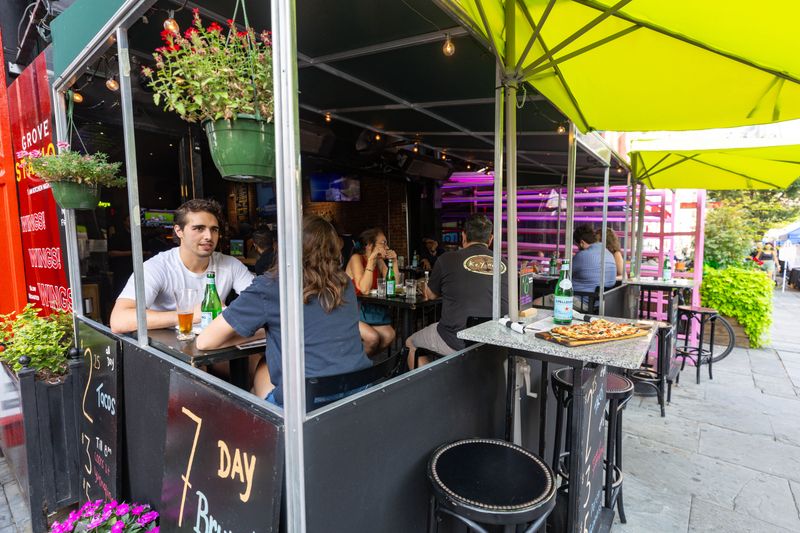
Grove sits beside Grand Lake, and the downtown invites a breezy loop that pairs storefronts with flashes of blue water.
Start at 104 W 3rd St, where the streetscape opens into tidy sidewalks and storefront windows that catch the light.
Flower baskets and planters soften the corners, while crosswalks keep everything linked in easy steps.
Follow Main north to glimpse the lake between buildings, and pause where benches face open sky.
Turn toward 111 S Main St for a postcard view of brick facades framed by clean lines and old signs.
The waterfront sits within a short drive, so it is simple to add a gentle shoreline stroll to the day.
Street trees give shade in warm months, and winter sunlight sparkles across glass and metal trim.
Murals appear in a few alleys, offering quick photo stops that do not interrupt your pace.
The district is compact, so browsing and backtracking feels natural and light.
Local outfitters share pointers for lake pathways, which can extend your steps without adding hassle.
Everything closes in a neat circuit, bringing you back to the heart of town right where you began.
Evening turns the bricks to deep ember colors, and the sidewalks feel like they were built to hold that gentle Oklahoma glow.
6. Waurika

Waurika feels like a time capsule centered on its courthouse square, perfect for a simple walking route with steady interest.
Begin at 100 S Main St, then move along the perimeter where vintage storefronts face clean sidewalks and angled parking.
The Jefferson County Courthouse at 220 N Main St sets the tone with limestone steps and an old fashioned clock.
Shops cluster on each side, so every turn opens another tidy row of windows and signs.
Crosswalks connect the corners into a compact loop that you can repeat from different angles.
Look for small plaques that outline local ranching and railway history in plain, friendly language.
Benches catch breezes that slide across the square, and shade lands on the brick in patient arcs.
Side streets hold quiet residential blocks, which add a softer texture to the walk.
Return toward 124 S Main St for a broad view of the square that gathers architecture into a single frame.
The sidewalks are level, and the pace remains consistent even when events bring extra foot traffic.
Late light pulls warm color from the masonry, and the courthouse dome becomes a natural landmark.
You finish where you started, feeling like the square explained Waurika in a steady, unhurried voice.
7. Broken Bow
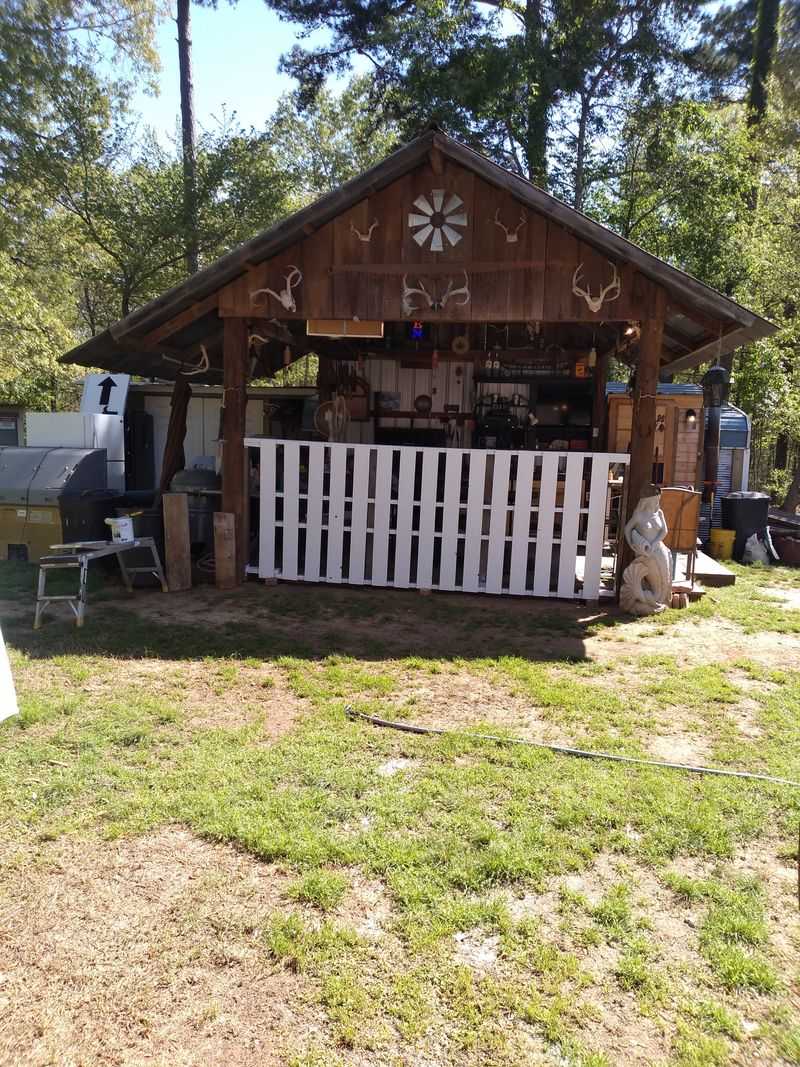
Broken Bow serves as a gateway to forest trails, yet the in town walk stays delightfully compact and low key.
Begin near 205 S Park Dr, where sidewalks and simple storefronts make an easy jumping off point for a short circuit.
The air smells like pine, and the storefront lines feel grounded by wood accents and stone trim.
Turn along N Main St toward 210 N Main St for a stretch of windows and porches that face quiet traffic.
Maps at visitor centers outline paths in Beavers Bend, which pairs nicely with a downtown stroll before or after the woods.
You can frame a loop that moves past murals, then toward side streets lined with tidy yards.
Benches let you watch the light move across metal roofs and painted signs.
Crosswalks are short and frequent, which keeps the walk relaxed and straightforward.
Wayfinding is simple, and the grid pulls you back to the center without stress.
The whole experience balances small town calm with the promise of big trees just up the road.
Finish near 121 S Park Dr, where the last block ties your steps together like the closing of a trail.
Even with the park nearby, the sidewalks here prove that a grounded Oklahoma stroll can be its own destination.
8. Stillwater
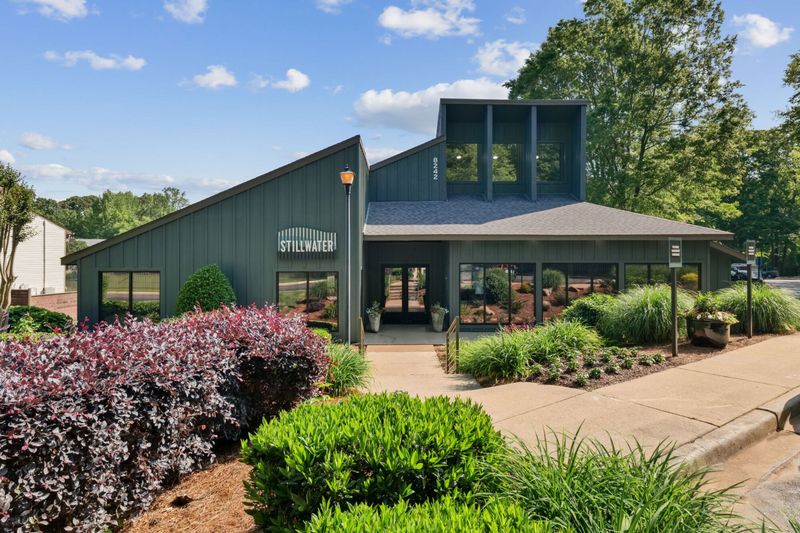
Stillwater’s core mixes college town energy with a pedestrian friendly grid that invites a casual, looping walk.
Start at 100 W 7th Ave and head toward Main Street, where banners and street trees mark a tidy corridor.
Brick buildings catch late afternoon light, and storefronts display local art and school spirit without feeling crowded.
Cross to 714 S Main St for a strong perspective that lines up facades, signs, and window reflections.
Side streets drift toward campus, and the sidewalks remain wide and steady for the whole circuit.
Benches appear at natural pauses, great for people watching and planning the next block.
Public art brightens the route, and murals sharpen the sense of place in quick, colorful flashes.
Wayfinding is clear, so first time visitors can navigate without checking a map more than once.
As evening approaches, the district glows, and the walk feels like a gentle parade of light.
The pace stays easy even when events bring extra foot traffic through the corridor.
Finish near 701 S Main St, where crosswalks tie the route back toward your starting point.
The grid proves that Oklahoma can balance community buzz with sidewalks that genuinely welcome your stride.
9. Kingfisher
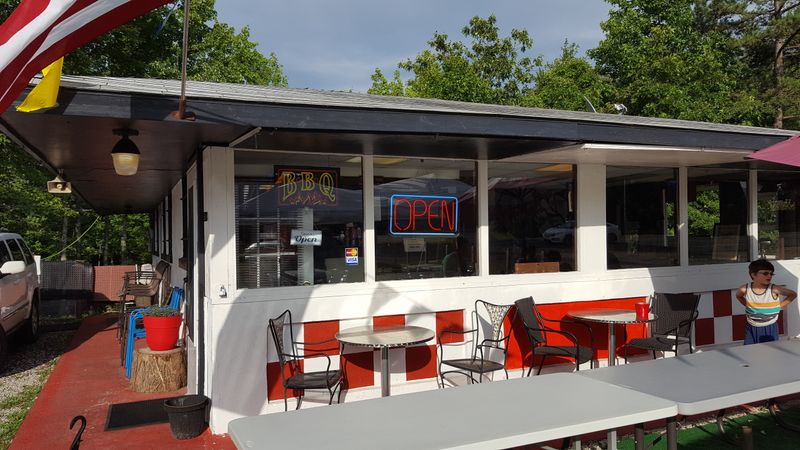
Kingfisher offers a calm, prairie town walk anchored by historic buildings and a straightforward downtown alignment.
Begin at 123 S Main St, then follow the gentle arc of storefronts that frame crosswalks and angled parking.
Brick facades hold handsome cornices, and glass reflects the open Oklahoma sky.
Benches and planters break up the blocks, giving easy pauses without interrupting momentum.
Turn toward 101 W Broadway Ave for a tidy intersection that presents the district in a single view.
Side streets run quiet, and the sidewalks keep level grades that are kind to tired feet.
Museum signs point toward the Chisholm Trail Museum at 605 Zellers Ave, an extension to consider by short drive or longer walk.
Public art appears in small touches, often near civic buildings with clean landscaping.
The loop draws you back to Main, where windows glow in late light and letters shine on old signs.
Everything feels measured and modest, which suits a relaxed, thoughtful pace.
Finish near 200 S Main St, where the final crosswalk makes a neat bookend for the route.
It is simple, consistent, and exactly the kind of Oklahoma stroll that clears the head and fills the camera roll.
10. Guthrie
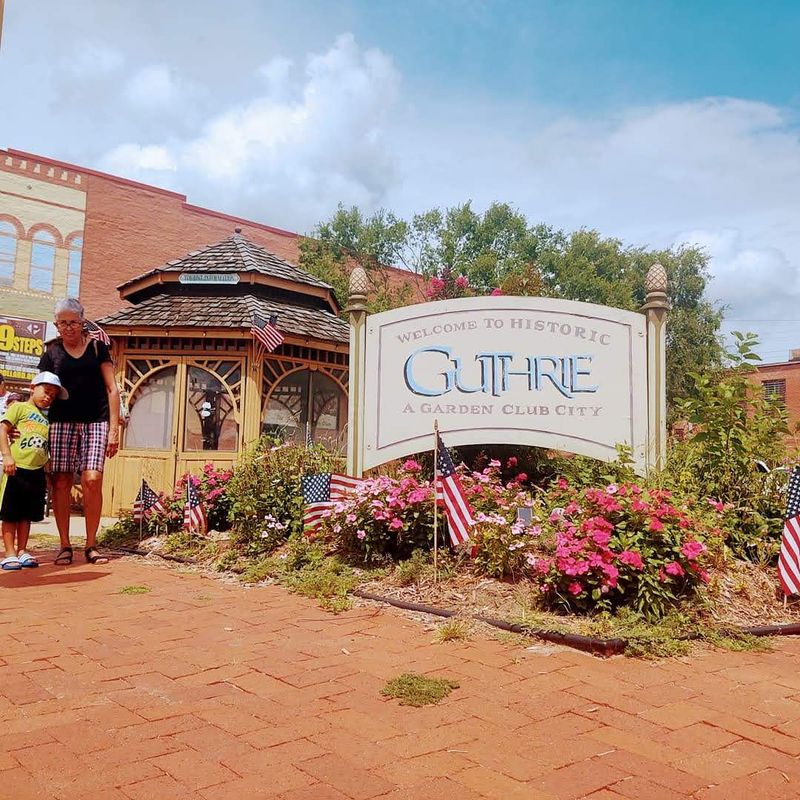
Guthrie presents one of the most striking historic districts in the state, and it is built for unhurried walking.
Begin at 101 W Oklahoma Ave, where Victorian facades line up like a theater set in brick and stone.
Lampposts and wide sidewalks give the route a gracious rhythm from the first step.
Turn toward 224 W Harrison Ave for ornate cornices, bay windows, and tidy ground level displays.
Every block brings a different texture, with cast iron details, painted trim, and arched windows.
Interpretive signs share territorial history in short, readable pieces that fit the pace of a stroll.
Alley murals and restored storefronts show careful stewardship and community pride.
Benches sit at key corners, which helps with pacing and photo breaks.
Crosswalks are frequent, so it is easy to trace a rectangle that loops back to your start.
As the sun drops, brick streets take on a deep red glow that photographs beautifully.
The district is large, yet the core feels intimate, so you can sample a little or wander for hours.
You leave with a strong sense of Oklahoma heritage, carried on the soles of your shoes and the edges of every facade.
Dear Reader: This page may contain affiliate links which may earn a commission if you click through and make a purchase. Our independent journalism is not influenced by any advertiser or commercial initiative unless it is clearly marked as sponsored content. As travel products change, please be sure to reconfirm all details and stay up to date with current events to ensure a safe and successful trip.
