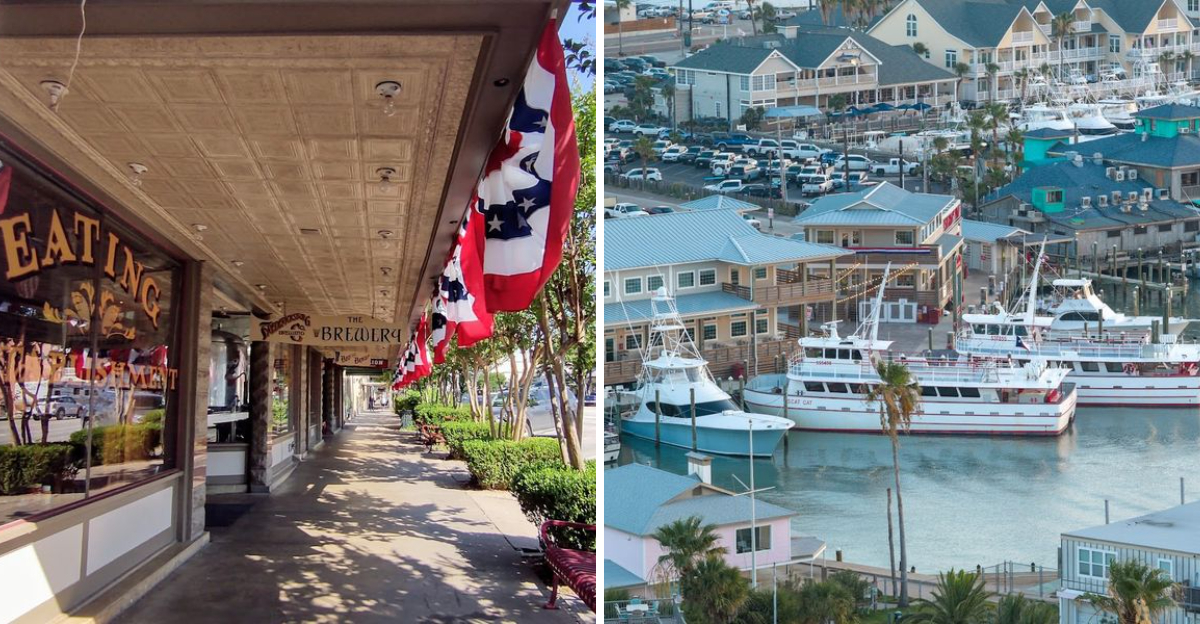
There is something about small-town Texas that gets under your skin in the best way possible. I first noticed it on a road trip through the Hill Country, when the smell of smoked brisket drifting through an open screen door stopped me dead in my tracks.
These towns are not trying to impress anyone, and that is exactly what makes their food so honest, so deeply satisfying. From coastal seafood shacks to desert chili pots, every bite tells a story rooted in place and pride.
Texas has always worn its culinary identity loudly, and nowhere is that more true than in its smaller communities. This list is a love letter to the towns that prove great food does not need a big city zip code.
1. Lockhart
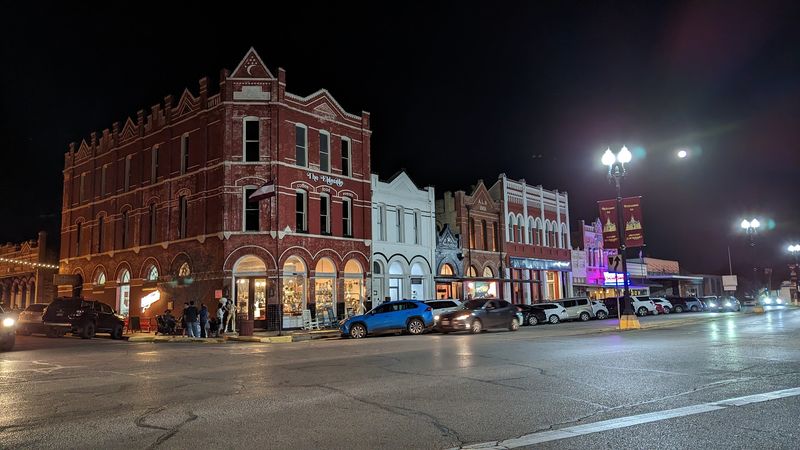
People in Texas do not argue much about barbecue, except when it comes to who does it best, and Lockhart almost always wins that conversation.
Officially recognized by the Texas Legislature as the Barbecue Capital of Texas, this small Caldwell County town takes smoked meat seriously in a way that borders on spiritual.
The pits here have been burning for generations, and the recipes are fiercely protected.
Kreuz Market (619 N Colorado St) is one of the oldest and most respected spots, operating since 1900 in a building that smells like decades of oak smoke. Black’s Barbecue (215 N Main St), another legendary stop, has been feeding locals and travelers since 1932.
Walking into either place feels less like dining out and more like stepping into a living museum of Texas food culture.
Brisket here is sliced thick, with a bark that crackles and a center that practically melts. The sausage rings are snappy and peppery, made in-house the old way.
Lockhart sits about an hour south of Austin, making it an easy day trip that most people turn into a full afternoon of eating, wandering, and eating again.
2. Fredericksburg
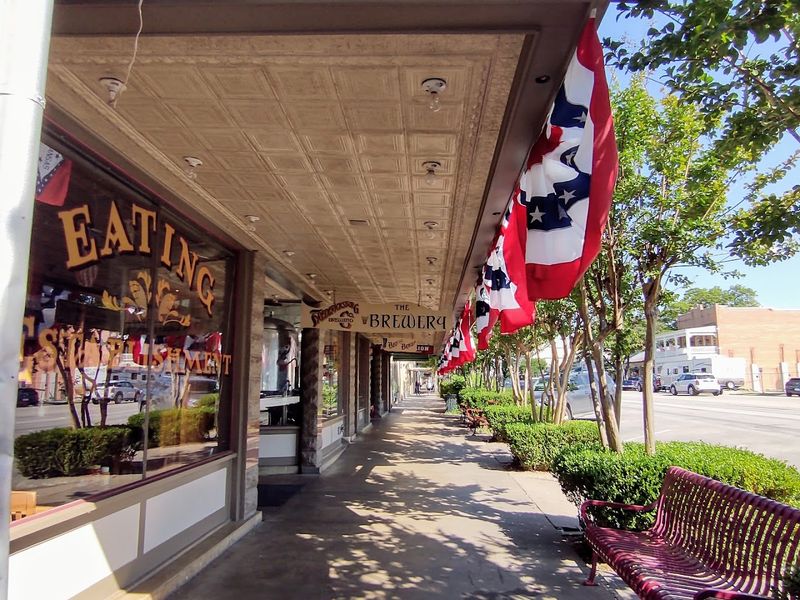
Fredericksburg feels like a postcard that someone decided to actually live inside. Tucked into the Texas Hill Country about 70 miles west of Austin, this town carries a strong German heritage that shows up clearly on every menu and in every bakery window.
The founders who settled here in the 1840s brought their recipes with them, and the town has never let go of that culinary identity.
Schnitzel, bratwurst, and warm soft pretzels appear alongside locally grown peaches and wildflower honey, creating a food scene that is both deeply rooted and surprisingly layered.
The Peach Jamboree season draws serious fruit lovers from across the state, and the farm stands that line the roadsides are worth stopping for on their own.
Walking Main Street on a weekend morning, the smell of fresh pastry from the local bakeries is almost impossible to resist.
Beyond the German staples, Fredericksburg has developed a lively restaurant culture that draws chefs who want wide open spaces without sacrificing creativity. The food here rewards slow exploration.
Bring a cooler for the peaches, comfortable shoes for the walking, and an appetite that you are not in a hurry to satisfy.
3. Marfa
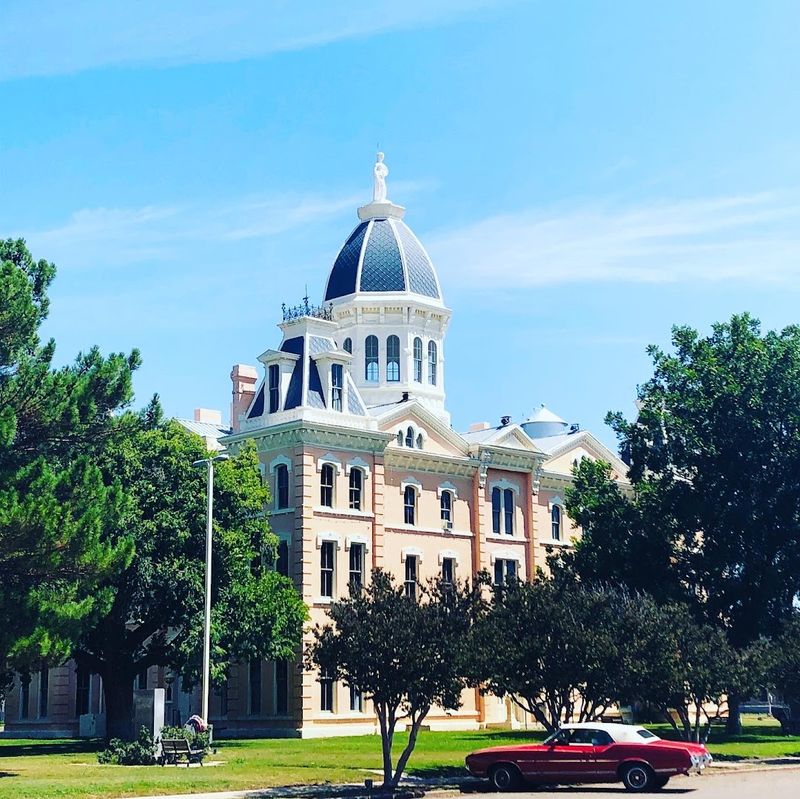
Marfa sneaks up on you. Most people arrive expecting art installations and strange glowing lights on the horizon, and they leave talking about the food.
Found in the vast stretch of the Chihuahuan Desert in far West Texas, this tiny town of fewer than 2,000 people has developed a dining culture that feels completely out of proportion with its size, and that is the whole point.
Chefs here work with the landscape rather than against it. Local ingredients, desert-grown produce, and cross-border flavors from nearby Mexico shape menus that feel both grounded and genuinely inventive.
The portions are honest, the presentations are thoughtful, and the settings range from converted gas stations to open-air patios where the sky takes up more real estate than any building.
Breakfast tacos in Marfa deserve their own paragraph. Simple, fresh, and made with care, they are the kind of morning meal that recalibrates your entire understanding of what a taco can be.
The town moves slowly and quietly, which means you actually have time to sit with your food and enjoy it. That unhurried pace is part of what makes eating here feel like a small, genuine luxury.
4. Port Aransas
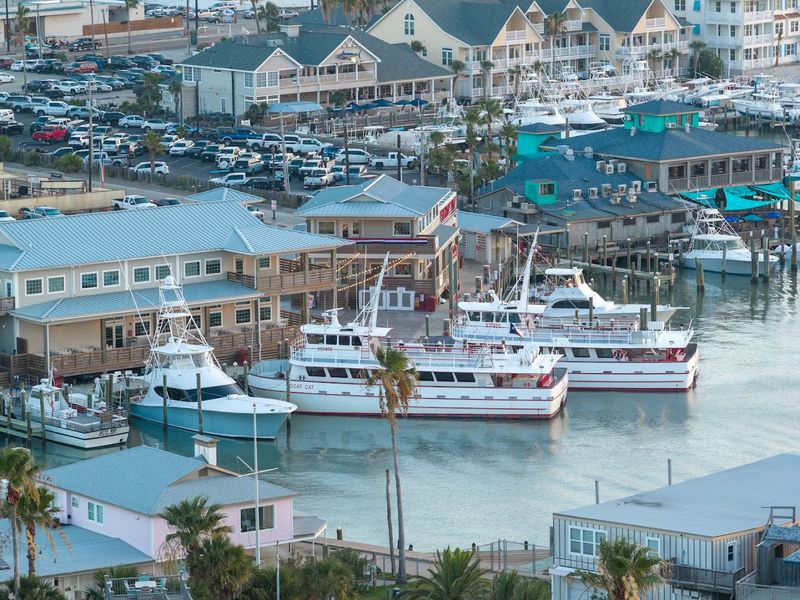
Salt air and the sound of pelicans overhead are your first clues that Port Aransas is a different kind of food town. Sitting on Mustang Island along the Gulf Coast, this easy-going beach community has built its entire culinary identity around the sea, and every plate reflects that close relationship with the water.
Fishing boats unload their catches daily, and the restaurants are close enough to smell it.
Shrimp is the reigning star here, showing up in every form imaginable: grilled, fried, stuffed into tacos, tossed in garlic butter, or served cold over ice with a sharp cocktail sauce.
The oysters are briny and fresh, the fish tacos are bright and citrusy, and the crab cakes are the kind that make you want to order a second round before you finish the first.
Casual open-air spots dominate the scene, and most places welcome sandy feet at the table.
Port Aransas has a relaxed, almost sleepy charm during the week that transforms into something livelier on weekends when day-trippers arrive from Corpus Christi and beyond.
Going on a quiet Tuesday morning and eating fried shrimp at a picnic table by the water is one of those simple pleasures that sticks with you long after the trip ends.
5. Terlingua
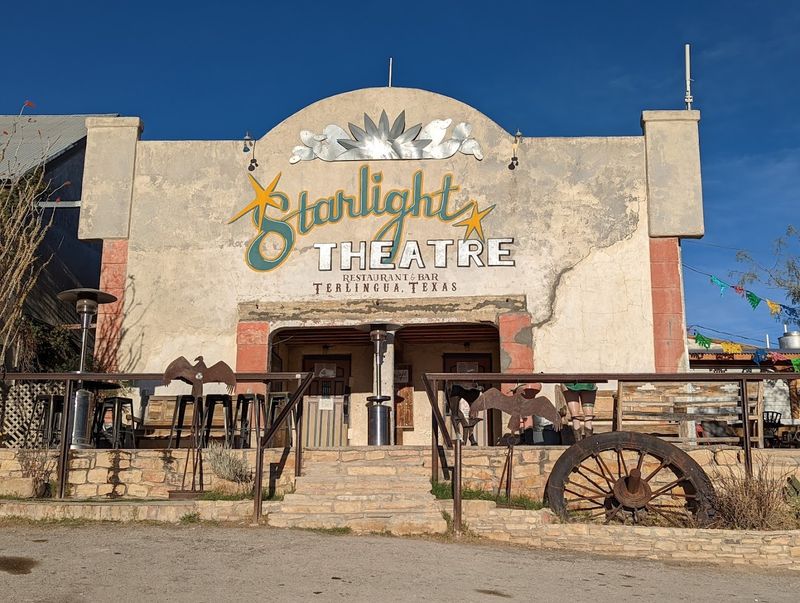
Chili has a hometown in Texas, and it is Terlingua. This remote ghost-town-turned-community near Big Bend National Park hosts one of the most famous chili cook-offs in the country every November, drawing competitors and spectators from across the nation to a place that most GPS devices still struggle to locate.
The event has been running since the 1960s and has taken on a life entirely its own.
Even outside of cook-off season, Terlingua carries a fierce chili culture in its bones. Local spots serve thick, deeply spiced bowls that reflect generations of Tex-Mex tradition, built on dried chiles, slow-cooked beef, and a stubborn refusal to add beans.
The flavors here are bold, smoky, and unapologetically strong. Pair it with warm flour tortillas and you have a meal that earns its reputation.
The town itself is raw and beautiful in equal measure. Adobe buildings, desert scrub, and an enormous sky that turns every shade of orange at sunset create a backdrop that makes the food taste even better.
Terlingua is not a convenient stop on any route. Getting there requires intention, and that effort makes the whole experience feel more rewarding and more real.
6. Gruene
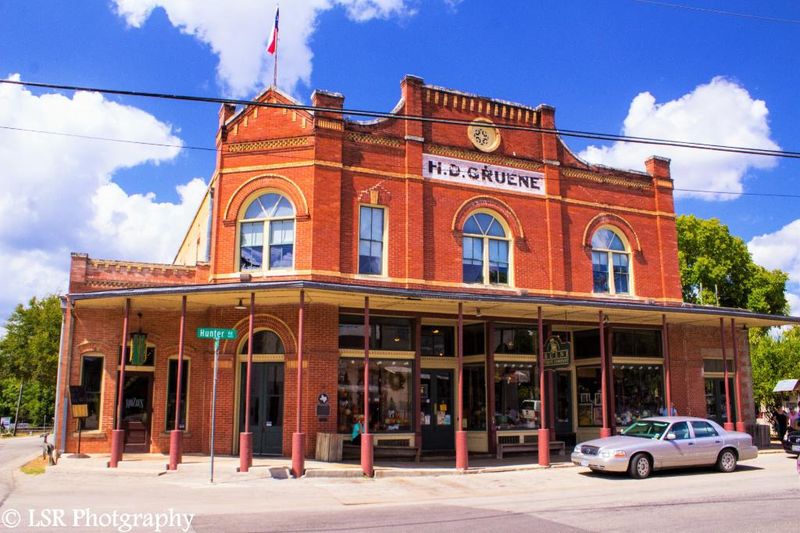
Gruene is one of those places that feels like it has been frozen in amber, except the food keeps getting better. This tiny unincorporated community near New Braunfels sits along the Guadalupe River and carries the kind of lived-in charm that most towns spend decades trying to manufacture.
The historic dance hall has been standing since 1878, and the surrounding restaurants have grown up around it with quiet confidence.
Texas comfort food is the language here: chicken fried steak with cream gravy, smoked sausage plates, jalape no cheese bread, and peach cobbler that arrives at the table still bubbling.
The Gristmill River Restaurant (1287 Gruene Rd), built inside the ruins of an 1878 cotton gin, is one of the most atmospheric dining spots in the entire Hill Country.
Sitting on its multi-level deck above the river while a plate of smoked ribs lands in front of you is a genuinely hard moment to top.
Weekends in Gruene are busy, full of tubers floating down the river and live music drifting from the hall. Visiting on a slower weekday reveals a quieter, more personal version of the place.
The food tastes the same either way, but the pace is easier, and you get more time to appreciate every bite.
7. Wimberley
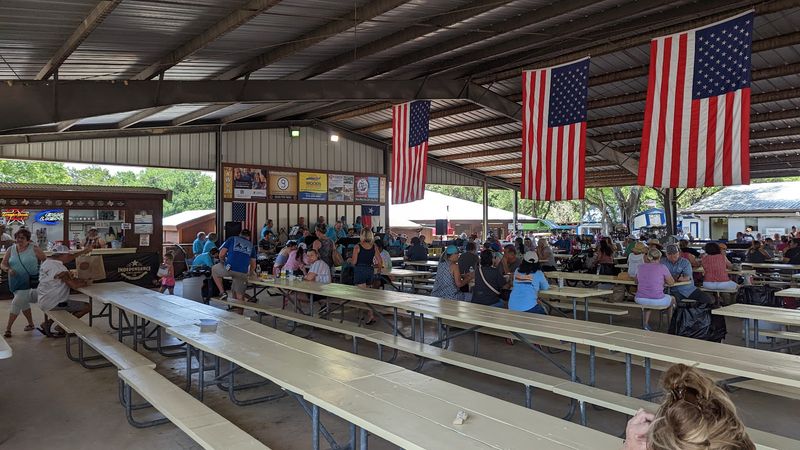
Wimberley is the kind of town that makes you want to move there after a single afternoon. Nestled where Cypress Creek meets the Blanco River in the Hill Country, this small artistic community has developed a food culture that mirrors its creative spirit: independent, locally sourced, and genuinely thoughtful.
The Saturday Market Days event (601 Farm to Market Rd 2325), running from spring through fall, is a perfect introduction to what this town values.
Local vendors fill the square with handmade jams, smoked meats, fresh honey, artisan cheeses, and baked goods that reflect the Hill Country’s agricultural abundance. Food trucks cluster nearby with tacos, wood-fired pizzas, and breakfast burritos that draw lines well before 9 a.m.
The restaurants in town tend to be small, chef-driven spots with menus that change based on what is growing and what looks good that week.
Blue Hole, the beloved natural swimming area, sits just a short walk from the main square, and many visitors spend a morning at the market, an afternoon in the water, and an evening at a patio restaurant watching fireflies appear over the creek.
Wimberley moves to a rhythm that feels almost deliberately unhurried. That slowness is not laziness. It is an invitation to actually pay attention to what you are eating.
8. Schulenburg
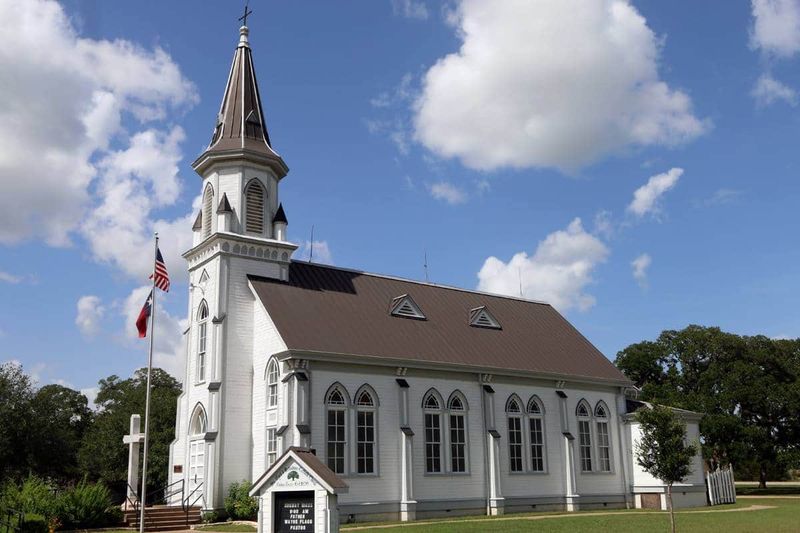
Most people pass through Schulenburg on Interstate 10 between San Antonio and Houston without stopping, and that is a genuine mistake. This small Fayette County town sits at the crossroads of German and Czech settlement history, and that heritage shows up most deliciously in its pastry case.
Schulenburg is kolache country, plain and simple, and the baked goods here are as good as any you will find in the state.
Kolaches in their truest Texas form are pillowy, slightly sweet dough pockets filled with fruit, cream cheese, or savory sausage and jalapeno. Local bakeries here have been making them the old way for decades, without shortcuts and without apology.
The smell that hits you when you walk through the door is warm, yeasty, and deeply comforting. It is the kind of smell that makes you order more than you planned.
Beyond the pastries, Schulenburg has a quiet, unhurried downtown worth wandering through. Czech and German influences appear in the architecture, the church steeples that dot the horizon, and the occasional festival that celebrates the town’s roots.
It is not a flashy destination. The whole appeal is in its simplicity, and the kolaches alone make the exit ramp entirely worth taking.
9. Gonzales
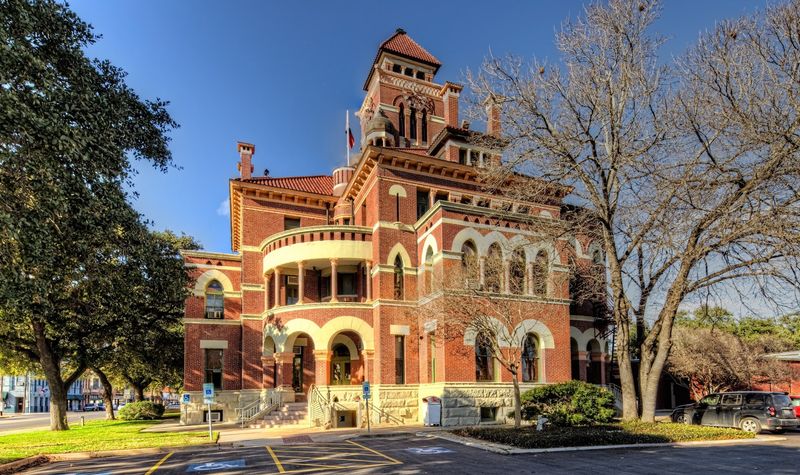
Gonzales carries a famous piece of Texas history, the site of the first shot of the Texas Revolution in 1835, but food lovers have their own reasons to make the drive.
This small town in Gonzales County sits along the Guadalupe River and has a food scene anchored in honest, no-frills cooking that reflects its working-town roots. Nothing here is trying to be trendy, and that restraint is refreshing.
Barbecue is a serious pursuit in Gonzales, with local spots smoking meats in the classic Central Texas style: post oak wood, simple rubs, and long slow hours on the pit. The brisket tends to be thick-sliced and deeply smoky, the kind that leaves a red ring through the entire cut.
Alongside the smoked meats, the town’s Mexican food tradition runs deep, with family-owned taquerias serving breakfast tacos and enchiladas that have been made the same reliable way for years.
The town square, anchored by the famous Come and Take It cannon monument, gives Gonzales a strong sense of identity that extends into its food culture. People here cook with pride and serve with directness.
There are no complicated menus or elaborate presentations, just good ingredients treated with skill and a genuine desire to feed people well.
10. Jefferson
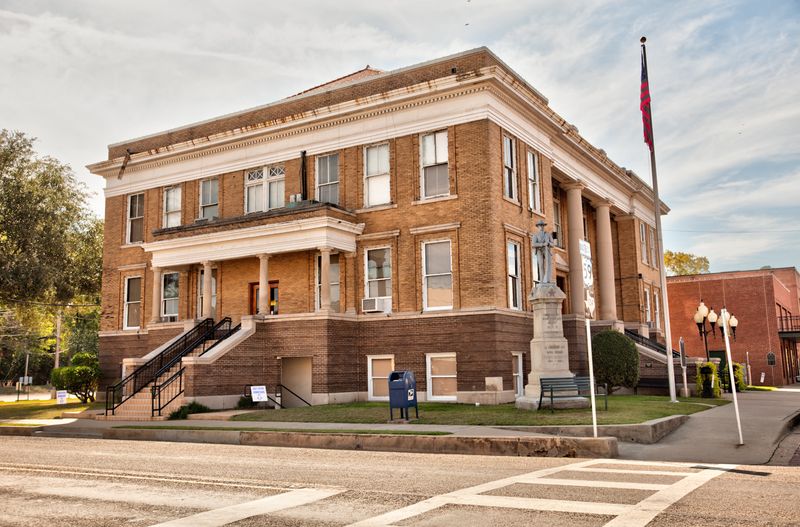
Jefferson sits in the Piney Woods of East Texas like a town that time politely decided to leave mostly alone. With its Victorian architecture, moss-draped trees, and bayou running quietly through the center of things, it carries an atmosphere that is closer to Louisiana than to the Texas most people picture.
That geographical and cultural proximity shows up unmistakably in the food.
East Texas cooking here leans Southern and soulful: fried catfish with hush puppies, slow-cooked pinto beans, cornbread with a crispy edge, and sweet potato pie that arrives at the table with a generous hand.
The crawfish dishes and Cajun-inflected recipes that appear on local menus reflect Jefferson’s historic role as a major river port with deep ties to Louisiana trade routes.
The flavors are bold and unapologetically rich.
The town is small enough that you can walk from one end to the other in under twenty minutes, which makes it easy to stumble into a good meal without much planning. Historic inns and bed-and-breakfasts often serve full Southern breakfasts that deserve their own road trip entirely.
Jefferson is the kind of place that surprises people who were just stopping for gas and end up staying two days longer than they intended.
Dear Reader: This page may contain affiliate links which may earn a commission if you click through and make a purchase. Our independent journalism is not influenced by any advertiser or commercial initiative unless it is clearly marked as sponsored content. As travel products change, please be sure to reconfirm all details and stay up to date with current events to ensure a safe and successful trip.
