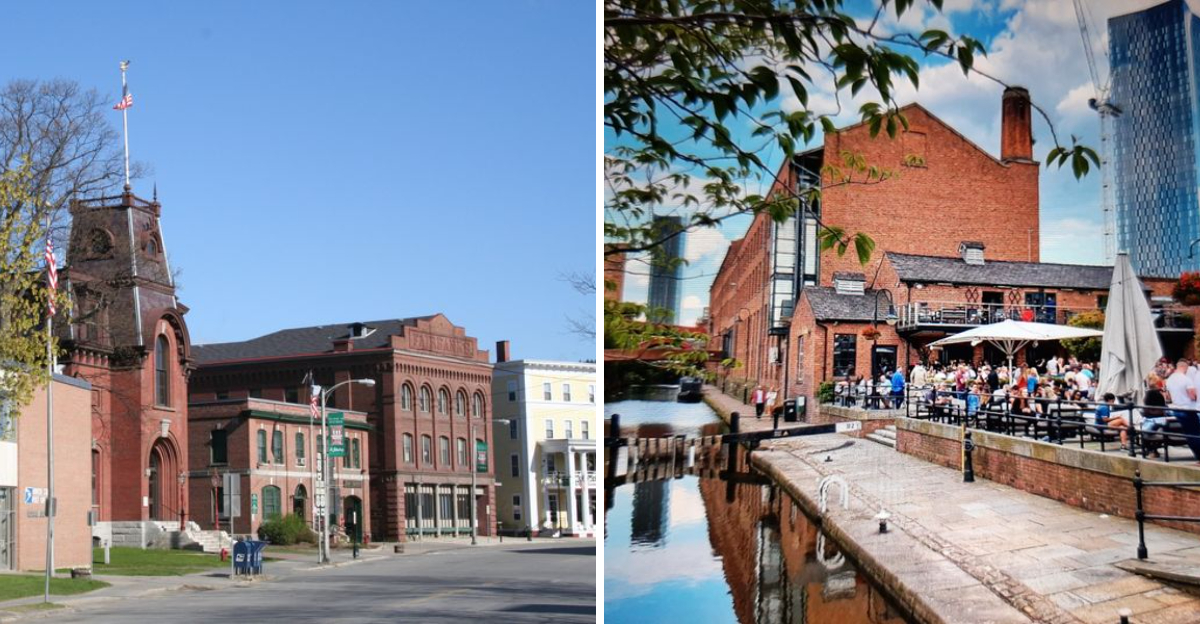
Vermont has always been known for its stunning mountain views, brilliant fall foliage, and charming small-town character that feels like stepping back in time.
Many of these towns feature compact, pedestrian-friendly downtowns where you can stroll from shop to café to gallery without ever getting in your car.
Walking through these village centers gives you a real sense of community and lets you soak in the local culture at a slower, more relaxed pace.
Whether you’re looking for a weekend getaway or considering a move to the Green Mountain State, these seven towns offer some of the most delightful walkable centers you’ll find anywhere in New England.
Each one has its own unique personality, from artsy enclaves to historic mill towns, but they all share that quintessential Vermont charm.
You’ll discover locally owned bookstores, farm-to-table restaurants, covered bridges, and friendly locals who still wave hello as you pass by.
These aren’t cookie-cutter tourist traps but real communities where walking is simply a way of life.
So lace up your most comfortable shoes and get ready to explore some of Vermont’s best-kept secrets on foot.
1. Woodstock
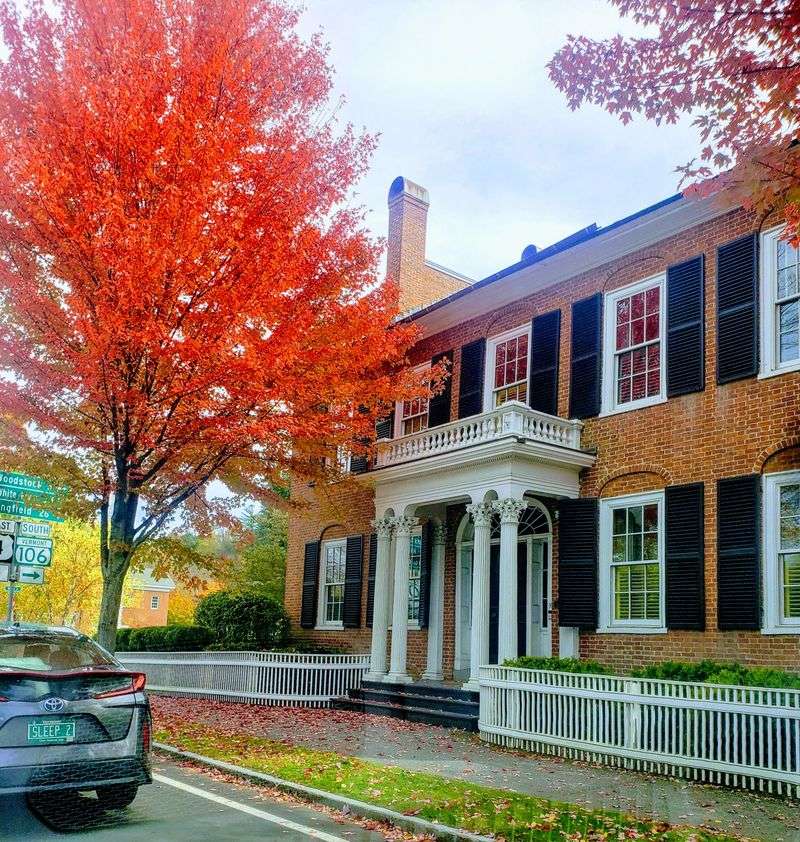
Woodstock sits gracefully along the Ottauquechee River and has earned a reputation as one of the most beautiful villages in America.
The downtown area wraps around an oval village green that feels like it was plucked straight from a Norman Rockwell painting.
Historic Federal and Greek Revival homes line the streets, many dating back to the late 1700s and early 1800s.
You can easily spend an entire afternoon wandering from the Woodstock Village Green to the covered bridge that spans the river just steps away.
The compact downtown is filled with independently owned shops selling everything from handmade jewelry to artisan chocolates.
Bookstores like The Yankee Bookshop have been serving readers since 1935, and you’ll find cozy cafés where locals gather for morning coffee.
The town also hosts a year-round farmers market where you can chat with vendors and sample Vermont cheese and maple syrup.
Billings Farm & Museum sits just north of the village center and offers a glimpse into Vermont’s agricultural heritage.
You can walk there from downtown in about fifteen minutes along a scenic country road.
Restaurants range from casual bistros to upscale farm-to-table dining, many featuring ingredients sourced from nearby farms.
The Woodstock Inn & Resort anchors the village green and has been welcoming guests since 1793.
Art galleries showcase works by local painters and sculptors, and the town green hosts concerts and community events throughout the summer.
Everything you need is within a comfortable walking distance, making Woodstock a perfect example of Vermont’s walkable village charm.
2. Manchester
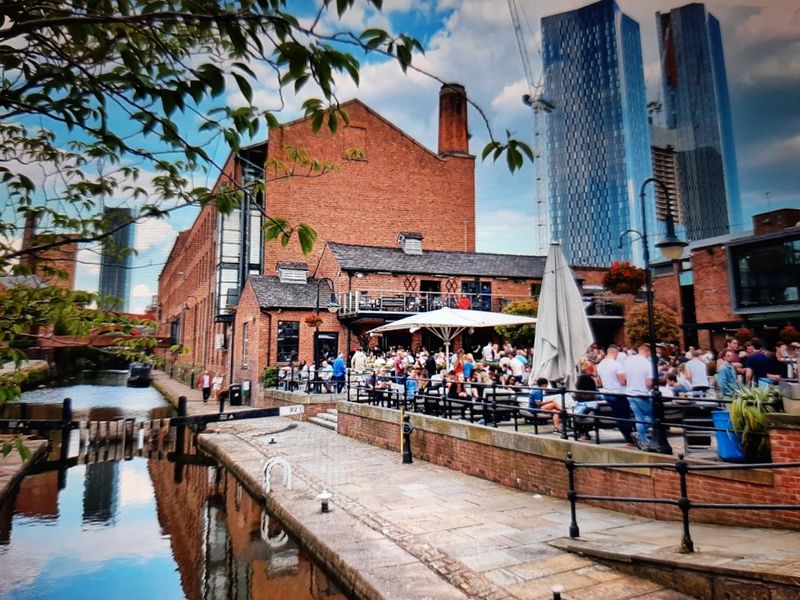
Manchester has been attracting visitors since the mid-1800s when it became a fashionable summer resort destination for wealthy families from New York and Boston.
Walking through the center of town, you’ll immediately notice the distinctive marble sidewalks that line Main Street and give the village an elegant, old-world feel.
Grand historic hotels and stately homes create an atmosphere of refined New England charm.
The downtown district is split into two walkable sections: Manchester Village and Manchester Center.
Manchester Village features the iconic Equinox Resort, which has been hosting guests since 1769, along with upscale boutiques and galleries.
A short stroll north brings you to Manchester Center, where you’ll find a mix of outlet stores, local shops, and restaurants clustered along the main road.
Despite the presence of retail outlets, the town has maintained its small-town character and pedestrian-friendly layout.
Hildene, the Lincoln Family Home, sits on a hillside just south of the village center and makes for a pleasant walk on a nice day.
The estate belonged to Robert Todd Lincoln, Abraham Lincoln’s only surviving son, and features beautiful formal gardens.
Downtown Manchester is home to the Northshire Bookstore, a beloved independent bookshop that has been a community gathering place since 1976.
You can browse for hours among the shelves before grabbing lunch at one of the nearby cafés.
The Battenkill River flows through town, and several walking paths let you enjoy the natural beauty without straying far from the village center.
Art galleries, antique shops, and specialty food stores create plenty of reasons to spend the day exploring on foot.
3. Brattleboro
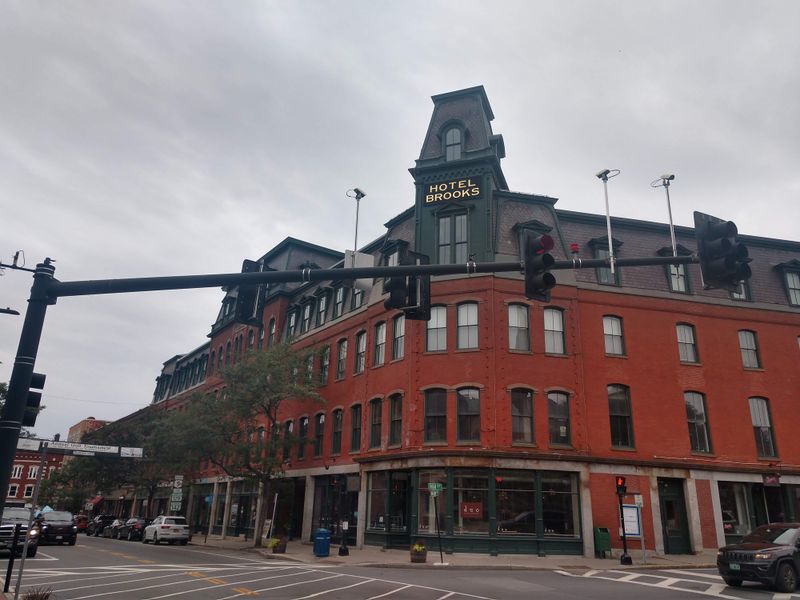
Brattleboro pulses with creative energy and has cultivated a reputation as one of Vermont’s most vibrant arts communities.
The downtown area climbs up a hillside from the Connecticut River, creating a compact urban core that’s surprisingly walkable despite the terrain.
Brick commercial buildings from the late 1800s line Main Street, many now housing galleries, theaters, and eclectic shops.
You’ll find an impressive concentration of independent bookstores, including Brattleboro Books and Everyone’s Books, both within easy walking distance of each other.
The downtown also features several vintage clothing stores, record shops, and craft studios that reflect the town’s bohemian spirit.
The Latchis Theatre, a beautifully restored art deco movie palace from 1938, anchors the downtown entertainment district and still shows first-run films.
Right next door, the Latchis Hotel maintains the same vintage charm with its original terrazzo floors and ornate details.
Restaurants in Brattleboro range from farm-fresh cafés to international cuisine, with many clustered along Main Street and the surrounding blocks.
The Brattleboro Farmers Market takes over the downtown area on Saturday mornings from May through October, drawing crowds from across the region.
Walking paths along the Whetstone Brook connect the downtown to residential neighborhoods and offer a peaceful escape from the bustling commercial district.
The Brattleboro Museum & Art Center occupies a former railroad station and showcases contemporary art and regional history.
You’ll notice that Brattleboro has a grittier, more lived-in feel compared to some of Vermont’s more polished villages, but that authenticity is part of its appeal.
Everything from coffee shops to yoga studios to live music venues exists within a compact, walkable area.
4. Montpelier
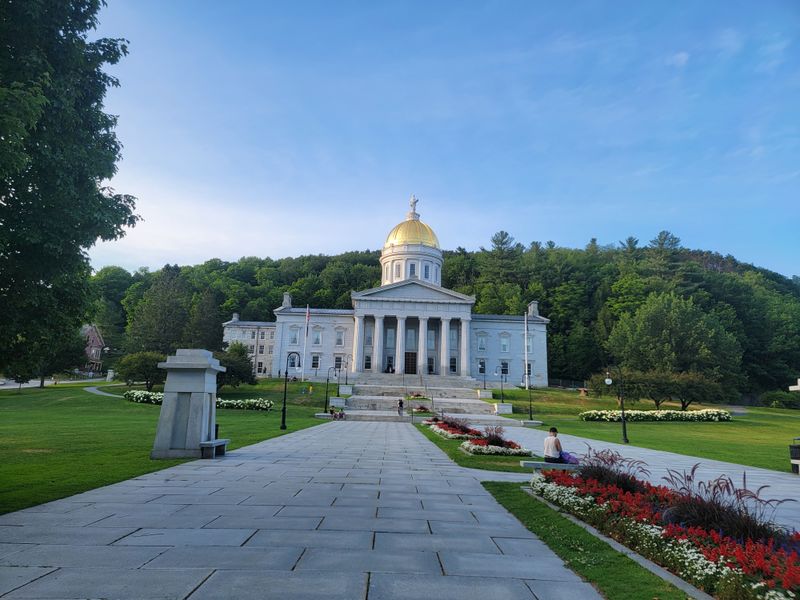
As the smallest state capital in the United States, Montpelier proves that you don’t need size to have character.
The golden dome of the Vermont State House dominates the skyline and serves as the focal point for the walkable downtown that spreads out from State Street.
The entire city center can be explored in an hour or two, though you’ll probably want to linger much longer.
State Street runs through the heart of downtown and is lined with locally owned shops, restaurants, and cultural venues housed in beautifully preserved 19th-century buildings.
Bear Pond Books has been a community institution since 1991, and you can easily spend an afternoon browsing their carefully curated selection.
The Capitol Grounds Café and several other coffee shops provide gathering spots where state legislators, local residents, and visitors all mingle together.
Montpelier has an unusually high number of restaurants per capita, offering everything from Thai and Indian cuisine to classic American fare.
The Vermont History Museum occupies the ground floor of the historical society building and offers free admission to explore Vermont’s past.
Just across the street, the State House offers free tours where you can admire the impressive architecture and learn about state government.
The Savoy Theater, a single-screen cinema that opened in 1981, shows independent and foreign films and has become a beloved cultural landmark.
Walking paths along the Winooski River connect the downtown to residential neighborhoods and provide scenic spots for a riverside stroll.
Despite being the capital, Montpelier maintains an intimate, small-town atmosphere where you’re likely to run into the same friendly faces multiple times during a single visit.
The compact layout means everything is within easy reach on foot.
5. Middlebury
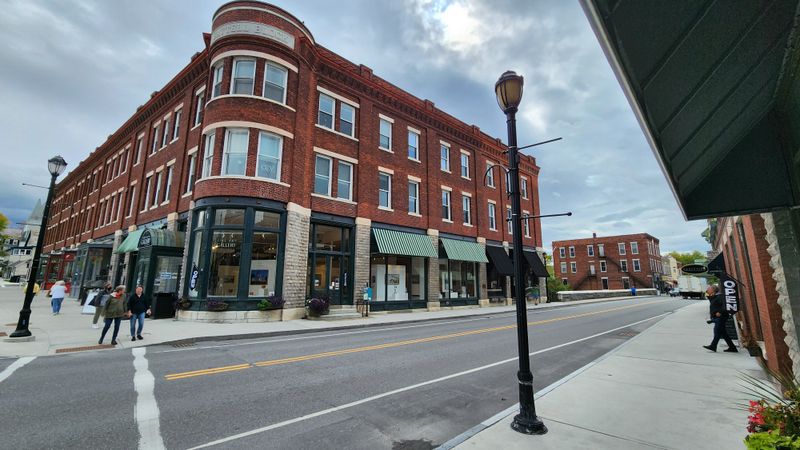
Middlebury combines the energy of a college town with the charm of a classic Vermont village, creating a uniquely vibrant walkable community.
Otter Creek tumbles through the center of town, and several historic bridges connect the two sides of the downtown district.
The sound of rushing water provides a constant backdrop as you explore the shops and restaurants that line Main Street and nearby blocks.
The presence of Middlebury College brings a youthful energy to the town, with students and professors frequently walking between campus and downtown.
Several bookstores cater to both academic and general readers, and you’ll find a higher-than-usual concentration of international restaurants for a town of this size.
The Middlebury Town Hall Theater presents professional productions throughout the year, and the downtown also hosts regular concerts and cultural events.
Art galleries showcase both established and emerging artists, many with connections to the college’s renowned art programs.
Vermont Book Shop has been serving readers since 1949 and remains a cornerstone of the downtown commercial district.
Nearby, Otter Creek Bakery fills the morning air with the scent of fresh bread and pastries, drawing locals and visitors alike.
The Henry Sheldon Museum of Vermont History occupies a Federal-style home built in 1829 and preserves an extensive collection of Vermontiana.
From there, you can easily walk to Frog Hollow Vermont State Craft Center, which features works by over 200 Vermont artisans.
Restaurants range from casual pizza joints to refined dining establishments, many emphasizing local ingredients and seasonal menus.
The compact downtown means you can sample multiple cuisines without ever moving your car, making Middlebury perfect for a progressive dinner on foot.
6. Stowe
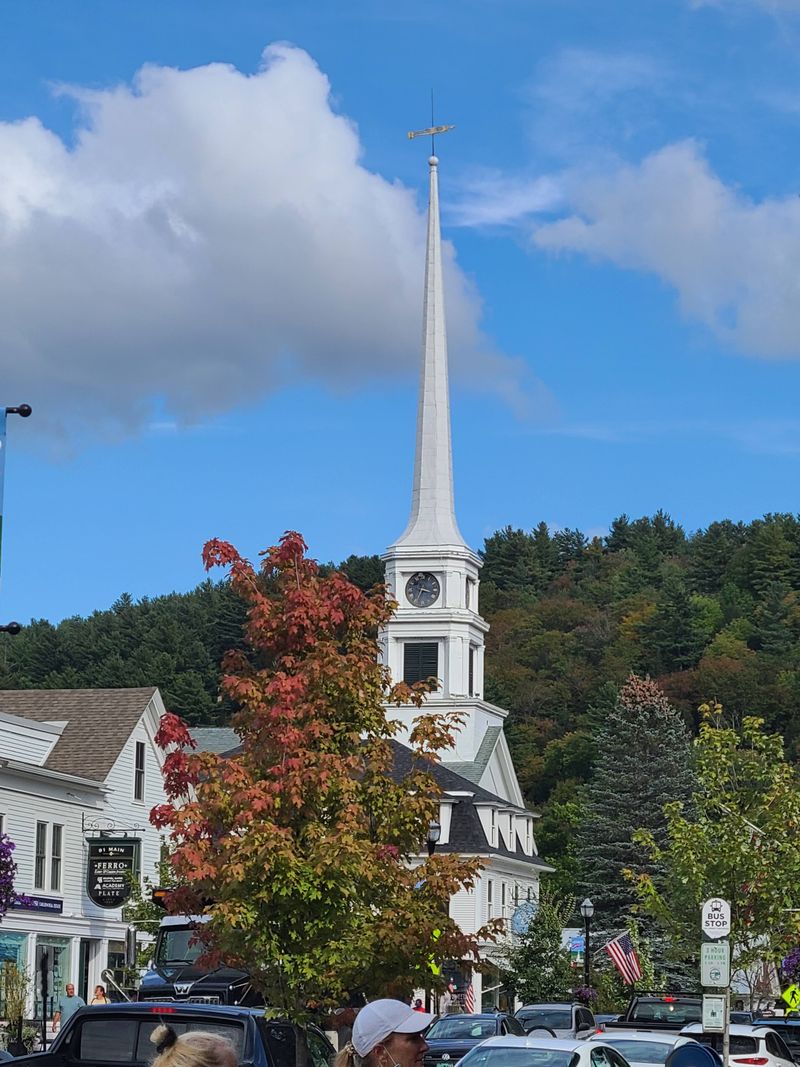
Stowe has long been famous as a ski destination, but the village center offers year-round walkable charm that extends well beyond the winter season.
The compact downtown clusters around the intersection of Main Street and Mountain Road, with a classic white-steepled church providing the quintessential New England focal point.
Mount Mansfield, Vermont’s highest peak, looms dramatically in the background, creating a stunning backdrop for your downtown stroll.
Unlike some resort towns that feel artificial, Stowe has maintained its authentic village character while accommodating visitors.
Locally owned shops sell everything from outdoor gear to handmade crafts, and you’ll find several excellent bookstores and galleries within walking distance of each other.
The village features an impressive selection of restaurants considering its small size, ranging from cozy cafés to upscale dining establishments.
Many restaurants feature outdoor seating during warmer months, letting you enjoy your meal while watching the world go by.
The Stowe Recreation Path, a paved 5.3-mile trail, begins near the village center and follows the West Branch River through meadows and forests.
While the full trail extends beyond the village, the first mile or so makes for an easy walk that showcases the area’s natural beauty.
The Helen Day Art Center occupies a beautifully restored 1863 Greek Revival schoolhouse and presents rotating exhibitions of contemporary art.
From there, you can walk to several other cultural venues and historic sites within the village center.
Specialty food shops offer Vermont cheese, maple products, and other local delicacies that make perfect souvenirs or picnic supplies.
The walkable village center provides a pleasant contrast to the larger resort developments along the Mountain Road, offering a more intimate and authentic Vermont experience.
7. St. Johnsbury

St. Johnsbury emerged as a manufacturing center in the 1800s, and the legacy of that prosperity is visible in the impressive Victorian architecture that lines the downtown streets.
The Fairbanks Museum & Planetarium dominates the skyline with its distinctive Romanesque Revival architecture and red sandstone exterior.
This remarkable institution opened in 1891 and remains one of the finest small museums in New England, all within easy walking distance of the downtown commercial district.
Railroad Street and Main Street form the heart of the walkable downtown, with brick commercial buildings housing a mix of local businesses, antique shops, and restaurants.
The St. Johnsbury Athenaeum, an 1871 public library and art gallery, features an impressive collection of 19th-century paintings including works by Albert Bierstadt.
Unlike some of Vermont’s more touristy towns, St. Johnsbury retains a working-class authenticity that gives it a different character.
You’ll find practical shops alongside gift boutiques, and the restaurants tend to be unpretentious and affordable.
The Dog Mountain gallery and dog chapel sit just outside the downtown area but are worth the walk if you’re a dog lover.
The downtown also features several churches with soaring steeples that create dramatic vertical elements in the streetscape.
Catamount Arts presents films, concerts, and theatrical performances in a beautifully restored downtown venue and serves as a cultural hub for the Northeast Kingdom region.
Kingdom Taproom and other local eateries offer farm-fresh food and Vermont craft beer within the compact downtown area.
Walking through St. Johnsbury feels like discovering a hidden gem that hasn’t been polished for tourists, making it especially appealing for travelers seeking authentic Vermont character.
The entire downtown can be explored on foot in a leisurely afternoon.
Dear Reader: This page may contain affiliate links which may earn a commission if you click through and make a purchase. Our independent journalism is not influenced by any advertiser or commercial initiative unless it is clearly marked as sponsored content. As travel products change, please be sure to reconfirm all details and stay up to date with current events to ensure a safe and successful trip.
