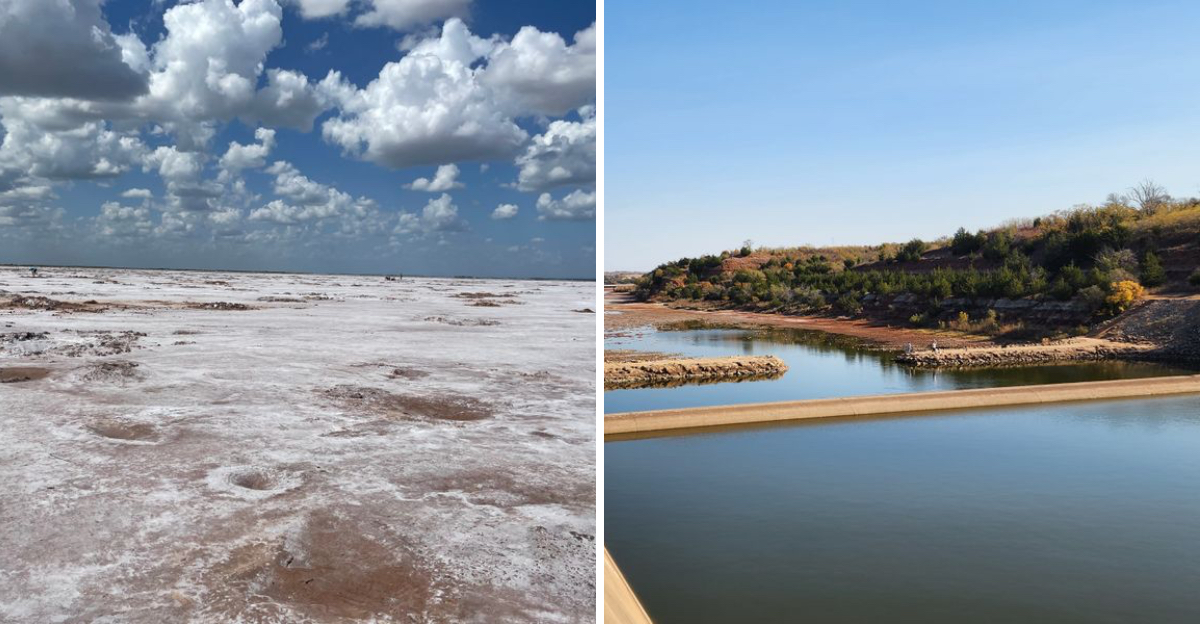
Oklahoma has some incredible state parks, but here’s the real question: why do so many people drive right past one of the most unique landscapes in the entire state?
Great Salt Plains State Park near Jet offers something you won’t find anywhere else in Oklahoma, a sprawling expanse of white salt flats that look like they belong on another planet.
While other parks get packed with crowds during peak season, this gem stays surprisingly quiet. Maybe it’s the remote location in the northwest corner of the state, or maybe people just don’t realize they can dig for crystals, spot rare birds, and camp under some of the clearest skies around.
Some locals swear it’s the best kept secret in Oklahoma, while others argue it’s too far off the beaten path. Either way, if you’re craving wide open spaces and a truly different outdoor experience, this place delivers big time.
Ready to explore a landscape that feels like nowhere else?
The Salt Flats Look Like a Frozen Ocean
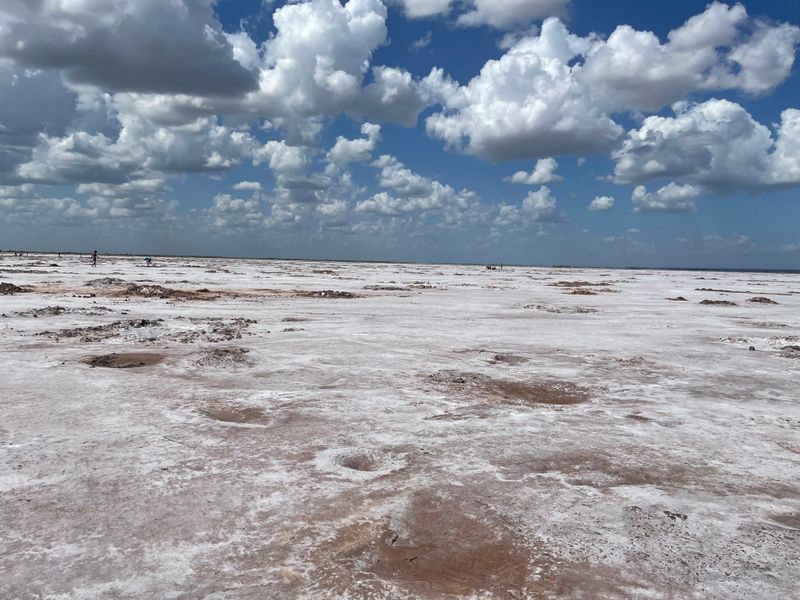
Picture a landscape so white and vast it tricks your eyes into thinking you’ve stumbled onto a winter wonderland in the middle of summer. Great Salt Plains State Park features thousands of acres of brilliant white salt flats that stretch toward the horizon like an endless sheet of crushed diamonds.
The ground crunches beneath your feet with every step, and the reflection of sunlight off the crystalline surface creates an almost blinding shimmer.
Formed thousands of years ago when an ancient sea evaporated, these flats are now one of only a handful of places in the world where you’ll find this geological wonder.
The contrast between the stark white ground and the blue Oklahoma sky creates photo opportunities that look straight out of a sci-fi movie.
Walking across the flats feels surreal, like you’ve left the regular world behind. During certain times of year, shallow water covers portions of the area, creating mirror-like reflections that double the visual impact.
Birds leave delicate tracks across the crusty surface, and the silence out here is profound.
Most visitors spend at least an hour just wandering and taking in the otherworldly scenery. Bring sunglasses because the glare can be intense, and wear shoes you don’t mind getting salty.
Address: 23280 S Spillway Dr, Jet, Oklahoma.
Digging for Selenite Crystals Is Pure Adventure
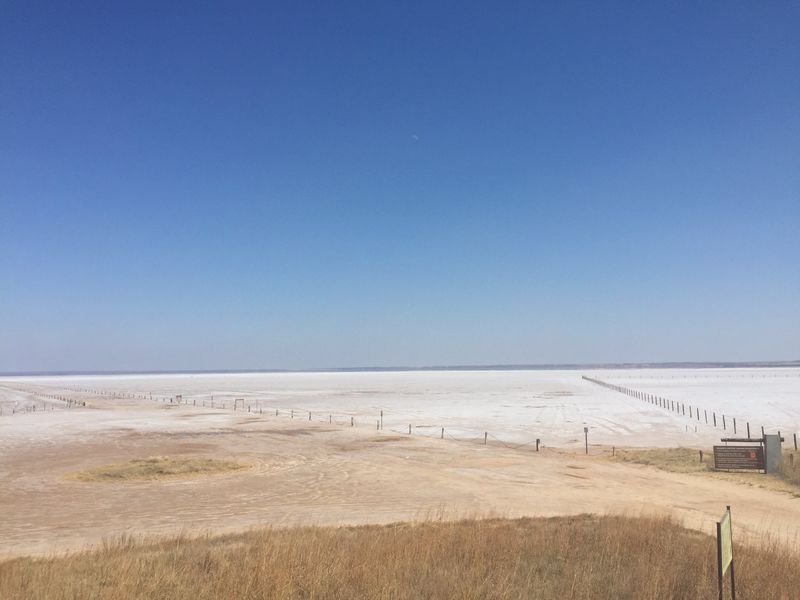
Here’s something you probably never thought you’d do in Oklahoma: dig for actual crystals that you get to keep. Great Salt Plains is one of the only places on Earth where selenite crystals form with hourglass-shaped inclusions of sand, making them completely unique.
From April through mid-October, visitors can head out to the designated dig area and hunt for these geological treasures buried beneath the salty crust.
Grab a shovel, a bucket, and plenty of water, then start digging. Most crystals hide about 18 to 24 inches below the surface, so you’ll need to commit to some real excavation work.
The further out you venture from the parking area, the better your chances of finding bigger, clearer specimens.
Kids absolutely love this activity because it feels like a real-life treasure hunt. You’ll get dirty, sweaty, and probably a little salty, but pulling up a perfect crystal makes it all worthwhile.
Some people find dozens in a single trip, while others cherish just one or two special pieces.
Rangers at the park office offer helpful tips and maps showing the best digging spots. Bring gloves to protect your hands, towels for cleanup, and something with wheels to haul your gear across the flats.
The experience combines physical activity with genuine discovery, and it’s completely free.
Bird Watching Reaches World-Class Levels Here
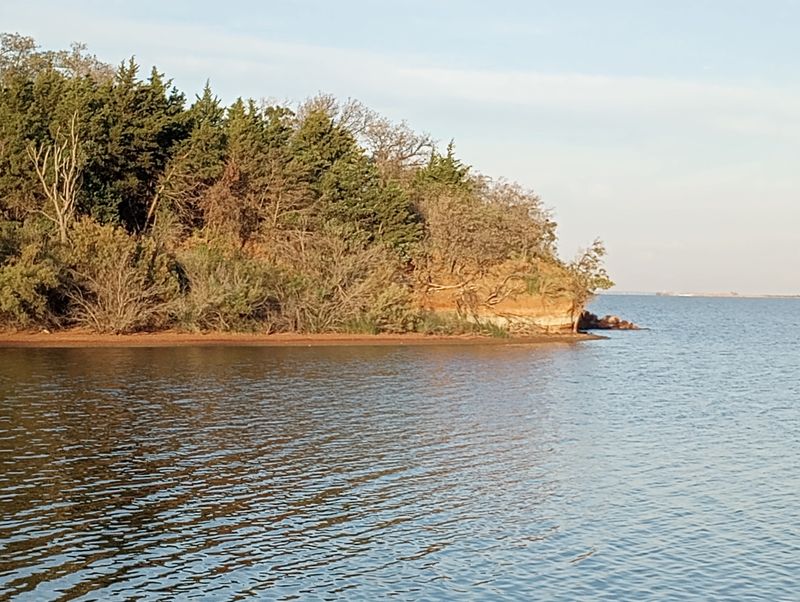
Great Salt Plains sits directly in the Central Flyway, one of North America’s major bird migration routes, which means the skies and shores teem with feathered visitors throughout the year. Over 300 species have been documented in this area, including some you won’t easily spot anywhere else in Oklahoma.
American Avocets, Snowy Plovers, and even the occasional Whooping Crane make appearances depending on the season.
The adjacent Salt Plains National Wildlife Refuge protects critical habitat for these migrants, and the shallow waters of Great Salt Plains Lake attract massive flocks during spring and fall. Pelicans glide overhead in formation, while shorebirds probe the mudflats for food.
Bring binoculars and a field guide, or just enjoy the spectacle with your naked eyes.
Early morning offers the best viewing opportunities when birds are most active and the light is perfect for photography. Marshlands surrounding the lake provide additional habitat for herons, egrets, and countless waterfowl.
Even if you’re not a serious birder, the sheer number of wings in motion creates an unforgettable natural show.
Several trails wind through different habitats, giving you varied vantage points for observation. The Sandpiper Overlook Trail is particularly popular among birding enthusiasts.
Pack insect repellent because the bugs can be fierce near the water, but the wildlife viewing makes any minor discomfort worthwhile.
Camping Under Enormous Skies Feels Magical
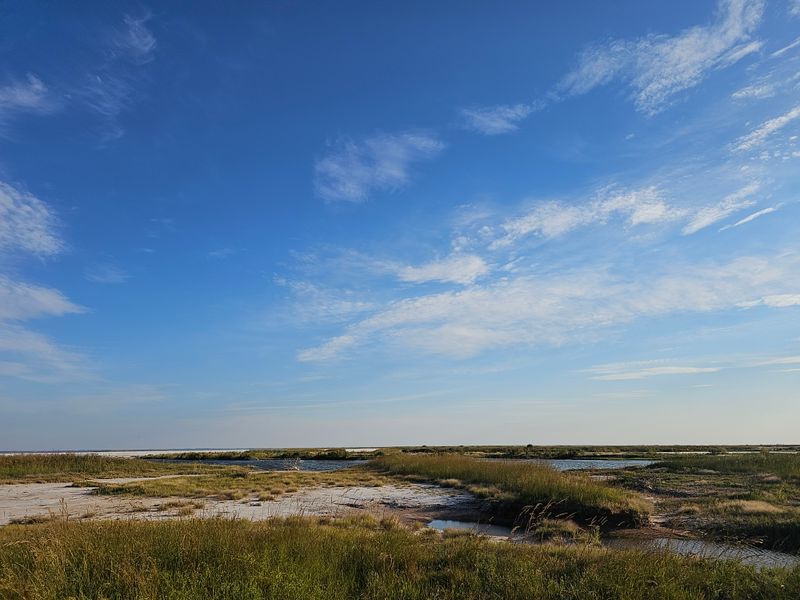
When the sun drops below the horizon at Great Salt Plains State Park, the real show begins overhead. With minimal light pollution in this remote corner of Oklahoma, the night sky explodes with stars so thick you can actually see the Milky Way stretching across the darkness.
Camping here means falling asleep to the sound of nothing but wind and waking up to sunrises that paint the salt flats in shades of pink and gold.
The park offers several camping options, from modern RV sites with full hookups along River Road to more primitive tent spots in the South Spillway area. Sites are spacious and well-maintained, with fire rings and picnic tables.
Clean bathrooms with showers are available in the main camping areas, and the facilities stay open year-round.
What makes camping here special is the sense of isolation without actually being uncomfortable. You’ll have modern conveniences when you need them, but step away from your campsite and you’re surrounded by wild, open country.
Fall and spring offer the most comfortable temperatures, though summer camping has its own appeal if you don’t mind the heat.
Park staff receive consistent praise for their friendliness and helpfulness, going out of their way to make sure visitors have everything they need. Some sites accommodate large RVs, though a few have backwards setups, so check the layout before settling in.
The Spillway Creates Dramatic Water Features
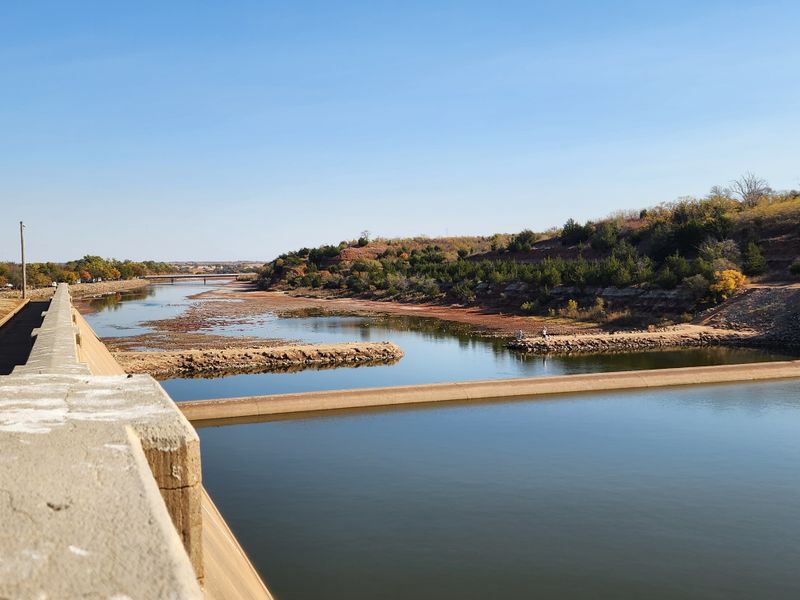
Engineering meets nature at the Great Salt Plains spillway, where water rushes over concrete structures creating a powerful display of energy and sound. The spillway controls the water level of Great Salt Plains Lake, and when it’s flowing, the sight and sound grab your attention immediately.
Visitors love walking along the dam area, watching the water cascade down and feeling the mist on their faces.
This spot offers excellent photo opportunities, especially when the spillway is running at full capacity. The contrast between the man-made structure and the natural landscape surrounding it highlights how humans and nature interact in this unique ecosystem.
Forest trails near the spillway provide shaded hiking options with views of both the lake and the surrounding terrain.
During dry seasons, the flow might reduce to a trickle or stop completely, but the structure itself remains impressive. The area around the spillway stays cooler than the open salt flats, making it a nice retreat during hot summer days.
Benches and viewing areas let you sit and enjoy the scene without rushing.
Fishermen often try their luck in the waters below the spillway, where fish congregate in the deeper pools. The combination of moving water, green vegetation, and rocky outcrops creates habitat diversity that supports various wildlife.
It’s a completely different environment from the salt flats, showing just how varied this park really is.
Fishing Opportunities Abound in Multiple Spots
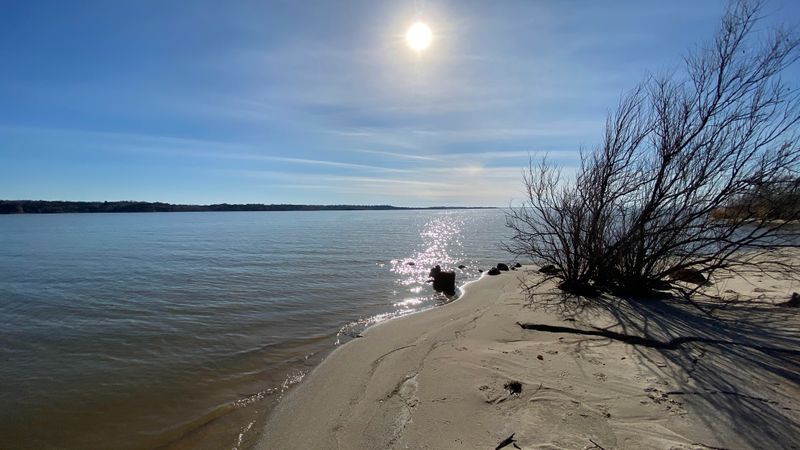
Great Salt Plains Lake covers over 9,300 acres, providing serious space for anglers to test their skills. The lake holds healthy populations of bass, catfish, crappie, and saugeye, with fishing possible from the shore, from boats, or from designated fishing areas.
A sandy beach area on the north shore gives families easy access to wade fishing, and boat ramps make launching watercraft simple.
What surprises many visitors is the variety of fishing environments available within the park. You can cast into the main lake, try your luck below the spillway, or visit the stocked catch-and-release ponds designed specifically for kids and disabled anglers at the nearby fish hatchery.
These ponds offer a nearly guaranteed catch, making them perfect for introducing young people to the sport.
Seasonal variations affect fish behavior, so local knowledge helps. Park staff and fellow anglers are usually happy to share tips about what’s biting and where.
Early morning and evening provide the best action, particularly during summer when midday heat drives fish into deeper, cooler water.
Fishing licenses are required and can be purchased online or at local retailers. The combination of lake, spillway, and managed ponds means you can fish in multiple ways during a single visit.
Pack plenty of water and sun protection because shade is limited around the lake shore.
Trails Wind Through Surprisingly Diverse Terrain
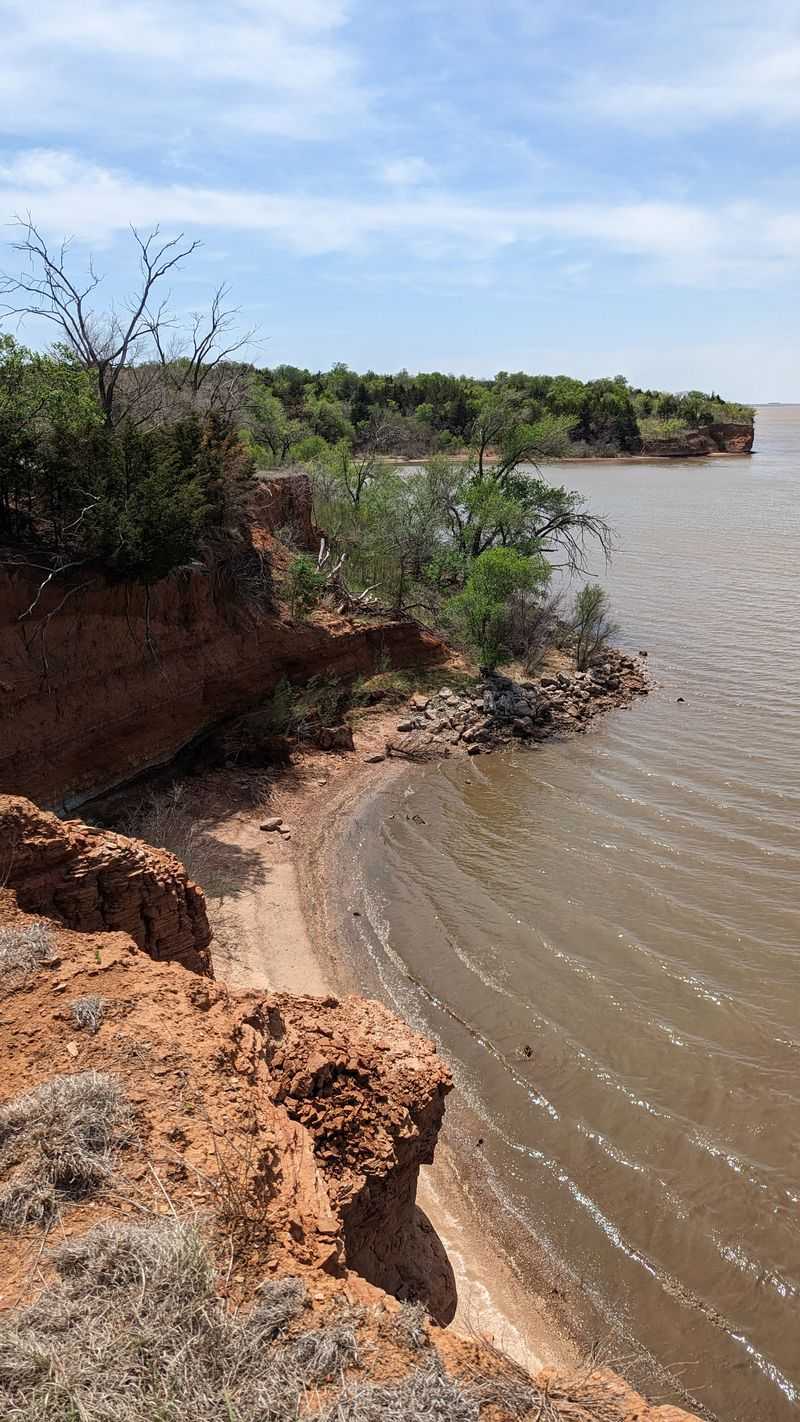
Don’t let the salt flats fool you into thinking this park is all barren landscape. Several hiking trails explore completely different ecosystems, from forested areas to marshlands to rocky outcrops.
The Sandpiper Overlook Trail ranks as a favorite among visitors, offering elevated views of the wetlands and excellent wildlife watching opportunities. Forest trails provide shaded walks that feel worlds away from the bright, exposed flats.
Trail difficulty ranges from easy strolls suitable for families to more challenging routes for experienced hikers. Well-maintained paths make navigation straightforward, though bringing a trail map from the ranger station never hurts.
Spring wildflowers add color to the landscape, while fall foliage creates beautiful golden tones in the wooded sections.
One word of warning: bugs can be relentless on trails near water, especially during warmer months. Insect repellent becomes essential equipment, not an optional extra.
Despite the bugs, the trails offer peaceful solitude and chances to spot wildlife that avoids the more popular areas of the park.
Each trail showcases different aspects of the park’s ecology, demonstrating how varied habitats support different plants and animals. You might encounter deer, wild turkeys, or even the occasional armadillo.
The relatively flat terrain makes hiking accessible for most fitness levels, though summer heat requires early starts or evening walks to avoid the worst temperatures.
The Wildlife Refuge Adds Thousands More Acres to Explore
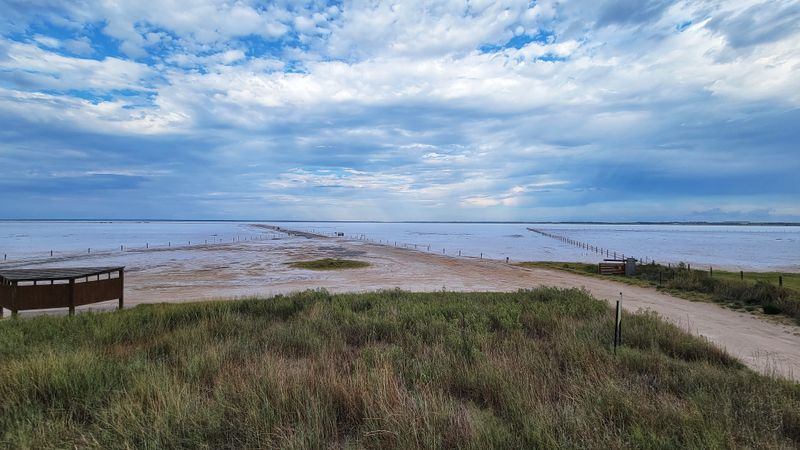
Adjacent to the state park, the Salt Plains National Wildlife Refuge protects over 32,000 acres of crucial habitat for migratory birds and native wildlife. While the refuge operates under different management than the state park, visitors can easily access both during a single trip.
The refuge focuses on conservation and wildlife observation, with fewer developed facilities but more untouched wilderness.
Driving through the marshlands on the refuge roads provides a serene experience, with water channels reflecting the sky and vegetation creating natural corridors for wildlife. The refuge sits squarely in the migratory flyway, making it absolutely essential for birds traveling between summer and winter ranges.
During peak migration, the number of birds can be staggering.
Self-guided exploration is the norm here, giving you freedom to set your own pace and follow your interests. Photography enthusiasts find endless subjects, from sweeping landscape shots to close-ups of rare bird species.
The refuge also protects the crystal digging area, managing it to balance recreation with conservation.
Respect for wildlife and habitat rules helps preserve this special place for future generations. Stay on designated roads and trails, and remember that the primary purpose here is protecting wildlife, not providing entertainment.
That said, watching nature operate on its own terms creates deeply satisfying experiences that theme parks could never replicate.
Cabins Offer Comfortable Stays with Modern Amenities
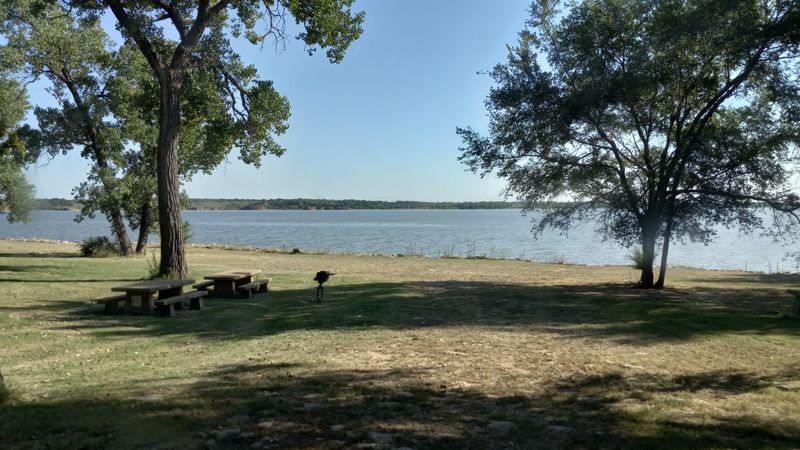
Not everyone wants to sleep in a tent, and Great Salt Plains State Park understands that perfectly. The park’s cabins provide a comfortable middle ground between roughing it and staying in a hotel.
Recent updates have added showers, toilets, and running water to the cabins, addressing the main complaint from older reviews. Air conditioning keeps you cool during Oklahoma’s sweltering summers, and heating handles the occasional cold snap.
Each cabin includes basic furnishings and a kitchenette with a stove and microwave, though you’ll need to bring your own cookware, dishes, and food. The nearest restaurants are about 30 minutes away in larger towns, so planning meals ahead makes sense.
Grocery stores in Cherokee or other nearby communities can supply whatever you need.
Cabins get booked up during peak seasons, so reservations well in advance are smart. The combination of comfort and natural surroundings appeals to families with young children, older visitors who want to avoid tent camping, and anyone who appreciates a real bed after a day of outdoor activities.
Clean, well-maintained interiors reflect the park staff’s attention to detail.
Porches on the cabins provide perfect spots for morning coffee or evening relaxation, letting you enjoy the outdoors without committing to full-time exposure. The cabin area stays quieter than the main campground, offering a more secluded feel while still providing easy access to all park amenities.
Small Town Hospitality Enhances Your Visit
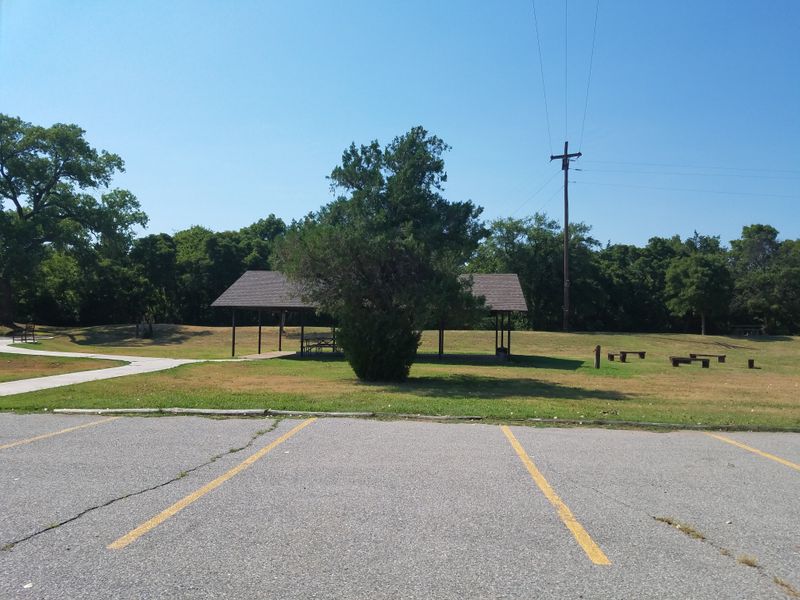
The tiny town of Jet and nearby Cherokee might not offer big city amenities, but what they lack in size they make up for in friendliness. Local residents genuinely care about visitors having positive experiences, often going out of their way to provide directions, recommendations, or just a friendly conversation.
This small-town Oklahoma hospitality adds an extra layer of warmth to your park visit.
Park rangers and staff consistently earn praise in visitor reviews for their helpfulness and knowledge. They’ll share insider tips about the best digging spots, current bird sightings, and local history.
Some visitors mention the park office cats, Wobbles and Twitch, who greet guests and add a charming touch to the check-in experience.
Stock up on supplies before arriving because the nearest full-service stores require a drive. Jet has basic conveniences like restrooms and a convenience store, but serious grocery shopping means heading to larger towns.
This remoteness contributes to the park’s uncrowded feel, but it also requires a bit more planning.
The combination of helpful staff and welcoming locals makes Great Salt Plains feel like a hidden gem that locals want to share rather than keep secret. Their pride in this unique landscape comes through in every interaction, and their advice often makes the difference between a good visit and a great one.
Dear Reader: This page may contain affiliate links which may earn a commission if you click through and make a purchase. Our independent journalism is not influenced by any advertiser or commercial initiative unless it is clearly marked as sponsored content. As travel products change, please be sure to reconfirm all details and stay up to date with current events to ensure a safe and successful trip.
