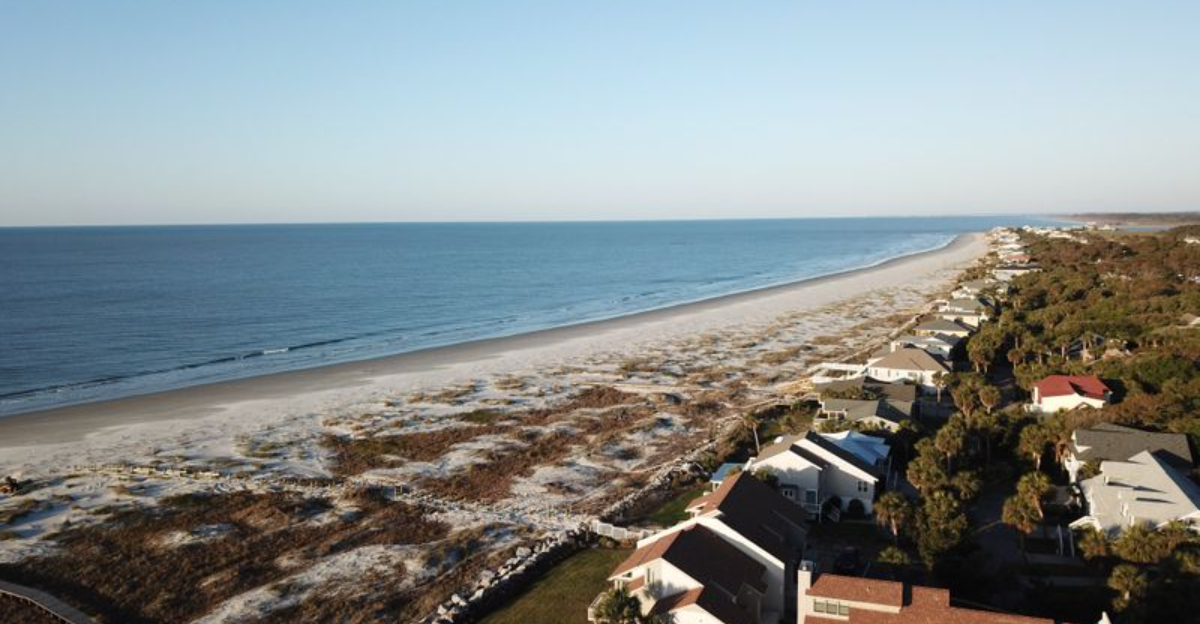
South Carolina’s coastline stretches for more than 180 miles, offering a blend of wild beaches, historic towns, and quiet islands that seem untouched by time.
Unlike crowded tourist hubs, these coastal gems invite you to slow down, breathe deeply, and truly connect with the rhythm of the ocean.
From barrier islands accessible only by boat to charming fishing villages where Spanish moss drapes over ancient oaks, each destination offers its own unique character and unhurried pace.
Whether you’re seeking solitude on pristine shores, exploring centuries-old architecture, or immersing yourself in local Gullah culture, South Carolina’s coast rewards those who take their time.
1. Edisto Beach State Park
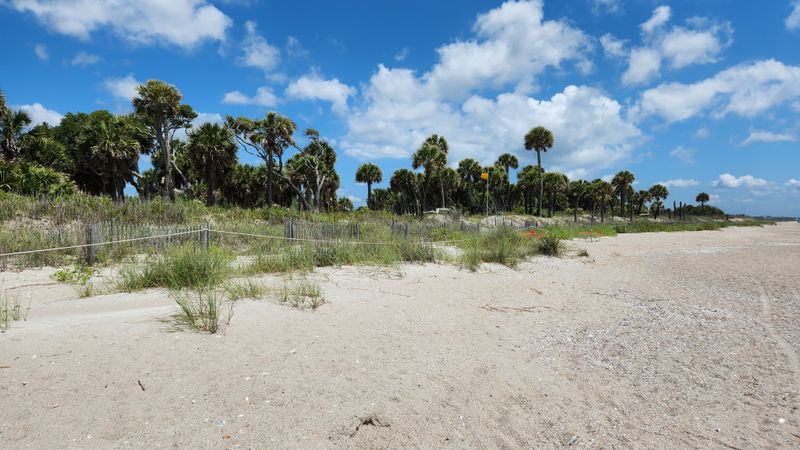
Edisto Island holds a special kind of magic that reveals itself slowly, like the tide rolling in across its sandy shores.
This state park boasts the longest system of handicapped-accessible hiking and biking trails in South Carolina, winding through dense maritime forests where sunlight filters through canopies of live oaks and palmettos.
The trails lead adventurous souls to ancient shell middens left by Native Americans thousands of years ago, silent testimony to the generations who found sustenance and shelter along these shores.
Surf fishing here becomes almost meditative as waves crash rhythmically against the beach, while patient anglers cast their lines hoping for redfish, flounder, or whiting.
Boaters navigate the tidal creeks that snake through marshlands teeming with herons, egrets, and ibises, their white feathers stark against green cordgrass.
Birding enthusiasts arrive with binoculars ready, knowing that over 200 species migrate through or nest in this coastal ecosystem throughout the year.
Picnic areas scattered throughout the park offer shaded spots where families spread blankets and share meals while listening to the distant call of gulls.
The beach itself stretches wide and welcoming, with fewer crowds than commercial beaches, allowing visitors to walk for miles collecting shells and watching dolphins play in the surf.
Camping facilities provide overnight guests with the rare gift of falling asleep to ocean sounds and waking to sunrise painting the sky in shades of pink and gold.
Every corner of this park whispers a quiet invitation to disconnect from hurried schedules and reconnect with nature’s unhurried beauty.
2. Myrtle Beach State Park
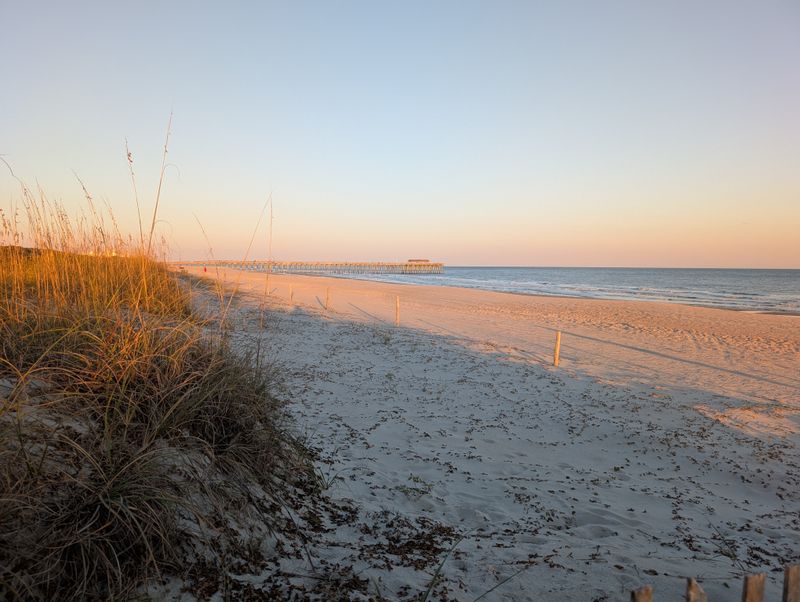
Established nearly 90 years ago, this 312-acre sanctuary offers something increasingly rare along developed coastlines: a mile of completely undeveloped beach.
Walking along this pristine stretch feels like stepping back in time, before high-rise hotels and neon signs transformed nearby areas into bustling resort zones.
The maritime forest here thrives in its natural state, with twisted live oaks draped in Spanish moss creating shaded tunnels perfect for afternoon strolls when the sun climbs high.
Inside the nature center, interactive exhibits bring the coastal ecosystem to life for curious visitors of all ages, explaining everything from loggerhead turtle nesting habits to the importance of dune grasses in preventing erosion.
Fishing from the park’s pier or surf casting along the beach provides both relaxation and the thrill of potentially landing a keeper, whether that’s pompano, bluefish, or spotted seatrout.
Hiking trails meander through diverse habitats where you might spot white-tailed deer browsing in early morning or late evening hours.
The park’s rich history dates back to the Civilian Conservation Corps, whose members built many of the original structures that still stand today as reminders of Depression-era craftsmanship.
Unlike the commercial strips just minutes away, this protected area maintains a peaceful atmosphere where the loudest sounds are crashing waves and calling seabirds.
Families return year after year, establishing traditions of camping under star-filled skies and teaching children to identify shore birds and collect sand dollars.
This park proves that even in heavily touristed regions, pockets of tranquility still exist for those willing to seek them out.
3. Huntington Beach State Park
Spanning 2,500 acres of pristine coastal preserve near Murrells Inlet, this remarkable park showcases nature and history in equal measure.
The large sandy beach stretches invitingly, but it’s the park’s incredible biodiversity that truly sets it apart from other coastal destinations.
Over 300 bird species have been documented here, making it a pilgrimage site for serious birders who arrive with field guides and spotting scopes, hoping to add rare sightings to their life lists.
Saltwater marshes teem with life as fiddler crabs scurry across mudflats and alligators sun themselves along freshwater lagoons, reminding visitors that they’re guests in a wild ecosystem.
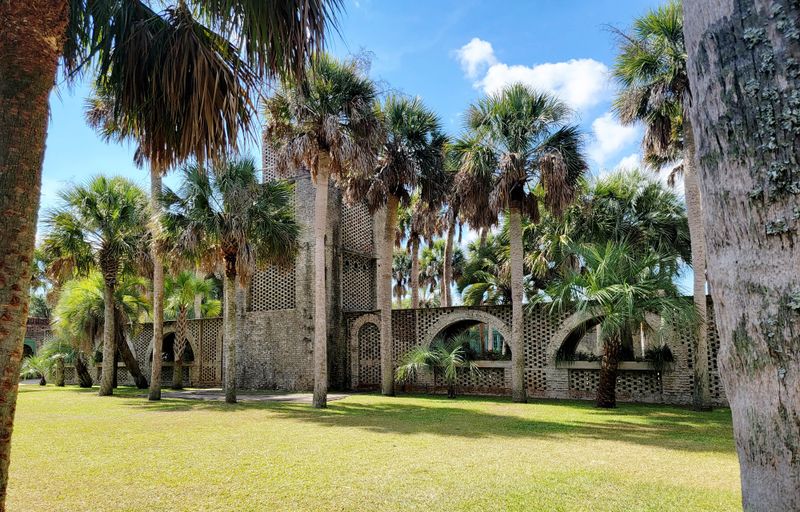
The crown jewel of human history here is Atalaya Castle, a Moorish-style winter home built in the 1930s by philanthropist Archer Huntington and his sculptor wife Anna Hyatt Huntington.
Wandering through the castle’s open-air rooms and courtyards feels like exploring ancient ruins, though the structure is less than a century old.
Anna used the space as her studio, and you can still sense the creative energy that must have filled these walls as she worked on her renowned animal sculptures.
Hiking trails wind through maritime forests and along boardwalks that cross freshwater lagoons, offering constantly changing views and wildlife encounters.
Photography enthusiasts find endless subjects here, from golden sunrise light on the beach to dramatic storm clouds rolling in over the marshes.
The unspoiled natural beauty combined with fascinating historical architecture creates a destination that satisfies both nature lovers and history buffs seeking authentic experiences.
4. Pawleys Island
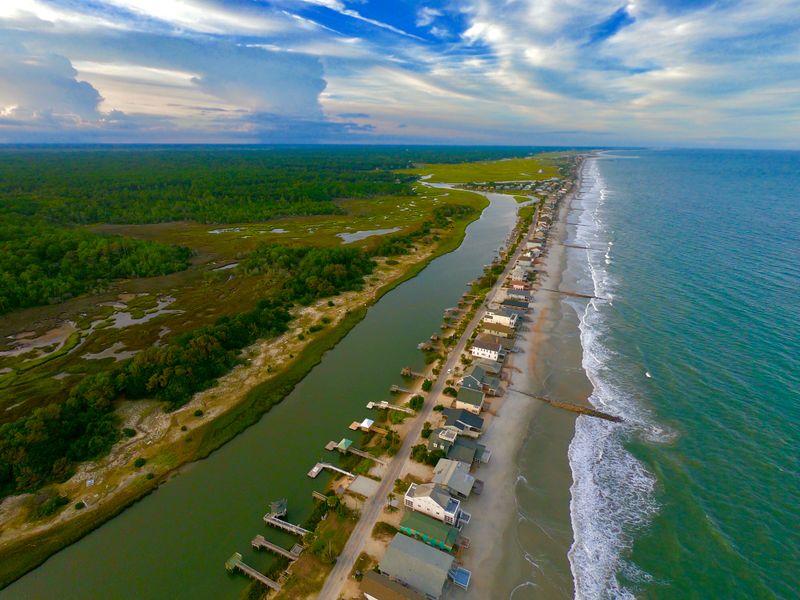
Arrogantly shabby, proudly plain.
That’s the unofficial motto of Pawleys Island, one of America’s oldest summer resort communities, and it perfectly captures the unpretentious spirit that defines this barrier island.
Unlike glitzy beach towns with waterslides and boardwalks, Pawleys Island has resisted commercialization for generations, maintaining its character as a place where families return to the same weathered beach cottages year after year.
The beach here invites long, contemplative walks where the only agenda is searching for intact sand dollars, colorful shells, and the occasional piece of sea glass polished smooth by endless tumbling in the waves.
Hammocks have been handwoven on this island since the 1880s, and the tradition continues today at the Original Hammock Shop, where craftspeople still create these iconic symbols of Southern leisure.
Napping in a rope hammock strung between palmettos while ocean breezes rustle through sea oats might be the most perfect definition of slow travel ever invented.
Local eateries serve fresh seafood without fuss or pretension, places where you can enjoy shrimp and grits or a low-country boil while watching the sun sink into the marsh.
The island’s narrow roads discourage speeding, and there’s an unspoken understanding among visitors and residents alike that rush and hurry have no place here.
Bike rides reveal charming architectural details on historic homes, many built high on stilts to withstand storm surges that occasionally remind everyone of nature’s power.
This is a place that asks nothing of you except to slow down, unplug, and remember what vacation truly means.
5. Sullivan’s Island
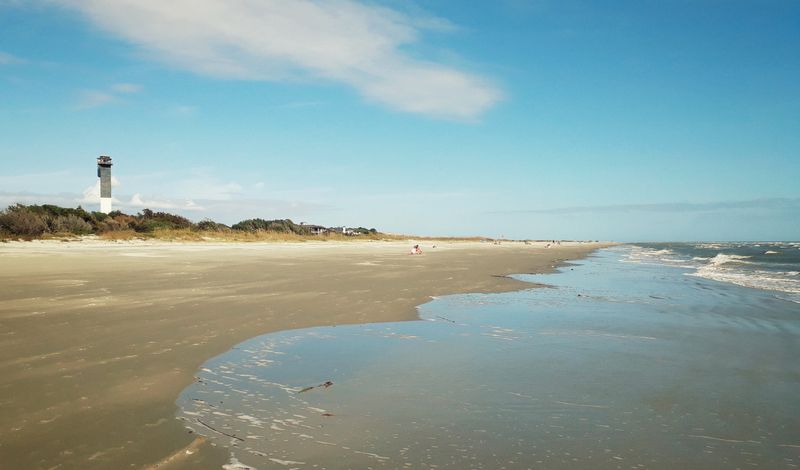
Just 10 miles from Charleston’s historic downtown, Sullivan’s Island manages to feel worlds away from urban energy.
The island’s glistening white sand beaches stretch wide and welcoming, with gentle waves perfect for paddleboarding and kayaking even for beginners still building their confidence on the water.
History runs deep here, from the island’s role in the Civil War to its fascinating connection with Edgar Allan Poe, who was stationed at Fort Moultrie in the 1820s and later set his famous story “The Gold-Bug” on these shores.
Walking past the island’s eclectic mix of architectural styles, from classic beach cottages to striking modern designs, you sense a community that values individuality and creativity.
The Sullivan’s Island Lighthouse, painted with distinctive triangular markings, stands as a modern beacon replacing the historic Morris Island Lighthouse that now sits offshore, slowly succumbing to erosion.
Local restaurants and bars maintain a laid-back vibe where you’re just as welcome in sandy flip-flops as you would be in dinner attire.
Sunrise here is spectacular, with early risers rewarded by golden light spreading across the Atlantic and illuminating Charleston’s distant skyline.
Fort Moultrie offers fascinating exploration for history enthusiasts, with exhibits spanning from colonial times through World War II, all within sight and sound of crashing waves.
The island’s residential character means fewer crowds than tourist-heavy beaches, creating space for solitary reflection or quiet family time building sandcastles and splashing in the surf.
This is where Charleston locals escape when they need their own retreat, a telling endorsement of the island’s authentic coastal charm.
6. Beaufort
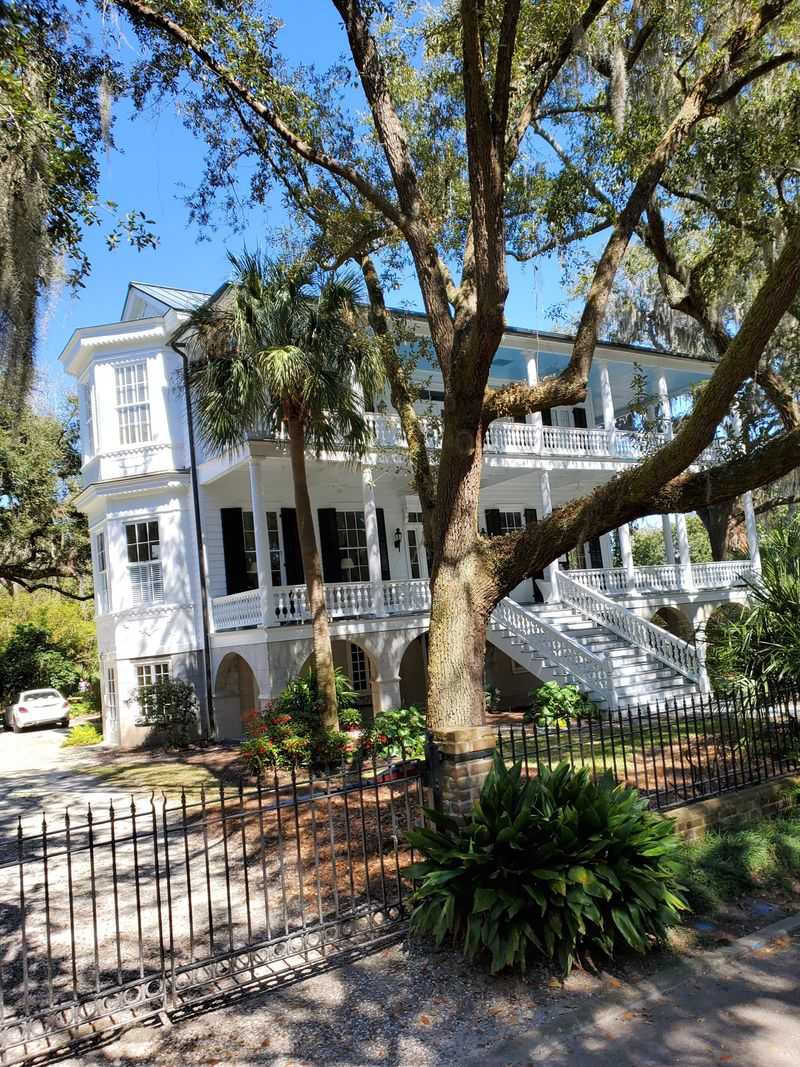
Beaufort wears its history gracefully, like a Southern belle in a vintage dress that never goes out of style.
This picturesque town’s antebellum architecture has survived wars, hurricanes, and the passage of time, with magnificent homes featuring wide verandas and intricate ironwork that speaks to craftspeople’s skill from centuries past.
The historic district invites leisurely exploration on foot, with nearly every block revealing another architectural treasure framed by ancient live oaks whose massive branches create natural canopies overhead.
Waterfront views change with the tides and the light, from morning mist rising off the Beaufort River to golden hour when everything glows with warm amber tones.
Art galleries showcase works by local and regional artists inspired by the Lowcountry’s unique landscape, while independent bookshops offer carefully curated selections and cozy reading nooks.
Cafes and restaurants range from casual spots serving she-crab soup and fried green tomatoes to more refined establishments where chefs reimagine traditional Lowcountry cuisine with contemporary techniques.
The town has served as a filming location for numerous movies, including “Forrest Gump,” “The Big Chill,” and “The Prince of Tides,” though it never feels like a Hollywood set, just authentically itself.
Strolling along the waterfront park, you might see dolphins surfacing in the river or pelicans diving for fish, reminders that nature remains central to life here despite the town’s refined cultural offerings.
Small museums preserve Gullah history and culture, honoring the African American communities whose influence shaped the region’s food, language, and traditions.
Beaufort moves at its own pace, unhurried and gracious, perfect for travelers seeking Southern charm without tourist trap artificiality.
7. McClellanville
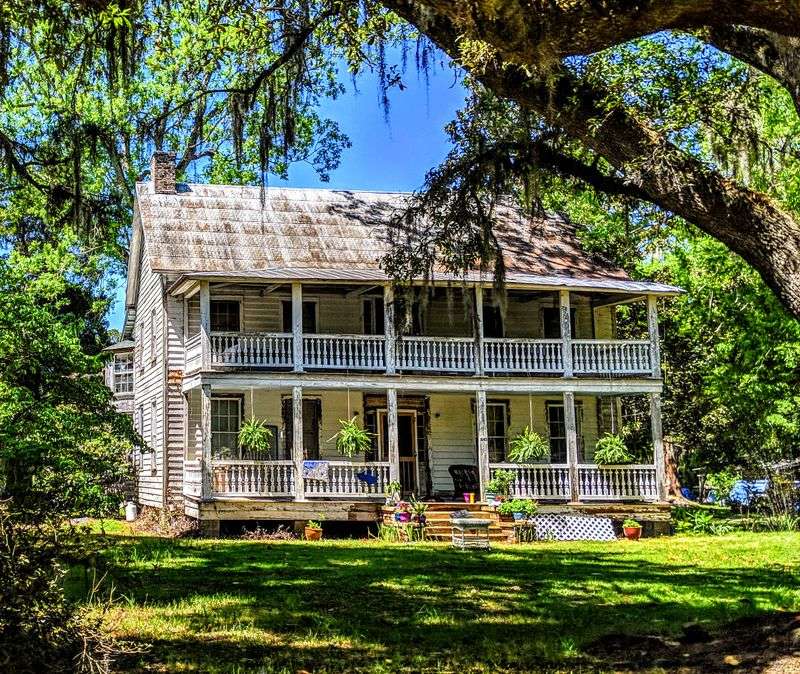
With a population hovering around 500, McClellanville remains authentically what many coastal towns only pretend to be: a working fishing village.
Shrimp boats tied up at docks aren’t decorative props but working vessels whose crews head out before dawn to harvest the sweet local shrimp that grace dinner tables throughout the region.
Oak-lined streets create tunnels of dappled shade where Spanish moss sways in breezes that carry the scent of salt marsh and pluff mud, an aroma that locals consider perfume but newcomers need time to appreciate.
Historic homes, many dating to the 18th and 19th centuries, show architectural details from eras when craftsmanship meant something different than it does today.
The village serves as gateway to Cape Romain National Wildlife Refuge, where pristine beaches stretch for miles without a single hotel or restaurant interrupting the natural landscape.
Boat access to the refuge’s barrier islands rewards adventurous visitors with some of South Carolina’s most unspoiled coastal scenery and incredible bird watching opportunities.
More than 250 bird species have been documented in the refuge, from tiny painted buntings to massive wood storks and everything in between.
The village’s small size means no chain restaurants or big box stores, just local businesses where proprietors know their customers by name and visitors are greeted with genuine warmth.
Annual events like the Lowcountry Shrimp Festival celebrate the area’s heritage with fresh seafood, live music, and craft vendors, drawing crowds that temporarily swell the population before quiet returns.
McClellanville asks nothing of you except to slow down, appreciate simplicity, and maybe enjoy some of the freshest seafood you’ll ever taste.
8. Daufuskie Island
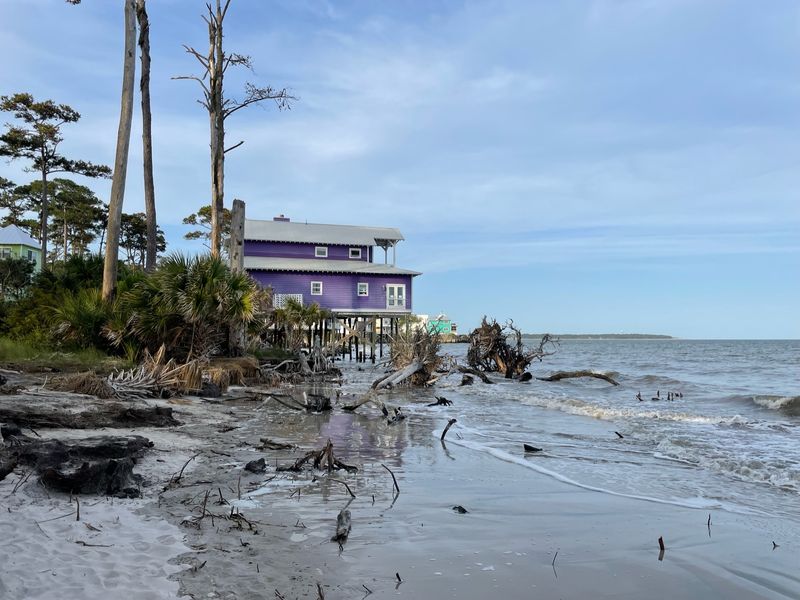
Accessible only by ferry or private boat, Daufuskie Island exists in its own time zone, one that seems to tick several decades slower than the mainland.
Cars are essentially absent here, with golf carts serving as the primary transportation, immediately signaling that this island operates by different rules than the rest of the world.
Uncrowded beaches stretch along the island’s perimeter, so empty on weekdays that you might walk for an hour without encountering another soul.
The island’s rich Gullah culture remains vibrant, preserved by descendants of enslaved Africans who developed their own distinct language, traditions, and way of life in relative isolation.
Small art galleries showcase works by local artists who draw endless inspiration from the island’s natural beauty and unique cultural heritage.
Historic sites include the Mary Field School, where author Pat Conroy taught in the 1960s before writing about his experiences in “The Water is Wide,” later adapted into the film “Conroi.”
Exploring the island reveals unexpected treasures: the Haig Point Lighthouse, tabby ruins from antebellum plantations, and centuries-old live oaks that witnessed the island’s entire history.
Restaurants are few but memorable, serving fresh-caught seafood prepared with Lowcountry seasonings passed down through generations.
The absence of chain stores, traffic lights, and typical tourist infrastructure might feel disorienting at first, then becomes profoundly liberating.
Overnight accommodations range from rental homes to small inns, but nothing resembles a conventional hotel, keeping the island’s character intact.
Daufuskie represents what coastal South Carolina looked like before development transformed so many barrier islands, making it precious beyond measure for those seeking authentic escape.
9. Fripp Island
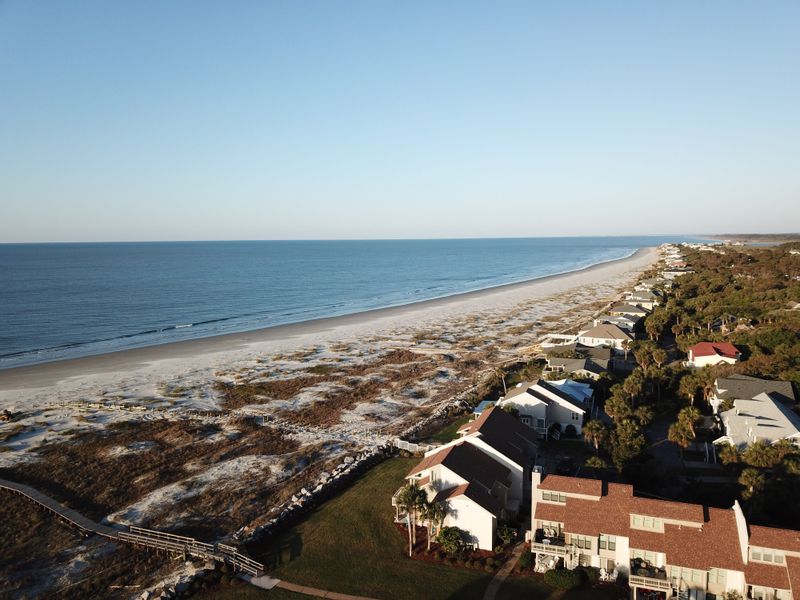
This private resort community of roughly 700 residents has mastered the delicate balance between amenities and natural preservation.
Pristine beaches remain the island’s crown jewel, with sand so soft it squeaks beneath your feet and water that shifts through shades of blue and green depending on depth and light.
Wildlife abounds here in numbers that surprise first-time visitors, from white-tailed deer browsing fearlessly near homes to alligators sunning on golf course ponds and loggerhead turtles nesting on beaches during summer months.
Kayaking through the island’s tidal creeks offers intimate encounters with herons, egrets, and ospreys, while dolphins often accompany paddlers, surfacing nearby as if curious about these slow-moving visitors.
Biking along the island’s car-light roads provides safe, scenic transportation, with dedicated paths winding through maritime forests where resurrection ferns drape from oak branches.
Fishing opportunities range from surf casting on the beach to chartered deep-sea expeditions, with catches including flounder, redfish, and seasonal king mackerel.
The island’s golf courses integrate seamlessly into the natural landscape rather than dominating it, with fairways bordered by marshes and lagoons that serve as wildlife corridors.
Evening brings spectacular sunsets viewed from beach access points or waterfront decks, with the sky transforming through impossible colors before darkness reveals star-filled skies rarely visible near cities.
The tranquil setting attracts families and retirees seeking respite from hectic schedules, creating a community atmosphere despite the resort designation.
Fripp Island proves that modern conveniences and natural beauty can coexist when development is thoughtful and conservation remains a priority.
10. Isle of Palms
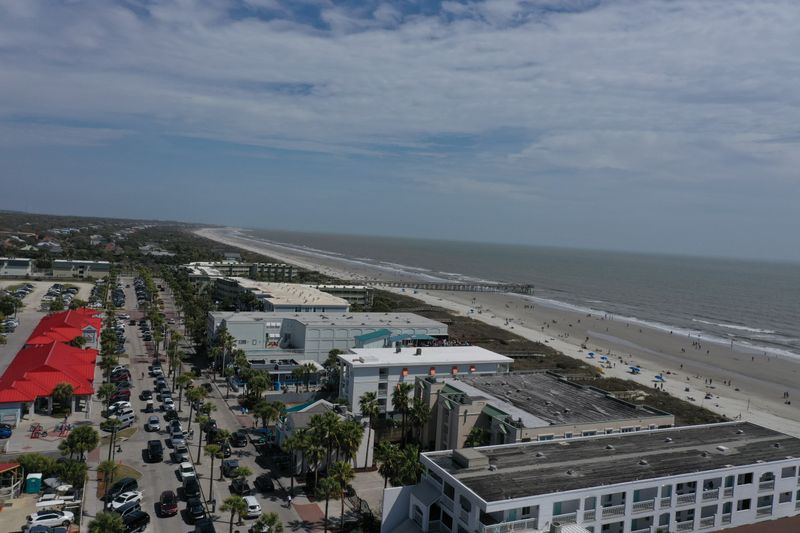
This barrier island near Charleston offers something increasingly valuable: accessibility without sacrificing tranquility.
Wide beaches with soft sand welcome families who spread out colorful umbrellas and spend entire days building elaborate sand structures, splashing in gentle waves, and collecting shells deposited by each tide.
The island’s beaches slope gradually into the ocean, creating shallow areas where young children can play safely while parents relax nearby, always within arm’s reach.
Unlike some barrier islands that feel remote and isolated, Isle of Palms provides modern conveniences including restaurants, shops, and recreational facilities without overwhelming the natural environment.
Golf courses offer challenging play with stunning coastal views, where an errant shot might land near an alligator sunning itself beside a water hazard.
The marina welcomes boaters and serves as departure point for fishing charters, dolphin tours, and sunset cruises that showcase the Lowcountry’s waterways from new perspectives.
Front Beach, the island’s most developed area, maintains a family-friendly atmosphere with volleyball courts, playgrounds, and easy beach access that accommodates visitors with mobility challenges.
Wild Dunes Resort occupies the island’s northern end, but public beach access remains plentiful, ensuring that the shoreline doesn’t become exclusive or unwelcoming.
Bike rentals allow exploration of the island’s neighborhoods, where architectural styles range from classic beach cottages to contemporary designs, all elevated on pilings as protection against storm surge.
The island’s proximity to Charleston means you can enjoy city attractions like museums, historic sites, and renowned restaurants, then retreat to beach serenity within minutes.
Isle of Palms succeeds as a destination because it offers choices rather than dictating a single experience, allowing each visitor to craft their own version of slow coastal living.
Dear Reader: This page may contain affiliate links which may earn a commission if you click through and make a purchase. Our independent journalism is not influenced by any advertiser or commercial initiative unless it is clearly marked as sponsored content. As travel products change, please be sure to reconfirm all details and stay up to date with current events to ensure a safe and successful trip.
