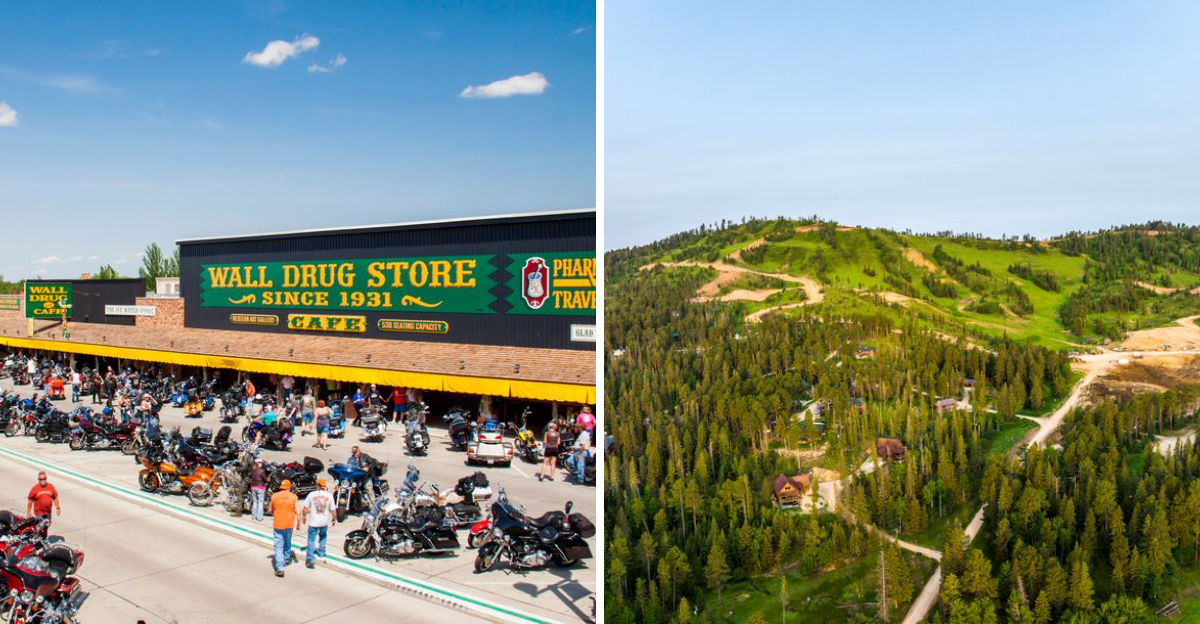
South Dakota holds a special place in the American road trip experience.
Travelers often find themselves drawn to this prairie state for its iconic monuments and wide open spaces, but something unexpected happens along the way.
Many visitors discover charming stops that weren’t even on their original itinerary, places that somehow convince them to pause, explore, and stay just a little bit longer than they planned.
From quirky roadside attractions to scenic byways that wind through ancient hills, South Dakota offers destinations that capture your attention and refuse to let go.
We’ve based this list on travel stops that quietly stretch into longer stays, drawing from our own experiences and stories we’ve heard along the way.
Schedules, interests, and happy detours vary from traveler to traveler.
This list is unavoidably subjective.
1. Sturgis Motorcycle Rally
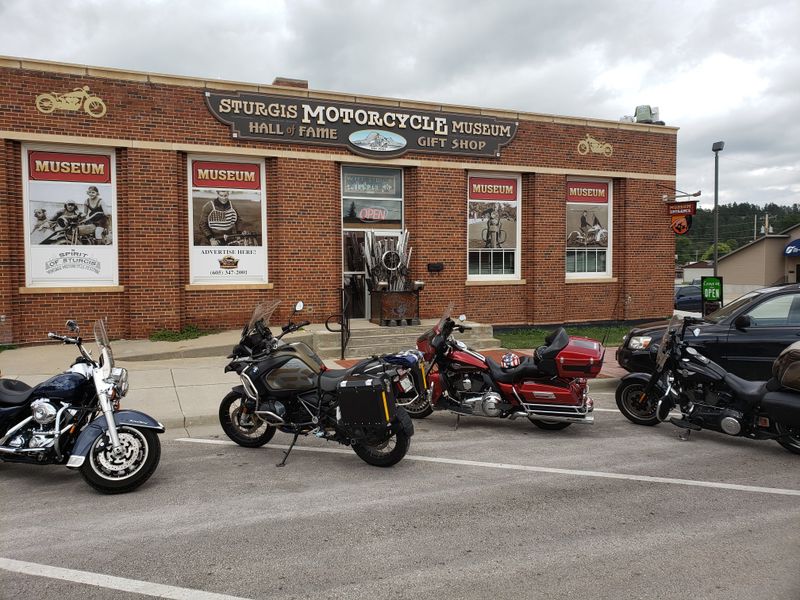
Every August, a quiet Black Hills town of fewer than 7,000 residents swells to accommodate over half a million visitors.
The Sturgis Motorcycle Rally transforms this peaceful community into the motorcycle capital of the world for ten straight days.
Founded in 1938 by a group of Indian Motorcycle riders, the event has grown into the largest motorcycle rally on the planet.
Bikers arrive from every continent, their rumbling engines creating a constant soundtrack that echoes through the surrounding hills.
Main Street becomes an endless parade of custom choppers, vintage Harleys, and gleaming touring bikes.
Even people who’ve never ridden a motorcycle find themselves captivated by the spectacle.
The rally offers concerts featuring major rock bands, stunt shows, races at the Buffalo Chip campground, and bike competitions showcasing incredible custom work.
Local businesses prepare all year for this event, with shops, restaurants, and bars operating around the clock.
Temporary tattoo parlors, leather vendors, and food trucks line every available space.
Many attendees plan to stay just a day or two, thinking they’ll get the experience and move on.
The energy proves addictive, though.
Friendships form quickly among riders sharing stories around campfires.
Scenic rides through nearby Spearfish Canyon and the Needles Highway become daily adventures.
First-time visitors often find themselves booking accommodations for extra nights, unwilling to leave the camaraderie behind.
The rally represents more than motorcycles but a celebration of freedom, community, and the open road that defines the American spirit.
2. Sitting Bull Crystal Cavern Dance Pavilion
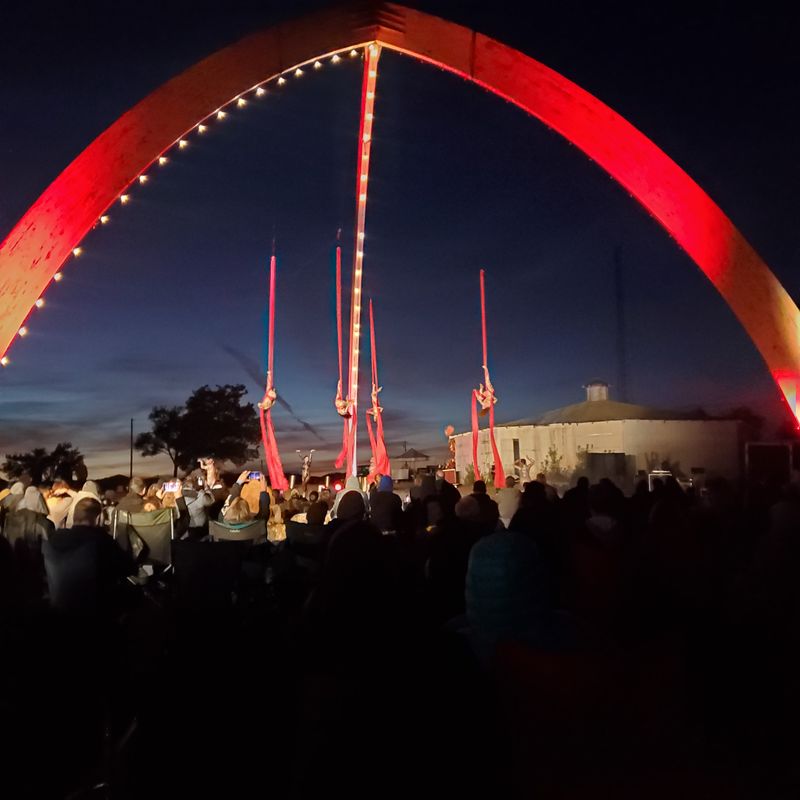
Hidden among the ponderosa pines near Rockerville stands an octagonal theater that once hosted one of the most significant cultural events in Black Hills history.
Built in 1934, the Sitting Bull Crystal Cavern Dance Pavilion served as the venue for the Duhamel Sioux Indian Pageant.
This performance was created by Black Elk, the famous Lakota holy man whose spiritual visions were recorded in the book Black Elk Speaks.
The pageant allowed Lakota performers to share their culture with tourists during a time when Native American traditions were often suppressed.
The pavilion’s interior features hand-painted murals depicting local landmarks and scenes from Lakota life.
These colorful artworks have faded with time but still capture the imagination of visitors who discover this forgotten treasure.
The building’s unique octagonal design creates interesting acoustics, and its wooden construction has weathered decades of Black Hills weather.
Most people stumble upon the pavilion while exploring backroads or visiting nearby caves.
What appears to be a simple old building reveals layers of history once you step inside.
The connection to Black Elk adds profound spiritual significance to the structure.
Visitors often report feeling a sense of peace in the space, as if the prayers and dances performed there left an imprint.
Photography enthusiasts love capturing the way sunlight filters through the trees onto the weathered wood.
History buffs spend hours researching the pageant and imagining the performances that once filled the pavilion with drumming and dancing.
The site receives far fewer visitors than Mount Rushmore, making it feel like a personal discovery.
That intimate quality encourages people to sit quietly and absorb the atmosphere longer than any guidebook would suggest.
3. Wall Drug Store
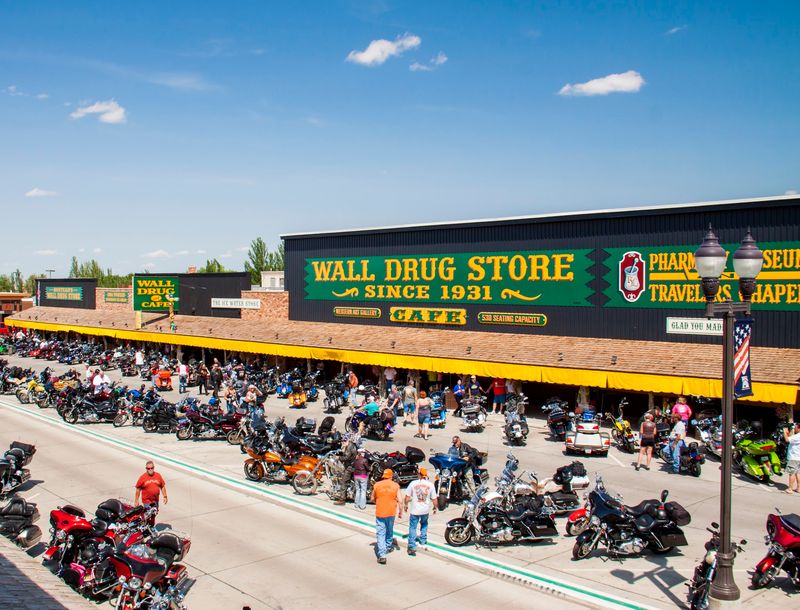
Billboards promising free ice water start appearing hundreds of miles before you reach Wall, South Dakota.
What began as a small-town pharmacy in 1931 has transformed into one of America’s most famous roadside attractions, drawing millions of visitors every single year.
The Hustead family created this phenomenon during the Great Depression when they offered free ice water to weary travelers crossing the hot prairie.
That simple gesture of hospitality turned their struggling drugstore into a sprawling complex that now covers an entire city block.
Walking through Wall Drug feels like stepping into a Wild West theme park mixed with a shopping mall and museum.
You’ll find a chapel, an art gallery, animatronic cowboys, a giant jackalope photo opportunity, and a dining room serving homemade donuts and buffalo burgers.
The original pharmacy still operates inside, surrounded by gift shops selling everything from cowboy boots to Black Hills gold jewelry.
Most travelers plan a quick bathroom break and maybe that famous free ice water.
Instead, they end up wandering through the maze of connected storefronts for hours, discovering new surprises around every corner.
Kids love the mechanical displays and the backyard filled with quirky sculptures.
Adults appreciate the nostalgic Americana atmosphere and the surprisingly good food.
The place operates year-round, even when winter snowstorms sweep across the prairie.
Summer brings the biggest crowds, with families making Wall Drug an essential part of their Black Hills vacation.
What makes people linger isn’t just the novelty but the genuine warmth of a place that still offers free ice water to strangers after nearly a century.
Address: 510 Main Street, Wall, South Dakota
4. Peter Norbeck Scenic Byway
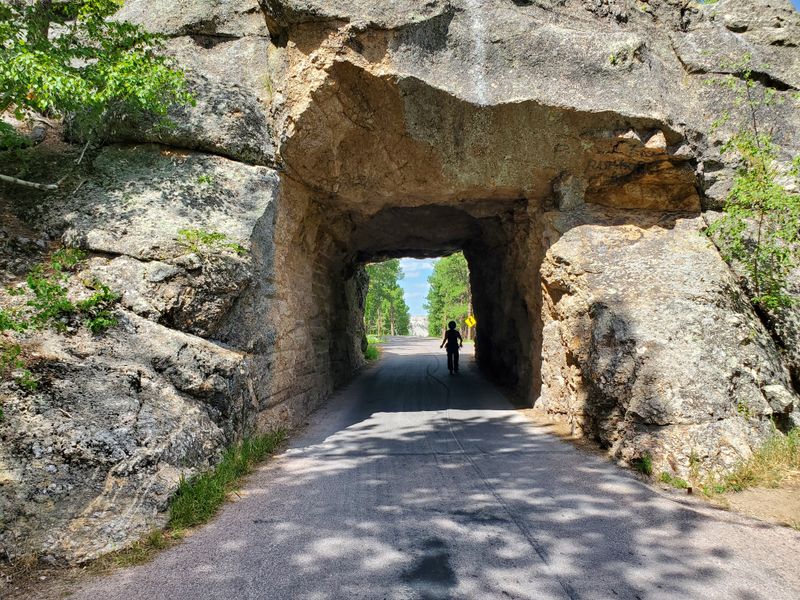
Named after the governor who championed conservation in South Dakota, this 66-mile route delivers some of the most dramatic scenery in the Black Hills.
Peter Norbeck personally rode horseback through these mountains in the 1920s, marking trees to show engineers where the road should go.
His vision created a driving experience that feels more like a theme park ride than a highway.
The byway includes the famous Needles Highway, where granite spires rise like cathedral towers above narrow switchbacks.
Engineers carved tunnels through solid rock, framing Mount Rushmore and other landmarks in perfect natural windows.
Some tunnels are so narrow that large RVs can’t fit through, adding an element of adventure to the journey.
The road climbs to over 6,000 feet elevation, offering sweeping views across forested valleys.
Wildlife sightings are common, with mountain goats perched on impossible rock faces and deer grazing in meadows.
Countless pullouts and overlooks tempt drivers to stop every few minutes.
What should be a two-hour drive easily stretches to four or five hours.
Hikers discover trailheads leading to hidden lakes and granite formations with names like the Eye of the Needle.
Fall brings golden aspen groves that glow against dark evergreens.
Summer wildflowers carpet alpine meadows in purple and yellow.
Even winter offers spectacular beauty, though the higher sections close when snow becomes too deep.
Motorcyclists particularly love this route, with its curves and elevation changes providing an exhilarating ride.
The combination of engineering marvel and natural splendor makes every mile memorable, convincing travelers to explore just one more overlook before continuing their journey.
5. Yankton
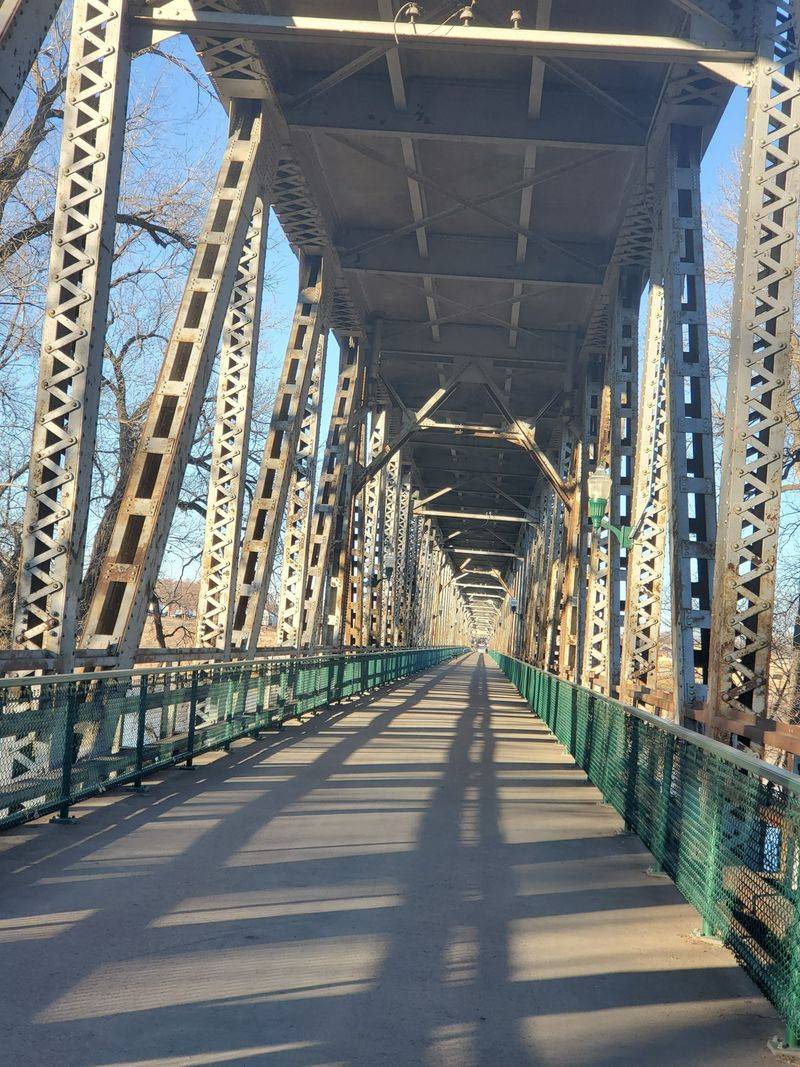
Known as the Mother City of the Dakotas, Yankton served as the territorial capital from 1861 to 1883.
Its location along the Missouri River made it a vital trading post and river port during the westward expansion.
Today, this southeastern South Dakota community preserves its rich heritage while offering modern recreational opportunities that surprise first-time visitors.
The historic downtown features beautifully restored brick buildings housing locally-owned shops, cafes, and galleries.
Walking tours reveal architectural gems from the Victorian era, including the Cramer-Kenyon Heritage Home and the Mead Building.
The Dakota Territorial Museum complex includes several historic structures that bring pioneer life into vivid focus.
Riverside parks stretch along the Missouri, providing access to fishing, boating, and hiking trails.
Lewis and Clark Lake, created by Gavins Point Dam, offers 90 miles of shoreline perfect for water sports and camping.
The Meridian Bridge, a historic span converted to pedestrian and bicycle use, connects South Dakota to Nebraska across the river.
Travelers often stop in Yankton expecting to grab lunch and stretch their legs.
The town’s relaxed pace and friendly locals encourage longer stays.
Coffee shops invite lingering conversations.
Art galleries showcase talented regional artists whose work reflects prairie landscapes and Native American influences.
The Yankton Area Arts organization hosts concerts and theater productions that rival larger cities.
Summer brings festivals celebrating everything from riverboat history to local agriculture.
Fall colors along the river bluffs create postcard-perfect scenes.
Many visitors end up booking a room at one of the charming bed-and-breakfasts, deciding that one afternoon isn’t enough to appreciate everything Yankton offers.
6. Deer Mountain Village
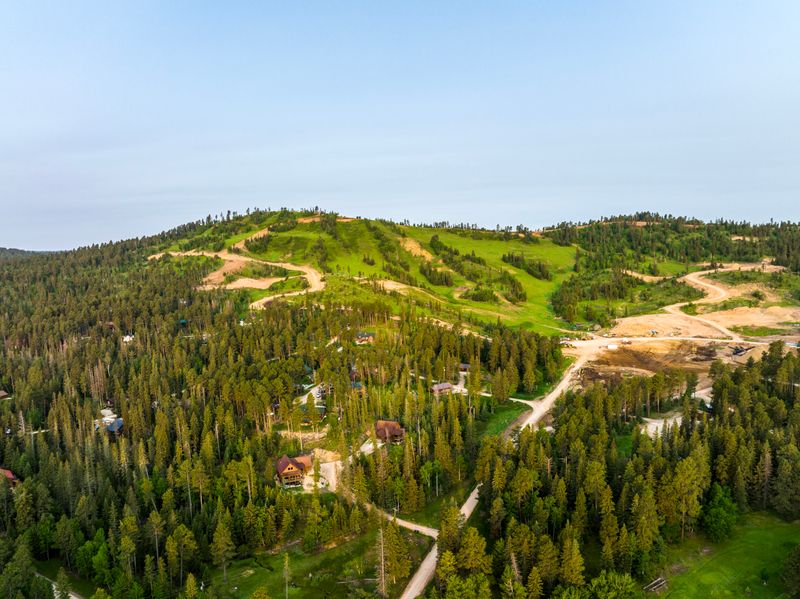
Perched at over 7,000 feet elevation near Lead, this mountain community claims the title of highest residential area east of the Rocky Mountains.
Deer Mountain Village began as a ski resort and evolved into a year-round destination offering activities for every season.
The location provides immediate access to Black Hills National Forest, with hundreds of miles of trails radiating in every direction.
Winter transforms the area into a snowy playground.
The ski resort features runs suitable for beginners and advanced skiers alike, with reliable snowfall from December through March.
Snowshoeing and cross-country skiing trails wind through silent pine forests where tracks in fresh snow reveal the passage of elk and deer.
Spring brings wildflowers and rushing streams fed by snowmelt.
Summer opens mountain biking trails that challenge riders with technical terrain and reward them with stunning vistas.
Hikers can reach peaks offering 360-degree views across multiple states on clear days.
Fall colors peak in late September, when aspen groves turn brilliant gold against evergreen backdrops.
The village itself features a mix of vacation rentals, private homes, and a small commercial area with essentials.
Its remote location means limited dining options, but the trade-off is pristine natural beauty and genuine solitude.
Many visitors plan a day trip to check out the ski resort or hike a popular trail.
The crisp mountain air and peaceful atmosphere work their magic, though.
People find themselves returning to the same trail to catch different lighting or lingering over coffee while watching clouds drift over distant peaks.
The elevation and clean air create incredibly clear night skies perfect for stargazing, adding another reason to extend your mountain stay.
7. Concrete Tipis of South Dakota
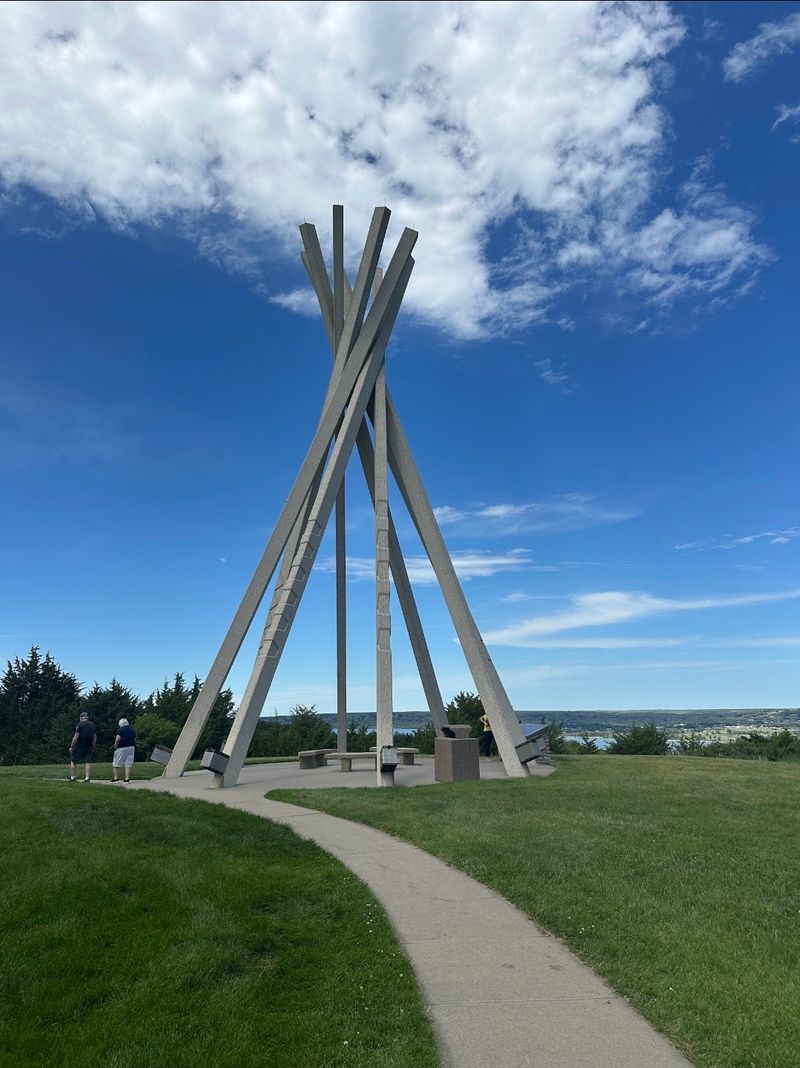
Driving across South Dakota on Interstate 90 or 29, you’ll encounter something wonderfully unexpected at rest areas.
Nine massive concrete tipis stand as distinctive monuments to prairie culture and creative roadside architecture.
Designed by architect Ward Whitwam between 1968 and 1979, these structures serve as restroom facilities while celebrating Native American heritage.
Each tipi rises approximately 75 feet tall, making them visible from miles away across the flat prairie.
The concrete surfaces are painted white, mimicking traditional buffalo hide tipis that once dotted these same grasslands.
Their inclusion on the National Register of Historic Places recognizes their significance to South Dakota’s tourism identity.
These aren’t just functional buildings but carefully designed symbols meant to create a sense of place for travelers crossing the state.
The tipis have become beloved landmarks, with many South Dakotans holding fond childhood memories of rest stop visits.
Photographers love capturing these geometric forms against dramatic prairie skies.
Sunrise and sunset provide particularly striking lighting, with the white concrete glowing pink and orange.
Storm clouds gathering behind a tipi create moody, powerful images.
Most travelers pull off the interstate planning a quick bathroom break and maybe a leg stretch.
The unusual architecture captures attention, though.
People walk around the structures, appreciating their scale and craftsmanship.
Families take photos, creating vacation memories at an unexpected location.
The surrounding rest areas often include picnic tables, walking paths, and interpretive signs about local history and wildlife.
On beautiful days, the peaceful prairie setting encourages people to relax longer than planned, enjoying the wind in the grass and the big sky overhead before returning to the highway.
Dear Reader: This page may contain affiliate links which may earn a commission if you click through and make a purchase. Our independent journalism is not influenced by any advertiser or commercial initiative unless it is clearly marked as sponsored content. As travel products change, please be sure to reconfirm all details and stay up to date with current events to ensure a safe and successful trip.
